How to Desensitize a Chow Chow to Clippers
One of the trickiest parts of owning a Chow Chow is definitely the grooming, and if you’ve ever tried to tackle those dense paw pads or the sensitive rear end with electric clippers, you know the struggle is real. It’s not just about getting the fur trimmed; it’s about managing a strong-willed dog who might not appreciate the buzzing sound or the strange vibrations near their body. This guide is all about giving you the tools and the patience to help your Chow Chow not just tolerate, but actually accept clippers as a normal part of their routine, making life easier and safer for both of you.
Understanding Why Clippers Are a Challenge for Chow Chows
Let's be real, Chow Chows aren't usually the first breed to enthusiastically embrace new experiences, especially when those experiences involve loud noises and strange sensations. Their inherent nature, coupled with specific physical characteristics, often makes clipper desensitization a significant hurdle for owners. It's not about them being "difficult" on purpose; it's just how they're wired and what they perceive as safe or unsafe.
Their Naturally Reserved and Wary Nature
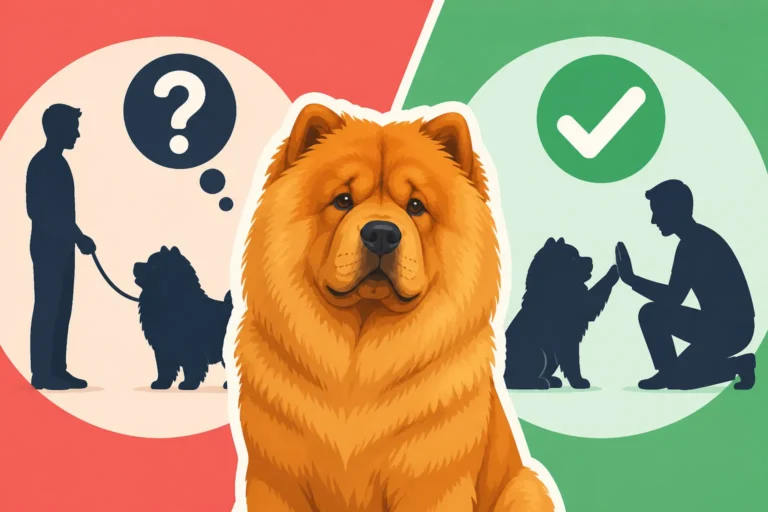
Chow Chows are known for their dignified, often aloof personalities. They are independent thinkers, deeply loyal to their chosen person, but often reserved or wary of strangers and new situations. This isn't a breed that typically throws itself into novel experiences with joyful abandon. When you introduce something as unfamiliar and potentially startling as a buzzing clipper, their natural inclination is often to retreat, protest, or even guard themselves. They need a deep sense of trust and control to feel comfortable, and clippers can feel like a violation of that control and personal space. It's not enough to just hold them down and get it over with; that will only erode trust and make future grooming sessions even more traumatic. They learn by association and by feeling secure. If the clippers are always a source of stress, that association becomes deeply ingrained.
Sensitive Feet and Rear
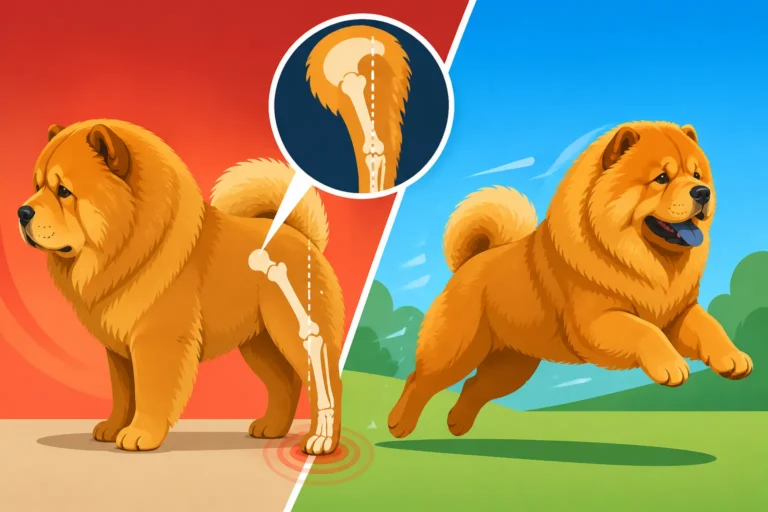
Even for dogs that are generally okay with grooming, the feet and rear can be incredibly sensitive areas. For a Chow Chow, this can be amplified. Their thick coat often means these areas are prone to matting or can hide moisture, leading to skin irritation. When you're trying to trim around delicate paw pads or in the sanitary area, any existing discomfort, even if mild, can make them extremely touch-averse. The feet, in particular, are how they navigate the world, and many dogs don't like having them constrained or manipulated. Imagine someone holding your hand or foot tightly while a vibrating, noisy tool comes near – it's naturally unnerving. Their straight rear leg structure also means their movement is different, and they might guard their rear end more. Trying to trim around the delicate skin of their privates can feel incredibly vulnerable to them, leading to quick defensive reactions. This is why getting them used to general handling of these areas, as discussed in Teaching a Chow Chow to Have Its Feet Handled and Why a Chow Chow Objects to Its Rear Being Touched, is such a crucial first step.
The Sensory Overload: Sound and Vibration
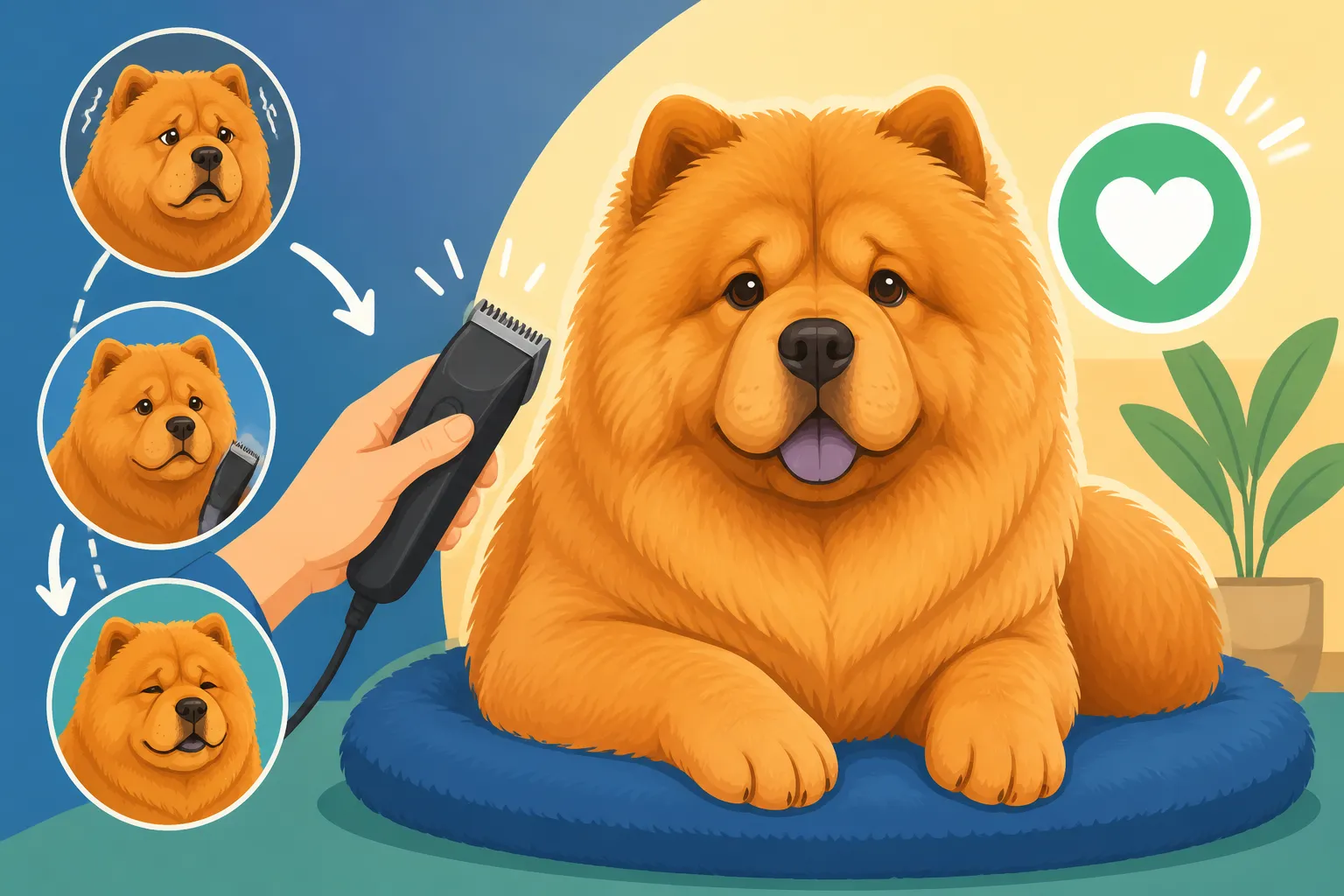
The sound and vibration of electric clippers are arguably the biggest hurdles. To us, it's just a tool, but to a dog with far more sensitive hearing, that buzzing can be incredibly loud and startling. Coupled with the vibration that travels through their fur and skin, it can create a sensory overload. Many Chow Chows react not just to the initial sound, but to the constant whirring and the feeling of it against their body. Even if they don't immediately bolt, you might see subtle signs of stress like lip-licking, yawning, turning their head away, or a sudden stillness. Ignoring these signals and pushing through will only heighten their anxiety. They need to understand that the sound and vibration are harmless and, ideally, lead to something positive. It's crucial to find clippers designed for pets, which are typically quieter, and to introduce them very gradually, often starting with the clippers off, then on, far away, before moving them anywhere near the dog.
The Step-by-Step Desensitization Process
Desensitizing your Chow Chow to clippers isn't a race; it's a marathon that you’ll win with patience, consistency, and a whole lot of high-value treats. The goal isn't to force them to endure it, but to gradually change their emotional response from fear or apprehension to neutrality or even positive anticipation. Think of it as slowly turning up the volume on something they initially find scary, but always pairing it with something wonderful.
Starting with Gentle Touch and Positive Association
Before you even think about bringing out the actual clippers, you need to establish a rock-solid foundation of trust and positive association with general handling, especially of their sensitive areas. If your Chow Chow already flinches when you touch their paws or rear, those are your starting points. Dedicate short, frequent sessions (think 2-5 minutes, several times a day) purely to petting, massaging, and gently touching their feet, legs, and around their tail. As soon as you touch an area, immediately follow with a delicious, high-value treat and calm praise. The moment they tolerate the touch for even a second, mark it with a verbal cue like "yes!" or a click, and reward.
The idea is to create a positive emotional conditioned response: hand touch equals yummy treat. Gradually increase the duration of the touch before the reward, but always keep it positive. Never force or hold them down. If they pull away, let them. Re-engage gently after a moment. For example, while watching TV, gently stroke their leg, give a treat. Repeat. Then stroke a paw, treat. Then gently spread their toes, treat. This isn't about getting the grooming done, it's about building a positive emotional bank account for handling. Think about how crucial this is for their health over a lifespan; being able to handle them for things like checking for lumps or injury is vital. An online resource like BAXTER & Bella's programs can offer structured guidance on building this foundational trust and handling skills.
Introducing the Clipper Off and Then On
Once your Chow Chow is comfortable with being touched all over, you can begin introducing the clippers themselves. Start with the clippers turned off. Let your Chow Chow see them, sniff them. Place them on the floor near a high-value treat. Reward them for simply looking at the clippers, then for sniffing them. You want them to associate the presence of the clippers with good things happening. Then, gently touch the turned off clippers to various parts of their body, starting with less sensitive areas like their shoulder or back, just for a second, then immediately reward. Progress to touching their legs, feet, and rear, always with a treat right after the touch. Keep these sessions very short and positive.
When they are completely relaxed with the off clippers touching them, it's time to introduce the sound. Plug in the clippers (choose quiet, professional-grade clippers for dogs, available on platforms like Amazon, as they make a huge difference compared to human hair clippers) and turn them on in another room. Let the faint sound simply exist in their environment while they are happily eating a meal or chewing a favorite long-lasting treat. Slowly, over days or even weeks, bring the running clippers into the same room, always keeping a comfortable distance where your Chow Chow remains calm. Reward them for staying relaxed while the clippers are on in the background. Once they are calm with the sound nearby, you can briefly touch the running clippers to their body, again starting with less sensitive areas and immediately rewarding. This might involve simply resting the side of the clipper body (not the blade) against their fur for a split second, then praising and treating.
Gradual Contact – The "Touch and Go" Method
The "touch and go" method is key here. With the clippers turned on and your Chow Chow comfortable with the sound and initial touch, you'll start actually clipping. Begin with the absolute easiest spot on their body – often the top of their shoulder or a flat part of their back where the fur is less dense and the skin less sensitive. Turn the clippers on, touch the blade to their fur for less than a second, and then immediately turn the clippers off and reward lavishly with a super high-value treat and praise. The key is to keep it incredibly brief and positive. You’re not trying to remove hair yet; you’re just creating the sensation and the positive association.
Repeat this process, gradually moving to slightly more challenging areas, like the outer thigh, then down the leg, and finally to the paws and sanitary areas. Never force it. If your Chow Chow shows any signs of discomfort – pulling away, tensing up, lip-licking – stop immediately. Go back a step or end the session. Remember, the goal is to make them feel safe and rewarded. Over time, you can slowly increase the duration of the clipper contact from half a second to one second, then two, and so on. Always remember to turn the clippers off, praise, and treat after each successful, brief touch. This systematic, calm approach is vital for a breed like the Chow Chow, who can be wary of abrupt movements and unfamiliar sensations. Building confidence through these tiny, successful increments helps them understand that the clippers aren't a threat.
Making Progress with Short, Positive Sessions
The key to long-term success with a Chow Chow is keeping sessions short, positive, and frequent. A 5-minute session of successful desensitization is far more effective than a 30-minute battle that ends in frustration for both of you. Aim for multiple mini-sessions throughout the day, rather than one long, arduous grooming ordeal. For instance, you might do two minutes of general handling in the morning, two minutes of introducing the off clippers after lunch, and two minutes of "touch and go" with the on clippers on their shoulder in the evening.
Always aim to end on a positive note, even if it means doing something incredibly easy that you know they’ll succeed at. This reinforces the idea that grooming, and especially clippers, isn’t something to be dreaded. If you find your Chow Chow is getting stressed, immediately take a break. A quick game of fetch, a chew toy, or simply letting them decompress for a few minutes can reset the mood. For instance, if you're working on their feet and they pull away, stop. Give them a moment, then calmly stroke their back and give a treat. End there for the session. That way, the last thing they remember isn't the stress, but the pleasant interaction. Consistency is paramount; even on days when you don't have time for a full grooming routine, a quick, positive touch of the clippers and a treat can keep the training momentum going. Remember, the goal is to chip away at their apprehension over time, not to conquer it in one go.
Essential Tools and Techniques for Success
Beyond the step-by-step process, having the right equipment and a smart approach to your grooming environment can make a world of difference. Chows thrive on routine and clear expectations, and minimizing external stressors is critical for them to relax.
Choosing the Right Clippers and Grooming Aids
When it comes to clippers, investing in a high-quality, quiet, and low-vibration model designed specifically for pets is non-negotiable for a Chow Chow. Human clippers are often too loud and vibrate too intensely, which can be instantly off-putting. Look for professional-grade dog grooming clippers. Brands like Wahl, Andis, or Oster often have quieter models with various blade sizes. Some models are cordless, which can also reduce stress by eliminating a cord that could get tangled or tugged. Remember to always use a cool, sharp blade to prevent pulling and skin irritation, which can quickly undo all your desensitization work. Dull blades hurt!
Beyond the clippers, other aids can help. A sturdy grooming table with a non-slip surface and a grooming arm can provide stability and make it easier for you to access all areas safely. For a Chow Chow, who might be hesitant about being lifted or staying still, a table can create a designated "grooming zone" that, over time, they associate with calm, rewarded behavior. Non-slip mats on the floor if you're grooming there are also essential. High-value treats are a must – think small pieces of cheese, cooked chicken, or liver paste, something your Chow Chow absolutely loves. Having these readily available in a treat pouch will ensure you can reward instantly. Finally, consider a conditioning spray or detangler (also available on Amazon) to help the clippers glide through their dense double coat more smoothly, especially if you're tackling any mats.
The Power of a Calm Environment
Your Chow Chow is highly attuned to their surroundings, and a chaotic environment will sabotage your desensitization efforts. Choose a quiet, distraction-free space for your grooming sessions. This means turning off the TV, silencing your phone, and ensuring other pets or family members won't interrupt. A calm atmosphere allows your Chow Chow to focus on you and the task at hand, reducing their overall stress levels. Soft, calming music might help some dogs, but for others, complete silence is best.
The lighting should be good so you can clearly see what you're doing, but not overly bright or glaring. Ensure the temperature is comfortable – Chows overheat easily, so a cool room is always better, as discussed in What Temperature Is Too Hot for a Chow Chow. You want to create a predictable, safe sanctuary for grooming. This consistency in environment helps them understand what's expected and allows them to relax into the routine. If you're constantly moving the grooming spot or attempting it amidst household commotion, you're adding unnecessary variables that can heighten their anxiety and make them more reactive to the clippers.
Incorporating Professional Guidance
Sometimes, despite your best efforts, a Chow Chow's apprehension towards clippers can be profound, or you might encounter specific challenges you're unsure how to navigate. This is where professional guidance can be invaluable. A veterinary behaviorist or a certified professional dog trainer (CPDT) who specializes in positive reinforcement and fear-free techniques can assess your Chow Chow's specific anxieties and help you tailor a desensitization plan. They can also teach you how to properly read your dog's body language – those subtle signs of stress that we often miss but are crucial for preventing escalation. Signs a Chow Chow Is Uncomfortable can give you a head start on understanding these signals.
Additionally, a groomer experienced with Chows and committed to positive reinforcement can be a fantastic partner. Many "fear free" certified groomers will offer "happy visits" where your Chow Chow can simply come to the salon, receive treats and praise, and leave without any actual grooming taking place. This helps build positive associations with the grooming environment and the people involved, even if they're not doing the clipping themselves. If your Chow Chow needs significant trimming, especially during a The Twice a Year a Chow Chow Blows Its Coat, a professional who understands their unique coat and temperament might be necessary. Some online training platforms, such as BAXTER & Bella, offer virtual coaching sessions or detailed modules on grooming desensitization that can provide structured support from experts right in your home.
Common Pitfalls and How to Avoid Them
Even with the best intentions, it's easy to fall into common traps when trying to desensitize your Chow Chow to clippers. Given their unique temperament, these pitfalls can quickly undo progress and make future attempts even more difficult. Recognizing and actively avoiding them is just as important as knowing the right steps.
Rushing the Process
This is, hands down, the biggest mistake Chow Chow owners make. We live in a fast-paced world, and it's tempting to want immediate results, especially when grooming feels like a chore. However, forcing or rushing a Chow Chow through any unpleasant experience, particularly something as sensitive as clippers, will almost always backfire spectacularly. Their trust is hard-earned and easily broken. If you skip steps, try to go too fast, or push them beyond their comfort level, you risk creating a deeply ingrained negative association with clippers. This can manifest as increased fear, aggression, or even avoidance behaviors that become harder to overcome.
Imagine trying to teach a child to swim by just throwing them in the deep end. It creates trauma, not confidence. With a Chow Chow, you need to be prepared for the desensitization process to take weeks, or even months, not days. Each small step, no matter how tiny, must be solidified before moving on. If your Chow Chow flinches at the sight of the turned-off clippers, you're not ready for the sound. If they are stressed by the sound from a distance, you're definitely not ready for contact. Patience isn't just a virtue here; it's a requirement for success. Celebrate every tiny win, and never underestimate the power of going slow.
Using Force or Punishment
This goes hand-in-hand with rushing, but it's crucial to address separately. Using physical force to hold your Chow Chow down, speaking harshly, or using any form of punishment (like scolding or startling them) when they react negatively to the clippers is a guaranteed way to destroy their trust and make them genuinely fear the grooming process. A Chow Chow will rarely respond well to force; they are more likely to shut down, become defensive, or even lash out. They don't understand why they are being punished; they only associate the unpleasantness with the clippers and with you.
Instead of teaching them to tolerate clippers, force teaches them that you are unpredictable and that grooming is a terrifying ordeal from which they need to defend themselves. This can lead to escalated reactions, making it nearly impossible for you, or even a professional groomer, to handle them safely in the future. Remember, they are often already wary, and a negative experience is deeply etched into their memory. If you're struggling, it's far better to end the session, regroup, and seek professional help than to resort to methods that will only cause harm and erode your bond. Forcing them also risks injury, to both you and your Chow Chow, especially if they try to squirm or bite.
Ignoring Body Language
Chow Chows, like many dogs, communicate discomfort through a variety of subtle and not-so-subtle body language signals. However, their stoic and sometimes aloof nature can make their signals harder to read than, say, a golden retriever's. While a direct growl or snap is obvious, a Chow Chow might first offer more subtle cues: lip-licking, yawning when not tired, turning their head away, averting their gaze, freezing, tensing their body, shaking, or moving slowly to try and escape. Sometimes, a seemingly benign "stiffening" of their posture can be an early warning sign of escalating anxiety.
Ignoring these signals means you're pushing past their comfort threshold, which, as we've discussed, is counterproductive. If you consistently miss or dismiss these cues, your Chow Chow will learn that their subtle warnings aren't effective, and they might escalate to more overt and potentially aggressive behaviors to communicate their distress. Take the time to learn your Chow Chow's specific signs of stress. If you see them, stop what you’re doing immediately, give them space, and reset. Never push through clear signs of discomfort. This mindful approach to their emotional state is key to building trust and ensuring the desensitization process is positive and ultimately successful.
| Stage of Desensitization | What to Focus On | Key Actions | Goals |
|---|---|---|---|
| Foundation Building | General Handling & Trust | Gentle petting, massages of feet/rear; frequent, short, positive sessions | Chow Chow accepts touch calmly; associates hands with positive outcomes |
| Clipper Introduction | Sight & Sound (Off) | Show clippers (off), let sniff; touch clippers (off) to body (non-sensitive areas first), reward | Chow Chow views clippers (off) neutrally; no fear of static object |
| Sound Exposure | Clipper Sound (On – Distance) | Turn clippers on in another room; gradually bring closer while Chow Chow is distracted/eating | Chow Chow tolerates clipper sound passively; sound isn't startling |
| Vibration & Brief Contact | Clipper Vibration & Touch (On – Brief) | Touch running clippers (blade away) to non-sensitive areas, then very briefly (less than 1 sec) to fur with blade; immediately turn off & reward | Chow Chow tolerates brief sound/vibration contact; associates it with rewards |
| Gradual Clipping | "Touch & Go" & Expanding Areas | Very short clipping (1-2 seconds) on easy areas; slowly move to more challenging spots (paws, rear); frequent rewards | Chow Chow accepts small amounts of clipping as part of a routine; minimal stress |
Disclaimer
This article is for general informational purposes only and does not constitute professional advice. Laws, prices and regulations vary by location and change over time. Consult a qualified professional for guidance on your specific situation.