Whether a Chow Chow Can Pass a Canine Good Citizen Test
Many Chow Chow owners find themselves admiring their dignified companions but secretly wondering if these independent spirits can truly excel in formal obedience settings. The idea of a Canine Good Citizen (CGC) test, which assesses a dog's basic manners and calm demeanor in public, can seem like a daunting, if not impossible, goal for a breed often perceived as aloof or stubborn. This guide aims to demystify the CGC test for Chow Chow owners, addressing the unique challenges their breed presents and offering practical, compassionate strategies to help your Chow Chow not only navigate but potentially shine in this important evaluation.
Understanding the Canine Good Citizen Test
The American Kennel Club (AKC) Canine Good Citizen (CGC) program is a well-respected ten-step test that assesses a dog's good manners and a handler's responsible ownership. It's not about complex tricks or competitive obedience, but rather about demonstrating that your dog can be a polite, well-behaved member of the community. Many people pursue CGC for practical reasons, from building a stronger bond with their dog to gaining acceptance in pet-friendly establishments or even qualifying for reduced homeowners insurance premiums.
What is the Canine Good Citizen Program?
At its heart, the CGC program is about validating a dog and owner's commitment to responsible pet ownership. It’s a wonderful foundation for any dog, regardless of breed or background, proving that they can reliably perform basic commands and maintain composure in common, everyday situations. Think of it as a "good neighbor" award for dogs – ensuring they won't be a nuisance or a danger to others. For Chow Chow owners, who often face misconceptions about their breed's temperament, achieving a CGC title can be a powerful statement, showcasing their dog's potential for calmness and good behavior.
The test focuses on practical, real-world skills. It includes everything from accepting a friendly stranger to walking politely on a leash through a crowd. Success isn't about perfection, but about the dog demonstrating a cooperative attitude and the handler showing they can maintain control. This makes it an achievable goal for many dogs, even those with independent streaks, given the right preparation.
The 10 Elements of the CGC Test
The Canine Good Citizen test consists of ten specific items, each designed to evaluate a different aspect of a dog's manners and the handler's ability to control their dog. Understanding each element is crucial for preparing your Chow Chow effectively.
| CGC Test Item | Description | Chow Chow Challenge | Training Focus |
|---|---|---|---|
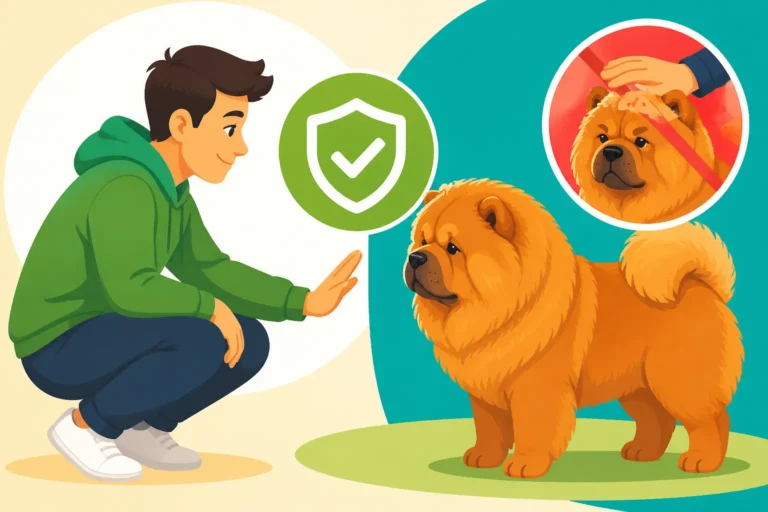
| 1. Accepting a Friendly Stranger | Dog allows a stranger to approach, speak to the handler, and pet the dog. | Many Chows are wary or indifferent to strangers, not seeking attention. | Positive exposure to calm, gentle strangers with treats. |
| 2. Sitting Politely for Petting | Dog allows a stranger to approach and pet it while sitting calmly. | Can resist prolonged or unfamiliar touch, especially from strangers. | Practice with trusted friends, rewarding calm acceptance of touch. |
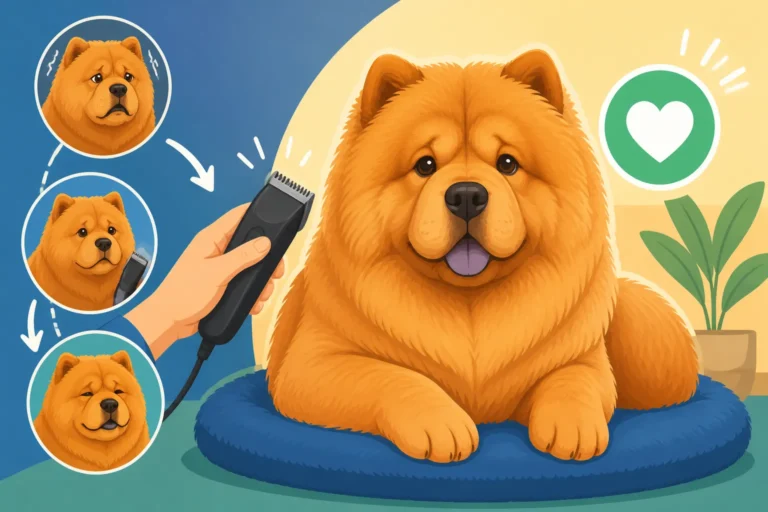
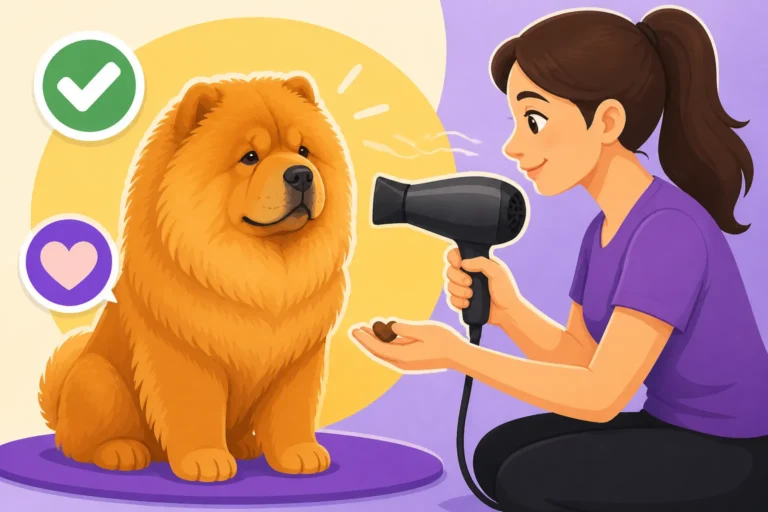
| 3. Appearance and Grooming | Dog allows a stranger to inspect it, including ears and paws, and brush it. | Often sensitive about handling, particularly feet, hindquarters, and face by non-family. | Desensitize to handling from an early age, making it a positive experience with rewards. Teaching a Chow Chow to Accept Being Groomed is vital here. |
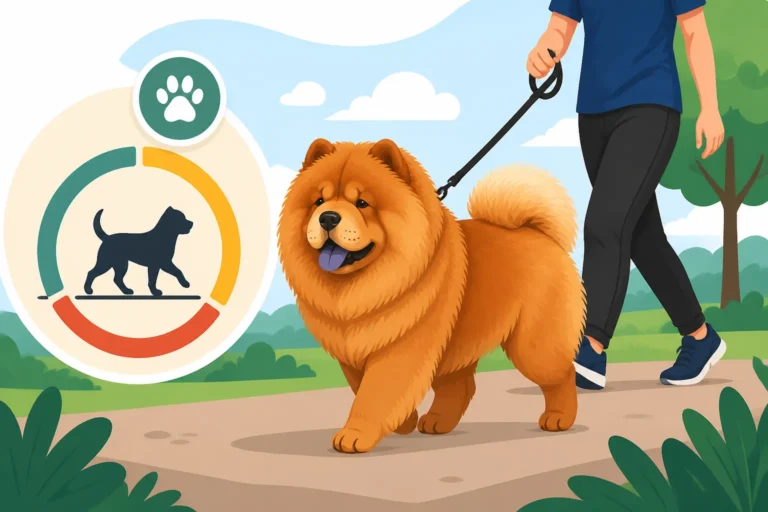
| 4. Out for a Walk (Walking on Loose Lead) | Dog walks on a loose leash for a short distance, turning and stopping. | Can be strong-willed or easily distracted, preferring to set their own pace. | Consistent leash training with positive reinforcement, focusing on focus around distractions. |
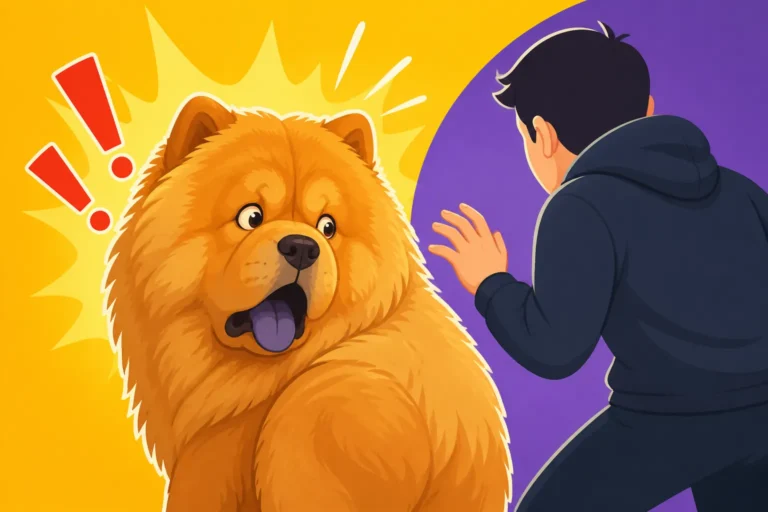
| 5. Walking Through a Crowd | Dog walks politely on a loose leash through a small crowd of people. | Can become overwhelmed or reactive in close proximity to many strangers. Their vision can also limit their awareness. Why a Chow Chow Snaps at Someone It Did Not See | Gradual exposure to busy, but controlled, environments, rewarding calm behavior. |
| 6. Sit & Down on Command/Stay | Dog performs a sit and a down, and then stays in position while the handler moves a short distance away. | Independence can lead to a lack of motivation to hold a stay, especially with distance. | Build duration and distance gradually, using high-value rewards and making it a fun game. |
| 7. Coming When Called | Dog comes reliably when called from a short distance with mild distractions. | Known for their independent nature; recall can be challenging if not heavily practiced and reinforced. | Make coming when called the most rewarding thing ever. Practice in various settings. |
| 8. Reaction to Distractions | Dog exhibits a neutral reaction to common distractions (e.g., a dropping object, a jogging person). | Can be sensitive to sudden movements or sounds due to their limited peripheral vision and guarding instincts. | Controlled exposure to various sounds and movements, always pairing with positive outcomes. |
| 9. Supervised Separation | Dog is left with a trusted person (the evaluator) for three minutes while the handler goes out of sight. | While loyal, some Chows may express anxiety or vocalize when their primary person leaves, particularly with a stranger. | Practice short separations, building confidence, and positive associations with the temporary caregiver. |
| 10. Dog-Friendly Encounters (Passing Other Dogs) | Dog walks politely past another dog without showing aggression or undue interest. | Some Chows can be dog-selective or possessive, making calm passing difficult if not trained extensively. How a Chow Chow Gets Along With Other Dogs often varies. | Positive reinforcement for calm observation of other dogs from a distance, gradually decreasing the space. |
Why Pursue CGC with a Chow Chow?
Achieving a CGC title with your Chow Chow is more than just a certificate; it's a testament to your dedication and your dog's capabilities. For many Chow owners, it's about breaking down stereotypes and proving that their furry companion, despite their reputation for independence, is a well-adjusted and well-mannered member of society.
Beyond the pride, there are tangible benefits. A CGC title can make it easier to find pet-friendly housing or gain access to public spaces that might otherwise be restrictive. It also lays a strong foundation for further training, deepening the communication and trust between you and your Chow. The process itself is incredibly enriching, providing mental stimulation for your dog and strengthening your bond as you work together towards a shared goal. It shows that you are a responsible owner, committed to nurturing your dog’s potential and ensuring they are a joy, not a challenge, in the community.
Chow Chow Temperament and CGC Challenges
The unique temperament of a Chow Chow is part of what makes them so captivating, but it also presents specific hurdles when preparing for something like the Canine Good Citizen test. Understanding these inherent traits isn't about making excuses, but about developing tailored strategies that work with your Chow's personality, rather than against it.
The Independent and Aloof Nature
Chow Chows are not your typical "eager to please" breeds. Their history as versatile working dogs in ancient China, performing roles from guarding to hunting, instilled in them a strong sense of independence and self-reliance. This means they often don't have the inherent drive to constantly check in with their handler or perform endless repetitions purely for praise. How Aloof a Chow Chow Really Is highlights this trait.
When faced with a training exercise, a Chow Chow might perfectly understand what you're asking but choose not to do it if they don't see the immediate benefit or if they're simply not in the mood. This isn't defiance; it's a reflection of their confident, sometimes stubborn, personality. This independence can make the "stay" or "come when called" portions of the CGC test particularly challenging, as it requires sustained focus and cooperation, especially when distractions are present. They'll work with you, not necessarily for you, and often on their own terms.
Limited Social Circle and Stranger Aversion
One of the most significant challenges for Chow Chows in the CGC test is their natural wariness of strangers and their tendency to have a very small, select social circle. While they are fiercely loyal and affectionate with their chosen family, they are generally indifferent, or even suspicious, of outsiders. How a Chow Chow Greets Visitors details this typical behavior.
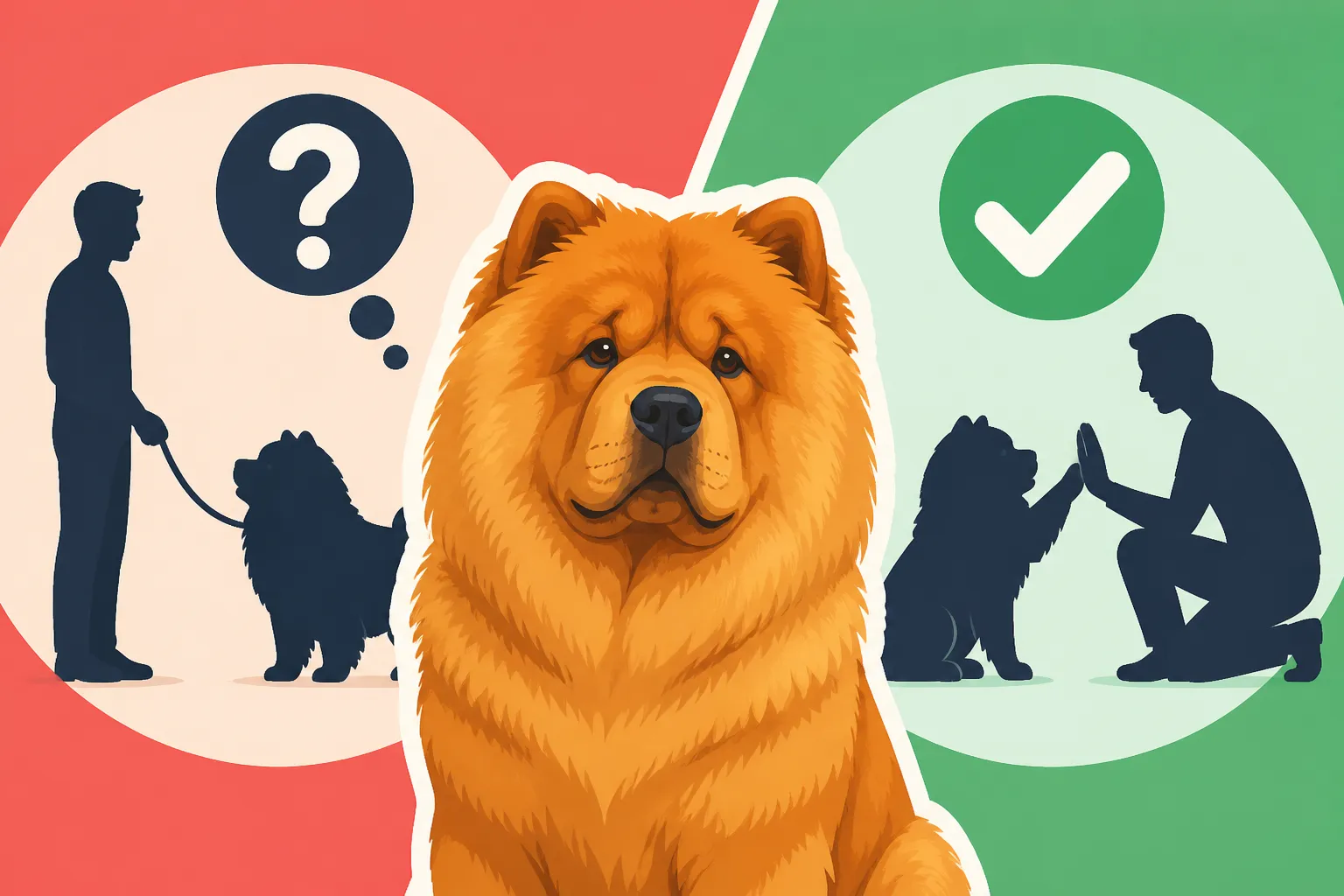
The CGC test requires several interactions with a "friendly stranger," including being petted and handled by the evaluator. For a Chow Chow, who often doesn't appreciate unsolicited attention from unfamiliar people, these elements can be a source of stress or outright refusal. Their guarding instincts, combined with their deep-set eyes that limit their peripheral vision, mean they might not see someone approaching from the side or rear, leading to a startled or defensive reaction. Why a Chow Chow Snaps at Someone It Did Not See explains this visual limitation. Overcoming this requires extensive, positive exposure and carefully managed interactions, ensuring your Chow feels safe and unthreatened.
Environmental Sensitivity and Handling Resistance
Chow Chows can also be sensitive to their environment and often have specific preferences regarding physical handling. Their dense double coat means they can overheat easily, and being asked to perform in warm weather can add significant stress. Beyond comfort, their unique physical structure, including their straight rear legs and deep-set eyes, influences how they perceive and interact with the world around them.
Many Chows are known for being particular about being touched, especially in sensitive areas like their feet, ears, or hindquarters, particularly by someone they don't know intimately. Why a Chow Chow Objects to Its Rear Being Touched delves into this. The CGC test includes an "appearance and grooming" section where the evaluator inspects and brushes the dog. For a Chow, this close physical examination by a stranger can be highly uncomfortable. Successfully navigating this part of the test requires significant prior desensitization, teaching your Chow to not only tolerate but ideally enjoy being handled by various people in a calm, positive manner.
Strategies for Success: Preparing Your Chow Chow for CGC
Successfully guiding your Chow Chow through the Canine Good Citizen test, or even just mastering polite public manners, requires a thoughtful and consistent approach that respects their unique nature. It's about building trust, understanding their motivations, and gradually exposing them to the world in a positive way.
Early and Continuous Socialization
For a Chow Chow, socialization isn't just important; it's absolutely critical. Their natural suspicion of strangers and novel situations means that comprehensive, positive exposure from a very young age can make all the difference. When a Chow Chow's Socialization Window Closes emphasizes the narrow window for this crucial development.
This doesn't mean forcing your puppy to interact with every person and dog it meets. Instead, it involves carefully orchestrated, positive experiences. Expose your Chow puppy to a wide variety of sights, sounds, smells, people, and well-behaved vaccinated dogs. Think about walks in different neighborhoods, brief, calm visits to pet-friendly stores (if your puppy is comfortable and fully vaccinated), or simply sitting on a park bench and observing the world go by from a safe distance, rewarding calm behavior. Resources like online puppy programs, such as those offered by BAXTER & Bella, can provide structured guidance for at-home socialization, helping you introduce new experiences in a controlled, positive manner before your puppy is ready for public outings. The goal is to build a foundation of confidence and neutrality, teaching your Chow that new experiences are generally safe and even rewarding.
Positive Reinforcement Training and Building Trust
Given their independent nature, Chow Chows respond best to training methods that are fair, consistent, and highly rewarding. Harsh corrections or punishment will almost certainly backfire, leading to a shutdown, resentment, or increased stubbornness. Why Harsh Correction Backfires on a Chow Chow perfectly illustrates this point.
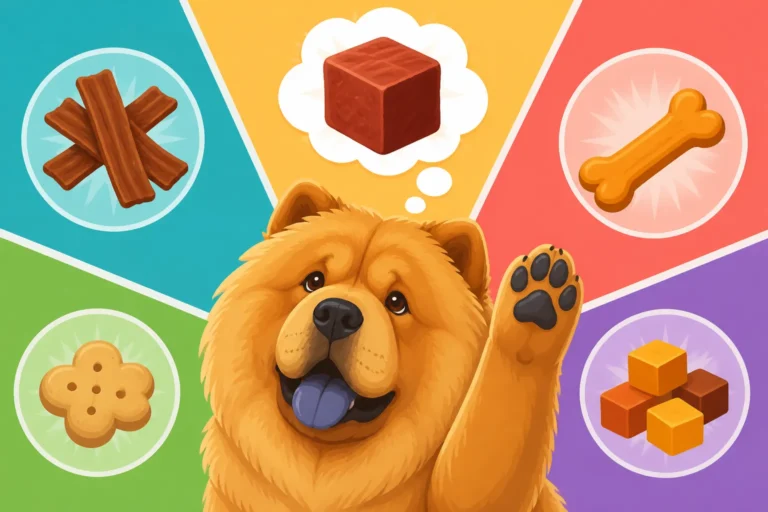
Instead, lean heavily on positive reinforcement. Find out what truly motivates your Chow – often, it's high-value treats like cooked chicken, cheese, or specific chewy snacks. Which Treat a Chow Chow Will Work Hardest For can guide you in identifying their top motivators. Keep training sessions short, fun, and engaging, typically no longer than 5-10 minutes, several times a day, to maintain their interest. How Long a Chow Chow's Training Session Should Be is a good principle to follow. Celebrate successes enthusiastically and avoid pushing them past their comfort level. This approach builds a strong, trusting relationship where your Chow chooses to cooperate because they associate training with positive outcomes, not coercion.
Desensitization and Counter-Conditioning for Handling and Strangers
To tackle the CGC elements involving handling and interactions with strangers, you'll need to employ desensitization and counter-conditioning. This means gradually exposing your Chow to the triggers (being handled by a stranger, someone approaching) while simultaneously creating a positive association (with delicious treats or praise).
Start by practicing handling yourself. Gently touch your Chow's ears, paws, tail, and mouth, always pairing the touch with a treat. Gradually increase the duration and intensity of the touch. Then, enlist trusted friends or family members who your Chow is somewhat familiar with to perform similar gentle handling, always supervising closely and ensuring positive experiences. Teaching a Chow Chow to Accept Being Groomed provides invaluable tips for this. For meeting strangers, begin by having a friend walk past your Chow at a distance, giving treats as they pass. Slowly decrease the distance, eventually having the friend pause, speak calmly to you, and offer a treat to your Chow (if your Chow is comfortable taking it). Never force interactions. The key is to proceed at your Chow's pace, making every interaction predictable and rewarding.
Practice in Varied Environments
Once your Chow Chow is consistently performing commands in a familiar, low-distraction environment, it's crucial to generalize these behaviors by practicing in a variety of settings. The CGC test takes place in an unfamiliar location with other dogs, people, and novel sights and sounds.
Start with slightly more distracting environments, such as your backyard with a few family members around, then move to a quiet park during off-peak hours. Gradually introduce more distractions and busier locations. This could include a quiet corner of a pet-friendly hardware store, a less crowded walking trail, or near a school after dismissal. The goal is for your Chow to learn that "sit" means "sit" regardless of where they are or what's happening around them. Always set your Chow up for success by starting at a distance where they can still focus, rewarding heavily for good choices, and slowly moving closer to the distraction as their confidence grows.
Seeking Professional Guidance
Even experienced dog owners can benefit immensely from professional help, especially with a breed as unique as the Chow Chow. A qualified dog trainer or behavior consultant can assess your Chow's individual temperament and provide tailored strategies for success.
When seeking a trainer, look for someone experienced with primitive breeds, independent dogs, or those with guarding tendencies. Prioritize trainers who use positive reinforcement, fear-free methods, and have a deep understanding of canine body language. They can help you fine-tune your techniques, spot subtle signs of stress in your Chow, and guide you through the more challenging aspects of the CGC test, such as the supervised separation or polite leash walking through a crowd. Many local humane societies or independent dog training facilities offer CGC preparation classes, which can be an excellent way to practice in a test-like environment. For specific training tools, books, or online courses, online retailers like Amazon offer a vast selection that can supplement your training journey.
Beyond the Test: Life with a CGC Chow Chow
Even if your Chow Chow doesn't end up with a Canine Good Citizen title, the journey of preparing for it offers immense rewards. The process itself is a powerful tool for building a stronger bond, better communication, and a more well-adjusted dog. The skills learned are invaluable for daily life, fostering a harmonious relationship between you and your dignified companion.
The Real-World Benefits of Training
Whether your Chow Chow earns their CGC certificate or not, the foundational training you undertake will profoundly enhance your life together. You’ll have a dog who is more confident in various situations, more responsive to your cues, and better equipped to handle the world outside your home. Imagine pleasant walks where your Chow isn't constantly pulling, or having guests over without worrying about how your dog will react. These aren't just dreams; they are direct results of consistent, positive training.
You'll also develop a deeper understanding of your Chow's communication signals, allowing you to anticipate their needs and head off potential issues before they escalate. How to Read a Chow Chow's Face can help you interpret those subtle expressions. This improved communication reduces stress for both of you, making daily routines smoother and more enjoyable. The focus on basic manners and impulse control equips your Chow Chow to be a polite member of society, reflecting positively on the breed and your dedication as an owner.
Continued Training and Maintenance
Achieving a CGC title is a milestone, not a finish line. Dog training is an ongoing process, and behaviors, like muscles, need regular exercise to stay strong. To maintain your Chow Chow's good manners and confidence, continued practice and reinforcement are essential.
Regularly revisit the CGC exercises in different environments and with varying levels of distraction. Keep your training sessions fun and short, using high-value rewards to keep your Chow motivated. Continue to seek out positive socialization opportunities, always ensuring your Chow feels safe and in control. This doesn't mean constant formal training, but rather integrating commands and polite behaviors into your daily life. For instance, practice a "sit-stay" before meals, or a "wait" at the door. Consistency is key to preventing old habits from resurfacing, and it also reinforces the bond you've built. Remember, even a Chow Chow can hold a grudge or become less cooperative if neglected, so consistent, fair interaction is always the best approach. How Long a Chow Chow Holds a Grudge is a strong reminder of their sensitive nature.
Not Every Chow Chow Needs a Title
It's important to approach the Canine Good Citizen test with realistic expectations. While many Chow Chows can absolutely pass, some may find the formal testing environment, or certain specific elements, particularly challenging despite their owner's best efforts. And that's perfectly okay! The ultimate goal of dog ownership is a happy, healthy, and well-adjusted companion who fits well into your family and lifestyle, not necessarily a string of titles.
If your Chow Chow shows significant stress or discomfort with certain aspects of the test, or if their independent streak makes them genuinely uninterested in performing for a stranger, don't view it as a failure. Focus on the behaviors that are most important for your day-to-day life. Perhaps your Chow excels at walking politely on a leash and has a bomb-proof "sit," but the supervised separation fills them with anxiety. Prioritize their well-being and happiness. The value lies in the journey of training and the enhanced bond it creates, regardless of whether a piece of paper officially recognizes it. Celebrate the progress you make and the unique joy your Chow Chow brings to your life.
Disclaimer
This article is for general informational purposes only and does not constitute professional advice. Laws, prices and regulations vary by location and change over time. Consult a qualified professional for guidance on your specific situation.