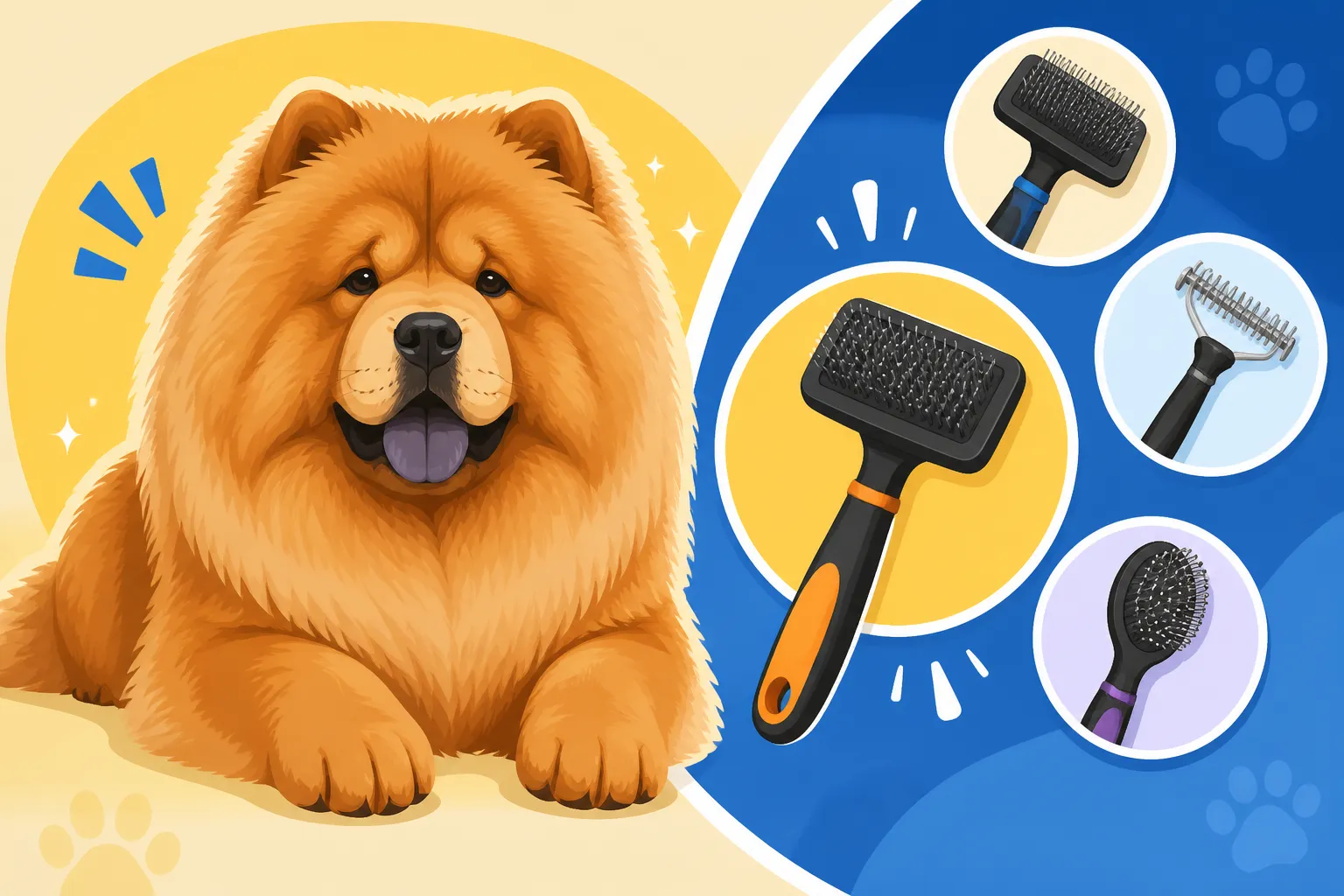
Which Brush a Chow Chow Needs
Oh, the Chow Chow coat! It's one of their most magnificent features, a glorious lion's mane or a sleek, plush fur that just begs to be admired. But if you’re a Chow Chow parent, you know that underneath all that beauty lies a monumental grooming challenge. Many new owners quickly discover that a simple dog brush from the local pet store just won't cut it, leaving them frustrated with mats, shedding, and a less-than-pristine pup. This guide is here to cut through the confusion and help you identify exactly which brushes you need to keep your Chow Chow's coat healthy, happy, and tangle-free.
Understanding the Chow Chow's Unique Coat
Before we dive into the specific tools, let's really get to grips with what makes a Chow Chow's coat so distinct. It's not just "fluffy"; it's a marvel of canine engineering, designed for centuries to protect them from harsh weather. Understanding its structure is the first step toward successful grooming.
The Double Coat Explained
Every Chow Chow, whether rough or smooth, boasts a double coat. This isn't just a fancy term; it's a critical aspect of their anatomy that dictates their grooming needs. Imagine a winter jacket: you have a warm, insulating layer and a protective outer shell. That's essentially what your Chow Chow has, but all year round.
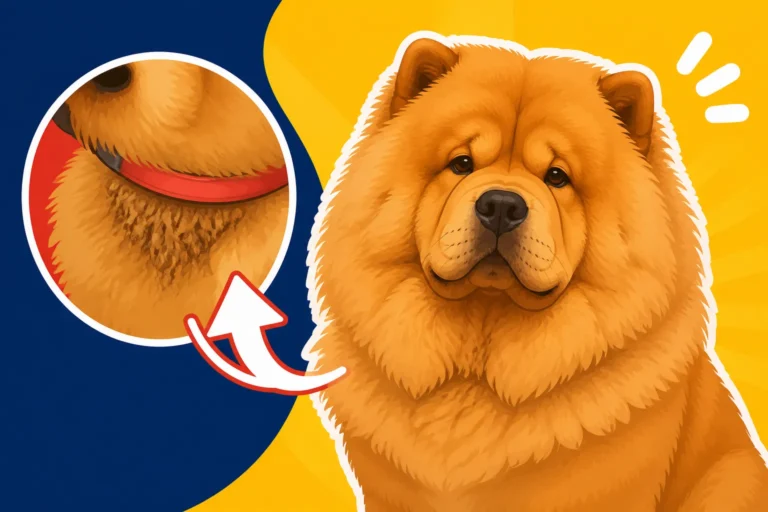
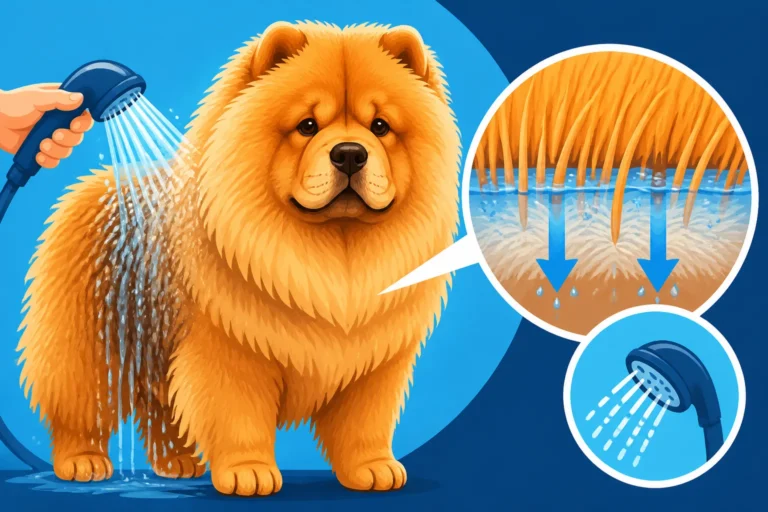
The inner layer, or undercoat, is soft, dense, and woolly. Its primary job is insulation – keeping them warm in winter and surprisingly, helping to keep them cool in summer by trapping air, acting like natural air conditioning. This undercoat is also the main culprit behind shedding and matting if not properly managed. It sheds constantly, but twice a year, it "blows" out in massive quantities, looking like a snowstorm of fur in your home. The outer layer, or guard coat, is coarser and straighter. It's designed to repel water, dirt, and protect the delicate undercoat and skin from environmental elements like sun and thorns. This guard coat typically doesn't mat as easily as the undercoat, but it does protect it. When you're brushing, you need to work through the guard coat to reach and address the undercoat directly. If you only brush the top layer, you're missing the vast majority of the hair that causes problems.
Rough vs. Smooth Coats and Their Brushing Needs
Chow Chows come in two distinct coat varieties: rough and smooth. While both have that signature double coat, their lengths and textures demand slightly different approaches to grooming and, therefore, different priorities when choosing brushes.
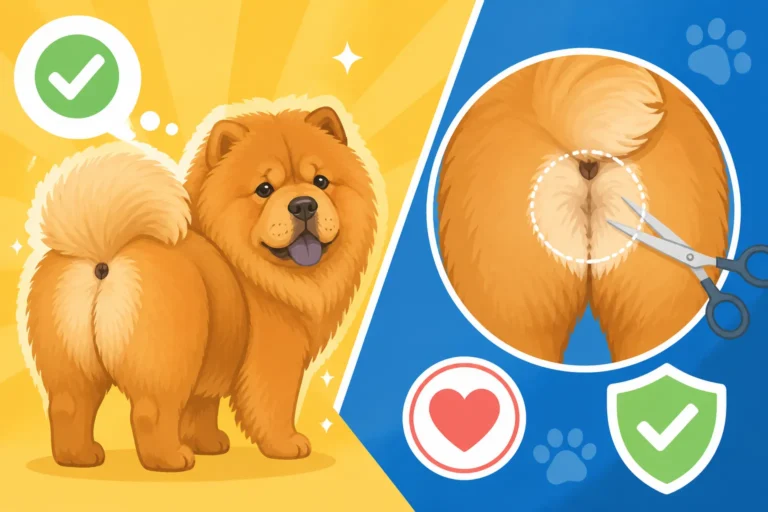
The rough-coated Chow Chow is what most people picture: the magnificent lion-like mane, the profuse ruff around the head and shoulders, feathering on the legs, and a heavily plumed tail. This coat is stunning but requires significant dedication. The longer guard hairs and extremely dense undercoat are prone to matting, especially behind the ears, under the elbows, and in the "britches" area around their rear legs. Regular and thorough brushing is non-negotiable for these majestic Chows. You'll be spending more time on them, needing to penetrate deeply to the skin to prevent tangles from forming. Check out Rough or Smooth: the Two Chow Chow Coats and What Each Needs for more on the differences.
The smooth-coated Chow Chow, while less common, still possesses a dense double coat. Their fur is shorter, giving them a plush, teddy-bear-like appearance rather than a lion's mane. Don't be fooled by the shorter length, though; they still have a significant undercoat that sheds and can mat. While they might not accumulate mats as quickly or severely as their rough-coated counterparts, they still require consistent attention. The smooth coat might be easier to manage on a day-to-day basis, but during coat blows, you'll still be shocked by the sheer volume of fur that comes off. The goal with both coats is always the same: keep the undercoat clear and free-flowing to allow air circulation and prevent discomfort.
Essential Brushes for the Chow Chow Owner
Now that we understand the coat, let's talk about the specific tools that are going to be your best friends in the battle against mats and shedding. You can’t just grab any old brush; these dogs need specialized equipment.
The Mighty Slicker Brush
If there's one brush you absolutely must have for a Chow Chow, it's a high-quality slicker brush. This isn't just any slicker; you need one with strong, fine wires that are slightly angled and packed densely. The slicker brush is your primary weapon for tackling the undercoat. It effectively pulls out loose, dead undercoat and helps to gently separate hairs, preventing mats from forming or becoming too tight.
When using a slicker, you need to employ a technique called "line brushing." This means systematically brushing small sections of the coat, starting from the bottom and working your way up, ensuring you reach the skin. Many people just skim the top of the coat, which is a common mistake that leads to hidden mats forming closer to the skin. Think of it like parting the hair: you brush a section, then part the coat above it, and brush that section, revealing the skin. For rough coats, you'll use this almost daily, especially in areas prone to matting like behind the ears or under the legs. For smooth coats, it's still crucial, perhaps a few times a week, to manage shedding. Remember, the goal is to get that undercoat out, and the slicker brush does it without damaging the guard coat if used correctly. A good quality slicker brush, perhaps one with a self-cleaning feature, can be found easily on platforms like Chewy or Amazon. To learn more about this technique, check out How to Line Brush a Chow Chow.
The Indispensable Undercoat Rake
While the slicker brush is excellent, the undercoat rake is what truly delves into the dense, woolly undercoat of a Chow Chow, especially during those infamous "coat blow" periods. This tool features a single or double row of widely spaced, often curved, metal teeth designed to penetrate deeply into the coat without cutting the healthy guard hairs.
An undercoat rake is particularly effective at removing large quantities of loose undercoat that the slicker brush might miss, or that has compacted closer to the skin. It's incredibly satisfying to see the amount of fur this tool can pull out, significantly reducing shedding around your house and preventing uncomfortable matting for your Chow. It's indispensable during seasonal sheds, which happen roughly twice a year, where your Chow will shed vast amounts of their undercoat. Using an undercoat rake can drastically reduce the duration and intensity of these shedding events, as it helps pull out that dead hair that would otherwise get trapped. Ensure you use it gently, always brushing in the direction of hair growth, and take care not to pull on tangles, which can cause discomfort. Many Chow Chow owners swear by the undercoat rake for its efficiency and effectiveness. You might wonder Whether an Undercoat Rake Suits a Chow Chow – the answer is a resounding yes!
The Versatile Pin Brush and Comb
Beyond the heavy-duty work of slickers and rakes, you'll also want a good pin brush and a sturdy metal comb in your grooming arsenal. These tools serve different, yet equally important, functions.
A pin brush features widely spaced metal pins, usually with rounded tips, set into a rubber cushion. This brush is fantastic for the final touches: smoothing out the guard coat, distributing natural oils, and gently detangling surface knots. It's also great for puppies, helping them get used to the sensation of brushing without being too intense. While it won't penetrate the undercoat deeply enough for effective de-shedding, it's perfect for daily maintenance between more thorough grooming sessions. For a rough-coated Chow, it helps keep that magnificent ruff looking its best.
A metal comb, particularly a greyhound-style comb with both wide and narrow teeth, is invaluable for detail work and checking your progress. The wide-toothed end is excellent for gently working through any minor tangles you might encounter, especially in the feathering on legs or tail, or behind the ears. The narrow-toothed end is perfect for tidying up facial hair or around the eyes. Crucially, running a metal comb through the coat after brushing with a slicker and rake is your ultimate test: if the comb glides through easily from root to tip, you know you’ve done a thorough job and the undercoat is clear. If it snags, you've got more work to do! This comb is essential for finding those hidden mats before they become serious problems. For information on where mats first appear, see Where a Chow Chow Mats First.
Specialty Tools for Specific Challenges
Even with your essential brushes, a Chow Chow’s coat can present unique challenges. Having a few specialty tools on hand can make a world of difference when you encounter a particularly stubborn mat or a full-blown coat explosion.
Dealing with Mats and Tangled Areas
Mats are the bane of every long-coated dog owner's existence, and Chow Chows are particularly prone to them due to their dense undercoat. When mats form, they pull on the skin, causing discomfort and potentially leading to skin infections if left untreated. This is why daily brushing is so critical, but sometimes, despite our best efforts, mats happen.
For these situations, a mat splitter or dematting tool can be a lifesaver. These tools have sharp, curved blades that allow you to carefully cut through a mat, breaking it into smaller, more manageable sections without having to shear off large chunks of healthy fur. Always use these tools with extreme caution, ensuring you are not cutting the dog's skin, which can be easily hidden beneath a dense mat. It's often helpful to place your fingers between the mat and the skin to provide a barrier. For smaller, less severe mats, you might be able to work them out gently with the wide teeth of a metal comb and a generous amount of detangling spray. However, for severe, skin-tight mats, it’s always best to consult a professional groomer or veterinarian. They have the expertise and specialized equipment to remove them safely, often requiring sedation in extreme cases. Remember, a mat should never be yanked or forced out, as this is painful for your Chow. You can find excellent detangling sprays and mat splitters on Amazon.
Tackling the Seasonal Coat Blow
Twice a year, usually in spring and fall, your Chow Chow will go through a "coat blow" – a period of intense shedding where they replace their entire undercoat. It’s an overwhelming experience for both you and your vacuum cleaner. This is when your arsenal of grooming tools truly gets put to the test.
Beyond your undercoat rake, a high-velocity dryer can become your secret weapon during a coat blow. These powerful dryers are designed to blast air through the coat, not only drying it quickly after a bath but also forcing out loose undercoat. The sheer volume of hair that comes off with a high-velocity dryer is astonishing and incredibly effective at speeding up the coat blow process. It helps to loosen and expel dead hairs that are otherwise trapped in the dense coat, preventing future mats and significantly reducing the amount of fur shed around your home. If you live in a climate where your Chow Chow needs frequent baths or if you want to manage shedding more effectively, a high-velocity dryer is a worthwhile investment. It may seem like a luxury, but many Chow Chow owners find it indispensable. For more tips on managing this furry onslaught, check out How to Get a Chow Chow Through a Coat Blow Faster and How Long a Chow Chow's Coat Blow Lasts.
Here's a quick comparison of essential Chow Chow grooming tools:
| Tool | Primary Function | Best For | Frequency of Use | Key Benefit |
|---|---|---|---|---|
| Slicker Brush | Removing loose undercoat, detangling | All coat types, daily/every other day | High | Prevents matting, removes shed fur |
| Undercoat Rake | Deep undercoat removal | All coat types, especially during coat blows | Moderate (2-3x/week) | Efficiently removes vast amounts of dead undercoat |
| Pin Brush | Smoothing guard coat, light detangling | All coat types, daily | High | Distributes oils, general tidying |
| Metal Comb | Detail work, checking for mats | All coat types, after brushing sessions | High | Finds hidden tangles, perfect finish |
| Mat Splitter | Breaking down severe mats | Emergency use on matted areas | Low (as needed) | Safely tackles stubborn mats |
| High-Velocity Dryer | Drying, blowing out loose undercoat | All coat types, especially after baths/sheds | Low (as needed) | Accelerates drying, maximizes shedding removal |
How to Choose Quality Brushes and Where to Find Them
Investing in the right tools is just as important as knowing how to use them. Cheap, flimsy brushes won't stand up to the Chow Chow's formidable coat and can make grooming a frustrating, ineffective chore for both you and your dog.
What to Look for in a Good Brush
When you're shopping for Chow Chow grooming tools, quality should be your top priority. Here are some things to consider:
- Durability: Look for brushes with sturdy handles and well-constructed heads. The pins or teeth should be firmly set and not easily bent or dislodged. A robust brush will last longer and perform better under the strain of a thick coat.
- Comfort for You: Grooming a Chow Chow takes time, so choose brushes that are comfortable to hold. Ergonomic handles can make a big difference, especially during longer grooming sessions. Your hand will thank you!
- Pin/Wire Quality: For slicker brushes, the wires should be fine but strong, with slightly bent tips to prevent scratching the skin. For pin brushes, ensure the pins have rounded tips to avoid irritation. Sharp, bare metal pins can scratch your dog's skin, making grooming an unpleasant experience.
- Brand Reputation: While not always the only factor, reputable grooming brands often offer higher quality tools designed for specific coat types. Brands known for professional grooming supplies are usually a safe bet.
- Size: Choose brushes appropriate for your Chow Chow's size. A larger slicker or undercoat rake will cover more surface area efficiently, reducing grooming time.
Remember, a good brush is an investment in your dog's comfort and coat health. Don't be afraid to spend a bit more on quality tools that will last and make the job easier.
Shopping for Chow Chow Grooming Tools
You have several excellent options for purchasing your Chow Chow grooming essentials.
- Online Retailers: Websites like Chewy and Amazon are fantastic resources. They offer a vast selection of brands, often at competitive prices, and you can read customer reviews (especially from other Chow Chow owners!) to gauge a product's effectiveness. You can easily find various slicker brushes, undercoat rakes, and metal combs from different manufacturers.
- Specialty Pet Stores: Larger pet supply stores often carry a wider range of professional-grade grooming tools. The advantage here is that you can physically handle the brushes, get a feel for their ergonomics, and sometimes even get advice from knowledgeable staff.
- Dog Shows or Breeder Supplies: If you attend dog shows, you'll often find vendors selling top-tier grooming equipment that professional handlers use. Breeders are also an excellent source of recommendations; they've been grooming Chows for years and know what works best. Don't hesitate to ask your breeder Which Health Tests a Chow Chow Breeder Should Run and what grooming tools they recommend.
Wherever you choose to shop, take your time, compare options, and invest in tools that will make grooming a positive experience for both you and your magnificent Chow Chow.
The Importance of Regular Brushing Beyond Hair Removal
Grooming a Chow Chow is more than just removing loose hair; it's a vital part of their overall health and well-being, fostering a stronger bond between you and your dog.
Health Benefits of Consistent Grooming
Regular and thorough brushing offers a multitude of health benefits that go far beyond just keeping your home free of tumbleweeds of fur.
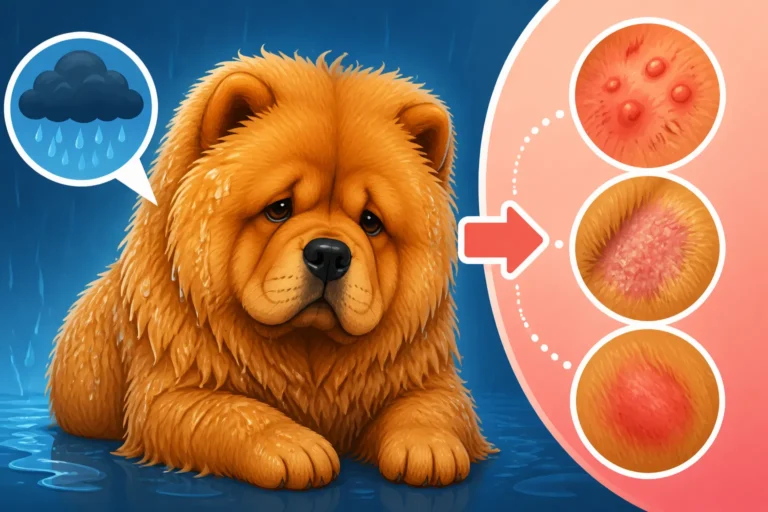
Firstly, consistent brushing prevents painful matting. Mats aren't just unsightly; they pull on the skin, causing discomfort and pain. Severe mats can restrict movement, create hot spots where moisture and bacteria get trapped, leading to skin infections, and even hide parasites. By regularly removing the dead undercoat, you prevent these dense tangles from forming and give your Chow much-needed relief.
Secondly, brushing stimulates blood circulation in the skin. The gentle massage of the brush promotes healthy skin and encourages the natural distribution of oils, which are essential for maintaining a healthy, shiny guard coat. This helps prevent dry, flaky skin and keeps the coat looking its best.
Thirdly, grooming sessions provide an excellent opportunity for early detection of health issues. As you systematically work through your Chow's coat, you'll feel their body all over. This allows you to check for lumps, bumps, skin irritations, parasites (like fleas or ticks), cuts, or anything else unusual that might require veterinary attention. Given how dense a Chow Chow's coat is, these issues can easily go unnoticed without regular hands-on examination. For example, a small skin irritation can quickly escalate into a full-blown hot spot underneath all that fur. Regularly checking helps catch problems when they are small and easier to treat.
Building a Positive Grooming Routine
For both you and your Chow Chow, grooming should be a positive, stress-free experience. This is especially important for a breed known for its independent and sometimes sensitive nature.
Start grooming early, ideally when your Chow Chow is a puppy. Short, gentle sessions, paired with plenty of praise and high-value treats, can help your puppy associate grooming with good things. Let them sniff the brushes, gently touch them with the tools, and gradually increase the duration and intensity of the sessions. Even if you have an adult rescue Chow, it's never too late to start building positive associations. Teaching a Chow Chow to Be Brushed is a crucial step in their training.
Consistency is key. Regular brushing, even if it's just 15-20 minutes every other day, is far more effective than an infrequent, marathon session that leaves both of you exhausted and frustrated. Pick a quiet time when your Chow is relaxed, perhaps after a short walk or a potty break. A non-slip mat on a grooming table or even on the floor can help make them more comfortable and secure. If your Chow shows signs of discomfort or stress, take a break. Push too hard, and you risk making grooming a dreaded chore for them, which can lead to resistance and make future sessions even harder. Your patience and positive reinforcement will go a long way in ensuring your Chow Chow tolerates, and perhaps even enjoys, their grooming time with you. Remember, a well-groomed Chow is a comfortable and healthier Chow, and that's truly priceless.
Disclaimer
This article is for general informational purposes only and does not constitute professional advice. Laws, prices and regulations vary by location and change over time. Consult a qualified professional for guidance on your specific situation.