Where a Chow Chow Mats First
Anyone who's ever shared their life with a magnificent Chow Chow knows that their glorious, thick coat is both a blessing and, let's be honest, sometimes a fluffy curse. Keeping that double coat pristine is a constant battle, and one of the biggest frustrations we face is the sudden appearance of stubborn mats. These aren't just cosmetic nuisances; they can cause serious discomfort, skin irritation, and even lead to painful infections if left untended. This guide is here to walk you through the most common trouble spots where mats first rear their ugly heads on a Chow Chow, why they form there, and what you can do to prevent and address them before they become a nightmare.
Understanding the Majestic Chow Chow Coat
Before we dive into the nitty-gritty of matting, it helps to understand exactly what kind of canine masterpiece you're dealing with. The Chow Chow’s coat is truly unique, a marvel of nature designed for protection in harsh climates. But this very design is what makes it so prone to tangles and mats.
The Double-Coated Marvel: Rough vs. Smooth
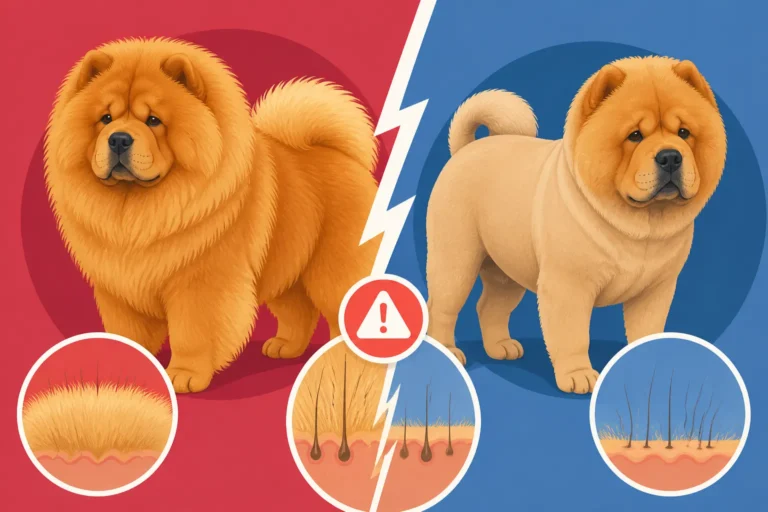
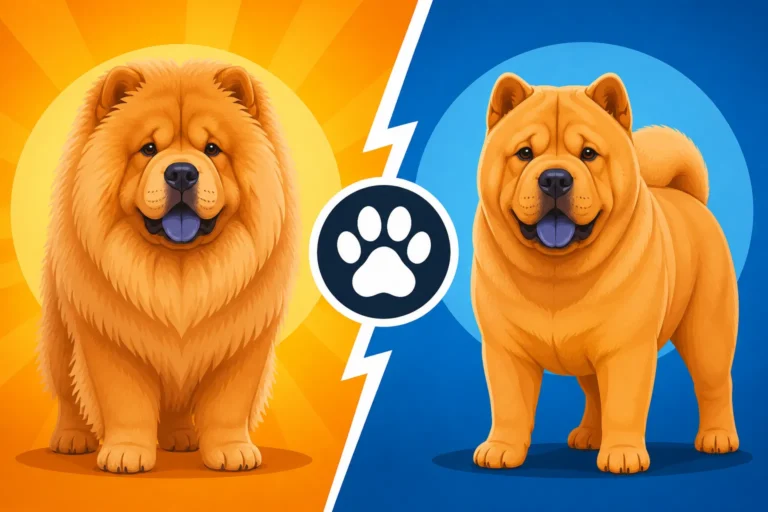
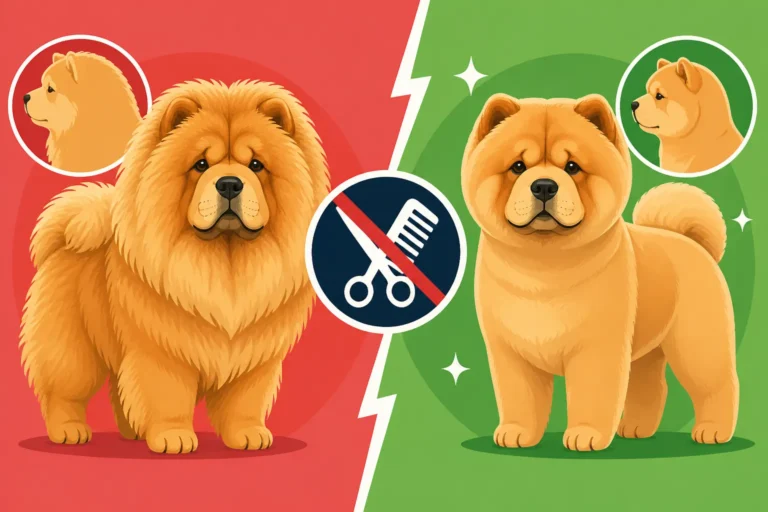
Chow Chows come in two distinct coat types: the rough coat and the smooth coat. While they look quite different, both are double-coated, meaning they have a dense, soft undercoat beneath a coarser, protective outer coat.
The rough coat is the more iconic "lion's mane" look, characterized by abundant, thick hair that stands off the body. It forms a distinct ruff around the head and neck, feathering on the legs, and a dense plume of a tail. This coat type is undeniably stunning but demands significant grooming effort. The sheer volume and length of both the guard hairs and the undercoat mean more opportunities for tangles to form and quickly escalate into tight, painful mats. Owners of rough-coated Chows often feel like they're in a perpetual battle against the brush, but the payoff is a truly magnificent appearance.
The smooth coat, while still a double coat, is shorter, denser, and lacks the dramatic ruff and feathering of its rough-coated counterpart. Don't let the name "smooth" fool you into thinking it's mat-proof, however! The smooth coat still has that incredibly dense undercoat that sheds profusely and can tangle if not properly maintained. While perhaps not quite as prone to the volume of matting as a rough coat, neglected smooth coats can still develop painful, tight mats close to the skin, especially during seasonal shedding cycles. It's a common misconception that smooth coats are "easier" in terms of grooming; they just present different challenges. Whether a Smooth Chow Chow Still Has an Undercoat dives deeper into this.
The Anatomy of the Undercoat and Guard Hairs
The Chow Chow's coat consists of two crucial layers, each playing a role in both protection and potential matting.
The outer coat, or guard hairs, are generally longer, coarser, and somewhat stiffer. Their primary job is to protect the dog from elements like rain, snow, and thorny bushes, repelling moisture and dirt. These hairs are less prone to matting on their own but can wrap around shed undercoat, effectively trapping it and binding it into a mat. Think of them as the framework that holds everything together – sometimes, a little too well.
The undercoat is where the real matting magic (or misery) happens. This layer is incredibly soft, dense, and fluffy, providing insulation against both cold and heat. It's what gives the Chow Chow its plush, teddy bear feel. However, this undercoat sheds constantly, with massive "coat blows" occurring twice a year. If this shed undercoat isn't meticulously removed, it quickly becomes intertwined with the remaining live undercoat and guard hairs. This forms a felt-like mass that pulls on the skin, restricts air circulation, and creates the perfect breeding ground for mats. It’s the shedding undercoat that is the primary culprit in most Chow Chow matting nightmares. For more on shedding, read How Much a Chow Chow Sheds.
The Usual Suspects: Where Mats Love to Hide
Knowing where mats typically form is half the battle in preventing them. These are the hotspots where you should focus your grooming attention and be extra diligent with your brushing routine.
Behind the Ears
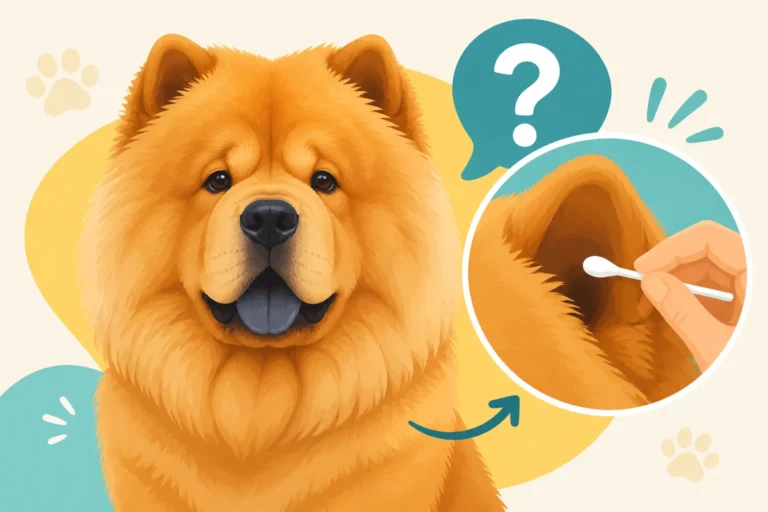
This area is arguably the number one matting hotspot on almost every long-coated dog, and the Chow Chow is no exception. The hair behind the ears is often finer and softer than other parts of the coat, making it inherently more prone to tangling.
Furthermore, this area experiences a lot of friction. Every time your Chow Chow shakes their head, scratches an itch, or even just moves, the hair behind the ears rubs against itself, the collar, or their own paws. This constant movement, combined with the finer texture, causes the hairs to weave together. Add in any moisture from ear cleaning, playful splashes, or simply humidity, and you have a recipe for fast-forming, tight little mats. These mats can be incredibly painful because they pull directly on the delicate skin of the ear flap. Regular, gentle brushing specifically targeting this spot is absolutely critical, even if your dog isn't particularly fond of it.
Under the Collar or Harness
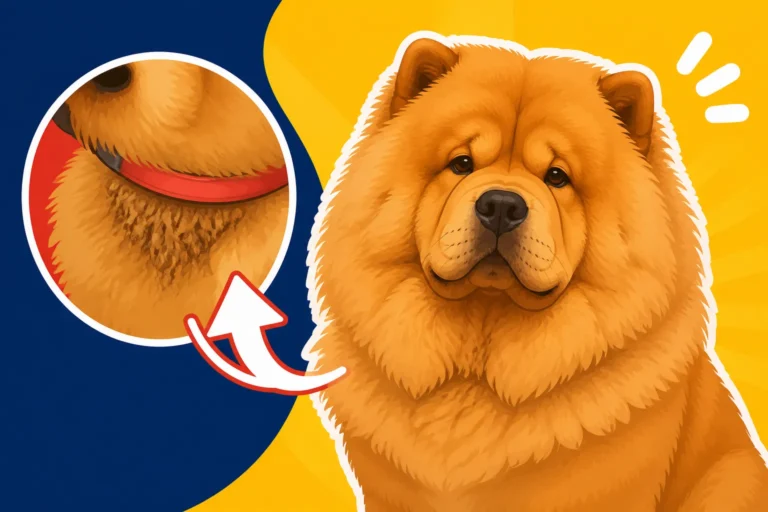
The area directly under your Chow Chow's collar or harness is another notorious mat trap. Just like behind the ears, friction is the main villain here. As your dog moves, walks, or even lies down, their collar or harness constantly rubs against the dense fur.
This rubbing action repeatedly compresses and disrupts the hair strands, especially the soft undercoat, causing them to tangle and knot. Moisture, whether from a drink of water, rain, or even just sweat, can exacerbate the problem, making the fur stick together even more readily. If you use a flat buckle collar or a harness regularly, consider removing it when your Chow Chow is relaxing at home to give the coat a break. For walks, ensure the collar isn't too tight or too loose, as either can increase friction. Also, regularly check the fit of any harness, as a poorly fitting one can cause significant chafing and matting in the chest and armpit areas. Whether a Chow Chow Mats Under the Collar explores this specific issue in more detail.
Armpits and Behind the Elbows
These often-overlooked spots are prime real estate for mats because they combine several mat-friendly conditions: high friction, constant movement, and sometimes moisture. The hair in these areas is frequently caught between the dog's body and their moving legs.
Every step your Chow Chow takes causes the skin and coat in the armpits and behind the elbows to rub and fold. This constant mechanical action, especially with such a dense double coat, can quickly felt the fur together. Moreover, these areas can accumulate moisture from walking through damp grass or even just from the natural warmth and humidity of the body, which only makes matting worse. Because these spots are often hidden, owners might not notice a mat forming until it's become a tight, painful mass pulling on the sensitive skin. When brushing, make sure you gently lift your Chow Chow’s legs to access these tricky spots.
The Britches and Tail Feathering
The "britches" are the long, dense fur on the back of your Chow Chow's hind legs. The tail feathering refers to the long, flowing hair on their magnificent curled tail. Both of these areas are highly prone to matting, often due to a combination of shedding, friction, and environmental factors.
The britches collect a lot of debris – leaves, twigs, dirt – when your Chow Chow sits or explores. They also experience friction from the dog sitting down and from their legs moving. The tail, while less prone to external debris, can mat severely due to its constant motion and the sheer volume of hair. The base of the tail, where it connects to the body, is particularly susceptible to mats, especially during a coat blow. These mats can quickly become quite large and uncomfortable, hindering your dog's movement and even impacting their hygiene if fecal matter gets trapped. When brushing, pay special attention to these areas, working through the fur meticulously. Why a Chow Chow's Britches Mat First offers more insights on this.
Stomach and Groin
The underside of your Chow Chow, particularly the stomach and groin areas, is another common site for mat formation. The hair here can be finer and softer than on the back, and it often comes into contact with the ground when your dog lies down.
These areas are also very sensitive, making grooming a challenge for some Chows. Mats can form from rolling on the floor, lying on rough surfaces, or even from moisture if your dog gets wet in these regions. Furthermore, urine or fecal matter can sometimes get trapped in the longer hair around the groin, leading to mats that are not only uncomfortable but also unhygienic and a potential source of skin irritation or infection. Gently lifting your Chow Chow and carefully combing these areas is essential, but patience is key due to their sensitivity.
Why Mats Are Such a Menace in These Spots
Understanding the why behind matting in these specific areas can empower you to prevent them more effectively. It’s rarely just one factor; rather, a combination of conditions creates the perfect storm for knots and tangles to form.
Friction: The Silent Mat Maker
As we've touched upon, friction is perhaps the biggest culprit in localized matting. Anytime hair rubs against another surface – be it other hair, a collar, a harness, bedding, or even the ground – the strands can become intertwined and knot.
In areas like behind the ears, under the collar, and the armpits, constant movement generates a huge amount of friction. Think about how a piece of string can knot if you rub it between your fingers; the same principle applies to your Chow Chow's fur. This friction is particularly damaging to the soft, delicate undercoat hairs, which are more easily snagged and tangled than the stiffer guard hairs. Over time, these small tangles tighten into dense mats that are incredibly difficult and painful to remove, pulling tightly on the skin. Reducing friction where possible, such as removing collars when not on a walk, can make a difference.
Moisture: The Sticky Situation
Water, sweat, or even just high humidity can dramatically accelerate mat formation in a Chow Chow's coat. When hair gets wet, it expands, and as it dries, it contracts. If the coat isn't thoroughly brushed and dried, especially down to the skin, during this drying process, the hairs can clump together.
This is particularly true for the dense undercoat. Imagine wet cotton candy – it clumps and compacts. Now imagine that on your dog. Areas that get wet frequently, like paws after a walk in dew-covered grass, or areas prone to moisture retention, such as the face folds or armpits, are highly susceptible. If a wet coat is left to air dry, especially without thorough brushing, it essentially "felts" together, creating a tight, impenetrable mat. Proper bathing and, most importantly, thorough drying are non-negotiable for a Chow Chow. How Long a Chow Chow Takes to Dry is a must-read for anyone with this breed.
Shedding Undercoat: The Invisible Threat
The Chow Chow is famous for its "coat blows," seasonal periods of intense shedding where they practically explode with fur. But even outside of these periods, they shed a significant amount of undercoat year-round. This shed undercoat, if not removed, is the primary building block of mats.
These dead, detached hairs don't just fall out neatly; they get caught within the remaining live undercoat and the longer guard hairs. As the dog moves, the trapped shed hair gets further intertwined, forming a dense, felt-like mass. Because Chow Chows have such a profuse undercoat, this process can happen incredibly quickly. A few days of missed brushing during a coat blow can turn a beautiful, fluffy coat into a matted disaster. This is why consistent, deep brushing is crucial, not just on the surface, but all the way down to the skin to extract that shed undercoat. For tips on managing this, check out How to Get a Chow Chow Through a Coat Blow Faster.
Your Anti-Matting Arsenal: Prevention is Key
Preventing mats is always easier (and far less painful for your dog) than trying to remove them. A proactive approach to grooming, combined with the right tools and techniques, will keep your Chow Chow's coat in tip-top condition.
The Power of Daily Brushing
Consistent, thorough brushing is your absolute best defense against mats. For a rough-coated Chow Chow, daily brushing is highly recommended, especially in the high-friction areas we discussed. Even smooth-coated Chows benefit from frequent brushing, perhaps every other day, to prevent the dense undercoat from tangling.
The key to effective brushing isn't just skimming the surface; you need to get all the way down to the skin. This means using a technique called "line brushing" or "pin brushing." Start at the bottom of a section of hair (like a leg), part the coat horizontally, and brush upward and outward in small sections, working your way up the body. This ensures you're reaching the undercoat and removing all loose hair before it can mat. Investing the time into daily brushing, even if it's just 15-20 minutes, will save you hours of painful de-matting later. How to Line Brush a Chow Chow provides a detailed guide.
Essential Grooming Tools for Your Chow Chow
Having the right tools makes all the difference when tackling a Chow Chow's coat. Don't skimp on quality; a good brush will last years and make grooming more effective and comfortable for both of you.
- Slicker Brush: This brush has fine, wire bristles that are angled to grab and separate hair. It's excellent for breaking up smaller tangles and removing loose undercoat from the main body, but use it gently to avoid "brush burn."
- Undercoat Rake: This is your secret weapon for the Chow Chow's dense undercoat. Undercoat rakes have widely spaced, strong teeth designed to reach deep into the coat and pull out shed undercoat without damaging the topcoat. Brands like Furminator offer various undercoat tools, though many traditional rakes from companies found on Amazon or Chewy work wonderfully. What an Undercoat Rake for a Chow Chow Costs is a useful resource.
- Pin Brush: A pin brush is great for general brushing, especially for longer guard hairs and for fluffing the coat. It has longer, widely spaced pins, often with rounded tips. It's less effective at removing undercoat but good for surface tangles and finishing.
- Metal Comb (Coarse/Fine): A sturdy metal comb with both coarse and fine teeth is indispensable for checking your work and tackling smaller, trickier tangles. The fine side can detect knots the brushes might have missed, while the coarse side helps to gently tease apart minor tangles.
- Detangling Spray: A good quality detangling spray, often found at pet supply stores or online through Chewy, can significantly aid in working through knots. Spritzing a mat with detangler before attempting to brush can lubricate the hair and make separation easier, minimizing breakage and discomfort.
| Grooming Tool | Primary Use | Best For Mat Type/Area | Important Note |
|---|---|---|---|
| Slicker Brush | Removing surface tangles, general undercoat removal | Small tangles, overall body, initial pass | Use gently to avoid skin irritation |
| Undercoat Rake | Deep undercoat removal, preventing felting | Dense undercoat, shedding coats, large areas | Essential for double coats, works deep into fur |
| Pin Brush | General brushing, fluffing, finishing | Longer guard hairs, lighter tangles | Good for comfort, less effective on deep mats |
| Metal Comb | Finding hidden tangles, detail work | Small, tight knots, behind ears, under collar | Check brushed areas thoroughly with fine teeth |
| High-Velocity Dryer | Drying, blowing out shed undercoat | After baths, during coat blow | Reduces drying time, prevents felting, available on Amazon |
Proper Bathing and Drying Techniques
Bathing a Chow Chow incorrectly can actually cause mats. Their dense double coat acts like a sponge, and if not thoroughly rinsed and dried, shampoo residue and trapped moisture will lead to severe matting.
First, always brush your Chow Chow before bathing to remove as many tangles and as much loose undercoat as possible. Never wash a matted Chow Chow, as water will only tighten the mats, making them impossible to remove without shaving. During the bath, use a shampoo designed for dense coats and ensure you rinse, rinse, and rinse again until no suds remain deep in the undercoat.
Drying is the most critical step. A high-velocity dryer is almost a necessity for Chow Chow owners. These powerful dryers blow water out of the coat rather than just evaporating it, helping to separate the hairs and prevent felting. Dry your Chow Chow completely, section by section, brushing as you go. Focus the dryer on the skin and work your way out. Never let a Chow Chow air dry completely, especially if they have a rough coat, as this is a guaranteed way to develop massive, tight mats close to the skin. This diligent drying process is paramount for maintaining coat health.
When Mats Happen: Gentle Detangling and Grooming Wisdom
Despite your best efforts, sometimes mats just happen. Whether it’s a tiny knot behind the ear or a larger felted patch, knowing how to address them safely is crucial. Ripping or pulling at mats is excruciatingly painful for your Chow Chow and can damage their skin.
Safely Removing Small Mats
For small, isolated mats that aren't tight against the skin, you might be able to remove them at home with patience and the right technique.
- Assess the Mat: First, gently feel the mat. Is it small and superficial, or large and tight against the skin? If it’s larger than a quarter, very tight, or your dog shows signs of pain when you touch it, it’s often best to call a professional.
- Apply Detangling Spray: Liberally spray the mat with a good detangling product. Many varieties are available, sometimes even through services like Ollie (for specific coat health products) or easily found on Chewy. Let it soak in for a few minutes.
- Use Your Fingers: Start by trying to gently pull the mat apart with your fingers, working from the outer edges inward. Be incredibly gentle; imagine untangling your own wet hair.
- Work with a Comb: Once you've loosened the mat a bit, use the coarse end of your metal comb. Start at the very edge of the mat, closest to the skin, and gently pick at it, one or two hairs at a time. Work slowly, patiently, and in tiny increments. Always place your fingers between the mat and the skin to prevent pulling on your Chow Chow's delicate skin.
- Small Scissors (Extreme Caution): If you encounter a very stubborn knot, and only if you can clearly see the skin beneath it, you might carefully use blunt-nosed grooming scissors to snip into the mat vertically (parallel to the direction of hair growth, not across). This creates channels that allow you to pull the mat apart more easily. NEVER cut horizontally across a mat, as you risk severely cutting your dog's skin, which is often pulled up into the mat. This is a technique best left to professionals if you are unsure.
Always remember that your Chow Chow's comfort is paramount. If they become stressed or show signs of pain, stop immediately.
When to Seek Professional Help
There are many times when calling a professional groomer is not just a good idea, but an absolute necessity. Groomers have specialized tools, techniques, and experience that can safely and efficiently remove even the most severe mats without causing undue stress or injury to your dog.
- Large or Multiple Mats: If your Chow Chow has several large mats, or one massive mat that covers a significant area of their body, a professional groomer is the way to go. Attempting to remove these at home can take hours, cause immense pain, and lead to skin damage.
- Tight Mats Against the Skin: Mats that are "skin tight" are the most dangerous to remove at home. The skin is often drawn up into the mat, making it incredibly easy to nick or cut. Professional groomers are skilled at using clippers underneath these mats to safely shave them off.
- Sensitive Areas: Mats in sensitive areas like the armpits, groin, or around the ears are often best handled by a professional, especially if your Chow Chow is not used to extensive handling in these spots.
- Dog's Temperament: If your Chow Chow is already uncomfortable with grooming or shows signs of aggression when you try to de-mat them, forcing the issue will only make things worse. A professional can often work with a dog's temperament, and in some severe cases, a vet might even recommend mild sedation for a complete shave down for your dog's safety and comfort.
Remember, a matted coat can lead to skin infections, hot spots Whether a Matted Chow Chow Gets Hot Spots, and even restrict blood flow. Don't feel guilty about taking your Chow Chow to a groomer for a "shave down" if necessary; it's the kindest thing you can do for their comfort and health. It's much better to have a happy, shaved Chow Chow than a matted, miserable one.
The Unsung Heroes: When to Call a Professional Groomer
For many Chow Chow owners, a professional groomer isn't just a luxury; they're an essential part of maintaining their dog's health and comfort. Even with diligent home care, the sheer volume and density of a Chow Chow's coat can sometimes overwhelm an owner.
What a Professional Groomer Can Do
Professional groomers possess the expertise, tools, and often, the sheer physical strength to manage a Chow Chow's challenging coat. They can:
- Thoroughly De-shed: Groomers have industrial-strength high-velocity dryers and specialized de-shedding tools that can remove an incredible amount of dead undercoat, much more effectively than home tools. This significantly reduces shedding in your home and helps prevent future mats.
- Safely Remove Mats: As mentioned, groomers are adept at removing even severe mats using a variety of techniques, including careful shaving with clippers. They know how to get under the mat without damaging the skin, and they can do it efficiently, minimizing stress for your dog.
- Maintain Overall Coat Health: Beyond just de-matting, groomers provide full service. They can bathe, condition, and dry the coat properly, ensure ears are clean, and nails are trimmed. This comprehensive care contributes to the overall health and comfort of your Chow Chow. Many groomers offer specific "coat blow" services designed to get your Chow Chow through those intense shedding periods without turning into a walking tumbleweed.
- Handle Difficult Dogs: If your Chow Chow is a bit wary of grooming, a professional groomer often has strategies and experience in handling dogs with sensitive temperaments, making the experience as positive as possible.
Finding a Chow-Friendly Groomer
Not all groomers are equally equipped or experienced with Chow Chows. Their unique double coat and sometimes reserved temperament require a specific skill set. When looking for a groomer, ask specific questions:
- Experience with Double-Coated Breeds: Do they have experience grooming Chow Chows or other similarly dense double-coated breeds like Samoyeds, Akitas, or Huskies?
- De-shedding Services: Do they offer specific de-shedding treatments, and what tools do they use?
- Drying Equipment: Do they use high-velocity dryers, or do they rely solely on cage drying? High-velocity drying is critical for Chow Chows.
- Matting Policy: What is their policy on matted dogs? Do they shave them down? What are the associated costs? This can be an important question to ask upfront. What a Groomer Charges for a Rough Coated Chow Chow might give you an idea of costs.
- Temperament Handling: How do they handle dogs that are nervous or reactive during grooming? Do they use positive reinforcement techniques?
- Facility Tour: Ask for a tour of their facility. A clean, well-organized grooming salon is a good sign.
Some groomers, particularly smaller, independent operations, might even be willing to meet your Chow Chow for a short "meet and greet" before the full grooming session to help your dog get comfortable with the environment and the groomer. This can make a world of difference for a breed that often values trust and routine. Whether a Groomer Should Meet a Chow Chow First highlights the importance of this.
Maintaining a Chow Chow's coat is a commitment, but it's one that yields immense rewards in a healthy, comfortable, and beautiful companion. By understanding where mats commonly form, why they happen, and how to prevent and address them, you'll be well on your way to mastering the art of Chow Chow grooming.
Disclaimer
This article is for general informational purposes only and does not constitute professional advice. Laws, prices and regulations vary by location and change over time. Consult a qualified professional for guidance on your specific situation.