How Affectionate a Chow Chow Is
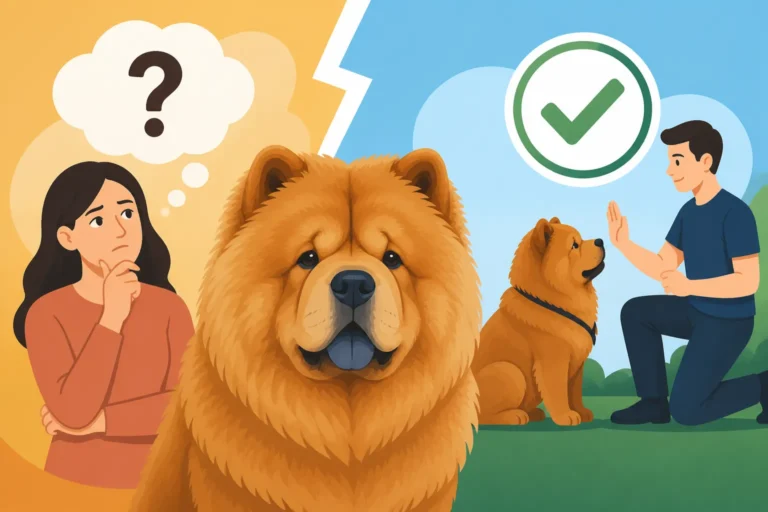
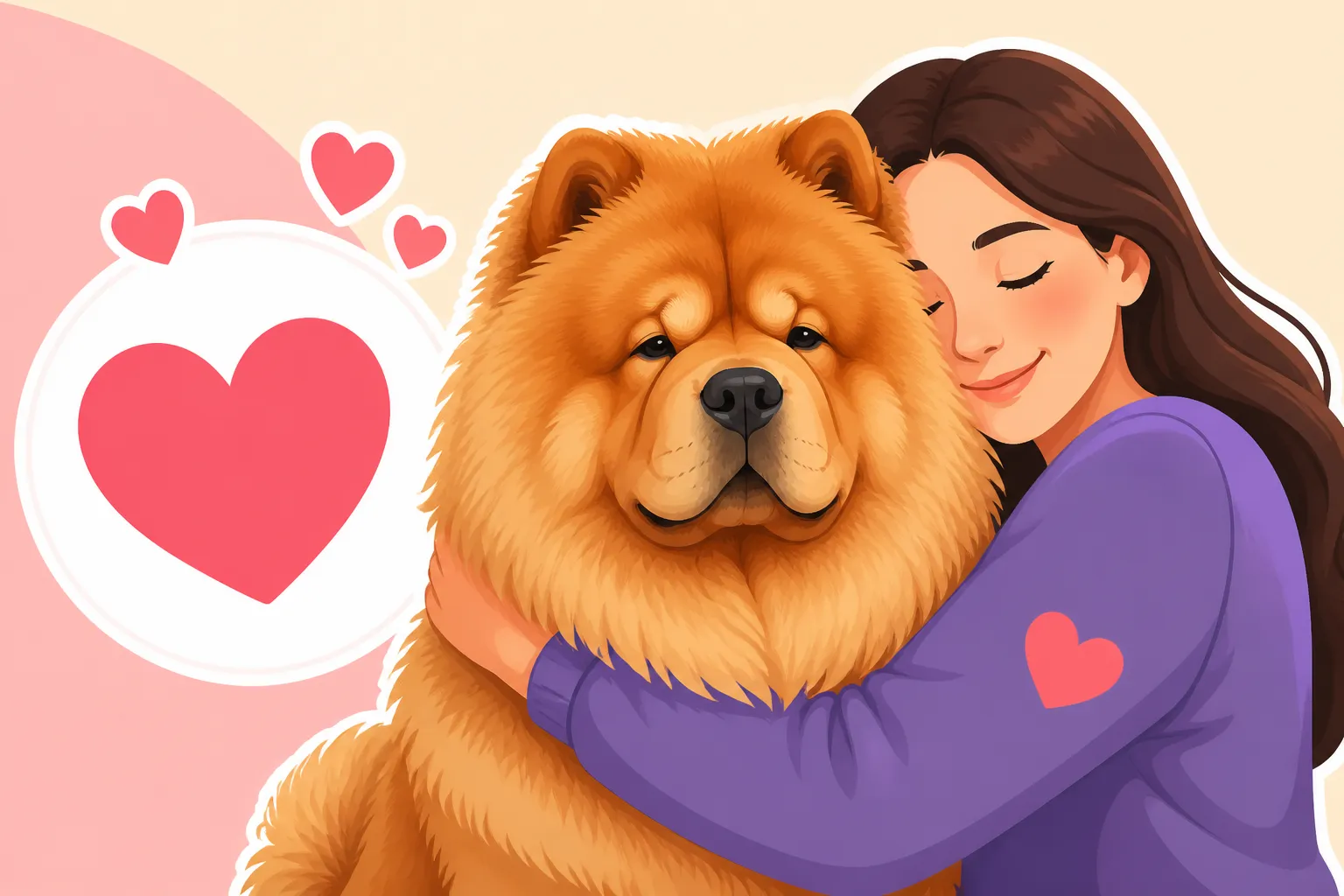
One of the biggest misconceptions about Chow Chows is their reputation for being aloof, distant, or even unemotional. If you’re considering bringing one of these magnificent, lion-like dogs into your life, you might worry that you won’t get the kind of affection you crave from a canine companion. But the truth is, Chow Chows are deeply affectionate dogs; they just express it in their own unique, subtle way that often gets misunderstood by those unfamiliar with the breed. This guide aims to clear up those misunderstandings and reveal the true depth of a Chow Chow's love.
Understanding the Chow Chow's Unique Affection Style
Forget the image of a golden retriever bounding up to every stranger for a belly rub or a lap dog constantly vying for your attention. Chow Chows operate on a different frequency when it comes to expressing love. Their affection isn't always overt or in your face, but it's incredibly profound and steadfast once earned. This dignified breed values a calm, respectful connection over boisterous displays.
Dispelling the Aloof Myth
The "aloof" label often stems from a lack of understanding of the Chow Chow's independent nature. They aren't prone to frantic greetings or constant demands for petting. Instead, they prefer to observe, to be near you without necessarily being on you. This doesn't mean they don't care; it means they trust your presence and feel secure in your company. For many Chow Chow owners, this quiet companionship is exactly what they cherish. It’s a deep, unspoken bond built on mutual respect. You'll often find your Chow settling in the same room as you, perhaps just out of arm's reach, simply enjoying the shared space.
The Dignified Companion
A Chow Chow's affection is often delivered with an air of regal dignity. They are not dogs that will roll over for just anyone. Their history as guardians and protectors has ingrained in them a watchful, reserved temperament. When they do choose to show affection, it feels special, like a gift freely given. It might be a gentle nudge of their head against your leg, a soft sigh as they lean into you, or a quiet glance that speaks volumes. This dignified approach to affection is one of the breed's most charming, albeit sometimes perplexing, qualities. It’s a subtle dance of trust and companionship that deepens with time.
Not Your Typical Cuddler
If your ideal dog is a constant cuddle bug who wants to be in your lap or under your arm at all times, a Chow Chow might not fit that mold perfectly. While some Chows certainly enjoy a good snuggle, especially with their chosen person, they are generally not known for being overtly clingy. They appreciate their personal space, and they expect you to respect it too. This isn't a rejection; it's just how they're wired. Think of them as independent souls who love you fiercely but might not always express it through physical contact. This independence, however, allows them to be wonderfully calm and self-possessed companions.
The "One Person" Myth vs. Reality
You've probably heard the adage that a Chow Chow is a "one-person dog." There's certainly a kernel of truth to this, but it's not as rigid as it sounds. While they do often form an exceptionally strong, almost singular bond with one individual, their affection can extend to the rest of the household in varying degrees.
Deep Bonds with Primary Caregivers
It's true that a Chow Chow typically chooses one person as their absolute favorite, their go-to, their confidante. This person usually takes on the primary caregiver role—feeding, training, and spending the most consistent quality time. This bond is intense and unwavering. For this chosen individual, the Chow Chow will demonstrate a deep, almost spiritual devotion. They might follow you from room to room more consistently, seek out your presence when you're resting, or respond with greater enthusiasm to your cues. It’s a special connection that makes you feel truly cherished. You can learn more about this unique dynamic in The Chow Chow Bonds to One Person and Tolerates the Rest.
How a Chow Chow Treats the Rest of the Family
While one person might be at the top of the affection pyramid, Chow Chows aren't devoid of love for other family members. They generally tolerate and respect everyone in their household. With patience and consistent positive interactions, they can even develop significant affectionate relationships with others. It's often a matter of different levels of trust and comfort. They might not seek out affection from secondary family members as readily, but they will accept it and offer their own subtle gestures. For instance, a secondary person might receive a calm greeting, a shared couch nap, or a soft lean rather than a full-body cuddle. Understanding How a Chow Chow Treats the Rest of the Family is key to appreciating their nuanced relationships.
Shifting Loyalties (or not)
The "one person" bond is remarkably strong and typically doesn't shift easily. If the primary caregiver leaves or becomes less present, a Chow Chow can eventually transfer their deepest loyalty to another family member, but it often takes time, patience, and consistent effort from the new individual. This isn't a frivolous shift; it's a deep re-evaluation of who provides security and companionship. However, it's also worth noting that their foundational personality, including their reserved nature, will largely remain the same regardless of who they bond most strongly with. They remain steadfast in their chosen attachments, making any shift a significant emotional event for them.
Showing Affection: A Chow Chow's Subtle Language
Since Chow Chows aren't always overt, learning to "read" their specific signals of affection is crucial. Their expressions are often quiet, understated, and easily missed if you’re expecting more demonstrative behaviors.
Body Language Cues
A Chow Chow communicates much of its affection through subtle body language. Look for these signs:
- The "Chow Lean": This is a classic. Your Chow might lean their full body weight against your legs while you're standing or sitting. It's a sign of immense trust and comfort, a way of saying, "I'm with you, and I feel safe."
- Soft Eyes and Relaxed Expression: When a Chow Chow is truly content and affectionate, their deep-set eyes will soften, and their characteristic "scowl" will relax. You might catch a gentle blink or a prolonged gaze.
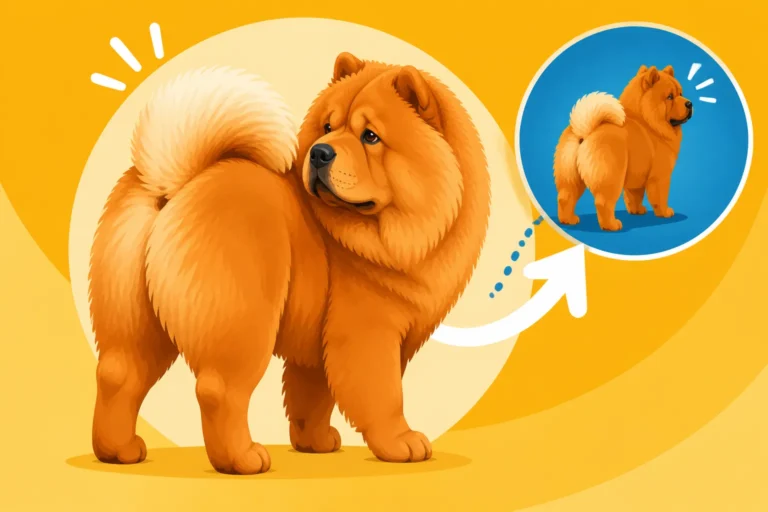
- Tail Wag (Subtle): Unlike many breeds with wildly wagging tails, a Chow Chow's tail might offer a slower, more deliberate wag, or even just a gentle quiver of the curled plume over their back. This subtle movement is a sign of pleasure and recognition. You can explore How a Chow Chow Shows Affection for more specific examples.
- Nudging or Licking (Rare but Meaningful): While not constant lickers, an occasional gentle nudge with their nose or a brief, soft lick on your hand or face is a deeply personal gesture of affection from a Chow.
- The "Follow Me" Game: Though they appreciate independence, a Chow that follows you calmly from room to room, settling near you wherever you go, is showing quiet companionship. They want to be in your orbit.
Quiet Presence and Proximity
For many Chow Chows, affection is about shared space and quiet presence. They don't need to be touching you constantly to feel connected. Often, you'll find them curled up in the same room, perhaps on their favorite dog bed or a comfy rug, simply watching you or napping contentedly. This proximity is their way of being close without demanding attention. It’s a testament to their comfort and trust in your presence. When you consider How Close a Chow Chow Sits to You, you realize that their idea of "close" might be a bit different from other breeds, but no less meaningful.
Affection Through Shared Activities
Chow Chows also show affection through shared activities, especially if those activities are low-key and enjoyable for them. A calm walk together, a gentle grooming session, or simply sharing a quiet moment on the porch can be powerful bonding experiences. They might not fetch endlessly, but they enjoy the routine and the presence of their person during these moments. Positive reinforcement training sessions, where you work together on simple cues with tasty treats, can also be a wonderful way to build affection. Tools like those found on Amazon, such as high-value training treats or puzzle toys, can make these interactions even more engaging.
Here's a quick comparison of Chow Chow affection versus more outwardly demonstrative breeds:
| Affection Trait | Typical Chow Chow Display | Typical Outwardly Affectionate Breed (e.g., Labrador) |
|---|---|---|
| Physical Contact | Leans, sits nearby, occasional nudge, may tolerate petting | Jumps, licks, leans heavily, demands belly rubs, enjoys prolonged cuddling |
| Greeting Style | Calm head nod, slow tail wag, may approach for a brief sniff | Enthusiastic full-body wag, jumping, vocalizations, seeking immediate petting |
| Vocalization | Quiet, sighs, occasional deep "woof" when warranted | Frequent barks, whines, excited yips |
| Personal Space | Values personal space, may lie near but not on you | Often seeks to be in your lap or physically touching you |
| Emotional Intensity | Deep, loyal, selective, expressed subtly | Open, joyful, eager to please, expressed overtly |
Building a Bond: Earning a Chow Chow's Trust
Earning a Chow Chow's deep affection isn't something that happens overnight. It requires patience, consistency, and a profound respect for their independent nature. This isn't a breed you can force into submission or demand endless cuddles from; their loyalty is given, not taken.
Early Socialization and Handling
From the moment you bring a Chow Chow puppy home, early socialization is paramount. Exposing them to a variety of sights, sounds, people, and appropriate dog interactions in a controlled, positive way helps them develop into well-adjusted adults. Gentle handling from a young age is also critical to ensure they become comfortable with being touched and groomed. This includes touching their paws, ears, and mouth. Even if they are initially wary, consistent, positive experiences build confidence. Understanding When a Chow Chow's Socialization Window Closes can help you maximize this crucial period. Puppy classes, like those offered through programs such as BAXTER & Bella, can provide structured and positive socialization opportunities, making a huge difference in their future comfort with the world.
Respecting Their Boundaries
Chow Chows are not fond of being rushed, forced, or overwhelmed. Respecting their personal space and allowing them to approach you on their own terms is vital. Don't crowd them, try to hug them excessively if they show discomfort, or force interactions. Instead, invite them gently with a soft voice and an open hand. Let them initiate physical contact. If they walk away, let them go. This respect builds trust, and trust is the cornerstone of all Chow Chow affection. Pushing them too far can lead to resentment or even defensive reactions, eroding the very bond you’re trying to build.
Positive Reinforcement and Consistency
Positive reinforcement training is the only way to go with a Chow Chow. They are intelligent but can be stubborn. Harsh corrections or punishment will backfire, causing them to shut down or become defensive. Instead, use high-value treats and praise to reward desired behaviors. Keep training sessions short, fun, and engaging. Consistency in your expectations and routines helps them feel secure and understand their place in the household. This foundation of clear, fair communication solidifies your relationship and deepens their affectionate ties. Remember, A Chow Chow Trains by Agreement, Not Obedience, so make it a partnership.
Affection with Strangers and Children
The Chow Chow's reserved nature often extends to those outside their immediate family, and this is where understanding their unique temperament becomes even more critical, especially concerning children and unfamiliar visitors.
Reserved with Outsiders
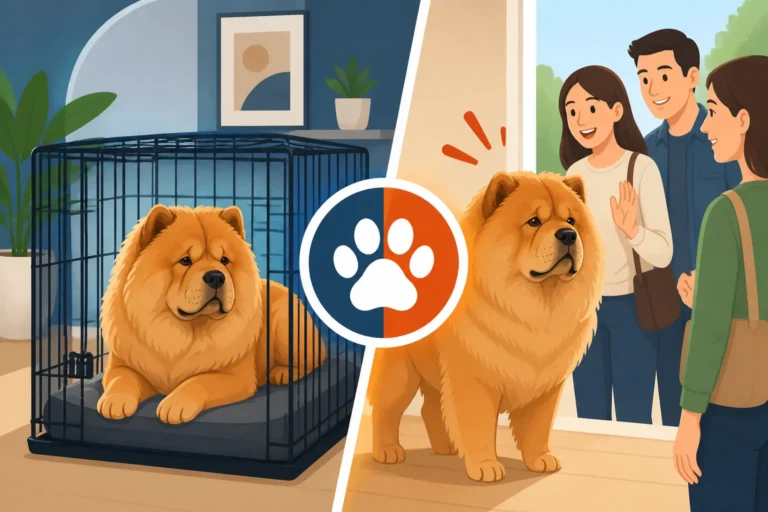
Chow Chows are rarely enthusiastic about strangers. They might tolerate a new person in their home, but they are unlikely to greet them with tail wags and slobbery kisses. Often, they will observe from a distance, maintaining a polite but firm reserve. This is not aggression; it is simply their breed-specific cautiousness. They need time to assess a new person and decide if they are trustworthy. Forcing interactions or allowing strangers to overwhelm a Chow Chow can lead to negative experiences. Always supervise initial meetings and ensure the stranger respects the Chow Chow's need for space. When introducing new people, review How to Introduce a Chow Chow to a Stranger for best practices.
Introducing a Chow Chow to Children Safely
Introducing a Chow Chow to children, whether your own or visitors, requires careful management and supervision. Chows are not inherently "bad with kids," but their independent nature, lower tolerance for rough handling, and limited peripheral vision mean they need a calm, structured environment. Always teach children how to interact respectfully with dogs, emphasizing gentle touches and avoiding sudden movements, loud noises, or pulling on fur. Never leave a Chow Chow unsupervised with children, even if they've been together for years. It's about safety for both child and dog. For more guidance on their interactions, read How a Chow Chow Behaves With Children.
The Importance of Supervision
Whether it’s a new visitor, an unfamiliar dog, or children, unwavering supervision is paramount for Chow Chows. Their deep-set eyes limit their peripheral vision, meaning they can be startled by approaches from the side or behind, which can lead to defensive snapping. Their subtle body language can also be easily missed by those not familiar with the breed, meaning warnings are often too subtle for the average person to catch before a problem arises. Close supervision allows you to manage interactions, prevent overstimulation, and intervene before any issues escalate, thereby fostering positive experiences and maintaining a harmonious environment for everyone.
When Affection Might Seem Absent (and What It Means)
There might be times when your Chow Chow seems even more distant or less affectionate than usual. While it's easy to jump to conclusions about their temperament, it's vital to consider other factors that could be influencing their behavior.
Misinterpreting Their Behavior
Sometimes, what appears as a lack of affection is simply a misunderstanding of their inherent traits. A Chow Chow who doesn't rush to greet you at the door might be showing restraint, not indifference. One who prefers to nap a few feet away rather than right on your lap isn't rejecting you; they might just enjoy their space. Their stoic expressions and the characteristic "scowl" can also be misinterpreted as grumpiness when in reality, it's just their natural facial structure. It’s important to remember their unique communication style and avoid projecting human emotional expectations onto them.
Health Issues Affecting Demeanor
Any sudden or prolonged change in a Chow Chow's affectionate behavior or overall demeanor warrants a trip to the vet. Dogs are masters at hiding pain and discomfort, and a seemingly aloof Chow might actually be feeling unwell. A dog who suddenly becomes withdrawn, irritable, or unusually clingy could be experiencing anything from joint pain to an underlying illness. Because Chow Chows tend to hide their discomfort, as detailed in How a Chow Chow Hides Pain, it's easy to miss subtle cues. Conditions like arthritis, dental problems, or even a thyroid imbalance (see Signs a Chow Chow's Thyroid Is Low) can significantly impact their mood and willingness to engage. Never dismiss a change in behavior without ruling out medical causes.
Impact of Past Experiences
For Chow Chows adopted from rescue organizations, their past experiences can profoundly shape their ability to show affection. A dog that has experienced neglect, abuse, or a lack of proper socialization may be particularly wary and take a much longer time to trust and bond. They might initially appear very aloof or fearful. Patience, a consistent routine, and a calm, predictable environment are crucial for these dogs. With time and understanding, many rescue Chows can blossom and reveal their hidden affectionate side. However, the path to building trust might be longer and require more dedicated effort, as an What an Undersocialized Chow Chow Becomes can sometimes manifest in increased wariness.
Disclaimer
This article is for general informational purposes only and does not constitute professional advice. Laws, prices and regulations vary by location and change over time. Consult a qualified professional for guidance on your specific situation.