Whether a Chow Chow Can Jog With You
It's a beautiful day, you've laced up your running shoes, and you're ready to hit the pavement for a good jog. Naturally, you glance down at your beloved Chow Chow, thinking, "Wouldn't it be great if they could join me?" It's a common aspiration for many active dog owners, but for Chow Chow guardians, the answer isn't as straightforward as it might seem. This guide is dedicated to exploring the unique physical characteristics of the Chow Chow and whether jogging is truly a suitable, safe, or even enjoyable activity for them, helping you make informed decisions about your furry friend's exercise routine.
The Unique Chow Chow Build: Why Jogging Isn't a Natural Fit
When we picture a jogging companion, we often envision a lean, long-legged dog with boundless energy, effortlessly loping beside us. The Chow Chow, magnificent as they are, simply doesn't fit that mold. Their distinctive physical characteristics, refined over centuries for different purposes than endurance running, mean that high-impact activities like jogging can pose significant risks and discomfort. It's not about their willingness to be with you, but about what their body is truly designed to do.
The Straight Rear Leg and Stilted Gait
One of the most defining and often admired features of the Chow Chow is their almost perfectly straight rear leg. This unique anatomical structure gives them a characteristic "stilted" or "choppy" gait, unlike the fluid, extended stride of many other breeds. While this gait might look regal, it's not efficient for sustained running. Imagine trying to jog with your knees locked; it would be incredibly jarring and quickly lead to fatigue and pain. For a Chow Chow, this straight leg means their joints absorb more impact with every step, especially their hips and knees, with less natural shock absorption that a more angulated leg provides. This is why it's so important to understand Why a Chow Chow's Straight Rear Leg Limits Running.
Over time, the repetitive stress from jogging on these less-forgiving joints can exacerbate or even contribute to orthopedic issues. Conditions like hip dysplasia and elbow dysplasia, which Chow Chows are already prone to, can be made worse by excessive impact. Even for a seemingly healthy Chow, the wear and tear on cartilage and ligaments from jogging can lead to premature arthritis. It's a quiet, insidious process where a seemingly harmless daily jog could be building up problems that only surface years down the line when your beloved companion is stiff and sore. This unique gait also means How a Chow Chow's Gait Wears Its Joints, making it critical to choose appropriate exercise.
Brachycephalic Features and Respiratory Concerns
Another critical aspect of the Chow Chow's anatomy is their brachycephalic, or "short-nosed," facial structure. While not as extreme as some other brachycephalic breeds, their flattened muzzle, combined with a thick ruff and often a fleshy palate, can significantly impede their ability to breathe efficiently. When a dog exercises, especially vigorously, they need to pant effectively to regulate their body temperature. Panting helps cool them down by evaporating moisture from their tongue, mouth, and upper respiratory tract.
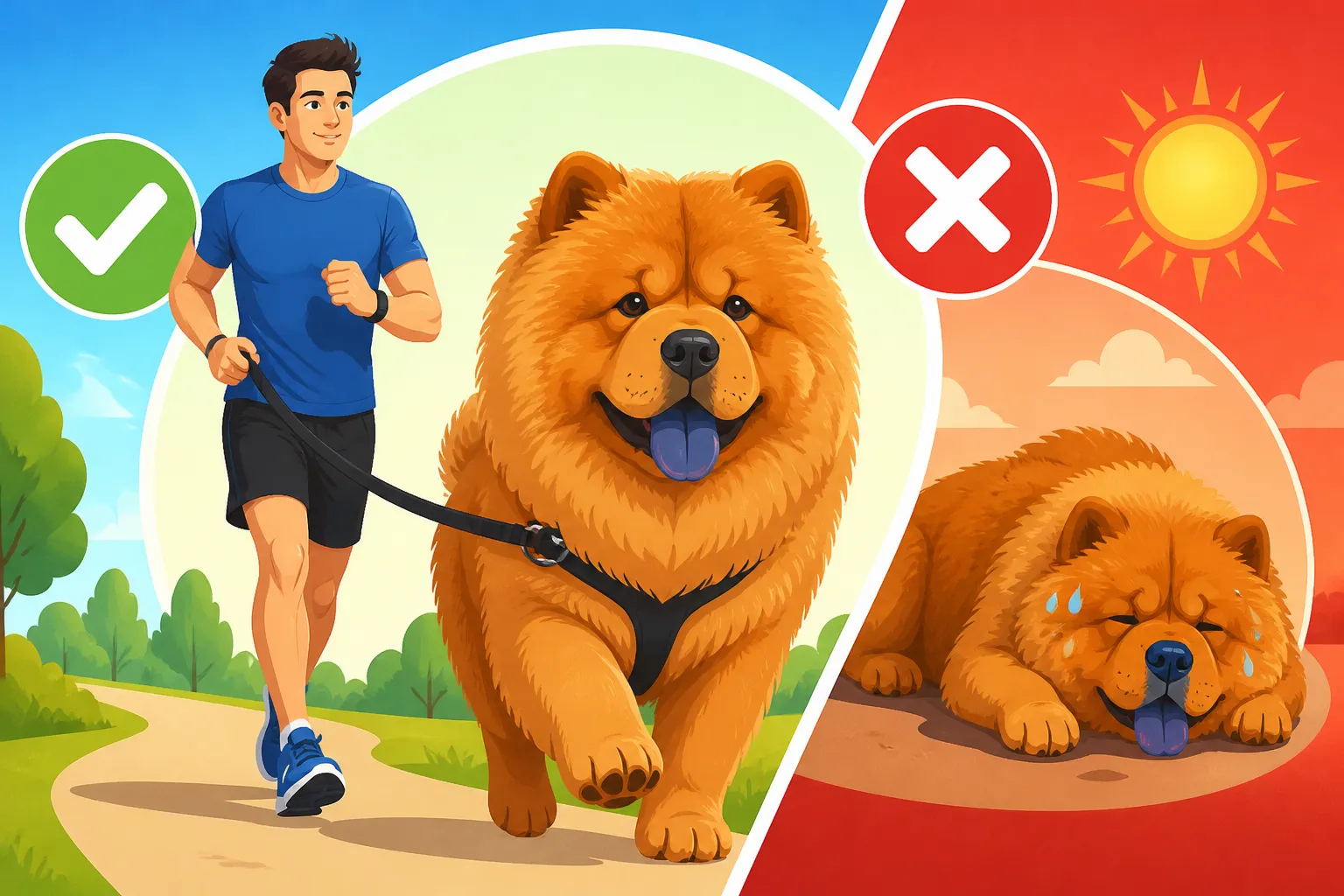
For a Chow Chow, the restricted airways make this cooling process much less effective. They simply cannot take in enough air or expel enough heat quickly enough to keep their core temperature stable during strenuous activity. This isn't just about them feeling a bit winded; it's a serious health risk. Even a moderate jog on a warm day can quickly push a Chow Chow into dangerous overheating territory, leading to heatstroke. It's a stark reminder of Why a Chow Chow's Short Muzzle Cools Poorly, and why even seemingly mild conditions can be treacherous for them. This respiratory challenge also influences Whether a Chow Chow Tolerates Anesthesia, highlighting a general sensitivity.
The Dense Double Coat and Overheating Risk
If their unique leg structure and breathing challenges weren't enough, the Chow Chow's iconic, dense double coat adds another layer of complexity to their exercise tolerance, particularly when it comes to jogging. This magnificent coat, designed to protect them from the harsh winters of their ancestral homeland, becomes a significant disadvantage in warmer climates or during intense physical exertion. The outer guard hairs and thick, woolly undercoat act like a personal insulation system, trapping heat close to their body.
When a Chow Chow jogs, their body temperature naturally rises. Their coat, instead of allowing that heat to dissipate, holds it in. This creates a dangerous cycle where their already inefficient brachycephalic breathing struggles to cope with the rapidly rising internal temperature. It's a perfect storm for heatstroke, especially when combined with their limited ability to pant effectively. Even in cooler weather, the effort of jogging can generate enough internal heat to overwhelm their natural cooling mechanisms. This is fundamentally Why a Chow Chow's Double Coat Traps Heat and makes choosing the right exercise environment paramount. Understanding these factors is key to preventing serious health emergencies.
Is Your Chow Chow a Candidate for Jogging? Understanding Limitations
Considering the inherent challenges posed by a Chow Chow's build, the question then becomes: can any Chow Chow jog? While a blanket "no" is too simplistic, the answer leans heavily towards caution and a deep understanding of your individual dog's health and disposition. It requires a realistic assessment, not just of your desire to jog with them, but of their true physical capacity and welfare. It's about putting their health first, even if it means adjusting your exercise aspirations.
Age, Health, and Your Veterinarian's Input
Before even considering a gentle jog, a thorough conversation with your veterinarian is absolutely non-negotiable. This isn't just for puppies or senior dogs; it's vital for Chow Chows of all ages. Your vet can perform a comprehensive physical exam, checking for any underlying orthopedic issues like hip or elbow dysplasia, which might not be obvious during casual walks. They can also assess your Chow Chow's cardiovascular and respiratory health, ensuring their heart and lungs are robust enough for any increased exertion. Remember, What a Chow Chow Breeder Should Have Tested provides some insight into potential predispositions, but an individual check-up is always needed.
Age plays a huge role here. Puppies, with their developing bones and growth plates, should never engage in high-impact activities like jogging, as it can cause irreversible damage. Young Chow Chows are still maturing, and pushing them too hard too soon can set them up for a lifetime of joint pain. Similarly, The Age a Chow Chow Is Considered Senior means that older Chows are much more susceptible to joint pain, arthritis, and heart conditions, making jogging an inappropriate choice. Even if your vet gives a cautious "yes" for very short, slow intervals, they will likely emphasize moderation, proper hydration, and vigilant observation. It’s also wise to discuss Whether a Chow Chow Needs a Yearly Eye Exam, as good vision is important for any activity.
Temperament and Willingness to Participate
Beyond physical capability, a Chow Chow's temperament is another factor to consider. Chows are often described as independent, dignified, and somewhat aloof. They're not typically the type of dog that lives to please, nor do they often possess the driven, eager-to-work mentality of breeds bred for endurance. While they certainly enjoy spending time with their human, their preferred mode of exercise is often a leisurely stroll, a quiet potter around the yard, or perhaps a short burst of playful zoomies rather than a sustained, high-energy pace.
Forcing a Chow Chow into an activity they don't naturally enjoy can quickly backfire. They might become resistant, plant their feet, or simply shut down. This isn't just inconvenient; it can damage your bond and make future training or exercise attempts more challenging. A dog's enthusiasm for an activity is a huge indicator of its suitability. If your Chow Chow looks at you with a blank stare or sighs dramatically when you propose a jog, it's a pretty clear sign that their heart isn't in it. Look for activities they genuinely enjoy, where their tail wags and their whole body expresses joy, even if it means finding alternatives to your jogging routine. This is often tied to How Affectionate a Chow Chow Is and their independent nature.
Smart Exercise Strategies for Your Active Chow Chow
So, if sustained jogging is largely off the table for most Chow Chows, what does that mean for their exercise needs? It certainly doesn't mean they should be couch potatoes! Every dog needs physical activity to stay healthy, maintain a healthy weight, and prevent boredom. The key for Chow Chows is to focus on low-impact, moderate activities that align with their unique physical makeup and heat sensitivity. There are plenty of wonderful ways to keep your Chow Chow active and engaged without putting their health at risk.
Controlled, Consistent Walks as the Gold Standard
For most Chow Chows, the gold standard for physical activity remains the consistent, controlled walk. This allows them to explore their environment, sniff new scents, and spend quality time with you without the jarring impact of running. Aim for two to three shorter walks throughout the day rather than one long, strenuous outing. The length and intensity of these walks should always be tailored to your individual Chow Chow's stamina, the weather conditions, and their age. A slow, steady pace is much preferred over a brisk, forced march. You'll quickly learn How Much Exercise a Chow Chow Actually Needs by observing their cues.
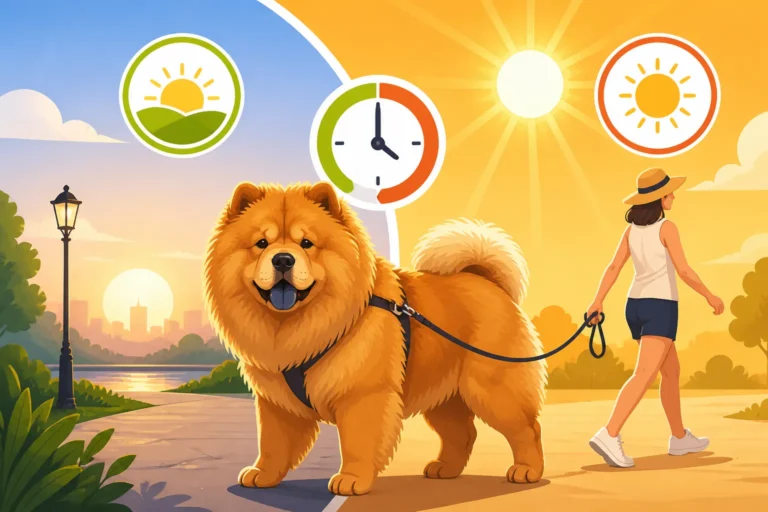
Morning and evening walks are ideal, especially during warmer months, to avoid the midday heat. Even on cooler days, direct sun can be intense. Pay close attention to their body language: excessive panting, lagging behind, or seeking shade are all clear signals that they need a break or that the activity is too much. Carrying water and a portable bowl is essential for hydration. Incorporating varied terrain, like soft grass or dirt trails, can be beneficial, but avoid uneven or rocky paths that could strain their joints. Remember to check their paw pads for any signs of discomfort or injury, especially on hotter surfaces.
Cooling Gear and Environmental Considerations
Given the Chow Chow's propensity to overheat, proactive cooling strategies are crucial for any outdoor exercise, even walking. Investing in quality cooling gear can make a significant difference in their comfort and safety. Look for items like cooling vests, which use evaporative cooling, or cooling mats for post-exercise recovery. Brands like Ruffwear and Arctic Cool offer various cooling accessories that can be found on platforms like Amazon, providing a selection of styles and sizes. Just be sure to pick something that fits well and doesn't restrict movement.
Beyond gear, environmental awareness is paramount. Never exercise your Chow Chow during the hottest parts of the day, even if it feels mild to you. Asphalt and concrete absorb heat and can burn paw pads quickly. Stick to shady areas and grassy paths whenever possible. Consider using a dog stroller for longer outings or if your Chow Chow tires easily, allowing them to still be part of the adventure without overexertion. Even if you're just enjoying a nice outdoor patio, make sure they have a shady spot. Being aware of What Temperature Is Too Hot for a Chow Chow is vital, and knowing Signs a Chow Chow Is Overheating on a Walk can be lifesaving. If you suspect overheating, knowing How to Cool a Chow Chow Down Fast is crucial.
Gradually Building Stamina and Knowing When to Stop
If, after consulting your vet and carefully assessing your Chow Chow, you still wish to try very short, slow intervals of jogging, the key is extreme moderation and a gradual approach. Think "walk-jog" intervals, starting with just a minute or two of slow trotting interspersed with several minutes of walking, and only increasing the jogging time by very small increments over weeks, not days. Always prioritize their comfort and well-being over hitting any personal fitness goals.
Your Chow Chow will tell you when they've had enough. This is where truly understanding their subtle cues comes in handy. Unlike some eager-to-please breeds, a Chow Chow might not push themselves to the point of collapse, but they will show signs of discomfort or fatigue. Look for increased panting, a slowing pace, seeking shade, looking back at you with a "done" expression, or even a slight lameness. If you see any of these, stop immediately. It's better to end an exercise session too early than too late. Remember, activities like short bursts of play in a cool, secure yard or even structured indoor training sessions using positive reinforcement (perhaps with guidance from online resources like BAXTER & Bella, which emphasizes engagement) can be far more beneficial for their physical and mental health than a forced jog.
| Activity Type | Suitability for Chow Chows | Considerations |
|---|---|---|
| Jogging (sustained) | Low | High impact on joints, high risk of overheating, respiratory strain. |
| Brisk Walking | Moderate to Low | Shorter durations, cool times of day, monitor for overheating. |
| Leisurely Strolls | High | Ideal daily exercise, allows for sniffing and mental stimulation. |
| Swimming | Moderate | Excellent low-impact, cooling exercise, if they enjoy it and are supervised. Need life vest. |
| Indoor Play | High | Excellent for mental and physical stimulation without heat risk. Fetch, puzzle toys. |
| Short Hike (easy trail) | Moderate | Soft surfaces preferred, avoid steep inclines, short distance, cool weather only. |
| Dog Park (unsupervised play) | Low | Risk of conflict due to aloof nature, potential for overexertion/overheating. Better in private. |
In conclusion, while the idea of jogging with your Chow Chow might be appealing, their unique physical attributes—from their straight rear legs and stilted gait to their brachycephalic features and dense double coat—make it a high-risk activity. Prioritizing their health and comfort means opting for lower-impact, moderate exercise like controlled walks and indoor play, always with a keen eye on their individual needs and the environmental conditions. Your Chow Chow may not be your jogging partner, but they can certainly be your cherished companion in many other wonderful adventures.
Disclaimer
This article is for general informational purposes only and does not constitute professional advice. Laws, prices and regulations vary by location and change over time. Consult a qualified professional for guidance on your specific situation.