How Much Socialization a Chow Chow Puppy Needs
Bringing home a fluffy Chow Chow puppy is an absolute joy, but it also comes with a significant responsibility: setting them up for a lifetime of confidence and good behavior. Many new Chow Chow owners find themselves wondering just how much exposure their inherently reserved pup really needs, and it’s a valid concern. You want to do right by them, but you also hear tales of their independent nature, which can make early training feel like walking a tightrope. This guide is here to walk you through the essential steps and intensity of socialization your Chow Chow puppy truly needs to become a well-adjusted, secure companion, mitigating common breed-specific challenges before they ever take root.
The Critical Window for Chow Chow Puppy Socialization
When it comes to raising any dog, but especially a Chow Chow, timing is everything. There’s a specific period in a puppy’s life when their brain is like a sponge, soaking up new experiences and forming crucial associations that will shape their entire personality and reactions to the world. Missing this window can make future training and behavioral adjustments significantly harder, leading to frustrations for both you and your beloved Chow.
Understanding the Puppy Socialization Period
The most crucial period for socialization in puppies generally spans from about 3 weeks to 16 weeks of age. For a Chow Chow, with their naturally guarded and independent temperament, this window is particularly vital. During these early weeks, puppies are most open to new sights, sounds, smells, people, and other animals without fear. They are developing their understanding of what is "normal" and safe in their world. Every positive, calm exposure during this time helps build a foundation of resilience and confidence. Think of it like a child learning a language – the younger they are exposed, the more fluent they become. For a Chow, this fluency is in navigating the complexities of human society.
It’s not just about meeting a lot of things; it's about having positive and controlled experiences. A traumatic event during this period can have lasting negative effects, so quality trumps quantity. Your breeder should have already started this process during the first few weeks, exposing the pups to various household noises, gentle handling, and different people. When your puppy comes home, typically around 8-10 weeks, you're already in the thick of this critical developmental stage, and it’s your turn to continue this vital work.
The Risks of Missing the Window
Skipping or inadequately addressing socialization during this critical window can lead to a host of problems down the line, especially for a breed like the Chow Chow that is predisposed to being aloof and suspicious of strangers. A Chow Chow who hasn't been properly socialized might develop fear-based aggression, react negatively to unfamiliar people or dogs, become overly territorial, or display anxiety in new environments. Imagine trying to take your beautiful, fluffy companion to the vet, only to have them become a stiff, snapping ball of stress because they were never taught that strange hands or new smells aren't always a threat.
Beyond overt aggression, a lack of socialization can manifest as excessive shyness, withdrawal, or an inability to cope with normal daily stimuli. They might become very sensitive to unexpected noises like thunderstorms or fireworks, or be prone to barking excessively at passersby. This isn't just a nuisance; it significantly impacts their quality of life and your ability to enjoy them as a family member. Nobody wants their dog to live in a constant state of low-level stress, and for a Chow, whose subtle body language can be easily missed, these internal struggles can escalate quickly. This is why understanding When a Chow Chow's Socialization Window Closes is so important.
Why Socialization is Non-Negotiable for a Chow Chow
For some breeds, a more casual approach to socialization might still yield a friendly, outgoing dog. But for a Chow Chow, whose very essence is rooted in independence, strong guarding instincts, and a discerning nature, purposeful socialization is absolutely critical. It’s not just about politeness; it’s about safety and ensuring your Chow can comfortably exist in a human world.
Nurturing a Naturally Reserved Temperament
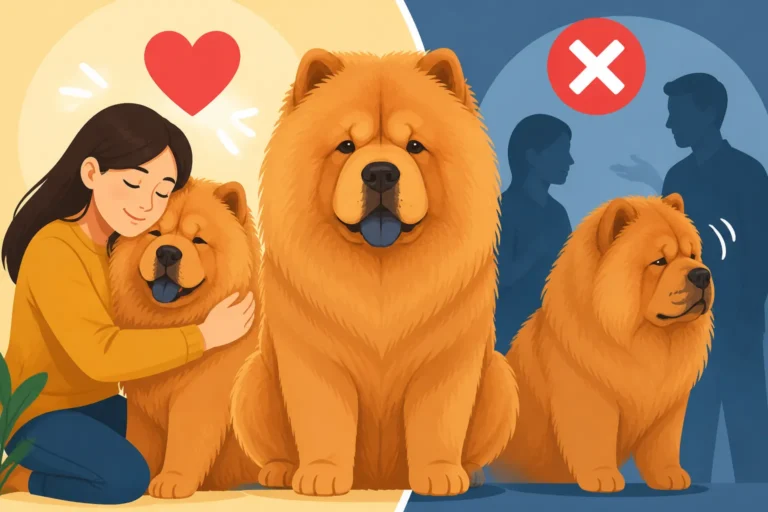
Chow Chows are not golden retrievers. They aren't typically inclined to greet every person with an exuberant wag or seek constant petting from strangers. Their reserved nature is a hallmark of the breed, but "reserved" should never mean fearful or aggressive. Proper socialization helps to shape this natural wariness into a calm, confident neutrality. A well-socialized Chow Chow will likely remain selective in their affections, bonding deeply with their chosen people while politely tolerating others. They learn to observe, assess, and then calmly accept, rather than reacting with suspicion or fear.
This means introducing them to a wide variety of people – different ages, genders, appearances (hats, glasses, beards), and gaits. Each interaction should be brief, positive, and on their terms. Don't force them into situations where they feel overwhelmed. The goal is not to make them love everyone, but to teach them that most people are benign and that they don't need to fear the unfamiliar. It's about building an internal sense of security that allows their natural dignity to shine through without resorting to defensive behaviors.
Preventing Fear-Based Reactivity
One of the biggest concerns for any Chow Chow owner is the potential for reactivity or aggression, particularly towards strangers or other dogs. This often stems from a lack of exposure during the critical socialization period, which can lead to fear. When a dog is fearful, their natural instinct is to either flee or fight. Because Chow Chows are physically imposing and have strong guarding instincts, "fight" can become their default if they haven't learned to cope with new stimuli.
Socialization works to desensitize them to the novel and the unexpected, building positive associations instead of fear. If a puppy consistently meets friendly, calm people who offer a treat and then move on, they learn that strangers aren't a threat. If they have positive, supervised interactions with well-mannered dogs, they learn appropriate canine social cues. Without these experiences, every new person or dog can be perceived as a potential danger, triggering a reactive response that can be incredibly difficult to manage once ingrained. You want to avoid those tense situations where your Chow views every new encounter as a challenge.
Building Trust and Confidence
Ultimately, socialization isn't just about exposing your puppy; it's about building their trust in you as their guide and their confidence in themselves. A puppy who feels safe and secure with their owner will be more willing to explore new things and rely on their human for reassurance. When you calmly introduce them to new experiences, reward their brave investigations, and protect them from overwhelming situations, you reinforce that you are a reliable leader.
This confidence extends to their interactions with the world. A confident Chow Chow is less likely to feel the need to guard excessively or react defensively. They understand their place, feel secure in their environment, and can make calm decisions rather than knee-jerk reactions. This trust is the bedrock of a healthy relationship and is especially crucial for a breed known for its independent streak. A Chow Chow might not be looking to you for constant instruction, but they do need to know you have their back when the world gets a little too big. This also means you need to understand How Much Socialization a Chow Chow Puppy Needs.
What "Socialization" Really Means for a Chow Chow Puppy
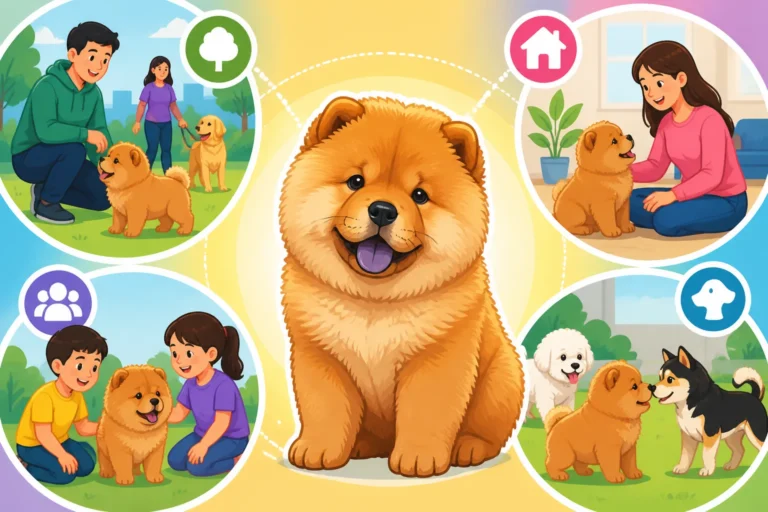
Socialization isn't just about group puppy classes, though those can be a part of it. For a Chow Chow, it's a multi-faceted approach involving deliberate exposure to people, other dogs, and a myriad of different environments. The key is quality over quantity, ensuring each experience is positive, controlled, and tailored to your puppy's developing comfort levels.
Exposure to People and Handling
Your Chow Chow puppy needs to meet a wide variety of people, not just your immediate family. This includes men, women, children, people of different ethnicities, heights, and builds. They should encounter people wearing hats, sunglasses, carrying umbrellas, using walkers, or even on bicycles. Each encounter should be calm, brief, and always end on a positive note, often with a high-value treat offered by the stranger if they are willing and follow your instructions.
Crucially, handling is also a major component. Chow Chows are famously resistant to excessive handling by strangers, and even by their owners if not introduced properly. Your puppy needs to learn to accept being touched all over their body – ears, paws, tail, mouth, and belly. This is vital for veterinary visits, grooming appointments, and even just simple health checks at home. Practice gentle brushing (even if you're not fully line brushing yet), lifting paws, looking in ears, and briefly examining their mouth. Make these sessions short, positive, and treat-filled. The more comfortable they are with being handled, the less stressed they will be for necessary care, especially when they grow into formidable adults. You need to consistently teach them to accept being groomed throughout their life.
Controlled Interactions with Other Dogs
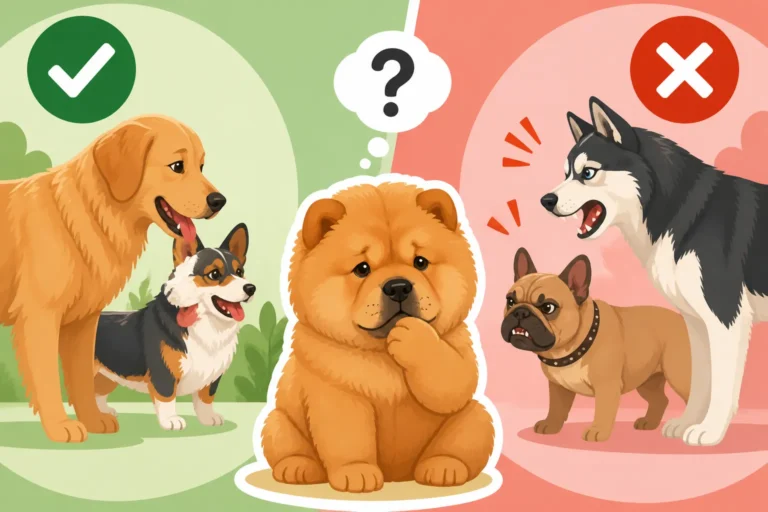
This is where many owners make mistakes, thinking "socialization" means letting their puppy run wild in a dog park. For a Chow Chow, this can be disastrous. Uncontrolled interactions with rude or overly boisterous dogs can be terrifying for a puppy, leading to lasting fear or defensiveness towards other canines. Instead, focus on controlled, positive interactions with known, calm, and vaccinated adult dogs.
Puppy classes are often an excellent environment for this, as they typically involve supervised play with other puppies of similar age and temperament. Beyond that, arrange playdates with trusted friends' dogs who you know are well-socialized and have good manners. The goal is for your Chow puppy to learn appropriate canine communication, understand boundaries, and feel safe around other dogs. Always supervise closely and interrupt any play that becomes too rough or one-sided. End play sessions before your puppy becomes overtired or overwhelmed. Quality interactions build confidence; chaotic ones breed fear. How a Chow Chow Gets Along With Other Dogs is largely dependent on these early experiences.
Novel Environments, Sounds, and Objects
The world is full of strange places and noises, and your Chow Chow puppy needs to learn that most of them are nothing to fear. Introduce them to different surfaces (grass, concrete, carpet, tile, gravel), take them on car rides, expose them to the sounds of city traffic, vacuum cleaners, doorbells, children playing, and even loud appliances. The trick is to do this gradually, at a low intensity, and always paired with something positive like treats or praise.
- Environments: Take short trips to quiet parks, pet-friendly stores (carrying them if they aren't fully vaccinated yet, or if the floor is too high-traffic for a young pup), friend's houses, or even just sitting outside a coffee shop to observe the world go by.
- Sounds: Play recordings of thunderstorms, sirens, or crying babies softly at first, gradually increasing the volume as your puppy remains calm and happy, associating the sounds with positive experiences. Amazon offers many inexpensive dog sound CDs or streaming options.
- Objects: Introduce them to things like umbrellas opening, skateboards, bicycles, strollers, and even people in uniforms. The goal is for them to see these things as neutral parts of the environment, not as sudden threats.
This broad exposure helps your Chow Chow develop a robust nervous system, less likely to be rattled by the unexpected. The world will feel less threatening if they've encountered many facets of it in a safe, positive way.
Practical Steps for Socializing Your Chow Chow Puppy Safely
Socialization isn't about throwing your puppy into the deep end; it's a structured and thoughtful process. For a Chow Chow, this means taking extra care to ensure every experience is a positive building block, not a potential setback. Here’s how you can approach it proactively.
Planning Safe Outings and Encounters
The cornerstone of successful Chow Chow puppy socialization is careful planning. You can't just expect your Chow to magically get over their natural reservations. You need to create opportunities for positive exposure while minimizing risks.
Here's a breakdown of how to plan safe outings:
- Choose the Right Location: Opt for quieter, controlled environments initially. Think low-traffic areas like a friend's quiet backyard with a calm adult dog, or a pet-friendly store during off-peak hours where you can carry your puppy. Avoid crowded places like dog parks or bustling downtown streets until your puppy has a solid foundation of confidence.
- Keep it Short and Sweet: A 10-15 minute positive experience is far more valuable than an hour of overwhelm. Watch your puppy for signs of stress (lip licking, yawning, stiff body, turning away, tucked tail). End the session before they get uncomfortable.
- Always Bring High-Value Treats: Treats are your secret weapon. Every positive interaction with a new person, sound, or sight should be paired with a delicious reward. This creates strong positive associations. Little pieces of boiled chicken, cheese, or high-quality commercial treats work wonders.
- Advocate for Your Puppy: Don't be afraid to politely tell well-meaning strangers not to rush your puppy or try to force attention. You are your puppy's protector. "He's learning to be brave, so gentle greetings are best right now, please don't reach over him" is a perfectly acceptable phrase.
- Gradual Exposure: Start small and slowly increase intensity. If your puppy is nervous about traffic sounds, sit far away from a busy street at first, rewarding calm behavior. Gradually move closer over several sessions.
Consistency is key here. Daily, short, positive exposures will build confidence much more effectively than infrequent, intense outings.
Utilizing Puppy Classes and Training Resources
While Chow Chows can be independent, puppy classes offer an invaluable structured environment for socialization and basic training. Look for classes that emphasize positive reinforcement and focus on teaching good manners rather than just letting puppies roughhouse.
- Positive Reinforcement Classes: A good puppy class will prioritize building a positive relationship between you and your puppy. They'll use treats, praise, and gentle guidance, which aligns perfectly with a Chow Chow's sensitive nature. Harsh corrections will only make a Chow shut down.
- Supervised Play: A well-run class will have experienced instructors who can facilitate appropriate play between puppies, ensuring no one gets overwhelmed or bullied. They can also teach you how to recognize canine body language, which is essential for understanding your Chow Chow's subtle cues.
- Exposure to Novelty: Many puppy classes incorporate various surfaces, objects, and sounds into their curriculum, providing controlled exposure in a safe space.
- Owner Education: These classes aren't just for puppies; they're for you too! You'll learn how to effectively communicate with your Chow Chow, interpret their behavior, and continue their training and socialization at home.
Online resources can also be incredibly helpful. Programs like BAXTER & Bella offer comprehensive online puppy training programs that cover socialization, manners, and problem-solving, all from the comfort of your home, which can be fantastic for building foundational skills before venturing out to in-person classes, or for supplementing them. They provide structured lessons you can follow at your own pace.
Essential Tools for Socialization
Having the right gear can make your socialization journey much smoother and safer for both you and your Chow Chow puppy.
| Tool | Purpose | Why It's Useful for a Chow Chow |
|---|---|---|
| Well-Fitting Harness | Provides secure control without putting pressure on the neck. | Essential for a strong breed that might pull; safer than a collar for trachea. |
| Long Leash (10-15 ft) | Allows safe exploration while maintaining control in open spaces. | Gives freedom to investigate without being fully off-leash. |
| High-Value Treats | Rewards positive behavior and creates positive associations. | Crucial for motivating a Chow Chow, who can be independent. |
| Treat Pouch | Keeps treats readily accessible for immediate rewards. | Quick rewards are vital for marking desired behavior effectively. |
| Kongs or Lick Mats | Provides mental stimulation and a calming distraction. | Great for keeping a puppy occupied in new environments or during quiet time. |
| Portable Water Bowl | Keeps your puppy hydrated during outings. | Important for longer sessions or warmer weather. |
| Carrier/Crate | Provides a safe, familiar den for travel and quiet breaks. | Offers a secure retreat, especially useful for a reserved breed. |
| Muzzle (Basket Type) | Safety tool for vet visits, grooming, or if reactivity is a concern. | Excellent for training acceptance early; Whether a Chow Chow Should Be Muzzle Trained Early is a good idea. |
Investing in these tools from reputable brands, easily found on Amazon or local pet stores, will equip you for success. Remember, these are aids, not substitutes for your active participation and guidance.
Common Pitfalls and How to Avoid Them
Even with the best intentions, owners can inadvertently make mistakes during socialization that can have lasting impacts on a Chow Chow's temperament. Being aware of these common pitfalls can help you navigate the process more effectively.
Overwhelm and Negative Experiences
One of the biggest mistakes an owner can make, especially with a sensitive breed like a Chow Chow, is over-socialization or creating negative experiences. Bombarding a puppy with too many new stimuli at once, or forcing them into situations where they are clearly uncomfortable, can be counterproductive. Instead of building confidence, it can create fear, anxiety, and even aggression.
Imagine taking your Chow Chow puppy, who's still getting used to your home, directly to a bustling dog park filled with boisterous, untrained dogs. This could be incredibly scary for them. They might be bowled over, nipped at, or cornered, leading to a lasting aversion to other dogs. Similarly, if every person who approaches them immediately reaches over their head or tries to hug them, a Chow will quickly learn that strangers are pushy and threatening. You might even find yourself asking Whether Forcing a Chow Chow to Greet Backfires, and the answer is usually yes.
To avoid this:
- Read Your Puppy's Body Language: Learn the subtle signs of stress or discomfort in your Chow Chow. These can include yawning, lip-licking, turning away, sniffing the ground, a stiff posture, a tucked tail, or trying to hide behind you. If you see these signs, it's time to reduce the intensity or end the session.
- Prioritize Quality over Quantity: A few positive, well-managed interactions are far better than dozens of chaotic or overwhelming ones.
- Be Their Advocate: Don't let strangers or other dogs invade your puppy's space if they are showing signs of discomfort. Step in and create distance. You are their protector.
The Myth of "Just Letting Them Figure It Out"
Some owners believe that puppies should simply be "thrown in" with other dogs or people and allowed to "figure it out" on their own. This hands-off approach can be particularly damaging for a Chow Chow. Their independent nature combined with potential fear or insecurity can lead to them developing their own, often less-than-ideal, coping mechanisms.
Without proper guidance and positive reinforcement, a Chow Chow puppy might learn to:
- Be Reactive: If left to "figure out" encounters with other dogs, a nervous Chow might learn that barking, growling, or lunging keeps other dogs away. This self-rewarding behavior quickly becomes ingrained.
- Become Fearful and Withdrawn: Some Chows might simply retreat and become extremely shy, avoiding all social contact, which limits their enjoyment of life and your ability to take them places.
- Guard Resources or People Excessively: If they perceive threats and aren't taught appropriate boundaries, their natural guarding instincts can intensify and be misdirected.
You, as the owner, are responsible for shaping their understanding of the world. Active, engaged, and positive guidance is crucial. You are not just exposing them; you are teaching them how to react appropriately to new situations, and that you will always keep them safe.
Neglecting Ongoing Exposure
Socialization isn't a one-and-done event that ends when your puppy turns 16 weeks old. While the critical window is vital, neglecting consistent exposure and maintenance can lead to behavioral regression. Adolescent dogs, especially Chow Chows, can sometimes develop new fears or react differently to stimuli they previously tolerated, if they haven't had continued positive experiences.
Life gets busy, and it's easy to fall into a routine of mostly staying at home or only visiting familiar places. However, to maintain a well-adjusted Chow Chow:
- Continue with "Field Trips": Keep taking your Chow Chow to new, interesting, and safe places regularly. Visit different parks, walk in new neighborhoods, or even just drive to a different store.
- Maintain Skills: Continue to practice basic manners and polite greetings. Reinforce calm behavior around strangers and other dogs.
- Enroll in Advanced Classes: Consider advanced obedience, trick training, or even dog sports if your Chow enjoys them. These provide continued mental stimulation and exposure in a structured setting.
Think of it like exercising a muscle; if you stop, it atrophies. The social confidence you build in your Chow Chow puppy needs consistent workouts to remain strong and flexible throughout their life.
Continuing Socialization Beyond Puppyhood
The puppy stage is undeniably critical, but the journey of socialization doesn't suddenly stop when your Chow Chow celebrates their first birthday. In fact, maintaining and building upon that early foundation is essential for ensuring your Chow Chow remains a confident, polite, and well-adjusted companion throughout their life.
Maintaining Exposure as an Adolescent
Adolescence in dogs, much like in humans, can be a tricky time. Hormones kick in, independence can surge, and some dogs might even seem to "forget" things they learned as puppies or develop new sensitivities. For a Chow Chow, who already possesses a strong-willed and independent spirit, this period from roughly six months to two years of age requires continued vigilance in socialization.
Even if your Chow Chow puppy was a star student in puppy class and seemed comfortable with everything, it’s not uncommon for them to become more wary of strangers or other dogs during adolescence. This isn't necessarily a failure of early socialization, but rather a normal developmental stage where they're testing boundaries and assessing their environment with new, adult perspectives.
To maintain their positive progress:
- Regular "Field Trips": Continue to take your Chow Chow on outings to different places. It could be a new walking trail, a pet-friendly hardware store, or simply a different neighborhood. The goal is novelty in a controlled way.
- Meet New People (Calmly): Encourage polite, brief greetings with a variety of new people. Always ensure these interactions are on your Chow's terms – no forced petting or overwhelming approaches. A treat from a calm stranger can reinforce positive associations.
- Structured Dog Interactions: If your Chow enjoys other dogs, continue to arrange supervised playdates with known, calm, and friendly canines. Avoid dog parks, especially for Chow Chows, as adolescent energy can lead to misunderstandings and altercations, potentially undoing all your hard work. Whether a Dog Park Suits a Chow Chow is almost always a "no."
- Continue Training: Ongoing obedience or trick training helps keep their mind engaged and reinforces your bond and leadership, which is crucial for managing their independent nature.
The goal is to reinforce that the world is generally a safe and interesting place, and that you are their reliable guide, even as they grow into impressive, opinionated adults.
The Lifelong Journey of a Well-Adjusted Chow Chow
Socialization truly is a lifelong process, evolving as your Chow Chow ages. A well-adjusted Chow Chow isn't one who loves everyone and everything; it's one who can calmly navigate various situations without fear or aggression, trusting your leadership and their own ability to cope. Their natural reserve will likely always be present, but it will be a calm dignity rather than a reactive defensiveness.
Think about how you'll manage everyday life with your adult Chow Chow:
- Vet Visits: An adult Chow Chow who has consistently experienced positive, gentle handling from a young age will be much easier to manage for routine check-ups, vaccinations, and grooming. If you didn't focus on this, you might find yourself needing to sedate them just for a nail trim.
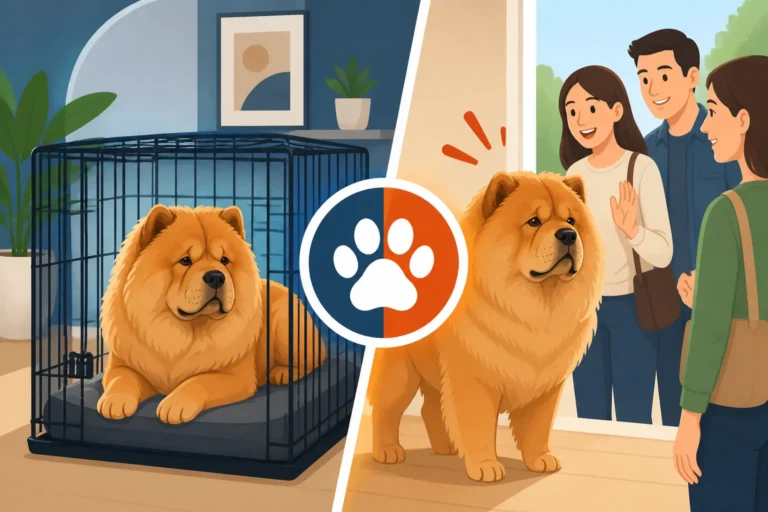
- Guests in Your Home: A socialized Chow Chow will understand that visitors are welcome (by you), even if they choose to observe from a distance rather than demand attention. An unsocialized Chow might view guests as intruders to be guarded against aggressively. Managing How to Manage a Chow Chow When Guests Arrive becomes much easier.
- Travel and Outings: If you wish to take your Chow Chow on road trips, to quiet outdoor cafes, or on vacations, continued positive exposure to different environments and people makes these experiences enjoyable rather than stressful.
- Aging: As your Chow Chow enters their senior years, changes in sight, hearing, or mobility can make them more sensitive. A strong foundation of socialization helps them adapt to these changes with greater resilience, rather than becoming fearful or snappy due to discomfort or confusion.
The rewards of consistent, thoughtful socialization are immense. You'll have a Chow Chow who is not just beautiful, but also confident, secure, and capable of being a truly valued member of your family, ready to face the world with you by their side. It's an investment that pays dividends in peace of mind and a deep, trusting bond.
Disclaimer
This article is for general informational purposes only and does not constitute professional advice. Laws, prices and regulations vary by location and change over time. Consult a qualified professional for guidance on your specific situation.