Whether a Chow Chow Raised With a Cat Accepts It
Bringing a new pet into a home, especially when another species already reigns supreme, can be a source of real anxiety for owners. Many Chow Chow enthusiasts dream of a multi-pet household but worry about their Chow's strong personality clashing with a feline friend. This comprehensive guide will explore the nuances of Chow Chow and cat cohabitation, offering realistic insights and actionable advice on whether a Chow Chow raised with a cat can truly accept it.
The Chow Chow's Innate Drive and Its Impact on Other Animals
Chow Chows are a fascinating breed, known for their lion-like appearance, dignified demeanor, and often reserved nature. What many people don't fully grasp is that beneath that fluffy exterior lies a dog with a rich history of utility, including hunting and guarding. These ingrained instincts can significantly influence how they perceive and interact with other animals, including the family cat. It's not just about cuteness; it's about understanding their fundamental drives.
Understanding the Chow Chow's Prey Drive
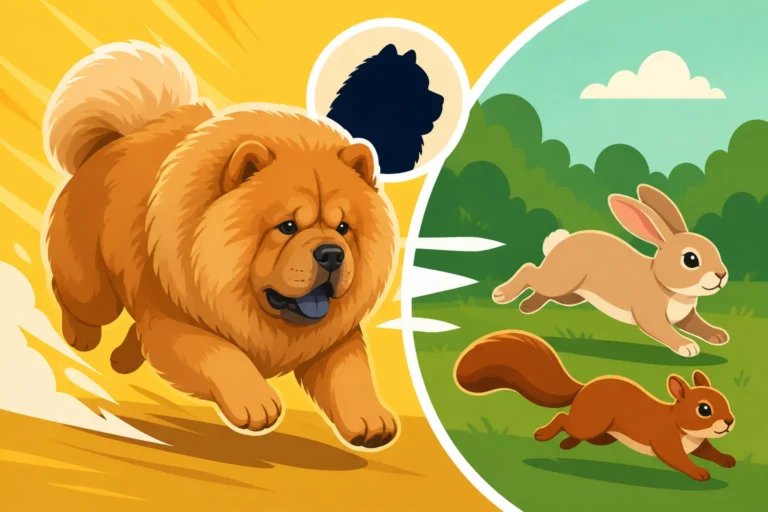
Let's be honest, Chows can have a strong prey drive. They were historically used for hunting, which means they have an instinct to chase and capture smaller, faster-moving creatures. For many breeds, a cat zipping across the living room is a fun game of chase. For a Chow, especially one not properly socialized or raised with cats, that quick movement can trigger a more primal response. It’s not necessarily malice; it’s instinct. Imagine a small, furry blur darting past. For some Chows, that's just an irresistible invitation to pursue. This is why Whether a Chow Chow Has a Prey Drive is such an important topic to understand. This drive can manifest even if they've never seen a rabbit or squirrel; the internal programming is still there.
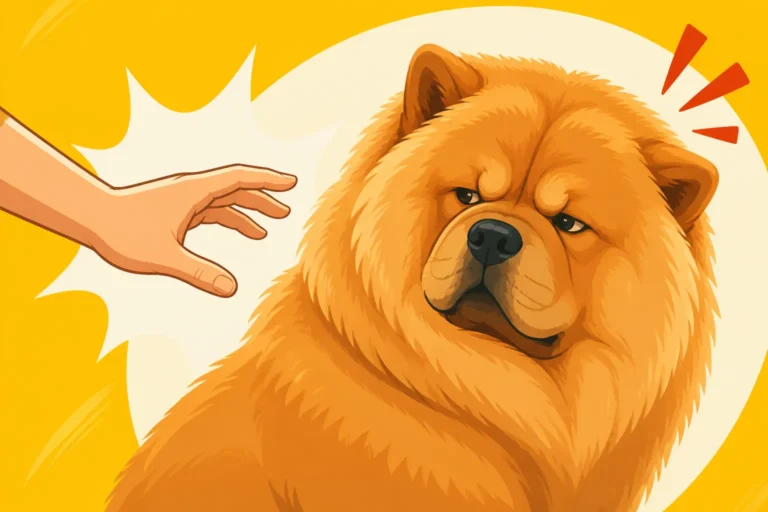
This isn't to say every Chow Chow will aggressively pursue a cat, but the potential is undeniably there. If a Chow Chow is startled by a sudden movement, particularly from behind due to their deep-set eyes which limit their peripheral vision, their reaction can be swift and without much warning. This is why Why a Chow Chow Snaps at Someone It Did Not See is something owners need to be acutely aware of, especially in a home with quick-moving pets. The surprise factor can lead to an instinctual defensive or predatory lunge before the Chow has time to process what it’s seeing.
The Importance of Early Exposure
The single most crucial factor in a Chow Chow accepting a cat is undeniably early, positive exposure. When a Chow Chow puppy is raised from a very young age with a cat, their chances of forming an amicable, or at least tolerant, relationship increase dramatically. During their critical socialization window, typically between 3 and 16 weeks of age, puppies are highly impressionable. If a cat is a regular, non-threatening, and predictable part of their environment during this time, the Chow pup is far more likely to perceive cats as part of their "pack" rather than prey.
This isn't just about passively existing in the same house; it's about controlled, positive introductions. A breeder who has cats and exposes puppies carefully is gold. If you're bringing a Chow Chow puppy home to an existing cat, these early weeks are paramount. It's about teaching the puppy that cats are not toys to be chased, but rather respected housemates. Without this early, consistent integration, introducing an adult Chow Chow to a cat can be a significantly more challenging, and potentially dangerous, endeavor. It's a prime example of how Why Early Socialization Decides What a Chow Chow Becomes truly applies to inter-species relationships. The more positive experiences a puppy has, the broader its acceptance of different situations and beings.
Key Factors for Successful Chow Chow-Cat Cohabitation
Even with early exposure, maintaining harmony between a Chow Chow and a cat requires ongoing effort, smart management, and a deep understanding of both animals' needs. It's not a "set it and forget it" situation; it's a dynamic relationship that needs consistent attention and respect for boundaries.
Supervision and Safe Spaces
Constant, vigilant supervision is non-negotiable, especially in the initial stages of cohabitation and anytime you cannot fully trust the interaction. You simply cannot leave a Chow Chow and a cat alone together unsupervised until you are absolutely certain of their dynamics, and even then, caution is wise. A momentary lapse in judgment from either animal could have serious consequences. This means baby gates, closed doors, and designated "cat-only" areas are your best friends.
Cats need vertical escape routes and secure spaces where they can retreat and feel completely safe from the dog. Think cat trees, high shelves, or rooms with cat doors that the Chow Chow can't access. Platforms, wall-mounted steps, or tall cat condos bought from Amazon can provide invaluable sanctuary. These safe havens reduce stress for the cat and prevent situations where the cat feels cornered, which could lead to defensive swatting and escalate tensions. A cat that feels safe is less likely to react negatively, and a Chow Chow that learns the cat can easily escape is less likely to pursue relentlessly.
Training and Desensitization
While Chows are known for their independent streak, consistent, positive reinforcement training can work wonders in managing their interactions with cats. Teaching a solid "leave it" cue is paramount. This command can be a literal lifesaver if your Chow Chow shows too much interest in the cat. Practice it with tempting toys and treats, so it's ingrained when you need it most. A strong recall is also incredibly important for regaining control in any situation, including if a chase starts. Teaching a Chow Chow a Reliable Recall is a skill every Chow owner should prioritize, regardless of other pets in the home.
Desensitization involves gradually exposing your Chow Chow to the cat in a controlled, calm manner, rewarding calm behavior. This might mean having the cat in a carrier in the same room while you feed your Chow a high-value treat, slowly reducing the distance over time. Another effective method is scent swapping, allowing them to get used to each other's smell before direct interaction. Consistency is key, as Chow Chows are intelligent but can be stubborn. They will test boundaries, and you need to be firmer and more consistent than they are. Online training platforms, like those offered by BAXTER & Bella, can provide structured guidance for positive reinforcement techniques and socialization, which can be invaluable when managing inter-species relationships. Their emphasis on early training and consistent methods aligns perfectly with what a Chow Chow needs to accept other pets.
When It Works: Signs of Acceptance and Management Strategies
So, what does a successful Chow Chow and cat relationship actually look like? It's often not the image of them curled up together in a sunbeam, though that can happen. More often, it’s a calm coexistence built on mutual respect and clear boundaries.
Recognizing True Acceptance (and Toleration)
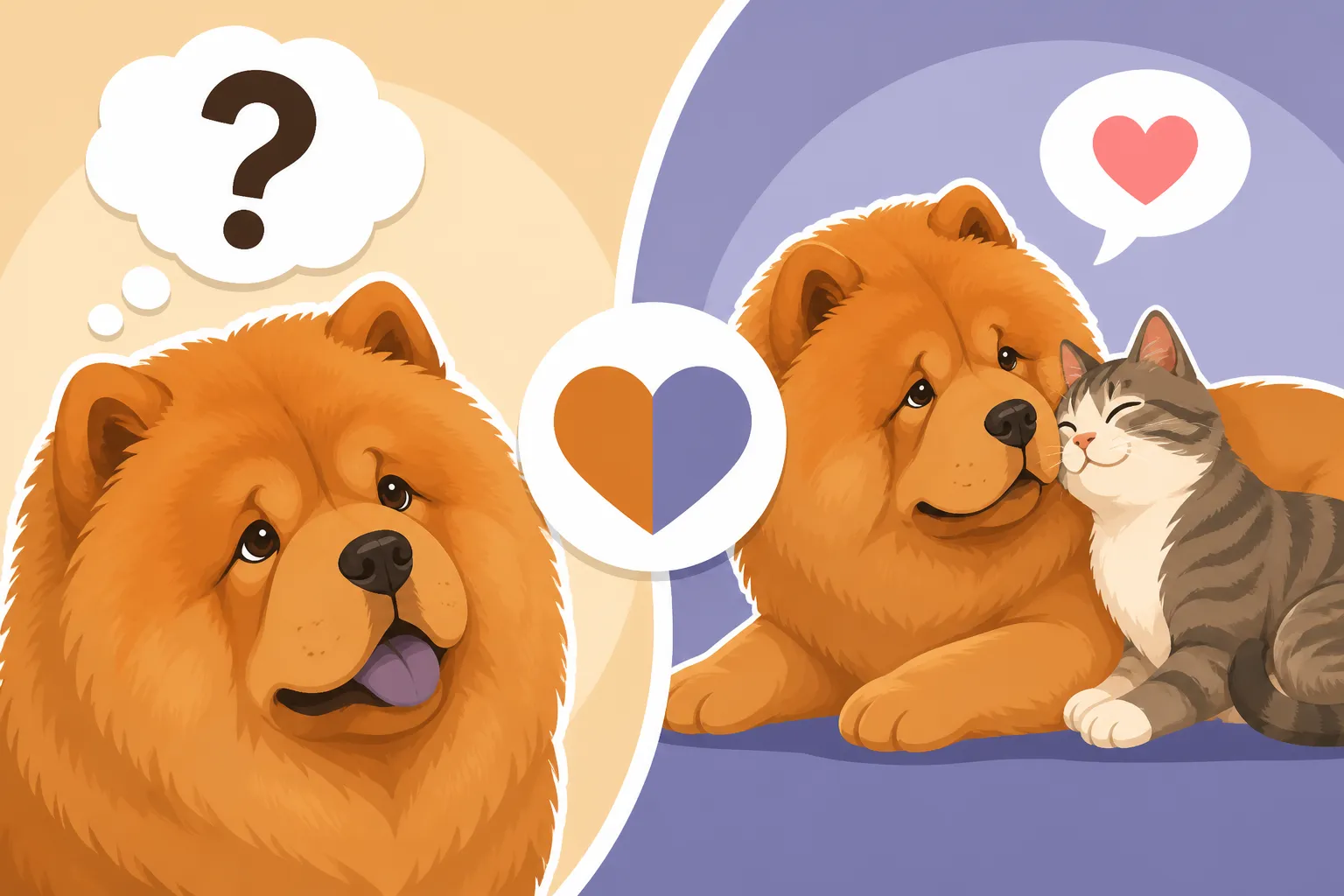
True acceptance means the Chow Chow genuinely views the cat as part of the household, not as prey or a nuisance. Signs of this might include ignoring the cat completely, walking past it without a second glance, or even sharing a couch (though not necessarily touching). They might drink from the same water bowl, or the cat might feel comfortable enough to rub against the Chow's legs. The key is a lack of predatory interest, aggression, or even excessive, pushy curiosity. If your Chow allows the cat to approach, perhaps sniffs politely, and then carries on with its business, that’s a win.
However, often what we see is more akin to "toleration." The Chow Chow acknowledges the cat's presence but largely ignores it, as long as the cat doesn't provoke a chase response or get too close to the Chow's personal space, food, or toys. This is still a perfectly acceptable outcome! It means peace in the household, even if it's not a picture-perfect friendship. How a Chow Chow Treats the Rest of the Family can offer insights into their general acceptance levels, as they are known to bond to one person and tolerate others, and this often extends to other household members, furry or otherwise.
| Behavior Indicator | Acceptance (Good) | Toleration (Acceptable) | Red Flag (Danger) |
|---|---|---|---|
| Physical Proximity | Shares space calmly, ignores cat near food/toys | Generally ignores, but maintains distance | Stares intently, stalks, chases, body stiffens |
| Interaction Level | Minimal, calm sniffing, or no interaction | Sniffs briefly, then disengages | Lunging, pawing, growling, hissing from cat |
| Response to Movement | Watches calmly or ignores cat running | Briefly observes, but doesn't pursue | Instant pursuit, focused chase |
| Cat's Comfort | Cat relaxes in Chow's presence, seeks proximity | Cat uses safe spaces but moves freely otherwise | Cat is constantly hiding, terrified, or defensive |
| Owner's Presence | Behavior is consistent whether supervised or not | Needs supervision for calm interactions | Only calm when physically separated |
Ongoing Management and Environmental Enrichment
Even with a Chow Chow and cat that have reached a good level of acceptance, ongoing management is crucial. Never assume the peace will last without continued vigilance. Always ensure the cat has access to its food and water bowls without the Chow Chow interfering. Elevated feeding stations for the cat can be a game-changer, preventing resource guarding issues and ensuring the cat gets its meals without stress. Many suitable options for elevated feeding bowls or cat towers that include feeding platforms are available on Amazon.
Continue to provide plenty of high places for your cat. These aren't just for escape; they offer mental enrichment and a sense of security. Similarly, ensure your Chow Chow has adequate exercise and mental stimulation. A bored Chow Chow is more likely to create its own "fun," which could involve harassing the cat. Regular walks, puzzle toys, and consistent training sessions can help channel their energy positively. Remember, a Chow Chow needs consistent input, even if they aren't always thrilled about it, as Why a Chow Chow Ignores a Cue It Knows can sometimes be attributed to boredom or lack of motivation. Maintaining a predictable routine also helps both pets feel secure and reduces anxiety that could lead to negative interactions.
When It Doesn't Work: Recognizing Red Flags and Seeking Help
It's a tough pill to swallow, but sometimes, despite all best efforts, a Chow Chow and a cat simply cannot safely coexist. Recognizing when the situation is untenable is vital for the safety and well-being of both animals.
Red Flags and Safety Concerns
Certain behaviors are absolute red flags and should prompt immediate intervention. Any direct aggression from the Chow Chow towards the cat – growling, snapping, lunging with intent to harm, or actual physical contact resulting in injury – means the situation is dangerous. Even persistent stalking, obsessive staring, or blocking the cat's escape routes are serious warning signs that escalate beyond simple curiosity or play. If the cat is constantly stressed, hiding, refusing to eat, or showing signs of fear (hissing, swatting, urinating outside the litter box), their quality of life is severely compromised.
If you observe the Chow Chow fixating on the cat, especially if their body language becomes stiff, ears forward, tail tense, that's a classic predatory posture. It's not a game. If your Chow Chow is showing resource guarding behavior towards you, its toys, or its food when the cat is present, this can also quickly turn dangerous. What a Chow Chow Guards and Why explains how their territorial instincts can extend to anything they perceive as theirs, including their humans. These are not behaviors that can be "trained out" casually; they indicate a deeply ingrained instinct or behavioral issue that puts the cat at extreme risk.
Professional Intervention and Rehoming Considerations
If you're seeing consistent red flags, it's time to call in a professional. Seek out a certified professional dog trainer or a veterinary behaviorist who has experience with Chow Chows and inter-species aggression. They can assess the specific dynamics, help identify triggers, and provide a tailored plan that might include advanced training techniques, management strategies, or even medication for anxiety. Sometimes, even with expert help, the underlying drives are too strong, or the learned behaviors too ingrained, for safe cohabitation.
In such cases, the hardest decision might be the kindest one: rehoming one of the animals. This is a heart-wrenching choice, but the safety and quality of life for both pets must be the priority. Forcing a situation that causes constant stress or poses a physical threat is unfair to everyone involved. Sometimes, a rescue organization specializing in Chows can assist in finding a new, appropriate home for your dog, or help rehome the cat to a place where it can thrive without fear. This is not a failure on your part, but a responsible decision born out of love and commitment to your pets' well-being. Ultimately, your goal is a harmonious home, and sometimes, that means recognizing that certain pairings just aren't meant to be.
Disclaimer
This article is for general informational purposes only and does not constitute professional advice. Laws, prices and regulations vary by location and change over time. Consult a qualified professional for guidance on your specific situation.