Teaching a Chow Chow to Lie on Its Side
If you've ever tried to perform a thorough brush-out on your Chow Chow, or maybe just check a suspicious lump on their belly, you know the struggle can be real. Getting a Chow Chow to willingly lie on its side, fully exposed, can feel like asking them to give up their firstborn. They are naturally private and often resistant to handling, but teaching them to relax in this position is a game-changer for their health and your peace of mind. This guide will walk you through gentle, positive methods to teach your stoic companion this invaluable skill.
Why "Lie on Side" is a Critical Skill for Your Chow Chow
Let's be honest, Chow Chows aren't known for being overly demonstrative or for happily rolling over for belly rubs from just anyone. Their independent nature and ancient lineage mean they have a strong sense of personal space and dignity. This characteristic, while endearing in many ways, can make routine care, and especially veterinary examinations, a real challenge. Teaching your Chow Chow to lie calmly on their side isn't just a neat trick; it's a fundamental part of responsible ownership that significantly impacts their well-being.
The Chow Chow's Reluctance to Handling
It's not that your Chow Chow is trying to be difficult; it's just how they're wired. Unlike some more overtly affectionate breeds that melt into a puddle at the slightest touch, Chow Chows are more reserved. They appreciate respect and predictability, and being asked to lie on their side can feel like a profound invasion of their privacy and personal boundaries. For a Chow Chow, lying on their side exposes their soft underbelly and makes them feel vulnerable, which can trigger an instinctual wariness. This isn't defiance, but a deeply ingrained preference for maintaining control over their body and surroundings.
Many owners face similar frustrations when trying to perform basic grooming. You might find yourself battling mats deep within their dense coat, especially in sensitive areas like behind the ears or on their inner thighs. The sheer volume of their fur, particularly in a rough-coated Chow Chow, means that regular, thorough brushing is absolutely non-negotiable to prevent painful matting. Without cooperation for positions like lying on their side, reaching these areas is incredibly difficult, often leading to a stressed dog and a frustrated owner. Trust me, I've been there with a stubborn fluffball who decided a full-body groom was an optional activity.
Essential for Grooming and Health Exams
Imagine trying to brush out a stubborn mat near your Chow Chow's armpit if they're standing stiffly, or worse, trying to nip at your hand. It's a recipe for disaster. When your Chow Chow willingly lies on their side, it opens up a whole new world of accessible grooming. You can properly line brush their heavy coat, get right down to the skin, and efficiently tackle any tangles or shedding undercoat. This position is also invaluable for drying them completely after a bath, ensuring that moisture doesn't get trapped against the skin, which can lead to uncomfortable hot spots or infections. For a rough-coated Chow Chow, knowing How Long Brushing a Rough Chow Chow Takes will make you appreciate any method that streamlines the process!
Beyond daily grooming, this skill becomes absolutely critical for veterinary visits. Vets often need to palpate the abdomen, examine the hips, or draw blood from a hind leg. If your Chow Chow resists being touched in these areas while standing, imagine the struggle when a vet needs them to lie still for a thorough check-up. As many Chow Chow owners know, Why a Chow Chow Is Hard to Examine at the Vet is a common challenge due to their protective nature and often stoic demeanor. Teaching them to calmly assume this position on command can turn a stressful, potentially muzzle-requiring vet visit into a much smoother experience. It allows for better diagnostic care and reduces the need for sedation, which is always preferable when possible. By building this cooperative behavior, you're not just training a trick; you're fostering a deeper trust and making necessary procedures less traumatic for your beloved companion.
Gentle Approaches to Teaching "Lie on Side"
Teaching a Chow Chow anything requires patience, understanding, and a willingness to work with them, not against them. Force or harsh corrections will absolutely backfire, leading to a shutdown or increased resistance. The key to teaching "lie on side" is to make it a positive, rewarding experience, breaking it down into small, achievable steps.
Building a Foundation of Trust and Comfort
Before you even think about asking your Chow Chow to lie on their side, you need a strong foundation of trust and a history of positive interactions around handling. Start with basic commands like "sit" and "down," making sure they are solid and that your Chow performs them happily. Reward lavishly with high-value treats whenever they offer calm, cooperative behavior. Which Treat a Chow Chow Will Work Hardest For is a question every Chow Chow owner needs to answer for their individual dog – for some, it's cheese, for others, boiled chicken. Whatever it is, have plenty on hand!
Next, introduce gentle touching and massage in non-threatening areas while your Chow is relaxed, perhaps when they're already lying down or lounging nearby. Start with a gentle stroke on their shoulder or back, always following with a calm verbal praise and a tiny treat. Gradually work your way towards more sensitive areas like their legs, chest, and flanks, but always withdraw if you see any signs of discomfort like tensing, lip-licking, or a hard stare. The goal is to build positive associations with being touched and handled, making it a predictor of good things rather than something to be endured. Remember, consistency and a calm demeanor from you will be paramount in earning their trust.
Luring and Shaping the Behavior
Once your Chow Chow is comfortable with basic handling and has a solid "down," you can start shaping the "lie on side" behavior. This involves using a treat to guide them into the desired position, rewarding each small step.
Here's a step-by-step approach:
- Start with "Down": Ask your Chow Chow to lie down. Ensure they are comfortable in this position.
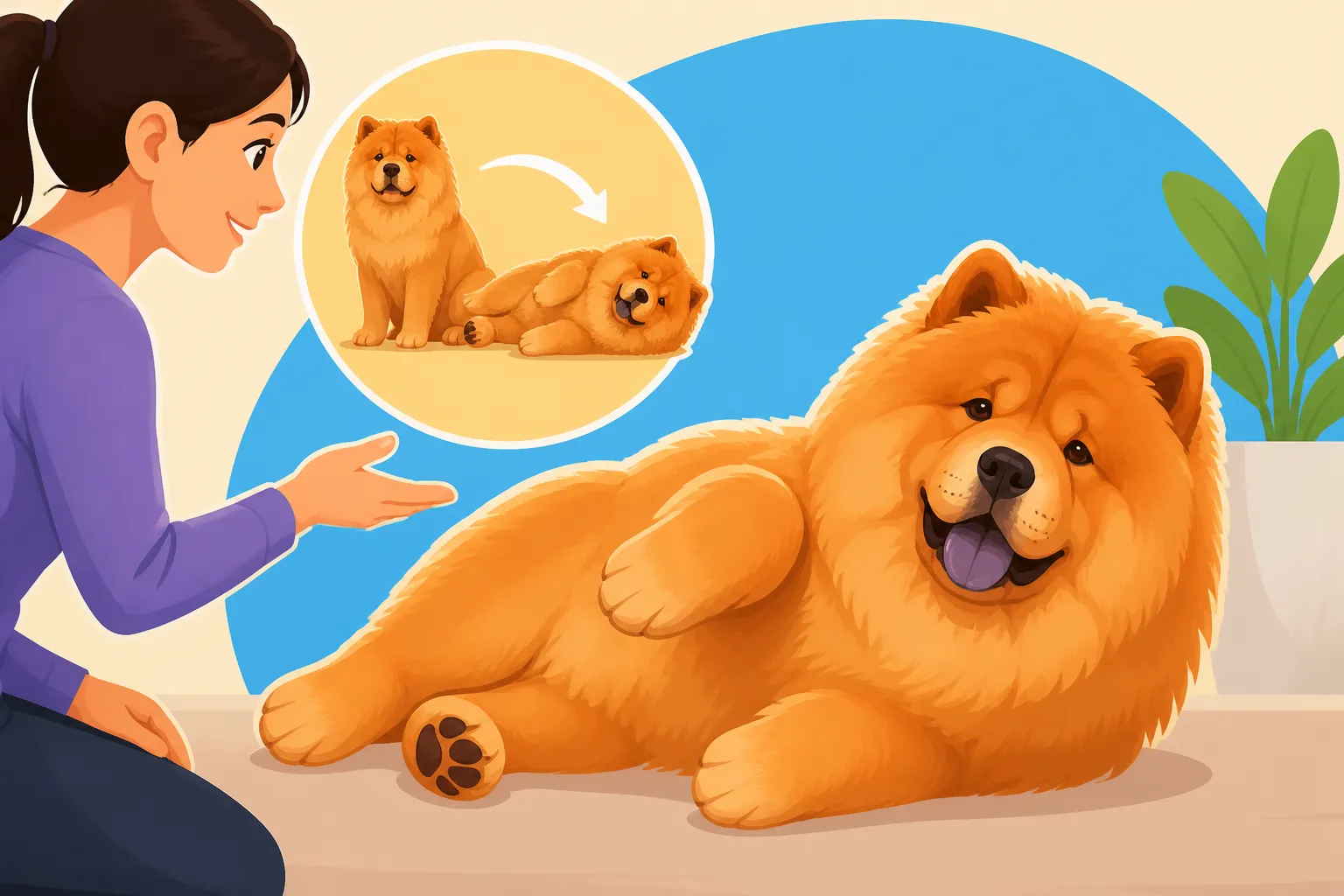
- Lure the Head: Hold a high-value treat near your Chow's nose and slowly move it towards their shoulder, then gently sweep it towards their hip. The idea is to get them to turn their head and eventually shift their weight. As their head turns and their body starts to follow, even slightly, praise softly ("good!") and give the treat. Repeat this several times.
- Encourage a Hip Roll: Once they reliably follow the treat to turn their head, continue the lure a bit further, guiding the treat towards their backbone, encouraging them to roll onto one hip. The moment their hip touches the ground in a slight roll, mark the behavior (a quiet "yes" or a clicker, if you're using one – Whether a Clicker Suits a Chow Chow is worth exploring if you find it effective for your dog) and reward.
- Full Side Roll: With continued practice, gradually extend the lure. Move the treat in an arc that encourages them to completely roll onto their side. The instant their body is fully on its side, even for a second, mark and reward generously. Don't worry about perfection at first; celebrate any movement in the right direction.
- Add the Cue: Once your Chow Chow starts offering the full side roll fairly consistently with the lure, you can start adding a verbal cue, such as "Side" or "Relax." Say the cue just as you begin the lure, then reward when they get into position. Over time, you can fade the lure, relying more on the verbal cue.
Keep these sessions short – no more than 5-10 minutes – and always end on a positive note. If your Chow Chow gets frustrated or distracted, just end the session. Never force them into the position, as this can create a negative association and undo all your hard work. Patience, consistency, and generous rewards are your best friends here.
Using a Body Harness for Gentle Guidance (Optional and Cautious)
Sometimes, a Chow Chow might need a little extra, very gentle physical guidance to understand what you're asking. This is where a well-fitting body harness can come in handy, but it's crucial to emphasize gentle guidance and never force. Forcing a Chow Chow will erode trust faster than anything else and can lead to them becoming fearful or even reactive during handling.
If your Chow Chow is struggling to make the transition from a hip roll to a full side lie, you can try this:
Once they are in a "down" position and have followed your treat lure to partially shift their weight onto one hip, you can very gently place a hand on their shoulder or ribcage, and with the slightest upward pressure on the harness, encourage a gentle roll. The movement should be barely perceptible, just enough to help them understand what you're asking. Simultaneously, use your treat lure to guide their head and nose further around, inviting them to lie down. The goal is to make the physical touch a subtle suggestion, not a restraint or a push.
You absolutely must pay close attention to your Chow Chow's body language. If you see any signs of discomfort or stress, such as lip licking, yawning, turning their head away, stiffening their body, or showing the "whale eye" (where the whites of their eyes are visible), stop immediately. Signs a Chow Chow Is Uncomfortable are often subtle in Chows, so you need to be observant. This technique is only suitable for Chows who are already generally cooperative and trusting. If your Chow Chow shows any resistance, aggression, or fear, discontinue using physical guidance and go back to pure luring and shaping, or seek guidance from a professional. The moment you introduce force, you lose their trust, and rebuilding that trust can take a very long time.
Troubleshooting and Maintaining the Skill
Even with the best intentions and techniques, training a Chow Chow can present unique challenges. Their independent streak means they might not always be enthusiastic, and some days, it might feel like you're starting from scratch. However, with the right approach to troubleshooting and consistent maintenance, this skill can become second nature.
Addressing Resistance and Fear
If your Chow Chow consistently resists or shows fear when you try to teach "lie on side," it's crucial to re-evaluate your approach. First, check your technique: are your sessions too long? Is the environment too distracting? Are your treats truly high-value enough to motivate them? For Chow Chows, motivation is everything, and they won't work for something they don't truly desire.
More importantly, never, ever punish or scold your Chow Chow for not cooperating. This will only teach them that handling or being asked to lie on their side is something to be feared or avoided. Why Harsh Correction Backfires on a Chow Chow is a lesson many owners learn the hard way; it destroys trust and can lead to behavioral problems. Instead, if they resist, go back to an easier step where they were successful. If they won't even go into a "down," then practice that. If they won't turn their head for the lure, use a higher value treat or move the treat in smaller increments.
Sometimes, the location can be a factor. A cold, hard floor might be uncomfortable or feel too exposed. Try practicing on a soft dog bed, a cozy blanket, or even a comfortable rug. Make sure they associate the area with relaxation and safety. If the resistance stems from a general discomfort with being touched, spend more time on the foundational trust-building exercises, pairing gentle strokes with treats and praise, gradually increasing the duration and areas of touch. This might mean taking a step back and focusing on Teaching a Chow Chow to Have Its Feet Handled or Teaching a Chow Chow to Have Its Ears Checked before attempting a full body roll.
Generalizing the Behavior and Adding Duration
Once your Chow Chow reliably performs the "lie on side" cue in one location, it's time to generalize the behavior. This means practicing in different, but still calm, environments. Start in another room in your house, then perhaps a quiet corner of your yard, and eventually in low-distraction public places like an empty park. Each new environment is like learning the skill all over again for your dog, so be patient and be prepared to go back to easier steps if needed, rewarding generously for success.
After they are consistent with the cue, begin to add duration. Instead of rewarding the instant they hit the floor on their side, wait for a few seconds before delivering the treat. Gradually increase this time, always rewarding before they decide to get up on their own. The goal is for them to hold the position comfortably for a minute or two. While they are on their side, you can also start to incorporate very gentle, brief touches, always followed by a reward. For example, gently stroke their leg, then treat. Lightly touch their belly, then treat. This desensitizes them to handling while in this vulnerable position.
Consider enriching your training with resources like BAXTER & Bella's online puppy school, which offers structured positive reinforcement lessons that can be tailored to a Chow Chow's unique learning style. They often break down complex behaviors into manageable steps, which is perfect for building confidence in both you and your dog. Similarly, browsing Amazon for comfortable dog beds or non-slip mats can create a more inviting practice space, enhancing their willingness to participate in training sessions.
Practical Application and Maintenance
The real test of this skill comes when you integrate it into actual grooming or vet prep routines. Start with short, low-stress applications. For example, after they lie on their side, gently run a soft brush over their belly for a few seconds, then release them with a treat and praise. Gradually increase the duration of the grooming task. If you're using it for nail trims, have them lie on their side, trim one or two nails, then reward heavily and let them up. Over time, they'll learn that lying on their side predicts these necessary, but ultimately rewarding, interactions.
Consistency is key for maintenance. Practice "lie on side" a few times a week, even if you don't have a specific grooming need. This keeps the behavior fresh in their mind and reinforces the positive association. Always end your training sessions on a high note, even if it means doing one last easy "down" and rewarding them generously. This ensures they always feel good about training with you. The long-term benefit is immense: a calmer dog during essential care, less stress for you, and a stronger bond built on trust and positive experiences. This cooperative spirit can also make other grooming tasks, like Teaching a Chow Chow to Accept a Dryer, much smoother.
When to Seek Professional Help
While these techniques are incredibly effective for many Chow Chows, there are certainly times when you might hit a wall, or when your dog's resistance goes beyond typical stubbornness. Recognizing when to call in a professional isn't a sign of failure; it's a responsible and proactive step towards ensuring your Chow Chow's well-being and your peace of mind.
Recognizing When You're Stuck
You've tried all the gentle lures, the high-value treats, the short sessions, and still, your Chow Chow turns into a rigid statue or even shows growling or snapping when you attempt to guide them into a side-lying position. If you find that despite your best efforts, you're making no progress, or worse, your dog's discomfort or fear is increasing, it's time to seek expert help. This could also be the case if your Chow Chow has a history of trauma, or if their general temperament makes them particularly sensitive to physical manipulation.
Don't let frustration build to the point where you resent routine care or dread vet visits. An experienced professional can observe your interactions, assess your Chow Chow's specific body language and personality, and pinpoint exactly where the breakdown in communication or trust is occurring. They can then offer tailored strategies, adjust your technique, or introduce entirely new approaches that you might not have considered. Remember, every dog is an individual, and sometimes a fresh pair of eyes with specialized knowledge is exactly what's needed. Whether a Chow Chow Needs a Professional Trainer Early is a question many owners ponder, and for a skill like this, it might be the right answer.
Finding a Fear-Free Professional
When looking for professional help, it's absolutely critical to find a trainer or veterinary behaviorist who specializes in positive reinforcement and fear-free methods. For a Chow Chow, who can be deeply sensitive and shut down under pressure, this approach is non-negotiable. Avoid anyone who suggests harsh corrections, punitive tools, or techniques that involve physical intimidation. These methods will not only damage your relationship with your Chow Chow but can also escalate fear and aggression, making the problem significantly worse.
Look for trainers with certifications from reputable organizations, and don't hesitate to ask about their experience with independent breeds or dogs known for their sensitivity to handling. A good professional will ask detailed questions about your Chow Chow's history, observe their behavior carefully, and create a training plan that respects their individual needs and comfort levels. Many veterinary clinics now offer "Fear Free" certified professionals, which is an excellent starting point for any Chow Chow owner. Whether a Chow Chow Needs a Fear Free Practice is an important consideration for their overall well-being, especially for procedures that require extensive handling. They might even recommend starting with short, positive "happy visits" to the clinic just for treats, building a positive association with the environment before any actual procedures are attempted. Investing in the right professional can transform a challenging situation into a manageable one, creating a calmer, more cooperative relationship with your Chow Chow for years to come.
| Step | Action | Reward | Goal |
|---|---|---|---|
| 1. Foundation | Solid "Down" cue, comfortable with gentle touch | High-value treats, calm praise | Build trust, positive association with handling |
| 2. Lure Head | Lure head to shoulder/hip with treat | Treat when head turns | Initiate weight shift and body rotation |
| 3. Hip Roll | Lure further, encourage rolling onto one hip | Treat when hip touches ground | Progress to partial side lie |
| 4. Full Side Roll | Lure in arc to encourage full side lie | Generous treat when fully on side | Achieve desired "lie on side" position |
| 5. Add Cue | Say "Side" as luring, then reward position | Treat + praise | Associate verbal cue with action |
| 6. Fade Lure | Gradually reduce treat lure, rely on cue | Treat + praise | Respond to verbal cue alone |
| 7. Add Duration | Wait seconds before rewarding full side lie | Treat + praise, increase time | Hold position longer |
| 8. Generalize | Practice in different, calm locations | Treat + praise | Perform skill in various settings |
| 9. Integrate | Practice with light grooming/touch | Treat + praise | Apply skill to real-world scenarios |
Disclaimer
This article is for general informational purposes only and does not constitute professional advice. Laws, prices and regulations vary by location and change over time. Consult a qualified professional for guidance on your specific situation.