Whether Neutering Reduces Chow Chow Aggression
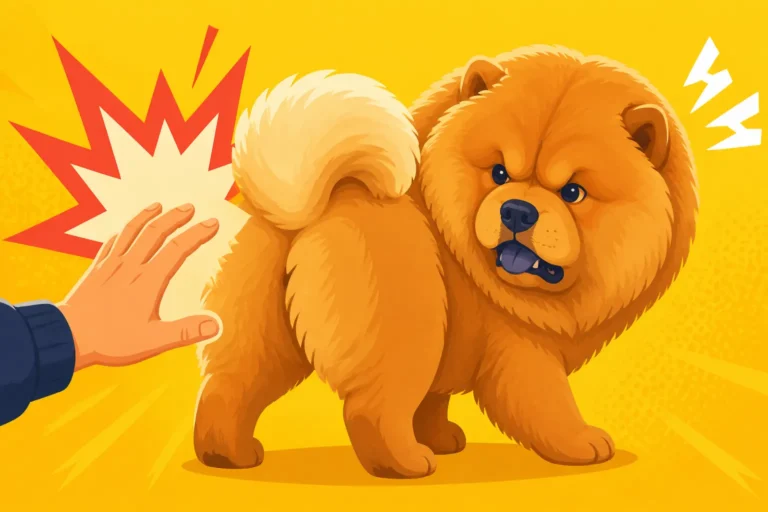
It’s a common scenario for Chow Chow owners: you love your majestic, fluffy companion, but you’re also grappling with challenging behaviors like barking at strangers or reactivity towards other dogs. The question inevitably arises – will neutering solve these aggression issues? It’s a compelling thought, especially when you’re looking for a clear path forward, but the truth is, the relationship between neutering and aggression in a breed as complex as the Chow Chow is far from simple. This guide will delve into the intricate layers of Chow Chow aggression, explore the true impact of neutering, and outline a comprehensive, realistic approach to managing these behaviors effectively.
The Complex Nature of Chow Chow Aggression: It's Rarely Just Hormones
Many Chow Chow owners face challenging behaviors, and it's natural to grasp at simple solutions like neutering. However, attributing all aggression to hormones in a Chow Chow is like blaming the wind for a hurricane; it misses the deeper, more intricate forces at play. Chow Chows are a unique breed with a strong will and specific behavioral traits, and their aggression stems from a multifaceted combination of genetics, environment, and individual experiences, rather than just the presence of testosterone. It’s crucial to understand this complexity before making any decisions about surgery.
Genetic Predisposition and Breed-Specific Traits
Chow Chows, by their very nature, were developed for guarding and protection. This means they often possess an inherent wariness of strangers and other animals, coupled with a strong guarding instinct over their territory and resources. This isn't "aggression" in the malicious sense, but rather a hardwired drive that, without proper guidance, can manifest as reactive or defensive behavior. Unlike some more overtly social breeds, Chow Chows are known for their aloofness and independence. How Aloof a Chow Chow Really Is This aloofness means they might not seek constant interaction or easily accept unsolicited attention from people or dogs they don't know well, often leading to misunderstandings.
It's important to differentiate between a dog that is naturally reserved or protective and one that is genuinely aggressive due to fear or poor temperament. A well-bred Chow Chow from health-tested, temperamentally sound parents is less likely to exhibit unwarranted aggression. However, even with the best genetics, these protective instincts still need careful management and understanding. These dogs are thinkers, not blind followers, and often challenge perceived threats with confidence rather than fear, which can be misinterpreted by those unfamiliar with the breed's communication style. They rarely give broad, obvious warnings, which further complicates interactions for the uninitiated.
Environmental Factors and Lack of Socialization
A significant contributor to aggression in any dog, including Chow Chows, is a lack of early and consistent socialization. The world can be an overwhelming place for a sensitive or naturally cautious puppy. Without positive exposures to various sights, sounds, people, and other dogs during their critical developmental window, a Chow Chow puppy can grow into an adult that views novelty with suspicion or outright fear. Why Early Socialization Decides What a Chow Chow Becomes This fear often manifests as defensive aggression, where the dog perceives a threat and reacts to protect itself.
Imagine a young Chow Chow who has never properly met children. When suddenly faced with a noisy, fast-moving toddler, their natural instinct might be to growl or snap out of panic because they simply haven't learned how to process such a new and potentially threatening stimulus in a positive way. This isn't about hormones; it's about inadequate education and exposure during their formative weeks. The lack of proper training and clear boundaries can also inadvertently teach a Chow Chow that aggressive displays get them what they want, such as getting a scary person or dog to retreat, thereby reinforcing undesirable behaviors over time. An What an Undersocialized Chow Chow Becomes is often a reactive, rather than truly aggressive, dog.
Pain, Fear, and Resource Guarding
Sometimes, what appears as aggression is actually a dog in pain. A Chow Chow suffering from conditions like Elbow Dysplasia Ranks the Chow Chow Near the Top or arthritis might lash out when touched in a sensitive area. This is a survival instinct, a desperate plea to stop the discomfort. Similarly, fear is a huge driver of aggression. A Chow Chow who has had negative experiences, perhaps with harsh training methods or traumatic encounters, may become fearful and resort to aggression as their only perceived defense mechanism. They might perceive even a friendly hand reaching out as a precursor to something unpleasant, leading them to snap defensively.
Resource guarding is another common and often misunderstood behavior. A Chow Chow may guard its food, toys, sleeping area, or even its chosen person. What a Chow Chow Guards and Why This isn't always related to their reproductive status; it stems from a deep, primal instinct to protect valuable resources. If not properly addressed through training and management from a young age, this can escalate into serious aggressive displays, such as growling, snapping, or biting when someone approaches their prized possession. It’s crucial to understand the triggers for resource guarding and to implement strategies like "trading" items rather than trying to forcibly remove them, which can intensify the guarding behavior.
The Role of Neutering in Chow Chow Behavior
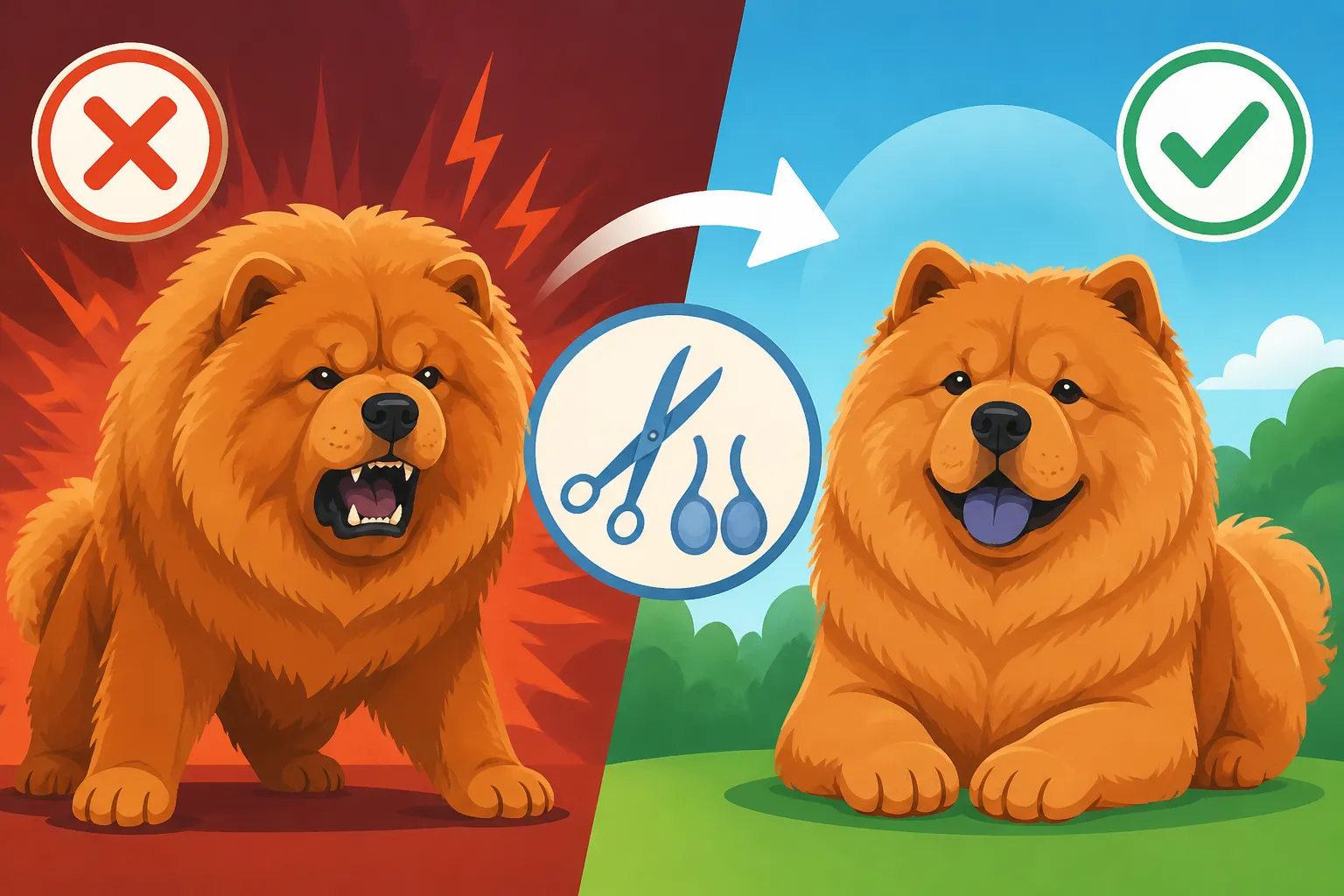
Neutering, which involves surgically removing a male dog's testicles, primarily removes the source of testosterone. While testosterone plays a significant role in certain male-typical behaviors, it's not the sole determinant of aggression. Understanding what neutering can and cannot influence is key to setting realistic expectations for your Chow Chow's behavior.
What Neutering Changes and What It Doesn't
Neutering will eliminate behaviors directly linked to the presence of male hormones. This includes the drive to roam in search of mates, which can often lead to confrontations with other intact males or territorial disputes as they cross boundaries. It also typically reduces sexual marking indoors and outdoors, and, in many cases, the intensity of intact male-on-male aggression where competition for females is a factor. If your Chow Chow is constantly trying to escape the yard to find a female in heat, neutering will undoubtedly curb that specific, hormonally-driven behavior by removing the underlying motivation.
However, neutering generally does not fix pre-existing behavioral issues that are not hormone-driven. If your Chow Chow is aggressive due to fear, poor socialization, pain, or resource guarding, removing his testicles isn't going to magically resolve these deeply ingrained patterns. These behaviors have been learned and reinforced over time, often becoming habitual responses that have little to do with testosterone. Think of it this way: a driver who speeds habitually isn't going to stop speeding just because their car's fuel type changes; they need to learn new driving habits through consistent training and behavior modification, regardless of their "fuel."
Types of Aggression Neutering Might Impact
The aggression most likely to be positively influenced by neutering is what we call "intact male aggression" or "inter-male aggression." This is specific to conflicts between unneutered males, often driven by competition for females, territory, or dominance displays. If your male Chow Chow consistently gets into serious fights with other intact male dogs, especially when a female in heat is nearby, neutering could significantly reduce this particular type of reactivity by removing the strong hormonal drive that fuels it. This is often seen in public settings like dog parks or on walks, where the presence of other dogs can ignite competition.
Similarly, neutering can lessen behaviors associated with sexual frustration, such as excessive mounting or restless pacing. While these aren't always aggressive, they can sometimes lead to frustration-induced snapping if the dog is constantly denied an outlet for his natural urges. It's important to note that the impact isn't always immediate or guaranteed; older dogs with deeply established habits may show less change than younger ones. The key is that the aggression needs to be primarily driven by sex hormones for neutering to have a direct and significant effect.
Beyond Surgery: A Holistic Approach to Managing Chow Chow Aggression
Deciding to neuter a Chow Chow should be part of a larger, thoughtful strategy, not a standalone solution for aggression. Regardless of whether you choose to neuter, a comprehensive approach focusing on training, socialization, and environmental management is paramount to fostering a well-adjusted companion.
The Imperative of Early Socialization and Consistent Training
For a Chow Chow, early and ongoing socialization is the bedrock of good behavior. From the moment you bring your puppy home, expose them to a wide variety of positive experiences in a controlled, safe manner. This means meeting different types of people (men, women, children, people with hats, etc.), experiencing different sounds, textures, and environments, and having supervised, positive interactions with calm, well-mannered dogs. When a Chow Chow's Socialization Window Closes Puppy classes, like those offered by BAXTER & Bella online, can be an excellent way to introduce your Chow Chow to new stimuli and teach you how to advocate for them in new situations, even if traditional group classes feel too overwhelming for their independent nature.
Consistent, positive reinforcement training is equally vital. Chow Chows are intelligent but can be stubborn and won't respond well to harsh methods. Why Harsh Correction Backfires on a Chow Chow They need to believe that working with you is their idea and that it's rewarding. Focus on building a strong bond based on trust and mutual respect. Teach basic obedience cues reliably and practice them in various environments. A solid "stay" or "leave it" can be a lifesaver in managing potentially aggressive situations, allowing you to create distance or prevent unwanted interactions. For specific issues like resource guarding, structured "trade" games and teaching a reliable "drop it" are essential, often requiring professional guidance to implement correctly.
Professional Guidance and Behavioral Modification
If your Chow Chow is already exhibiting aggressive behaviors, neutering alone is unlikely to be sufficient, and in some cases, it could even worsen fear-based aggression by altering their overall confidence levels. This is where professional help becomes indispensable. Seek out a certified professional dog trainer (CPDT-KA) or a veterinary behaviorist who has experience with independent, guarding breeds like Chow Chows. They can help identify the root cause of the aggression and develop a tailored behavioral modification plan that addresses the specific triggers and motivations behind the behavior.
A qualified professional will conduct a thorough assessment, observing your dog's body language and reactions, and taking a detailed history of the aggressive incidents. They might recommend specific exercises, desensitization and counter-conditioning protocols to change your dog's emotional response to triggers, or management strategies to prevent incidents from occurring. They can also advise on appropriate tools, such as comfortable, well-fitting basket muzzles available on Amazon for safe public outings, especially during the rehabilitation process, ensuring safety for all involved. Remember, addressing aggression is a journey, not a quick fix, and patience and consistency are absolutely key.
Environmental Management and Ongoing Enrichment
Managing your Chow Chow's environment is a critical component of preventing and reducing aggression. This means creating a predictable, safe space for them and minimizing known triggers. If your Chow Chow guards the front window from passersby, consider obscuring their view with privacy film or moving their resting spot to a less stimulating area of the home. If they are reactive to other dogs on walks, choose less-trafficked routes or walk during off-peak hours to reduce encounters. Always keep your Chow Chow leashed in public, and consider a sturdy, well-fitting harness rather than a flat collar, for better control and to prevent accidental escapes if they lunge.
Mental and physical enrichment also plays a huge role. A bored or under-stimulated Chow Chow is more likely to engage in undesirable behaviors, including reactivity. Provide puzzle toys, durable chew items, and short, engaging training sessions that challenge their minds. While they don't need hours of intense exercise, regular, sniff-filled walks are important for mental stimulation and allow them to explore their world at their own pace. How Much Exercise a Chow Chow Actually Needs Ensuring they have a comfortable, secure place to retreat to when feeling overwhelmed or tired is also vital for their overall well-being. The goal is to build their confidence and reduce their need to resort to aggressive displays by fulfilling their needs and managing their environment thoughtfully.
Making an Informed Decision: Weighing All the Factors
Deciding whether or not to neuter your Chow Chow is a personal choice with various implications beyond just aggression. It's essential to consider all aspects of your dog's health, temperament, and your lifestyle.
Health Benefits and Risks of Neutering
Beyond behavior, neutering offers several well-documented health benefits. It entirely eliminates the risk of testicular cancer, which is a concern for intact males as they age, and significantly reduces the risk of certain prostate problems, such as benign prostatic hyperplasia, as they mature. From a broader public health perspective, neutering also helps control pet overpopulation, reducing the number of homeless animals and the strain on shelters.
However, it's also important to acknowledge potential risks and considerations. Neutering is a surgical procedure with inherent anesthetic risks, though these are generally low in healthy dogs with proper pre-surgical screening. Some studies suggest a potential link between early neutering and an increased risk of certain orthopedic issues like Elbow Dysplasia Ranks the Chow Chow Near the Top or even some cancers in certain breeds, though the evidence is complex and often breed-specific. Discuss these concerns thoroughly with your veterinarian, who can provide the most current information based on your individual Chow Chow's health profile, age, and lifestyle, helping you make the most informed decision.
| Factor | Potential Impact of Neutering on Aggression | Best Approach for Chow Chows |
|---|---|---|
| Intact Male Aggression | Likely to Reduce: Specific aggression towards other intact males, especially due to competition or females. | Often beneficial. However, always combine with proper introductions and management, as residual learned aggression may remain. |
| Fear-Based Aggression | Unlikely to Reduce, Potentially Worsen: If fear is the root, removing hormones may increase anxiety or decrease confidence. | Requires intensive behavior modification, desensitization, and counter-conditioning. Neutering alone is insufficient. |
| Resource Guarding | Unlikely to Reduce: This is a learned behavior, not hormone-driven. | Requires structured training (e.g., "trade" games, "drop it") and management from a young age. Professional help often needed. |
| Territorial Aggression | May Reduce, Not Eliminate: Can lessen marking and territorial drives, but guarding instincts remain. | Requires early socialization to visitors, training (e.g., "place"), and environmental management (e.g., window coverings). |
| Pain-Induced Aggression | No Impact: Does not address underlying pain. | Veterinary examination and pain management are crucial to address the root cause of the behavior. |
| Roaming/Sexual Frustration | Highly Likely to Reduce: Eliminates the drive to seek mates. | Very effective for this specific set of behaviors, which can indirectly prevent aggressive encounters associated with roaming. |
When Neutering Might Be Detrimental to Behavior
While neutering can be beneficial for many dogs, there are scenarios where it might not be the best choice for a Chow Chow exhibiting aggression, and in some cases, it could even be detrimental. For dogs with existing fear or anxiety-based aggression, the removal of testosterone, which can have a calming and confidence-boosting effect on some dogs, might actually increase their nervousness and insecurity. A more anxious dog might become more reactive as their confidence may subtly diminish without the hormonal influence, leading to an escalation of defensive behaviors.
Additionally, neutering a Chow Chow too young, before they've fully matured both physically and mentally, could have unforeseen behavioral consequences. Some theories suggest that early neutering might prevent the full development of confidence in certain breeds, potentially leading to more fearful or insecure adult dogs who are more prone to defensive aggression. This is especially relevant for a breed like the Chow Chow, where developing a stable, confident temperament is so critical. Always have a thorough discussion with your vet and a certified behavior professional before deciding on the timing of any surgical procedure, particularly if aggression is already a concern or if your dog is exhibiting signs of fear.
Ultimately, neutering can be one tool in the toolbox for managing certain types of aggression in Chow Chows, particularly those linked to intact male behaviors. However, it is never a substitute for dedicated training, proper socialization, responsible ownership, and, when necessary, professional behavioral intervention. A well-adjusted Chow Chow is the result of consistent effort and understanding, not just a surgical procedure.
Disclaimer
This article is for general informational purposes only and does not constitute professional advice. Laws, prices and regulations vary by location and change over time. Consult a qualified professional for guidance on your specific situation.