Whether Chow Chow Fur Can Be Spun
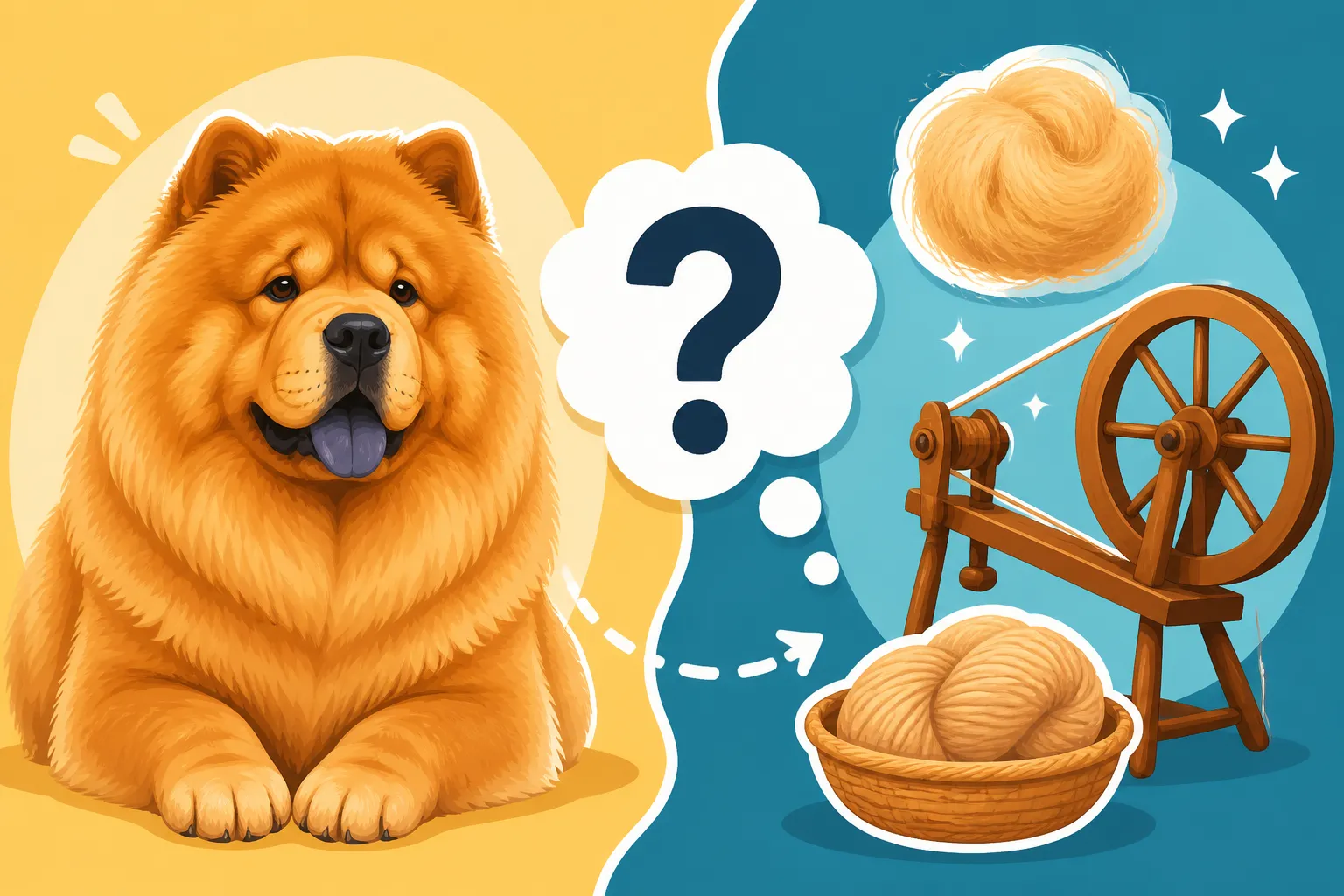
If you're a Chow Chow owner, you know the drill: the constant, often overwhelming battle against a sea of shedding fur. You brush, you vacuum, and still, it feels like your fluffy companion is attempting to replace all your soft furnishings with their own glorious, albeit endless, coat. It's enough to make you wonder, as you stare at yet another giant fluff-bunny rolling across the floor, if there isn't some useful purpose for all that fiber. And the answer is a resounding, exciting yes! Your Chow Chow's magnificent coat can absolutely be spun into luxurious yarn, affectionately known as "chawlie."
The Unique Qualities of Chow Chow Fur for Spinning
When you look at your Chow Chow, you see that impressive mane, the dense ruff, and the thick, protective outer coat. It's a lot of fur, and not all of it is created equal when it comes to spinning. Understanding the distinct characteristics of your Chow Chow's double coat is the first step to appreciating why it's such a fantastic material for creating beautiful, soft, and incredibly warm yarn.
Understanding the Chow Chow's Double Coat
A Chow Chow is renowned for its magnificent double coat, a feature that served them well in their colder ancestral climates. This isn't just one type of hair; it's a sophisticated insulation system. You have the longer, coarser guard hairs that form the outer layer. These hairs are straight, resilient, and designed to repel water and protect the dog from harsh elements. They give the Chow Chow its distinct "lion's mane" appearance, especially in a rough-coated variety. While these guard hairs offer protection, they don't have the same softness or spinning potential as the layer beneath.
Underneath this protective outer shell lies the true treasure for spinners: the undercoat. This is a dense, soft, and woolly layer, much shorter than the guard hairs, designed to provide exceptional insulation against both cold and heat. It's this downy, cloud-like undercoat that sheds in copious amounts, especially during the biannual "coat blow" periods. When you're brushing your Chow Chow and pulling out handfuls of incredibly soft fluff, that's the undercoat you're holding, and that's precisely what you want for spinning. The guard hairs are too straight and coarse to easily spin into a soft, consistent yarn, though some choose to blend a small amount for added durability or texture. Generally, the softer, crimpier the fiber, the better it spins and the softer the resulting yarn. If you want to understand more about the layers, check out What a Chow Chow's Double Coat Is Made Of.
Why Chow Chow Fur is Ideal for Spinning
The undercoat of a Chow Chow possesses several qualities that make it truly exceptional for spinning. Firstly, its fineness and softness are often compared to luxury fibers like angora or cashmere. This isn't an exaggeration; many people who have spun and worked with chawlie yarn rave about its incredibly soft hand. Unlike some sheep's wools that can feel scratchy against the skin, properly spun Chow Chow fur is usually remarkably gentle and comfortable.
Secondly, the undercoat has a natural crimp. This crimp, or waviness, is crucial for spinning because it helps the fibers interlock and hold together, creating a strong, cohesive strand of yarn. Without crimp, fibers tend to slip past each other, making spinning much more challenging and resulting in a weaker, less durable yarn. This natural elasticity also contributes to the yarn's warmth, trapping air within its structure.
Lastly, and perhaps most importantly for those living in cooler climates or simply loving warmth, chawlie yarn is extraordinarily insulating. It's lighter than sheep's wool but can be significantly warmer due to the hollow core of some dog hair fibers, which traps air exceptionally well. This makes it perfect for items meant to provide serious warmth without being bulky or heavy. The sheer volume of fur a Chow Chow sheds, particularly during seasonal blows, means that a dedicated owner can collect a substantial amount of prime spinning material without ever needing to clip or cut their dog's coat, which is important, as Why a Chow Chow Must Never Be Shaved explains.
The Art of Spinning "Chawlie"
So, you've decided to embark on the rewarding journey of transforming your Chow Chow's shed fur into yarn. It's an artisanal process that connects you even more deeply to your beloved pet. While it might sound daunting, it's a skill that can be learned, and the results are truly priceless.
Collecting and Preparing Your Chow Chow's Fur
The journey to chawlie yarn begins with careful collection. The best fur for spinning comes directly from your regular grooming routine. When you're diligently brushing your Chow Chow, especially during their twice-yearly coat blows, you're gathering prime undercoat. You want to focus on collecting clean, dry fur that is free of mats, dirt, and debris. Brushing out the loose undercoat with a good slicker brush and undercoat rake is key. Avoid cutting or shearing the fur, as this will result in shorter, less uniform fibers that are harder to spin and don't have the same desirable qualities.
Store your collected fur in breathable bags, like pillowcases or mesh laundry bags, to prevent mildew and allow any residual moisture to evaporate. Many spinners will tell you to amass a significant amount before starting. A good rule of thumb is to aim for at least a few large grocery bags full of fluff, as the fur compacts significantly during processing. This can take months, or even a year, depending on your dog's shedding patterns and how consistently you brush. For serious grooming, you might even consider investing in grooming tools available on Amazon, such as a high-velocity dryer to help blast out loose undercoat. You'll be amazed at How Much Undercoat Comes Off a Chow Chow during these periods!
Once you have a good stash, the fur needs to be gently washed. This isn't like washing clothes; agitation can cause dog fur to felt, similar to wool. Hand wash it in lukewarm water with a mild, pet-safe soap (many use dish soap or gentle wool wash). Rinse thoroughly, gently squeezing out excess water, and then lay it flat to air dry completely. Some people do a final rinse with a small amount of vinegar to help remove any lingering odors and soften the fibers. Ensure it's bone-dry before moving to the next step; damp fur is prone to mildew and can be difficult to work with.
The Spinning Process: From Fluff to Fiber
With clean, dry fur, you're ready to transform that fluffy cloud into a usable fiber. This process generally involves a few key stages:
-
Carding: This is the process of disentangling the fibers and aligning them in a uniform direction, creating a "rolag" (a roll of fiber) or a "batt" (a flat sheet of fiber) that is easier to spin.
- Hand Cards: These are paddle-like brushes with wire teeth. You pull the fur between two cards, repeatedly, until the fibers are aligned and fluffy. This is a common and accessible method for beginners, and good hand cards can be found on Amazon.
- Drum Carder: For larger quantities of fur, a drum carder is a much more efficient tool. It's a machine with two rotating drums covered in wire teeth that comb and align the fibers into a batt. These are a larger investment but well worth it for the serious spinner.
Many spinners find that blending a small amount of sheep's wool (often 10-20%) with the Chow Chow fur during carding can make the spinning process easier, especially for beginners. The wool adds a bit of "grip" and elasticity, helping the dog fur fibers hold together.
-
Drafting: This is the act of gently pulling and stretching the prepared fiber supply into a consistent, attenuated strand, feeding it into the spinning mechanism. It requires practice to maintain an even thickness.
-
Spinning: This is where the magic happens! You'll use either a drop spindle or a spinning wheel.
- Drop Spindle: This is the most ancient and portable method. It's essentially a stick with a weight (whorl) that you drop and spin, allowing gravity to create twist in the drafted fiber. It's a fantastic, low-cost way to learn the fundamentals of spinning.
- Spinning Wheel: A spinning wheel is a mechanical device that makes the process much faster and more consistent, allowing you to produce a larger quantity of yarn. It involves a treadle to power the wheel, which then imparts twist into the fibers as you draft them.
As you spin, the twist you impart holds the individual fibers together, creating a single strand, or "singles." The thickness of your singles will determine the final weight of your yarn.
-
Plying: Most yarn is "plied," meaning two or more singles are twisted together in the opposite direction from their original spin. Plying adds strength, durability, and balance to the yarn, preventing it from kinking or skewing. For chawlie, two-ply yarn is common, creating a wonderfully soft and robust finished product. After plying, the yarn is usually "set" by washing it gently and allowing it to dry under slight tension to relax the fibers and lock in the twist.
This entire process, from raw fluff to finished yarn, is a labor of love, but the connection to your pet and the unique, luxurious result are incredibly rewarding.
What to Expect from Spun Chow Chow Fur (Chawlie)
Once you've navigated the steps of collecting, preparing, and spinning your Chow Chow's fur, you'll hold in your hands a truly remarkable material. This isn't just any yarn; it's a tangible piece of your beloved companion, imbued with warmth, softness, and a story all its own.
The Texture and Feel of Chawlie Yarn
The most immediate and striking quality of properly prepared and spun chawlie yarn is its exquisite softness. As mentioned earlier, it's often compared to some of the finest natural fibers available, such as cashmere, angora, or even a very fine merino wool. It has a delightful loft and a slightly "hairy" halo, which only adds to its luxurious appeal. The yarn is generally quite light for its warmth, making it ideal for garments where you want significant insulation without bulk.
Unlike some coarser wools, chawlie yarn typically lacks that characteristic "itch" factor. This makes it a fantastic choice for items that will be worn close to the skin, like scarves, neck warmers, or hats. It retains the natural color of your Chow Chow's undercoat, which can range from various shades of cream, red, cinnamon, black, or blue, offering a beautiful, natural palette. The natural oils in the fur also contribute to its soft drape and subtle sheen. The experience of wearing something made from your own dog's fur is truly unique, a constant, comforting reminder of your furry friend.
What You Can Make with Chawlie
Given its exceptional warmth and softness, chawlie yarn is perfectly suited for items that offer comfort and coziness. Some of the most popular projects include:
- Scarves: A scarf made from chawlie is an incredible gift, both for yourself and for other Chow Chow enthusiasts. It's wonderfully warm and soft against the neck, providing a truly luxurious feel.
- Hats and Headbands: Keeping your head warm is essential in colder weather, and a chawlie hat delivers superior insulation without being heavy.
- Mittens and Gloves: For incredibly warm hands on chilly days, mittens spun from your Chow's fur are hard to beat.
- Small Throws or Lap Blankets: While collecting enough fur for a full-sized blanket would be a monumental task for most, a smaller lap blanket or throw can be a cherished item for snuggling on the couch.
- Baby Items (with caution): Given its extreme softness, chawlie could theoretically be used for baby booties or blankets. However, due to the nature of dog hair (which can still shed fine fibers) and potential allergies, this should be approached with extreme caution and only for families without known sensitivities.
- Decorative Items: Even small amounts can be used for embellishments on other projects or spun into unique art yarns.
The most profound benefit of creating items from chawlie is the sentimental value. Wearing a hat or scarf made from your beloved Chow Chow's fur is a tangible connection to them, a warm embrace even when they're not physically by your side. It's a wonderful way to honor their presence in your life and repurpose something that would otherwise be discarded. The commitment you put into daily grooming, perhaps with tools you found on Chewy or Amazon, now yields a truly personal and lasting treasure.
Caring for Your Spun Chow Chow Creations
Just like any luxurious fiber, chawlie yarn and the items made from it require gentle care to maintain their beauty, softness, and longevity. Treat them with the same respect you would treat a fine cashmere sweater or a delicate hand-knitted item.
Washing and Drying Chawlie
The cardinal rule for washing chawlie is: hand wash only, and avoid agitation at all costs! Dog fur, like wool, is prone to felting when exposed to hot water and excessive movement. Felting causes the fibers to lock together irrevocably, resulting in a dense, shrunken, and stiff fabric – not at all what you want for your soft yarn.
Here's a general approach for washing your chawlie items:
- Prepare the Bath: Fill a basin or sink with lukewarm (never hot!) water. Add a very small amount of a gentle wool wash, baby shampoo, or even a mild dish soap. Ensure the soap is fully dissolved before adding your item.
- Submerge Gently: Carefully submerge your chawlie item into the water. Do not agitate, rub, or squeeze it roughly. Let it soak for about 15-20 minutes, allowing the water and soap to penetrate the fibers.
- Rinse Thoroughly: Drain the soapy water. Refill the basin with clean, lukewarm water and gently press the water through the item to rinse. Repeat this process until the water runs clear and all soap residue is gone. Again, no harsh squeezing or twisting.
- Remove Excess Water: Gently press the item against the side of the basin or between two clean towels to remove as much excess water as possible. Do not wring or twist.
- Dry Flat: Lay your chawlie item flat on a clean, dry towel, reshaping it to its original dimensions. Allow it to air dry completely, flipping it periodically to ensure even drying. Avoid direct sunlight or heat, as this can damage the fibers. A well-ventilated area is best. Drying can take a day or two depending on the thickness of the item and the humidity.
It's a process that requires patience, but it's essential for preserving the unique qualities of your spun Chow Chow fur.
Longevity and Storage
With proper care, your chawlie creations can last for many years, becoming cherished heirlooms. However, like other natural fibers, they are susceptible to damage from pests and improper storage.
- Pest Protection: Moths and other textile pests are attracted to natural animal fibers. Store your chawlie items in airtight containers, garment bags, or cedar chests when not in use. Cedar blocks or lavender sachets can offer additional protection, but ensure they don't directly touch the yarn, as the oils can stain.
- Avoid Hanging: Heavy knitted or crocheted items made from chawlie, especially if they are loose weaves, can stretch out of shape if hung. Always store them folded flat.
- Spot Cleaning: For minor spills or dirt, try spot cleaning with a damp cloth and a tiny bit of mild soap first, rather than a full wash.
- Wear and Tear: While durable, chawlie yarn isn't indestructible. Avoid snagging it on sharp objects, and be mindful of friction that can cause pilling over time. If pilling occurs, gently remove it with a fabric shaver or by hand.
Embracing the spinning of your Chow Chow's fur is more than just a craft; it's a profound way to cherish and keep a piece of your furry family member close. It transforms the mundane task of grooming into an opportunity for creating something truly extraordinary and sentimental. What starts as a pile of fluff, perhaps collected diligently alongside other pet care essentials from Chewy, can become a warm, soft, and deeply personal treasure.
Disclaimer
This article is for general informational purposes only and does not constitute professional advice. Laws, prices and regulations vary by location and change over time. Consult a qualified professional for guidance on your specific situation.