Whether a Board and Train Suits a Chow Chow
It’s a scenario many Chow Chow owners know all too well: you’ve tried everything, read all the books, watched endless videos, and still, your independent, strong-willed Chow Chow seems to be operating on their own agenda. The frustration builds, and the allure of a "board and train" program – where a professional promises to transform your furry companion in a few short weeks – can be incredibly tempting. This guide will dive deep into whether a board and train truly suits the unique temperament and needs of a Chow Chow, exploring the pros, cons, and essential considerations before you make such a significant decision for your beloved dog.
Understanding the Chow Chow Temperament and Learning Style
Before we even consider sending our Chows off to school, we need to really understand what makes them tick. These aren't your typical golden retrievers, eager to please and endlessly motivated by a cheerful "good dog!" Their unique personality dictates a very different approach to learning, and ignoring this can lead to more problems than solutions.
The Independent Nature of the Chow Chow
Chow Chows are often described as cat-like, and there’s a lot of truth to that. They possess an ancient, independent spirit that isn't inherently driven by a desire to constantly seek human approval. Unlike many other breeds developed for close cooperation with humans, Chows were bred for guarding, hunting, and working alone or in small, self-reliant groups. This means they are thinkers, observers, and decision-makers in their own right. They aren’t naturally inclined to blindly follow commands or to perform tricks just to make you happy.
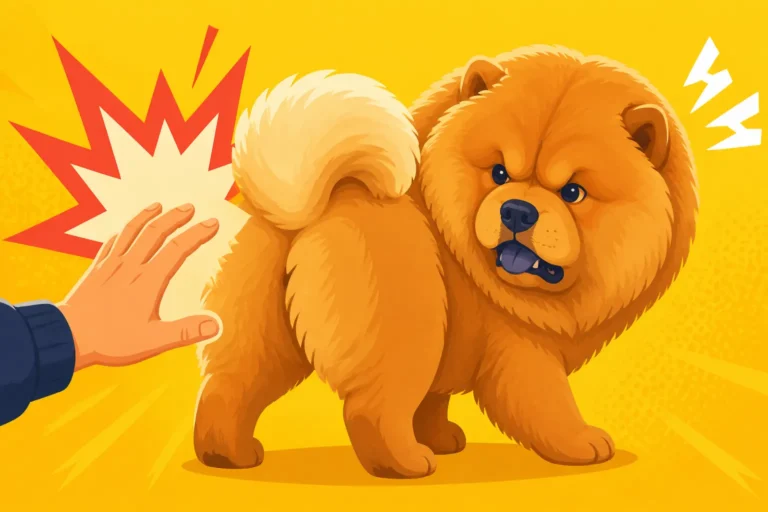
This independence, while charming and a core part of their allure, can be incredibly challenging for owners seeking traditional obedience. When you ask a Chow to "sit," they might just look at you, process the request, and then decide if it’s worth their while. This isn't defiance; it's just how their brains are wired. They respond best to clear, consistent, and logical communication that respects their intelligence, rather than demanding unquestioning obedience. It’s no wonder many owners feel like their Chow Chow is ignoring them, even when they know the cue perfectly well. Why a Chow Chow Ignores a Cue It Knows They simply evaluate the situation and choose their own course of action.
This independent streak is often the very reason owners start looking at intensive training programs. The thought of sending them to a professional who can "fix" this stubbornness seems like a magical solution. However, it's vital to remember that you can't erase a breed's fundamental nature. Any training approach for a Chow Chow must work with this independence, not against it, or you're likely to hit a wall.
Sensitivity to Harsh Methods and Environment
Beneath that dignified, sometimes aloof exterior, Chow Chows are surprisingly sensitive dogs. While they might not show it with overt dramatics, they are deeply affected by their environment and the people they interact with. Harsh corrections, loud voices, or physically intimidating training methods can cause a Chow Chow to shut down completely, become fearful, or even lash out in self-defense. Their stoicism can mask a deep emotional impact, making it hard for an untrained eye to see the stress they’re experiencing.
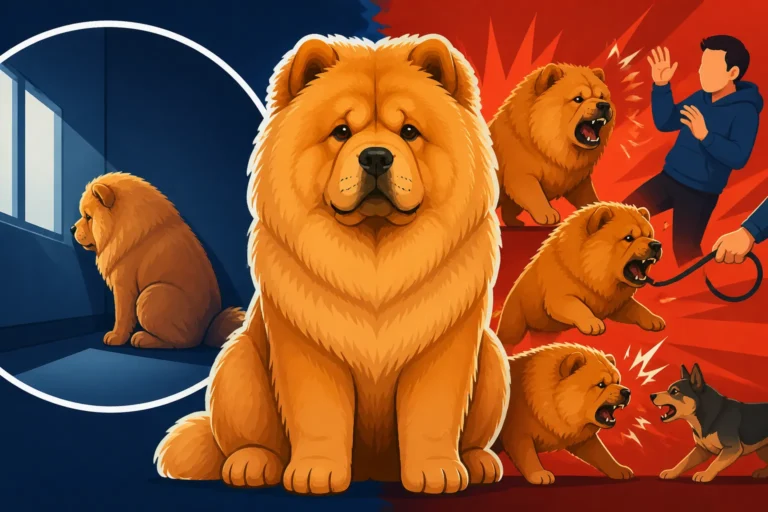
Imagine being suddenly removed from your familiar home, your trusted family, and placed in a strange environment with unfamiliar people. For a sensitive dog like a Chow Chow, this alone can be a source of immense stress. Add to that an intensive training regimen, potentially involving methods they perceive as unfair or frightening, and you have a recipe for disaster. A Chow Chow will not "toughen up" under such pressure; they are far more likely to retreat emotionally, becoming more wary, or even develop behavioral issues they didn't have before.
It’s a common misconception that a "tough dog" needs a "tough trainer." For a Chow Chow, this approach almost always backfires. They respond to fairness, respect, and positive reinforcement. If they feel unfairly treated or scared, they can form strong negative associations that are incredibly difficult to undo. Why Harsh Correction Backfires on a Chow Chow A single bad experience can leave a lasting impression, and it's something to weigh heavily when considering a program where you won't be present to advocate for your dog daily. How Long a Chow Chow Remembers a Bad Session
How Board and Train Programs Operate
Board and train programs offer a seemingly ideal solution for busy owners or those struggling with significant behavioral challenges. The idea is simple: send your dog away for a few weeks, and they come back perfectly behaved. But like most things that sound too good to be true, the reality is often more complex, especially for a Chow Chow.
The Structure and Intensity of Board and Train
A typical board and train program involves your dog staying at a trainer's facility or home for a period ranging from a few days to several weeks, or even a couple of months. During this time, they receive intensive, hands-on training from professional handlers. The curriculum often covers basic obedience (sit, stay, come, leash manners) and can extend to more complex behavioral modification for issues like reactivity or anxiety. The appeal is clear: your dog gets consistent, professional attention daily, away from the distractions and habits of home life, with the promise of accelerated learning.
These programs often differ significantly in their training philosophies. Some operate purely on positive reinforcement, using rewards and shaping desired behaviors. Others employ "balanced" methods, incorporating a mix of positive reinforcement with corrections, sometimes using tools like prong collars or electronic collars. And then there are those that lean heavily into more traditional, compulsion-based training, where compliance is enforced through physical means or pressure. The intensity is usually high, with multiple short training sessions throughout the day, often with different trainers interacting with the dog.
For some dogs, particularly those that are highly social, adaptable, and motivated by pleasing people, this structure can be highly effective. The consistent environment and clear expectations, combined with constant reinforcement, can lead to rapid progress. However, this model assumes a dog that adapts easily to new situations and bonds quickly with new people – a description that rarely fits a typical Chow Chow.
Potential Downsides for a Chow Chow
Given their inherent nature, a board and train program presents several significant potential downsides for a Chow Chow. The most immediate concern is the stress of separation and being in an unfamiliar environment. Chows are loyal, deeply bonded dogs, often forming an intense attachment to one primary person. Being suddenly removed from this person and their familiar surroundings can be incredibly traumatic. While some dogs might see it as a fun camp, a Chow Chow is more likely to perceive it as abandonment or a frightening displacement (see How Well a Chow Chow Copes Alone).
Secondly, the intensive training environment with multiple handlers can be counterproductive. A Chow Chow needs to build trust and respect with an individual before they are truly willing to engage in sustained training. Being passed between different trainers, each with a slightly different approach or energy, can be confusing and overwhelming. They are not dogs that easily transfer their obedience from one person to another, even if the new person is a professional. What they learn for one trainer, they may not offer to another, especially if that other person is you.
Perhaps the most critical risk lies in the training methods themselves. If the program uses harsh, confrontational, or compulsion-based techniques, a Chow Chow is highly likely to respond negatively. They don't learn through intimidation; they learn through respect and understanding. A trainer attempting to "break" a Chow's will often ends up breaking their spirit instead, leading to a dog that is withdrawn, fearful, or potentially reactive and aggressive. Owners simply aren't there to witness these interactions or advocate for their dog, which is a scary thought for any Chow Chow parent.
| Feature | Board and Train (Chow Chow Specific) | Private In-Home Training (Chow Chow Specific) | Group Classes (Chow Chow Specific) |
|---|---|---|---|
| Separation Stress | High risk due to deep attachment and new environment. | Minimal to none, training in familiar surroundings. | Minimal, owner always present. |
| Handler Bonding | Challenging; may only bond with trainer, not transfer to owner. | Direct bonding between dog, owner, and trainer. | Bonding with owner strengthened through shared learning. |
| Training Methods | Varies widely; risk of harsh methods that backfire. | Tailored to dog's temperament, direct owner oversight. | Generally positive reinforcement; owner learns to apply. |
| Owner Involvement | Limited during training, transfer sessions after. | High, owner is actively involved in every step. | High, owner and dog learn together. |
| Environment | Unfamiliar, potentially overwhelming. | Familiar, comfortable, less stressful. | Neutral territory, can be stimulating, good for controlled socialization. |
| Pace of Learning | Can appear fast due to intensity, but transfer to home may be slow. | Steady, consistent with owner practice, sustainable. | Slower, but builds fundamental skills and owner knowledge. |
| Cost | Typically the highest investment. | Moderate to high, depending on frequency. | Generally the most affordable. |
| Risk of Regression | High if owner doesn't fully understand or implement methods. | Lower, as owner is part of the process from the start. | Moderate, requires consistent home practice. |
The Importance of Owner Involvement in Chow Chow Training
One of the biggest reasons a board and train often falls short for a Chow Chow, despite its apparent success on the surface, is the lack of direct owner involvement during the critical learning phase. For these unique dogs, training is as much about strengthening the bond and mutual understanding between dog and owner as it is about teaching specific cues.
Building Trust and the Unique Chow Chow Bond
The bond a Chow Chow forms with their chosen person is incredibly powerful. They aren't just "your dog"; they are a deeply devoted companion who understands you on a profound level, and expects the same in return. Training, for a Chow Chow, isn't merely about performing tasks; it's a conversation, a partnership built on trust and respect. When this partnership is formed, and they understand why you're asking them to do something, they are far more likely to comply consistently. The Chow Chow Bonds to One Person and Tolerates the Rest
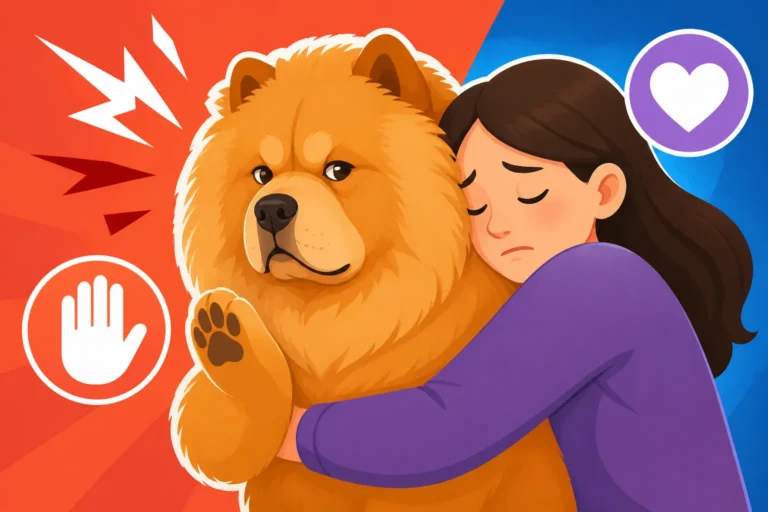
When a Chow Chow undergoes a board and train program, they might learn cues and behaviors from the professional trainer, and they might even perform them perfectly for that trainer. However, because their primary bond is with you, not the trainer, transferring these learned behaviors back to you can be incredibly difficult. The dog might not see you as the one who taught them, or as the authority figure deserving of that level of cooperation. They might see the trainer as the "parent" who taught them, and you as the "cool aunt" they don't have to listen to quite as closely. How a Chow Chow Chooses Its Person This can lead to immense frustration when the dog returns home, and all the "progress" seems to vanish.
Effective training with a Chow Chow requires your presence, your patience, and your commitment to building that foundational relationship. It's about learning to communicate in a way your Chow understands, and learning to read their subtle cues. This can't happen when your dog is away from you for weeks on end.
Consistency and Continued Education at Home
Think of training as learning a new language. A board and train might send your dog to a language immersion school, where they pick up the basics from a native speaker. But if you, the owner, haven't also learned that language, how can you continue the conversation? Training is an ongoing process, not a one-time fix. It requires daily reinforcement, consistent expectations, and the ability to troubleshoot new situations as they arise.
Without the owner being an active participant in the initial learning and understanding the nuances of how their dog learns, there's a huge gap created by a board and train program. You'll get a "transfer session" where the trainer shows you what your dog has learned, but this brief demonstration rarely equips you with the in-depth knowledge and timing required to maintain those behaviors, especially with a clever Chow Chow who will test boundaries. The dog might perform perfectly for the trainer during the transfer, then subtly revert to old habits once back in the familiar home environment with the person they haven't been "working" with daily.
This isn't to say board and train programs are always bad, but for a Chow Chow, the owner's education is paramount. You need to learn how to be the consistent, patient, and fair leader your Chow respects. If you outsource that initial learning phase completely, you're essentially setting yourself up for potential disappointment and a lot of backtracking later on. It truly is a partnership, and both partners need to be on the same page from the very beginning. A Chow Chow Trains by Agreement, Not Obedience
Alternatives and Considerations for Chow Chow Training
So, if a traditional board and train might not be the best fit for your dignified Chow Chow, what are the alternatives? Thankfully, there are many paths to well-behaved and happy Chows that prioritize the crucial bond between you and your dog.
Private, In-Home Training and Day Training
For many Chow Chow owners, private, in-home training is an ideal solution. This approach brings a professional trainer directly into your home, working with you and your dog in the environment where most of the challenges occur. The benefits are numerous:
- Familiar Environment: Your Chow Chow is much more likely to be comfortable, relaxed, and receptive to learning in their own home. This reduces stress and allows them to focus better.
- Tailored Approach: A good in-home trainer will observe your specific dog, your family dynamics, and your living situation to create a completely customized training plan. They can adapt their methods to your Chow's individual temperament and learning style, rather than using a one-size-fits-all approach.
- Direct Owner Involvement: You are present for every session, learning the techniques, timing, and communication signals alongside your dog. This empowers you to continue the training effectively between sessions and ensures consistency. This is crucial for a Chow, who needs to learn from and respect you.
- One-on-One Relationship: Your Chow builds a relationship with one consistent trainer, which is often easier for them to accept than a rotating cast of characters.
Day training is another hybrid option that can be suitable. In this model, a professional trainer comes to your home or picks up your dog for training sessions during the day, then brings them back to you in the evening. You still get daily updates and "transfer" sessions, but your Chow Chow gets to sleep in their own bed and maintain their routine at night. This can be less stressful than a full board and train while still offering professional, intensive training. When looking for private trainers, consider those who emphasize positive reinforcement and force-free methods. Some excellent online resources, like those offered by BAXTER & Bella, even provide virtual coaching for owners, giving you professional guidance from the comfort of your own home, which can be fantastic for getting started or troubleshooting. Whether a Chow Chow Needs a Professional Trainer Early
Structured Group Classes with Owner Participation
While the idea of a "socialization class" might initially make a Chow Chow owner nervous, well-run group classes can be surprisingly beneficial, provided they are structured thoughtfully. The key is to find a class that understands and respects the Chow Chow's needs:
- Controlled Socialization: Group classes offer a safe and controlled environment for your Chow to be around other dogs and people, without the pressure of direct interaction. This can be invaluable for cautious or wary Chows who need to learn that the world isn't so scary. They learn to exist calmly in the presence of others, which is a huge step in building confidence.
- Learning in Distraction: Practicing cues in a mildly distracting environment helps generalize behaviors. Your Chow needs to learn that "sit" means "sit" not just in your quiet living room, but also when other dogs are nearby.
- Owner Education: Like private training, group classes teach you how to be a better handler. You learn about canine body language, timing, and the specific techniques that work for your dog. You’ll also connect with other owners, sharing experiences and tips, which can be a huge support network.
- Positive Reinforcement Focus: Most reputable group classes today use positive, reward-based methods, which is ideal for a sensitive Chow Chow. Look for classes that prioritize safety, comfort, and positive experiences for all dogs involved. A good instructor will guide you on how to manage your Chow in a group setting, ensuring they don't feel overwhelmed. Whether Puppy Class Suits a Chow Chow Remember, Chow Chows are typically more aloof than outwardly social, so the goal here isn't necessarily boisterous play, but rather calm coexistence and appropriate public manners. How Aloof a Chow Chow Really Is
Assessing the Specific Board and Train Program
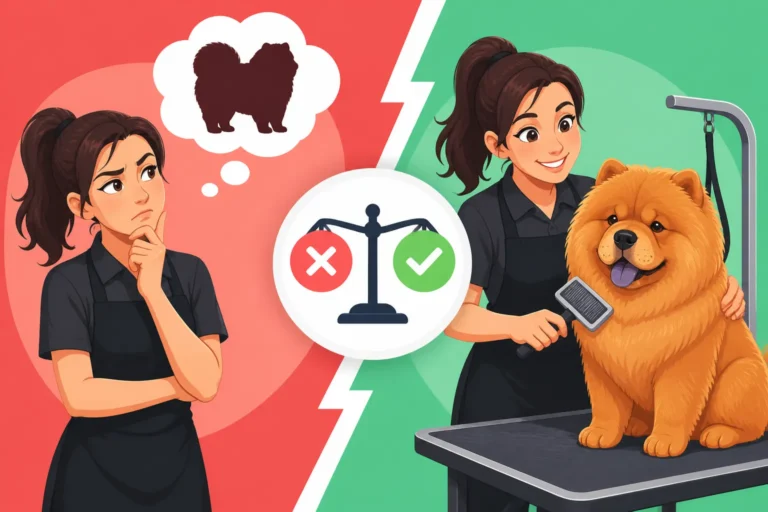
If, after considering all alternatives, you still believe a board and train is your best option, it is absolutely critical to thoroughly vet any program you consider. Do not simply drop your Chow Chow off at the first place you find. This requires extensive research and careful questioning:
- Trainer Philosophy: This is non-negotiable for a Chow Chow. Ask directly about their methods. Do they use force-free, positive reinforcement exclusively, or do they employ balanced methods? If "balanced," what specific tools do they use (e.g., prong collars, e-collars) and how do they introduce them? Be wary of trainers who promise "guaranteed results" or use terms like "pack leader" or "dominance theory," as these often indicate outdated and potentially harmful approaches for Chows.
- Facility Visit: Insist on visiting the facility. Is it clean, safe, and secure? Are the dogs housed comfortably? How much individual attention do they receive? Does the environment seem calm, or is it chaotic? A reputable facility will be transparent and welcome your visit.
- Handler-to-Dog Ratio: How many dogs is each trainer responsible for? A lower ratio means more individualized attention, which is crucial for a dog like a Chow Chow who thrives on one-on-one connection.
- Owner Updates and Involvement: How often will you receive updates (videos, photos, calls)? How many transfer sessions are included, and how long are they? You need substantial time with the trainer and your dog to learn what they've been taught and how to maintain it.
- Post-Program Support: What kind of follow-up support is offered once your dog comes home? Are there refresher classes, phone consultations, or additional private lessons available? This ongoing support is invaluable for ensuring long-term success.
- References and Reviews: Ask for references from past Chow Chow clients, specifically, if possible. Read online reviews with a critical eye, looking for consistent themes, both positive and negative.
When you're discussing potential tools, you might hear about items available on sites like Amazon, such as specific harnesses or training collars. While some tools can be helpful, it's the method of use that truly matters. Ensure that any equipment is used humanely, without causing pain or fear, and that the trainer is skilled in its proper, non-aversive application, especially for a sensitive breed. The goal is always to build confidence and cooperation, not compliance through fear. An undersocialized Chow Chow, for example, needs gentle guidance and positive exposure, not harsh corrections that might worsen their reactivity. What an Undersocialized Chow Chow Becomes
Ultimately, for a breed as unique and sensitive as the Chow Chow, the decision to use a board and train program should not be taken lightly. Prioritizing your direct involvement in their training journey, fostering that deep bond, and choosing methods that respect their independent spirit will almost always yield the most enduring and positive results.
Disclaimer
This article is for general informational purposes only and does not constitute professional advice. Laws, prices and regulations vary by location and change over time. Consult a qualified professional for guidance on your specific situation.