Whether a Delivery Driver Is Safe With a Chow Chow
For many Chow Chow owners, the sound of a delivery truck or a knock at the door can trigger a mix of anxiety and quick action. Our magnificent Chows, with their deep guarding instincts and often reserved nature, don't always take kindly to strangers approaching their territory. It's a common struggle to ensure everyone's safety – from the unsuspecting delivery driver to your beloved, but sometimes unpredictable, companion. This comprehensive guide will delve into why Chow Chows react the way they do and provide actionable steps to manage these encounters safely and effectively.
Understanding the Chow Chow's Natural Temperament and Instincts
To effectively manage your Chow Chow's reactions to delivery drivers, it's vital to first understand the core traits that define this ancient breed. They aren't like every other dog; their history and physical characteristics contribute significantly to how they perceive and respond to the world around them.
Their Guarding Instincts
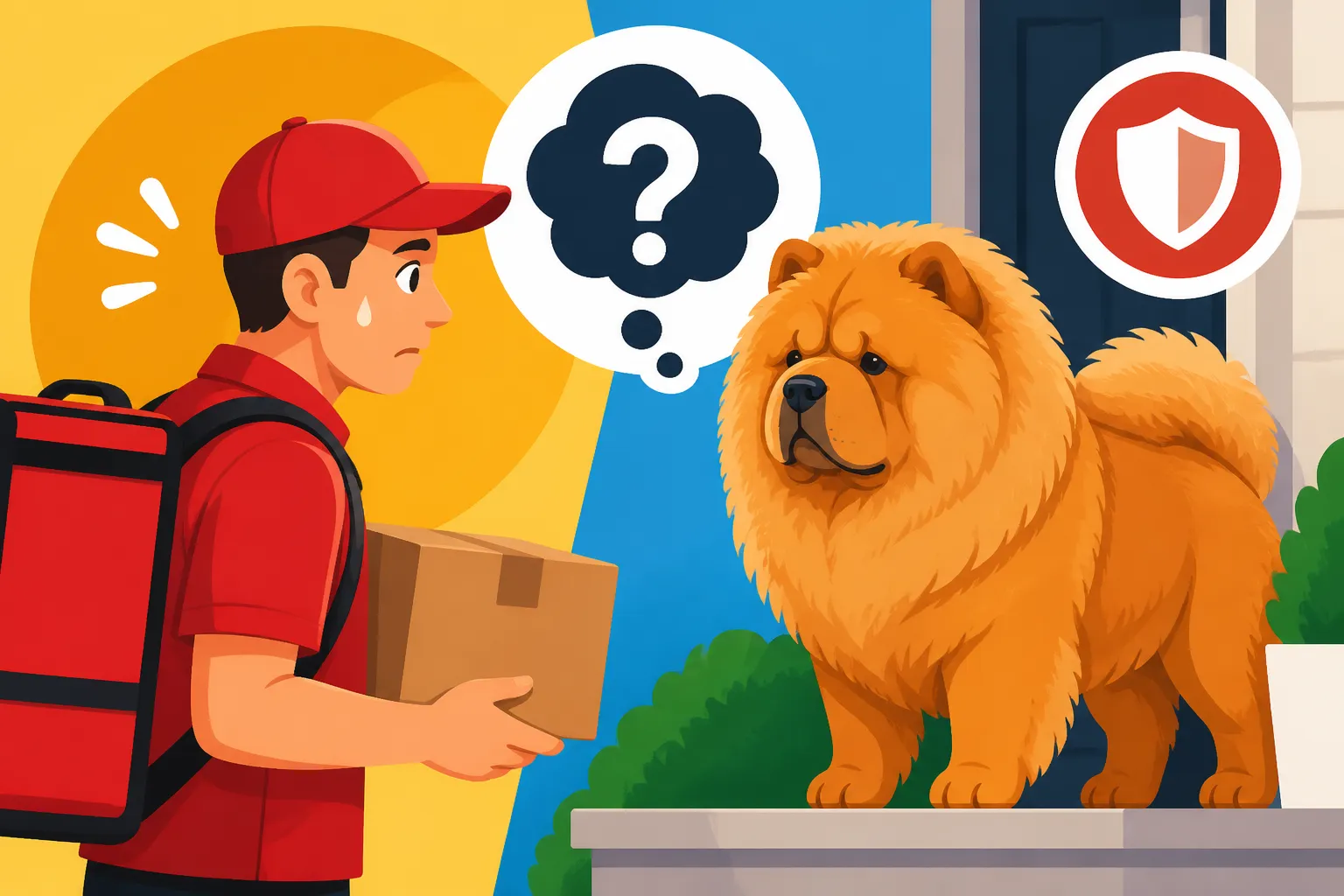
Chow Chows were originally bred for guarding and protection, roles they took seriously for centuries. This inherent drive means they possess a strong sense of territory and a natural suspicion of strangers. When a delivery driver approaches your home, your Chow Chow isn't thinking, "Oh, here's a person bringing me a new toy!" Instead, they see an unknown individual infringing upon their domain. This instinct to protect their home and their family is deeply ingrained. You might notice they'll often observe newcomers with a keen, unwavering gaze, ready to sound the alarm or, if unchecked, take further action. It’s part of What a Chow Chow Guards and Why, and it’s why a driver’s presence can be such a trigger.
The Chow Chow's Limited Vision
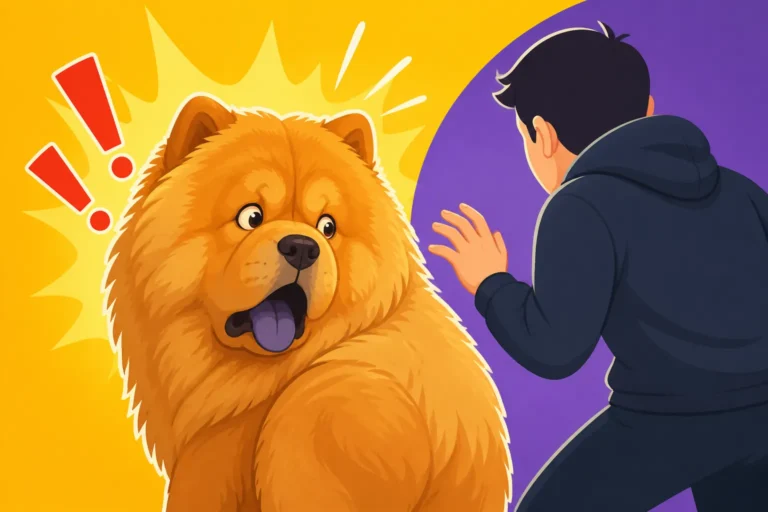
One often overlooked factor in a Chow Chow's reaction is their unique physical conformation. Their deep-set eyes, combined with the breed's characteristic scowl and facial folds, can limit their peripheral vision. Imagine walking around with blinders on, and suddenly someone appears directly in front of you. You'd probably startle! This is a real challenge for many Chows. A delivery driver appearing suddenly at the door, or approaching from an angle the Chow didn't anticipate, can trigger a defensive, startled reaction because the dog literally didn't see them coming until they were very close. This visual limitation is a key reason Why a Chow Chow Snaps at Someone It Did Not See and makes unexpected approaches particularly problematic. They often have to turn their entire head to get a full view, which can make them seem rigid or even more suspicious.
Aloofness and Stranger Suspicion
Chow Chows are known for their independent, "cat-like" personality. They bond deeply with their chosen person or family, but are generally quite aloof with strangers. This isn't necessarily aggression, but a profound lack of interest or desire for interaction with people outside their inner circle. They typically don't greet new people with wagging tails and effusive enthusiasm. This aloofness can easily be misinterpreted by a delivery driver as unfriendliness or even hostility, and it can also fuel the Chow's own suspicion. A driver making eye contact or trying to interact can be seen as a challenge or an invasion of personal space, escalating a wary Chow's reaction. It’s a natural extension of How Aloof a Chow Chow Really Is and means friendly overtures from a stranger aren’t always welcomed.
Proactive Strategies for Safe Deliveries
Since we understand why our Chows react, it's time to put strategies in place. Managing these encounters is about prevention, consistent training, and creating a controlled environment.
Managing the Approach and Door Interactions
The moment a delivery driver steps onto your property is critical. It's often the point of highest tension. The goal is to minimize direct, unannounced contact between your Chow Chow and the driver.
- Doorbell Training: Instead of letting the doorbell be a sudden, jarring trigger, teach your Chow to associate it with a calm, positive action. Start by ringing the bell and immediately rewarding a "sit" or "place" command with a high-value treat, gradually increasing the duration of the calm behavior before the reward. This changes the emotional response from alert/anxious to "I sit, I get a treat."
- Controlled Entry Points: Consider using a side door, garage door, or designated package drop-off area if possible, to keep the main entrance clear. If you’re often expecting packages, perhaps you can specify in your delivery preferences (many services, like those offered through Amazon, allow for specific delivery notes) that packages be left in a certain spot away from the direct front door.
- Leash Management: Even if your Chow Chow is usually calm, an unexpected delivery is not the time to test boundaries. Keep your dog on a leash when you know a delivery is imminent or if you're unsure. This gives you immediate physical control. A sturdy leash and harness are invaluable tools.
- "Go To Your Place" Command: This is an invaluable command. Teach your Chow Chow to go to a designated bed or mat in another room or a safe distance from the door and stay there until released. Practice this with varying distractions. Consistency is key, and positive reinforcement for calm compliance will reinforce the behavior over time. For structured guidance on this, online training resources like BAXTER & Bella offer comprehensive programs that cover these types of commands. A Chow Chow Trains by Agreement, Not Obedience, so make it a rewarding "agreement" to stay put.
Creating a Physical Barrier
Sometimes, no amount of training can fully negate a Chow Chow's protective instincts, especially when combined with their visual limitations. Physical barriers are your best friends in these situations.
- Secure Fencing and Gates: A robust, escape-proof fence is crucial. If your Chow has access to the front yard, ensure the fence provides enough of a visual barrier to prevent direct eye contact with drivers, but also allows the driver to safely leave packages without needing to enter the yard. A solid fence can prevent confrontation and keep your Chow contained. Consider Whether a Chow Chow Needs a Fenced Yard for more details on secure outdoor spaces.
- Indoor Gates and Crates: When a delivery is expected or if you’re unsure, an indoor baby gate or a sturdy crate can provide a temporary, safe barrier. Place your Chow in a crate or behind a gate in a room away from the front door. This removes them from the immediate stimulus and removes the opportunity for a negative interaction.
- Window Film or Blinds: If your Chow barks excessively at people passing by your windows, consider using frosted window film or keeping blinds closed during peak delivery hours. This reduces the visual triggers that can amp up their guarding behavior.
- Designated Drop-off Spot: As mentioned, use delivery instructions to request packages be left in an obvious, accessible spot that doesn't require the driver to approach your front door directly. This could be a porch box, a designated "drop zone" by the garage, or a secure locker if available in your community.
Training for Calmness and Containment
Beyond immediate management, long-term training is paramount. A well-socialized and well-trained Chow Chow is a safer Chow Chow.
- Early Socialization: This cannot be stressed enough. Expose your Chow Chow puppy to a wide variety of sights, sounds, people, and experiences during their critical socialization window (roughly 3-16 weeks). Positive experiences with strangers during this time can greatly influence their adult temperament. Why Early Socialization Decides What a Chow Chow Becomes is a critical read on this topic.
- Positive Reinforcement: Chows respond best to positive reinforcement. Harsh corrections can make them resentful and less likely to cooperate. Focus on rewarding calm behavior, especially when strangers are present. Teach them that quiet, settled behavior earns them good things.
- Desensitization and Counter-Conditioning: If your Chow already reacts strongly to delivery drivers, you'll need to work on changing their emotional response.
- Desensitization: Gradually expose them to the trigger at a low intensity. This might mean playing sounds of trucks or doorbells at a very low volume, rewarding calm.
- Counter-Conditioning: Pair the trigger with something highly positive. For example, when a delivery person is (safely) visible but far away, give your Chow their absolute favorite treat. The goal is for them to associate delivery drivers with good things, not threats.
- Professional Guidance: If your Chow Chow’s reactions are severe or you’re feeling overwhelmed, don't hesitate to seek help from a qualified professional dog trainer or a veterinary behaviorist. They can assess your specific situation and provide tailored strategies. Whether a Chow Chow Needs a Professional Trainer Early often proves to be true for managing complex behaviors like this.
| Chow Chow Behavior Triggered by Delivery Driver | Why It Happens | Recommended Action |
|---|---|---|
| Loud Barking/Growling | Guarding instinct, territoriality, startle response | Doorbell training, "Place" command, secure physical barrier, desensitization to sounds. |
| Rushing the Door/Window | Protecting territory, trying to investigate a perceived threat | Gates/crates, window film, leashing, "Stay" command, designated package drop-off. |
| Lunging/Snapping at Driver (if unleashed/close) | Fear, protectiveness, limited vision, lack of trust | Strict containment, professional behaviorist, muzzle training (if necessary), intense counter-conditioning with expert guidance. |
| Avoidance/Hiding (less common, but possible) | Fear, uncertainty, overwhelm | Gradual, positive exposure (desensitization), ensuring a safe retreat, building confidence through training. |
Communication and Collaboration with Delivery Services
In today's world of frequent deliveries, you're not entirely alone in managing this. There are ways to work with the systems in place to make things safer.
Utilizing Delivery Instructions and Notes
Most major delivery companies (like those you might use for your Amazon orders) offer options to add specific delivery instructions to your account or for individual orders. Use these!
- Clear, Concise Notes: State clearly that you have a dog that may be reactive or protective. Request that drivers leave packages in a specific, accessible location away from the front door. For example: "Please leave packages in the brown bin by the garage. Do not knock or ring the doorbell, text upon arrival."
- No Contact Delivery: Opt for "no contact" delivery whenever possible, which has become common practice anyway. This minimizes the driver's need to interact with you or linger at your door.
- Visual Cues: Consider placing a polite sign on your door or gate, such as "Caution: Dog on Duty – Please Leave Packages Here [arrow pointing to designated spot] & Text When Delivered." This sets expectations for the driver before they even approach.
Engaging with Individual Drivers
While delivery services have high turnover, sometimes you have regular drivers. Building a rapport can be beneficial.
- Positive Reinforcement for Drivers: If you have a particularly understanding or consistent driver, consider leaving a small treat (for them, not your dog!) or a thank you note with your delivery instructions. A little kindness can go a long way in encouraging them to follow your specific requests.
- Brief, Clear Explanations: If you do find yourself interacting with a driver, a quick, polite explanation of your dog's temperament can help. Something like, "My Chow is very protective, so we really appreciate you leaving packages by the garage!" can foster understanding. This isn’t about apologizing for your dog, but about clear communication.
- Observe and Adjust: Pay attention to which drivers follow your instructions and which don't. If issues persist, consider reporting specific incidents to the delivery company's customer service, focusing on the safety aspect for their employees.
Assessing Risk and Making Responsible Decisions
Ultimately, the responsibility for safe interactions lies with you, the Chow Chow owner. It requires an honest assessment of your dog's behavior and a commitment to ongoing management.
Evaluating Your Chow Chow's Specific Behavior
Every Chow Chow is an individual. While they share breed traits, their personal histories and individual temperaments vary.
- Observe Closely: Spend time observing your Chow's reactions to various stimuli – the mail carrier, people walking by, friends arriving. Note their body language: Is it stiffness, hackles raised, deep growls, or just an alert bark? Signs a Chow Chow Is Uncomfortable can help you interpret their signals.
- Temperament Consistency: Does your Chow react the same way every time, or are there days they are more tolerant? Are certain types of people (e.g., those wearing hats, carrying large boxes) more likely to trigger a reaction?
- The "Scowl" Factor: Chow Chows naturally have a deep-set eye and a scowl that can make them look perpetually displeased. This is part of their breed standard, but it can be misinterpreted. Understand that their "resting face" doesn't always reflect their mood, but be extra vigilant because their true intentions might not be as obvious as with a more facially expressive breed. Many people, especially children, often Why Children Misread a Chow Chow and this can lead to dangerous encounters.
When Professional Help is Needed
If you've tried various management techniques and training strategies, but your Chow Chow's behavior around delivery drivers remains a significant concern, don't hesitate to involve a professional.
- Certified Professional Dog Trainers (CPDT-KA/CPDT-KSA): These trainers can help you implement effective management strategies and obedience training. They can teach you how to read your dog's body language and improve communication.
- Veterinary Behaviorists (DACVB): For more severe cases of aggression or fear-based reactivity, a veterinary behaviorist (a veterinarian with specialized training in animal behavior) is the best choice. They can assess if there are underlying medical conditions contributing to the behavior and can prescribe medication if necessary, alongside a comprehensive behavior modification plan.
- Safety First: If your Chow Chow has a history of aggression towards strangers, or you are genuinely concerned for a delivery driver's safety, prioritize management above all else. This might mean crating them every time the doorbell rings, or ensuring they are never unattended in the front yard. How to Manage a Chow Chow When Guests Arrive has many similar principles that can apply to delivery drivers.
Being a responsible Chow Chow owner means understanding and respecting their unique nature. While their guarding instincts make them excellent companions and protectors for their family, it also means we must be proactive in managing their interactions with the outside world, especially with individuals like delivery drivers who approach their perceived territory. With careful planning, consistent training, and clear communication, you can create a safe environment for your Chow Chow, your family, and anyone who comes to your door.
Disclaimer
This article is for general informational purposes only and does not constitute professional advice. Laws, prices and regulations vary by location and change over time. Consult a qualified professional for guidance on your specific situation.