Whether a Chow Chow Guards Its Toys
It’s a common worry for many Chow Chow owners, or those considering bringing one of these magnificent dogs into their home: will my Chow Chow guard its toys? The truth is, resource guarding, which includes guarding toys, food, or even preferred sleeping spots, is a behavior deeply rooted in canine instinct and one that Chow Chows, with their naturally independent and sometimes possessive nature, can certainly exhibit. This guide will help you understand why your Chow Chow might guard its cherished possessions, how to spot the early signs, and most importantly, how to prevent and manage this behavior to ensure a harmonious home for everyone.
Understanding Why a Chow Chow Might Guard Its Toys
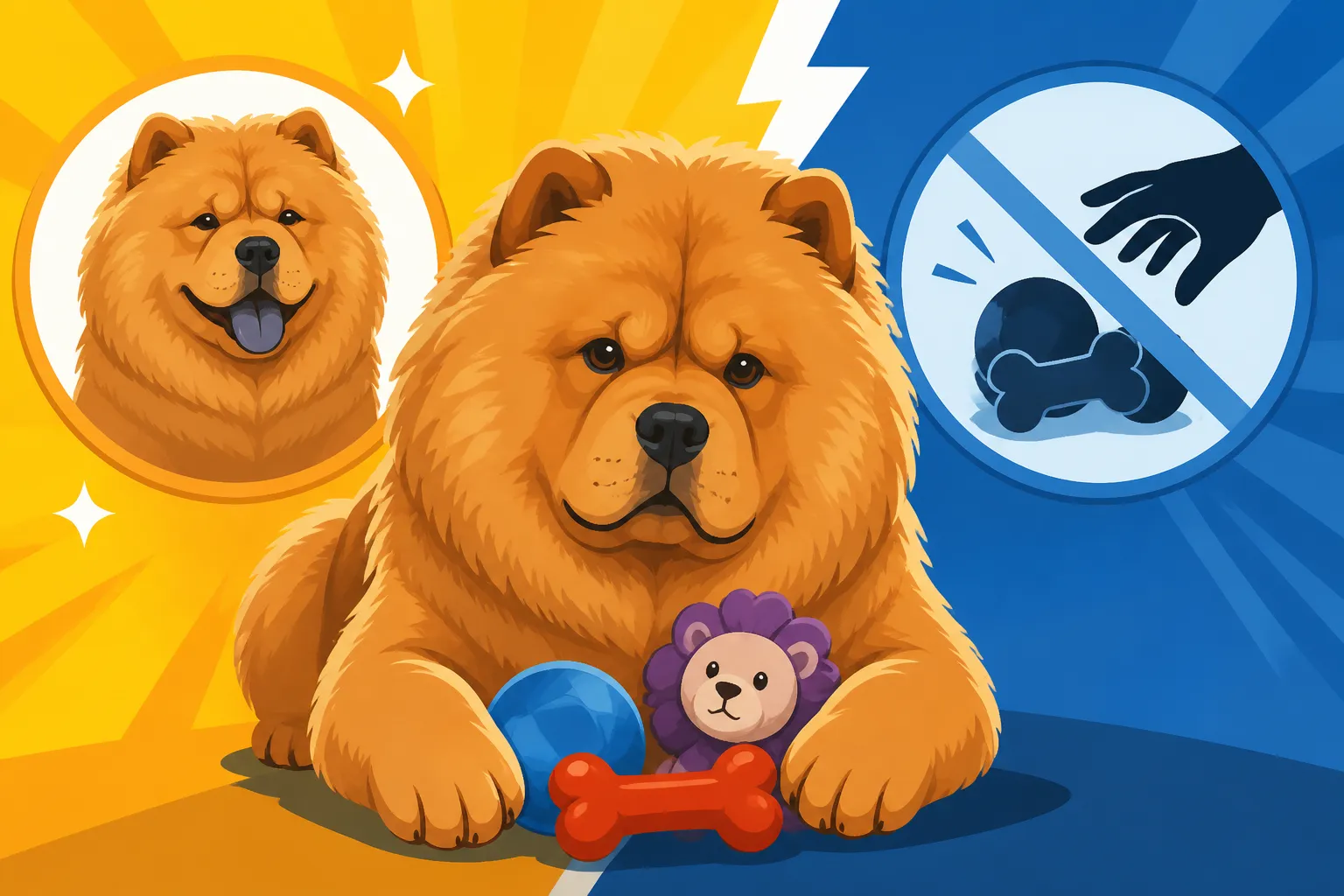
Resource guarding isn't a sign of a "bad" dog; it's a very natural canine behavior driven by the instinct to protect valuable possessions. For a Chow Chow, who historically was bred for guarding and often had a more independent role, this instinct can be particularly strong. They value their belongings, whether it’s a favorite squeaky ball or a well-loved chew, and they might communicate their displeasure if they feel those items are threatened.
The Instinctual Roots of Resource Guarding in Chow Chows
Think about the Chow Chow's ancient lineage. These dogs weren't typically pack hunters in the way some other breeds were; they often worked more independently, guarding property, hunting, or even pulling carts. This history instilled a strong sense of self-reliance and a clear understanding of what "mine" means. If a Chow Chow perceives a toy as a high-value resource, its natural inclination might be to protect it from perceived threats, whether those threats are human family members, other pets, or even inanimate objects. It's not necessarily aggression in the malicious sense, but rather a deep-seated desire to retain control over something it deems important. This can be especially true if they feel insecure or have learned that guarding works to keep their things.
Consider a wild canine – if it catches prey, it certainly isn't going to share it willingly with every passing creature. It will guard its hard-won meal to ensure its survival. While your Chow Chow isn't out hunting for its rubber duck, the underlying primal instinct remains. The "resource" is simply a toy, but the feeling of needing to protect it is the same. Understanding this can help us approach the behavior with empathy rather than frustration.
How a Chow Chow's Personality Influences Guarding Behavior
Chow Chows are known for their distinct personalities: they are often described as aloof, dignified, and quite particular about who they bond with. While they can be incredibly loyal and affectionate to their chosen person, they might not extend that same level of trust to everyone in the household, let alone strangers. This inherent independence can translate into a stronger propensity for resource guarding. If a Chow Chow has Why a Chow Chow Picks One Person, they might be more willing to share with that individual, but be very guarded with others.
Their deep-set eyes, which can limit their peripheral vision, also play a role. A Chow Chow might not see someone approaching from the side or behind, leading to a startled reaction if a hand suddenly reaches for their toy. This unexpected interaction can trigger a defensive response, which could be misinterpreted as purely aggressive guarding. It's not that they're being mean; they're reacting to a sudden, unseen threat to their perceived possession. Imagine being engrossed in a favorite activity, and suddenly someone grabs something you're holding – you'd likely jump, too! Understanding How a Chow Chow's Deep Set Eye Limits Its Vision is vital for safe interactions.
Recognizing the Early Warning Signs of Toy Guarding
Catching resource guarding early is key to preventing it from escalating into more serious issues. Chow Chows, like many dogs, often give subtle signals long before they resort to overt aggression. Learning to read these signals will empower you to intervene proactively and prevent potentially dangerous situations.
Subtle Cues: The Quiet Language of a Guarding Chow
When a Chow Chow is beginning to guard a toy, their body language will often change. You might notice them:
- Freezing: They stop moving, becoming very still and rigid when someone approaches their toy.
- Stiffening: Their body posture becomes taut, and their tail, which usually curls over their back, might become stiffer or tuck slightly.
- Hard Stare: They might fixate their gaze on the person or animal approaching, with their eyes becoming narrow or intense.
- Low Growl or Rumbling: This is often the first auditory cue, a soft, almost imperceptible rumble deep in their chest, indicating "back off."
- Body Blocking: They might subtly shift their body to position themselves between you and the toy, physically blocking access.
- Quick Licks or Snaps in the Air: This can be a very quick, almost invisible signal, where they might give a warning snap or an air-snap in the direction of the perceived threat, without actually making contact.
Recognizing Signs a Chow Chow Is Uncomfortable is crucial here. These subtle cues are your Chow Chow’s way of saying, “I’m not happy about this,” before they feel the need to escalate. Ignoring these early warnings can teach your dog that they need to be more overt to get their message across.
Escalation: When a Chow Chow's Warnings Become Clearer
If the subtle cues are ignored, a Chow Chow's guarding behavior can escalate. This is when the warnings become much harder to miss and can pose a real risk.
- More Overt Growling: The growl becomes louder, more insistent, and often accompanied by a baring of teeth.
- Snapping: They might snap at the air or directly at a hand that reaches for the toy. This is a clear warning that they are prepared to bite.
- Lunging: The dog might lunge forward, keeping contact with the toy, but driving the perceived threat away.
- Biting: In the most severe cases, if all other warnings have been ignored and the dog feels cornered or extremely threatened, they might bite to protect their resource.
It's important to understand that biting is almost always a last resort for a dog. They communicate extensively before they get to that point. The key is to never push your Chow Chow to this level. If you see any signs of escalation, immediately disengage and seek professional help. For example, if your Chow Chow is playing with a beloved plush toy and you try to pick it up, they might freeze, give a low rumble, then lift their lip. If you persist, they might then snap in the air near your hand. This is a progression of warning signals that must be respected. Just as a dog might Whether a Chow Chow Guards Its Food, they will guard toys with similar intensity.
Practical Strategies for Preventing and Managing Toy Guarding
Whether you have a new Chow Chow puppy or an adult dog showing signs of guarding, there are effective strategies to prevent and manage this behavior. The goal isn't to punish the guarding, but to change your dog's emotional response to having their toys approached or taken away, making it a positive experience rather than a threatening one.
Early Prevention: Nipping Toy Guarding in the Bud for Chow Chow Puppies
For puppies, prevention is always easier than cure. The prime socialization window for puppies is critical, and gentle handling around their possessions should be a part of it.
- Positive Trade-and-Barter: This is the golden rule for preventing resource guarding. Instead of just taking a toy, offer your puppy something even better. While they are playing with a toy, offer a high-value treat (like a piece of cooked chicken or cheese). When they drop the toy to take the treat, praise them enthusiastically. Then, pick up the toy, put it aside, and immediately give it back to them after they finish the treat, or offer another toy. This teaches them that hands approaching their things mean good things happen, not that their possessions will be taken away forever. Consistency is key here. Think about Which Treat a Chow Chow Will Work Hardest For to make the trade irresistible.
- Regular, Gentle Handling: Practice gently touching your puppy while they are eating or playing. Start with brief touches and gradually increase duration, always pairing it with positive reinforcement. This helps them learn that human hands are not a threat. This practice extends to other grooming and handling tasks, like Teaching a Chow Chow to Be Brushed or having their feet handled.
- Supervised Play: Always supervise your Chow Chow puppy when they are playing with toys, especially around children or other pets. This allows you to intervene with a positive trade before any guarding behavior can start. Teach children How to Teach a Child to Approach a Chow Chow safely and never let them grab toys from the dog.
- Variety of Toys: Provide plenty of toys so that no single item becomes overly high-value. Rotate toys frequently to keep them exciting and prevent attachment to one specific item. You can find a wide range of durable and engaging toys on Amazon, perfect for rotating through your Chow Chow's collection.
- Puppy Socialization: Expose your Chow Chow puppy to many different people and environments. The more comfortable and confident they are, the less likely they are to feel the need to guard. How Many People a Chow Chow Puppy Should Meet is an important consideration. A well-socialized puppy is often a more secure puppy.
If you're raising a Chow Chow puppy, an online program like those offered by BAXTER & Bella can provide excellent guidance on foundational manners and preventing resource guarding from the start, often with step-by-step videos and support. This early, proactive approach is far more effective than trying to correct ingrained behavior later.
Working with an Adult Chow Chow Exhibiting Guarding
If your adult Chow Chow is already guarding toys, the approach shifts slightly from prevention to careful management and behavior modification.
- Avoid Triggering the Behavior: First and foremost, manage the environment to prevent your dog from practicing the guarding behavior. Don't try to take toys away directly if you know it will trigger a reaction. Instead, scatter high-value treats near the dog, then quietly pick up the toy while they are distracted by the treats.
- Structured Trade-and-Barter (Advanced): If your dog is mildly guarding, you can try a more structured version of the trade game. Approach your dog, say "trade," and toss a high-value treat away from them. As they go for the treat, quickly pick up the toy. Immediately give the toy back once they've finished the treat, or offer a different toy. The goal is for them to associate "trade" with getting something better, not losing something. However, if your dog is reacting strongly, do not attempt this without professional guidance.
- Teach "Drop It" and "Leave It" on Leash: Practice these commands in low-distraction environments without a guarded toy first. Once reliable, you can gradually introduce a toy, starting with low-value items. Praise and reward heavily when they comply. Why a Chow Chow Ignores a Cue It Knows can be a challenge, so consistency and high-value rewards are essential.
- Consult a Professional: For adult Chow Chows with significant guarding issues, working with a certified professional dog trainer or a veterinary behaviorist is crucial. They can assess your dog's specific situation, identify triggers, and develop a safe, effective behavior modification plan. Trying to punish resource guarding can be dangerous and usually makes the problem worse. Why Harsh Correction Backfires on a Chow Chow is especially true for Chows, who can become more resistant or even aggressive if intimidated.
- Environmental Management: If you have multiple pets, ensure they each have their own toys and separate play areas to minimize competition. If a toy is consistently causing guarding, remove it from circulation for a while.
Remember, patience and consistency are key. Changing a deeply ingrained behavior takes time and effort. For those looking for structured online support, platforms like BAXTER & Bella often have courses specifically designed to address common behavioral challenges, including resource guarding, with positive, force-free methods. You can also explore various specialized training equipment on Amazon, such as long lines for practicing "leave it" in a controlled manner, or enrichment toys that might be less prone to guarding.
Creating a Safe Environment for Everyone
Living with a Chow Chow that guards toys doesn't have to be a constant source of stress. By implementing clear rules, consistent training, and careful supervision, you can create a safe and predictable environment for both your dog and your family.
Setting Clear Boundaries and Rules
Establishing clear, consistent rules helps your Chow Chow understand what is expected of them and reduces ambiguity that can contribute to guarding.
- Designated Play Areas: If your Chow Chow tends to guard toys in certain areas, consider designating specific "toy zones" where they are allowed to play with their things, and other zones where toys are not permitted. This can help create mental boundaries.
- "No Stealing" Rule: Teach everyone in the household, especially children, never to grab toys directly from the Chow Chow. Instead, always use the trade-and-barter method or a "drop it" cue. For example, if your Chow Chow is lying in the living room with a bone and your child wants to walk by, teach the child to toss a treat a few feet away from the dog as they pass, so the dog perceives a positive, non-threatening interaction.
- Rotate Toys: As mentioned, rotating toys keeps their value from skyrocketing. If a toy is only available for a short period, it becomes less "critical" to guard incessantly.
- Supervised Access to High-Value Items: Bones, chew sticks, or specific favorite toys should only be given when you can actively supervise. This allows you to intervene safely if guarding behavior starts to manifest, using the trade method, before it escalates.
The "Drop It" and "Leave It" Commands
These two commands are indispensable for managing toy guarding and ensuring safety. They provide you with a way to communicate effectively and get your Chow Chow to relinquish a guarded item voluntarily.
- "Drop It": This command teaches your dog to release whatever is in their mouth. Start by practicing with low-value items. Hold a treat near your dog's nose as they hold a toy. The moment they open their mouth to investigate the treat, say "Drop It," take the toy, immediately give them the treat, and then give the toy back. Gradually, remove the need for the immediate treat, replacing it with praise and the return of the toy. The goal is to make "Drop It" a positive experience. Building up a reliable Teaching a Chow Chow a Reliable Recall is also a great foundation for control around tempting items.
- "Leave It": This command teaches your dog to ignore an item, even if it's tempting. Place a treat on the floor, cover it with your hand, and say "Leave It." When your dog looks away from the treat, praise and reward them with a different, higher-value treat from your other hand. Gradually increase the duration and distraction. This is excellent for preventing them from picking up a guarded toy in the first place.
Consistency is absolutely vital with these commands. Everyone in the household must use them the same way every time. Your Chow Chow will learn what to expect, and trust that responding to your cues results in a positive outcome, not a loss.
Supervised Interactions with Toys
This is especially critical in multi-dog households or homes with children. Unsupervised interactions are often where guarding incidents occur.
- Children and Chow Chows: Young children, in particular, may not understand a dog's body language or personal space. It's crucial to teach children not to approach a Chow Chow with a toy, especially if the dog is lying down or seems engaged. Always supervise interactions between your Chow Chow and children, especially around toys. Consider a physical barrier like a baby gate if you cannot offer direct, constant supervision. This can also apply to How a Chow Chow Behaves With Children more generally, as their stoic nature can be misinterpreted.
- Other Pets: If you have other dogs or cats, ensure each pet has their own designated toys and that high-value items are given in separate areas. This minimizes competition and the potential for a fight over a guarded item. For example, give chews in separate crates or different rooms. Whether Two Chow Chows Can Live Together often requires careful management of resources to prevent disputes.
- Managing Boredom: Sometimes, a Chow Chow guards toys simply because they are bored and the toy is the only interesting thing around. Ensure your Chow Chow gets appropriate mental and physical exercise. While they aren't marathon runners, they still need engaging activities. A bored Chow Chow might become destructive or, indeed, more possessive of the few things that provide stimulation. What a Bored Chow Chow Does can vary, but preventing it is always better.
By being proactive, observant, and consistent in your training and management, you can successfully navigate toy guarding with your Chow Chow, fostering a trusting relationship and a safe home for all.
| Behavior Level | Description | Management Strategy |
|---|---|---|
| No Guarding | Chow Chow freely allows toys to be approached/taken. | Continue positive interactions, practice "drop it" and "leave it" in low-stress environments. Rotate toys. |
| Mild Guarding | Subtle cues (stiffening, hard stare, low rumble) when approached. | Initiate consistent positive trade-and-barter games. Teach "drop it" and "leave it." Supervise all interactions with high-value toys. Avoid direct confrontation. |
| Moderate Guarding | Overt growling, snapping, body blocking, significant discomfort. | Immediately stop direct attempts to take toys. Focus on environmental management (separate toys, supervised access). Seek professional guidance from a certified trainer or veterinary behaviorist. Practice "drop it" and "leave it" without actual guarded items first. |
| Severe Guarding | Lunging, biting, intense protection of items, unsafe to approach. | Implement strict management to prevent any access to guarded items without direct control (e.g., leash, muzzle training if recommended by pro). Seek immediate help from a veterinary behaviorist. Avoid all direct interaction with guarded items. |
Disclaimer
This article is for general informational purposes only and does not constitute professional advice. Laws, prices and regulations vary by location and change over time. Consult a qualified professional for guidance on your specific situation.