Whether a Smooth Chow Chow Is Rarer
Many prospective Chow Chow owners find themselves fascinated by the breed's iconic lion-like mane, but then they stumble upon photos of Chows with much shorter, sleeker fur. This often leads to the question: is the smooth-coated Chow Chow a rare variant, a special find, or just something you don't see as often? This comprehensive guide will delve into the distinct characteristics of both coat types, their genetic origins, and shed light on the true prevalence of the smooth Chow Chow in the modern world.
The Distinct Worlds of Chow Chow Coats: Rough vs. Smooth
Before we can even begin to talk about rarity, it's essential to understand what we're actually comparing. The Chow Chow breed standard recognizes two distinct coat types: rough and smooth. While their underlying structure, powerful build, and unique temperament remain consistent, their outer appearance is quite different, leading to varied grooming needs and aesthetic preferences.
What Defines a Rough Coated Chow Chow?
When most people picture a Chow Chow, they're envisioning the rough-coated variety. This is the one with the truly magnificent, dense double coat that gives it that unmistakable "lion's mane" appearance. Picture a thick, profuse outer coat that stands off the body, rough to the touch, guarding a softer, woolly undercoat beneath. This outer coat is longest around the neck and shoulders, forming a striking ruff that frames the head beautifully. It also boasts impressive feathering on the legs and tail.
This rough coat isn't just for show; it's a testament to the breed's origins in colder climates. It provides incredible insulation against harsh weather, shedding snow and moisture with ease. However, this luxurious coat comes with a significant grooming commitment. Without diligent care, it can quickly become a tangled mess, prone to matting behind the ears, under the legs, and in the "britches" on their hindquarters. Owners often invest in an array of brushes and combs to keep it pristine, understanding that neglect can lead to serious skin issues and discomfort for their dog.
Introducing the Smooth Coated Chow Chow: A Closer Look
Then we have the smooth-coated Chow Chow, often a surprising discovery for those unfamiliar with the breed's full spectrum. Unlike its shaggy cousin, the smooth coat is, as the name suggests, much shorter and lies flatter against the body. It still retains the double-coat structure – a dense, soft undercoat providing warmth, covered by a harder, coarser outer coat. However, it lacks the profuse ruff, significant feathering, or the overall "fluffy" look of the rough coat. You won't find the dramatic lion-like mane or the feathered tail that characterizes the rough variety.
Despite the visual difference, a smooth Chow Chow is every bit a purebred Chow Chow. They possess the same deep-set eyes, the broad skull, the characteristic blue-black tongue, and the unique stilted gait. Their physique is often more apparent due to the closer-lying coat, showcasing their powerful, compact body more clearly. For many, the smooth coat offers a streamlined elegance that is equally appealing, just in a different way. Many people are surprised to learn What a Smooth Coated Chow Chow Looks Like.
The Genetic Tale: Why Two Coats Exist
The existence of both rough and smooth coats in Chow Chows is a classic example of basic genetics at play. The gene for the smooth coat is recessive, while the gene for the rough coat is dominant. This means that a rough-coated Chow Chow can carry the gene for a smooth coat without displaying it itself.
Here's a simplified breakdown:
- Rough-coated Chow Chow (RR or Rr): If a dog has two dominant 'R' genes (RR), it will be rough-coated. If it has one dominant 'R' and one recessive 'r' gene (Rr), it will also be rough-coated but is a "carrier" for the smooth coat.
- Smooth-coated Chow Chow (rr): To be smooth-coated, a Chow Chow must inherit two copies of the recessive 'r' gene (rr) – one from each parent.
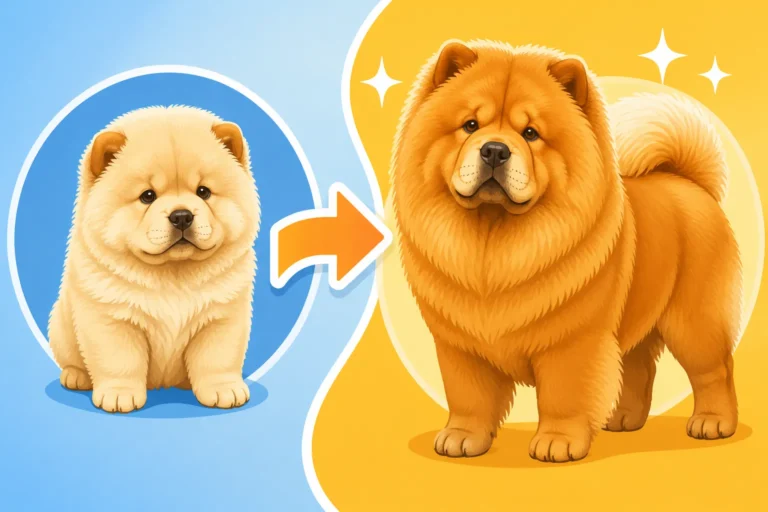
This genetic mechanism means that two rough-coated Chows (Rr x Rr) can produce a litter containing both rough and smooth puppies. Conversely, a smooth-coated Chow (rr) bred to a rough-coated carrier (Rr) can also produce both coat types. And, of course, two smooth-coated Chows (rr x rr) will only ever produce smooth-coated offspring. This explains Whether Both Chow Chow Coats Appear in One Litter and highlights why one isn't necessarily a "mutation" but a natural genetic variant within the breed. When a puppy is very young, it might not be immediately obvious Whether a Chow Chow Puppy's Coat Type Is Obvious, but as they grow, the differences become clear.
Unpacking the "Rarity" of the Smooth Chow Chow
Now to the core question: is the smooth Chow Chow truly rarer? The answer isn't a simple yes or no, but rather a nuanced understanding of historical preferences, breeding practices, and visibility. While you might encounter fewer smooth Chows in your daily life or at dog shows, their existence is well-established within the breed.
Historical Context and Breeding Preferences: Why the Rough Coat Became the Icon
For a very long time, the rough coat was the undisputed darling of the Chow Chow world, particularly in Western countries where the breed gained popularity. The dramatic "lion's mane" and plush appearance of the rough coat fit a certain aesthetic ideal and quickly became the breed's signature look. Early breed standards and judges often favored the rough coat, leading breeders to focus on perpetuating this trait. It's a bit of a self-fulfilling prophecy: as more rough Chows were bred and shown, they became the perceived "norm," and the smooth coat, while always present, was simply less emphasized or pursued.
Think about it from a marketing perspective, if you will. The rough coat is undeniably eye-catching and distinctive, immediately setting the Chow Chow apart. This contributed to its iconic status and, inadvertently, to the perception that the smooth coat was an anomaly or less desirable. This historical preference has a lasting impact on what we see today.
Are They Truly Scarce? Understanding Modern Demographics
When we talk about "rarer," we're often thinking about statistical scarcity. While there aren't official registries that strictly track the numbers of rough versus smooth Chow Chows, it's generally accepted that smooth coats are less common simply because fewer are deliberately bred. It's not that the gene is inherently "rare" in the overall gene pool, but rather that breeder focus has historically leaned towards the rough variety. Many breeders will prioritize the rough coat simply because it is what is most expected and desired by the general public and judges in the show ring.
This doesn't mean they're an endangered species! They exist, they are beautiful, and they meet the breed standard. They simply make up a smaller percentage of the Chow Chow population you're likely to encounter. It's similar to how certain colors, like blue or cinnamon, might be less common than red, not because they're genetically difficult to produce, but because they appear less frequently in breeding programs focusing on other traits.
The Quest for a Smooth Coat: What Today's Owners Encounter
If your heart is set on a smooth-coated Chow Chow, you might have to put in a little more effort to find one. They are not as readily available as their rough-coated counterparts, and you might not find a smooth puppy in every litter you inquire about. This isn't due to any genetic defect or issue; it's purely a matter of supply and demand driven by historical aesthetic preferences.
You might find yourself on a waiting list or needing to expand your search geographically. Don't be discouraged! Reputable breeders who prioritize health and temperament will occasionally have smooth puppies, as they can naturally occur in litters from carrier parents. In fact, some breeders specifically aim to produce both coats to maintain genetic diversity and cater to diverse preferences. Patience and thorough research are your best allies in this quest.
| Feature | Rough Coated Chow Chow | Smooth Coated Chow Chow |
|---|---|---|
| Outer Coat | Long, dense, profuse, coarse texture | Short, dense, hard texture, lies flat |
| Undercoat | Soft, woolly, very dense | Soft, dense |
| Ruff/Mane | Prominent, lion-like around head and shoulders | Minimal to none |
| Feathering | Significant on legs, tail, and britches | Minimal to none |
| Overall Appearance | Plush, shaggy, majestic, lion-like | Sleek, streamlined, compact, more agile-looking |
| Grooming Effort | High; prone to matting, requires daily brushing | Moderate; less matting risk, regular brushing still needed |
| Shedding | Heavy, especially during coat blows | Moderate to heavy, especially during coat blows |
| Genetic Basis | Dominant trait (RR or Rr) | Recessive trait (rr) |
| Perceived Rarity | Common | Less common, often considered "rarer" due to visibility |
Everyday Life with a Smooth Chow: Expectations and Realities
Choosing between a rough and a smooth Chow Chow isn't just about looks; it also impacts the day-to-day care and overall experience. While their core temperament remains consistent, the practicalities of living with each coat type do differ.
Grooming a Smooth Chow: Less Work, But Still Work
One of the biggest drawcards for many potential owners considering a smooth Chow Chow is the perceived ease of grooming. And yes, it's generally true that Which Chow Chow Coat Is Easier to Keep is the smooth coat. You won't face the same daunting task of daily line brushing through a vast, intricate mane to prevent mats that rough coat owners do. This doesn't mean you're off the hook entirely, though! Whether a Smooth Chow Chow Still Has an Undercoat is a resounding yes, and that undercoat still needs attention.
Smooth Chows still shed, sometimes quite heavily, especially during their twice-yearly coat blows. While Whether a Smooth Chow Chow Sheds Less is debatable – they may shed smaller tufts, but the volume can still be significant – the fur is usually easier to manage. You'll still need a good quality slicker brush and undercoat rake to remove dead hair and keep their skin healthy. Regular brushing, perhaps 2-3 times a week for maintenance and more during shedding seasons, is crucial. This helps distribute natural oils, prevents skin issues, and keeps their coat looking its best. Think of it as moderate maintenance, compared to the high maintenance of a rough coat. You won't typically need to spend hours with a high-velocity dryer after a bath like with a rough coat, reducing bathing time and effort significantly. For general supplies, you can find a good range of brushes and shampoos on platforms like Amazon or Chewy.
Temperament and Health: Are There Differences?
It's a common misconception that coat type might influence a dog's personality or inherent health. Let me be clear: a Chow Chow's coat, whether rough or smooth, has absolutely no bearing on its temperament or genetic predispositions to health issues. Both coat types should embody the breed's characteristic dignified, aloof, and independent nature. Their loyalty, strong protective instincts, and tendency to bond deeply with one person are universal traits of the Chow Chow breed, regardless of their fur length.
Similarly, health concerns like Entropion Is the Chow Chow's Signature Problem, Elbow Dysplasia Ranks the Chow Chow Near the Top, or Autoimmune Disease in a Chow Chow are genetic or breed-specific issues that affect both rough and smooth Chows equally. A responsible breeder will conduct the same health screenings for all their breeding dogs, regardless of coat type. Therefore, when choosing a Chow Chow, focus on the individual dog's temperament and the health clearances of its parents, rather than assuming any differences based on coat.
The Perks and Practicalities: Why Some Owners Prefer Smooth
Despite the rough coat's iconic status, the smooth Chow Chow offers several practical advantages that appeal to many owners. As discussed, grooming is less time-consuming and often less challenging. This can be a huge benefit for busy families or those who are new to dog ownership. Less fur also means quicker drying times after baths or unexpected rain showers, and generally less debris tracked into the house.
Another perk is that the smooth coat can be perceived as "cleaner" because it doesn't pick up as much leaf litter, burrs, or mud as a voluminous rough coat. This can make them a bit easier to keep tidy in certain environments. While both types shed, the smaller hairs of a smooth coat might be less noticeable on furniture, though this is purely subjective! Ultimately, the choice often comes down to personal preference for aesthetics and the amount of grooming commitment an owner is willing and able to provide.
Bringing a Smooth Chow Chow Home
Deciding to bring any Chow Chow into your life is a significant commitment, and if you're leaning towards a smooth coat, knowing where to look and what to prioritize is key.
Connecting with Ethical Breeders Who Value Both Coats
Finding an ethical breeder is always paramount, regardless of coat preference. A responsible Chow Chow breeder will prioritize the health, temperament, and overall well-being of their dogs above all else. When seeking a smooth-coated Chow Chow, look for breeders who:
- Don't specialize exclusively in one coat type: Breeders who regularly produce both rough and smooth coats demonstrate an understanding and appreciation of the breed's genetic diversity.
- Are transparent about health testing: They should readily provide proof of health clearances for both parents, including screenings for Hip Dysplasia in a Chow Chow, elbow dysplasia, and eye conditions. Don't be shy about asking Which Health Tests a Chow Chow Breeder Should Run.
- Prioritize temperament: A Chow Chow's personality is crucial. Ask about the parents' temperaments and how the puppies are socialized.
- Are knowledgeable about genetics: They should be able to explain how the smooth coat trait is inherited.
- Offer ongoing support: A good breeder is a resource for life, happy to answer questions long after you've taken your puppy home.
Don't be surprised if What a Chow Chow Costs to Buy in 2026 is similar for both coat types from a reputable breeder. While Whether a Smooth Coated Chow Chow Costs Less might have been true in the past when the rough coat was overwhelmingly favored, today, a responsible breeder prices based on the quality of their breeding program, health testing, and care, not solely on coat length.
The Path to Rescue: A Second Chance for Smooth Chows
Another wonderful avenue for finding a smooth-coated Chow Chow is through breed-specific rescue organizations. While many people think of rescue as primarily for older dogs or those with issues, rescues often take in dogs of all ages and temperaments, sometimes even puppies. Chows, for various reasons, do end up in rescue, and you might very well find a smooth-coated gem waiting for a loving home.
Adopting from a rescue offers several benefits:
- Health and temperament assessments: Rescue organizations typically perform thorough health checks and behavioral evaluations, providing you with a better understanding of the dog's needs and personality.
- Often spayed/neutered and vaccinated: Many rescues ensure their dogs are up-to-date on vet care before adoption.
- A chance to make a difference: You're giving a dog a second chance at a happy life.
- Potential for an adult dog: If you prefer to skip the puppy stage, an adult smooth Chow could be perfect, often with established house-training and manners.
If you're open to an adult dog, searching for a smooth Chow through rescue groups can be a incredibly rewarding experience. These organizations are passionate about the breed and will work tirelessly to match you with the right companion.
In conclusion, while the smooth-coated Chow Chow may not be as frequently seen as its rough-coated counterpart, it is by no means genuinely "rare" in a genetic sense. It's a beautiful, recognized variant of the breed, offering a slightly different aesthetic and grooming commitment. With a little dedicated searching, you can certainly find a healthy, well-bred smooth Chow Chow to welcome into your home.
Disclaimer
This article is for general informational purposes only and does not constitute professional advice. Laws, prices and regulations vary by location and change over time. Consult a qualified professional for guidance on your specific situation.