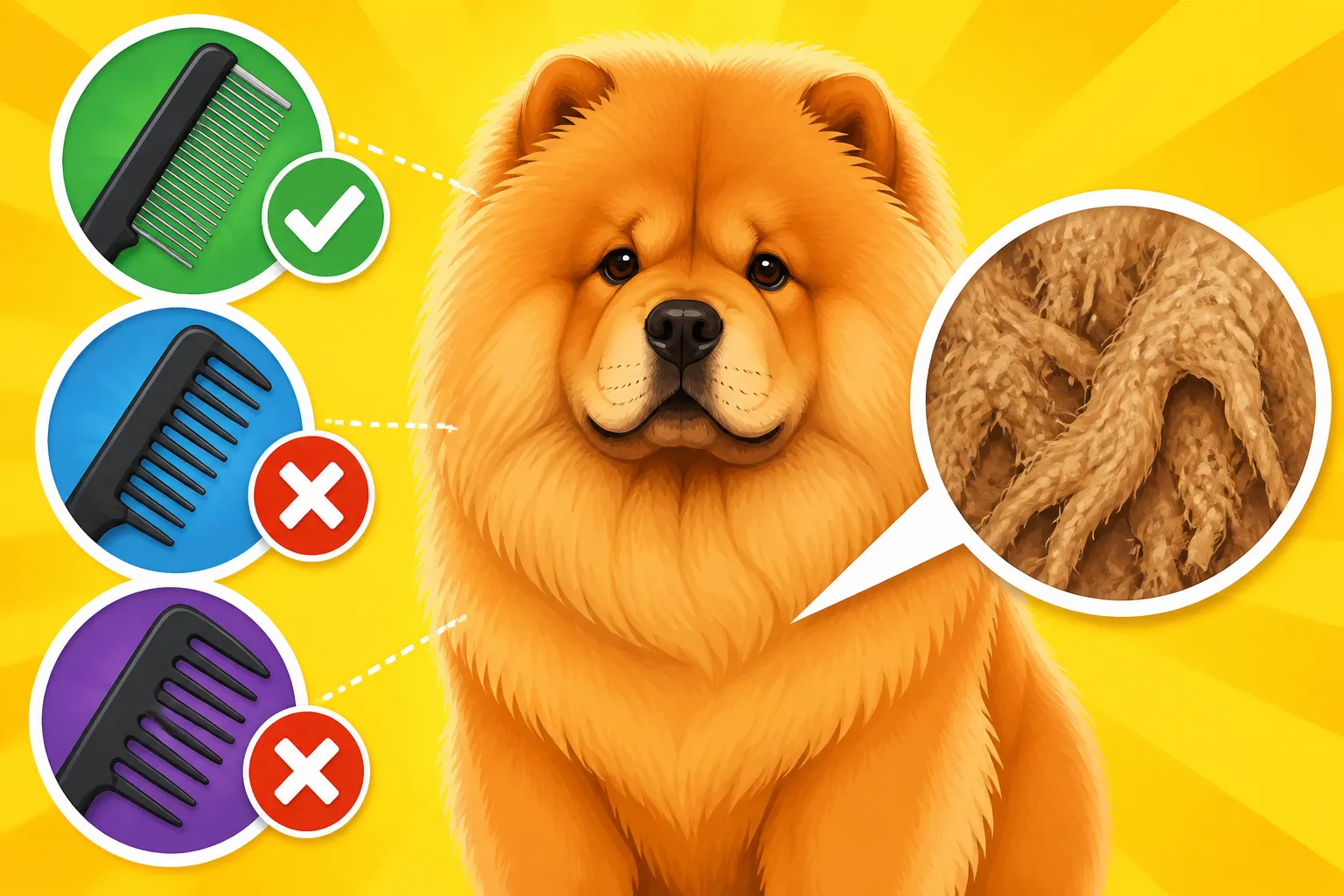
Which Comb Finds a Chow Chow’s Mats
Anyone who has ever lived with a majestic Chow Chow knows the sheer beauty, and sometimes, the sheer challenge, of their incredible coats. Those glorious lion-like manes and dense double coats are a sight to behold, but they come with a secret weapon for mischief: mats that hide deep within, making grooming a frustrating game of hide-and-seek. This guide will walk you through exactly which comb is your best ally in finding those elusive tangles and how to use it effectively, saving you stress and your Chow Chow discomfort.
The Unique Challenge of a Chow Chow's Coat
Chow Chows are simply stunning, aren't they? That plush, dense coat is one of their most defining features, whether you have a rough-coated lion or a smooth-coated teddy bear. But beneath all that fluff lies a formidable grooming challenge. It's not just about brushing the top; it's about navigating layers of hair that love to intertwine and form stubborn knots.
Why Mats Form So Easily in a Double Coat
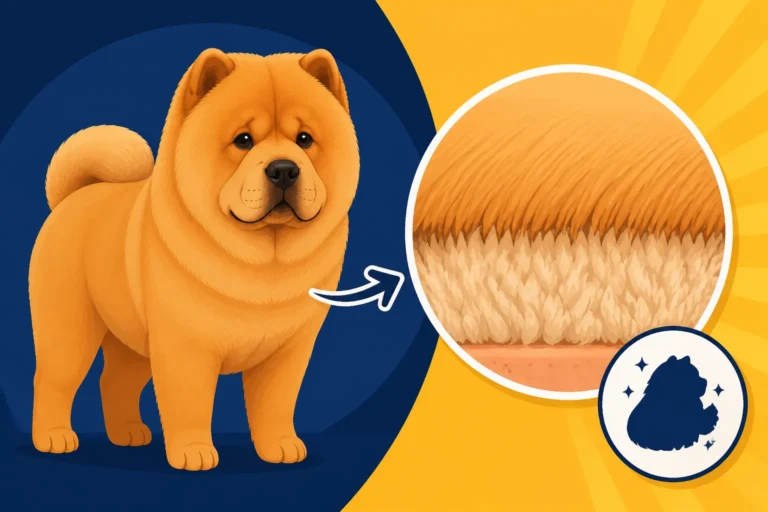
Think about your Chow Chow's coat like a luxurious, two-story house. The top layer, or "guard coat," is coarser, longer, and designed to protect against the elements. It’s the visible beauty, giving your Chow Chow that iconic silhouette. Beneath that, you have the "undercoat"—a dense, soft, woolly layer that acts as insulation, keeping them warm in winter and helping regulate temperature in summer. What a Chow Chow's Double Coat Is Made Of explains this in more detail.
The problem arises when the softer undercoat sheds but doesn't fall out. Instead, it gets trapped by the guard hairs. Picture tiny, fine threads getting caught in a coarser net. Every movement, every roll on the carpet, every scratch behind the ear, causes these trapped hairs to felt together more tightly. Moisture, like rain or a bath, only exacerbates the problem, shrinking and tightening these incipient mats into hard, painful clumps. It's a natural process, but one that requires diligent intervention from us owners.
The Hidden Nature of Chow Chow Mats
One of the most frustrating aspects of grooming a Chow Chow is that mats rarely form on the visible surface. They almost always start deep down, close to the skin, obscured by that magnificent topcoat. You might run your hand over your Chow Chow’s back and feel nothing but soft, flowing fur, completely unaware that a solid mat is brewing underneath. This is particularly true for rough-coated Chows, where the longer outer coat can completely camouflage significant matting. How a Rough Chow Chow Differs From a Smooth outlines the differences, and it’s these differences that influence how and where mats hide.
Because they’re so hidden, these mats can quickly grow from a small tangle to a large, painful patch that pulls at the skin. By the time you see a mat, it often means it's already quite severe and has started to migrate from the skin's surface upwards through the coat. This makes your grooming routine less about aesthetics and more about preventing genuine discomfort and potential skin issues for your beloved companion. Finding them early is key, and that's where the right comb comes into play.
The Right Tools for Unmasking Mats
Having the correct grooming tools for a Chow Chow isn't just a suggestion; it's an absolute necessity. You wouldn't try to build a house with only a hammer, and you shouldn't try to groom a Chow Chow without a full toolkit, especially when it comes to finding those sneaky mats. While brushes do a fantastic job of general shedding and stimulating the skin, a comb is your detective tool for deep-seated tangles.
The Importance of a Good Metal Comb
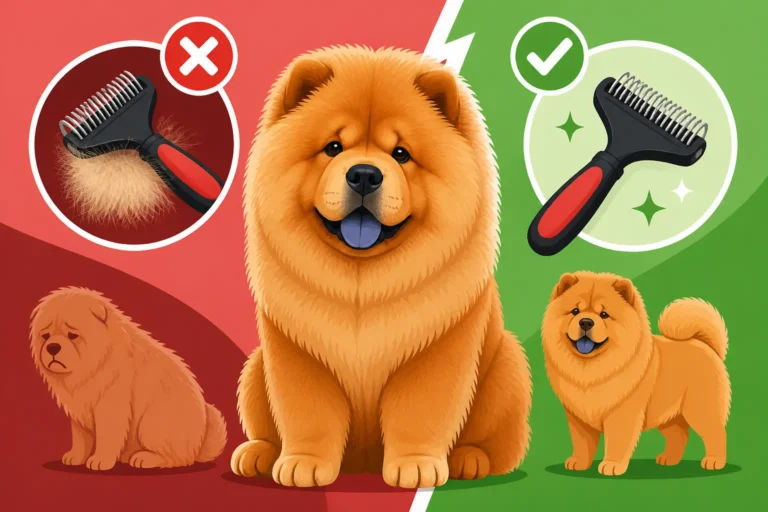
Many new Chow Chow owners make the mistake of relying solely on a slicker brush or an undercoat rake. While these are invaluable for daily maintenance and removing loose undercoat, they often glide over the top of forming mats, especially those that are tight against the skin. This is where a sturdy, metal greyhound comb becomes your absolute hero.
A good metal comb, often referred to as a "greyhound comb" due to its popularity among show dog handlers, has two sections of teeth: one side with wider spacing and one side with finer spacing. The length of the teeth is also crucial—they need to be long enough to reach through the dense topcoat and penetrate all the way to the skin. Plastic combs just won't cut it; they'll snap, bend, or generate static, making the job harder. This metal comb is designed to separate the hair strands, allowing you to feel for resistance that signals a mat. It's the ultimate tool for a thorough inspection after you've done your initial brushing. You can often find these professional-grade combs on sites like Chewy or Amazon.
Different Comb Types and Their Uses
While the metal greyhound comb is primary for finding mats, understanding other comb types can help you address different coat situations.
- Metal Greyhound Comb (Fine/Coarse Teeth): As mentioned, this is your primary detection tool. Use the coarse side first to work through larger sections, then the fine side for meticulous inspection and smaller tangles. It's essential for "line brushing," which we'll discuss shortly.
- Shedding Comb/Rake: These tools, often with rotating teeth, are excellent for getting out loose undercoat. They can help prevent mats by removing the hair before it has a chance to tangle, but they aren't designed to find existing, tight mats deep in the coat. An undercoat rake like the one you'd find on Chewy is great for general maintenance, but it won't replace your metal comb for mat detection.
- Dematting Comb/Tool: These are specialized tools with bladed or hooked teeth. They are designed to cut through mats, not find them. While useful for carefully breaking up smaller, felted areas, they should be used with extreme caution to avoid cutting the skin, which is all too easy to do on a Chow Chow with their deep coats. They are a last resort for small mats you can't work out with a regular comb. Remember, prevention with your metal comb is always better than trying to fix a severe mat with a dematting tool.
Here's a quick comparison of comb types for Chow Chows:
| Comb Type | Primary Function | Best For | How It Helps with Mats | Cautions |
|---|---|---|---|---|
| Metal Greyhound Comb | Mat Detection & Detangling | All-around coat inspection, fine detangling | Finds mats at skin level, gently separates | Can pull if used roughly on large mats |
| Undercoat Rake | Removing Loose Undercoat | General shedding, preventative maintenance | Prevents mats by removing dead hair | Can skip over existing mats |
| Dematting Tool | Cutting Through Mats | Breaking up small, tight, unmanageable mats | Removes mats via cutting | Very easy to cut skin; use with extreme care |
For thorough detection, your metal greyhound comb is paramount. While Which Brush a Chow Chow Needs covers other essential tools, the comb is specifically for getting right down to the skin where mats begin their insidious formation.
Technique: Using the Comb Effectively
Finding mats in a Chow Chow's dense coat isn't just about having the right tool; it's about using it with the right technique. You can't just casually run a comb over the topcoat and expect to find everything. This requires a methodical approach and a keen sense of touch.
Line Brushing and the "Feel" Method
The most effective way to find hidden mats and ensure you're grooming down to the skin is called "line brushing" or "line combing." This technique is a game-changer for double-coated breeds like the Chow Chow, and it’s how professional groomers tackle these coats. How to Line Brush a Chow Chow provides a full tutorial, but here's the comb-specific application:
- Start Small: Don't try to tackle the whole dog at once. Pick a small section, perhaps a leg or a shoulder.
- Part the Hair: Using your non-dominant hand, hold up a section of your Chow Chow's topcoat, exposing a "line" of undercoat and skin beneath.
- Comb the Line: With your metal greyhound comb, start at the skin level of this exposed line and comb outward through the hair. Make sure the teeth are penetrating all the way to the skin.
- Feel for Resistance: As you comb, you'll feel for resistance. If the comb glides smoothly from root to tip, that section is clear. If it snags, you've found a mat.
- Work Methodically: Once a section is clear, drop a small amount of the topcoat over it and repeat the process, working your way across and down the dog, always exposing a new "line" and combing from the skin out.
- Patience is Key: This isn't a race. Take your time. How Long Brushing a Rough Chow Chow Takes will tell you, it's not a quick job! This methodical approach ensures you don't miss any areas, especially those prone to matting. The "feel" method comes from the tactile feedback you get from the comb as it moves through the coat—any snag is a signal.
Remember, your Chow Chow might not love this process at first, especially if they aren't used to it. Positive reinforcement with treats (maybe some from Ollie? No, that's food, not grooming related) and praise, and keeping sessions short and positive, can make a huge difference. You can find high-quality metal combs on online retailers like Amazon, making it easy to get started.
Key Areas Where Mats Hide
Mats don't just appear randomly; they tend to gravitate towards certain high-friction, high-movement areas on a Chow Chow. Knowing these hotspots allows you to be extra vigilant with your comb.
- Behind the Ears: This is probably the number one spot. The constant friction of the ears moving, combined with the fine hair and often more sensitive skin here, makes it a prime matting zone. Always check here first and comb gently.
- Armpits/Leg Pits: The constant rubbing of the legs against the body creates significant friction. Mats here can be particularly uncomfortable because they are in such a mobile area. Lift their legs carefully and comb these sensitive spots.
- Collar Area: If your Chow Chow wears a collar consistently, especially a wide or tight one, the fur underneath can become compressed and matted. Ensure you remove their collar during grooming to thoroughly comb this area.
- "Britches" (Rear Legs): The long, dense fur on the back of a Chow Chow's rear legs, often called their "britches," is another notorious mat zone. Where a Chow Chow Mats First confirms this. This area gets a lot of friction from sitting and walking, and it can collect debris.
- Tail Feathering: While perhaps less critical than areas near the skin, the long hair on the tail can also form mats, particularly if it's thick and drags.
- Around the Face and Under the Chin: Food, water, and general activity can lead to tangles in these areas. Be very gentle when combing here, as their face is sensitive.
By focusing your detailed line-combing efforts on these common matting areas, you dramatically increase your chances of finding and addressing mats before they become severe.
Beyond the Comb: What to Do When You Find a Mat
So, you've done your diligent combing and found a mat. Don't panic! Your reaction and approach here are crucial. The goal is always to remove the mat with the least amount of discomfort and stress for your Chow Chow.
Gentle Dematting Techniques
Once you've identified a mat with your metal comb, your approach depends on its size and tightness. For smaller, looser tangles:
- Isolate the Mat: Gently pull the surrounding hair away from the mat so you can work on it directly.
- Protect the Skin: Crucially, always place your fingers between the mat and your Chow Chow's skin. This creates a barrier, preventing you from pulling directly on their skin as you work the mat. It also allows you to hold the mat by the base, reducing tension.
- Use a Mat Splitter or Your Comb: For slightly larger mats, a mat splitter (a tool with a serrated blade) can be used to carefully cut into the mat, breaking it into smaller sections. Alternatively, you can use the coarse side of your metal comb or even just your fingers to gently tease the mat apart, starting from the outermost edges and working inward, a little bit at a time.
- Work Slowly and Gently: Never yank or pull. This is painful for your Chow Chow and can make them associate grooming with a negative experience. Instead, use short, soft strokes. You can also spray a detangling spray or a light mist of water mixed with conditioner (available on Amazon or Chewy) to help lubricate the hair and make it easier to separate.
- Comb Through: Once the mat is broken into smaller pieces, use the fine side of your metal comb to gently comb through the now-smaller tangles until the comb glides smoothly.
The goal is always to minimize cutting the hair, as this can lead to uneven patches, but sometimes a small snip is necessary. When a Mat Should Be Cut Out of a Chow Chow provides more specific guidance on when cutting is the only option.
When to Seek Professional Help
There are times when a mat is simply too large, too tight, or too close to the skin for you to safely handle at home. This is where a professional groomer, experienced with double-coated breeds like Chow Chows, becomes your best friend.
- Large, Dense Mats: If a mat feels like a solid block, extends over a large area, or pulls the skin significantly, attempting to remove it yourself could cause pain, skin irritation, or even accidental cuts.
- Skin Irritation or Infection: Mats can trap moisture and debris, leading to hot spots, skin infections, or parasites. If you see redness, inflammation, or any oozing under a mat, it's definitely time for a professional.
- Your Chow Chow's Comfort: If your Chow Chow is showing significant distress, fear, or aggression during dematting attempts, stop. Continuing to push them will only worsen their fear of grooming. A professional has specialized tools, techniques, and often a calmer environment to handle such situations.
- Lack of Experience or Time: Dematting can be time-consuming and requires skill. If you're new to grooming or simply don't have the hours it takes, don't feel guilty about calling in a pro. They can safely shave down a severely matted area, giving your Chow Chow a fresh start.
Be prepared that if your Chow Chow has severe matting, a professional groomer may recommend shaving the affected areas or even a full body shave to ensure their comfort and allow their skin to heal. This is not a judgment on your care but a necessary step for the dog's well-being. Why a Groomer Charges More for a Matted Chow Chow also explains the complexities and time involved for groomers dealing with severely matted coats. Regular, diligent use of your metal comb can prevent these stressful and costly situations.
Disclaimer
This article is for general informational purposes only and does not constitute professional advice. Laws, prices and regulations vary by location and change over time. Consult a qualified professional for guidance on your specific situation.