How to Split a Chow Chow’s Grooming Over the Week
Anyone who has ever tried to tackle a full Chow Chow grooming session in one go knows it can feel like an Olympic sport. You’re wrestling with dense fur, navigating protests, and wondering if you’ll ever see the bottom of that undercoat. The secret to keeping your Chow Chow looking magnificent and feeling comfortable, without burning out, is to break down the daunting task into manageable, weekly chunks.
Understanding the Chow Chow Coat's Demands
Before we dive into the "how-to," let's just acknowledge the beast we're dealing with. The Chow Chow's coat isn't just fur; it's a masterpiece of nature, designed for extreme cold, but also a significant commitment for us owners. It's perfectly normal to feel overwhelmed by it – you're not alone!
The Double Coat's Role and Challenges
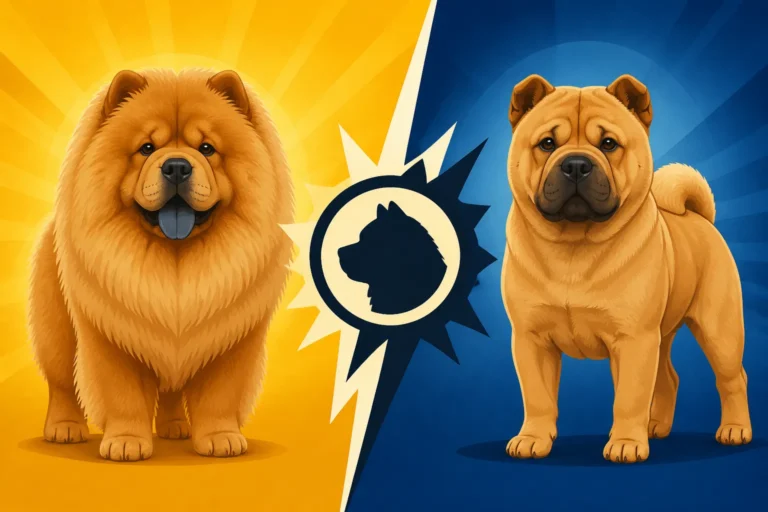
Your Chow Chow is rocking what's called a double coat, and it's truly a marvel. There's the harsh, straight outer coat that acts as a protective shield against the elements, shedding water and debris. Beneath that, lies the incredibly dense, soft, woolly undercoat, which is a fantastic insulator, keeping them warm in winter. This undercoat is what gives them that signature "fluffy cloud" look and provides much of their bulk. But let's be real, it's also the source of most grooming headaches.
The sheer volume of this undercoat means it can trap loose hair, dirt, and moisture if not regularly tended to. This isn't just about aesthetics; it's crucial for their health. Imagine trying to wear a wool sweater that's matted and tangled – that's what a neglected undercoat feels like for your Chow Chow. It prevents air circulation, leading to skin irritation, hot spots, and even infections underneath the matting. Plus, all that dense fur means they can get incredibly hot, especially in warmer climates, so keeping it clean and free of dead undercoat helps with temperature regulation. You might think about Why a Chow Chow's Double Coat Traps Heat in relation to this.
Why Regular, Thorough Grooming Isn't Optional
For many breeds, grooming is a nice-to-have, a way to keep them looking tidy. For a Chow Chow, it's absolutely non-negotiable, a fundamental part of their care. Neglecting their coat can lead to serious health issues, not just cosmetic ones. Mats, especially those that form close to the skin, can pull and tug, causing significant pain and discomfort, making your Chow Chow dread future grooming sessions even more. These mats can also hide skin problems, parasites, or injuries that you might not discover until they've become severe.
Beyond the physical discomfort, a poorly maintained coat can affect their overall well-being. A Chow Chow relies on their coat for insulation and protection, but when it's matted, it ceases to function correctly. It can lead to overheating in summer and offer less protection in winter due to compacted fur. It's a tricky balance, but one we owe our Chows to maintain. That's why breaking it down into smaller, more manageable tasks throughout the week is so vital. It transforms a monumental chore into a series of small, achievable victories, both for you and your stoic companion.
Strategizing Your Weekly Grooming Schedule
Okay, so we know the why. Now for the how. The key here is consistency, not intensity. Instead of one massive, soul-crushing session, we're aiming for little bits of care that add up to a well-maintained Chow Chow. Think of it as chipping away at a mountain, rather than trying to move it all at once.
Daily Quick Checks and Spot Grooming
This is your first line of defense! Every single day, take five to ten minutes to do some quick maintenance. This isn't about deep brushing, but rather preventing small problems from becoming big ones.
First, focus on their face. Those adorable wrinkles and deep-set eyes are characteristic, but they also require attention. Use a soft, damp cloth to gently wipe around their eyes and in their facial folds. This removes tear stains, food debris, and moisture that can accumulate and lead to irritation or infection. This is part of Why a Chow Chow's Face Folds Need Wiping. You'll be amazed how quickly gunk can build up there. Second, give them a quick pat-down and run your hands through their fur, especially in areas prone to matting like behind the ears, under the collar, and in their "britches" (the fur on their hindquarters). If you feel a small tangle starting, gently work it out with your fingers or a wide-toothed comb right then and there. A little proactive attention now can save you a much bigger headache later. You can also quickly check their paws for any debris or irritants picked up during walks.
Mid-Week Maintenance Sessions
These are your slightly longer, more focused sessions, ideally two or three times a week, lasting about 20-30 minutes each. These sessions are where you start tackling the undercoat and preventing serious matting.
Grab your slicker brush and your undercoat rake. Focus on one section of your Chow Chow's body at a time. A great technique is "line brushing," where you part the fur and brush from the skin outwards, working in small sections. Start with one side of their body, then move to the other. Pay particular attention to the areas we mentioned earlier: behind the ears, armpits, flanks, and hindquarters. These are the mat magnets. The goal here is to get down to the skin, removing loose undercoat and preventing it from tangling. Don't forget their magnificent ruff and mane – those areas can hide a surprising amount of loose hair. A good undercoat rake, easily found on Amazon or Chewy, is truly your best friend here. While you might be tempted to just brush the topcoat, remember that Brushing a Chow Chow's Mane Down to the Skin is essential for preventing painful mats and skin issues. These mid-week sessions are also a great time to introduce your Chow Chow to being handled in various ways, helping to desensitize them to grooming tools and make the process more pleasant for everyone.
The Weekend Deep Dive
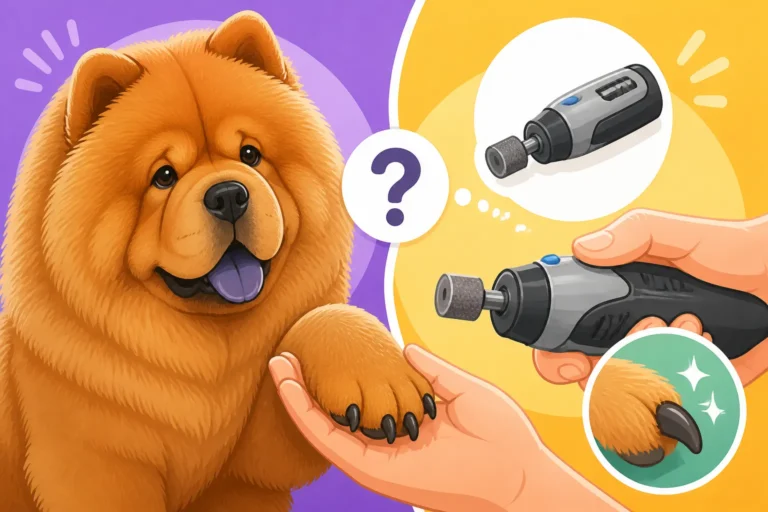
Once a week, usually on the weekend when you have more time, is for the thorough grooming session. This is where you bring out the big guns: a full bath, complete line brushing, and nail care.
Start with brushing before the bath. You must brush out any mats or loose undercoat before getting your Chow Chow wet. Water will only tighten mats, making them incredibly difficult, if not impossible, to remove without resorting to shaving. Use your slicker brush and undercoat rake diligently, ensuring you can run a fine-toothed metal comb through their coat from skin to tip with no snags. Once they're mat-free, it's bath time. Use a good quality dog shampoo specifically designed for thick coats. Getting water all the way through a Chow Chow's dense fur can be a challenge; really work that shampoo in, focusing on rinsing thoroughly to avoid skin irritation. How to Get Water Through a Chow Chow's Undercoat is a challenge many owners face.
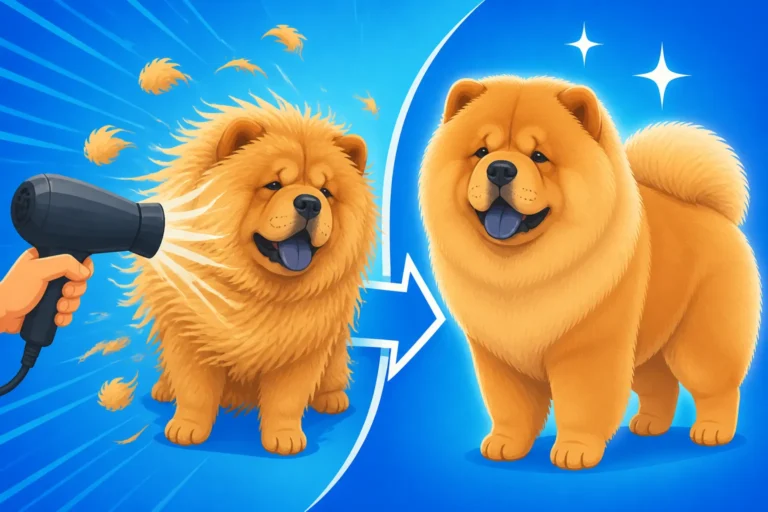
After the bath, drying is perhaps the most critical step. A high-velocity dryer is a game-changer here, as it forces water out of the undercoat, helping to prevent mildew and hot spots, and reduces drying time significantly. Towel drying alone simply won't get them dry to the skin. Once they are thoroughly dry, finish with another full line-brushing session, ensuring every strand is smooth and tangle-free. This is also the time for nail trims and checking their ears. This full session might take a couple of hours, but by splitting the other tasks throughout the week, it won't feel as overwhelming. Many professional groomers use a technique that gets How Long Home Grooming a Chow Chow Takes Weekly down to a science by doing a little bit every day.
Essential Tools for a Divided Grooming Approach
Having the right tools is like having the right recipe for a delicious meal – absolutely essential for success. Trying to groom a Chow Chow with inadequate brushes is like trying to comb out a dreadlock with a fine-toothed comb; it's going to be frustrating for both of you, and potentially painful for your Chow.
Brushes, Combs, and Rakes
You're going to need a small arsenal here, but they are worth the investment. Think of these as your primary weapons in the battle against mats and shedding.
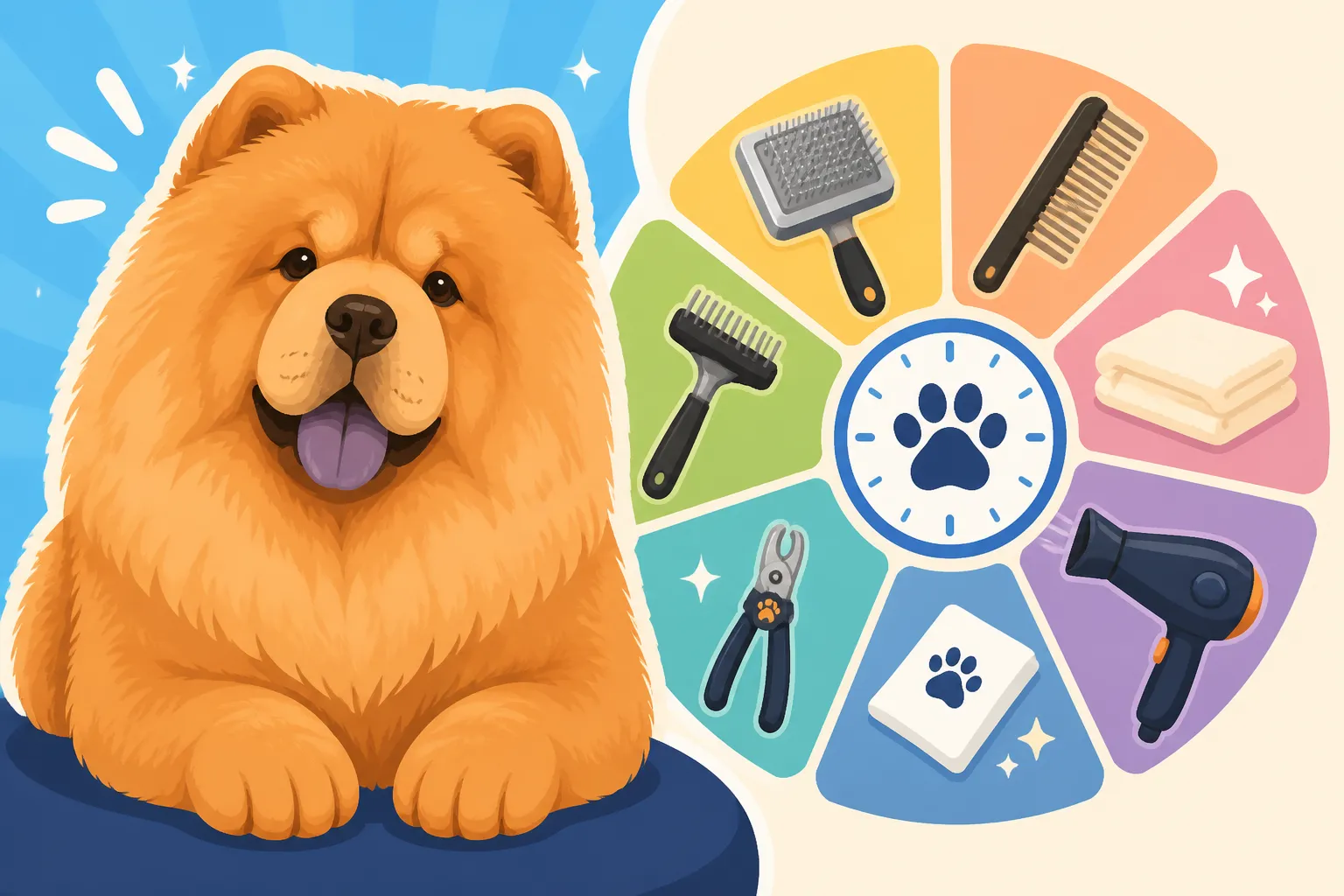
- Slicker Brush: This brush has fine, short wires packed closely together on a flat or slightly curved surface. It’s fantastic for removing loose hair from the topcoat and working through minor tangles. Always use it gently, especially around sensitive areas.
- Pin Brush: This brush has widely spaced metal or plastic pins with rounded ends. It’s great for the longer guard hairs and for a final fluffing, but it won’t get down to the undercoat effectively on its own.
- Undercoat Rake: This is arguably the most important tool for a Chow Chow owner. It has a single or double row of widely spaced teeth that are designed to penetrate the dense topcoat and grab the loose undercoat without damaging the healthy outer hair. What an Undercoat Rake for a Chow Chow Costs is minimal compared to the vet bills for matted skin. Using it correctly, in gentle, raking motions, will pull out an astonishing amount of dead fur, especially during their biannual "coat blows."
- Metal Comb (Fine and Wide-Toothed): A sturdy metal comb with both wide and fine teeth is crucial for checking your work. Use the wide-toothed end to initially part the fur and search for tangles, and the fine-toothed end to confirm that you’ve thoroughly brushed out a section. If the fine-toothed end glides through from skin to tip, you're golden. Brands like Chris Christensen or Safari offer excellent quality combs that you can often find on Amazon or Chewy.
Grooming Aids and Safety Gear
These are the supporting cast that make the main event smoother and safer.
- High-Velocity Dryer: As mentioned earlier, this is a non-negotiable for bathing a Chow Chow. It dramatically cuts down drying time, prevents skin issues, and helps blast out loose undercoat. It’s a significant upfront investment but pays for itself in time saved and healthier skin.
- Shampoo and Conditioner: Look for professional-grade dog shampoos and conditioners designed for thick, double coats. These will help cleanse thoroughly without stripping natural oils and add moisture back to the coat, making it easier to comb. Brands like Earthbath or Bio-Groom offer products suitable for dense coats.
- Grooming Table: A stable grooming table, even a small, portable one, can make a world of difference. It elevates your Chow Chow to a comfortable working height, saving your back and making it easier to access all parts of their body. It also signals to your Chow Chow that it's "grooming time" and can help them settle into the routine.
- Muzzle: For some Chow Chows, especially those who are sensitive about certain areas or have had negative grooming experiences, a well-fitting basket muzzle can be a vital safety tool. It's not about punishment but about preventing bites while you perform necessary care. Whether a Chow Chow Should Be Muzzle Trained Early is a topic worth exploring for proactive owners. Teach them to associate it with positive experiences.
- Treats: High-value treats are your secret weapon for positive reinforcement. Make grooming a rewarding experience, not a battle. Reward calm behavior, tolerance of tools, and standing still. Ollie's fresh food treats are often highly motivating for even the most discerning Chows.
Troubleshooting Common Grooming Challenges
Even with the best intentions and the most meticulous schedule, Chow Chows can still present some unique grooming challenges. They are a dignified breed, and sometimes that dignity translates to a firm "no, thank you" when it comes to being brushed!
Tackling Mats and Tangles Proactively
The single biggest piece of advice here is: never let a small mat become a big mat. It's truly heartbreaking to see a Chow Chow come into rescue with extensive matting, often requiring a complete shave-down because the mats are too painful to remove otherwise. During your daily spot checks and mid-week sessions, if you find a tangle, address it immediately.
For small, loose tangles, spray a detangling spray or a light coat conditioner on the area. Then, gently work through it with your fingers, followed by the wide-toothed comb, working from the ends of the hair towards the skin. Never pull! If the mat is tighter, you might need a mat splitter, a tool specifically designed to cut through mats without cutting the surrounding healthy hair. Always be extremely careful when using any sharp tool near their skin. If you encounter a mat that feels hard, dense, and close to the skin, especially in sensitive areas like the armpits or behind the ears, it’s often best to stop. Trying to cut out a deeply embedded mat with scissors at home is risky and can easily lead to accidental cuts. Remember, Whether Mats Hurt a Chow Chow is a resounding yes; they pull on the skin constantly.
Encouraging Cooperation Through Positive Reinforcement
Chow Chows are intelligent and sensitive, and they respond far better to cooperation than coercion. Forceful grooming will only make them more resistant and wary. The goal is to make grooming a positive, or at least neutral, experience.
Start early with puppies, introducing tools gently and briefly. Let them sniff the brush, give them a treat. Touch them with the brush, give them a treat. Gradually increase the duration and intensity. For adult Chow Chows who are already resistant, break grooming sessions down into even smaller chunks. Maybe today, you only brush one leg for two minutes, and that's it. High-value treats (like small pieces of cooked chicken or a favorite chew) are your best friends. Reward calm behavior, standing still, and any tolerance they show. Pair the sight of the grooming tools with something positive. Praise them constantly in a calm, soothing voice. If they become stressed, stop, give them a break, and try again later or the next day. Why a Chow Chow Resists the Brush is often due to discomfort or past negative experiences, so patience and positive associations are key. Consistency here isn't just about the frequency of grooming, but also the consistency of positive reinforcement.
Knowing When to Call in the Professionals
There's no shame in admitting you need help! Some Chow Chows simply do not tolerate home grooming, or their coat demands are beyond what you can comfortably manage.
If your Chow Chow is heavily matted, if you're consistently battling them during grooming, or if you're just not confident in your abilities, find a professional groomer who has experience with Chow Chows. They have specialized tools, techniques, and often a calmer, more objective approach. Be upfront with the groomer about your Chow Chow's temperament and any problem areas. A good groomer will also be able to advise you on how to best manage their coat between professional visits. During The Twice a Year a Chow Chow Blows Its Coat, a professional groomer can be invaluable in quickly and effectively removing the vast amounts of shedding undercoat, making the rest of the year’s maintenance much easier for you. Don't let pride get in the way of your Chow Chow's comfort and health. Sometimes, a professional touch is exactly what's needed.
Disclaimer
This article is for general informational purposes only and does not constitute professional advice. Laws, prices and regulations vary by location and change over time. Consult a qualified professional for guidance on your specific situation.