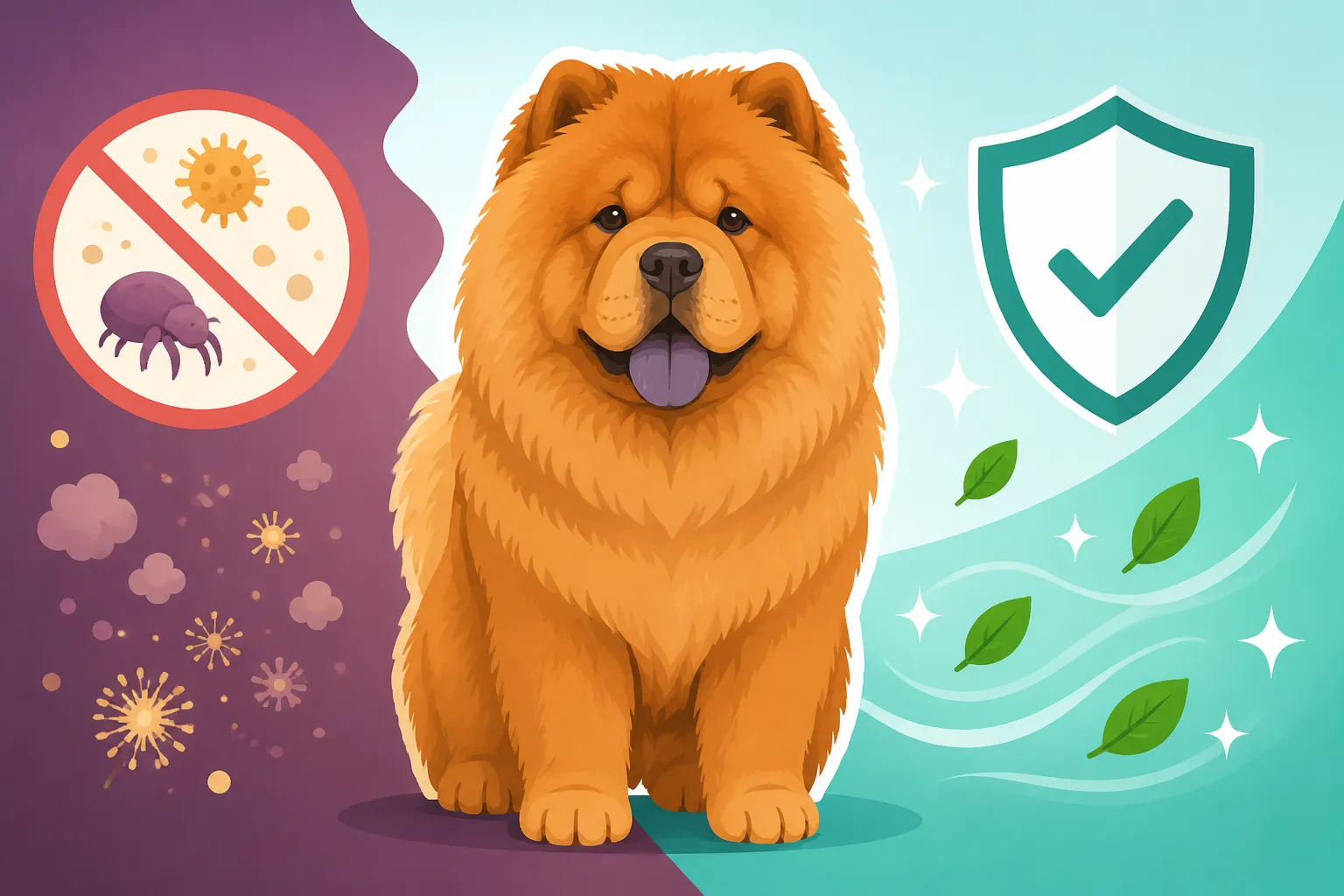
Whether a Chow Chow Is Hypoallergenic
It’s a common misconception that some dog breeds are completely free from causing allergies, and many people wonder if the majestic Chow Chow, with its luxurious coat, might fall into that category. Sadly, if you're an allergy sufferer hoping a Chow Chow might be your answer to a sneeze-free existence, I have to be the bearer of news that might make your nose twitch just thinking about it: Chow Chows are, unfortunately, far from hypoallergenic. This guide will dive deep into why that is, and what it truly means for those of us living with or considering one of these beautiful, but allergy-aggravating, companions.
Understanding What "Hypoallergenic" Really Means
Let's clear up a common misunderstanding right off the bat. When people talk about "hypoallergenic" dogs, they often think it means dogs that don't shed. While shedding can certainly spread allergens around your home, the hair itself isn't usually the primary culprit. It's much more nuanced than that.
It's Not About the Hair, It's About the Dander
The real troublemakers for most dog allergy sufferers are proteins found in a dog's dander (tiny flakes of dead skin), saliva, and urine. These microscopic particles contain the allergens, and when a dog sheds hair, grooms itself, or even urinates, these proteins are released into the environment. The hair merely acts as a vehicle, trapping these allergens and then shedding them throughout your home, sticking to furniture, clothes, and circulating in the air. So, even a dog with very short hair can still cause significant allergic reactions if it produces a lot of dander or licks itself frequently.
No Dog is Truly 100% Hypoallergenic
It's important to understand that no dog is ever truly 100% hypoallergenic. The term "hypoallergenic" simply means "less allergenic," implying a reduced likelihood of causing an allergic reaction. Breeds often labeled as hypoallergenic, like Poodles or Portuguese Water Dogs, tend to shed less and therefore release fewer dander-laden hairs into their surroundings. However, they still produce dander and saliva, so a highly sensitive individual might still react to them. It's all about reducing the amount of allergens in the environment, not eliminating them entirely.
Why Chow Chows Are Not Hypoallergenic
Now that we understand the true nature of pet allergies, it becomes clear why the Chow Chow, despite its dignified appearance, is a challenge for allergy sufferers. Their physical characteristics are practically a blueprint for spreading allergens far and wide.
The Double Coat and Heavy Shedding
The Chow Chow is famous for its dense, magnificent double coat, which is truly a sight to behold. This coat consists of two layers: a soft, woolly undercoat for insulation and a coarser, straight outer coat that gives them their distinctive "lion's mane" appearance. While stunning, this double coat is a major factor in their non-hypoallergenic status. They shed, and they shed a lot.
Throughout the year, Chow Chows shed a moderate amount of hair, but twice a year, they experience what's known as a "coat blow." During these periods, which can last for several weeks, they shed their entire undercoat in preparation for seasonal temperature changes. This means an astonishing amount of loose fur and dander is released into your home, clinging to everything imaginable. Imagine tumbleweeds of Chow Chow fur rolling across your floor – it's a reality many Chow Chow owners know well. All this shedding means a constant release of dander into the air and onto surfaces, making it incredibly difficult for allergy sufferers to find relief. This is why brushing a Chow Chow's mane down to the skin is so critical, and why you might want to look into Rough or Smooth: the Two Chow Chow Coats and What Each Needs.
Dander Production and Saliva
Beyond the sheer volume of shedding hair, Chow Chows, like all dogs, naturally produce dander. Their skin is constantly renewing itself, and those tiny flakes are loaded with the proteins that trigger allergic reactions. Their dense coat can also trap more dander close to their skin, which is then released when they move, scratch, or are groomed.
Furthermore, Chow Chows slobber and lick like other dogs. Their saliva contains allergenic proteins that transfer to their fur when they groom themselves, to your hands when you pet them, and to surfaces they lick. If a Chow Chow licks a child's hand, and the child then touches their face or eyes, an allergic reaction can easily be triggered. Even if you manage to keep shedding hair to a minimum, the dander and saliva production remains, making them unsuitable for those with moderate to severe dog allergies. You might find yourself wondering whether a Chow Chow smells, and while proper grooming helps, the underlying allergen production is always there.
Managing Allergies When Living with a Chow Chow (or any dog)
Okay, so we've established that Chow Chows are not hypoallergenic. But what if you already have one and are struggling with allergies, or you simply adore the breed and want to explore all possible avenues to make it work? While it will never be a "hypoallergenic" solution, there are definite steps you can take to significantly reduce the allergen load in your home. It requires dedication, consistency, and sometimes, a little extra investment.
Grooming is Your First Line of Defense
This is perhaps the single most impactful thing you can do. Regular, thorough grooming minimizes the amount of loose hair and dander circulating in your home.
- Frequent Brushing: You should be brushing your Chow Chow at least 2-3 times a week, and daily during those dreaded "coat blow" seasons. Use an undercoat rake and a slicker brush designed for double coats. The goal is to remove as much loose hair and dander as possible before it falls out in your house. Many owners find it helpful to brush their Chow Chow outdoors if weather permits, or in an easily cleaned area. Remember that Brushing a Chow Chow's Mane Down to the Skin is crucial. You can find excellent brushes and rakes on platforms like Chewy or Amazon.
- Regular Bathing: While you don't want to over-bathe and strip their skin of natural oils, regular baths (every 4-6 weeks, or as recommended by your vet or groomer) can significantly reduce dander. Ensure you use a high-quality dog shampoo and rinse thoroughly. The drying process is critical; you must dry them completely to the skin to prevent skin issues and ensure all dander is removed. A high-velocity dryer is a game-changer here, helping to blast out loose undercoat. Bathing and Drying a Chow Chow's Dense Coat is a serious undertaking!
- Professional Grooming: Consider professional grooming every 6-8 weeks, especially if you struggle with home grooming or during heavy shedding periods. Professional groomers have the tools and expertise to thoroughly de-shed and dry your Chow Chow, which can make a huge difference in allergen levels. Finding a groomer who is experienced and comfortable with Chow Chows is key; some may charge a handling fee due to their temperament and coat density. You can also explore Finding a Groomer Who Will Take a Chow Chow.
Environmental Control at Home
Beyond grooming your dog, managing your home environment is vital for reducing allergen exposure.
- Vacuuming and Cleaning: Invest in a good quality vacuum cleaner with a HEPA filter and vacuum frequently – ideally daily or every other day. Hard floors are easier to clean than carpets. If you have carpets, steam clean them regularly. Wipe down surfaces with a damp cloth to pick up settled dander. Consider dedicating one vacuum solely for pet hair, like some of the robust models available on Amazon.
- Air Purification: High-efficiency particulate air (HEPA) filters in your vacuum and standalone air purifiers can trap airborne allergens. Place air purifiers in rooms where your Chow Chow spends the most time, especially in your bedroom.
- Designate Allergy-Free Zones: If possible, establish certain areas of your home as "dog-free zones," particularly your bedroom. This gives allergy sufferers a sanctuary where allergen levels are significantly lower. Keep the bedroom door closed and use an air purifier in that room.
- Wash Pet Bedding Frequently: Your Chow Chow's bed is a major collection point for dander and hair. Wash all pet bedding in hot water at least once a week.
- Consider Washable Covers: Use washable slipcovers on furniture where your Chow Chow likes to relax. This makes cleaning much easier.
Personal Care and Considerations
Your own habits can also play a role in managing your allergic reactions.
- Hand Washing: Always wash your hands thoroughly with soap and water after petting, grooming, or playing with your Chow Chow. Avoid touching your face or eyes until you've washed your hands.
- Allergy Medication: Consult with your doctor or an allergist. They might recommend antihistamines, nasal sprays, or even allergy shots (immunotherapy) to help manage your symptoms.
- Discuss with Family: If multiple family members live with the Chow Chow, ensure everyone understands the importance of these cleaning and grooming routines to minimize allergens for the affected individual.
What to Consider If You Have Severe Allergies
For individuals with severe dog allergies, even the most rigorous cleaning and grooming routines might not be enough to live comfortably with a Chow Chow. In these situations, difficult choices sometimes have to be made, but there are ways to approach them thoughtfully.
Testing Your Reaction Before Committing
If you’re considering bringing a Chow Chow into your home, but you know you have allergies, it's absolutely crucial to spend significant time interacting with Chow Chows before making that commitment. Visit breeders or rescues and spend an hour or more in an environment with adult Chow Chows. See if your allergies flare up. Remember, a puppy's allergen production can be different from an adult dog's, so try to expose yourself to adult Chows if possible. What a Chow Chow breeder should have tested includes more than just health; it should also involve a realistic discussion of the breed's characteristics.
If you react strongly, it's a clear sign that a Chow Chow might not be the right fit, and it's better to know this upfront than to bring a dog into your home only to find you can't live with the symptoms. Rehoming a beloved pet is heartbreaking for everyone involved.
Exploring Other Breeds
If your allergies truly prevent you from comfortably living with a Chow Chow, it's wise to explore other breeds that are generally considered more "allergy-friendly." These breeds typically have hair that grows continuously rather than shedding in cycles, or they have single coats that produce less dander.
Here are a few examples of breeds often recommended for allergy sufferers:
- Poodle (Standard, Miniature, Toy): Known for their curly, non-shedding coat.
- Portuguese Water Dog: A robust, active breed with a single, wavy or curly coat that sheds minimally.
- Bichon Frise: Small, cheerful, with a fluffy, low-shedding coat.
- Schnauzer (Miniature, Standard, Giant): Their wiry coat requires regular stripping or clipping, but they are low-shedders.
- Irish Water Spaniel: A large, distinctive breed with a curly, water-repellent coat.
While these breeds still produce dander, their coat types generally trap allergens better and release fewer into the environment, making them a much better choice for many allergy sufferers than a double-coated breed like the Chow Chow. For those interested in breed characteristics beyond coat type, you might be curious about How Much Exercise a Chow Chow Actually Needs or How Long a Chow Chow Lives on Average when comparing different breeds.
Here’s a quick comparison of the Chow Chow versus some typically low-allergen breeds:
| Feature | Chow Chow | Poodle (Standard) | Bichon Frise | Portuguese Water Dog |
|---|---|---|---|---|
| Coat Type | Double coat (rough or smooth) | Single, curly coat | Double, curly coat | Single, wavy or curly coat |
| Shedding Level | Heavy, especially during "blows" | Very low (hair grows out) | Very low (hair grows out) | Low (hair grows out) |
| Dander Production | Moderate to High | Low to Moderate | Low to Moderate | Low to Moderate |
| Grooming Needs | High (frequent brushing, baths) | High (regular clipping) | High (daily brushing, clipping) | High (regular clipping) |
| Allergy Friendliness | Not recommended | Generally recommended | Generally recommended | Generally recommended |
This comparison makes it clear that while a Chow Chow brings immense joy and companionship, it's crucial to be realistic about its suitability if allergies are a concern.
Disclaimer
This article is for general informational purposes only and does not constitute professional advice. Laws, prices and regulations vary by location and change over time. Consult a qualified professional for guidance on your specific situation.