Whether a Groomer Should Ever Shave a Chow Chow
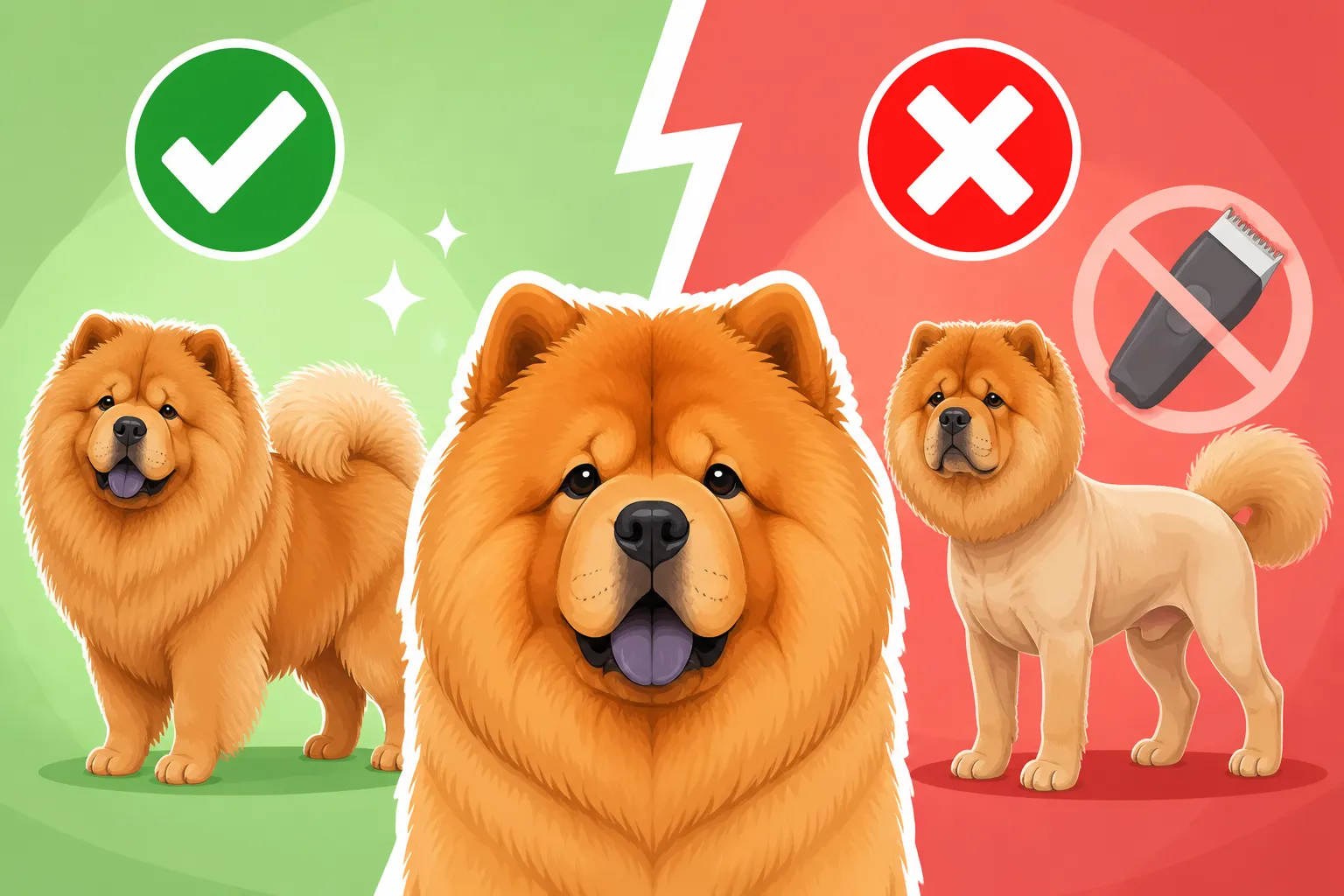
It's a really common dilemma for Chow Chow owners, especially when the warmer months roll around or when dealing with a heavily matted coat: should you just shave your furry friend down? The instinct to make them "cooler" or solve a tangled mess quickly is understandable, but for a Chow Chow, a quick shave is rarely the best solution and can actually cause more problems than it solves. This guide will dive deep into why shaving a Chow Chow is generally a big no-no, when it might be considered, and what far better alternatives exist to keep your lion dog healthy and comfortable.
The Chow Chow's Double Coat: A Masterpiece of Nature
Let's start with what makes a Chow Chow's coat so unique. It's not just hair; it's a sophisticated system designed by nature to protect them in various climates. Understanding this natural design is key to understanding why shaving it off can be so detrimental.
Understanding the Outer Coat and Undercoat
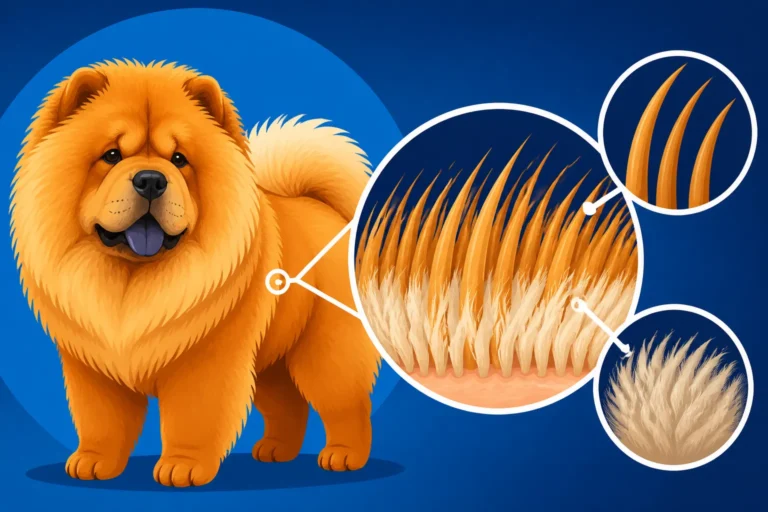
Every Chow Chow, whether they have the striking "rough" coat or the slightly shorter "smooth" coat, possesses a double layer of fur. Think of it like a highly engineered winter jacket with a built-in air conditioning system.
The outer coat, often called the guard coat, is made up of longer, coarser hairs. These hairs are designed to be relatively stiff and water-repellent, forming a protective barrier against external elements like rain, snow, dirt, and even harsh sunlight. This is the coat that gives the rough Chow Chow its majestic, lion-like mane and the smooth Chow Chow its plush, velvety appearance. These guard hairs act like tiny umbrellas and offer crucial protection from environmental stressors. You can learn more about the differences in Rough or Smooth: the Two Chow Chow Coats and What Each Needs.
Beneath this protective outer layer lies the undercoat. This is the soft, dense, woolly layer that provides the primary insulation. In colder weather, it traps warm air close to the body, keeping your Chow Chow toasty. In warmer weather, it acts as a barrier against heat, and when properly maintained, it allows air to circulate against the skin, helping to cool them down. This undercoat is truly remarkable, adapting to the seasons by thickening in winter and shedding heavily in spring and summer – a process commonly known as "blowing coat."
How the Double Coat Regulates Temperature
Many people mistakenly believe that a thick coat makes a dog hotter, and therefore, shaving it off will cool them down. With a Chow Chow, this couldn't be further from the truth. Their double coat is an essential part of their natural thermoregulation system.
During cold months, the dense undercoat and protective guard hairs work together to keep the dog warm, much like human insulation in a house. The air trapped between the layers provides an insulating buffer against the cold. When spring arrives and the temperatures start to rise, your Chow Chow will begin to shed this dense undercoat. If the coat is healthy and well-maintained through regular brushing, this shedding process allows the remaining undercoat to become thinner and fluffier. This thinner undercoat, along with the standing guard hairs, creates an air-cooled space next to the skin. It allows air to flow through, dissipating body heat, while the outer coat continues to reflect the sun's harsh rays, preventing sunburn and overheating. It's a natural, ingenious system for maintaining a stable body temperature in fluctuating climates. This is why proper grooming, like Brushing a Chow Chow's Mane Down to the Skin, is so critical.
Why Shaving a Chow Chow is Generally Not Recommended
Given the intricate design of their double coat, it's clear why simply shaving it off can disrupt their natural defenses and lead to a host of problems. This isn't just a stylistic choice; it's a matter of health and comfort for your Chow Chow.
Risk of Coat Damage and Poor Regrowth
One of the most significant concerns with shaving a Chow Chow is the potential for irreversible coat damage. When you shave a double-coated breed, especially with clippers, you cut both the guard hairs and the undercoat to the same, very short length. The problem is, these two types of hair grow back at different rates and with different textures.
The soft, woolly undercoat often grows back much faster and thicker than the coarser guard hairs. This can lead to a condition sometimes referred to as "clipper alopecia" or "post-clipping alopecia," where the coat simply doesn't grow back correctly. You might end up with a coat that is patchy, uneven, and feels significantly different – often much softer and more cotton-like. This new, altered texture can be prone to matting even more easily than before, creating a cycle of needing to shave again. Furthermore, the absence of the longer guard hairs means the undercoat is exposed and much more susceptible to damage and breakage. In some cases, parts of the coat might not grow back at all, leaving permanent bald patches. This is a primary reason Why a Chow Chow Must Never Be Shaved.
Increased Risk of Sunburn and Skin Issues
The outer coat of a Chow Chow acts as a natural sunscreen. Those long, sturdy guard hairs reflect UV rays, protecting the delicate skin beneath from sun damage. When you shave them down to the skin, you remove this crucial protective layer.
Suddenly, their skin is exposed to direct sunlight, making them highly susceptible to sunburn. Just like humans, dogs can get painful sunburns, which can lead to discomfort, peeling, and in severe cases, increase their risk of skin cancer. Beyond sunburn, the exposed skin is also more vulnerable to insect bites, scratches, and other environmental irritants. The protective barrier is gone, leaving them defenseless against things their coat was designed to ward off. This can lead to itching, rashes, and secondary skin infections, which are far more uncomfortable than a well-maintained, thick coat.
Compromised Temperature Regulation
This is perhaps the biggest misconception. People shave their Chow Chows thinking they're doing them a favor by helping them stay cool. In reality, shaving removes their built-in cooling system.
As we discussed, the double coat, when healthy and properly brushed, creates an insulating layer of air. This air pocket helps to keep heat out in the summer and in during the winter. When you shave off this coat, you eliminate that insulating layer. The direct sun exposure heats their skin rapidly, and without the air circulation provided by the structured coat, they actually have a harder time cooling down. It's like removing the insulation from your house in the summer – the heat just blasts right in. Instead of feeling cooler, your Chow Chow may actually become more prone to overheating because their natural defense mechanism has been compromised. This is a critical point to remember, especially for a breed already sensitive to heat. You can explore this further in Why a Chow Chow's Double Coat Traps Heat.
When a Groomer Might Consider Shaving a Chow Chow (and the Nuances)
While shaving a Chow Chow is generally discouraged for the reasons mentioned, there are a few rare circumstances where it might be considered necessary, albeit with significant caveats and understanding of the potential risks.
Severe Matting Beyond Salvage
This is by far the most common reason a groomer might recommend shaving a Chow Chow. If a Chow Chow's coat has been neglected to the point where it is severely matted, knotting tightly against the skin, brushing is no longer an option. Mats pull on the skin, causing pain, restricting movement, and creating a breeding ground for skin infections, parasites, and hot spots because air cannot circulate and moisture gets trapped.
In such extreme cases, it becomes a welfare issue. A responsible groomer will explain that the only humane option is to shave the dog down. This is not a cosmetic shave but a necessary one to relieve pain and prevent further health complications. The groomer will use appropriate clippers and blades to get under the mats safely, which is a painstaking and often lengthy process. It's crucial for owners to understand that even after shaving, the skin underneath may be irritated, bruised, or have hidden sores due to the matting. The regrowth process will also be challenging, and owners will need to commit to a rigorous grooming schedule to prevent future matting. This scenario highlights why it's so important to prevent matting in the first place, or address it early, as discussed in When a Mat Should Be Cut Out of a Chow Chow.
Medical Necessity
Another situation where shaving might be necessary is for medical reasons. If a Chow Chow has a severe skin condition that requires topical treatment, diagnostic testing, or constant access to the skin, a veterinarian might recommend shaving. Similarly, if a Chow Chow needs surgery, the area around the surgical site will be shaved to ensure sterility.
For example, if a Chow Chow develops a widespread fungal infection, a bad bacterial skin infection, or needs to have multiple biopsies taken, a vet might deem a full body shave necessary for proper treatment application and monitoring. In these cases, the shave is performed under veterinary guidance, and the focus is entirely on the dog's health and recovery, with the understanding that coat regrowth might be compromised. The temporary discomfort of a shave is outweighed by the medical benefit.
Owner Request (with full disclosure)
Occasionally, an owner might still insist on shaving their Chow Chow, despite being advised against it. A professional and ethical groomer will always prioritize the dog's well-being and their coat health. They will spend time educating the owner about the risks of shaving a double coat, including the potential for poor regrowth, sunburn, and compromised temperature regulation.
If, after a thorough explanation, the owner still insists, some groomers might agree to perform the shave but will often require the owner to sign a waiver acknowledging they understand the risks and are proceeding against the groomer's recommendation. This is to protect both the groomer and the dog. It’s a delicate balance between respecting owner autonomy and advocating for the animal's best interests. This highlights the importance of finding a groomer who truly understands double-coated breeds and isn't afraid to educate their clients.
Alternatives to Shaving for a Cooler, Healthier Chow Chow
Instead of reaching for the clippers, there are much better, healthier, and more effective ways to manage your Chow Chow's coat and keep them comfortable, especially during warmer weather. These methods work with their natural coat, rather than against it.
Regular Brushing and Deshedding
The absolute cornerstone of Chow Chow coat care is regular and thorough brushing. This is not just about making them look tidy; it's vital for their health and comfort.
Why it works: Consistent brushing, using the right tools, removes loose dead undercoat. This is crucial because it's the trapped, dead undercoat that prevents air circulation and can lead to overheating. By removing it, you allow the coat to perform its natural insulating and cooling functions effectively. It also prevents mats from forming in the first place, which is the primary reason for emergency shaving.
What you need:
- Slicker brush: Great for loosening undercoat and surface tangles.
- Undercoat rake: Essential for reaching deep into the thick undercoat and pulling out shed fur without damaging the guard hairs. Brands like the Furminator (while popular, use with caution as some can cut healthy hair if misused) or more traditional undercoat rakes found on Amazon or Chewy are good examples.
- Long-toothed comb: For checking your work and ensuring there are no hidden mats, especially behind the ears, in the "britches" (rear leg feathering), and under the armpits.
How often: For a rough-coated Chow Chow, daily or every-other-day brushing is ideal, especially during their twice-yearly "coat blow" seasons. Smooth coats can get by with 2-3 times a week. During a coat blow, it might feel like a never-ending task, but it's vital to get out all that dead fur. You can read more about this intensive period in The Twice a Year a Chow Chow Blows Its Coat.
Professional Grooming for Undercoat Removal
While home grooming is essential, a professional groomer specializing in double-coated breeds can be an invaluable asset, especially during heavy shedding periods.
What they do: A professional deshedding service typically involves:
- Thorough bathing: Using specialized shampoos and conditioners designed to loosen dead undercoat.
- High-velocity drying: This is perhaps the most effective tool. A high-velocity dryer literally "blows out" the loose undercoat from the skin, removing immense amounts of fur that brushing alone might miss. This process is much more efficient and less stressful than trying to air dry a thick coat, which can take forever and lead to skin issues. Getting a Chow Chow thoroughly dry is a challenge, as explored in How Long a Chow Chow Takes to Dry.
- Expert brushing and raking: Groomers have techniques and tools to efficiently remove remaining dead fur, ensuring the coat is clear and able to breathe.
- Tidying up: Trimming the feet, sanitary areas, and light tidying of the coat (never shaving the body) can also make them more comfortable.
Benefits: Professional grooming ensures the undercoat is properly managed without compromising the integrity of the guard hairs. This keeps the coat healthy, prevents matting, and allows the dog's natural cooling system to function optimally. Look for groomers who advertise "deshedding services" for double-coated breeds rather than just "shaves."
Environmental Management
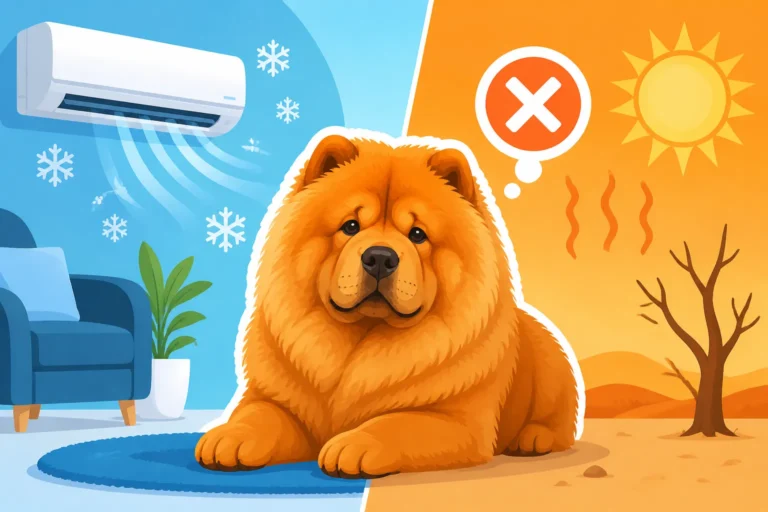
Beyond grooming, managing your Chow Chow's environment is crucial to keeping them cool and comfortable, especially considering they are a breed Heat Is the Chow Chow's Most Immediate Danger.
- Air conditioning: In warm climates, an air-conditioned home is often a necessity. Keep your home at a comfortable temperature, ensuring your Chow Chow has access to cool indoor spaces.
- Avoid peak heat: Limit walks and outdoor activities to the cooler parts of the day – early mornings and late evenings. Avoid direct sun exposure during midday.
- Hydration: Always provide access to fresh, cool water. Consider adding ice cubes to their bowl or using a pet fountain to encourage drinking.
- Cooling accessories: Products like cooling mats (available on Chewy or Amazon), elevated beds that allow air circulation, or even a shallow kiddie pool for them to splash in can provide relief. Some Chow Chows might tolerate a cooling vest, but ensure it doesn't trap heat against their skin.
- Never leave in a car: This is non-negotiable. Even on a mild day, temperatures inside a car can skyrocket quickly, leading to fatal heatstroke for any dog, especially a double-coated breed like a Chow Chow.
By focusing on these proactive and supportive measures, you can ensure your Chow Chow remains healthy, comfortable, and protected by their magnificent, natural coat, without resorting to the detrimental practice of shaving.
| Action | Impact on Chow Chow's Coat/Health | Why It's Recommended / Not Recommended |
|---|---|---|
| Shaving | – Damages coat texture and regrowth (clipper alopecia) | – Compromises natural insulation |
| – Increases risk of sunburn & skin irritations | – Leads to potential skin issues and discomfort | |
| – Reduces natural cooling ability | – Makes them more prone to overheating | |
| Regular Brushing | – Removes dead undercoat, prevents mats | – Essential for healthy skin and coat |
| – Promotes air circulation for cooling | – Maintains natural temperature regulation | |
| Professional Deshed | – Deeply cleans and removes shed undercoat | – Maximizes coat's natural function |
| – Prevents severe matting | – Prevents need for drastic measures like shaving | |
| Environmental Control | – Protects from extreme heat or cold | – Supports overall well-being and prevents heatstroke |
Disclaimer
This article is for general informational purposes only and does not constitute professional advice. Laws, prices and regulations vary by location and change over time. Consult a qualified professional for guidance on your specific situation.