Elbow Dysplasia Ranks the Chow Chow Near the Top
The crushing reality for many Chow Chow owners is the discovery of elbow dysplasia, a painful condition that can significantly impact their furry friend's quality of life. It’s heart-wrenching to see your majestic lion dog struggle with limping, stiffness, or reluctance to play. This comprehensive guide is here to shed light on elbow dysplasia in Chow Chows, offering you a deep dive into understanding, diagnosing, managing, and even preventing this all-too-common skeletal issue that affects so many of our beloved companions.
Understanding Elbow Dysplasia in Chow Chows
Elbow dysplasia isn't just one single condition; it's a general term encompassing several developmental abnormalities that can affect the elbow joint. For Chow Chows, whose unique conformation and genetic history unfortunately predispose them to this issue, it's particularly important for owners to understand what they might be facing.
What Exactly is Elbow Dysplasia?
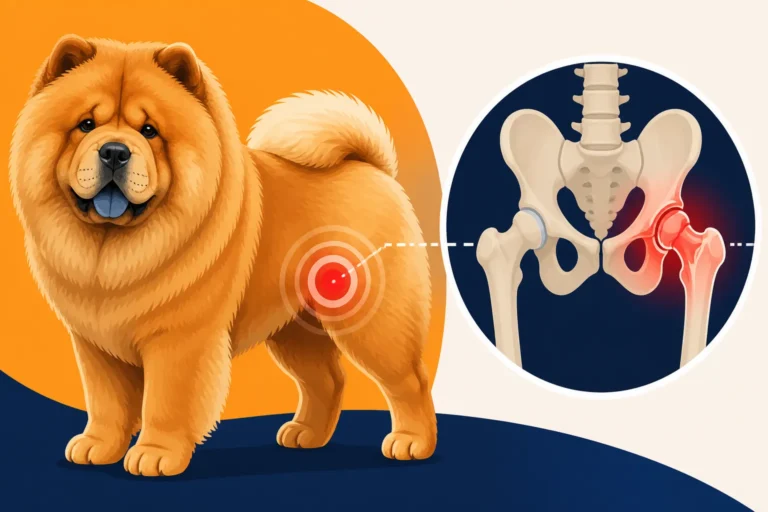
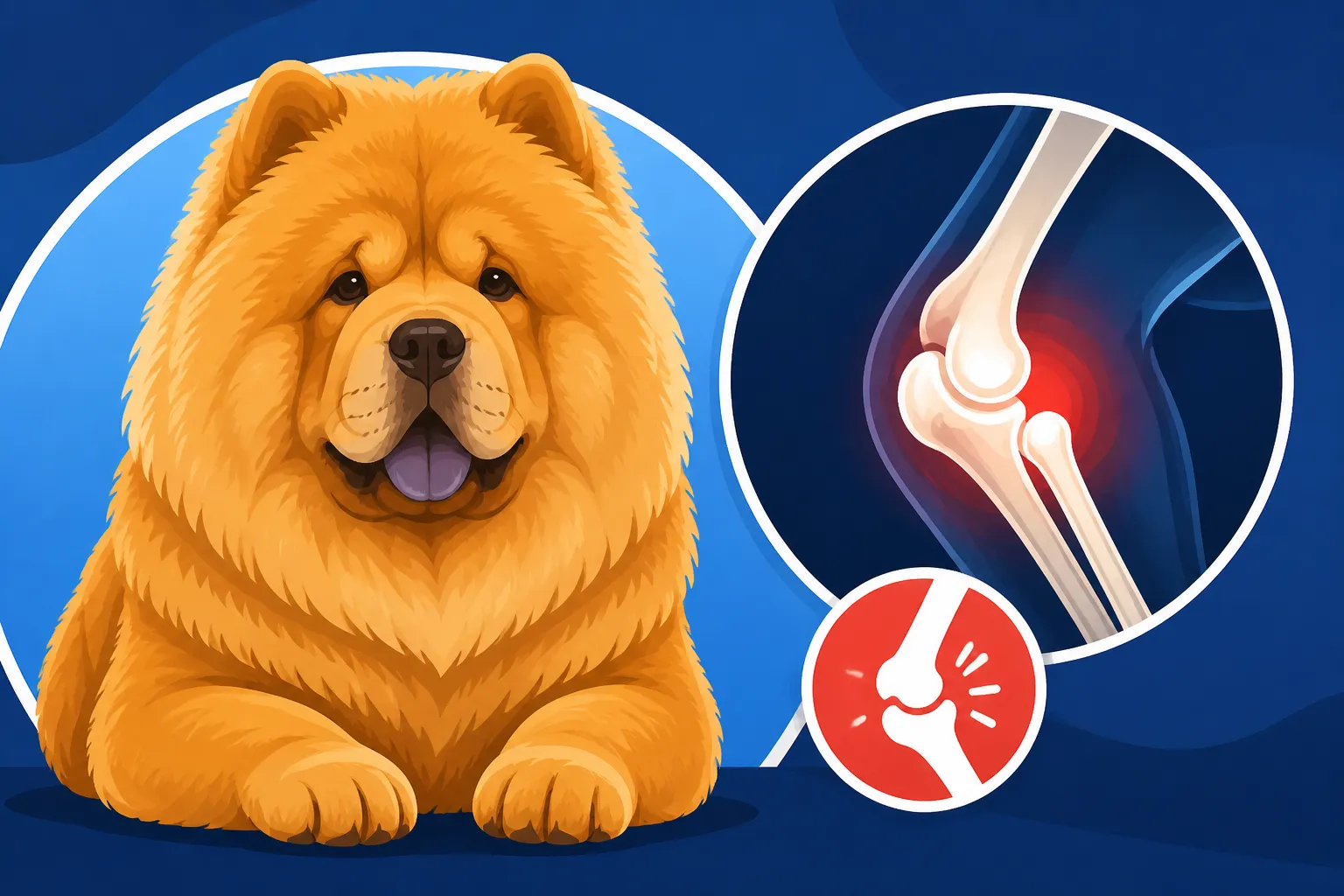
Imagine the elbow joint as a perfectly engineered hinge, designed for smooth, pain-free movement. It's formed by three bones: the humerus (upper arm bone), the ulna, and the radius (both forearm bones). In a healthy elbow, these bones fit together snugly, allowing for fluid motion. Elbow dysplasia occurs when there's an abnormal development in one or more of these components, leading to an ill-fitting joint. This poor fit causes increased friction and stress, damaging the cartilage and bone over time, which often results in painful degenerative joint disease or osteoarthritis. This isn't just a minor ache; it can be a constant source of discomfort for your Chow Chow, making everyday activities a challenge. It’s a progressive disease, meaning it tends to worsen as your dog ages, leading to chronic pain and reduced mobility if not managed properly. The earliest signs can often be quite subtle, making vigilant observation crucial for Chow Chow owners.
Why is the Chow Chow So Susceptible?
Chow Chows, with their sturdy build and often distinctive "stilted" gait due to their relatively straight rear legs, carry a genetic predisposition for elbow dysplasia. This isn't just bad luck; it's a known hereditary condition that can be passed down from parent to puppy. The breed's heavy bone structure, combined with their unique angulation, puts significant stress on developing joints. Rapid growth in puppies, especially those on diets not formulated for large breeds, can also exacerbate this genetic tendency. It's a double-edged sword: the very traits that give Chows their iconic look can also contribute to their health challenges. Understanding that this is a common issue in the breed can help owners be more proactive in screening and prevention. According to available statistics, How Common Elbow Dysplasia Is in Chow Chows is unfortunately quite high, placing them among breeds most affected by this debilitating condition.
The Different Forms of Elbow Dysplasia
Elbow dysplasia is a complex condition with several distinct manifestations, often occurring singularly or in combination. Knowing these types can help you better understand a veterinary diagnosis. The most common forms include:
- Fragmented Coronoid Process (FCP): This is arguably the most common cause of elbow dysplasia in many breeds, including Chow Chows. The coronoid process is a small piece of bone on the ulna. With FCP, a fragment of this bone breaks off, causing irritation and damage to the joint cartilage. This can lead to significant pain and inflammation as the loose fragment rubs against other structures in the joint.
- Ununited Anconeal Process (UAP): The anconeal process is another small bony protrusion on the ulna. Normally, it fuses to the rest of the ulna early in a puppy's life. In UAP, this fusion doesn't happen, leaving the anconeal process as a separate piece of bone. This can cause instability, pain, and lead to osteoarthritis.
- Osteochondritis Dissecans (OCD): This condition involves a disturbance in the normal development of cartilage. A flap of cartilage may separate from the underlying bone, creating a painful lesion within the joint. This detached flap can then float freely, causing mechanical interference and further damage.
- Elbow Incongruity: This refers to an abnormal alignment or poor fit between the bones that make up the elbow joint. When the radius and ulna don't grow at the same rate or don't align correctly with the humerus, it creates abnormal pressure points within the joint, leading to cartilage wear and subsequent arthritis. This malalignment can often accompany other forms of dysplasia, worsening the overall impact on the joint.
Recognizing the Signs and Symptoms
One of the biggest hurdles in dealing with elbow dysplasia in Chow Chows is their remarkable ability to mask pain. Their stoic nature, a trait often admired by their owners, can make detecting discomfort incredibly challenging. This means you, as their dedicated caregiver, need to be extra vigilant.
Subtle Early Warning Signs in Puppies
When dealing with a Chow Chow puppy, subtle signs can be incredibly easy to miss, especially if you’re not looking for them. A puppy might simply seem a little less enthusiastic about playtime than its siblings, or perhaps take slightly longer to get up after a nap. You might notice a slight, intermittent lameness that seems to come and go, or a "bunny hopping" gait when they run, where both hind legs move together. These are not always definitive signs of elbow dysplasia, but they warrant immediate attention from your veterinarian. Young Chows, especially between 4 and 10 months of age, are at a critical stage of growth where these developmental issues often manifest. Don't dismiss these minor changes as just "puppy clumsiness"; early intervention can make a significant difference. It’s also common to observe a reluctance to put weight fully on one leg, even if it’s just for a moment, or an altered stance where they try to shift their weight to compensate.
Overt Symptoms in Adolescent and Adult Dogs
As elbow dysplasia progresses, or as your Chow Chow moves into adolescence and adulthood, the symptoms typically become more pronounced and consistent. You’ll likely start noticing a more obvious lameness, often described as a stiffness or reluctance to fully extend or flex the elbow joint. Many owners report their dog limping, especially after periods of rest or vigorous exercise. This classic "stiffness after rest" is a hallmark of many arthritic conditions, including elbow dysplasia. Your Chow Chow might struggle to rise from a lying position, or be hesitant to jump into the car or climb stairs. Some dogs may even show a decreased range of motion in the affected limb, holding their elbow slightly out from their body. Pain on palpation (when you gently touch or press the area) can also be a clear indicator. Remember, even with these more overt signs, a Chow Chow might still try to put on a brave face, so any changes in their mobility or activity level should be taken seriously. As discussed in Why a Chow Chow Limps After Rest, this post-rest stiffness is a critical symptom to watch for.
How a Chow Chow's Stoic Nature Hides Pain
This point cannot be stressed enough: Chow Chows are inherently stoic. They are not the kind of dog to whine or overtly show discomfort unless they are in extreme pain. This deep-seated trait, likely stemming from their ancient lineage and independent nature, means that by the time you notice clear signs of pain or lameness, the condition may already be quite advanced. They often adapt their movements to minimize discomfort, which can make it appear as though they are coping better than they actually are. This is why paying close attention to subtle behavioral shifts – a slight decrease in enthusiasm for walks, less interaction during play, or even just a change in their typical resting posture – is absolutely vital. You know your dog best, and recognizing these nuanced changes in behavior, rather than waiting for obvious yelps or cries, is your best tool for early detection. Many owners don't realize their Chow Chow has been in pain for quite some time until a vet finally diagnoses the issue, underscoring the importance of regular health checks and keen observation.
Diagnosis and Veterinary Confirmation
If you suspect your Chow Chow might be suffering from elbow dysplasia, your first and most important step is a visit to your veterinarian. Early and accurate diagnosis is key to developing an effective management plan and minimizing long-term discomfort.
The Initial Veterinary Examination
When you bring your Chow Chow in, your vet will start with a thorough physical examination. This typically involves observing your dog's gait as they walk and trot, checking for any signs of lameness or stiffness. They'll also carefully palpate (feel) the elbow joints, assessing for pain, swelling, grinding sensations (crepitus), or an abnormal range of motion. They might gently flex and extend the elbow to see if your dog reacts to the movement, or if there's any resistance. Sometimes, the vet might notice muscle atrophy (wasting) in the affected limb, as the dog tries to avoid putting weight on it. Don't be surprised if your vet wants to see your Chow Chow move around both inside the exam room and perhaps outside in a more open space, as lameness can sometimes be more apparent during different activities or on various surfaces. They'll also take a detailed history from you, asking about when you first noticed symptoms, how they've progressed, and your Chow Chow's general activity levels and demeanor.
Diagnostic Imaging: X-rays and Advanced Scans
To definitively diagnose elbow dysplasia and determine its severity, diagnostic imaging is essential. X-rays are the primary tool used. Your vet will take specific views of both elbow joints to look for changes characteristic of FCP, UAP, OCD, or incongruity, as well as signs of secondary osteoarthritis. Often, these X-rays require your Chow Chow to be sedated, as it's crucial for them to be perfectly still and positioned correctly to get clear, diagnostic images. This ensures the best possible view of the joint structures and minimizes stress for your dog. For more complex cases or when planning for surgery, your vet might recommend advanced imaging techniques like computed tomography (CT) scans or magnetic resonance imaging (MRI). CT scans are particularly good at visualizing bone fragments and detailed bony architecture, while MRIs are excellent for assessing soft tissue damage, such as cartilage and ligaments. These advanced scans provide a much more detailed picture of the joint, helping the veterinary surgeon make precise decisions about treatment. Knowing Where the Chow Chow Ranks in OFA Elbow Scores can also help vets understand the breed's typical presentation of the condition.
Understanding OFA and PennHIP Evaluations
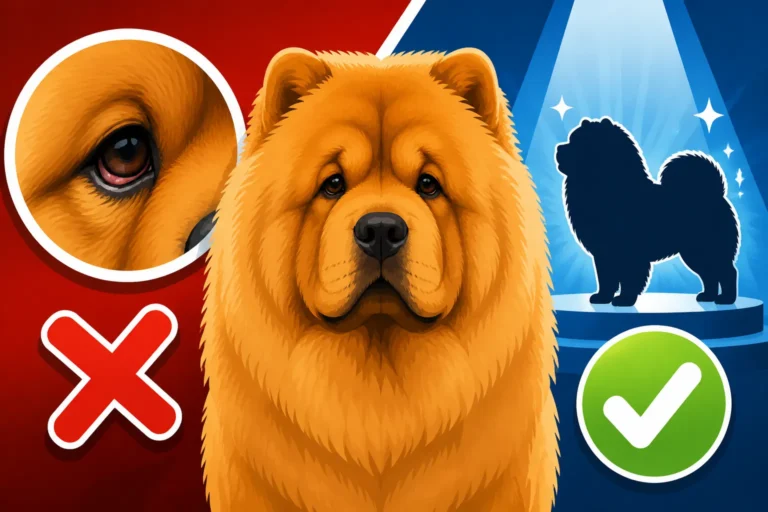
For responsible Chow Chow breeders, certifications like those from the Orthopedic Foundation for Animals (OFA) and PennHIP are crucial tools in the fight against elbow dysplasia. The OFA provides a grading system for elbows based on radiographic evidence. Dogs are typically graded as normal, or with Grade I, II, or III elbow dysplasia, indicating mild, moderate, or severe changes, respectively. This certification is usually done after a dog is two years old, as developmental issues should be stable by then. PennHIP, while more commonly associated with hip dysplasia, also assesses joint laxity and conformity, and while not directly grading elbows, breeders often use a combination of health checks. These evaluations help identify dogs that should not be bred, thereby reducing the incidence of elbow dysplasia in future generations. As an owner, if you purchased your Chow Chow from a reputable breeder, they should have been transparent about these health clearances for the parents. Understanding What Elbow and Eye Certification Costs a Chow Chow Breeder gives insight into the dedication and investment responsible breeders make. It's a testament to a breeder's commitment to the long-term health of their puppies when they actively participate in such screening programs.
Management and Treatment Options
Once elbow dysplasia has been diagnosed, your veterinarian will discuss a range of management and treatment options tailored to your Chow Chow's specific condition, age, and severity of symptoms. The goal is always to reduce pain, improve mobility, and maintain the best possible quality of life.
Conservative Management Strategies
For many Chow Chows with mild to moderate elbow dysplasia, or for those not suitable for surgery, conservative management can be very effective. A cornerstone of this approach is weight control. Every extra pound puts additional stress on already compromised joints, so maintaining a lean body condition is paramount. This might involve a carefully controlled diet and portion sizes, even for a Chow Chow who eats less than you expect. Controlled exercise is also critical; short, frequent, low-impact walks are often better than long, strenuous outings that can exacerbate pain. Avoid activities that involve jumping, sudden stops, or running on hard surfaces.
Physical therapy can play a huge role, including therapeutic exercises, hydrotherapy (swimming), and massage, all designed to strengthen supporting muscles, improve range of motion, and reduce pain. Non-steroidal anti-inflammatory drugs (NSAIDs) are commonly prescribed to manage pain and inflammation, providing much-needed relief. Additionally, joint supplements containing ingredients like glucosamine, chondroitin, and MSM can help support cartilage health and reduce inflammation. Some vets might also recommend injections of polysulfated glycosaminoglycans (PSGAGs) or even stem cell therapy for long-term joint health. For instance, reputable pet insurance providers like Healthy Paws often cover many of these conservative treatments, which can significantly ease the financial burden for owners committed to their dog's comfort.
Surgical Interventions for Severe Cases
When conservative management isn't enough to control pain or when the nature of the dysplasia is severe, surgical intervention may be recommended. The type of surgery depends entirely on the specific form of elbow dysplasia present:
- Arthroscopy: This minimally invasive procedure uses a small camera and specialized instruments inserted into the joint through tiny incisions. It's often used to remove fragmented coronoid processes (FCP) or loose cartilage flaps from OCD lesions. Recovery is generally quicker than with traditional open surgery.
- Osteotomy Procedures (e.g., Proximal Abducting Ulna Osteotomy – PAUL): These surgeries involve cutting and realigning bones to improve joint congruity and reduce pressure on damaged areas. They are more complex but can dramatically improve function for dogs with significant incongruity.
- Total Elbow Replacement (TER): This is a specialized and advanced procedure typically reserved for very severe cases of end-stage elbow dysplasia where other treatments have failed. It involves replacing the damaged joint surfaces with artificial components. This is a major surgery with a significant recovery period and is usually performed by board-certified orthopedic surgeons.
Understanding What Elbow Surgery Costs on a Chow Chow is important, as these procedures can be quite expensive. While daunting, these surgeries can offer a chance at a much better quality of life for a Chow Chow suffering from chronic pain and severe lameness.
Post-Operative Care and Rehabilitation
Surgery is only the first step; the success of any surgical intervention for elbow dysplasia heavily relies on diligent post-operative care and a comprehensive rehabilitation program. This phase is crucial for ensuring proper healing, regaining strength, and restoring as much function as possible.
Immediately after surgery, your Chow Chow will need strict rest and activity restriction. This often means crate confinement, leash walks only for bathroom breaks, and avoiding stairs or jumping. Pain management is paramount, typically involving a combination of medications to keep your dog comfortable during this sensitive healing period. Your vet will provide clear instructions on medication schedules, wound care, and when it’s safe to start gradually increasing activity.
Physical rehabilitation, often supervised by a certified canine rehabilitation therapist, is critical. This might include:
- Passive Range of Motion (PROM) exercises: Gentle movements of the joint to prevent stiffness.
- Therapeutic exercises: Designed to strengthen muscles supporting the elbow and improve balance and coordination.
- Hydrotherapy: Swimming or underwater treadmill sessions reduce weight-bearing stress while allowing for muscle strengthening.
- Therapeutic massage and modalities: Such as laser therapy or acupuncture to reduce pain and inflammation.
This rehabilitation journey can be long and demanding, often spanning several weeks to months. Your commitment to following the post-operative plan is vital for your Chow Chow's optimal recovery and long-term comfort. Remember, patience and consistency are your greatest allies during this time.
Living with a Chow Chow with Elbow Dysplasia
Managing elbow dysplasia is often a lifelong commitment. While treatments can significantly alleviate symptoms, the underlying condition usually means ongoing care. Adapting your daily routine and home environment can make a world of difference for your Chow Chow.
Adapting Your Home Environment
Making small changes around your house can greatly improve your Chow Chow's comfort and safety, reducing the strain on their elbows. Consider laying down non-slip rugs or runners on slick floors (hardwood, tile, laminate) to provide better traction. This prevents slips and falls that can cause painful jolts to their joints. Investing in ramps or dog stairs can eliminate the need for jumping, whether it's getting onto the couch, into the car, or up and down from the bed. Even a few jumps a day can take a toll on compromised elbows over time.
Elevated food and water bowls can also be beneficial, as they allow your Chow Chow to eat and drink without having to bend their neck or put excess pressure on their front limbs. Look for orthopedic beds with good support, especially memory foam, to provide comfortable resting places that alleviate pressure on joints. Position these beds in easily accessible, quiet areas. Think about their daily movements: can you rearrange furniture to create clear, unobstructed pathways? Every little bit helps to minimize discomfort and prevent further injury, especially as they get older and may experience The Age a Chow Chow Gets Arthritis.
Exercise Modifications and Activity Planning
Maintaining an appropriate exercise regimen is crucial for Chow Chows with elbow dysplasia, but it requires careful modification. The goal is to keep them active enough to maintain muscle strength and a healthy weight, without over-stressing their joints. Avoid high-impact activities like aggressive fetch, jumping, or long runs on hard surfaces. Instead, opt for short, frequent walks on soft surfaces like grass or dirt paths.
Listen to your Chow Chow and be aware of their limits. Some days they might feel better than others. A consistent, moderate exercise routine is generally better than sporadic, intense bursts of activity. Swimming or hydrotherapy is an excellent low-impact exercise that allows them to build muscle without putting strain on their elbows. During summer months, be extra mindful of the heat, as Chows are prone to overheating, and a stiff gait might not be the only thing affecting their comfort. Integrating mental stimulation through puzzle toys or training sessions can also keep them engaged without physical exertion. Always consult with your veterinarian or a canine rehabilitation specialist to create an individualized exercise plan that's safe and effective for your dog.
Long-Term Outlook and Quality of Life
Living with a Chow Chow with elbow dysplasia means understanding that it’s often a chronic condition that requires ongoing management. While a cure isn't always possible, especially for advanced cases, the good news is that with dedicated care, many Chow Chows can still enjoy a very good quality of life. The long-term outlook depends on the severity of the dysplasia, the effectiveness of the chosen treatments, and your commitment to their ongoing care.
Regular veterinary check-ups are essential to monitor their joint health, adjust medication as needed, and ensure they're not developing new problems. Many dogs will need lifelong joint supplements and occasional courses of pain medication, particularly as they age or during flare-ups. Be prepared for potential financial implications; chronic conditions like elbow dysplasia can incur significant costs over a dog's lifetime. This is where a robust pet insurance plan can be invaluable. Providers like Healthy Paws often cover chronic conditions, helping to offset the expenses of medication, physical therapy, and even potential future surgeries, allowing you to prioritize your Chow Chow's health without financial stress. With thoughtful management, plenty of love, and a proactive approach, your Chow Chow can continue to be a happy, cherished member of your family for many years.
Prevention and Responsible Breeding
While elbow dysplasia is a disheartening reality for many Chow Chow owners, there are significant steps that can be taken to reduce its incidence and severity, particularly through responsible breeding practices and careful puppy care.
Choosing a Reputable Breeder
This is perhaps the single most crucial step in preventing elbow dysplasia. A reputable Chow Chow breeder prioritizes the health and well-being of their dogs above all else. They will meticulously screen their breeding stock for genetic conditions, including elbow dysplasia, through certifications like the OFA. When looking for a puppy, always ask to see the health clearances for both parents. A breeder should readily provide documentation for OFA elbow scores (and hip scores, as often these conditions can co-occur). They should also be honest about any history of elbow dysplasia in their lines.
A responsible breeder will not breed a dog with any grade of elbow dysplasia. They understand that while screening doesn't guarantee a puppy will be free of the condition, it significantly reduces the risk. Be wary of breeders who offer excuses, claim testing is unnecessary, or can't produce documentation. They are often cutting corners, and you could end up paying a much higher price in vet bills and heartache later. As an informed prospective owner, familiarizing yourself with What a Chow Chow Breeder Should Have Tested and Which Health Results a Chow Chow Breeder Must Show can empower you to ask the right questions and make a responsible choice.
Nutritional Considerations for Puppy Growth
Nutrition plays a vital role in the healthy development of a Chow Chow puppy, especially concerning their joints. Rapid growth, often fueled by diets that are too high in calories or have an improper calcium-to-phosphorus ratio, can put undue stress on developing bones and joints, exacerbating genetic predispositions to conditions like elbow dysplasia.
It's crucial to feed your Chow Chow puppy a high-quality, large-breed puppy food. These formulas are specifically designed to promote slow and steady growth, which is critical for preventing orthopedic issues. They typically have a slightly lower calorie content and carefully balanced mineral levels, particularly calcium and phosphorus, to support healthy bone development. Avoid supplementing with extra calcium unless specifically directed by your vet, as this can disrupt the delicate balance and lead to skeletal problems. Free-feeding, where food is left out all day, should also be avoided; instead, feed measured meals to ensure controlled intake and prevent excessive weight gain. The goal is a lean, healthy growth trajectory, not a plump puppy. This controlled growth is emphasized in Why a Chow Chow Puppy Should Grow Slowly.
Early Exercise and Injury Prevention in Puppies
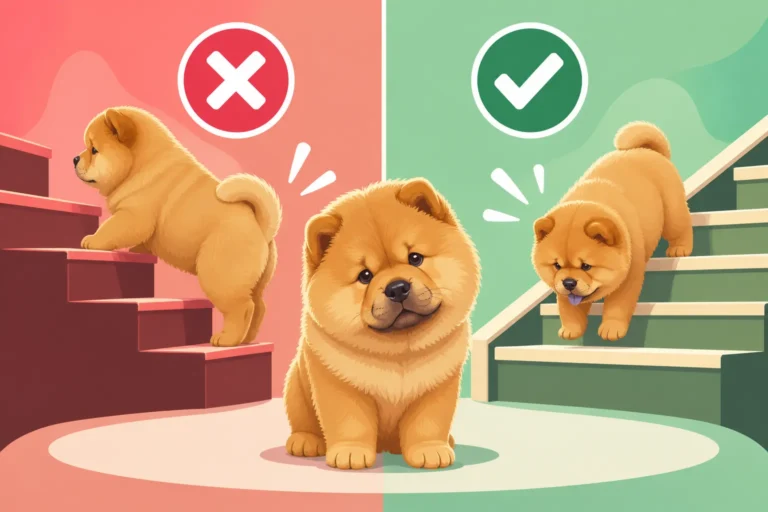
While exercise is essential for a puppy's development, it needs to be appropriate for their age and rapidly growing joints. Over-exercising a Chow Chow puppy can be detrimental, potentially leading to injuries or aggravating conditions like elbow dysplasia. During their critical growth phases, roughly up to 12-18 months of age, their growth plates are still open and vulnerable. High-impact activities such as repetitive jumping, long runs, agility training, or extensive stair climbing should be strictly avoided.
Instead, focus on short, controlled play sessions on soft surfaces. Allow your puppy plenty of time for free play in a safe, enclosed yard, but don't force them into prolonged, strenuous activities. Avoid long walks until their joints are fully mature. Activities like roughhousing with other large, boisterous dogs should also be limited, as accidental bumps or falls can cause significant trauma to developing joints. Understand When a Chow Chow's Growth Plates Close and adjust exercise accordingly. Similarly, heed advice on Whether a Chow Chow Puppy Should Climb Stairs, limiting such activities to prevent undue stress on their developing elbows and hips. Gentle, consistent exercise that builds muscle without stressing joints is the ideal approach for a growing Chow Chow.
Comparing Elbow Dysplasia Treatment Options
| Treatment Type | Description | Ideal For | Pros | Cons | Recovery Time |
|---|---|---|---|---|---|
| Conservative | Weight management, controlled exercise, NSAIDs, joint supplements, physical therapy, therapeutic injections | Mild to moderate cases, older dogs, or those not suitable for surgery | Non-invasive, less costly initially, avoids surgical risks, improves quality of life for many dogs | Does not "cure" the underlying condition, requires lifelong commitment, may not prevent progression | Ongoing; daily management, gradual improvement over weeks/months |
| Surgical (Arthroscopy) | Minimally invasive removal of fragments (FCP, OCD) | FCP, OCD lesions where fragments cause acute pain | Minimally invasive, quicker recovery than open surgery, targets specific lesions | May not address joint incongruity, potential for recurrence of fragments, general anesthesia risks | 4-8 weeks restricted activity, followed by rehabilitation |
| Surgical (Osteotomy) | Realigning bones to improve joint fit (e.g., PAUL procedure) | Elbow incongruity, often combined with FCP | Can significantly improve joint mechanics and long-term comfort, addresses root cause of incongruity | More invasive, longer recovery, potential for complications, general anesthesia risks | 8-12 weeks strict rest, followed by extensive physical therapy for months |
| Surgical (TER) | Total elbow replacement with artificial components | End-stage, severe elbow dysplasia where other options have failed, chronic pain | Can provide dramatic pain relief and improved function in severe cases | Highly specialized, very invasive, significant cost, potential for implant failure, long recovery | 3-6 months strict recovery and rehabilitation, lifelong management |
Disclaimer
The information provided in this article is for general informational purposes only and does not constitute veterinary medical advice. Always consult with a qualified veterinarian or veterinary specialist for any health concerns or before making any decisions related to your Chow Chow's medical care. Every dog is unique, and individual needs and treatment plans may vary.