Whether a Chow Chow’s Face Fold Traps Moisture
If you're a Chow Chow parent, you know that their glorious lion's mane and distinctive "scowl" are part of their charm. But you also know that those beautiful, deep-set eyes and wrinkled faces come with a unique set of challenges. One of the biggest worries many of us face is whether those adorable face folds are inadvertently trapping moisture, creating a breeding ground for discomfort and infection. This guide is here to walk you through exactly why this happens, the potential problems it can cause, and most importantly, how to keep your beloved Chow Chow's face clean, dry, and healthy.
The Unique Anatomy of a Chow Chow's Face Folds
Let's face it, a Chow Chow's appearance is utterly distinct. From their unique blue-black tongue to their dense double coat and those captivating deep-set eyes, they stand out in a crowd. However, some of these very characteristics, while breed-defining, also require extra attention when it comes to their health and hygiene. The folds on their face are a perfect example of this.
Why Chow Chows Have Such Pronounced Folds
The Chow Chow's facial structure, especially around the eyes and muzzle, is designed to give them that characteristic "scowl" or thoughtful expression. This isn't just a random wrinkle; it's an inherent part of their breed standard. The heavy brow, the deep-set eyes, and the structure of their skull all contribute to the formation of these folds. They are a natural characteristic, giving them their wise and sometimes formidable look. For many of us, this is part of what drew us to the breed in the first place, loving that distinctive, almost majestic appearance.
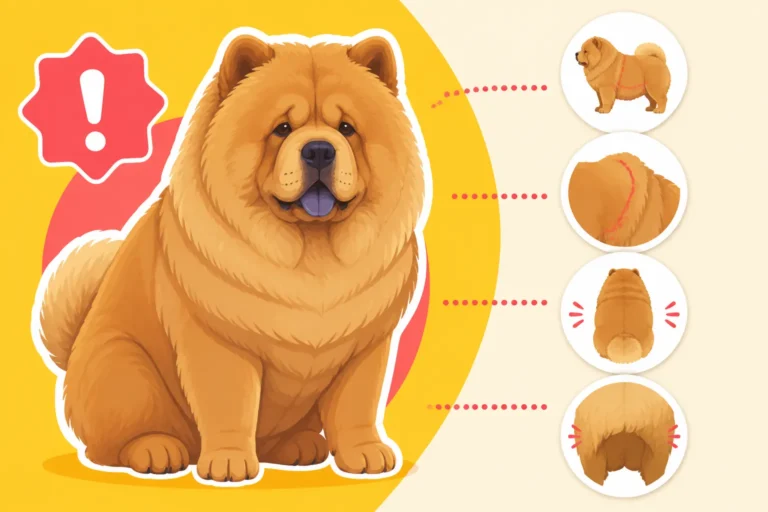
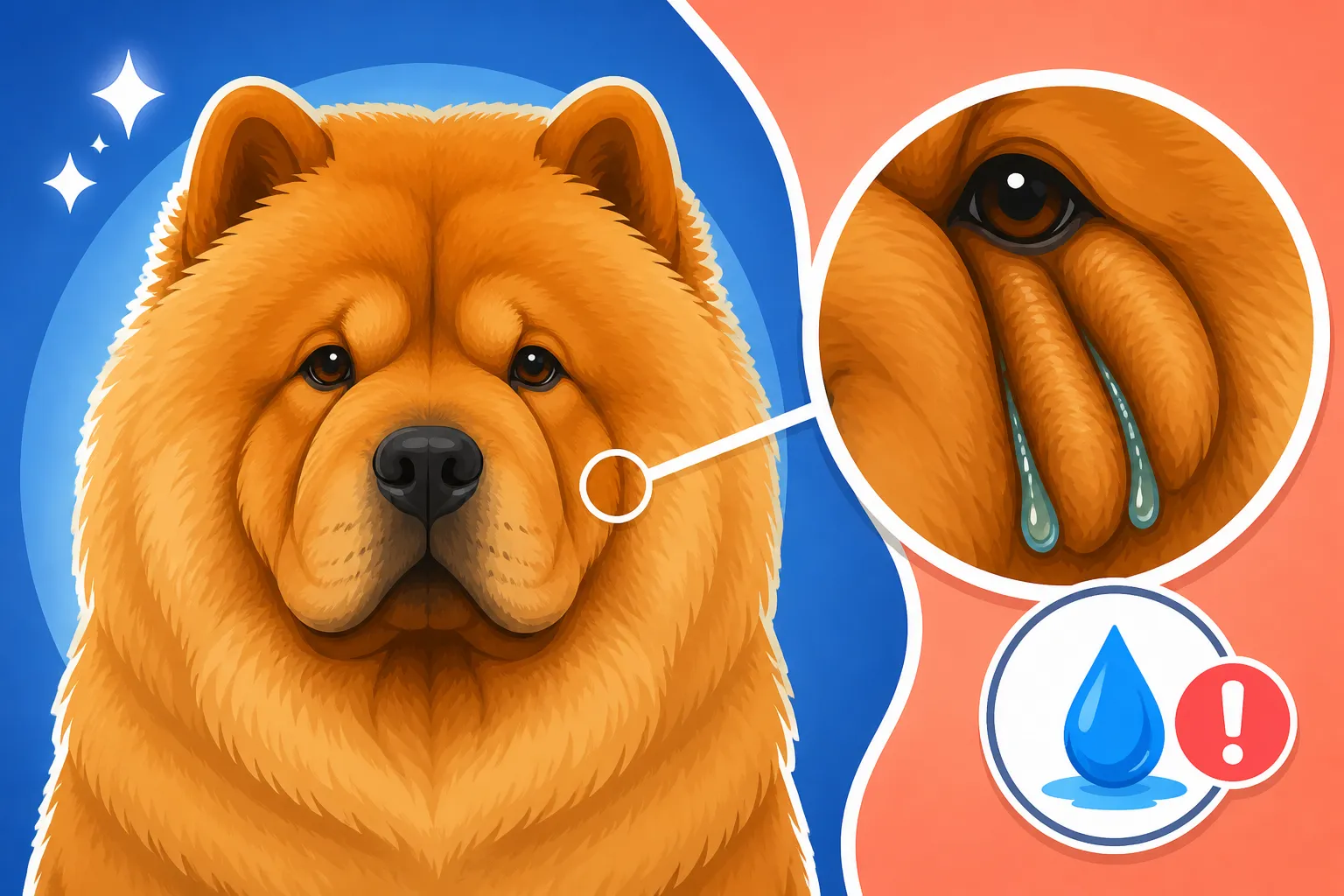
These folds aren't superficial; they're substantial skin formations that create pockets and crevices, particularly around the inner corners of the eyes and along the bridge of the nose. While they add to the Chow Chow's charm, they also create anatomical challenges that owners must actively manage. Think of them as tiny, natural valleys on your dog's face, and like any valley, they can collect things – in this case, moisture and debris. Understanding this unique construction is the first step in providing the best possible care for your furry companion.
How Moisture Gets Trapped in These Folds
The physics of how moisture gets trapped in a Chow Chow's face folds isn't complicated, but it's a constant battle for owners. Gravity and the dog's natural habits play a significant role. Every time your Chow Chow takes a drink of water, dips their face into their food bowl, or even just blinks, moisture can accumulate. The deep-set eyes, often exacerbated by conformational issues like What a Chow Chow's Face Folds Push the Lid In, can lead to tears not draining properly, which then trickle into these folds.
Beyond everyday activities, environmental factors and even bathing contribute to the problem. High humidity in the air can make the skin feel perpetually damp. During a bath, it’s incredibly difficult to rinse and dry these deep crevices thoroughly, no matter how careful you are. Even simple drooling, especially after a stimulating sniff around the yard or during anticipation of a treat, can leave saliva pooling in these areas. The combination of warmth from the dog's body and the lack of air circulation within the folds creates an almost ideal microclimate for moisture retention, making them a prime spot for issues to arise.
The Risks Associated with Trapped Moisture
It’s easy to dismiss a little dampness as harmless, but for a Chow Chow, trapped moisture in those facial folds is a significant concern that can quickly escalate from a minor irritation to a serious health problem. The constant damp environment sets the stage for a host of dermatological and ocular issues that can cause considerable pain and discomfort for your dog.
Skin Irritation and Dermatitis
The most immediate and obvious consequence of trapped moisture is skin irritation. Imagine wearing damp clothing that constantly rubs against your skin; it’s uncomfortable, right? For your Chow Chow, it's the same, but worse. The skin within the folds is delicate and sensitive, and continuous dampness leads to maceration – a softening and breakdown of the skin. This causes redness, inflammation, and chafing, making the area incredibly tender to the touch.
If left unaddressed, this irritation quickly progresses to a condition known as skin fold dermatitis. This isn't just a rash; it's a painful inflammatory condition where the skin becomes raw, itchy, and highly sensitive. Your Chow Chow might try to rub their face, paw at the area, or become withdrawn due to the persistent discomfort. It's a frustrating situation for both dog and owner, as the dog is clearly miserable, and finding relief can be a process.
Bacterial and Yeast Infections Pyoderma & Malassezia
Beyond simple irritation, the warm, moist, and dark environment within the folds is an absolute paradise for unwelcome guests: bacteria and yeast. These microorganisms thrive in such conditions, and what might start as mild irritation can rapidly evolve into a full-blown infection. Bacterial infections, often referred to as pyoderma, manifest as red, pus-filled lesions, crusting, and a distinct foul odor. It's a clear sign that the skin's natural defenses have been overwhelmed.
Yeast infections, primarily caused by Malassezia pachydermatis, are equally problematic. They often present with a greasy feel to the skin, a yeasty or sickly sweet odor, and intense itching. You might notice your Chow Chow scratching or rubbing their face excessively, and the skin can appear thickened and discolored over time. Both bacterial and yeast infections are incredibly uncomfortable and can spread if not treated promptly. They almost always require veterinary intervention, often involving prescribed medicated shampoos, topical creams, or oral antibiotics/antifungals to get them under control.
Potential for More Serious Eye Issues
The proximity of these facial folds to the eyes means that any issues arising from trapped moisture can quickly impact your Chow Chow's vision and ocular health. Continuous irritation from dampness and bacteria can lead to chronic conjunctivitis, an inflammation of the membranes lining the eyelids and covering the whites of the eyes. This presents as redness, swelling, and often a thick, gooey discharge that further contributes to the moisture problem in the folds. It's a vicious cycle that needs to be broken.
Furthermore, if the moisture and associated irritation lead to rubbing or scratching, or if the folds themselves are pressing on the eye, more severe damage can occur. A common worry is a corneal ulcer, where the surface of the eye becomes abraded or damaged. What a Corneal Ulcer Does to a Chow Chow is painful and can lead to vision impairment if not treated immediately. In some cases, the chronic irritation can exacerbate existing breed predispositions, for example, contributing to the development or worsening of conditions like What Entropion Does to a Chow Chow's Eye, where the eyelid rolls inward. It's truly a cascade of potential problems, highlighting why diligent care is absolutely non-negotiable for these beautiful dogs. If you notice Why a Chow Chow With Entropion Squints, it's time to get a professional opinion.
Proactive Care and Cleaning Strategies
Given the significant risks, proactive and consistent care for your Chow Chow's face folds isn't just a good idea; it's absolutely essential. Establishing a regular routine will save your dog a lot of discomfort and potentially save you considerable vet bills down the line. It's all about diligent observation and gentle, thorough action.
Daily Inspection and Gentle Wiping
The cornerstone of preventing problems in your Chow Chow's face folds is a daily inspection. This isn't just a quick glance; it means gently lifting the folds, parting the fur, and really looking into those crevices. You're checking for any signs of redness, dampness, discharge, or odor. It becomes second nature once you get into the habit, and your Chow Chow will likely get used to it too, especially if you make it a positive experience with praise and treats.
Once you’ve inspected, a gentle wipe is usually necessary. You’ll need soft, lint-free cloths or specific pet-safe facial wipes. Avoid anything with harsh chemicals, perfumes, or alcohol, as these can cause further irritation. Many owners find success with wipes designed for sensitive skin or those with mild antibacterial/antifungal properties. Gently wipe deep into each fold, making sure to remove any accumulated moisture, tear stains, or debris. Remember that you’re not scrubbing, but rather gently cleansing. If your Chow Chow is new to this, start slow and be patient. You can even search on Amazon for a wide variety of gentle pet wipes to find what works best for your dog's sensitive skin. Consistency is key, and soon, it'll just be another part of your daily bonding routine. To learn more about the technique, check out How to Wipe a Chow Chow's Eye Folds.
Keeping the Area Dry
Cleaning the folds is only half the battle; ensuring they are thoroughly dry is equally, if not more, important. A damp fold, even a clean one, is still a perfect environment for bacterial and yeast growth. After wiping, use a separate, clean, dry, soft cloth or cotton pad to gently dab the area completely dry. This might take a little patience, especially with a particularly deep fold or a reluctant Chow Chow. You need to get into every crevice. Whether a Chow Chow's Wrinkles Need Drying isn't really a question; it's a necessity.
Beyond post-cleaning drying, consider ways to minimize moisture contact throughout the day. If your Chow Chow is a messy drinker, a narrow-mouthed water bowl can help prevent their whole face from getting soaked. Wiping their face after every drink or meal can also make a huge difference. For some dogs, a very low-setting blow dryer (cool air only, held at a distance) can be used very cautiously, but this requires immense care and desensitization to avoid frightening your dog or causing skin burns. The goal is to make the environment in the folds as inhospitable to moisture-loving microbes as possible.
Veterinary Consultation and Professional Grooming
Even with the most diligent home care, sometimes you might encounter issues that are beyond your capacity to resolve. If you notice persistent redness, a strong foul odor, excessive discharge (especially if Why a Chow Chow's Eye Discharge Should Be Watched), or if your Chow Chow seems to be in pain, it's time to call your veterinarian. They can diagnose specific infections, prescribe appropriate medicated washes or oral medications, and rule out any underlying conditions. Don't hesitate to seek professional help; early intervention can prevent minor issues from becoming chronic and difficult to treat.
Professional groomers, particularly those experienced with Chow Chows, can also be invaluable allies in fold care. They often have specialized tools and techniques for deep cleaning and drying. A skilled groomer can gently trim the hair around the folds, which can improve air circulation and make your daily cleaning routine easier, without compromising the breed's appearance. They can also spot early signs of trouble that you might miss. When seeking a groomer, it's worth asking Finding a Groomer Who Will Take a Chow Chow and inquiring about their experience with the breed's specific needs, including facial fold care. Regular professional maintenance, alongside your home routine, forms a comprehensive strategy for keeping your Chow Chow comfortable and healthy. It’s also beneficial to prepare your dog for grooming from a young age, by practicing Teaching a Chow Chow to Have Its Eyes Wiped and other handling exercises.
Essential Products and Tools for Fold Care
Navigating the world of pet care products can be overwhelming, but for Chow Chow face folds, having the right tools on hand makes a huge difference. You don't need a cabinet full of fancy gadgets, but a few key items will become indispensable in your daily routine.
Cleansing Wipes and Solutions
When it comes to cleaning your Chow Chow's face folds, not all wipes are created equal. You want something specifically formulated for pets, ideally hypoallergenic and free from harsh chemicals or strong fragrances that could irritate sensitive skin. Look for ingredients like witch hazel, aloe vera, or mild antiseptics such as chlorhexidine (at low concentrations) if recommended by your vet. Some wipes are designed with antifungal properties, which can be particularly helpful for Chow Chows prone to yeast infections.
Brands like Petkin or Earthbath offer gentle options. You can often find a wide selection of these specialized wipes and cleansing solutions at online retailers like Chewy. Reading reviews from other dog owners, especially those with similar brachycephalic breeds, can help you narrow down the best choice for your Chow Chow. Remember, the goal is to clean effectively without stripping natural oils or causing dryness. Many owners find it helpful to try a few different types to see which one their dog tolerates best and which is most effective for their specific needs. How Often a Chow Chow's Face Folds Need Cleaning really depends on your dog, but daily is often a good baseline.
Drying Aids
After cleansing, proper drying is paramount. Simple, soft, absorbent cloths are your best friends here. Microfiber towels or soft cotton washcloths work wonderfully because they are gentle on the skin and highly effective at wicking away moisture. Always use a clean cloth for each drying session to avoid reintroducing bacteria. Some owners even dedicate a specific set of small cloths just for face fold care, washing them frequently.
For Chow Chows with particularly deep folds or those who struggle with persistent dampness, a very light dusting of a veterinarian-approved, non-talc cornstarch-based powder can sometimes be helpful. However, this must be used with extreme caution and sparingly, as too much powder can clump and worsen the problem by trapping moisture or forming a paste. Always consult your vet before using any powders, and ensure it's a pet-safe product. The safest and most consistently recommended drying aid remains a soft, absorbent cloth and plenty of gentle dabbing.
Food and Water Bowl Choices
Believe it or not, the type of food and water bowls you use can impact the cleanliness and dryness of your Chow Chow's face folds. Wide, shallow bowls, while sometimes appealing aesthetically, allow your dog to dunk their entire muzzle into their water or food, leading to more moisture and food debris accumulating in their folds. This is a common, yet often overlooked, contributor to the problem.
Consider switching to deeper, narrower bowls, or even specialized "spaniel bowls" that are designed with higher sides and a smaller opening. These types of bowls encourage your Chow Chow to drink and eat with less facial immersion. Elevated bowls can also sometimes help, as they prevent your dog from having to bend down excessively, potentially pushing their face further into their food. If you're feeding a wet or raw diet, like those offered by Ollie, ensure the consistency isn't too liquidy or crumbly, which can also contribute to mess. Anything that minimizes the initial contact of moisture or food with the facial folds will reduce the amount of cleaning and drying you'll need to do later.
| Aspect | Risk Factor (Trapped Moisture) | Prevention/Solution |
|---|---|---|
| Daily Dampness | Constant rubbing, skin maceration | Daily gentle wiping with pet-safe wipes, thorough drying |
| Bacteria/Yeast | Warm, moist, dark environment | Regular cleaning, medicated wipes (if vet prescribed), good air circulation |
| Tear Stains/Discharge | Accumulation of proteins, breeding ground for microbes | Consistent cleaning around eyes, addressing underlying eye issues |
| Food & Water Mess | Direct transfer of moisture and debris into folds | Narrower bowls, wiping face after meals/drinks |
| Irritation/Redness | Inflammation from dampness and friction | Gentle cleansing, soothing balms (vet-approved), monitoring |
| Odor | Sign of bacterial/yeast overgrowth | Prompt cleaning, vet consultation for infection |
Disclaimer
This article is for general informational purposes only and does not constitute professional advice. Laws, prices and regulations vary by location and change over time. Consult a qualified professional for guidance on your specific situation.