Whether a Chow Chow’s Ear Canal Is Narrow
It's a common worry for Chow Chow parents: those adorable, small, rounded ears, often nestled deep within a glorious ruff of fur. While their appearance is undoubtedly part of their charm, the unique structure of a Chow Chow's ear, particularly the internal canal, can unfortunately predispose them to frustrating, recurrent ear infections and discomfort. This guide dives deep into the specific anatomy of your Chow's ear, explores whether its canal is indeed narrow, and offers practical, empathetic steps to keep their ears healthy and comfortable.
The Unique Anatomy of a Chow Chow's Ear
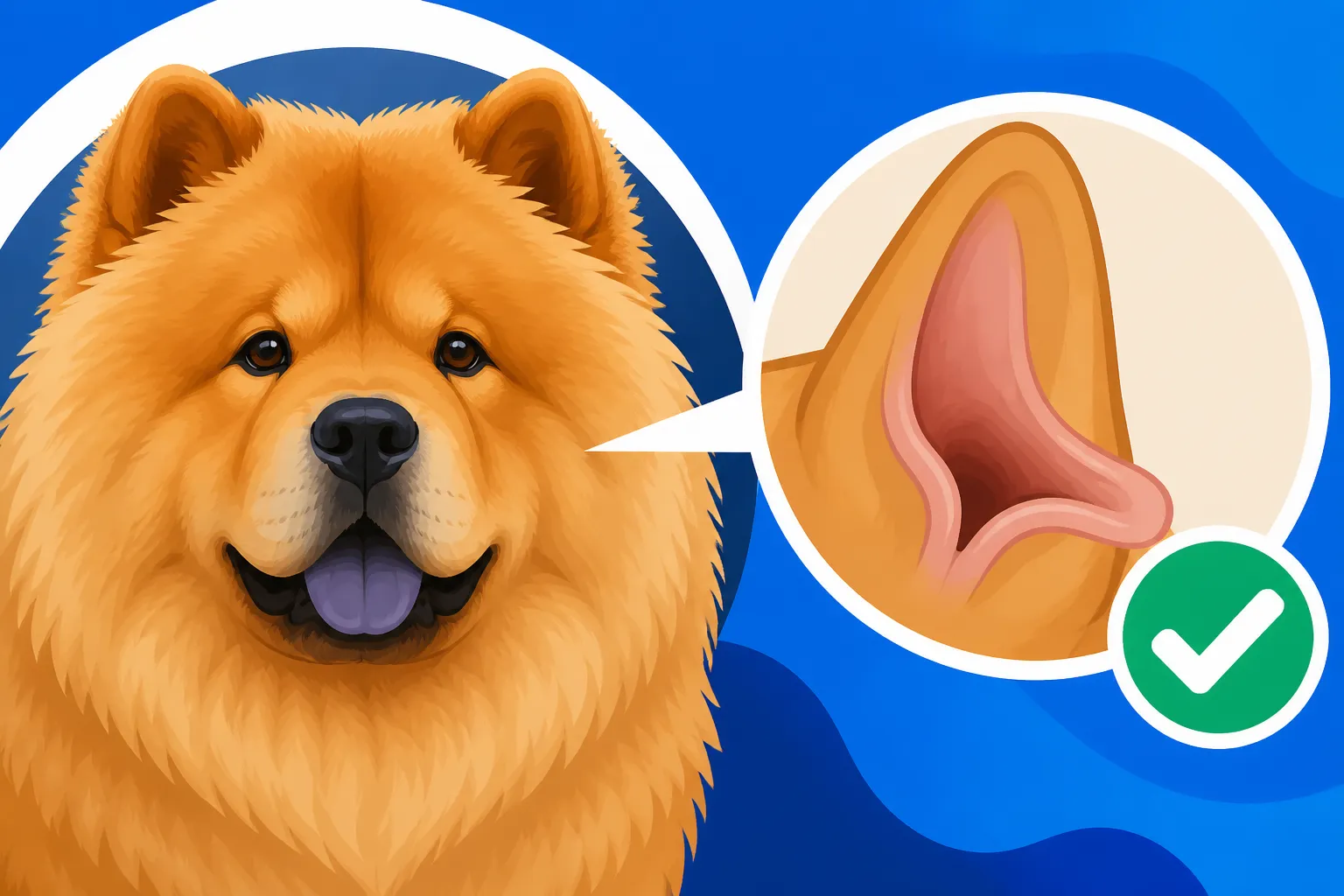
When you look at a Chow Chow, you often notice their magnificent coat and distinctive, scowling expression. Their ears, however, are quite unique and are often overlooked until a problem arises. Unlike some breeds with large, floppy ears or upright, exposed ears, a Chow Chow's ears are typically small, rounded, and carried erect, often almost hidden by the dense fur of their mane. This specific conformation, while characteristic, plays a significant role in their susceptibility to ear issues.
Why Their Ears Can Be Prone to Trouble
The Chow Chow's ear structure creates a bit of a microclimate. Imagine a tiny, warm, and humid greenhouse right at the entrance of the ear canal. The small opening of the ear, combined with the incredibly thick, plush double coat that surrounds and often grows into the ear canal, restricts airflow significantly. This lack of ventilation means moisture gets trapped easily, and the ear canal stays warmer than it ideally should. For yeast and bacteria, which thrive in dark, moist, and warm environments, this is essentially a five-star resort. Owners often don't even realize how much fur is actually inside the ear until a vet or groomer points it out. This combination of factors — restricted airflow and a hospitable environment — makes the Chow Chow's ears a prime target for opportunistic infections.
The Role of Dense Fur in Ear Health
That luxurious double coat, while beautiful, is a double-edged sword when it comes to ear health. The thick fur around the outer ear acts like a curtain, further sealing off the ear canal from fresh air. Beyond that, many Chow Chows have significant hair growth within the ear canal itself. This internal fur can act like a dam, trapping wax, debris, and moisture deeper inside. It makes it incredibly difficult for the ear's natural self-cleaning mechanisms to work effectively. Picture trying to clear a clogged drain when there's a wad of hair in the way – that's often what's happening inside a Chow Chow's ear. Regularly addressing this fur is a critical, yet often challenging, aspect of preventative ear care. Groomers who are experienced with the breed understand the delicate balance of trimming this fur without causing irritation, which can sometimes make matters worse. What a Chow Chow's Double Coat Is Made Of explains more about this dense fur.
Understanding a Narrow Ear Canal in Chows
While it might not be immediately obvious, many Chow Chows are indeed predisposed to having narrower ear canals compared to other breeds. This isn't universally true for every single Chow, of course, but it's a breed characteristic that owners and veterinarians should be aware of. This inherent anatomical trait, combined with their fur density, compounds the challenge of maintaining healthy ears.
What a Narrow Ear Canal Means for Your Chow
A narrow ear canal significantly reduces the natural ventilation within the ear, making it even harder for trapped moisture to evaporate. Think of it like a very narrow bottle neck; anything that needs to get in or out faces resistance. For a Chow Chow, this means that even a normal amount of ear wax can build up quickly, as it has a harder time migrating out of the canal. When this wax, coupled with trapped moisture and warmth from the fur, creates the ideal breeding ground, yeast and bacteria can multiply rapidly, leading to uncomfortable and often painful infections. Dogs with chronically narrow ear canals might also experience more severe or recurrent infections because the canal itself makes it difficult for topical medications to penetrate deeply and effectively. It’s a frustrating cycle for both pet and owner.
Signs of Ear Issues Related to Narrow Canals
Recognizing the early signs of ear trouble is paramount, especially for a breed like the Chow Chow where issues can escalate quickly due to their unique anatomy. One of the first indicators you might notice is your Chow shaking their head frequently, or perhaps rubbing one side of their head along the furniture or the floor. They might also scratch vigorously at their ears, sometimes even breaking the skin around the ear flap. Other tell-tale signs include redness and swelling of the ear flap or visible parts of the canal, a noticeable discharge that can range from yellowish to dark brown, and a foul odor emanating from the ear. If your Chow growls or pulls away when you try to touch their head or ears, it’s a strong signal they are experiencing pain. Don't ignore these signs; the deeper, more severe infections caused by narrow canals can be incredibly uncomfortable for your dog. How Often a Chow Chow's Ears Should Be Checked details proactive monitoring.
Proactive Care for a Chow Chow's Ears
Given the Chow Chow's predisposition to ear problems, a proactive and consistent care routine is absolutely essential. Waiting until an infection flares up often means more discomfort for your dog and more intensive treatment. Building ear care into your regular grooming and health routine can save both you and your Chow a lot of trouble down the line.
Gentle Cleaning Techniques and Frequency
When it comes to cleaning your Chow Chow's ears, gentle is the operative word. Your veterinarian is your best resource for recommending a specific, vet-approved ear cleaner that is appropriate for your dog. Never use alcohol, hydrogen peroxide, or other harsh solutions, as these can irritate the delicate skin inside the ear. To clean, gently lift your Chow's ear flap and apply the cleaner into the ear canal as directed on the bottle, usually a few drops or a gentle squeeze. Then, massage the base of the ear for about 30 seconds to help break up any wax and debris. Let your Chow shake their head (they will!), and then use a soft cotton ball or gauze to wipe away any visible discharge and excess cleaner from the outer ear and the folds of the ear flap. Absolutely avoid inserting cotton swabs or anything else deep into the ear canal, as this can push debris further in and potentially damage the eardrum. The frequency of cleaning depends on your individual Chow – some might need it weekly, others every few weeks, or only when signs of irritation appear. Discuss this with your vet. Many ear cleaning solutions are readily available from online retailers like Chewy or Amazon. Whether a Chow Chow's Ears Need Cleaning offers more specific advice.
Grooming Strategies for Ear Ventilation
Grooming plays a crucial role in preventing ear infections in Chows by improving airflow to those often-hidden ear canals. The dense fur around the ear opening can be carefully trimmed to allow for better ventilation. A professional groomer experienced with Chow Chows can do this safely. It's generally best to avoid shaving inside the ear canal unless specifically advised by a vet for a medical reason, as the regrowth can be stiff and cause irritation. Regular, thorough brushing of the surrounding ruff and neck fur also helps by reducing matting that can further trap heat and moisture. Remember, the goal is to create a less hospitable environment for bacteria and yeast, and proper grooming contributes significantly to this. How Often a Rough Coated Chow Chow Needs Brushing and Brushing a Chow Chow's Mane Down to the Skin emphasize the importance of consistent grooming for overall coat health.
When to Seek Veterinary Attention
Even with the best preventative care, ear issues can sometimes arise. Knowing when to call the vet is critical. If you notice any persistent symptoms such as continuous head shaking, aggressive scratching, significant redness or swelling, a foul odor that doesn't resolve with a gentle cleaning, or any discharge that looks unusual (dark, pus-like, or bloody), it's time to seek professional help. Your vet can accurately diagnose the type of infection (bacterial, yeast, or mites) and prescribe the appropriate medication. They can also thoroughly clean the ear canal, which can be challenging at home due to the narrowness and the Chow's stoic nature. Sometimes, sedation might even be necessary for a complete and comfortable ear examination and cleaning, particularly if your Chow is in pain or generally wary of handling. Why a Chow Chow Is Hard to Examine at the Vet explains why professional handling is so important for this breed.
Long-Term Management and Prevention
Caring for a Chow Chow's ears isn't just about cleaning; it's about a holistic approach that considers diet, environment, and consistent veterinary oversight. Understanding these factors can make a big difference in preventing recurrent ear problems and ensuring your Chow lives a comfortable life.
Diet and Allergies
It might seem counterintuitive, but your Chow Chow's diet can have a profound impact on their ear health. Just like in humans, dogs can develop sensitivities or allergies to certain ingredients in their food, often manifesting as skin and ear problems. Persistent or recurrent ear infections, especially those accompanied by itchy skin or paw licking, can often be a sign of an underlying food allergy or sensitivity. If your vet suspects this, they might recommend a limited ingredient diet or a novel protein diet to try and identify the culprit. This involves feeding a specific, often veterinary-prescribed, diet for several weeks to see if the symptoms improve. Brands like Ollie, which offer fresh, customized meal plans, can be a great option for owners looking for highly controlled dietary ingredients if their vet recommends it. Addressing diet can often lead to a significant reduction in ear inflammation and infections. Whether a Chow Chow Gets Skin Allergies delves deeper into managing allergies in Chows.
Environmental Factors
The environment your Chow Chow lives in also plays a role in ear health. High humidity, especially during warmer months, can exacerbate the moisture problem in their ears. If your Chow enjoys swimming, or even just gets wet during a bath, it's absolutely crucial to thoroughly dry their ears afterward. Trapped water creates an instant breeding ground for infection. Using a towel to gently blot the outer ear and a low-setting blow dryer held a safe distance away can help. For Chows prone to ear issues, avoiding overly dusty or allergenic environments can also be beneficial, as irritants can trigger inflammation. Keeping living areas clean and ensuring proper ventilation in their sleeping spaces can contribute to overall ear well-being.
Regular Vet Check-ups for Ear Health
Never underestimate the power of routine veterinary check-ups. These visits are not just for vaccinations; they are an invaluable opportunity for your vet to examine your Chow Chow's ears thoroughly, even if you don't suspect any immediate problems. During a wellness exam, your vet can use an otoscope to look deep into the ear canal, assessing its narrowness, checking for hidden wax plugs, subtle inflammation, or early signs of infection that might not be apparent to you. Early detection means simpler, less invasive, and often less costly treatment. For Chows with a history of chronic ear issues, your vet might recommend more frequent ear checks, perhaps every few months, just to stay on top of any potential flare-ups. This proactive approach is key to long-term ear health. What a Chow Chow's Yearly Exam Costs and How Often a Chow Chow Needs a Wellness Exam highlight the importance of these regular appointments.
Here’s a quick overview of how a Chow Chow’s ear structure compares and the implications for care:
| Feature | Typical Dog Ear | Chow Chow Ear | Impact on Health | Care Implications |
|---|---|---|---|---|
| Ear Opening | Often wide and open, allowing good airflow | Small, rounded, and sometimes hidden by dense fur | Restricted airflow, traps moisture | Requires regular inspection and cleaning |
| Fur Density | Varies by breed, less internal ear hair in many | Very dense double coat, significant fur inside the canal | Traps heat, moisture, and debris; obstructs view | Careful trimming around/in canal (by professional), thorough drying |
| Ear Canal Width | Generally moderate to wide | Often predisposed to a narrower canal | Poor natural drainage, higher risk of wax buildup & infection | Use vet-approved cleaners, professional advice for persistent issues |
| Environment | Less prone to creating a "microclimate" | Creates a warm, humid environment ideal for pathogens | Increased susceptibility to yeast and bacterial infections | Proactive cleaning, monitoring for allergies, environmental management |
Disclaimer
This article is for general informational purposes only and does not constitute professional advice. Laws, prices and regulations vary by location and change over time. Consult a qualified professional for guidance on your specific situation.