Autoimmune Disease in a Chow Chow
It's incredibly frustrating and often terrifying to discover that your beloved Chow Chow might be battling an autoimmune disease. These conditions, where your dog's own immune system mistakenly attacks its healthy tissues, can be complex, insidious, and incredibly challenging to diagnose and manage. This comprehensive guide is here to walk you through the various autoimmune diseases that Chow Chows are unfortunately predisposed to, helping you understand the signs, the diagnostic process, and the long-term care required so you can advocate effectively for your furry family member.
Understanding Autoimmune Diseases in Chow Chows
When we talk about autoimmune diseases, it's easy to feel overwhelmed by medical jargon. But at its heart, an autoimmune condition is a betrayal by the body's own defense system. It’s like an internal alarm system gone haywire, suddenly perceiving harmless cells or tissues as foreign invaders and launching an attack. For us Chow Chow parents, this can manifest in a myriad of ways, from chronic skin issues to systemic problems affecting organs throughout the body.
What Exactly is an Autoimmune Disease?
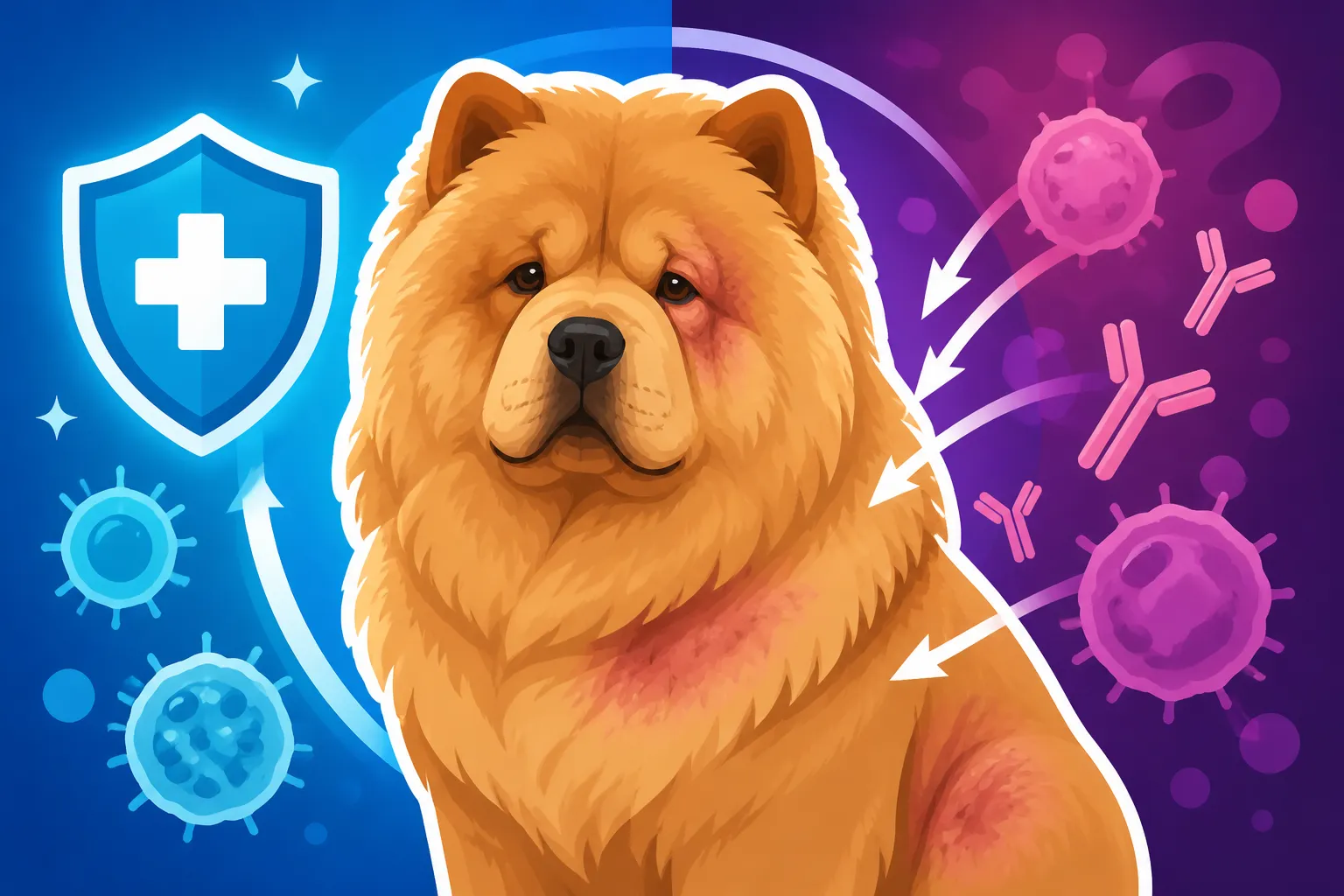
Imagine your Chow Chow's immune system as a highly specialized army, constantly on patrol for threats like viruses, bacteria, and other pathogens. When it detects something truly harmful, it mobilizes, sending out specialized cells and antibodies to neutralize the danger. This is a normal, healthy immune response, crucial for keeping your dog safe and well. However, with an autoimmune disease, this army gets confused. It starts targeting parts of your Chow Chow's own body – perhaps skin cells, thyroid glands, red blood cells, or joints – as if they were dangerous foreign entities.
This misdirected attack can lead to chronic inflammation, tissue damage, and a host of symptoms that can range from mild and irritating to severe and life-threatening. The body is essentially fighting itself, and without intervention, this internal battle can cause significant discomfort and decline in health. It’s a subtle yet profound malfunction that requires careful attention and specialized care to manage.
Why Chow Chows Are Prone to Autoimmune Issues
Chow Chows, with their ancient lineage and distinct genetic makeup, sadly carry a higher genetic predisposition to certain autoimmune conditions compared to many other breeds. This isn't just bad luck; it's often a result of centuries of selective breeding within a relatively closed gene pool, which can amplify certain genetic vulnerabilities. While the exact genetic markers for every autoimmune disease aren't fully understood, it's clear that certain breeds, including our fluffy Chows, have an increased likelihood.
Their unique physiology and sometimes exaggerated features, like dense coats and deeply set eyes, can also complicate diagnosis and symptom presentation. For instance, their thick fur can often conceal skin lesions, delaying the recognition of conditions like pemphigus. Breeders dedicated to the health of the breed strive to understand these genetic predispositions and screen their lines. For more on what responsible breeders do, you might find information on What a Chow Chow Breeder Should Have Tested particularly insightful. Understanding this inherent susceptibility helps us, as owners, be more vigilant and proactive in seeking veterinary care when even subtle changes occur.
Pemphigus Foliaceus: A Common Autoimmune Skin Condition
Among the various autoimmune challenges a Chow Chow might face, Pemphigus Foliaceus stands out as one of the more common and visually striking. This particular condition primarily targets the skin, causing blisters, crusts, and hair loss that can be incredibly uncomfortable for your dog and alarming for you to witness. It's not contagious, but it is chronic and requires dedicated management.
Recognizing the Signs of Pemphigus on a Chow Chow's Skin
The hallmark of Pemphigus Foliaceus is the formation of pustules and crusts, often symmetrical, that tend to appear first on the bridge of the nose, around the eyes, and on the ear flaps. You might see your Chow Chow scratching or rubbing these areas excessively, indicating intense itchiness. The pustules, which are essentially small pockets of pus, quickly rupture and dry, leaving behind thick, yellow-brown crusts. These crusts can become quite extensive, leading to hair loss and a very unkempt appearance.
However, because of a Chow Chow's famously dense double coat, these initial signs can be incredibly difficult to spot. Imagine trying to find tiny pustules under layers of thick fur! This is why regular, thorough grooming and tactile checks of your Chow Chow's skin are so crucial. You might feel the crusts before you see them. The paws, especially the pads, can also be affected, leading to cracked, painful pads and even lameness. This can make walking uncomfortable and can be a strong indicator that something serious is amiss. You might notice your dog's nose losing its dark pigment, a condition known as depigmentation, which is another common sign of Pemphigus. For a deeper dive, read more about What Pemphigus Foliaceus Does to a Chow Chow and Signs a Chow Chow Has an Autoimmune Skin Disease.
Diagnosing Pemphigus: From Biopsy to Immunofluorescence
Getting a definitive diagnosis for Pemphigus Foliaceus usually involves a skin biopsy. Your veterinarian will take small samples of the affected skin, typically from a fresh lesion if possible, and send them to a specialized veterinary pathologist. The pathologist will then examine the tissue under a microscope, looking for characteristic signs of the disease, such as acantholysis – the detachment of skin cells from each other – and the presence of inflammatory cells. Sometimes, they might perform an immunofluorescence test, which helps to detect autoantibodies specifically targeting the skin cells.
This diagnostic journey can be a little drawn out and may involve multiple vet visits and tests, which can be frustrating when you just want answers for your struggling Chow Chow. It's important to be patient and work closely with your vet, potentially even seeking the expertise of a veterinary dermatologist. They can help navigate the complexities of skin conditions, especially those hidden beneath that majestic coat. Accurate diagnosis is paramount because other skin conditions, including severe bacterial infections or even ringworm, can sometimes mimic the appearance of pemphigus, requiring entirely different treatments.
Managing Pemphigus: Treatment Options and Long-Term Care
Once Pemphigus Foliaceus is diagnosed, the primary goal of treatment is to suppress the overactive immune system. This most commonly involves corticosteroids, such as prednisone, which are potent anti-inflammatory and immunosuppressive drugs. The initial doses are often quite high to bring the condition under control, and then gradually tapered down to the lowest effective dose for long-term maintenance. This tapering process is critical; stopping steroids abruptly can lead to a severe flare-up of symptoms.
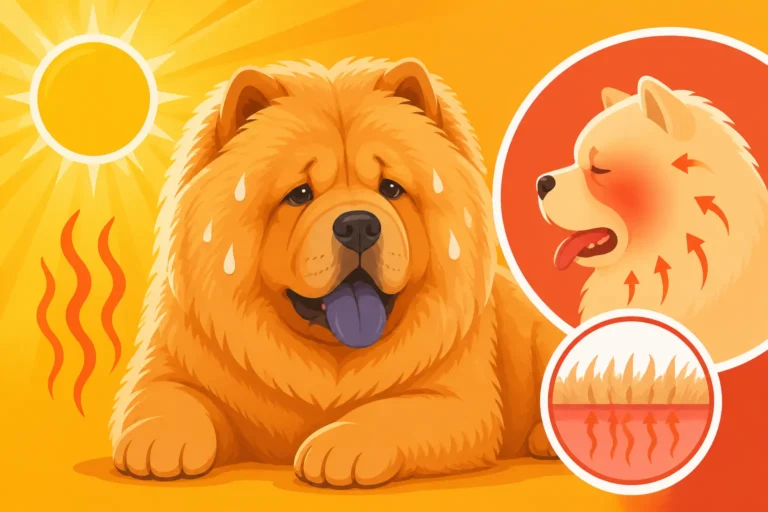
Beyond steroids, other immunosuppressive medications like azathioprine or cyclosporine might be used, often in combination with steroids, to allow for lower steroid doses and reduce potential side effects. Topical treatments, such as medicated shampoos or ointments, can also help manage secondary infections and improve skin comfort. This is almost always a lifelong condition, meaning your Chow Chow will likely need ongoing medication. Regular veterinary check-ups are essential to monitor your dog's response to treatment, adjust dosages as needed, and watch for potential side effects of the medications. Sun exposure can actually worsen Pemphigus lesions, so limiting outdoor time during peak sun hours is also a practical consideration. For a deeper understanding of the medications, you can look into Which Medication a Chow Chow With Pemphigus Takes and Whether Pemphigus Is Lifelong in a Chow Chow.
Autoimmune Thyroiditis: The Silent Hormone Battle
Another significant autoimmune condition that often affects Chow Chows is autoimmune thyroiditis, which is the most common cause of hypothyroidism in dogs. Unlike the visible skin issues of pemphigus, thyroiditis often progresses silently, with symptoms that can be subtle and easily mistaken for normal aging or other less serious issues. This makes early detection a real challenge, but understanding the signs is key to providing timely help.
Signs of a Low Thyroid in Your Chow Chow
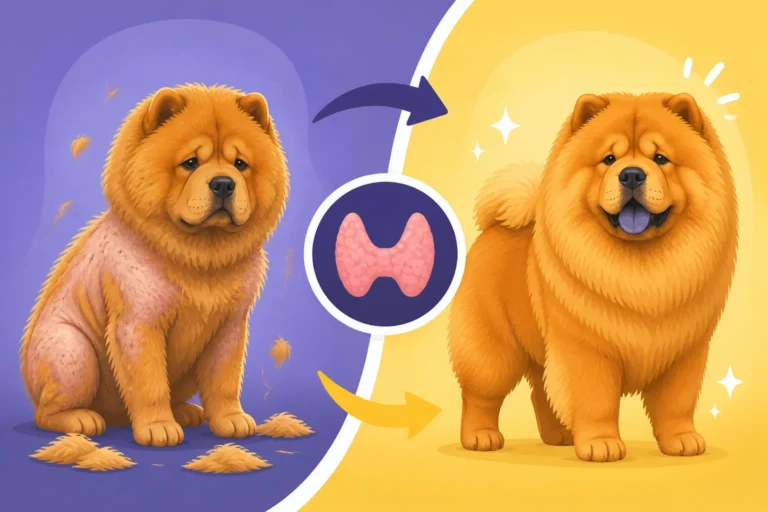
A Chow Chow with autoimmune thyroiditis produces insufficient thyroid hormones, leading to a slowed metabolism and a range of non-specific symptoms. You might notice your previously energetic Chow Chow becoming lethargic, sleeping more, and generally showing a decreased interest in walks or play. Weight gain is a very common sign, even if your dog isn't eating more, as their body simply isn't burning calories efficiently. Their glorious double coat, which is usually a source of pride, might start to thin, become dry, brittle, and even take on a "rat tail" appearance, especially on the tail. Sometimes, the fur can feel greasy or oily, and you might see patches of hair loss, particularly on the flanks.
Other, less obvious signs can include an increased sensitivity to cold, a dull or sad facial expression, and even changes in temperament, such as becoming more irritable or fearful. The challenge with a Chow Chow, in particular, is that their dense coat can effectively hide some of these skin and hair changes for a long time. It's also worth remembering that some Chows are naturally more reserved, so discerning between typical aloofness and a new lethargy can be tricky. Knowing these subtle indicators, as discussed in Signs a Chow Chow's Thyroid Is Low, empowers you to act quickly.
Diagnosing Hypothyroidism: Beyond a Single Blood Test
Diagnosing autoimmune thyroiditis requires more than just a single, isolated blood test. While a basic thyroid panel might show low thyroid hormone levels (T4), a comprehensive diagnosis involves looking at several parameters. Your vet will usually measure total T4, free T4, and Thyroid Stimulating Hormone (TSH). In hypothyroid dogs, T4 and free T4 are typically low, while TSH is often elevated as the body tries to stimulate the underperforming thyroid gland.
Crucially, in autoimmune thyroiditis, vets will also look for the presence of autoantibodies against thyroid components, specifically thyroglobulin autoantibodies (TgAA). The presence of these antibodies confirms the autoimmune nature of the problem, even if thyroid hormone levels are not yet overtly low. This is why when considering When a Chow Chow's Thyroid Should Be Tested, it's recommended to do it periodically, especially if breeding or if symptoms start to appear. Certain medications and non-thyroidal illnesses can also temporarily suppress thyroid levels, making an accurate diagnosis a bit like detective work. This is why annual bloodwork should include a thyroid panel, particularly as your Chow Chow ages, to catch these changes early.
Lifelong Management of Thyroid Disease
The good news about autoimmune thyroiditis is that it is typically very manageable with lifelong medication. Synthetic thyroid hormone replacement, usually in the form of levothyroxine, is administered daily, often twice a day, to supplement the hormones your Chow Chow's thyroid is no longer producing sufficiently. Most dogs respond remarkably well to treatment, with noticeable improvements in energy levels, coat quality, and overall demeanor within a few weeks to a couple of months.
It's a medication that your Chow Chow will need for the rest of their life, so consistency is absolutely key. Regular follow-up blood tests, usually every 6-12 months after stabilization, are necessary to ensure the dosage is correct and to make any necessary adjustments. The aim is to keep the thyroid hormone levels within the normal range, preventing both overtreatment (which can cause hyperactivity and weight loss) and undertreatment (where symptoms return). The positive impact of correct management on your Chow Chow's quality of life is significant, making it a very rewarding condition to treat. You can find more detail on What Autoimmune Thyroiditis Does to a Chow Chow for a deeper understanding of the condition's progression.
Less Common But Significant Autoimmune Conditions
While pemphigus and thyroiditis are perhaps the most recognized autoimmune diseases in Chow Chows, it's important to remember that the immune system can, unfortunately, target almost any part of the body. There are other, less common, but equally serious autoimmune conditions that Chow Chow owners should be aware of, as early recognition and intervention are critical for a positive outcome.
Autoimmune Hemolytic Anemia AIHA and Immune-Mediated Thrombocytopenia ITP
Autoimmune Hemolytic Anemia (AIHA) and Immune-Mediated Thrombocytopenia (ITP) are two potentially life-threatening conditions where the immune system attacks blood components. In AIHA, the immune system destroys the red blood cells, which are vital for carrying oxygen throughout the body. This leads to severe anemia, manifesting as extreme lethargy, pale gums, weakness, and sometimes yellowing of the skin or eyes (jaundice) due to the breakdown of red blood cells. It's an emergency situation that requires immediate veterinary attention.
ITP, on the other hand, involves the immune system attacking and destroying platelets, the tiny cells responsible for blood clotting. Dogs with ITP can present with spontaneous bruising, nosebleeds, blood in their urine or stool, or tiny pinpoint red spots on their gums or skin (petechiae). Both conditions can be triggered by infections, certain medications, or vaccines, but often they are idiopathic, meaning they arise without a clear cause. Treatment typically involves high doses of immunosuppressive drugs, and sometimes blood transfusions are necessary to stabilize the dog while the medication takes effect. These conditions highlight how devastating a misdirected immune system can be.
Inflammatory Bowel Disease IBD and Its Impact
Inflammatory Bowel Disease (IBD) is another chronic autoimmune-mediated condition that affects the digestive tract. In IBD, the immune system inappropriately reacts to certain components in the gut, leading to chronic inflammation of the stomach, small intestine, or large intestine. For a Chow Chow, this can result in persistent vomiting, chronic diarrhea, weight loss, decreased appetite, and often an intermittent, waxing and waning course that can be incredibly frustrating to pinpoint.
Diagnosing IBD often involves a combination of dietary trials (to rule out food allergies), extensive stool tests, blood work, and ultimately, biopsies of the intestinal lining to confirm the presence of inflammatory cells. Treatment is multimodal and often includes novel protein or hydrolyzed diets, various immunosuppressive medications like corticosteroids or cyclosporine, and sometimes antibiotics to manage secondary bacterial overgrowth. It's a condition that demands a dedicated partnership between owner and vet to find the right balance of diet and medication to keep symptoms under control and ensure your Chow Chow can absorb nutrients properly.
Other Potential Autoimmune Challenges
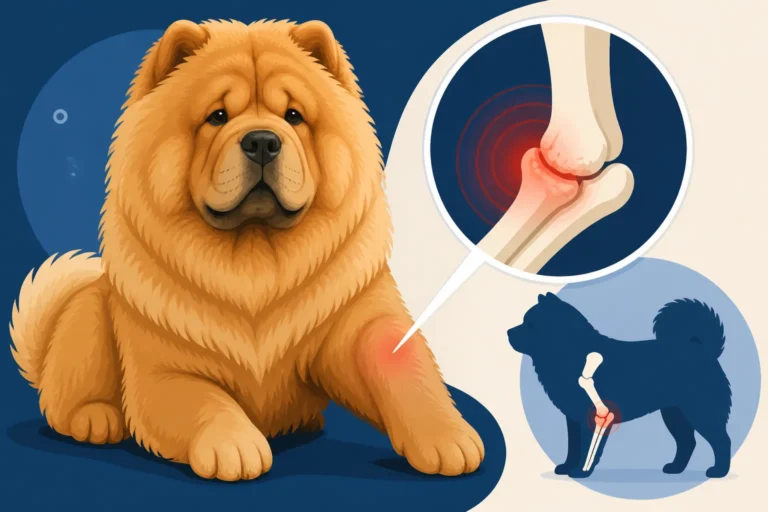
Beyond the conditions mentioned, Chow Chows can also be susceptible to other autoimmune disorders, though perhaps less frequently observed. For instance, some may develop autoimmune polyarthritis, where the immune system attacks the joints, leading to lameness, stiffness, and pain. Systemic Lupus Erythematosus (SLE), often referred to as "lupus," is a more generalized autoimmune disease that can affect multiple organ systems, including the skin, joints, kidneys, and blood. Its symptoms are incredibly varied and can be difficult to diagnose definitively.
Another condition to be aware of, though not strictly autoimmune but with an immune component, is uveodermatologic syndrome (UDS), also known as Vogt-Koyanagi-Harada-like syndrome. While rare, it is an immune-mediated disease where the immune system attacks melanin-producing cells, causing inflammation in the eyes (uveitis) and depigmentation of the skin, particularly around the nose, lips, eyelids, and paw pads. Each of these conditions, regardless of their rarity, underscores the importance of being attuned to your Chow Chow's health, recognizing subtle changes, and seeking prompt veterinary care. It’s a testament to how complex and varied immune-mediated diseases can be.
The Role of Genetics and Breeding Responsibility
Understanding the genetic underpinnings of autoimmune diseases in Chow Chows is crucial for both current owners and those considering bringing a Chow into their lives. The reality is that many of these conditions have a hereditary component, passed down through generations. This places a significant responsibility on breeders to make informed choices that prioritize the health and longevity of the breed.
Heritability of Autoimmune Diseases in Chow Chows
The sad truth is that a predisposition to many autoimmune conditions runs in certain family lines within the Chow Chow breed. This means that if a Chow Chow has parents or close relatives who suffered from conditions like pemphigus, autoimmune thyroiditis, or even AIHA, their offspring may be at a higher risk. While genetics are rarely black and white – it's often a complex interplay of multiple genes and environmental factors – the risk is undeniable. Some researchers believe that the specific genes that make Chow Chows distinct, such as those influencing their dense coat or unique facial structure, might also be linked to certain immune system vulnerabilities.
This heritability doesn't mean every Chow Chow from a particular lineage will develop an autoimmune disease, but it does mean that the genetic dice are loaded against them. It’s why responsible breeding practices are so vital. When considering a Chow Chow, delving into the health history of the parent dogs and their ancestors is not just recommended, it’s essential. A transparent breeder will be open about these potential challenges and the steps they take to mitigate them.
What a Chow Chow Breeder Should Have Tested
A truly responsible Chow Chow breeder goes far beyond simply providing a cute puppy. They are committed to the health of their breeding lines and proactively screen their dogs for known hereditary conditions, including those with an autoimmune component. For Chow Chows, this should absolutely include thyroid panels on breeding adults, which can detect autoimmune thyroiditis before clinical signs are evident. Regular eye exams by a veterinary ophthalmologist are also critical, though perhaps more for issues like entropion or glaucoma, they are part of a comprehensive health check.
While specific DNA tests for all autoimmune diseases don't yet exist, breeders should be tracking the health outcomes of their lines meticulously. They should be able to provide documentation of health clearances, not just for the parents, but ideally for grandparents as well, showcasing a commitment to reducing the incidence of hereditary diseases. Asking detailed questions about health testing, the longevity of their dogs, and any known health issues in their lines is paramount. For a comprehensive list of what to expect, refer to Which Health Tests a Chow Chow Breeder Should Run. A breeder who is evasive or dismissive of health concerns is a significant red flag.
Making Informed Choices When Getting a Chow Chow
When you're captivated by the charm of a Chow Chow puppy, it's easy to overlook these serious health considerations. However, making an informed choice from the outset can significantly reduce the heartache and financial burden later on. Beyond asking about health testing, inquire about the breeder's philosophy regarding common Chow Chow health issues. Do they understand the risk of Entropion Is the Chow Chow's Signature Problem? Are they open about any instances of autoimmune disease in their past litters or breeding dogs?
Choosing a puppy from a reputable breeder who prioritizes health and temperament over quick sales is a commitment to your future Chow Chow's well-being. It’s an investment, not just financially, but in the years of companionship and joy you hope to share. Don't be afraid to ask for vet records, speak to references, and spend time with the parent dogs if possible. This due diligence is crucial to finding a healthy companion and supporting ethical breeding practices.
Living with a Chow Chow with Autoimmune Disease
Receiving a diagnosis of an autoimmune disease for your Chow Chow can feel like a heavy blow. It means commitment, vigilance, and often a significant adjustment to your daily routine. However, with the right approach and a strong partnership with your veterinary team, many Chow Chows with autoimmune conditions can lead full, comfortable lives.
Daily Care and Monitoring at Home
The cornerstone of managing an autoimmune disease is consistent daily care and vigilant monitoring. This means adhering strictly to medication schedules, which for many autoimmune conditions, means daily oral medications. Missing doses or inconsistent timing can lead to flare-ups or ineffective treatment. Beyond medication, you become the primary observer of your Chow Chow's health. You'll need to regularly check their skin for new lesions if they have pemphigus, monitor their energy levels and appetite for signs of thyroid imbalance, or observe their stool consistency and frequency if they have IBD.
Keeping a detailed log of symptoms, medication administration, and any changes you observe can be incredibly helpful for your vet. This might include noting when new crusts appear, if your Chow Chow seems more lethargic, or if their thirst has increased. Remember, Why a Chow Chow's Dense Coat Hides Skin Disease makes regular, thorough grooming sessions even more critical, not just for aesthetics but as an opportunity for hands-on health checks. Being proactive and communicative with your vet about these daily observations is vital for fine-tuning treatment and responding quickly to any changes.
Nutritional Considerations and Support
Nutrition plays a significant, though sometimes supportive, role in managing autoimmune diseases. While diet alone often isn't enough to control these conditions, the right food can certainly aid recovery, reduce inflammation, and support overall health. For Chow Chows with Inflammatory Bowel Disease, dietary changes are often a primary treatment, focusing on novel protein or hydrolyzed diets to minimize immune reactions in the gut. For skin conditions like pemphigus, a high-quality diet rich in omega-3 fatty acids can support skin barrier health and reduce inflammation.
Even for conditions like autoimmune thyroiditis, while medication is key, a balanced, easily digestible diet can help maintain a healthy weight and overall vitality. Always discuss any dietary changes with your veterinarian, as they can recommend specific therapeutic diets or supplements that are appropriate for your Chow Chow's specific condition and overall health needs. There's no one-size-fits-all answer, and what works for one dog might not work for another.
The Importance of Regular Veterinary Check-ups
Living with an autoimmune disease means your Chow Chow will become a frequent visitor to the veterinary clinic. These regular check-ups aren't just for medication refills; they are crucial for monitoring the progression of the disease, assessing the effectiveness of treatment, and catching any potential side effects from long-term medication use. For example, dogs on corticosteroids need regular blood work to check liver and kidney function and to monitor for conditions like Cushing's disease, which can be a side effect of prolonged steroid use.
Your vet will likely recommend periodic rechecks, which could range from every few weeks during initial treatment to every six months once the condition is stable. These visits are your opportunity to discuss any concerns, share your observations from home, and ensure your Chow Chow's treatment plan is still optimal. Because a Chow Chow's temperament can sometimes make vet visits challenging, leading to Why a Chow Chow Is Hard to Examine at the Vet, finding a Fear Free certified veterinary practice or working with your vet on desensitization techniques can make these essential visits less stressful for everyone involved. A proactive and open relationship with your veterinary team is truly your greatest asset in managing these complex conditions.
Financial Implications and Pet Insurance
Facing an autoimmune disease diagnosis for your Chow Chow isn't just emotionally taxing; it also comes with significant financial implications. The cost of diagnostics, medications, and ongoing veterinary care can quickly add up, creating a substantial burden for even the most prepared pet owners.
Understanding the Costs of Long-Term Autoimmune Treatment
The financial reality of managing an autoimmune disease in a Chow Chow can be quite stark. Initial diagnostic tests, such as skin biopsies for pemphigus, comprehensive thyroid panels, or intestinal biopsies for IBD, can range from a few hundred to over a thousand dollars, depending on your location and the specific tests required. Once diagnosed, the cost of lifelong medication is a recurring expense. For example, medications like prednisone, azathioprine, or levothyroxine, even in generic forms, can cost anywhere from $50 to several hundred dollars per month, especially for a larger dog like a Chow Chow who will require higher doses.
Beyond medication, there are the costs of regular veterinary check-ups, follow-up blood work to monitor organ function and medication levels, and potential specialist consultations with veterinary dermatologists or internal medicine specialists. These specialist visits can be more expensive than general vet visits. In the event of a flare-up or a crisis, emergency veterinary care, including hospitalization or blood transfusions for conditions like AIHA, can easily run into thousands of dollars. It’s a reality that can catch many owners off guard, highlighting the importance of financial planning.
| Autoimmune Condition | Typical Diagnostics | Monthly Medication Costs (Estimate) | Potential Emergency Costs |
|---|---|---|---|
| Pemphigus Foliaceus | Biopsy, Blood work | $50 – $300 (Steroids, Immunosuppressants) | $500 – $3,000 (Flare-ups, secondary infections) |
| Autoimmune Thyroiditis | Full Thyroid Panel | $20 – $80 (Levothyroxine) | $0 (Typically no emergencies if managed) |
| AIHA / ITP | Blood Tests, Coagulation | $100 – $500 (Steroids, Immunosuppressants) | $3,000 – $10,000+ (Transfusions, ICU care) |
| IBD | Dietary Trials, Biopsy, Blood work | $50 – $400 (Diet, Steroids, Immunosuppressants) | $500 – $2,500 (Severe flare-ups, dehydration) |
Note: Costs are estimates and can vary widely based on location, vet, and specific medications.
How Pet Insurance Can Help
This is where pet insurance can truly be a lifesaver, transforming potentially crippling veterinary bills into manageable monthly premiums. A good pet insurance policy can cover a significant portion of the costs associated with diagnosing, treating, and managing chronic conditions like autoimmune diseases. Imagine being able to make treatment decisions based on what’s best for your Chow Chow, rather than being constrained by the limits of your bank account. Many pet owners report that a quality pet insurance plan helps them afford the best possible care for their furry friends, providing peace of mind during stressful times.
However, it's absolutely crucial to understand that pet insurance, including plans from reputable providers like Healthy Paws, typically operates on an "accident and illness" model, meaning pre-existing conditions are almost always excluded. This is why getting your Chow Chow insured before any signs of autoimmune disease appear is paramount. If your Chow Chow develops hypothyroidism, for example, before you have insurance, that condition will likely be considered pre-existing and won't be covered by a new policy. For more context on the costs involved, you might want to review What Pet Insurance Costs on a Chow Chow at Eight as premiums can increase with age.
Choosing the Right Policy for Your Chow Chow
When selecting a pet insurance policy, especially with the potential for breed-specific issues like those in Chow Chows, it's important to do your homework. Look for comprehensive plans that cover chronic conditions, specialist visits, emergency care, and prescription medications. Some plans, like those offered by Healthy Paws, are known for their strong coverage for hereditary and chronic conditions, provided the condition isn't pre-existing when the policy is purchased.
Pay close attention to deductibles, reimbursement percentages, and annual limits. A lower deductible means you pay less out-of-pocket before coverage kicks in, but usually comes with a higher monthly premium. A higher reimbursement percentage (e.g., 90% vs. 70%) means the insurance covers more of the eligible bill. Read the fine print, ask questions about waiting periods, and clarify what constitutes a "pre-existing condition" with any potential insurer. It's an investment, but one that can make all the difference in providing your Chow Chow with the long, healthy life they deserve, even in the face of an autoimmune diagnosis. Whether Insurance Covers a Chow Chow's Autoimmune Disease is a critical question to ask any potential provider.
Disclaimer
The information provided in this article is intended for general knowledge and informational purposes only, and does not constitute medical advice. Always consult with a qualified veterinarian or animal health professional for any health concerns or before making any decisions related to your Chow Chow's health and treatment.