Why a Chow Chow Should Not Walk at Noon
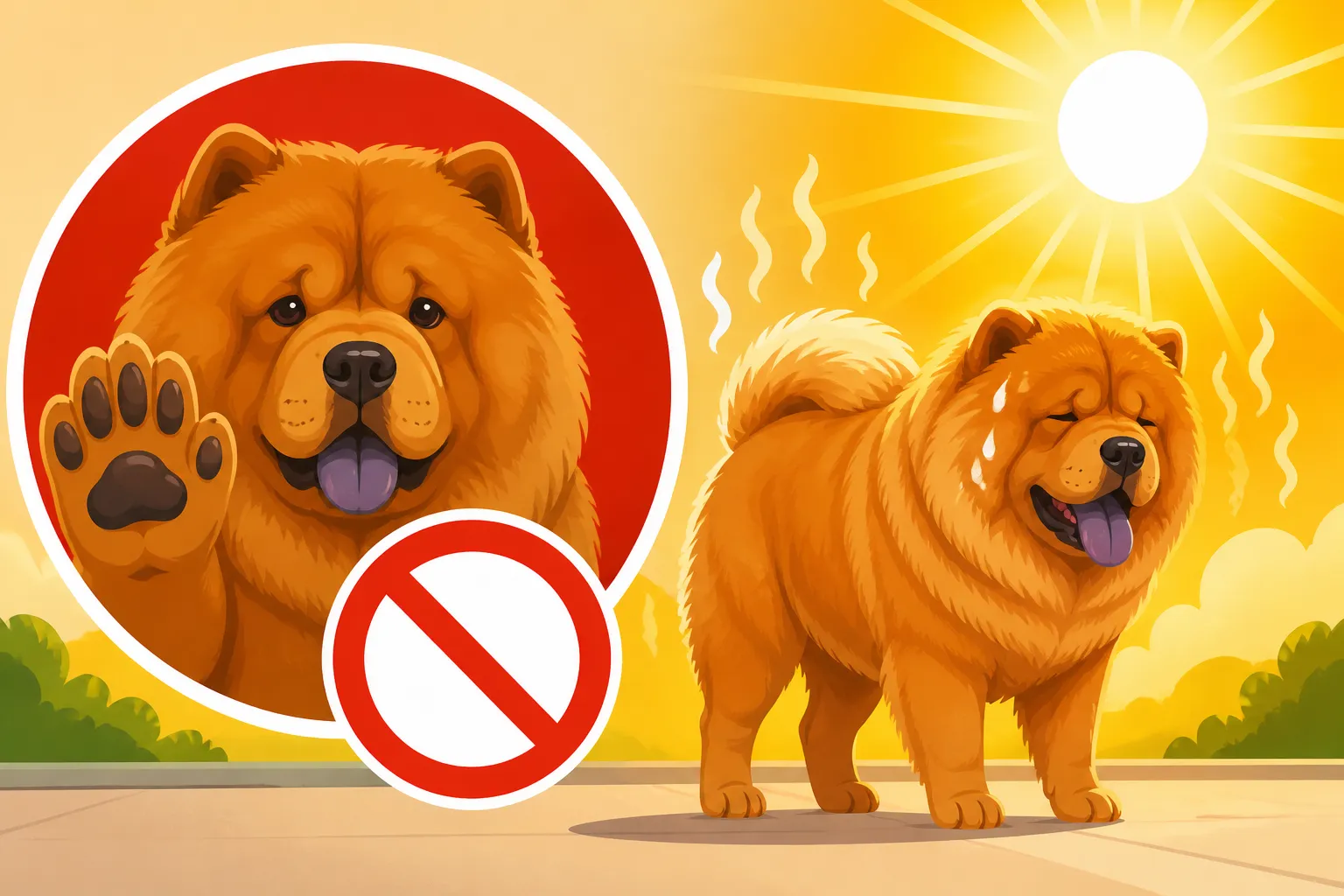
Oh, the summer sun! It's a gorgeous thing for us, but for our beloved Chow Chows, it can be an invisible, silent killer. You see, the dense, majestic coat and those adorable scrunched faces that make them so unique also make them incredibly susceptible to overheating. Taking your Chow Chow for a walk in the middle of the day, when the sun is at its peak and the pavement is scorching, isn't just uncomfortable for them; it's genuinely dangerous, and understanding why is the first step to keeping them safe and happy. This guide will walk you through the very real risks of midday walks and equip you with the knowledge to protect your furry friend from the heat.
The Chow Chow's Unique Vulnerability to Heat
It’s not just that Chows have a lot of fur; it's the specific kind of fur and their particular physical traits that make them little heat magnets. Many new Chow Chow owners, or even experienced dog owners, don't fully grasp just how quickly these beautiful dogs can go from a pleasant stroll to a life-threatening emergency. It's a genuine struggle, especially if you live in a warmer climate or during those unexpected heat waves.
Why a Double Coat Is a Heat Trap
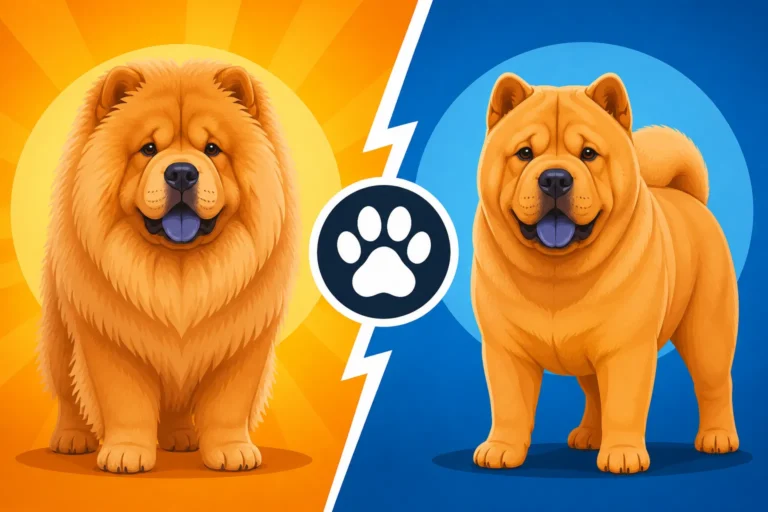
Imagine wearing a thick winter coat in the middle of July. That's essentially what your Chow Chow's magnificent double coat feels like to them, especially during the hottest parts of the day. They have two layers: a coarse, straight outer coat that acts as a protective barrier, and a soft, dense, woolly undercoat that provides insulation. While this combination is fantastic for keeping them warm in their ancestral cold climates, it becomes a severe disadvantage in the heat.
This double layer is incredibly efficient at trapping air, which is brilliant for insulation against cold. However, in hot weather, that trapped air becomes a layer of hot air next to their skin, making it incredibly difficult for their body heat to dissipate. It's not just a matter of feeling warm; it actively hinders their natural cooling mechanisms. Many people think shaving a Chow Chow will help, but that's a common misconception that can actually make things worse by removing their natural insulation and exposing their skin to harmful UV rays. You can learn more about this challenge in Why a Chow Chow's Double Coat Traps Heat.
The Short Muzzle and Cooling Challenges
Beyond their coat, Chow Chows are a brachycephalic breed, meaning they have a relatively short, broad skull and a compressed muzzle. Think about those adorable squishy faces – they are charming, but they come with a significant respiratory trade-off. Dogs primarily cool themselves by panting. When a dog pants, air passes over the moist surfaces of their tongue, mouth, and upper respiratory tract, evaporating moisture and carrying away heat.
However, a Chow Chow's shortened air passages, often accompanied by narrow nostrils and an elongated soft palate, make this process far less efficient. They have to work much harder to move the same amount of air as a long-muzzled dog, meaning less effective heat exchange. This struggle to cool down means that even mild exercise in moderate temperatures can quickly become dangerous for them. It’s a frustrating reality for Chow owners who simply want to enjoy a walk with their dog. Understanding Why a Chow Chow's Short Muzzle Cools Poorly is crucial for their well-being.
The Specific Dangers of Midday Walks for Chows
Walking your Chow Chow when the sun is directly overhead, typically between 10 AM and 4 PM, introduces a unique set of hazards that can quickly escalate into a medical emergency. It's not just the ambient air temperature; it's the combination of factors that compound the risk.
Scorching Pavement and Paw Burns
One of the most immediate and often overlooked dangers of midday walks is the temperature of the ground itself. Asphalt, concrete, and even dark-colored sidewalks absorb and retain an incredible amount of heat from the sun. While the air temperature might be a bearable 80°F (27°C), the pavement can easily reach 125°F (52°C) or higher. Think about walking barefoot on hot asphalt – that's what your Chow Chow's paws are enduring.
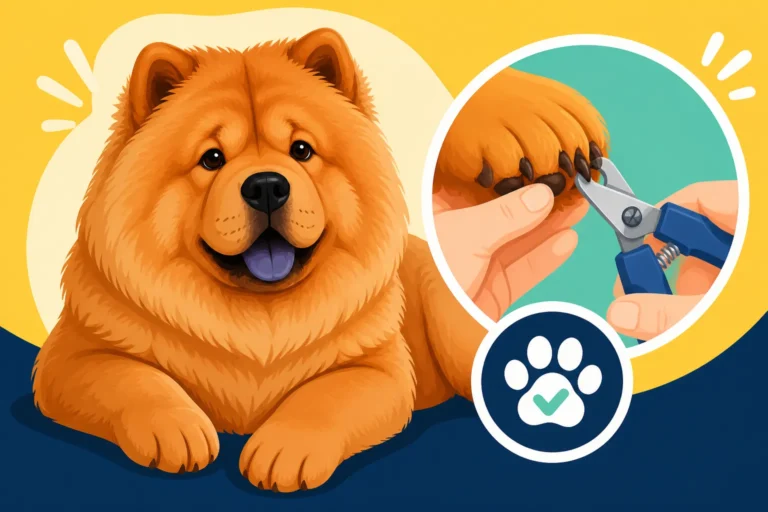
These extreme temperatures can cause severe burns to their paw pads within minutes, leading to blisters, peeling skin, and excruciating pain. Such injuries not only require immediate veterinary attention but can also take weeks to heal, leaving your Chow Chow unable to walk comfortably for extended periods. It's a painful lesson many owners learn the hard way. Always perform the "seven-second rule": place the back of your hand on the pavement. If you can't hold it there comfortably for seven seconds, it's too hot for your dog's paws. Investing in dog booties or sticking to grassy, shaded areas can offer some protection, but avoiding the hottest part of the day is always the safest bet. For more on this, check out Whether a Chow Chow Needs Paw Protection on Hot Asphalt.
Peak Sun Exposure and Heat Stroke Risk
The sun's rays are most intense during the middle of the day, directly heating your Chow Chow's thick coat and dark skin. This direct solar radiation significantly increases their body temperature, even if the air feels breezy. Combined with their inherent inability to cool efficiently through panting and their insulating coat, this can lead to a rapid and dangerous rise in core body temperature.
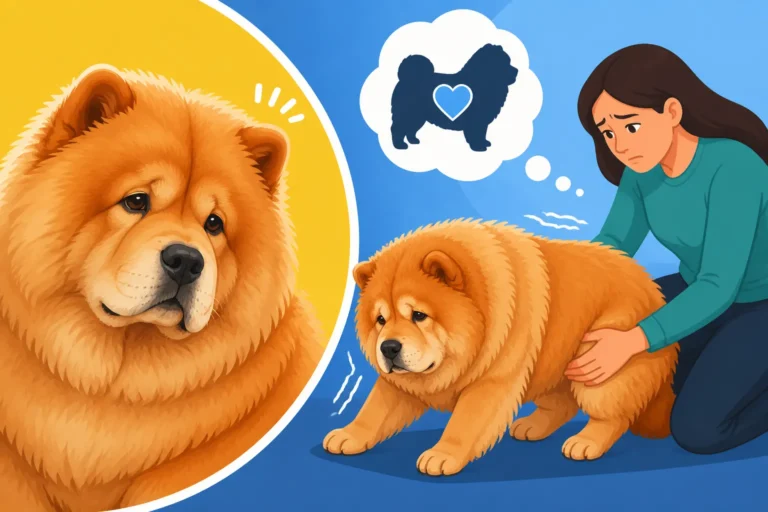
Heat stroke is not just "getting too hot"; it's a critical medical emergency where the body's cooling mechanisms fail, and internal organs begin to shut down. Symptoms can appear suddenly and progress quickly, often leaving owners with very little time to react. The insidious part is that a Chow Chow's stoic nature might mean they don't show obvious signs of distress until they are already in a critical state. Early warning signs like excessive panting, lethargy, or drooling might be subtle and easy to miss amidst their fluffy exterior. This is why vigilance is paramount. Understanding Signs a Chow Chow Is Overheating on a Walk is incredibly important for every Chow owner.
Crafting a Safe Walking Schedule for Your Chow Chow
Since midday walks are largely off-limits, planning your Chow Chow's exercise routine around the cooler parts of the day is not just recommended, it's essential. This requires a bit of foresight and flexibility, but it’s a small price to pay for your dog’s health and comfort.
The Best Times for Exercise
The golden rule for walking a Chow Chow, especially in warmer months, is to avoid the peak heat. This generally means very early mornings and late evenings.
- Early Morning Walks: Before the sun has had a chance to heat up the air and the ground, usually before 8 AM, is often the best time. The air is typically cooler and fresher, and the pavement has had all night to cool down. It’s a peaceful time for a stroll and much more comfortable for your Chow.
- Late Evening Walks: Once the sun has set and the temperatures have begun to drop, often after 7 PM or even later, is another good window. Again, check the pavement temperature carefully, as it can retain heat for some time after sundown.
These cooler times allow your Chow Chow to enjoy their outdoor time without the added stress of combating extreme heat. Even during these times, keep walks short and purposeful, focusing on exercise rather than extended sniffing or lounging. For a deeper dive into timing, consult The Hour of Day a Chow Chow Should Be Walked and When a Chow Chow Should Be Walked in Summer.
Essential Gear and Hydration
Having the right tools can make a significant difference in keeping your Chow Chow comfortable and safe during walks.
- Portable Water and Bowl: This is non-negotiable. Always carry fresh water and a collapsible bowl. Offer water frequently, even if the walk is short. Hydration is key to helping their body regulate temperature. You'll find many excellent options for portable water bottles and bowls on Chewy or Amazon. Remember, How Much Water a Chow Chow Drinks in Summer is often more than you think!
- Cooling Vests or Bandanas: These can be incredibly helpful. Cooling vests, often soaked in water and then worn, use evaporative cooling to draw heat away from the dog’s body. Cooling bandanas work similarly for the neck area. They provide an extra layer of defense against rising body temperatures. While they aren't a substitute for avoiding heat, they can offer added comfort. You can often find a good selection of these on Amazon. Consider What a Chow Chow's Cooling Vest Costs when budgeting for essential gear.
- Paw Protection: If you absolutely cannot avoid slightly warm pavement, dog booties can protect delicate paw pads from burns. They also offer traction and protection from rough surfaces.
- Harness vs. Collar: A well-fitting harness is generally preferred over a neck collar for a Chow Chow, especially given their brachycephalic nature. A collar can put pressure on their windpipe, making breathing and panting even harder, which directly impacts their ability to cool down.
Monitoring and Modifying Activity Levels
Even during cooler parts of the day, pay close attention to your Chow Chow's behavior. They might not always vocalize discomfort.
- Watch for Early Signs: Increased panting, lethargy, seeking shade, reluctance to move, or a change in gait can all be subtle indicators that your Chow is getting too warm. Their tongue might appear darker red, and their gums might look flushed.
- Short and Sweet: Keep walks brief. A Chow Chow isn't typically a dog that needs to jog miles or accompany you on a long hike. Short, consistent walks are usually sufficient. How Much Exercise a Chow Chow Actually Needs is often less than people assume, especially in heat.
- Adjust Based on Conditions: On particularly humid days, even if the temperature isn't extremely high, the humidity can significantly hinder a dog's ability to cool down through panting. Evaporation is less effective in humid air, so be extra cautious. What might be acceptable at 70°F (21°C) with low humidity might be dangerous at the same temperature with high humidity.
Recognizing and Responding to Heat Stress
Despite all precautions, sometimes a Chow Chow can still succumb to heat stress. Knowing the signs and how to react quickly is paramount, as heat stroke is a true emergency.
Identifying Signs of Overheating
It's vital to know the indicators that your Chow Chow is struggling with the heat. Remember, their thick coat and stoic demeanor can mask symptoms until they are severe.
| Symptom | Severity | Description |
|---|---|---|
| Excessive Panting | Mild to Moderate | Louder, faster panting than usual, often accompanied by open-mouth breathing. |
| Drooling | Mild to Moderate | Thick, ropey saliva, sometimes with foam around the mouth. |
| Lethargy/Weakness | Moderate | Reduced energy, reluctance to move, stumbling, or unusual fatigue. |
| Bright Red Gums/Tongue | Moderate | Gums and tongue appear much redder than normal due to increased blood flow to aid cooling. |
| Vomiting/Diarrhea | Moderate to Severe | Gastrointestinal upset can be a sign of systemic distress. |
| Dizziness/Disorientation | Severe | Appears confused, disoriented, may bump into objects, or struggle with balance. |
| Muscle Tremors | Severe | Involuntary muscle spasms or shaking. |
| Collapse/Loss of Consciousness | Severe | Inability to stand or respond, potentially leading to seizures or unconsciousness. |
If you notice any of these signs, especially the moderate to severe ones, your Chow Chow is likely in distress and needs immediate intervention. Pay close attention to Signs a Chow Chow Is Overheating on a Walk.
Immediate First Aid and Veterinary Emergency
If your Chow Chow is showing signs of overheating, every second counts. Your immediate actions can make a life-saving difference.
- Get to a Cool Area Immediately: Move your Chow Chow out of the sun and into the coolest possible environment. This could be air conditioning, deep shade, or even inside a cool car.
- Start Cooling:
- Water Application: Use cool (not ice cold) water to wet their coat, especially on the belly, paw pads, and inner thighs where blood vessels are close to the surface. You can use a hose, wet towels, or even a spray bottle. Avoid using ice water directly, as it can cause blood vessels to constrict, trapping heat inside and potentially leading to shock.
- Airflow: Position a fan to blow air over your wet Chow Chow to enhance evaporative cooling. If you’re outdoors, fan them with anything you have.
- Offer Water: If they are conscious and able to drink, offer small amounts of cool water. Do not force them to drink if they are unresponsive or vomiting.
- Contact Your Vet: Even if your Chow Chow seems to be recovering, call your veterinarian immediately. Heat stroke can cause internal organ damage that isn't immediately visible. They need professional assessment and possibly intravenous fluids or other treatments. Explain the situation and your actions, and head to the clinic as soon as possible.
- En Route Cooling: Continue cooling efforts on the way to the vet, but make sure it doesn't distract you from safe driving.
Remember, prevention is always easier and safer than treatment. Treating heat stroke can be incredibly expensive and invasive, costing owners a significant amount for emergency care, often involving IV fluids, medications, and hospitalization. What Heat Stroke Costs to Treat in a Chow Chow can be a shocking reality, underscoring the importance of vigilance.
Proactive Measures for a Cooler Chow
Beyond avoiding midday walks, there are several year-round habits and environmental adjustments that can significantly improve your Chow Chow's comfort and reduce their risk of heat-related issues.
Environmental Control
Making your home and yard a cool oasis for your Chow Chow is paramount.
- Air Conditioning is Your Friend: For many Chow Chows, especially those in warmer climates or during summer, air conditioning isn't a luxury; it's a necessity. Maintaining a cool indoor environment prevents their body temperature from rising in the first place. This is especially true for Chows who live in areas where temperatures regularly climb above 80°F (27°C). You might even find yourself wondering Whether a Chow Chow Needs Air Conditioning when summer rolls around.
- Shade and Shelter: If your Chow Chow spends any time outdoors, ensure they have constant access to ample shade and a well-ventilated shelter. A kiddie pool with a few inches of water can also be a wonderful relief, allowing them to cool their paws and belly.
- Cooling Mats: These mats, available at pet stores like Chewy or on Amazon, often contain a gel that activates with pressure, providing a cool spot for your Chow to lie on. They don't require refrigeration or electricity, making them a convenient option for an extra layer of cooling.
- Frozen Treats: Ice cubes, frozen Kongs filled with peanut butter, or specialized frozen dog treats can provide a tasty way to hydrate and cool down from the inside out.
Grooming and Diet for Heat Management
Proper care extends beyond just walks and air conditioning.
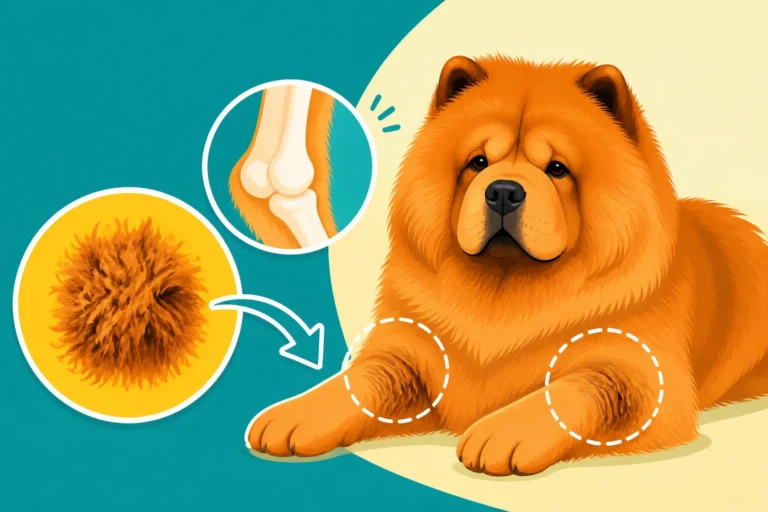
- Regular Brushing: While shaving is a no-go, consistent and thorough brushing is vital. It removes loose undercoat, which can mat and further trap heat. Regular line brushing ensures that air can circulate through their coat, improving its natural insulating properties in both hot and cold weather. Focus on brushing right down to the skin to clear out all dead hair.
- Dietary Considerations: A well-balanced diet from a reputable brand like Ollie can contribute to overall health, which in turn helps a Chow Chow cope better with environmental stressors. While diet won't "cure" heat intolerance, good nutrition supports healthy body functions, including thermoregulation.
- Weight Management: Keeping your Chow Chow at a healthy weight is crucial. Overweight dogs have an extra layer of fat that acts as insulation, making them even more susceptible to overheating. It also puts additional strain on their respiratory and cardiovascular systems.
Ultimately, living with a Chow Chow means understanding and respecting their unique physiological needs, especially concerning heat. Avoiding midday walks is not just a suggestion; it's a critical safety measure that can genuinely save your beloved companion from discomfort, illness, or worse. By being proactive, thoughtful, and prepared, you can ensure your Chow Chow enjoys a long, healthy, and happy life by your side.
Disclaimer
This article is for general informational purposes only and does not constitute professional advice. Laws, prices and regulations vary by location and change over time. Consult a qualified professional for guidance on your specific situation.