The Hour of Day a Chow Chow Should Be Walked
It’s a common frustration for Chow Chow owners: you know your majestic, lion-maned companion needs exercise, but the moment the sun peeks out, they seem to wilt. Trying to figure out the perfect window for a walk can feel like a constant battle against the elements, especially when you’re worried about their unique physiology. This guide is here to unravel the mystery, providing a comprehensive understanding of the best times to walk your Chow Chow to ensure their safety and happiness, no matter the season.
Why Timing Your Chow Chow's Walk is Critical for Their Health
When you own a Chow Chow, you're not just dealing with a dog; you're dealing with a breed uniquely equipped for colder climates and less tolerant of heat. Their striking appearance, while beautiful, comes with specific considerations, especially concerning exercise and temperature. Ignoring these can quickly lead to dangerous situations.
The Chow Chow's Unique Physiology and Heat Sensitivity
Let's be honest, those magnificent double coats are a sight to behold, but they're a serious heat trap. Chows have a dense outer coat and a thick, woolly undercoat, designed to keep them warm in the frigid temperatures of their ancestral homelands. While this is fantastic in winter, it's a huge disadvantage when the mercury rises. Imagine wearing a heavy fur coat in the middle of summer – that's essentially what your Chow Chow is doing. This remarkable insulation works too well in warmer weather, making it incredibly difficult for them to dissipate heat from their bodies. You can read more about this in Why a Chow Chow's Double Coat Traps Heat.
Beyond their luxurious fur, Chow Chows also possess a brachycephalic (short-nosed) muzzle, albeit less extreme than some other breeds like pugs or bulldogs. This shorter snout and flatter face mean they have a less efficient cooling system. Dogs primarily cool themselves by panting, and a longer muzzle allows for more surface area for evaporation to occur, effectively cooling the blood flowing to the brain. With a shorter muzzle, this process is compromised, making it harder for them to regulate their internal temperature. It's a double whammy: a coat that traps heat and a nose that struggles to release it. Check out Why a Chow Chow's Short Muzzle Cools Poorly for more details on this aspect. This combination means they simply cannot handle heat like many other breeds can, making strategic timing of their outings non-negotiable.
The Dangers of Overheating
The consequences of misjudging the temperature and pushing your Chow Chow too hard are severe. Overheating, if left unchecked, can rapidly escalate into heat stroke, a life-threatening emergency. Signs can start subtly: excessive panting, drooling, a reluctance to move, or seeking shade. But they can quickly progress to staggering, vomiting, diarrhea, collapse, and even seizures. These are not minor issues; they can cause irreversible organ damage and be fatal within a very short timeframe. Signs a Chow Chow Is in Heat Stroke offers a crucial look at what to watch for.
It's not just about the external heat; their internal temperature can skyrocket, leading to a breakdown of bodily functions. A Chow Chow suffering from heat stroke needs immediate veterinary attention, which can be costly and emotionally draining, and sadly, sometimes it's simply too late. The reality is, Heat Is the Chow Chow's Most Immediate Danger because of how quickly and severely it can impact them. Preventing this scenario through careful planning is far, far better than trying to treat it after the fact.
Understanding Environmental Factors
It’s easy to just glance at the air temperature on your phone and think you're good to go. But for a Chow Chow, several other environmental factors play a huge role in their comfort and safety.
Firstly, sun exposure is a major culprit. Direct sunlight, even on a moderately warm day, can dramatically increase their body temperature. Their dense black, red, or blue coats absorb sunlight, turning them into little heat sponges. Shade is their best friend when outdoors.
Secondly, humidity can be just as dangerous as high temperature, if not more so. Dogs cool themselves by panting, which works by evaporating moisture from their respiratory tracts. When the air is saturated with moisture (high humidity), this evaporation process becomes much less efficient. It’s like trying to dry clothes in a damp basement—it just doesn't work as well. So, a 75°F day with 90% humidity can be far more dangerous than an 85°F day with low humidity.
Lastly, and perhaps most often overlooked, is the ground temperature. While the air might feel pleasant to you in your sneakers, the asphalt or concrete can be scorching hot to your Chow Chow's paws. Pavement absorbs and retains heat, becoming significantly hotter than the ambient air temperature. A good rule of thumb is the "seven-second test": place the back of your hand on the pavement for seven seconds. If it's too hot for your hand, it's too hot for your dog's paws. Not only can this cause painful burns, but it also contributes to overall body temperature increases, as heat transfers through their paws. This is especially relevant in urban areas where grassy verges are scarce.
The Ideal Hours for Walking Your Chow Chow
Considering their unique sensitivities, pinpointing the perfect time of day for a walk is paramount for your Chow Chow's well-being. It’s about striking a balance between providing adequate exercise and preventing dangerous overheating.
Early Mornings: The Prime Window
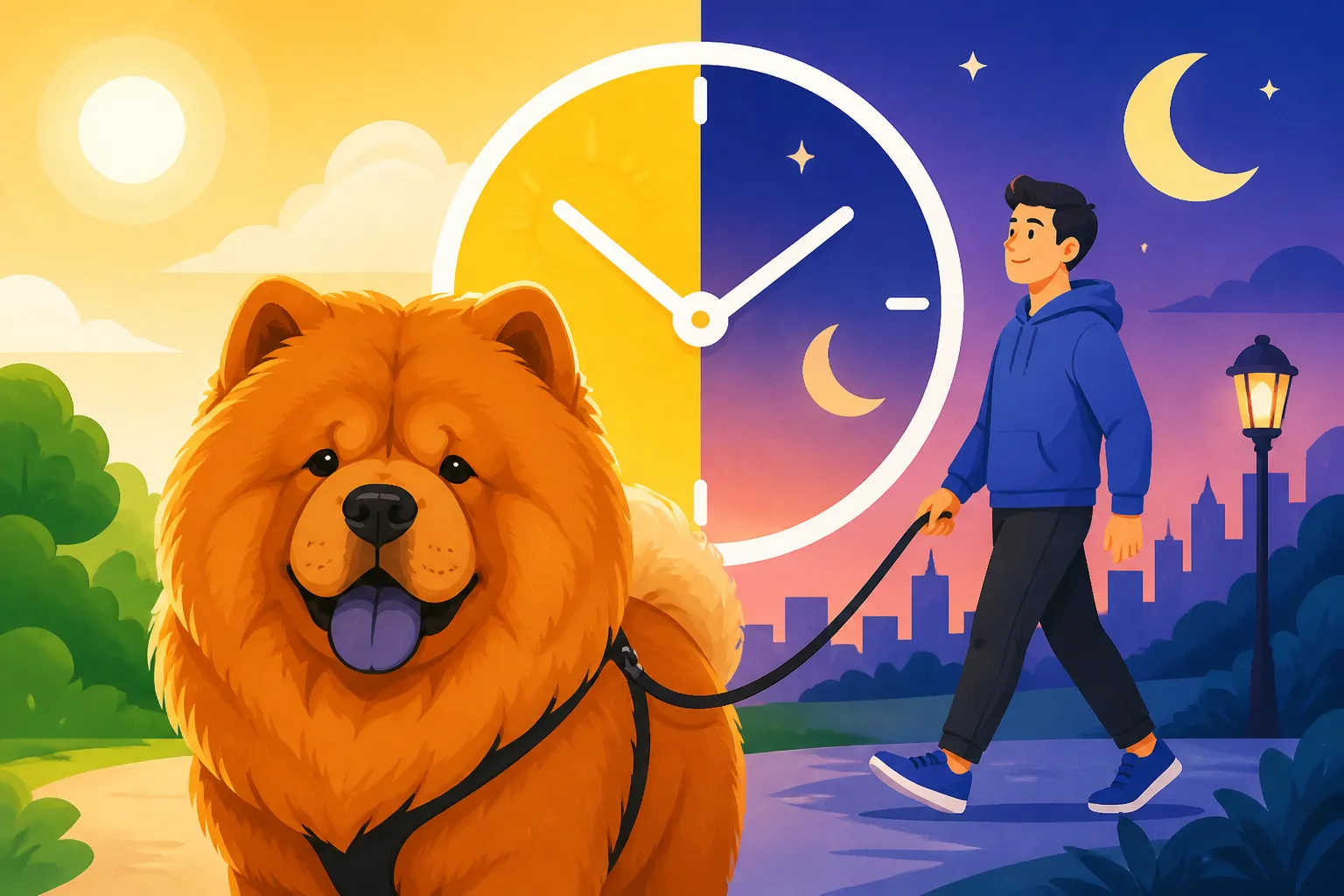
Without a doubt, the early morning hours are the absolute best time for walking your Chow Chow. This is when the air temperature is at its lowest point, having cooled down overnight. The ground, too, will have dissipated much of the heat it absorbed the previous day.
Think about it: the sun is either just rising or hasn't fully gained strength yet, meaning less direct solar radiation hitting that dense coat. The humidity also tends to be lower in the early morning compared to later in the day, aiding their natural cooling mechanisms.
Beyond temperature, early mornings often offer a calmer, quieter environment. Fewer cars, fewer people, and often fewer other dogs mean a more relaxed experience for your Chow Chow, who can sometimes be wary or aloof with strangers. This peaceful atmosphere allows them to focus on their walk and enjoy sniffing around without being overstimulated, which can also contribute to stress and, indirectly, to an elevated body temperature. Aim for before 8 AM, or even earlier if you live in a particularly hot climate during summer. A brisk 20-30 minute walk at this time can provide much-needed physical and mental stimulation.
Late Evenings: The Second-Best Option
If early mornings just aren't feasible for your schedule, the late evening hours offer the next best alternative. The key here is late evening – not just when the sun sets, but a good hour or two after sunset, allowing the accumulated heat from the day to truly dissipate.
The ground temperature can take a while to cool down, especially after a blazing hot day. While the air might feel cooler as soon as the sun dips below the horizon, the pavement, sidewalks, and even your backyard patio can still radiate significant heat. Waiting until closer to 8 PM or 9 PM, depending on your location and the season, will ensure both the air and ground are safer.
Just like mornings, late evenings can offer a quieter experience, though perhaps with more ambient lighting from streetlights or houses. Always carry a light or wear reflective gear for visibility, especially if you're walking in areas with traffic. This period provides an excellent opportunity for a final potty break and some mental decompression after a long day indoors. Remember, the goal is not to exhaust them, but to provide controlled, safe activity.
Checking the Weather and Ground Temperature
This cannot be stressed enough: always check both the air and ground temperature before taking your Chow Chow out. Don't rely on guesswork or how it "feels" to you.
Air Temperature: Use a reliable weather app. For Chow Chows, anything consistently above 70-75°F (around 21-24°C) should raise a red flag, especially if combined with high humidity. If the temperature is climbing towards 80°F (27°C) or higher, consider postponing the walk or drastically shortening it to a quick potty break right outside. You can learn more about this in What Temperature Is Too Hot for a Chow Chow.
Ground Temperature: As mentioned earlier, the "seven-second rule" is your best friend. Place the back of your hand on the pavement, sidewalk, or even dark-colored gravel. If you can't comfortably hold it there for seven seconds, it's too hot for your Chow's paws. Their paw pads are tough, but they are not impervious to burns, and walking on hot surfaces adds to their overall heat burden. Consider paw protection like booties if short walks on warm pavement are unavoidable, but generally, it's best to avoid such surfaces entirely during peak heat.
Adjusting Walk Schedules for Different Seasons and Climates
A Chow Chow's walking schedule isn't a one-size-fits-all plan. It needs to be a dynamic strategy, adapting to the ever-changing seasons and the specific climate you live in. What works in a chilly winter morning in New England will be vastly different from a sweltering summer afternoon in Arizona.
Summer Strategies
Summer is unequivocally the most challenging season for Chow Chow owners when it comes to outdoor exercise. The risk of overheating is constantly present. Your primary strategy should revolve around avoiding the sun's peak intensity and maximizing cooling opportunities.
- Extremely Early, Extremely Late: During the height of summer, those "early mornings" might need to become "pre-dawn patrols," starting as early as 5 AM or 6 AM, especially if you're in a Southern state. Likewise, evening walks might not be safe until well after 9 PM. If your schedule doesn't permit these windows, consider breaking up their "walks" into multiple very short potty breaks throughout the day in shaded areas only.
- Shorter Durations, Lower Intensity: Even during cooler summer hours, keep walks brief. Focus on quality over quantity. A 15-20 minute sniff-fest in a park with plenty of shade is much better than a forced march around the block. Avoid any strenuous activity like running or playing fetch for extended periods. Their unique gait, often described as stilted, isn't built for high-impact activities anyway, and prolonged exertion exacerbates heat issues.
- Hydration is Key: Always, always carry water for your Chow Chow. A portable water bottle and collapsible bowl are non-negotiable. Offer water frequently during the walk, and make sure they have access to fresh water immediately upon returning home. Consider freezing water bottles to bring with you; they'll stay cool longer and can even offer a temporary cool surface if gently placed near your dog (never force it).
- Cooling Aids: Cooling vests, bandanas, or mats can be incredibly helpful for your Chow Chow during warmer months. Brands like Ruffwear or The Chillest offer various options that can provide a bit of relief. A cooling vest, for instance, can be soaked in cold water and worn during a walk to help dissipate heat from their core. Just be mindful that these are aids, not solutions to walking in dangerous heat. You can read more about options in How to Cool a Chow Chow Down Fast. Inside, ensuring they have access to air conditioning is paramount. Whether a Chow Chow Needs Air Conditioning is a question with a resounding "yes" in warm climates.
- Never Leave Them in a Car: This is a life-or-death warning. A car's interior temperature can rise to deadly levels in minutes, even on a seemingly mild day and even with windows cracked. Why a Chow Chow Should Never Wait in a Car is an absolute must-read for any Chow owner.
Winter Considerations
While the primary concern in summer is overheating, winter brings its own set of considerations, though generally less immediately life-threatening for a Chow Chow due to their thick coat.
- Daytime Walks Often Best: In winter, the middle of the day, when the sun is highest and temperatures are mildest, is often the most comfortable time for a Chow Chow's walk. The sun's warmth can be a welcome addition, and the risk of paw injuries from ice or harsh chemicals is reduced compared to early morning or late evening.
- Beware of Ice and Salt: While their coat keeps them warm, their paws are still vulnerable. Ice can cause slips and falls, and rock salt or chemical de-icers used on sidewalks can burn their paw pads. If walking in areas where these are prevalent, paw balm or booties can provide protection. After any walk in treated areas, make sure to wipe their paws thoroughly with a damp cloth.
- Monitor for Hypothermia (Rare): While incredibly rare for a Chow Chow due to their dense coat, extreme prolonged exposure to sub-zero temperatures, especially if wet, could theoretically pose a risk of hypothermia. Keep walks reasonably paced to generate warmth, and ensure they are dried thoroughly if they get wet. Their natural insulation usually makes them quite tolerant of cold, but vigilance is always wise.
Rainy or Inclement Weather
Rain, heavy snow, or strong winds can make outdoor walks unpleasant or unsafe.
- Short and Sweet: For light rain or snow, a quick potty break is usually fine. Chow Chows generally don't mind cold or snow, but getting drenched can make them uncomfortable and take ages to dry.
- Indoor Alternatives: On days with truly awful weather, you'll need to get creative with indoor exercise. Mental stimulation can be just as tiring as physical. Scent games (hiding treats for them to find), puzzle toys (many available on Amazon or Chewy), or even teaching new tricks can provide valuable enrichment. Tug-of-war or short bursts of fetch in a hallway can also work. Remember, How Much Exercise a Chow Chow Actually Needs isn't always about miles walked; mental engagement is crucial.
- Rain Gear for Humans: Invest in a good waterproof jacket for yourself so you're not tempted to skip necessary potty breaks for your Chow Chow due to your own discomfort!
Practical Tips for Safe and Enjoyable Chow Chow Walks
Beyond timing, there are several practical steps you can take to make sure every walk with your Chow Chow is as safe and enjoyable as possible. These small habits can make a big difference in their health and happiness.
Essential Gear
Having the right equipment on hand can dramatically improve the safety and comfort of your walks.
- Harness, Not a Collar: For a Chow Chow, a well-fitting, comfortable harness is almost always preferable to a neck collar, especially for walks. Their dense neck ruff can make collars less effective, and a harness distributes pressure more evenly across their chest, reducing strain on their neck and throat. Given their brachycephalic tendencies, any restriction around the neck during panting can be detrimental. Look for harnesses designed for deep-chested breeds, which can be found from pet retailers like Chewy.
- Sturdy Leash: A strong, non-retractable leash, ideally 6 feet long, provides you with adequate control without being overly restrictive. Given their potential aloofness and protective instincts, maintaining control is crucial, particularly in areas with other dogs or people.
- Water Bottle and Collapsible Bowl: We’ve touched on this, but it bears repeating. Hydration is non-negotiable. Even on what seems like a cool day, a Chow Chow can easily become dehydrated, especially if they’re panting more than usual. Keep these items readily accessible in a fanny pack or backpack.
- Paw Protection (Optional but Recommended): As mentioned, booties or paw wax can protect their sensitive paw pads from hot pavement, ice, salt, or rough terrain. If you opt for booties, introduce them gradually at home before attempting a walk.
- Waste Bags: Of course, always be a responsible pet owner and clean up after your Chow Chow. Many options are available on Amazon.
Recognizing Your Chow Chow's Signals
Your Chow Chow can’t tell you in words when they’re getting too hot or uncomfortable, so it’s vital that you learn to read their body language. They are known for being stoic and can sometimes mask discomfort, making your vigilance even more important.
- Excessive Panting: While all dogs pant to cool down, observe the intensity and sound. If your Chow is panting heavily, rapidly, and loudly, especially with a wide-open mouth and tongue hanging out further than usual, it’s a clear sign they’re struggling.
- Drooling: Increased drooling can accompany excessive panting as their body tries to cool down.
- Slow Down or Lagging Behind: A Chow Chow that usually walks with a purpose but suddenly slows, wants to stop, or starts lagging behind you is indicating discomfort. Do not force them to continue.
- Seeking Shade: If they actively pull towards every patch of shade, they're telling you they're too warm.
- Bright Red Gums or Tongue: While Chows have blue-black tongues, the color of their gums (if visible) or any pinker parts of their tongue can become unusually bright red if they are overheating.
- Staggering or Uncoordinated Movement: This is a severe sign and indicates a medical emergency. If your Chow Chow starts to stumble, appears dizzy, or collapses, end the walk immediately, seek shade, try to cool them down (damp cloths on paws, armpits, belly), and get to a vet. Signs a Chow Chow Is Overheating on a Walk has more detailed information on these critical indicators.
Pay close attention to these cues. If you notice any of them, even mild ones, it's time to cut the walk short, find some shade, and offer water. Prioritize their safety over completing a specific route or duration.
Alternative Activities When Outdoor Walks Aren't Safe
There will inevitably be days when outdoor walks, even with careful timing, simply aren’t safe due to extreme weather. On these days, it's crucial to have a backup plan to keep your Chow Chow mentally and physically stimulated.
- Indoor Play: Short games of fetch (if your Chow enjoys it) in a long hallway, or a session of tug-of-war, can burn off some physical energy. Remember, Chow Chows aren't typically high-energy dogs, so even short bursts of play can be sufficient.
- Mental Stimulation Games: This is where Chows can really shine and get tired out without risking overheating.
- Puzzle Toys: Many brands like Kong or Nina Ottosson (available on Chewy or Amazon) offer toys that dispense treats when manipulated, keeping their brains engaged.
- Scent Work: Hide small, high-value treats around the house and encourage your Chow Chow to sniff them out. Start easy and make it progressively harder. Their strong sense of smell, combined with the mental effort of problem-solving, can be incredibly tiring.
- Training Sessions: Even 5-10 minute training sessions, practicing known commands or learning new tricks, can be mentally exhausting and reinforce your bond. Chow Chows are intelligent but can be stubborn, so keeping sessions short, positive, and rewarding (maybe with some delicious treats from Ollie) is key.
- "Deconstructed Walks": Even if you can't go for a full walk, taking them out for a very quick, shaded potty break in the coolest part of your yard or immediately outside your door is important for their bladder health and to get a tiny breath of fresh air.
Remember, a tired mind is often as good as a tired body for a Chow Chow.
| Season | Best Walking Times | Considerations |
|---|---|---|
| Summer | Early Morning (5 AM – 7 AM), Late Evening (9 PM onwards) | Avoid direct sun, hot pavement, high humidity. Shorter walks, carry water, use cooling aids. |
| Spring/Autumn | Morning (7 AM – 9 AM), Late Afternoon (5 PM – 7 PM) | Check for unexpected warm spells or lingering heat in the evening. Moderate duration. |
| Winter | Mid-day (10 AM – 3 PM) | Avoid icy pavements and de-icing chemicals. Paw protection if needed. Normal duration. |
Ultimately, walking your Chow Chow safely is about being informed, prepared, and highly attuned to their specific needs. Their health and comfort depend on your thoughtful approach to their exercise routine, particularly concerning the time of day you choose for your adventures together.
Disclaimer
This article is for general informational purposes only and does not constitute professional advice. Laws, prices and regulations vary by location and change over time. Consult a qualified professional for guidance on your specific situation.