What a Chow Chow Breeder Should Have Tested
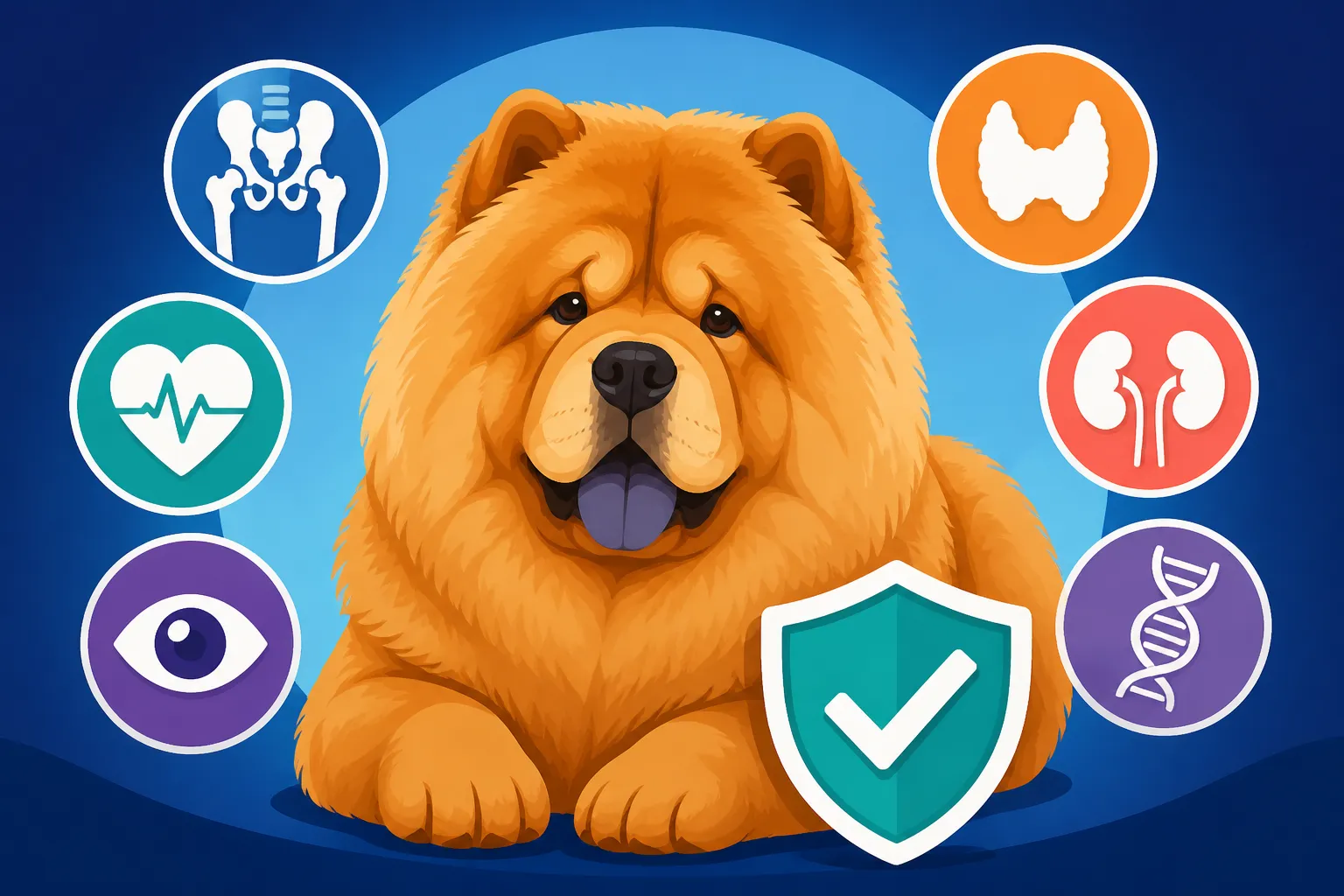
Bringing a Chow Chow into your life is an incredible journey, but it’s one that often comes with a bit of a puzzle: how do you ensure you’re getting a healthy puppy from a responsible breeder? The honest truth is, navigating the world of dog breeders can be daunting, and the worry about potential genetic health issues can cast a shadow over the excitement. This comprehensive guide is here to shed light on exactly which health tests a reputable Chow Chow breeder should diligently perform on their breeding stock, equipping you with the knowledge to make informed decisions and find a truly healthy companion.
Why Health Testing Matters for Chow Chows
It’s easy to fall in love with a Chow Chow's majestic lion-like appearance, distinctive blue-black tongue, and regal, often aloof, personality. But beneath that dense double coat lies a breed with certain genetic predispositions that, if not managed responsibly through careful breeding, can lead to heartache and significant financial strain for owners. Health testing isn't just a fancy add-on; it's a fundamental commitment a breeder makes to the long-term well-being of the breed and every single puppy they produce.
The Chow Chow's Unique Health Challenges
Every purebred dog breed carries certain genetic traits that make them unique, but these same genetic lines can unfortunately also carry predispositions to specific health conditions. For Chow Chows, this is particularly true with their deep-set eyes, their sturdy but sometimes challenged skeletal structure, and certain autoimmune tendencies. Without breeders actively screening their dogs, these inherited conditions can proliferate through generations, causing unnecessary suffering for countless puppies and their families. It's not about eradicating every single health issue, which isn't realistic, but about identifying and minimizing the risk of passing on known, debilitating genetic problems. We’re talking about conditions that can significantly impact a dog’s quality of life, from chronic pain to blindness, often starting at a young age.
Protecting the Breed's Future
Responsible breeding is an act of preservation, ensuring that the next generation of Chow Chows is as healthy and robust as possible. When breeders commit to rigorous health testing, they are actively working to reduce the incidence of genetic diseases within the breed pool. This isn't just about the puppies they sell today; it's about making sure that the Chow Chow breed remains strong and vibrant for decades to come. By testing, breeders are being proactive, using science and established veterinary protocols to inform their breeding decisions. They aren't just crossing two pretty dogs and hoping for the best; they are carefully selecting mates based on health clearances, temperament, and adherence to breed standards. This dedication helps maintain the integrity of the breed and its overall genetic health.
Financial and Emotional Implications
Let's be real: veterinary care can be incredibly expensive, especially when dealing with chronic or complex genetic conditions. Imagine bringing home a sweet Chow Chow puppy, only to face thousands of dollars in surgeries or lifelong medication before it even reaches its first birthday. This isn't an uncommon scenario for owners who unwittingly purchase puppies from breeders who skip health testing. Beyond the financial burden, there's the profound emotional toll of watching your beloved pet suffer. The sleepless nights, the worry, the guilt—it’s all part of the package when a dog is battling a preventable genetic illness. Investing in a puppy from health-tested parents means you're investing in peace of mind, knowing that your breeder did everything within their power to give your puppy the best possible start. It’s also wise to consider pet insurance like Healthy Paws, which can help cushion the financial blow if unexpected health issues arise, even in the most carefully bred dogs.
Essential Eye Health Screenings
The Chow Chow’s distinctive, deep-set eyes are undeniably charming, but they are also unfortunately prone to several significant inherited conditions. For this reason, comprehensive eye health screenings are non-negotiable for any reputable breeder. These aren't just basic vet checks; they require specialized evaluations by a board-certified veterinary ophthalmologist.
Entropion: The Breed's Signature Eye Problem
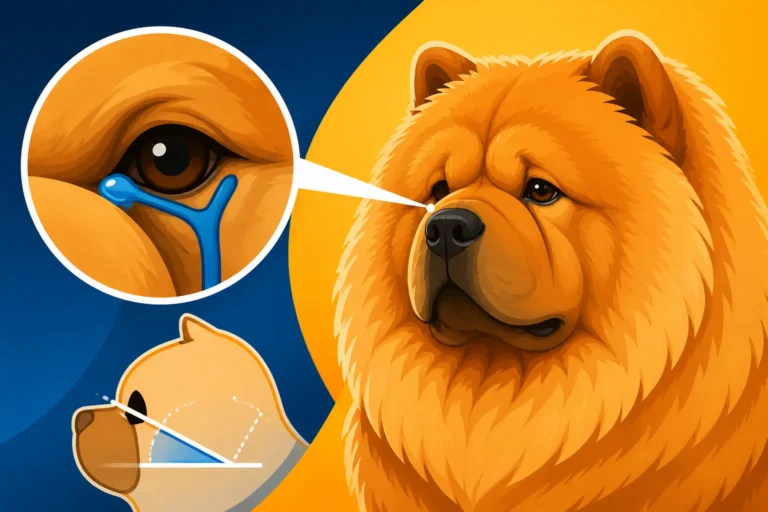
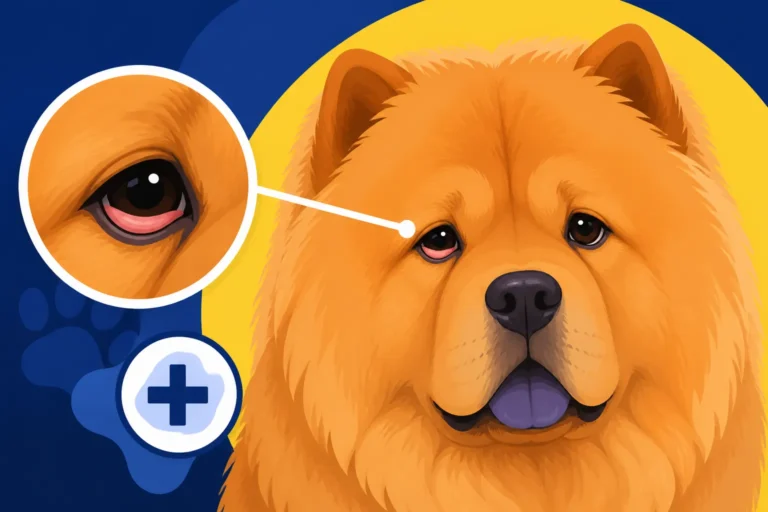
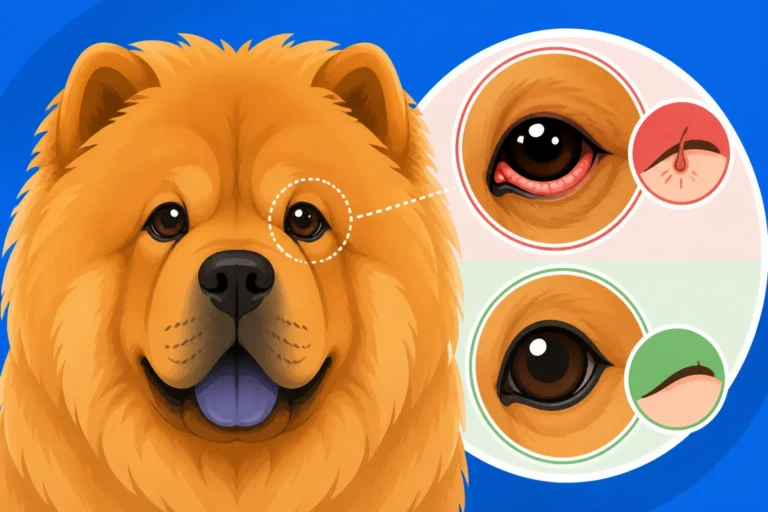
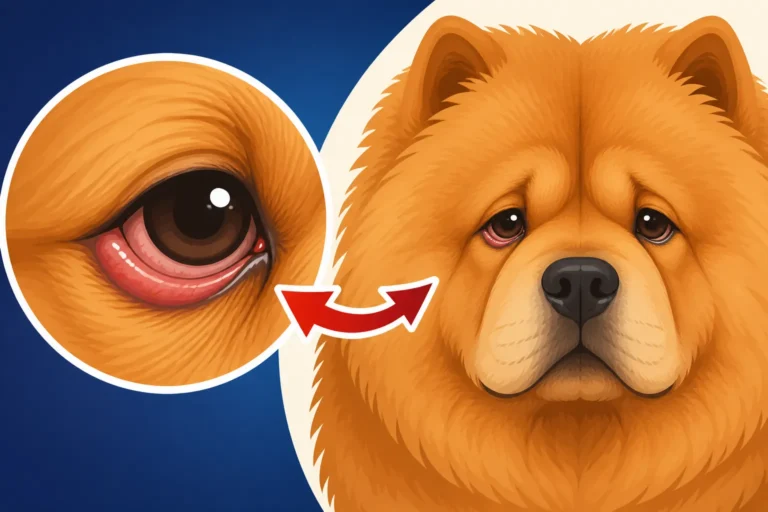
If there’s one eye condition synonymous with the Chow Chow, it's entropion. This is where a portion of the eyelid rolls inward, causing the eyelashes and fur to rub constantly against the delicate surface of the eye. It sounds uncomfortable, and it absolutely is. Imagine having an eyelash in your eye all the time, but magnified. This constant irritation can lead to painful corneal ulcers, infections, and eventually, even vision loss if left untreated. Many Chow Chows get entropion as puppies, often around the time their adult coat starts to come in, or even earlier. You might notice your puppy squinting excessively, tearing, or developing thick discharge. It’s crucial that breeders screen their dogs to identify and avoid passing on this genetic predisposition. You can learn more about What Entropion Does to a Chow Chow's Eye and Signs a Chow Chow Has Entropion. Without proper screening, a breeder might unknowingly perpetuate this painful problem, requiring puppies to undergo corrective surgery, sometimes multiple times.
Glaucoma: A Silent Blinder
Another serious eye condition to watch for in Chow Chows is glaucoma. Unlike entropion, which is often visible, glaucoma is often a "silent" disease in its early stages, meaning your dog might not show obvious signs until it's quite advanced. It's characterized by increased pressure within the eye, which can rapidly damage the optic nerve and lead to irreversible blindness. Chow Chows are particularly susceptible to primary closed-angle glaucoma, a form that progresses very quickly. A breeder should be vigilant about screening for this, as it can literally blind a dog in a matter of days once symptoms become acute. While there isn't a single definitive genetic test for all forms of glaucoma, regular examinations by an ophthalmologist are key to catching any warning signs in breeding animals. This condition is an emergency, and understanding Glaucoma Can Blind a Chow Chow in Days is vital for any Chow Chow owner.
Comprehensive Ophthalmic Exams
Beyond entropion and glaucoma, a thorough ophthalmic examination by a certified veterinary ophthalmologist will screen for other potential inherited eye conditions such as distichiasis (extra eyelashes growing from the eyelid margin), cataracts (though less common in young Chows), and persistent pupillary membranes. The results of these examinations should be registered with the Orthopedic Foundation for Animals (OFA) Eye Certification Registry (formerly CERF). An OFA eye certification means the dog has been examined by a veterinary ophthalmologist and found to be free of observable, inherited eye disease at the time of the examination. It’s important to note that these certifications are typically annual because some conditions can develop later in life. A responsible breeder will have proof of these annual eye exams, showing a clear history for their breeding dogs.
Crucial Orthopedic Evaluations
Chow Chows are a medium to large-sized breed, known for their sturdy build and unique stilted gait due to their relatively straight rear legs. This powerful yet distinctive structure, while part of their breed standard, can make them prone to certain orthopedic issues, particularly in their hips and elbows. These conditions can cause significant pain, lameness, and reduced quality of life, making orthopedic evaluations absolutely essential for breeding dogs.
Elbow Dysplasia: A Top Concern
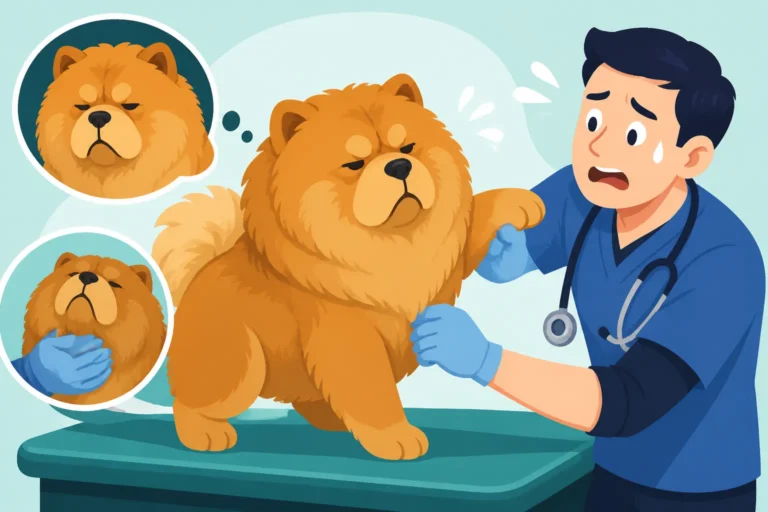
Elbow dysplasia is a complex inherited condition involving abnormal development of the elbow joint. It’s not just one disease but a group of developmental abnormalities that lead to joint incongruity, cartilage damage, and eventually arthritis. Symptoms can appear in puppies as young as four to seven months old, manifesting as lameness, stiffness, reluctance to exercise, or difficulty getting up after rest. Chow Chows rank near the top for elbow dysplasia prevalence in some surveys. Elbow Dysplasia Ranks the Chow Chow Near the Top of breeds affected, highlighting the severity of this issue. For a breeder, this means having their breeding dogs' elbows X-rayed and evaluated by the OFA. The OFA provides ratings (Normal, Grade I, II, or III) to indicate the presence and severity of dysplasia. Only dogs with a "Normal" or "Good" rating should be considered for breeding, ideally aiming for "Normal" for optimum health. How Common Elbow Dysplasia Is in Chow Chows underscores why this screening is so critical.
Hip Dysplasia in Chow Chows
Similar to elbow dysplasia, hip dysplasia is another inherited condition that affects the hip joints. It occurs when the ball and socket of the hip joint don't fit together properly, leading to laxity, grinding, pain, and degenerative joint disease (arthritis). While Chow Chows might not be as notoriously affected as some other large breeds, it is still a significant concern, and screening is mandatory. Symptoms can vary greatly, from a subtle lameness to severe pain and difficulty walking, especially after exercise or prolonged rest. Breeders should submit X-rays of their breeding dogs' hips to the OFA for evaluation. OFA hip ratings range from Excellent to Mild, Moderate, or Severe dysplasia. Again, only dogs with "Good" or "Excellent" hip scores should be bred, minimizing the risk of passing this painful condition on to their offspring.
Patellar Luxation and Other Joint Issues
Beyond hips and elbows, responsible breeders will also be mindful of patellar luxation, although it's generally more common in smaller breeds, it can affect Chow Chows too. Patellar luxation refers to the kneecap slipping out of its normal groove. It can range from mild, intermittent skipping to severe, constant displacement, causing pain and lameness. A veterinarian can typically diagnose this condition with a physical examination. While not usually certified by OFA in the same way as hips and elbows, a breeder should be able to provide documentation from a vet stating the breeding dog is free of patellar luxation. Additionally, while less about specific testing and more about awareness, a Chow Chow’s unique straight rear leg construction can also contribute to a stilted gait that may put extra stress on joints over time, making general joint health and careful breeding paramount.
Thyroid and Autoimmune Disease Testing
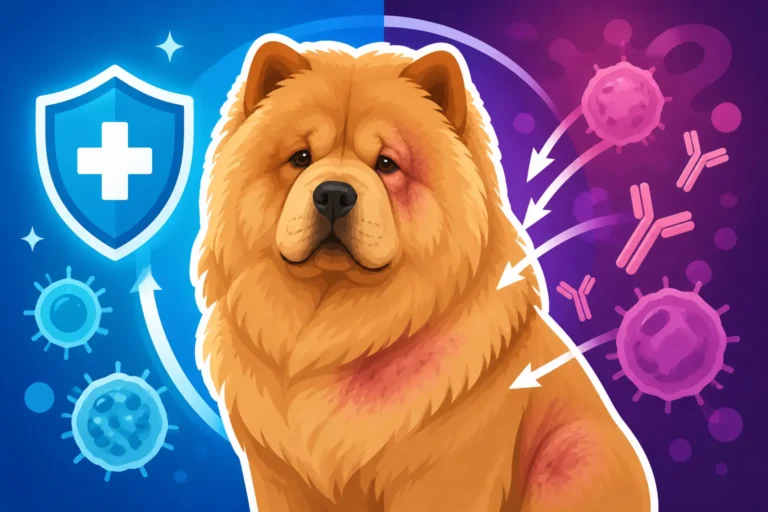
Autoimmune diseases, where the body's immune system mistakenly attacks its own healthy tissues, are a concern in many dog breeds, and Chow Chows are no exception. One of the most prevalent and testable autoimmune conditions in Chow Chows is autoimmune thyroiditis, which leads to hypothyroidism. Other autoimmune skin conditions, though less directly testable for breeding purposes, also warrant consideration.
Autoimmune Thyroiditis Screening
Autoimmune thyroiditis is the most common cause of hypothyroidism in dogs. It's an inherited condition where the immune system attacks and destroys the thyroid gland, leading to insufficient production of thyroid hormones. Thyroid hormones are crucial for regulating metabolism and nearly every bodily function. Symptoms of hypothyroidism can be wide-ranging and vague, including weight gain without an increase in appetite, lethargy, dull and thinning coat, dry skin, cold intolerance, and sometimes even behavioral changes. It can be hard to spot in a fluffy Chow Chow whose coat is already so dense. Signs a Chow Chow's Thyroid Is Low are often subtle until the disease is advanced. Breeders should have their breeding dogs tested for thyroid function and screened for autoimmune thyroiditis by submitting blood samples to a specialized laboratory, with results registered with the OFA. This typically involves measuring levels of T3, T4, and TSH, along with thyroid autoantibodies (TgAA). Dogs testing positive for thyroid autoantibodies or showing signs of low thyroid function should generally not be bred.
Understanding Pemphigus Foliaceus
Pemphigus foliaceus is another autoimmune disease that affects the skin, causing crusting, scaling, and pustules, often starting on the face, ears, and paw pads. While not a routine genetic test for breeding, breeders should be acutely aware of any history of such conditions in their lines. What Pemphigus Foliaceus Does to a Chow Chow is devastating, and while it requires a biopsy for diagnosis, a breeder who has seen this condition in their lines should certainly exercise extreme caution. Open communication with potential puppy buyers about any history of autoimmune skin issues in their breeding dogs' pedigrees is a hallmark of an ethical breeder, even if there isn't a specific OFA certification for it. Autoimmune Disease in a Chow Chow is a broad topic, but awareness of conditions like pemphigus is key.
Broader Autoimmune Considerations
While specific tests for every single autoimmune condition aren't always available or practical for routine breeding panels, a breeder's overall awareness and transparency are paramount. They should know the health history of their dog's parents, grandparents, and siblings. Any unexplained chronic illnesses, particularly those requiring long-term steroid treatment, could be indicative of an underlying autoimmune issue. A breeder committed to the health of their dogs will be proactive in discussing these possibilities and will choose not to breed dogs with known autoimmune conditions, even if they aren't directly testable via a genetic marker or OFA certification. This holistic approach to health goes beyond simply checking boxes for required tests.
Kidney Health: Screening for Familial Renal Dysplasia
Among the more heartbreaking genetic conditions that can affect Chow Chows is Familial Renal Dysplasia (FRD), a developmental abnormality of the kidneys. What makes FRD particularly insidious is that it often strikes young, seemingly healthy puppies, leading to early and often fatal kidney failure. This makes proper screening an absolute must for responsible Chow Chow breeders.
The Silent Threat to Young Chows
Familial Renal Dysplasia is characterized by abnormally developed kidney tissue that cannot properly filter waste products from the blood. Puppies with FRD may appear perfectly normal at birth and for their first few months of life. However, as the disease progresses and the damaged kidneys begin to fail, symptoms typically emerge between 6 months and 2 years of age. These can include increased thirst and urination, stunted growth, poor appetite, vomiting, weight loss, and general lethargy. The progression can be rapid and devastating. Familial Renal Dysplasia Kills Young Chow Chows is a stark reminder of the gravity of this condition, and it's a profound tragedy for any family to lose a young puppy this way. This makes preventing its transmission through careful breeding absolutely paramount.
Recommended Screening Protocols
Unfortunately, there isn't a simple, widely available DNA test for Familial Renal Dysplasia in Chow Chows that can identify all affected carriers or definitively predict the disease. This means breeders must rely on a combination of pedigree analysis, regular veterinary check-ups, and specific diagnostic tests on their breeding animals and, importantly, on a representative number of their offspring. A breeder should track their lines meticulously for any history of early-onset kidney disease. For breeding animals, regular blood work (including BUN, creatinine, and phosphorus) and urinalysis can provide clues to kidney function, but these tests often only show abnormalities once kidney damage is already significant. The most proactive breeders might even consider a kidney biopsy in certain situations, though this is invasive. The more practical approach involves ensuring that the parents of a litter have no history of FRD in their lines and that their offspring don't develop the condition. What Renal Dysplasia Does to a Chow Chow Puppy shows how vital early detection or prevention through pedigree research is.
Interpreting Results and Breeding Decisions
Given the lack of a definitive genetic test for FRD, a breeder's integrity and diligence are key. They should be transparent about the health of their breeding dogs' ancestors, siblings, and previous litters. If there’s any history of FRD in a particular line, a responsible breeder would make the difficult decision to remove those dogs from their breeding program. This requires honesty and a strong commitment to the breed's health over profit. While you might not get an "OFA clear" certificate for FRD, a truly ethical breeder will be able to discuss the kidney health of their lines in detail and provide documentation of regular veterinary checks for their breeding dogs. Ask them specifically about any instances of young dogs in their pedigrees developing kidney disease; their answer and willingness to discuss it will tell you a lot.
Additional Important Health Considerations
While the major genetic health concerns for Chow Chows often revolve around eyes, joints, and thyroid, there are other important health considerations that responsible breeders keep in mind. Some of these are less about specific "tests" a breeder performs, and more about general health awareness, careful management, and pedigree knowledge.
Myotonia Congenita: A Rare Neuromuscular Concern
Myotonia congenita is a rare inherited neuromuscular disorder that affects Chow Chows. Dogs with this condition experience muscle stiffness, particularly after exercise or excitement, and a delay in muscle relaxation. Imagine muscles that "lock up" for a moment. Puppies may have difficulty standing or walking, especially when starting to move. While quite rare, it's a serious condition. Thankfully, a DNA test is available for myotonia congenita. A responsible breeder should definitely have their breeding stock tested for this, especially if it's known to be in their extended lines, to ensure they don't produce affected puppies. This is a simple cheek swab test, and knowing the status of breeding dogs (clear, carrier, or affected) can prevent affected puppies from being born.
Bloat and Gastric Dilatation-Volvulus (GDV) Risk
While not a genetically testable condition in the traditional sense, Gastric Dilatation-Volvulus (GDV), commonly known as bloat, is a life-threatening emergency that large and deep-chested breeds like Chow Chows are unfortunately prone to. Bloat occurs when the stomach fills with gas (dilatation) and then twists upon itself (volvulus), trapping the gas and cutting off blood supply. It can be fatal within hours. While there's no genetic test to predict which dogs will bloat, responsible breeders are aware of this risk and take precautions. They will often educate puppy buyers on prevention strategies, such as feeding multiple small meals instead of one large one, avoiding strenuous exercise immediately before or after eating, and sometimes even recommending a prophylactic gastropexy (stomach tacking) surgery, particularly at the time of spay/neuter. While not a "test," a breeder's knowledge and advice on managing bloat risk is a sign of their commitment to their dogs' overall health.
Cardiac Health and General Wellness
While not a primary genetic concern for Chow Chows in the way that hips or eyes are, general cardiac health is always an important consideration for any breeding animal. Routine veterinary examinations should include listening to the heart for murmurs or arrhythmias. If any abnormalities are detected, further cardiac evaluations by a veterinary cardiologist might be recommended. Beyond specific tests, a reputable breeder focuses on the overall health and vigor of their dogs. This includes maintaining excellent nutrition, providing appropriate exercise, and ensuring regular preventative veterinary care. They should be able to provide records of routine vaccinations, parasite control, and annual wellness exams, demonstrating a commitment to their dogs' health beyond just genetic screening.
Verifying a Breeder's Health Test Results
So, you've done your homework, you know what tests should be done, but how do you actually verify that a breeder isn't just telling you what you want to hear? This is a crucial step in finding a truly reputable Chow Chow breeder. Don't be afraid to ask for proof and to follow up on it. A good breeder will welcome your questions and be eager to share their documentation.
Navigating OFA and Eye Certification Databases
The Orthopedic Foundation for Animals (OFA) is your best friend here. The OFA maintains a public database of health certifications for many breeds, including Chow Chows. You can search by a dog's registered name or registration number (AKC, etc.) to view their official OFA certifications for hips, elbows, thyroid, and eye exams (which are registered with OFA's Eye Certification Registry, formerly CERF). A reputable breeder will provide you with the registered names and numbers of both the sire (father) and dam (mother) of the litter so you can look them up yourself. Don't accept just a certificate; verify it on the OFA website. Seeing "OFA CHIC" (Canine Health Information Center) next to a dog's name is even better, as it indicates the dog has had all the recommended health tests for its breed. Remember, eye certifications need to be updated annually, so look for current certifications.
Questions to Ask Potential Breeders
When you're speaking with a potential breeder, don't shy away from asking direct, specific questions about their health testing practices.
- "Can I see the OFA certificates for the sire and dam for hips, elbows, and thyroid?"
- "When was their last eye certification done by a board-certified veterinary ophthalmologist?"
- "Do you test for Myotonia Congenita? Can I see those results?"
- "What do you know about the kidney health of the dogs in your pedigrees, specifically for Familial Renal Dysplasia?"
- "What is your philosophy on managing bloat risk?"
- "What health issues, if any, have appeared in previous litters from these parents or their close relatives?"
A good breeder will not only answer these questions confidently but will be able to explain the results and their implications. They should also be able to explain Which Health Tests a Chow Chow Breeder Should Run and why each is important.
The Importance of a Health Guarantee
While health testing significantly reduces the risk of genetic diseases, it doesn't eliminate it entirely. Biology is complex, and sometimes, despite the best efforts, an issue may arise. This is where a written health guarantee from the breeder becomes invaluable. A responsible breeder will offer a guarantee, typically for the first one to two years of the puppy's life, against severe, life-altering, or life-threatening genetic conditions (like severe hip/elbow dysplasia, blindness from inherited eye conditions, or early kidney failure). This guarantee usually outlines what recourse you have if such a condition is diagnosed, often involving a partial refund, replacement puppy, or assistance with veterinary costs. This demonstrates the breeder's accountability and their belief in the health of the puppies they produce. Always read the health guarantee carefully before committing to a puppy.
| Health Condition | Recommended Test / Certification | OFA Registry Available? | Why it's Important for Chow Chows |
|---|---|---|---|
| Entropion | OFA Eye Certification Registry (ECR) | Yes | Common, painful inward rolling eyelid; leads to corneal damage. |
| Glaucoma | OFA Eye Certification Registry (ECR) | Yes | Rapidly blinding condition due to increased eye pressure. |
| Elbow Dysplasia | OFA Elbow Evaluation (X-ray) | Yes | High prevalence, leads to chronic pain and arthritis. |
| Hip Dysplasia | OFA Hip Evaluation (X-ray) | Yes | Common joint abnormality causing pain and lameness. |
| Autoimmune Thyroiditis | OFA Thyroid Evaluation (Blood test) | Yes | Leads to hypothyroidism, affecting metabolism and overall health. |
| Familial Renal Dysplasia | Pedigree tracking, Vet check-ups, Urinalysis | No direct OFA test | Early-onset kidney failure; devastating for young Chows. |
| Myotonia Congenita | DNA Test | Yes (OFA list) | Rare neuromuscular stiffness; prevents affected puppies. |
Disclaimer
The information provided in this guide is for general educational purposes only and should not be considered a substitute for professional veterinary advice. Always consult with a qualified veterinarian for any health concerns or before making decisions about your pet's care. Health testing guidelines can evolve, so staying updated through reputable breed clubs and veterinary organizations is recommended.