How Old the Chow Chow Breed Is
It's easy to hear the phrase "ancient breed" thrown around when people talk about Chow Chows, but what does that truly mean for our lion-like companions? It's more than just a historical footnote; it speaks to a lineage stretching back through millennia, shaping everything from their distinct look to their unique temperament. This guide will take us on a journey through time, exploring the remarkable origins of the Chow Chow and helping you understand just how deep their roots truly go.
Unpacking the "Ancient Breed" Title: More Than Just a Claim
When we call the Chow Chow an "ancient breed," it's not simply a marketing term or a romantic idea. It refers to a deep genetic history, a verifiable lineage that can be traced back thousands of years. Unlike many modern breeds developed in the last few centuries through specific breeding programs, the Chow Chow's ancestors were roaming the earth long before such concepts existed. They are, in essence, living history.
Defining "Ancient" in Canine Terms
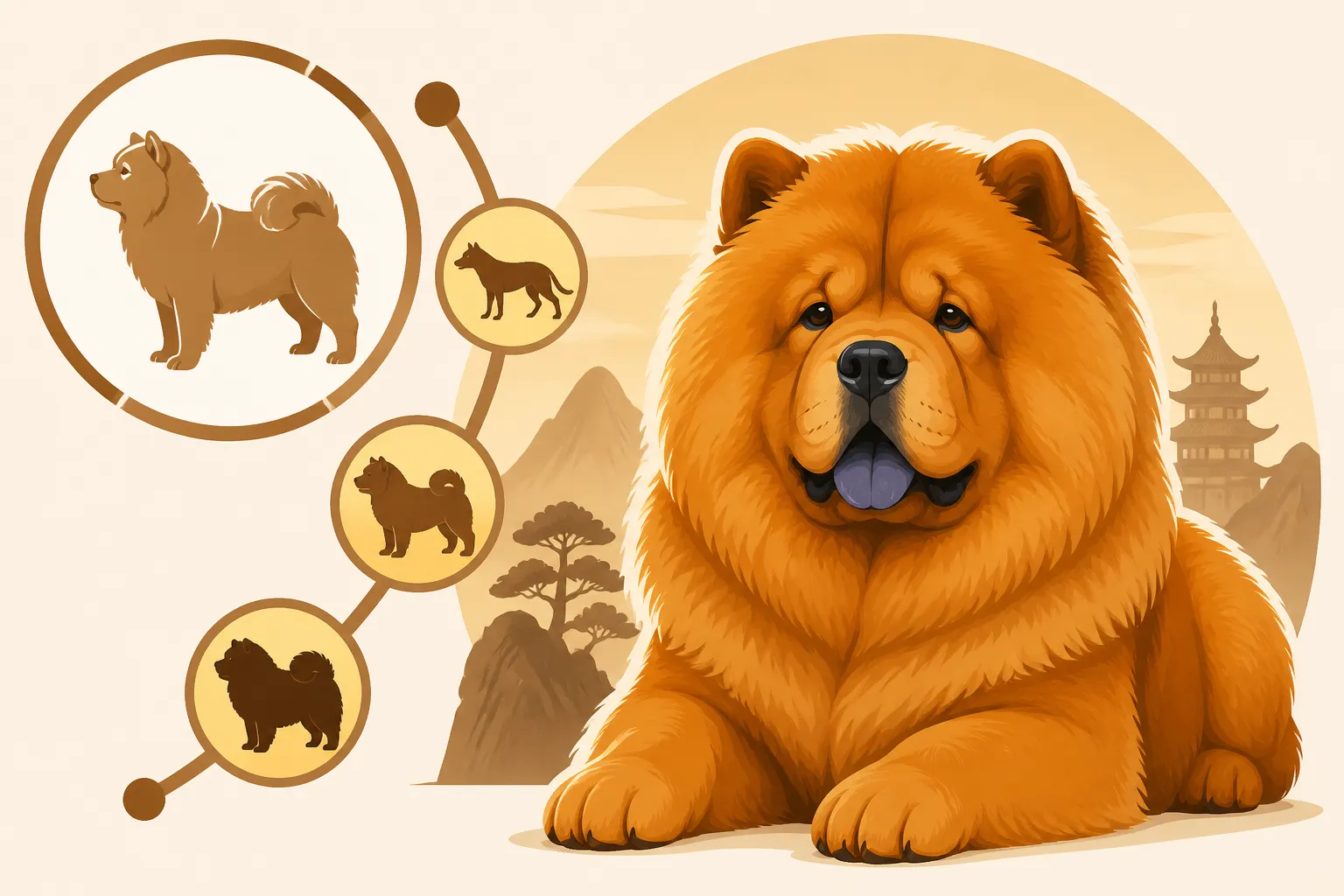
In the world of dog breeds, "ancient" isn't just about being old. It's about being genetically distinct and having a lineage that predates many of the more recently developed dog groups. Think about it: most breeds we recognize today, from the Golden Retriever to the French Bulldog, are products of the last few hundred years, meticulously bred for specific tasks or aesthetics. But then you have breeds like the Chow Chow, the Basenji, the Saluki, or the Akita, whose genetic markers show a much earlier divergence from the wolf, a connection to the very first domesticated dogs. This means they've retained many primitive traits, both physically and behaviorally.
It's a big deal because it tells us that these dogs weren't just "found" or "created" recently; they evolved alongside early human civilizations, playing integral roles in their societies for a truly vast span of time. This profound connection to early domestication sets them apart, making them invaluable links to our shared past with canines. They truly are among The Chow Chow Is One of the Oldest Breeds in the World.
Why the Chow Chow Stands Out Among Old Breeds
Even among the elite group of ancient breeds, the Chow Chow holds a special place. Its distinctive traits – the unique blue-black tongue, the scowling expression, the stilted gait, and the dense double coat – are not random occurrences. They are hallmarks of a breed that has remained relatively unchanged for an extraordinary period. While other ancient breeds might share some general characteristics, the Chow Chow's entire package speaks to its long isolation and specific evolution within its native region.
Consider the fact that these dogs were companions and workers in ancient China, largely untouched by the crossbreeding that shaped so many European breeds. This relative isolation allowed their unique characteristics to solidify and persist, making them a truly singular example of an ancient dog. They weren't bred for speed or extreme athleticism like some sighthounds, nor for intricate retrieving tasks like gun dogs. Their purpose was likely multi-faceted, ranging from guarding to hunting, and perhaps even as a food source, all contributing to their robust and independent nature. This history is why it’s common to see it listed when you ask Whether the Chow Chow Is One of the Fourteen Ancient Breeds.
Echoes from the Past: Archaeological and Historical Evidence
To understand just how old the Chow Chow breed is, we need to dig into archaeological findings and historical records. The evidence isn't always a neatly labeled "Chow Chow" entry in an ancient text, but rather a collection of clues – pottery, writings, and cultural artifacts – that paint a compelling picture of their enduring presence.
Han Dynasty Depictions: Art as Historical Record
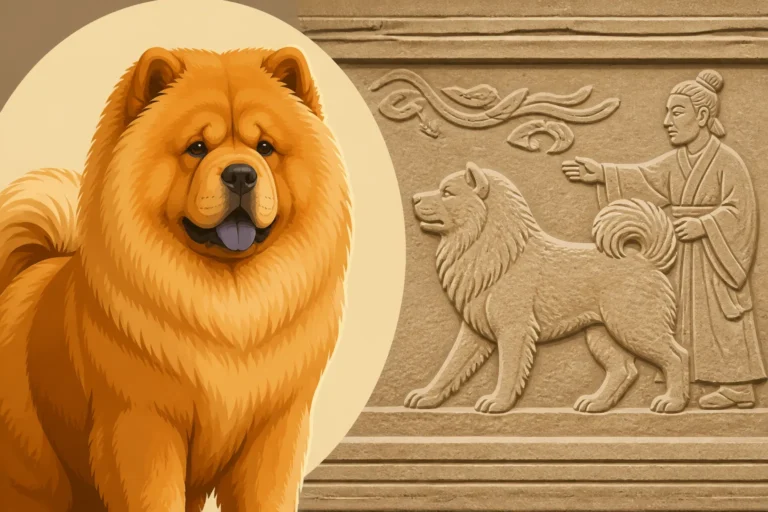
One of the most compelling pieces of evidence for the Chow Chow's antiquity comes from ancient China, specifically during the Han Dynasty (206 BC – 220 AD). Artifacts from this period, particularly pottery and bas-relief carvings, depict dogs that bear an uncanny resemblance to the modern Chow Chow. These aren't just generic dogs; they show the characteristic broad skull, deep-set eyes, curled tail, and dense coat that we recognize today. Imagine finding a ceramic figure, thousands of years old, that looks almost identical to the furry friend sleeping on your rug right now!
These artistic representations aren't just pretty pictures; they are invaluable historical records, showing that dogs with the Chow Chow's distinctive phenotype were an established part of Chinese life over two millennia ago. They confirm that the breed's appearance has been remarkably consistent across vast stretches of time, a testament to its ancient lineage. If you want to learn more, look up Han Dynasty Pottery Shows a Dog That Looks Like a Chow Chow. These images provide a tangible connection to the past, reminding us that our Chows carry a legacy stretching back to the time of emperors and ancient dynasties.
Early Written Accounts and Nomenclature
Beyond visual evidence, early written accounts also provide glimpses into the Chow Chow's past. While the specific name "Chow Chow" is a much more recent, Western invention, ancient Chinese texts and dictionaries describe dogs with traits consistent with the breed. These early names, like "Songshi Quan" (Puffy Lion Dog) or "Tang Quan" (Dog of Tang), highlight their distinctive appearance and connection to different historical periods. What Songshi Quan Means is a perfect example of how descriptive these names were, capturing the breed's majestic and lion-like qualities.
These early names weren't just poetic; they often reflected the dog's perceived utility or appearance, which is crucial for tracing their history. Knowing Which Chinese Names the Chow Chow Has Carried helps us understand that while the name changed, the dog itself remained a recognizable entity within Chinese culture. These accounts, coupled with the artistic depictions, create a strong narrative of a breed with a long and continuous presence, deeply interwoven with the history and daily life of ancient China.
The Role of the Chow Chow in Ancient Chinese Society
The Chow Chow wasn't just a pretty face in ancient China; these dogs played diverse and vital roles in society. Historical records suggest they were used for guarding temples and homes, protecting livestock, and even hunting. Their formidable appearance and reserved nature made them excellent guardians, a trait that continues to define the breed today. They were likely prized for their strength and courage, qualities essential for survival and utility in those times. It's truly fascinating to consider What the Chow Chow Did for a Chinese Emperor, as they were more than just pets; they were integral to the workings of imperial courts and noble households.
Beyond their protective duties, there's also historical speculation, and some evidence, suggesting they were used for practical purposes like pulling small carts or sleds, and sadly, even for their meat and fur. This multi-faceted utility speaks to their resilience and adaptability, ensuring their place within society. Their strong instincts and independent nature, which can sometimes be a challenge for modern owners, are likely direct reflections of these ancient roles where self-reliance was key. For all your historical dog literature and supplies, whether it's books on ancient breeds or durable leashes for your own imperial companion, Chewy offers a vast selection.
The Great Migration: Tracing the Chow Chow's Journey
While rooted deeply in China, the Chow Chow's influence wasn't confined to its homeland. Its journey to the Western world is a fascinating tale of trade routes, exploration, and changing perceptions of exotic goods.
From Asia to the West: The Silk Road Influence
The Silk Road, that ancient network of trade routes connecting East and West, wasn't just for silk and spices; it was also a conduit for culture, ideas, and, yes, animals. It's highly probable that the ancestors of the modern Chow Chow made their way across these vast distances, accompanying traders, nomads, and explorers. Imagine these stately dogs traversing treacherous mountain passes and arid deserts, their thick coats protecting them from the elements. This slow, gradual movement over centuries meant that small pockets of these dogs might have established themselves along the route, subtly influencing other developing breeds or simply continuing their ancient lineage in new lands.
This isn't to say there was a sudden "export" of Chow Chows, but rather a slow diffusion, a natural consequence of the vibrant trade that defined the Silk Road era. This extended journey underlines Where the Chow Chow Comes From, firmly establishing its origins in the heart of Asia and its gradual dispersal over time. These were truly hardy dogs, capable of enduring immense journeys alongside their human companions, a testament to their robust ancient genetic makeup.
The Arrival in Europe and Its Impact
The more formal introduction of the Chow Chow to the Western world, particularly Europe, came much later, largely in the 18th century. British traders and sailors, returning from voyages to China, brought back exotic goods – and sometimes, exotic animals. The term "chow chow" itself is thought to have originated from a pidgin English term used to describe miscellaneous goods or curiosities brought back from the East, and eventually applied to these dogs. So, when people ask Where the Name Chow Chow Came From, it’s a direct link to this fascinating period of global trade.
Initially displayed in zoos or as novelties, these "new" dogs from China quickly captured the attention of dog enthusiasts and royalty alike. Queen Victoria, for example, became an owner, which significantly boosted the breed's profile and popularity among the aristocracy. This newfound exposure in the West led to more focused breeding efforts and the establishment of breed clubs, eventually solidifying the Chow Chow's place in the modern kennel world. It was a dramatic shift from their ancient, utilitarian roles to becoming symbols of status and exotic beauty, especially with their unique blue tongues and lion-like appearance. This European introduction marks a pivotal moment, transforming a centuries-old working dog into a recognized, if still enigmatic, breed. To keep your unique Chow Chow comfortable in their modern home, you can find specialty items on Chewy, from durable crates to cooling mats.
Modern Understanding: DNA and Genetic Insights
While historical records give us a wonderful narrative, modern science, specifically DNA analysis, provides irrefutable proof of the Chow Chow's ancient origins. It's like having a genetic timestamp that confirms everything the old pottery and texts hinted at.
How DNA Confirms the Chow Chow's Deep Roots
Genetic studies, looking at mitochondrial DNA and specific genetic markers, have consistently placed the Chow Chow among the most ancient dog breeds. These studies examine the genetic distance between breeds and their divergence from the wolf, the common ancestor of all domestic dogs. What they reveal is that the Chow Chow's genetic signature is remarkably close to the genetic roots of dog domestication, indicating that its lineage diverged from wolves very early on in canine history. This isn't just a theory; it's scientifically verified.
When you look at What DNA Says About the Chow Chow's Age, you're looking at hard evidence that backs up thousands of years of anecdotal history. This genetic proof isn't about specific dates or names, but about the fundamental structure of their genetic code, which points to an incredibly long, unbroken line stretching back through time. It's this deep genetic heritage that gives them certain hardwired traits and health predispositions, making it essential for owners to understand their ancient background.
Comparing Chow Chow Genetics to Other Ancient Breeds
The Chow Chow doesn't stand alone as an ancient breed; it's part of an exclusive club that includes other fascinating dogs like the Akita, Basenji, Saluki, and Siberian Husky. However, even within this group, their genetic makeup offers unique insights. Studies often group the Chow Chow with other East Asian breeds, underscoring its geographical origins and relative isolation throughout its history. This genetic clustering helps scientists understand migration patterns of early dogs and how different populations developed over millennia.
By comparing their genetics, we can see Which Breeds the Chow Chow Is Most Related To, providing a clearer picture of canine evolution and the routes dogs took as they spread across the globe with humans. It also highlights how certain traits, like the famed blue-black tongue, are unique to this lineage, further reinforcing its distinct ancient identity. These genetic comparisons are a powerful tool for piecing together the grand tapestry of dog history, with the Chow Chow as a vibrant and well-preserved thread.
What "Ancient" Means for Today's Chow Chow
Understanding the Chow Chow's ancient lineage isn't just for history buffs; it has very real implications for how we interact with, train, and care for these magnificent dogs in the modern world. Their deep roots explain much of what makes them unique.
Enduring Traits and Temperament
The Chow Chow's ancient heritage profoundly influences its personality and behavior. These dogs were bred for independence, guarding, and often, solitude or limited interaction with strangers. This isn't a breed that evolved to be overly eager to please or highly demonstrative with affection, which can be a surprise to first-time owners expecting a more typical "dog" personality. Their famed aloofness and reserved nature, often described as "cat-like," are direct echoes of their long history as self-reliant protectors. It's why many ponder How Aloof a Chow Chow Really Is.
They are fiercely loyal to their chosen person or family but can be wary and indifferent to outsiders. This isn't aggression; it's a deep-seated instinct for discernment and protection, honed over thousands of years. Training a Chow Chow often means working with their inherent independence rather than against it. They learn quickly but may choose whether or not to obey based on their own assessment of the situation – a very ancient trait indeed. Patience, consistency, and positive reinforcement are key, acknowledging that you're working with a dog whose ancestors were not bred for eager obedience trials but for steadfast, independent service.
Health Considerations Linked to Ancient Lineage
The Chow Chow's long history also means it carries certain genetic predispositions to health issues that have persisted through its lineage. Conditions like entropion, an eyelid abnormality where the lid rolls inward, rubbing eyelashes against the eye, are remarkably common in the breed. This isn't a flaw of modern breeding but likely a consequence of their deep-set eyes, which were potentially advantageous in their harsh historical environment but can now lead to problems. Understanding Why a Chow Chow's Deep Set Eye Causes Trouble helps us recognize and address these issues proactively.
Other concerns, such as hip and elbow dysplasia, thyroid issues, and certain autoimmune diseases, are also seen more frequently in Chows. While these conditions affect many breeds, their prevalence in Chows can sometimes be traced back to the limited genetic pool that existed as the breed solidified over millennia. Responsible breeders today prioritize health testing to mitigate these risks, but as owners, being aware of these predispositions is crucial for providing the best care throughout The Eight to Twelve Years a Chow Chow Gets. Early detection and veterinary care are paramount, and good quality food from places like Chewy can support overall health and joint care for your ancient companion.
Disclaimer
This article is for general informational purposes only and does not constitute professional advice. Laws, prices and regulations vary by location and change over time. Consult a qualified professional for guidance on your specific situation.