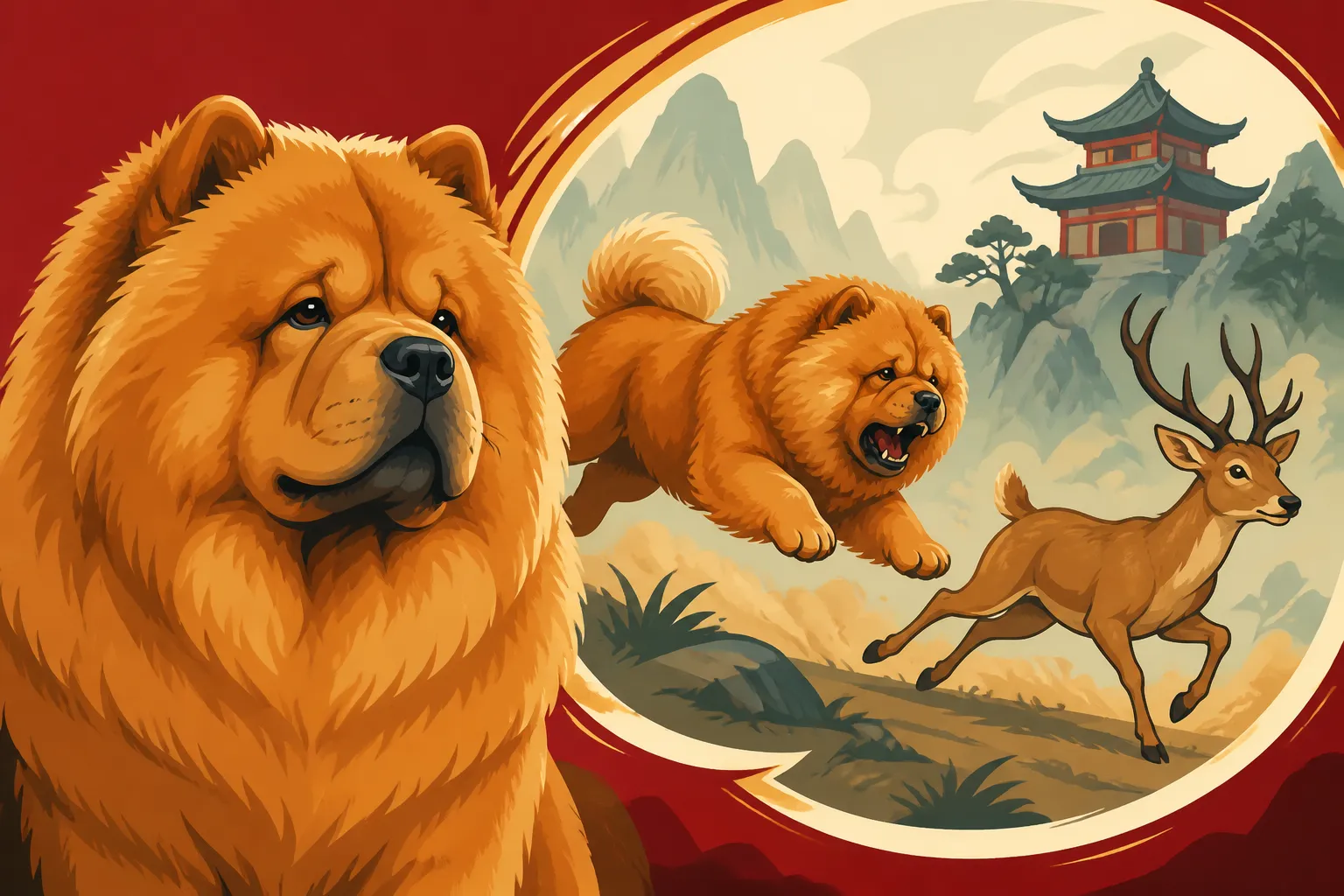
What a Chow Chow Hunted in China
When you look at your fluffy, dignified Chow Chow, perhaps lounging regally on the sofa or giving you that classic reserved "Chow frown," it's easy to forget that this majestic breed wasn't always a pampered house pet. Many owners find themselves wondering about the ancient past of their furry companion, particularly what exactly these powerful dogs did in the harsh, demanding landscapes of ancient China. This guide will take you on a journey back in time, exploring the historical roles and hunting prowess that defined the Chow Chow for centuries before they ever graced a Western drawing room.
The Chow Chow's Ancient Lineage and Diverse Roles in China
The Chow Chow is a truly ancient breed, one of the oldest in the world, with a history stretching back millennia. Their roots are deeply embedded in the fabric of Chinese society, where they served not just as companions, but as versatile working dogs performing a multitude of vital tasks. Understanding their historical context is key to appreciating their unique blend of independence, loyalty, and formidable capabilities.
Tracing Back to Imperial China
Imagine a landscape vastly different from our modern world, one where survival often hinged on the capabilities of both humans and animals. This was the environment in which the Chow Chow evolved. Historical records, art, and archaeological finds provide glimpses into their long past. We see dogs remarkably similar to today's Chow Chows depicted in Han Dynasty pottery and bas-reliefs, indicating their presence in China thousands of years ago. These aren't just decorative figures; they often show dogs in various working capacities, suggesting their integral role in daily life. How Far Back the Chow Chow Is Recorded in China is a fascinating topic that illustrates just how deep their history runs. They were known by several names, reflecting their status and characteristics, such as "Songshi Quan" (Puffy-Lion Dog) or "Tang Quan" (Dog of the Tang Dynasty). These names hint at their revered status and powerful appearance.
The Chow Chow’s lineage places it among the most ancient dog breeds, a testament to its enduring form and function over millennia. Its distinct characteristics—from its dense double coat to its unique gait—were not accidental but rather adaptations honed by generations of utility in diverse Chinese terrains and climates. Their ability to thrive in challenging conditions speaks volumes about their resilience and the care taken by early breeders to preserve these traits.
More Than Just a Pet: A Multi-Purpose Dog
Unlike many modern breeds selectively bred for a single, specialized task, the Chow Chow was a generalist, a true utility dog. In a time when every animal had to earn its keep, these dogs were prized for their broad range of abilities. They weren't just hunters; they were guards, herders, and even draft animals, pulling small carts and sleds. This multi-purpose nature made them incredibly valuable to families and communities across different social strata, from imperial palaces to rural farms. What Han Dynasty Bas Reliefs Show often depicts dogs in scenes of daily life, including guarding and hunting, reinforcing the idea of their varied roles.
This versatility meant that a single Chow Chow could contribute to its household in numerous ways, offering a comprehensive set of skills that were essential for survival and prosperity. Their stoic demeanor and robust build allowed them to adapt to different demands, whether it was patiently watching over property or demonstrating bursts of energy during a hunt. This adaptability is a key reason why the breed endured for so long in a society that valued practicality above all else.
Unveiling the Hunting Instincts of the Chow Chow
While today's Chow Chows might seem more inclined to nap than to chase prey, their ancestors were indeed formidable hunters. This was one of their primary and most respected roles in ancient China, a testament to their keen senses, impressive strength, and independent nature.
The Chow Chow as a Hunter of Large Game
One of the more surprising aspects of the Chow Chow's historical purpose is its involvement in hunting large game. We're not talking about chasing squirrels here. Historical accounts suggest that Chow Chows were used in hunts for substantial animals, including pheasants, deer, and even wild boar. Their powerful build, courage, and keen sense of smell made them highly effective partners in these dangerous endeavors. Imagine a pack of these lion-like dogs, with their thick coats and determined expressions, working together to corner a large animal. This wasn't a job for a delicate dog; it required stamina, strength, and an unwavering focus.
These large game hunts were often communal efforts, and the Chow Chow's role would have been crucial for tracking, flushing out, and holding prey until human hunters could intervene. Their dense ruff, which gives them their distinctive lion-like appearance, would have provided significant protection against bites and scratches from struggling prey. What the Ruff Around a Chow Chow's Neck Is For goes into more detail about this protective feature. The success of such hunts directly contributed to the food supply and resources of the community, elevating the Chow Chow's status as an invaluable asset.
Tracking and Trapping Smaller Prey
Beyond the grand hunts for large animals, Chow Chows were also adept at tracking and trapping smaller game, essential for supplementing diets or controlling pests. Their strong prey drive, combined with an acute sense of smell, made them excellent at locating hidden animals in dense undergrowth or rocky terrain. This might include smaller birds, rabbits, or even rodents that posed a threat to crops or stored food.
Their relatively straight rear legs, which give them a somewhat stilted or "pivoting" gait, allowed them to move efficiently through varied landscapes without wasting energy, and perhaps more importantly, provided powerful propulsion for bursts of speed when closing in on prey. While their gait is unique, it was clearly adapted for endurance and powerful bursts, critical for hunting. The Straight Rear Leg No Other Breed Has is a fascinating read on this distinctive physical trait. The dog would often work independently in these smaller hunts, a reflection of their innate self-sufficiency and problem-solving skills, bringing their catch back to their human companions.
How Their Physical Traits Aided in the Hunt
Many of the Chow Chow's most distinctive physical characteristics, which we admire today, were originally functional adaptations for their demanding working lives, especially hunting.
Let's consider their dense double coat. This iconic feature wasn't just for show. It provided exceptional insulation against the harsh winters and varied climates of China, protecting them from both cold and wet conditions encountered during long hours outdoors. More critically, it served as a natural armor, shielding them from the thorns, brush, and teeth of wild animals they pursued. A thick coat would reduce injuries, allowing them to participate in hunts more safely and effectively.
Then there's their sturdy, compact build. What a Chow Chow Weighs and How Tall It Stands reveals them to be medium to large dogs with considerable heft, built for power and endurance rather than speed. This build, coupled with their unique straight rear hocks, provided stability and strength, allowing them to navigate rugged terrain, withstand impacts, and bring down or hold game. Their deep-set eyes, while contributing to their famous "scowl," offered a degree of protection from debris and injury in dense brush. Even their blue-black tongue, a genetic marvel, is part of their ancient heritage, though its direct utility in hunting isn't explicitly known, it is a hallmark of their distinct and ancient lineage. Why the Chow Chow's Tongue Is Blue Black provides more context on this unique trait.
| Trait | Contribution to Hunting |
|---|---|
| Dense Double Coat | Insulation from weather, protection from thorns and bites |
| Sturdy, Compact Build | Power, endurance, stability, ability to withstand impacts |
| Straight Rear Legs | Efficient movement over rugged terrain, powerful propulsion |
| Keen Sense of Smell | Tracking prey, locating animals in dense cover |
| Courageous Temperament | Willingness to confront dangerous game |
| Deep-Set Eyes | Protection from debris and injury |
Beyond the Hunt: Other Crucial Working Functions
While hunting was a significant part of their ancient existence, the Chow Chow's utility extended far beyond just game pursuit. They were truly integrated into human life, fulfilling a range of roles that were essential for the survival and prosperity of their communities. This broad portfolio of tasks solidifies their image as a truly versatile working dog.
Guardians of Homes and Temples
The Chow Chow's naturally reserved, discerning, and watchful nature made them exceptional guardians. Their imposing presence, coupled with their inherent suspicion of strangers, meant they were highly effective at protecting homes, villages, and even Buddhist temples. Their deep bark and formidable appearance were often enough to deter intruders. They were not dogs that would blindly accept anyone; their loyalty was fierce and often directed towards one person or immediate family, making them formidable sentinels. Whether Chow Chows Guarded Temples is a common question, and historical evidence suggests they absolutely did, often found in monastery settings.
This protective instinct is still present in modern Chow Chows, though expressed in a more domestic context. They are naturally alert and will certainly let you know if someone is approaching your home or if there's anything unusual afoot. This inherent guarding tendency meant that while their family was safe, outsiders might find them aloof or even intimidating, a trait that remains part of their unique charm and challenge. When buying supplies for a dog with such strong guarding instincts, having reliable delivery from services like Chewy can be a real convenience, ensuring you don't have to leave your watchful companion alone too often.
Draft Animals and Herders
In rural areas, Chow Chows were also employed as draft animals. Their strength and solid build made them capable of pulling small carts or sleds, transporting goods, wood, or even assisting with agricultural tasks. This was particularly useful in regions where larger beasts of burden might be scarce or the terrain too challenging for them. The Chow Chow’s endurance, combined with their ability to navigate difficult landscapes, meant they could reliably move supplies over considerable distances.
Beyond pulling power, some historical accounts also point to their use as herders. While not traditionally a "herding breed" in the same vein as a Border Collie, their watchful nature, impressive bark, and robust build would have been useful for keeping livestock contained or moving them between pastures. They would have acted more as a deterrent to predators and a presence to guide animals rather than actively rounding them up with intricate maneuvers. This broad spectrum of utility highlights their sheer adaptability and the resourcefulness of their human companions in utilizing every one of their inherent traits.
Their Less Favorable Historical Use
It's important to approach the full history of the Chow Chow with realism, acknowledging all aspects of their past, even those that might be uncomfortable for modern sensibilities. Unfortunately, during times of extreme hardship or famine in China, Chow Chows, like many other domestic animals, were sometimes raised for their meat and fur. This was not a unique fate for the Chow Chow; many working animals were seen as a resource. This practice, while unsettling to us today, was a grim reality of survival in ancient times when food scarcity was a constant threat. Whether Chow Chows Were Raised for Meat and Fur delves into this sensitive aspect of their history.
While this aspect of their history is difficult to reconcile with their status as beloved pets today, it serves as a stark reminder of the desperate conditions that people faced and the utilitarian view of animals in such times. It also underscores just how valuable and robust these dogs were, capable of contributing to human survival in multiple, often harsh, ways. It's a testament to their hardiness and intrinsic value that they were, at times, considered a sustainable resource.
Physical and Temperamental Traits Suited for the Task
The Chow Chow's unique appearance and disposition are not merely aesthetic; they are a direct result of centuries of natural selection and human cultivation for specific working roles. Every curl of their tail, every crease in their brow, and every ounce of their independent spirit can be traced back to their ancient duties in China.
The Formidable Physique: Coat, Build, and Tongue
Let's talk about their physical attributes, which truly made them powerhouses in their environment. The Chow Chow’s distinctive double coat, whether rough or smooth, is perhaps its most striking feature. This dense, protective layer, particularly pronounced in the rough-coated variety with its magnificent ruff, offered unparalleled insulation. It shielded them from the biting winds and frigid temperatures of Chinese winters and provided a crucial buffer against the heat in warmer months by trapping a layer of cool air. This coat also offered excellent protection from the elements during hunts or while guarding livestock, minimizing injuries from rough terrain or tussles with wild animals. When it comes to maintaining such a coat, especially for dogs engaged in outdoor work, having robust grooming tools is essential, and retailers like Chewy offer a wide range of brushes and rakes designed for thick-coated breeds.
Their robust, compact build is another key characteristic. They are muscular and well-boned, built for strength and endurance rather than agility or speed. This body type allowed them to pull carts, stand firm against threats, and navigate difficult terrain with unwavering stability. And of course, their famous blue-black tongue is a genetic marker of their ancient heritage. While its direct functional purpose isn't entirely clear, it remains one of the most intriguing and unmistakable features of the breed, linking them to a select group of ancient breeds. Whether the Chow Chow Is One of the Fourteen Ancient Breeds discusses this ancient lineage and the genetic connections they share with other very old breeds.
The Independent and Watchful Temperament
Beyond their physical prowess, the Chow Chow's temperament was equally crucial for their working roles. Their inherent independence meant they could often work autonomously, making decisions in the absence of direct human instruction, a vital trait for a hunting dog or a guardian. They weren't dogs that constantly needed to check in with their human, but rather reliable partners who understood their duties. This independence, which some might interpret as aloofness today, allowed them to maintain a vigilant watch for long periods without becoming bored or distracted.
Their watchful nature is legendary. With deep-set eyes and a natural 'scowl,' they are constantly observing their surroundings. This constant vigilance made them excellent alarm systems and sentinels. They are not typically boisterous or overly friendly with strangers, a trait that served them well as protectors. Their loyalty, once earned, is profound, usually directed towards one or two primary individuals, while they remain tolerant, though reserved, with others in the household. This discerning affection made them formidable personal guards and dedicated members of their chosen family.
The Decline of Working Roles and Rise of Companion Status
As China modernized and interactions with the Western world increased, the traditional working roles of the Chow Chow began to shift. The demand for their hunting, guarding, and hauling skills lessened, and their striking appearance and unique personality caught the attention of Western enthusiasts, leading to a new chapter in their history.
Changing Times and Urbanization
With the advent of more industrialized societies and increasing urbanization in China, many of the traditional working roles for dogs like the Chow Chow gradually diminished. Large game hunting became less necessary for survival, and mechanical transport began to replace animal power. As communities grew and modern infrastructure developed, the need for dogs to guard vast tracts of land or pull carts became less prevalent. The Chow Chow's natural environment, the wild and open spaces, began to shrink.
This shift meant that the Chow Chow's utility as a multi-purpose working dog began to fade in its homeland. While pockets of traditional use likely persisted, the breed's primary identity slowly transitioned. As this happened, their unique appearance and dignified demeanor began to be appreciated for different reasons, paving the way for their export and eventual re-establishment as a companion animal in other parts of the world. Even today, the modern Chow Chow still carries the echoes of its working past in its sturdy build and dignified bearing, a quiet testament to its enduring heritage. How a Chow Chow's Gait Wears Its Joints reminds us that their unique structure, while efficient for their ancient tasks, does require consideration in modern care, especially as they age.
From Working Dog to Valued Companion
The introduction of the Chow Chow to the West, particularly in the late 19th and early 20th centuries, marked a significant turning point for the breed. Their exotic appearance, lion-like mane, and distinctive blue-black tongue captivated dog enthusiasts. They quickly gained popularity in England, championed by figures like Queen Victoria, and later in America. Here, their primary role transformed from a working utility dog to a cherished companion animal and a show ring star. This new appreciation led to focused breeding efforts to maintain their unique characteristics, though often with less emphasis on their functional working abilities.
Today, the Chow Chow is primarily a family companion, cherished for its loyalty, calm demeanor, and striking looks. While they no longer routinely hunt boar or pull carts, their independent spirit, protective instincts, and impressive endurance are still very much a part of who they are. Modern owners understand that while their Chow may prefer a soft bed to the harsh wilderness, a respect for their ancient heritage helps in understanding their sometimes "cat-like" independence and their profound, if reserved, affection. Providing a balanced diet, perhaps from a trusted source like Chewy, helps maintain their health and honor the legacy of their robust ancestors.
Disclaimer
This article is for general informational purposes only and does not constitute professional advice. Laws, prices and regulations vary by location and change over time. Consult a qualified professional for guidance on your specific situation.