When the AKC Recognized the Chow Chow
Bringing a breed from distant lands into the spotlight of American dog fancy is a journey fraught with challenges, from navigating cultural differences to establishing a consistent breed type. For Chow Chow enthusiasts and owners, understanding when this ancient breed gained its footing in the United States, specifically through the American Kennel Club (AKC), helps us appreciate the careful efforts made to introduce and preserve these unique dogs. This guide delves into the timeline and significance of the Chow Chow's recognition, exploring how it shaped the breed's presence and perception in America.
The Dawn of the Chow Chow in America: A New World for an Ancient Breed
Imagine a world where the Chow Chow, with its distinctive lion's mane and blue-black tongue, was an exotic rarity, barely known outside its homeland. That was the reality for this ancient breed when it first started making its way to Western shores. Its arrival in America was a gradual affair, punctuated by keen interest from a few dedicated individuals who saw beyond the initial mystique to the profound character of the Chow.
Early Arrivals and Initial Impressions
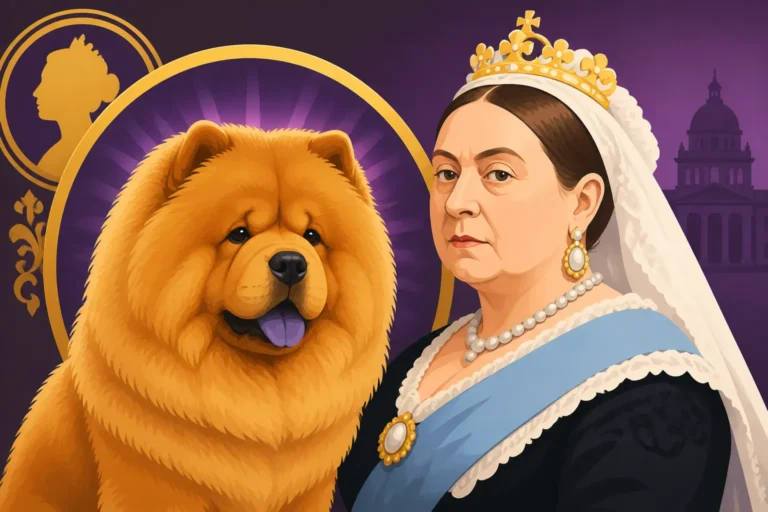
Before official recognition, individual Chow Chows found their way to American soil through various channels. Some were brought back by sailors or merchants, much like how the breed received its English name from a ship's manifest, detailing miscellaneous cargo items that included "chow chow." Others were imported by wealthy individuals or curious dog fanciers who had encountered the breed in Europe, where it had already begun to gain a foothold, notably after Queen Victoria acquired one. These early arrivals were often met with a mixture of awe and bewilderment. Their unique appearance—the scowl, the deep-set eyes, the plush double coat, and of course, that blue tongue—set them apart from nearly every other dog known at the time.
Initially, these Chows might have been seen as curiosities or status symbols, rather than a recognized breed with a defined standard. There wasn't a cohesive understanding of their temperament or specific care needs, which, as many Chow owners know, are quite particular. They aren't your typical eager-to-please retriever! Owners at this stage were pioneers, learning as they went, often relying on observations from their own dogs rather than established breed lore. This period was crucial for gathering anecdotal evidence and sparking wider interest, laying the groundwork for a more organized approach to the breed's future in the country.
The American Kennel Club's Role in Breed Recognition
The American Kennel Club (AKC) plays a pivotal role in establishing and maintaining breed standards and registries in the United States. For a breed to be "recognized" by the AKC means it has met specific criteria, including having a sufficient population in the country, a consistent breed type, and an established parent club dedicated to its preservation and promotion. For the Chow Chow, this process culminated in official recognition in 1903. This date marked a significant milestone, transitioning the Chow Chow from a rare import to a formally acknowledged breed within the American purebred dog community.
This recognition wasn't simply a formality; it was the result of tireless efforts by early Chow Chow enthusiasts. These individuals worked to import quality specimens, establish breeding programs, and educate the public and other dog fanciers about the breed. They understood the importance of a unified standard to guide breeding decisions and ensure the health and integrity of future generations. Which Chow Chow Was Registered First under the AKC system might seem like a simple trivia question, but it represents the first official step in establishing the breed's lineage in America. This historical moment provided a framework for tracing pedigrees, a fundamental aspect of purebred dog breeding.
What "Recognition" Means for a Breed
AKC recognition is far more than just a rubber stamp; it signifies a breed's acceptance into the mainstream of American purebred dogdom. It means the breed now has an official standard, a detailed written description of the ideal Chow Chow, covering everything from its temperament and gait to its coat color and proportions. This standard serves as a blueprint for breeders striving to produce dogs that embody the breed's essential characteristics. Without such a guide, breeding could become haphazard, leading to a loss of uniformity and potentially compromising the breed's distinct traits.
Furthermore, recognition opens the doors for Chow Chows to compete in AKC-sanctioned events, including conformation shows, obedience trials, and other performance sports. This exposure helps to popularize the breed, allowing more people to see Chows up close and learn about them. It also provides a structured environment for evaluating breeding stock and showcasing the finest examples of the breed. For new owners, AKC recognition means access to a wealth of information and resources, often provided through the national breed club, and the assurance that their puppy's pedigree is documented and verifiable. You can find many resources for general dog care and products suitable for Chows on platforms like Chewy, which often highlight products aligning with breed-specific needs.
Charting the Chow Chow's Rise in Popularity
Once officially recognized by the AKC, the Chow Chow's journey in America began to accelerate. No longer merely an exotic curiosity, it became a breed with a distinct identity, attracting a growing number of admirers and owners. This surge in interest, however, came with its own set of challenges, as popularity can be a double-edged sword for any breed.
From Curiosity to Canine Celebrity
The formal acknowledgement by the AKC helped to legitimize the Chow Chow in the eyes of the American public. Articles in magazines and newspapers, along with appearances at dog shows, brought the breed to wider attention. People were captivated by its lion-like appearance, stately demeanor, and unique blue-black tongue. Unlike many other breeds that might be exuberant and openly affectionate, the Chow's more reserved nature and air of independence added to its enigmatic appeal.
This period saw the breed transition from being a rarity owned by a select few to a breed that, while still distinctive, became more broadly recognizable. As more Chows were imported and bred within the U.S., their numbers slowly but steadily increased. This rise wasn't meteoric, but it was significant enough to establish a solid foundation for the breed's future. The initial mystique surrounding the "bear dog from China" gradually gave way to a deeper appreciation for its loyalty, dignity, and calm presence, for the right owner.
The Influence of Prominent Owners
Nothing quite boosts a breed's profile like endorsement from famous personalities, and the Chow Chow certainly benefited from some high-profile admirers. When figures like President Calvin Coolidge owned Chow Chows, the breed's status received a considerable uplift. Which Chow Chows Lived in the Coolidge White House is a fascinating piece of history that illustrates how prominent ownership can introduce a breed to an entirely new segment of the population. Imagine seeing pictures of a dignified Chow Chow lounging on the White House lawn – it certainly added a layer of prestige and fascination.
These celebrity endorsements, whether from presidents, artists, or Hollywood stars, played a significant role in making the Chow Chow fashionable. People often seek to emulate those they admire, and a stylish dog could easily become a symbol of sophistication. This increased visibility, in turn, led to more demand for Chow Chow puppies, further solidifying their place in American canine culture. While beneficial for initial popularity, it also meant a greater responsibility for breeders to ensure quality and temperament.
The Roaring Twenties and Beyond
The 1920s, often dubbed the "Roaring Twenties," was a period of dramatic social and cultural change in America, and dog breeds were not immune to these trends. The Chow Chow experienced a significant boom in popularity during this era, becoming one of the most sought-after breeds. How Popular the Chow Chow Was in the 1920s really highlights this period, demonstrating a peak in interest that many breeds can only dream of. Their distinct look and somewhat aloof personality seemed to resonate with the era's taste for the unique and unconventional.
However, as with any surge in popularity, this period also brought challenges. High demand can sometimes lead to less scrupulous breeding practices, where profit is prioritized over health and temperament. This can, in turn, lead to a decline in the overall quality of the breed. Fortunately, dedicated fanciers worked hard to maintain the breed standard and educate potential owners about the unique needs of a Chow Chow, from its extensive grooming requirements to its specific socialization needs. Even today, resources like Chewy offer extensive lines of grooming tools and dietary supplements to help owners properly care for their Chows.
The Standard: Defining the Chow Chow for Exhibition
With AKC recognition came the vital task of formally defining the Chow Chow. This wasn't just about listing physical traits; it was about capturing the essence of the breed – its unique look, movement, and even its characteristic temperament. This comprehensive document, the breed standard, became the guiding star for breeders, judges, and enthusiasts alike.
Crafting the Breed Standard
The breed standard for the Chow Chow is a meticulously detailed document, a collaborative effort by early breed club members who had intimate knowledge of the dogs. They drew upon observations of imported Chows, discussions with fanciers, and an understanding of the breed's historical role and characteristics in its native China. Every aspect, from the distinctive lion-like ruff and the "scowling" expression created by its deeply set eyes and brow, to the unique stilted gait caused by its comparatively straight rear legs, was described with precision.
Developing this standard was critical for several reasons. Firstly, it provided a clear objective for breeding programs. Breeders could strive to produce dogs that conformed as closely as possible to this ideal, thereby preserving the breed's unique type. Secondly, it offered judges a consistent benchmark against which to evaluate dogs in the show ring, ensuring fairness and consistency across competitions. Without a standard, judging would be subjective, and the breed's identity could quickly fragment. This thoughtful process aimed to encapsulate everything that makes a Chow, a Chow.
Key Characteristics Solidified
The Chow Chow standard solidified the breed's most iconic features. The blue-black tongue, for instance, is a hallmark of the breed, so unique that Why a Chow Chow's Tongue Is Blue Black is often one of the first questions curious individuals ask. The standard specifies this coloration, distinguishing it from other breeds. Similarly, the unique double coat, whether rough or smooth, with its dense undercoat and protective outer coat, is a defining characteristic requiring particular care. The standard dictates its texture, length, and placement.
Beyond physical appearance, the standard also touches upon temperament. While not as detailed as physical descriptions, it describes the Chow Chow as dignified, aloof, and discerning. This helps educate potential owners that a Chow is not typically a boisterous, constantly demanding companion but rather a reserved and independent dog, often bonding deeply with one person and tolerating others. This insight into their inherent nature is crucial for understanding How Aloof a Chow Chow Really Is and managing expectations for those considering bringing one into their home.
The Importance of a Written Standard
A written breed standard serves as the official blueprint for the Chow Chow. It's more than just a description; it's a statement of the breed's heritage and a guide for its future. For breeders, it's the ultimate reference for selection, helping them choose breeding pairs that will perpetuate the desired traits and avoid those that deviate too far. This careful selection process is vital for minimizing the occurrence of genetic health issues and preserving the breed's characteristic look and temperament.
For dog show participants, the standard is the rulebook. Every dog competing in conformation is judged against this ideal, not against other dogs in the ring. This system ensures that the breed itself remains the focus, promoting the breeding of sound, typey Chows. Moreover, for new owners or those simply interested in the breed, the standard provides invaluable information. It helps them understand what to look for in a well-bred Chow and appreciate the specific qualities that define these magnificent dogs. This foundation is essential for supporting a healthy breed population for The Eight to Twelve Years a Chow Chow Gets.
The Impact of AKC Recognition on Breeding and Ownership
AKC recognition brought a wave of structured activity to the Chow Chow community in America. It wasn't just about gaining a title; it fundamentally changed how Chows were bred, showcased, and integrated into the lives of American families. This structured approach aimed to protect and promote the breed responsibly.
Elevating Breeding Practices
With AKC recognition, the emphasis on responsible breeding practices grew significantly. Breeders were no longer just producing puppies based on appearance; they were now guided by a formal breed standard and encouraged to engage in health testing to mitigate hereditary issues. For instance, reputable breeders began to understand the importance of screening for common health concerns in the breed, such as entropion, elbow dysplasia, and hip dysplasia. Knowing What a Chow Chow Breeder Should Have Tested became a benchmark for quality and ethical breeding.
The AKC registry provided a centralized system for tracking pedigrees, which is invaluable for understanding genetic lines and making informed breeding decisions. This allowed breeders to avoid inbreeding too closely and to identify lines with strong health histories and desirable temperaments. It encouraged a move away from informal breeding towards a more scientific and welfare-focused approach, contributing to the overall health and vitality of the breed in the United States.
The Formation of Breed Clubs
The establishment of the American Kennel Club (AKC) naturally spurred the formation of breed-specific clubs. For the Chow Chow, the Chow Chow Club of America was founded in 1906, a mere three years after AKC recognition. When the Chow Chow Club of America Was Founded marks another critical moment, as national breed clubs serve as the guardians of their respective breeds. These clubs are instrumental in developing and refining the breed standard, educating the public, supporting rescue efforts, and organizing events.
These clubs act as a hub for enthusiasts, providing a forum for sharing knowledge, networking, and collaboratively working towards the breed's best interests. They typically host specialty shows, publish breed-specific literature, and champion responsible ownership. For someone considering a Chow Chow, connecting with the national breed club or a regional affiliate is often the best way to get accurate information and find reputable breeders. They provide a community and a consistent voice for the breed, ensuring its long-term welfare.
Encouraging Responsible Ownership
AKC recognition also played a significant role in encouraging responsible Chow Chow ownership. With a formal standard and breed clubs in place, prospective owners had clear guidelines on what to expect from a Chow Chow and what the breed needed. This wasn't just about understanding its aloof personality but also about appreciating its grooming requirements, exercise needs, and potential health concerns. Knowing that a Chow Chow needs consistent socialization and a clear leader in the home is vital, making the question of Whether a Chow Chow Suits a First Time Owner a serious consideration.
Access to information through breed clubs and the AKC itself helped new owners prepare for the unique challenges and joys of living with a Chow. This included understanding the financial commitment involved, from quality food (readily available from retailers like Chewy) to veterinary care and professional grooming. Responsible ownership meant being prepared for a lifetime commitment to a dog that demands respect and understanding, rather than treating it as a fleeting trend.
Here is a table summarizing key milestones in the Chow Chow's journey to AKC recognition:
| Event | Approximate Date / Year | Significance |
|---|---|---|
| Early Arrivals in the West | Late 18th Century | Introduction of Chow Chows to Europe, generating initial interest. |
| First Chow Chows in America | Mid-Late 19th Century | Individual Chows imported, sparking curiosity among fanciers. |
| AKC Recognition | 1903 | Official acceptance of the breed, establishing its place in American dogdom. |
| Chow Chow Club of America Founded | 1906 | Formation of the national parent club to guide and promote the breed. |
| Peak Popularity in the U.S. | 1920s | The "Roaring Twenties" saw a surge in Chow Chow ownership and visibility. |
Beyond Recognition: The Chow Chow's Enduring Legacy
The story of the Chow Chow in America didn't end with AKC recognition or its surge in popularity in the 1920s. It continued to evolve, facing new challenges and adapting to changing societal views on dog ownership. Today, the breed maintains its unique place, cherished by those who understand its distinct character.
Modern Day Standing and Challenges
In the decades following its peak popularity, the Chow Chow's numbers have fluctuated. While it may not hold the same top-ten status it did in the 1920s, it maintains a dedicated following. Today, the breed faces common challenges shared by many purebred dogs: the need for continued health testing, responsible breeding practices to avoid puppy mills, and educating the public about breed-specific temperament and care requirements. The deep-set eyes, while contributing to their unique scowl, also highlight Why a Chow Chow's Deep Set Eye Causes Trouble for its eyes, a factor that responsible owners need to be aware of.
Misconceptions about the breed's temperament, often fueled by sensationalized stories, can still pose a challenge. The Chow Chow's aloofness and inherent guarding instincts are sometimes misinterpreted as aggression, rather than as traits that require proper socialization and handling. This makes the ongoing work of the Chow Chow Club of America and dedicated breeders more important than ever, focusing on producing dogs with sound temperaments and educating prospective owners thoroughly.
Preserving the Breed's Unique Heritage
Preserving the Chow Chow's unique heritage involves more than just maintaining its physical appearance; it means safeguarding its ancient lineage and the very traits that define it. The Chow Chow is, after all, The Chow Chow Is One of the Oldest Breeds in the World, with a history stretching back millennia. This rich past informs its present characteristics, from its independent spirit to its impressive double coat. Breeders and enthusiasts are committed to honoring this heritage by adhering to the breed standard and promoting responsible stewardship.
This preservation also extends to promoting the health of the breed. Continued advancements in veterinary medicine and genetic testing allow breeders to make more informed decisions, aiming to produce robust and healthy dogs. Resources for comprehensive care, from specialized food to supplements, are readily available through retailers like Chewy, helping owners support their Chow's long-term well-being. By understanding its origins and unique needs, we can ensure the Chow Chow continues to thrive for generations to come.
What the Future Holds for the Chow Chow in America
The future of the Chow Chow in America, like any ancient breed, lies in the hands of its dedicated proponents. Continued emphasis on health, temperament, and adherence to the breed standard will be paramount. As information becomes more accessible and responsible pet ownership gains greater traction, there's hope that the breed will attract owners who truly understand and appreciate its distinct qualities.
The focus will remain on educating the public, dispelling myths, and highlighting the unique companionship a Chow Chow offers to those willing to invest the time and understanding. Whether through participation in AKC events, engagement with breed clubs, or simply sharing the joy of living with these magnificent dogs, the legacy of the Chow Chow in America is one of enduring dignity and devoted partnership.
Disclaimer
This article is for general informational purposes only and does not constitute professional advice. Laws, prices and regulations vary by location and change over time. Consult a qualified professional for guidance on your specific situation.