Whether a Chow Chow Suits a First Time Owner
Bringing a new dog into your life is a huge decision, and for first-time owners, the process can feel overwhelming. Many folks are drawn to the Chow Chow's striking lion-like appearance or plush teddy bear look, imagining a calm, independent companion. However, the reality of living with this ancient breed can be quite different from expectations, leading to frustration and misunderstanding for those unprepared. This comprehensive guide is here to shed light on whether a Chow Chow truly suits a first-time owner, exploring the unique challenges and rewarding aspects of bringing one of these magnificent dogs into your home.
Understanding the Chow Chow's Unique Personality
Let's be honest, the Chow Chow isn't your typical "golden retriever" in a fluffy suit. Their personality is often described as cat-like, independent, and reserved, which can be a wonderful trait for the right owner, but a source of genuine bewilderment for someone new to dog ownership. If you're envisioning a dog that will enthusiastically greet every stranger, play fetch for hours, or constantly demand cuddles, you might need to adjust your expectations significantly when considering a Chow.
The "Cat-Like" Independence and Aloofness
One of the most defining characteristics of a Chow Chow is their remarkable independence. They often carry themselves with a regal indifference that some might misinterpret as unfriendliness or even haughtiness. They are not typically a breed that thrives on constant physical affection or seeks to be in your lap every moment of the day. Instead, they often prefer to observe their surroundings from a quiet spot, content in their own space. This isn't to say they don't love their people; their affection is simply expressed in a far more subtle and dignified manner. They might lean against you while you work, follow you calmly from room to room, or quietly settle at your feet. For a first-time owner hoping for an effusive, demonstrative companion, this understated affection can feel a bit underwhelming or even like a personal rejection.
This independence often extends to a deep, singular bond with one primary person in the household. While a Chow Chow will acknowledge and tolerate other family members, their heart often belongs almost exclusively to one individual. They might follow their chosen person more closely, respond more readily to their commands, and seek their quiet companionship above all others. This intense loyalty is a beautiful trait, but it means that other family members, especially children or a spouse, might find themselves on the periphery of the Chow's affection. This dynamic can be particularly challenging for a first-time owner trying to integrate the dog into a bustling family environment, leading to confusion about why their Chow acts differently towards various people. It’s important to understand that The Chow Chow Bonds to One Person and Tolerates the Rest is a hallmark of the breed, not a flaw in your dog's character.
For someone new to dogs, the desire for a "velcro" dog – one that is always by your side and seeking interaction – is a common one. When faced with a Chow Chow that values its personal space and expresses affection on its own terms, a first-time owner can easily become frustrated or feel like they're doing something wrong. They might wonder if their dog doesn't like them or if they've failed to create a strong bond. It's crucial for prospective owners to recognize that this behavior is inherent to the breed and not a reflection of your worth as an owner. Embracing their independent spirit rather than trying to force them into a more conventional dog mold is key to a harmonious relationship.
Understanding this nuanced expression of affection from the outset will save a first-time owner a lot of heartache. The Chow Chow’s loyalty is fierce and unwavering, but it's often a quiet, dignified love rather than an exuberant display. They are often content just being in the same room, offering a silent presence that speaks volumes to those who understand their language. Expecting them to be something they are not will only lead to disappointment, both for you and for the dog.
The Stubborn Streak: Training by Agreement
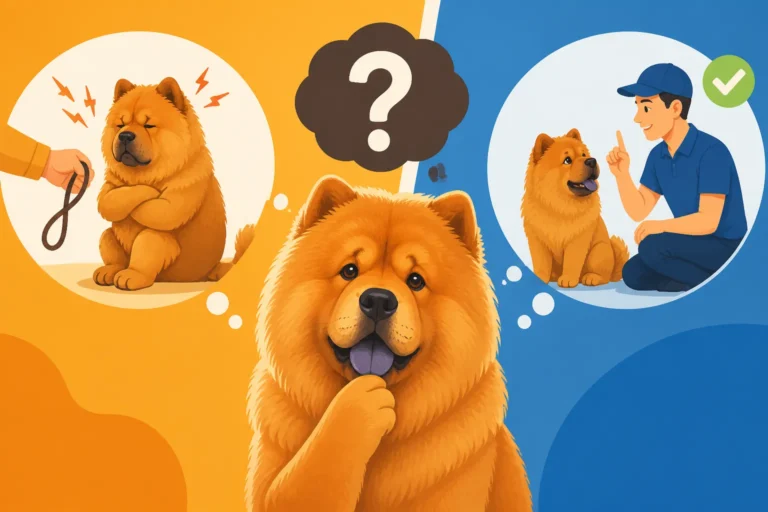
Chow Chows are intelligent dogs, there's no doubt about that. They can learn commands and understand routines with remarkable speed. However, their intelligence comes paired with a strong will and an often-cited stubborn streak that can thoroughly baffle a first-time owner accustomed to the eagerness of other breeds. A Chow Chow isn't inherently motivated by a desire to please its human; instead, they operate more on an "agreement" basis. If they perceive a command as worthwhile or beneficial to them, they will comply. If not, they might simply look at you with an expression that clearly says, "What's in it for me?" or worse, simply ignore you. This distinct approach to learning means that A Chow Chow Trains by Agreement, Not Obedience.
Traditional obedience training methods, especially those relying on harsh corrections or repetitive drills, are often completely ineffective with a Chow Chow and can even be detrimental. They are highly sensitive to pressure and will quickly shut down if they feel unfairly treated or coerced. A strong reprimand might not lead to compliance, but rather a stubborn refusal to engage, or even a deep-seated distrust that can be very difficult to overcome. This can be incredibly frustrating for a novice owner who has been told that consistency and firm handling are the keys to training. When those methods backfire, it leaves them without a roadmap, potentially leading to a breakdown in communication and a lack of control over their dog.
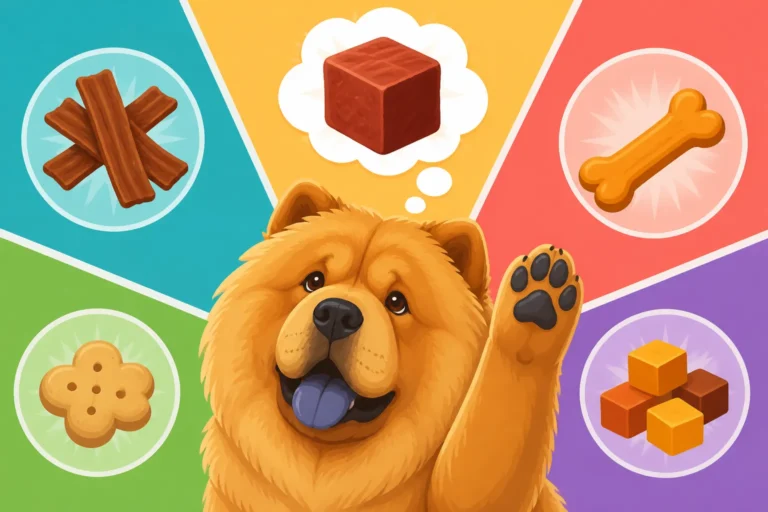
The challenge for a first-time owner is to shift their mindset from "I am the boss, you must obey" to "How can I motivate my Chow to want to do this?" This requires immense patience, creativity, and a willingness to understand the dog's perspective. It means finding what truly motivates your Chow – whether it's a particular high-value treat, a favorite toy, or even just a quiet moment of praise – and using that as leverage. For many breeds, the human's approval is a powerful motivator, but for a Chow, it's often more about tangible rewards and making the training feel like their idea.
Therefore, training a Chow Chow is less about drilling commands and more about building a respectful relationship based on trust and mutual understanding. A first-time owner must be prepared for a slower, more nuanced training journey, one where small victories are celebrated and setbacks are viewed as opportunities to adjust strategy. Understanding that a Chow’s "stubbornness" is often a reflection of their independent thinking, rather than defiance, is a critical step towards success. It's about earning their cooperation, not demanding it, and that can be a steep learning curve for someone without prior experience.
The Critical Importance of Early Socialization
If there's one area where a Chow Chow demands exceptional diligence, especially from a first-time owner, it's early socialization. Many breeds can bounce back from a less-than-ideal socialization period, but for a Chow Chow, missing this critical window can have profound and lasting negative consequences, making an already independent breed wary or even reactive towards the unfamiliar.
The Narrow Socialization Window
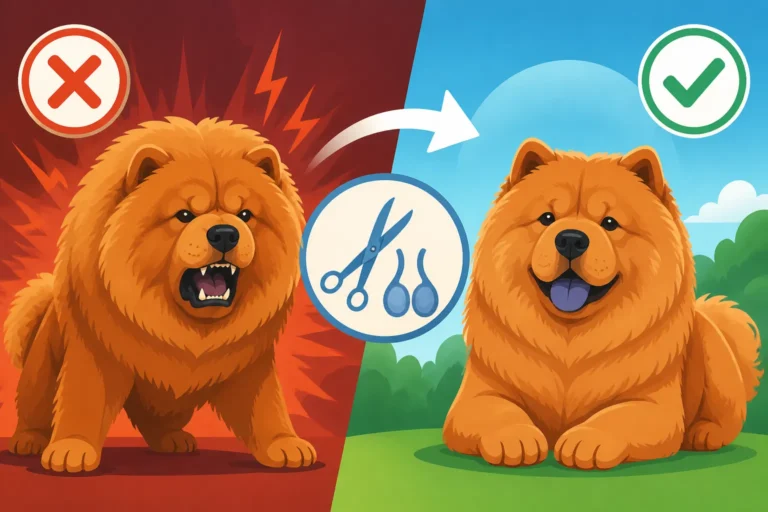
For all puppies, the period between roughly 3 and 16 weeks of age is paramount for socialization. During this time, puppies are most open to new experiences and form lasting impressions of the world around them. For a Chow Chow, this window is often considered even more crucial and, in some cases, shorter than for other breeds. They need to be exposed to a vast array of sights, sounds, smells, people of all ages and appearances, and appropriate dog-friendly dogs in a positive and controlled manner. This isn't about making them overtly social butterflies, but rather ensuring they grow into neutral, confident adults who can comfortably navigate a busy world without fear or aggression. When a Chow Chow's Socialization Window Closes can feel surprisingly fast.
Failing to adequately socialize a Chow Chow puppy during this critical period is akin to setting them up for a lifetime of struggle, especially for a first-time owner who might not recognize the signs of a dog becoming undersocialized. An undersocialized Chow is likely to be fearful, defensive, or potentially aggressive towards anything new or unfamiliar. This could manifest as barking at strangers, lunging at other dogs, or extreme shyness and withdrawal in new environments. For an inexperienced owner, managing a large, powerful dog with these behaviors can quickly become overwhelming, dangerous, and incredibly disheartening.
It's vital to remember that socialization for a Chow Chow is not about forcing interactions. It’s about careful, positive exposure. For example, sitting on a bench at a distance from a busy park, letting your puppy observe the world quietly while offering treats, is far more effective than throwing them into the middle of a dog park free-for-all. The goal is to build positive associations with novel stimuli, creating a dog that tolerates, rather than actively seeks, interaction with strangers and new situations. This requires a dedicated effort, consistency, and a deep understanding of dog body language, all of which can be a tall order for someone who has never owned a dog before.
The repercussions of poor socialization often require extensive and costly behavioral modification later in life, and some issues may never be fully resolved. Therefore, a first-time owner considering a Chow Chow must commit wholeheartedly to the demanding but essential task of early and ongoing socialization. It truly lays the foundation for whether you will have a stable, manageable companion or a dog that constantly presents challenges due to fear or reactivity.
Managing Introductions and Public Appearances
Even with excellent early socialization, a Chow Chow’s inherent reserved nature means that introductions to new people and unfamiliar environments still require careful management throughout their lives. They are not a breed that thrives on spontaneous, enthusiastic greetings, and their tendency to be wary of strangers means owners must always be proactive in ensuring safe and comfortable interactions. For a first-time owner, learning how to effectively manage these situations, especially when faced with well-meaning but ill-informed public, can be a significant source of stress.
One of the most common scenarios is dealing with strangers who are drawn to the Chow Chow's fluffy appearance and want to pet them. While this might be a pleasant interaction for a Golden Retriever, it can be a source of stress for a Chow. Their deep-set eyes limit their peripheral vision, meaning they can easily be startled by an unexpected approach from the side or behind. Furthermore, their reserved nature means they often don't appreciate being touched by unfamiliar hands. A first-time owner needs to learn to confidently advocate for their dog, politely but firmly explaining that their Chow prefers not to be petted by strangers. This can feel awkward or rude, but it's essential for your dog's comfort and public safety. This ability to set boundaries with people is a skill that takes practice. To learn how to make these interactions go smoothly, you might find it helpful to read about How to Introduce a Chow Chow to a Stranger.
Public spaces, particularly those with many unfamiliar dogs or people, also require careful consideration. Dog parks, for instance, are generally not recommended for Chow Chows. Their independent nature, potential for same-sex aggression, and reserved temperament make them poor candidates for chaotic off-leash environments where interactions are often unpredictable. A first-time owner might feel pressure to take their dog to a dog park to "socialize" them, unaware that this could lead to a negative or even dangerous incident. Instead, controlled, one-on-one playdates with known, calm dogs are far more appropriate and beneficial for a Chow. Trying to force a Chow into situations they find uncomfortable will only reinforce negative behaviors.
The responsibility of managing a Chow Chow's public image and ensuring positive interactions falls squarely on the owner. This means understanding your dog's comfort levels, reading their subtle body language signals – which can be hard for a novice to discern – and taking preventative measures to avoid stressful situations. It's a continuous process of management and advocacy, requiring a level of confidence and dog-savvy that many first-time owners simply haven't developed yet. Recognizing these lifelong management needs is crucial before bringing a Chow Chow into your life.
Training and Management Strategies
Successfully living with a Chow Chow, especially as a first-time owner, hinges not just on understanding their unique temperament but on implementing effective training and management strategies tailored specifically to the breed. What works for many other dogs will often fall flat with a Chow.
Positive Reinforcement and Consistency are Key
When it comes to training a Chow Chow, forget everything you might have heard about needing to be an "alpha" or using dominance-based methods. These approaches will almost certainly backfire, leading to a resentful, shut-down, or even aggressive Chow. Chows respond best to positive reinforcement, where desired behaviors are rewarded, making the dog want to repeat them. This means using high-value treats, genuine praise, or a favorite toy as motivation. If a Chow perceives that a command benefits them, they are much more likely to comply. For a first-time owner, this can be a learning curve, as it requires moving beyond basic "sit-stay" commands to truly understand what makes your individual Chow tick. It's less about force and more about negotiation and building trust, as Why Harsh Correction Backfires on a Chow Chow makes very clear.
Consistency is another non-negotiable aspect of Chow Chow training. Because of their independent nature, they will test boundaries, and if a rule is sometimes enforced and sometimes not, they will quickly learn to exploit the inconsistency. This doesn't mean being harsh, but rather being clear and unwavering in your expectations. Every family member must be on the same page, using the same commands and reinforcing the same behaviors. For a first-time owner, coordinating this effort across an entire household can be challenging, but it's vital for a well-behaved Chow. Without consistency, a Chow can become confused and then simply choose which rules they decide to follow, which isn't ideal for any owner, let alone a novice.
Training sessions themselves should be kept short, engaging, and fun. Chow Chows bore easily with repetition, and long, drawn-out sessions will quickly lead to disinterest and a complete lack of cooperation. Think of training as a series of mini-games rather than a serious chore. Five to ten minutes of focused, high-reward training several times a day is far more effective than one long, tedious session. This requires a first-time owner to be creative and flexible, constantly finding new ways to make learning enjoyable for their Chow. Finding an online training resource like those offered by BAXTER & Bella can provide structure and ideas, helping a first-time owner navigate these unique challenges. Remember, How Long a Chow Chow's Training Session Should Be is a critical consideration.
Embracing positive reinforcement and unwavering consistency creates a respectful partnership with your Chow Chow. It's about teaching them what you want them to do, rather than punishing them for what they shouldn't. This approach builds a stronger bond and a more willing participant in training, making the journey much more rewarding for both dog and owner. For a first-time owner, it requires a commitment to ongoing learning and adaptability, but the results are well worth the effort.
Management and Environmental Control
Beyond formal training, effective management and environmental control are paramount for living successfully with a Chow Chow, especially for a first-time owner. These strategies are about preventing undesirable behaviors and ensuring safety, rather than relying solely on obedience. For a breed with such a strong will and territorial instincts, simply training them might not be enough in every situation. Proactive management becomes your best friend.
One of the most critical aspects of management is a secure physical environment. A Chow Chow needs a securely fenced yard – not just any fence, but one that is tall and robust enough to prevent escapes. They are intelligent and determined, and if they find a weakness, they will exploit it. An unsecured yard is an open invitation for a Chow to wander, potentially putting themselves or others at risk. For a first-time owner, budgeting for and installing proper fencing is a non-negotiable expense, and understanding What Fencing a Chow Chow Requires is key from the beginning. Many Chows are also known for digging, so ensuring the fence line is secure at ground level is also important.
Furthermore, a Chow Chow should almost never be trusted off-leash in unfenced areas, regardless of how well-trained you believe them to be. Their strong prey drive, independent nature, and potential reactivity means that if something catches their attention – a squirrel, another dog, or a stranger – a recall command, no matter how solid in the backyard, might be completely ignored. A first-time owner might underestimate this risk, leading to dangerous situations. A sturdy leash and harness are essential tools, and careful consideration of How Far a Chow Chow Can Be Trusted Off Leash is always wise. Using a long line in a secure, empty field can offer some freedom for exercise, but constant vigilance is required.
Inside the home, management tools like crates, baby gates, and exercise pens can be invaluable, particularly during the puppy stage or when guests are present. A crate provides a safe den for your Chow and can aid in housetraining, while gates can restrict access to certain areas, preventing unwanted behaviors like counter-surfing or guarding specific rooms. For a first-time owner, using these tools effectively requires an understanding of their purpose – they are not punishments but rather tools for safety and guidance. Learning to use them positively will contribute significantly to a harmonious household, particularly as you're both learning to navigate life together. These proactive measures help prevent problems before they start, which is a much easier approach than trying to fix ingrained bad habits.
Grooming: A Significant Time and Skill Investment
If the Chow Chow's distinctive coat is what initially captivated you, be prepared for the reality of caring for it. This isn't a wash-and-wear breed. Their magnificent double coat requires a significant commitment of time, effort, and often, financial resources. For a first-time owner, the sheer volume of grooming can be one of the most surprising and overwhelming aspects of Chow Chow ownership.
The Double Coat Demands
The Chow Chow comes in two coat varieties: rough and smooth. Both are double-coated, meaning they have a dense, soft undercoat for insulation and a coarser, longer outer coat for protection. The rough coat is, as the name suggests, longer and more abundant, giving the Chow its characteristic lion-like mane around the head and shoulders, as well as distinct "britches" on the hind legs and feathering on the tail. The smooth coat is shorter with no obvious mane or feathering, but it still has that crucial dense undercoat. What a Chow Chow's Double Coat Is Made Of is designed for cold climates, not for being low-maintenance.
Both coat types shed, but the rough coat is particularly prone to matting if not maintained meticulously. Mats occur when the shedding undercoat gets tangled with the outer coat, forming dense clumps that can pull on the skin, causing pain, irritation, and even skin infections. They commonly form behind the ears, under the armpits, in the britches, and under the collar. To prevent this, a rough-coated Chow needs to be thoroughly brushed down to the skin at least 2-3 times a week, and often daily during their biannual "coat blows." During a coat blow, which happens twice a year – typically in spring and fall – they shed an enormous amount of undercoat. The Twice a Year a Chow Chow Blows Its Coat means weeks of intensive grooming. This isn't a quick once-over; it involves line brushing, using a slicker brush, an undercoat rake, and a metal comb to ensure all dead hair is removed. Brushing a Chow Chow's Mane Down to the Skin is essential, and many a first-time owner has been shocked by the sheer volume of hair that comes off.
For a first-time owner, learning the proper techniques for line brushing and using the various tools can be daunting. There's a real art to getting through that dense coat without causing discomfort. If not done correctly, you might only be brushing the top coat, leaving the shedding undercoat to compact and mat underneath, leading to what groomers call "felted" coats that often require complete shaving. The investment in quality grooming tools – a good slicker brush, a sturdy metal comb, an undercoat rake, and a powerful high-velocity dryer (many of which can be found on Amazon) – is also significant. Many new owners mistakenly think a simple brush will suffice, only to discover the depth of the challenge.
The smooth coat, while appearing less demanding, still requires regular brushing to remove dead undercoat and prevent skin issues. While it might not mat as easily as the rough coat, it still sheds significantly, and neglecting it can lead to uncomfortable skin conditions. Regardless of coat type, understanding and committing to this rigorous grooming schedule is absolutely essential, and a potential deal-breaker for first-time owners who are not prepared for the daily and weekly commitment.
Bathing, Drying, and Professional Help
Bathing a Chow Chow is not a quick dip in the tub. Their dense double coat means getting them thoroughly wet requires effort, and more importantly, drying them completely is a monumental task. If a Chow Chow is not dried to the skin, moisture trapped in the undercoat can lead to serious skin issues like hot spots, fungal infections, and bacterial growth. This process involves powerful towels, a good dog shampoo and conditioner, and most critically, a high-velocity dryer. Air drying a Chow Chow is simply not an option, as it takes far too long and increases the risk of skin problems. Bathing and Drying a Chow Chow's Dense Coat is an event, not a chore.
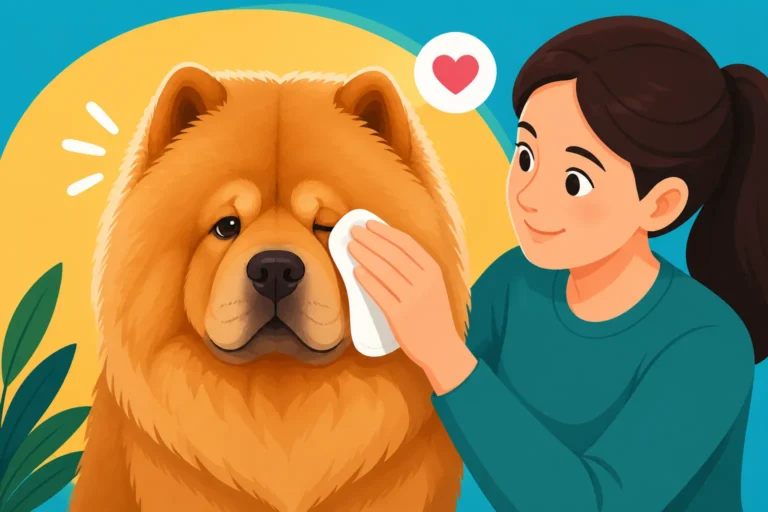
For many first-time owners, the thought of bathing, and especially drying, a large, sometimes uncooperative dog for two or more hours is overwhelming. The noise of the high-velocity dryer can also be intimidating for dogs, requiring early desensitization. This is where professional groomers often become indispensable. A good groomer has the equipment, skill, and patience to properly bathe and dry a Chow Chow, ensuring their skin and coat remain healthy. However, finding a groomer willing to take on a Chow Chow can be a challenge. Due to their independent nature and potential for wariness with strangers, some groomers charge extra for handling or refuse the breed altogether. It’s definitely worth researching Finding a Groomer Who Will Take a Chow Chow in your area before you commit to the breed.
The cost of professional grooming is another significant consideration for first-time owners. Depending on your location and the groomer's rates, a full groom for a Chow Chow can be a substantial expense, especially if it's needed every 4-6 weeks or more frequently during coat blows. These costs add up rapidly over the lifespan of the dog and must be factored into your budget. While learning to groom at home can save money, it requires a significant initial investment in equipment and a dedication to learning the techniques, which can be a steep climb for someone new to dog ownership. What Professional Grooming Costs for a Chow Chow can be a real eye-opener.
Ultimately, grooming is not just about aesthetics; it's about the health and comfort of your Chow Chow. A first-time owner must either be prepared to become a dedicated home groomer with the right tools and knowledge or budget generously for professional services. Underestimating the grooming demands is a common mistake that can lead to a matted, uncomfortable dog and a very frustrated owner.
Health, Vet Visits, and Lifespan Considerations
Beyond temperament and grooming, understanding the Chow Chow's common health predispositions and how they impact veterinary care is vital for any prospective owner, but especially for someone bringing their first dog home. The breed is generally robust, but like all purebreds, they have certain conditions that are more prevalent, and their unique stoic nature can mask symptoms, making early detection difficult for a novice.
Common Health Issues to Be Aware Of
Chow Chows are unfortunately prone to several health issues that first-time owners need to be aware of and financially prepared for. One of the most common and defining conditions is entropion, where the eyelid rolls inward, causing eyelashes to rub against the cornea. This is incredibly painful and can lead to corneal ulcers and even blindness if left untreated. Many Chow Chows require corrective surgery, often as puppies or young adults, and sometimes more than once. Entropion Is the Chow Chow's Signature Problem for the breed, and it’s a procedure that can be quite costly. Hip and elbow dysplasia are also concerns, leading to arthritis and lameness. Responsible breeders will screen for these orthopedic conditions, but even with good genetics, environmental factors can play a role. Elbow Dysplasia Ranks the Chow Chow Near the Top among breeds.
Another critical consideration is their susceptibility to heatstroke. Due to their dense double coat and brachycephalic (short-nosed) head structure, Chow Chows are highly prone to overheating, even in moderate temperatures. Heat Is the Chow Chow's Most Immediate Danger if not properly managed. Symptoms can escalate rapidly, and heatstroke is a life-threatening emergency requiring immediate veterinary intervention. For a first-time owner, recognizing the subtle early signs of overheating and knowing how to respond quickly can be challenging, particularly if they’re new to canine body language. Being vigilant about exercise times, providing constant access to water, and ensuring a cool environment are non-negotiable aspects of Chow Chow care.
What makes managing these health concerns particularly challenging for a first-time owner is the Chow Chow's stoic nature. They are notoriously good at hiding pain and discomfort, often displaying very subtle signs that can easily be missed by an inexperienced eye. A slight change in appetite, a barely perceptible limp, or a more withdrawn demeanor might be the only indication that something is wrong. Learning How a Chow Chow Hides Pain is a skill that comes with experience. Therefore, first-time owners must be extra vigilant and proactive in observing their Chow, and not hesitate to seek veterinary advice even for minor changes. The financial implications of these potential health issues can be significant. Pet insurance is highly recommended, but even then, a first-time owner must be prepared for potential out-of-pocket expenses for diagnostics, medications, and surgeries. Understanding these breed-specific health challenges is crucial for responsible ownership.
The Vet Experience: Muzzle Training and Patience
Taking a Chow Chow to the vet can be a unique experience, and it’s one that first-time owners often find surprisingly difficult. Their naturally reserved and sometimes wary temperament, combined with a dislike of being handled by strangers, can make routine examinations and procedures challenging for both the dog and the veterinary staff. They are not dogs that will happily jump on the exam table and offer kisses to everyone. In fact, a Chow Chow might actively resist handling, making even simple tasks like listening to their heart or taking their temperature a struggle. Why a Chow Chow Is Hard to Examine at the Vet is a common complaint among veterinary professionals.
Early and positive experiences at the vet are crucial. Even before vaccinations are complete, taking your Chow Chow puppy to the clinic for "happy visits" – where they receive treats and praise without any invasive procedures – can help build positive associations. However, even with the best early training, many adult Chows will require careful handling and often a muzzle for veterinary visits, purely for the safety of the staff. Muzzle training your Chow Chow from a young age, associating the muzzle with positive experiences, is not a sign of an aggressive dog but a responsible measure that allows for safe and stress-free veterinary care. For a first-time owner, the idea of muzzle training might seem daunting or even alarming, but it's an invaluable tool for this breed.
First-time owners need to be prepared for the possibility that their Chow Chow might require sedation for routine procedures like nail trims, ear cleaning, or even a thorough physical exam. While some Chows tolerate these procedures with patience, many will simply refuse to cooperate, making sedation a necessity for their well-being and the safety of the veterinary team. This adds to the cost of care and requires specific pre-visit preparations, like fasting. Whether a Chow Chow Needs Sedation for a Checkup is a legitimate question many Chow owners face. Seeking out a "fear-free" certified veterinary practice can also make a huge difference. These practices are specifically designed to minimize stress and anxiety for pets, which is particularly beneficial for a sensitive breed like the Chow Chow. Understanding these unique challenges in veterinary care is essential for a first-time owner to avoid unexpected bills and stressful situations.
Lifestyle Match: Is Your Home Ready for a Chow Chow?
Bringing any dog into your home means assessing how well their needs and temperament align with your lifestyle. For a Chow Chow, this assessment is even more critical due to their distinctive personality, exercise requirements, and environmental sensitivities. A first-time owner needs to carefully consider if their home environment, family dynamics, and daily routine are truly compatible with this unique breed.
Children and Other Pets
The compatibility of Chow Chows with children is a frequently discussed and crucial topic for first-time owners, especially those with young families. Chows are generally not known for their tolerance of boisterous play or the unpredictable movements and noise of young children. Their reserved nature means they often dislike being poked, prodded, or having their personal space invaded. They are also not a breed that typically enjoys roughhousing or being treated like a giant teddy bear. While a well-socialized Chow Chow might tolerate older, respectful children who understand how to interact calmly, the combination of a young child and a first-time dog owner with a Chow can be a recipe for disaster. How a Chow Chow Behaves With Children is an important area to research.
It is absolutely essential that any interaction between a Chow Chow and children, regardless of age, is strictly supervised. Children must be taught how to interact gently, to respect the dog's space, and to recognize signs that the dog is uncomfortable (which, as mentioned, can be subtle with a Chow). A first-time owner must be prepared to be constantly vigilant and to intervene if necessary. For families with toddlers or very young children, it might be more responsible to consider a different breed or wait until the children are older and capable of understanding boundaries. The risk of a bite from a Chow Chow who feels cornered or threatened is real, and it’s a risk no first-time owner should take lightly.
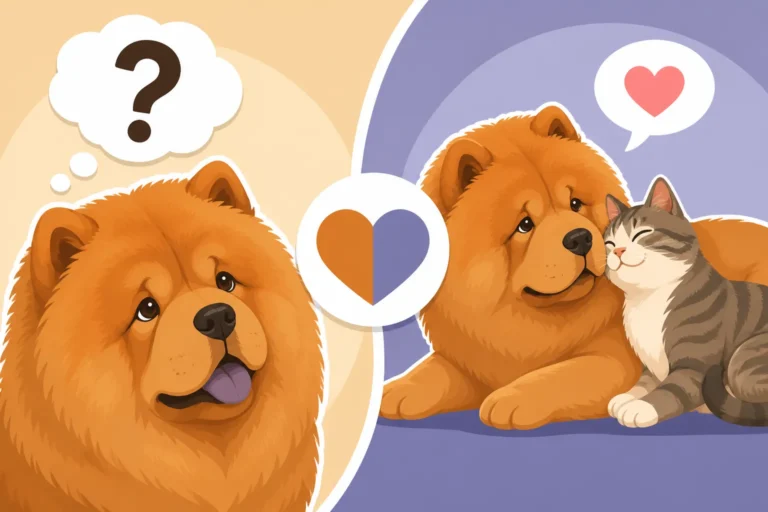
When it comes to other pets, a Chow Chow's territorial instincts and potential for same-sex aggression need to be seriously considered. While some Chows can live harmoniously with other dogs, particularly if raised with them from a young age or if the other dog is of the opposite sex and submissive, introducing a Chow into a multi-dog household can be challenging. Same-sex aggression, particularly between two female Chows, is not uncommon. Similarly, their prey drive can be a concern with smaller pets like cats, although many Chows raised with cats can coexist peacefully. Living With a Chow Chow and a Cat is certainly possible, but not guaranteed.
For a first-time owner with an existing pet, careful, managed introductions are paramount. This involves supervising all interactions, providing separate feeding areas, and ensuring each pet has their own safe space. Understanding the breed's predispositions for guarding resources or space is vital. Adding a Chow Chow to a household that already has other pets or young children significantly increases the complexity of dog ownership, demanding a level of experience and management skills that many first-time owners simply haven't acquired yet.
Exercise, Environment, and Alone Time
Despite their somewhat lumbering appearance, Chow Chows do need regular exercise, although it's typically moderate rather than intense. A couple of 20-30 minute walks per day are usually sufficient to keep them physically and mentally stimulated. They are not suitable for jogging partners or intense agility work, partly due to their unique straight rear leg which gives them a somewhat stilted gait, and partly due to their brachycephalic structure. How Much Exercise a Chow Chow Actually Needs is often less than other large breeds. However, simply letting them out in the yard isn't enough; they need structured walks and opportunities for mental engagement. For a first-time owner, committing to these regular, consistent walks, regardless of weather, is a foundational aspect of responsible ownership.
One of the most critical environmental considerations for a Chow Chow is temperature. Their dense double coat makes them highly susceptible to overheating, even in moderate climates. They simply do not do well in hot or humid weather and must have access to air conditioning during warmer months. Exercising them during the hottest parts of the day is dangerous and should be avoided entirely. Walks should be scheduled for early mornings or late evenings when temperatures are cooler. Why a Chow Chow Overheats So Easily is a serious concern, and owners must always be on alert for signs of heat stress. For first-time owners living in warmer climates, or those without reliable air conditioning, a Chow Chow might not be the most appropriate breed choice. Whether a Chow Chow Needs Air Conditioning isn't a luxury; it's often a necessity for their well-being.
Regarding alone time, Chow Chows are generally more independent than many breeds and can tolerate being left alone for reasonable periods, provided they've had adequate exercise and mental stimulation beforehand. They are not typically prone to separation anxiety in the same way a more clingy breed might be. However, "reasonable periods" are key. An adult Chow Chow shouldn't be left alone for 8-10 hours every single day without a potty break or human interaction. For a first-time owner working long hours away from home, arrangements for a dog walker or midday check-ins might be necessary. While they are independent, they still thrive on companionship and being part of the family unit. Excessive isolation can still lead to boredom and potential behavioral issues.
Ultimately, a Chow Chow needs an owner who understands and respects their unique physical and psychological needs. This includes providing a cool environment, consistent moderate exercise, and thoughtful management of their social interactions. For a first-time owner, meeting these specific requirements demands forethought, adaptability, and a genuine commitment to creating a suitable lifestyle for this dignified breed.
The Commitment: Time, Patience, and Understanding
Deciding to bring any dog into your life is a significant commitment, but for a first-time owner considering a Chow Chow, it's particularly important to grasp the depth of this dedication. This breed demands an investment of time, patience, financial resources, and a unique understanding that goes beyond what many novice owners might anticipate.
The Long-Term Investment of Time and Effort
Owning a Chow Chow is not a short-term endeavor; it's a commitment that typically spans 8 to 12 years, and sometimes even longer. Throughout this entire period, your Chow Chow will require consistent care, training, socialization, and attention. This isn't a breed you can neglect for a few months and expect to seamlessly integrate back into family life. The daily and weekly routines for grooming, exercise, and mental stimulation must be maintained diligently, especially if you want to avoid behavioral issues or health problems. For a first-time owner, the sheer persistence required can be eye-opening. What starts as an exciting new adventure can, without the right mindset, turn into a daily grind.
Consider the time commitment for grooming alone: several hours a week for brushing, plus the intensive effort during biannual coat blows, and potentially hours for bathing and drying if done at home. Then there are the daily walks, the ongoing positive reinforcement training sessions, and the time spent on careful socialization and managing public interactions. This doesn't even account for quality time simply enjoying your Chow's presence. If your schedule is already packed, or if you're not prepared to dedicate substantial chunks of your free time to your dog, a Chow Chow might not be the right fit. This breed truly thrives with an owner who has the luxury of time and is willing to invest it.
Beyond the daily grind, there's the long-term commitment to their well-being as they age. Like any senior dog, an aging Chow Chow will likely require more frequent vet visits, potentially costly medications for arthritis or other age-related conditions, and adjustments to their environment to accommodate decreased mobility or sensory loss. Caring for a Chow Chow Past Eight becomes a dedicated mission. This extended period of care demands not only financial stability but also emotional resilience and patience from the owner. For a first-time owner, navigating the complexities of senior dog care on top of learning the ropes of dog ownership can be particularly challenging.
Ultimately, the investment of time and effort in a Chow Chow is substantial and lifelong. It requires a deep understanding that this beautiful, independent creature will become a central part of your daily rhythm and future plans. For a first-time owner, being realistic about your capacity to meet these ongoing demands is perhaps the most critical self-assessment you can make.
Financial Responsibility and Unexpected Costs
While the initial cost of a Chow Chow puppy from a reputable breeder might be significant, it's truly just the tip of the iceberg when it comes to the financial commitment. Chow Chows can be an expensive breed to own over their lifetime, and first-time owners need to fully understand and budget for these ongoing costs to avoid financial stress down the line. Beyond the initial purchase price, you'll face expenses for high-quality food, routine veterinary care, vaccinations, and parasite prevention. But it’s the breed-specific costs that often surprise new owners.
Grooming costs, as discussed, can be substantial, whether you invest in professional services or high-quality home grooming equipment. A single professional groom can cost a decent sum, and these are often needed several times a year. If you opt for home grooming, a good high-velocity dryer and quality brushes can be found on Amazon, but they represent a notable upfront investment. Then there are the potential health-related expenses. Entropion surgery, if needed, can cost a considerable amount per eye. Treatments for hip or elbow dysplasia, heatstroke emergencies, or managing autoimmune conditions can also run into the thousands. While pet insurance is highly recommended, it still involves monthly premiums and often a deductible or co-pay. Therefore, having an emergency fund specifically for your Chow's health is a wise decision.
Beyond health and grooming, there are costs associated with training, specialized equipment (like heavy-duty crates or a secure fence), boarding if you travel, and potentially higher liability insurance premiums if your homeowner's insurance company classifies Chows as a restricted breed. What a Chow Chow Costs Over Its Lifetime is a figure that can easily reach five figures, if not more, for a well-cared-for dog. For a first-time owner, these cumulative costs can be overwhelming if not adequately anticipated. It's not uncommon for owners to find themselves in a difficult position when faced with an unexpected vet bill for a condition they weren't aware was common in the breed.
A Chow Chow owner, especially a first-timer, must be prepared for the financial realities of responsible ownership. This means not just having enough money for the purchase, but demonstrating a willingness and ability to provide for their needs throughout their entire life. Underestimating the financial commitment can lead to corners being cut in care, which ultimately harms the dog. Therefore, a realistic assessment of your financial stability and preparedness for both expected and unexpected expenses is a crucial part of deciding if a Chow Chow is right for you.
Disclaimer
This article is for general informational purposes only and does not constitute professional advice. Laws, prices and regulations vary by location and change over time. Consult a qualified professional for guidance on your specific situation.