Why a Chow Chow’s Glaucoma Is an Emergency
There are few things scarier for a Chow Chow owner than waking up to find your beloved companion's eye suddenly red, swollen, and causing immense pain. Glaucoma isn't just an inconvenience; it's a terrifying, sight-threatening emergency that demands immediate action. This guide will walk you through exactly why a Chow Chow's glaucoma is an emergency, what to look for, and why every second truly counts when it comes to saving their vision.
The Chow Chow's Unique Vulnerability to Glaucoma
Understanding why glaucoma is such an immediate crisis for a Chow Chow starts with their genetics and unique eye anatomy. Unlike some other breeds where glaucoma might develop gradually, Chow Chows are highly predisposed to a form known as primary closed-angle glaucoma, which can strike with alarming speed and severity.
Understanding Primary Glaucoma and Breed Predisposition
Primary glaucoma in Chow Chows means the condition isn't caused by another underlying eye disease, but rather by an inherited anatomical defect within the eye itself. Specifically, their eyes often have a narrow iridocorneal angle—the area where fluid naturally drains from the eye. Think of it like a sink with a very narrow, easily clogged drain. When this drainage angle becomes completely blocked, the fluid (aqueous humor) produced within the eye has nowhere to go. This blockage isn't always obvious; it's a structural issue deep inside the eye.
This genetic predisposition means that even a perfectly healthy Chow Chow can suddenly develop acute glaucoma without any prior warning. It's a cruel reality for many owners, who might feel blindsided by the sudden onset. For a deeper dive into how their unique facial structure contributes, you might want to read about Why a Chow Chow's Deep Set Eye Causes Trouble. This inherent flaw makes them one of the breeds most susceptible to this devastating disease, which is why understanding the urgency is paramount.
The Silent Killer: Rising Intraocular Pressure
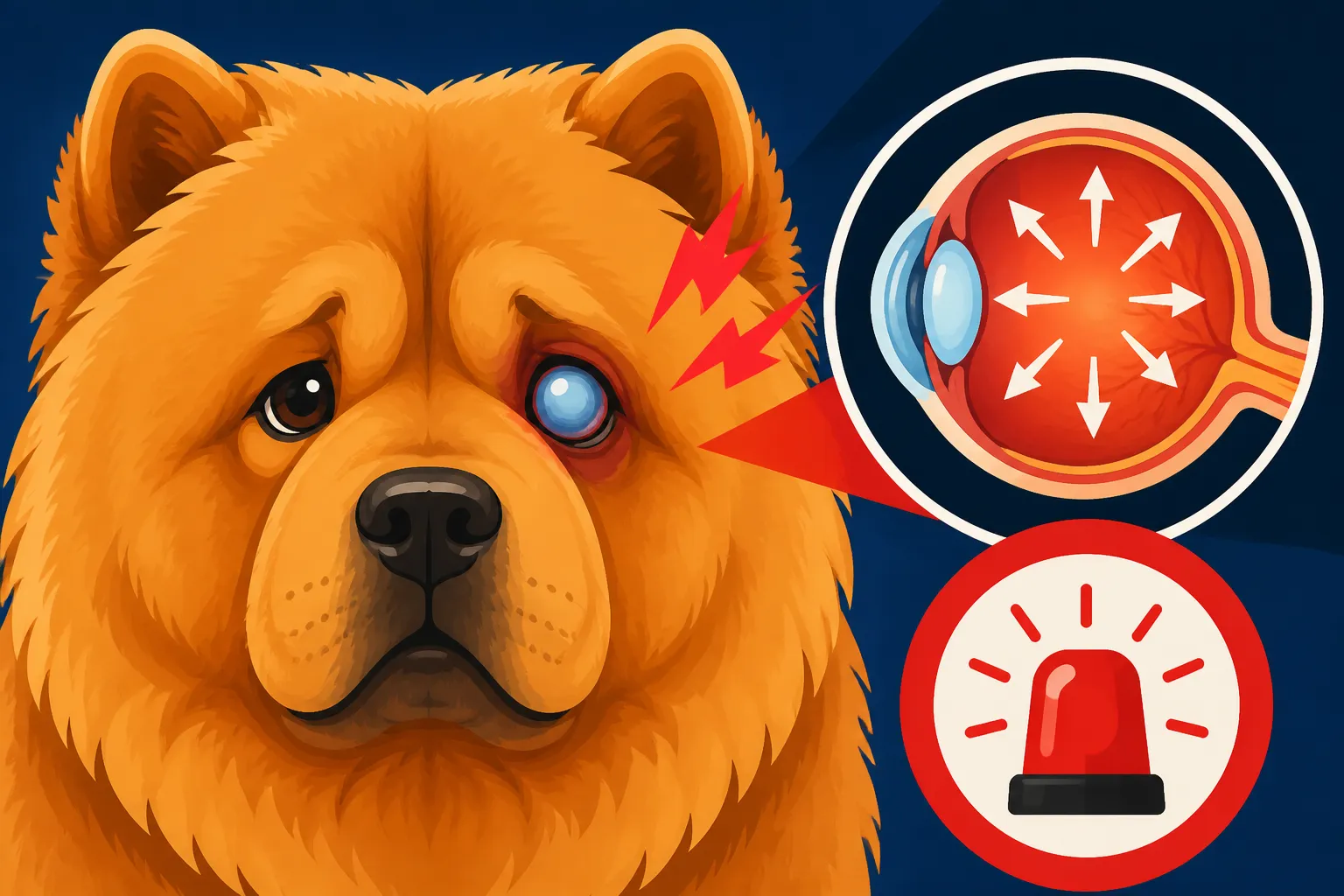
When that drainage angle closes, the pressure inside the eye, known as intraocular pressure (IOP), skyrockets. Imagine continually pumping air into a balloon without any way for the air to escape; eventually, the pressure becomes immense. This extreme pressure doesn't just cause pain; it rapidly begins to crush the delicate structures within the eye, particularly the optic nerve and the retina. The optic nerve is the critical cable that transmits visual information from the eye to the brain, and sustained high pressure severs these connections, leading to irreversible vision loss.
What makes this truly an emergency is the speed at which this damage occurs. The eye cannot tolerate high pressure for long. Even a few hours of significantly elevated IOP can lead to permanent damage, making the difference between retaining some vision and complete blindness. This isn't a condition that allows for a "wait and see" approach; it's a race against time to normalize the pressure before the damage becomes permanent. Owners often express frustration because the disease gives so little warning, making them feel helpless in the face of its rapid progression.
Recognizing the Red Flags: Signs of an Ocular Emergency
Knowing what to look for can literally save your Chow Chow's eyesight. Because Chow Chows are notoriously stoic and excellent at hiding pain, recognizing the subtle (and sometimes not-so-subtle) signs of glaucoma is critical. If you notice any of these symptoms, it's time to act immediately.
Sudden Onset of Pain and Discomfort
One of the first, and most easily missed, signs is a sudden change in behavior indicating pain. Your Chow Chow might start squinting, holding one eye partially or completely closed, or rubbing at their face or eye with a paw. They might be unusually sensitive to light, preferring darker areas of the house or avoiding direct sunlight. You might notice them acting dull, lethargic, or losing interest in their usual activities or food. Remember, Chows are not overt about discomfort, so a slight hesitation or a less enthusiastic greeting can be a major warning.
I've heard countless stories from owners who initially thought their dog just had something in their eye or a minor irritation, only for it to escalate within hours. This initial discomfort quickly intensifies into severe pain, as the pressure builds relentlessly. Any sudden change in your Chow's eye or behavior warrants a closer look and, more often than not, an urgent call to the vet. For a more complete list of potential indicators, refer to Signs a Chow Chow Has Glaucoma.
Visible Changes to the Eye
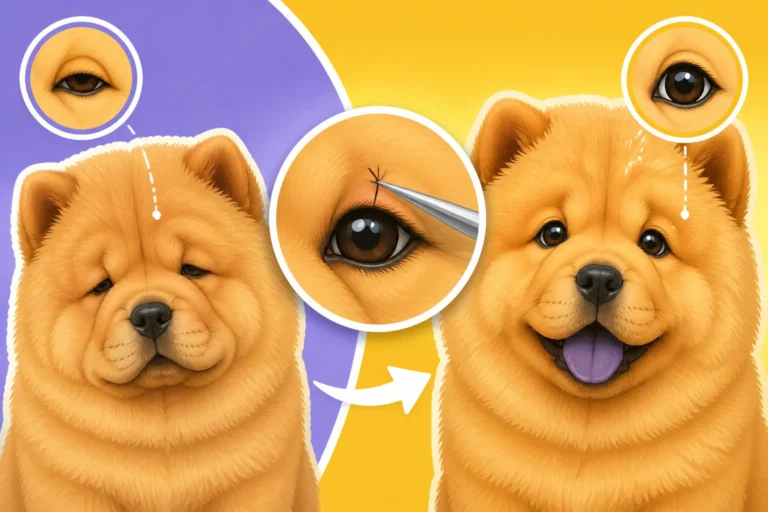
Beyond behavioral cues, there are distinct visible changes to the affected eye that scream "emergency." The clearest indicator is a cloudy or bluish appearance of the cornea (the clear outer layer of the eye), often described as "corneal edema." This cloudiness is due to fluid buildup within the cornea, making the eye appear hazy or opaque. You'll also likely see significant redness in the white part of the eye, known as scleral injection, as blood vessels become engorged.
Another tell-tale sign is a dilated pupil that doesn't constrict when exposed to light, or one that appears fixed and unresponsive. In some cases, the eye might even appear larger or more prominent than the unaffected eye, especially if the pressure has been high for some time. Comparing it to the other eye, if it's currently unaffected, can be a useful way to spot these differences. These physical changes are a direct result of the extreme internal pressure and signal profound distress. To understand what this pressure is doing internally, it's helpful to know What Glaucoma Does to a Chow Chow's Eye.
Behavioral Shifts That Signal Trouble
As the pain becomes excruciating and vision deteriorates, your Chow Chow's overall demeanor will change. They might become withdrawn, uninterested in walks or playtime, or even snap if you try to touch their head or face. Their appetite might decrease, and they may sleep more than usual. Sometimes, owners report their Chow leaning their head against walls or furniture, perhaps in an attempt to alleviate pressure or due to disorientation from vision loss.
It's heartbreaking to see your usually composed Chow Chow in such a state. These behavioral shifts are their way of communicating immense pain and fear, and they should never be ignored or dismissed. Because Chow Chows are masters of masking pain, any obvious behavioral change is a strong indication that something serious is happening, and it requires immediate veterinary attention.
The Race Against Time: Why Every Minute Counts
The gravity of glaucoma in a Chow Chow cannot be overstated. This isn't a condition where you can afford to wait until morning or "see how they are in a few hours." Every minute counts in preserving their eyesight.
Irreversible Damage to the Optic Nerve
The primary reason for the urgency is the rapid and irreversible damage that high intraocular pressure inflicts on the optic nerve. The nerve fibers, responsible for transmitting visual signals, are incredibly fragile. Sustained high pressure quickly starves these fibers of blood and oxygen, leading to their death. Once these nerve cells die, they cannot be regenerated. This means any vision lost due to optic nerve damage is permanent. This is precisely why Glaucoma Can Blind a Chow Chow in Days, sometimes even hours in acute cases.
Imagine a delicate electrical cable being slowly crushed; at first, signals might be intermittent, but soon, they cease entirely. The veterinarian's goal in an emergency is to relieve that pressure as quickly as possible to prevent further damage and, ideally, to preserve remaining vision. Delaying treatment by even a few hours can mean the difference between salvaging some sight and complete, permanent blindness.
The Urgency of Veterinary Intervention
This isn't a situation for your regular daytime vet appointment. If you suspect your Chow Chow has glaucoma, you need to contact an emergency veterinary clinic or a veterinary ophthalmologist immediately. They are equipped with specialized tools, such as a tonometer, to measure the intraocular pressure, which is crucial for diagnosis. If your Chow Chow is showing any of the signs we've discussed, it’s not a question of if you go, but how fast.
The emergency vet will be able to perform a complete eye examination, measure the pressure (you can learn more about What a Chow Chow's Eye Pressure Is Measured here), and start immediate medical therapy to reduce the pressure. This often involves powerful eye drops and sometimes oral medications to quickly bring the pressure down. Every moment of delay allows more damage to accumulate, making successful treatment less likely and the prognosis for vision more guarded.
Potential for Permanent Blindness or Eye Removal
The heartbreaking reality is that despite best efforts, if treatment is not initiated rapidly, or if the pressure has been too high for too long, the affected eye may become permanently blind. For some Chow Chows, the pain associated with a blind eye, particularly if the pressure cannot be consistently controlled, becomes so severe that the kindest option is surgical removal of the eye (enucleation). While this is a devastating decision for any owner, it can offer immense relief from chronic pain for the dog.
Even with successful treatment of the first eye, it’s a sad fact that the other eye often develops glaucoma later. This is due to the inherent genetic predisposition. Owners often worry about How Often a Chow Chow Loses the Second Eye, which is a valid concern requiring vigilant monitoring and preventative care. The prospect of losing an eye, or even both, is a heavy burden for Chow Chow owners, highlighting just how critical early detection and rapid emergency response are.
Immediate Action and Long-Term Management
Once you've identified the signs and rushed your Chow Chow to the emergency vet, what can you expect? And what does managing this condition look like in the long term?
What Happens at the Emergency Vet
When you arrive at the emergency veterinary clinic or an ophthalmologist's office, the first thing they'll do is confirm the diagnosis. This involves using a tonometer, a specialized instrument that gently touches the surface of the eye to measure the intraocular pressure. Normal IOP in dogs is typically between 10-25 mmHg; in acute glaucoma, it can easily climb to 40-70 mmHg or even higher. This reading immediately confirms the emergency.
Once glaucoma is diagnosed, the veterinary team will administer medications to rapidly reduce the eye pressure. This typically involves a combination of strong eye drops (like carbonic anhydrase inhibitors and beta-blockers) and often intravenous mannitol, a powerful osmotic diuretic that helps draw fluid out of the eye. Your Chow Chow might also receive pain medication to help manage their severe discomfort. The initial goal is to stabilize the eye and reduce the immediate threat to vision. You can learn more about How a Chow Chow's Glaucoma Is Treated after this initial stabilization.
The High Costs of Emergency Care and the Role of Insurance
Let's be realistic: emergency veterinary care, especially for a condition as complex and urgent as glaucoma, can be incredibly expensive. Initial emergency visits can range from several hundred to over a thousand dollars, just for diagnosis and initial stabilization. This doesn't include the ongoing cost of daily eye drops, which can be pricey, or potential surgical interventions like laser cyclophotocoagulation or even eye removal, which can run into thousands of dollars. These unexpected costs can add a significant financial strain to an already emotionally stressful situation.
This is where investing in pet insurance, like plans offered by Healthy Paws, can be a lifesaver. Having a good pet insurance policy that covers emergency care and specialist visits can alleviate much of the financial burden, allowing you to make medical decisions based on what's best for your Chow Chow, not just what you can afford. Many owners regret not having insurance when these sudden, devastating conditions strike. It’s worth investigating a plan before an emergency hits, especially for breeds prone to specific conditions. You might also want to consider When a Chow Chow Should Be Insured Before the Eyes Go to ensure coverage. Healthy Paws has various options that could provide peace of mind.
Managing Chronic Glaucoma and Protecting the Second Eye
Even after the initial emergency is controlled, glaucoma is a chronic, lifelong condition that requires continuous management. Your Chow Chow will likely need daily eye drops for the rest of their life to maintain normal intraocular pressure. These medications can be costly and require strict adherence to a schedule. Regular follow-up appointments with a veterinary ophthalmologist are essential to monitor the eye pressure, assess vision, and adjust medications as needed. This ongoing care is crucial to prevent recurrence and manage the disease effectively.
Furthermore, because primary glaucoma is almost always bilateral, meaning it affects both eyes, the unaffected eye will be closely monitored. Preventative eye drops might be prescribed for the "good" eye to delay the onset of glaucoma. It's an incredibly stressful situation, knowing that the second eye could go at any time, but vigilance and consistent veterinary care can make a significant difference. Regular wellness exams and dedicated eye checks, like the importance of Whether a Chow Chow Needs a Yearly Eye Exam, are indispensable components of managing this challenging condition. Taking proactive steps, and having Healthy Paws support, means you can face these challenges head-on.
| Symptom Category | Healthy Chow Chow Eye | Glaucoma-Affected Chow Chow Eye (Emergency) |
|---|---|---|
| Appearance | Clear, bright, shiny | Cloudy (corneal edema), red blood vessels on sclera, pupil dilated |
| Pupil Response | Constricts and dilates in response to light | Often dilated and fixed; unresponsive to light |
| Pain Signs | None | Squinting, rubbing, pawing at eye, sensitive to light |
| Behavior | Normal, engaged | Lethargy, withdrawal, decreased appetite, head pressing |
| Eye Size | Normal | May appear enlarged or prominent |
Disclaimer
The information provided in this article is for educational purposes only and is not a substitute for professional veterinary advice. If you suspect your Chow Chow is experiencing glaucoma or any other medical emergency, contact your veterinarian or an emergency animal hospital immediately.