Distichiasis in a Chow Chow
It’s a truly disheartening moment when you notice your beloved Chow Chow constantly blinking, rubbing at their face, or showing signs of discomfort around their eyes. While their deep-set eyes and magnificent ruff are part of their iconic charm, they also sadly predispose them to a number of frustrating and painful eye conditions. Distichiasis, an often-overlooked culprit involving rogue eyelashes growing in irritating places, is one such problem that can cause significant distress. This guide is here to walk you through everything you need to know about this condition, from understanding its origins to finding effective solutions so your Chow Chow can live comfortably.
What is Distichiasis and Why Chow Chows Are Susceptible?
Imagine having a tiny, stiff hair constantly poking you in the eye with every blink. That's essentially what distichiasis feels like for a dog. It’s not just a minor annoyance; it can lead to chronic pain, corneal damage, and even vision impairment if left untreated. Understanding why this happens and why certain breeds, like our Chow Chows, are particularly prone, is the first step toward effective management.
Understanding Eyelashes and Rogue Hairs
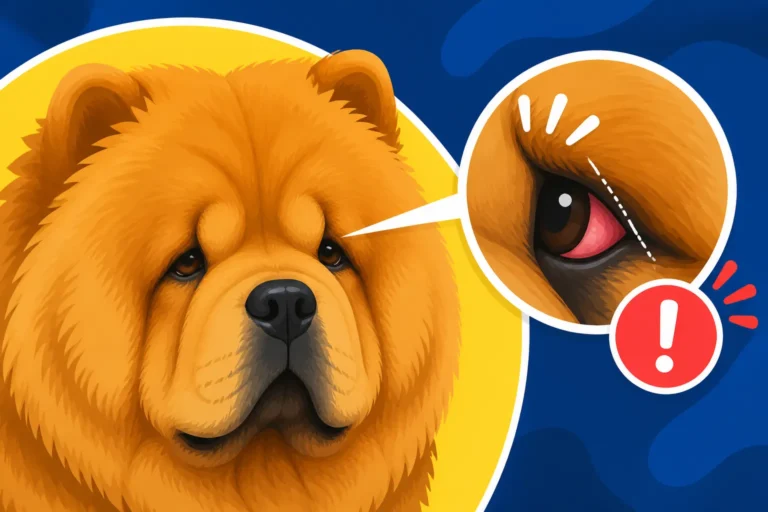
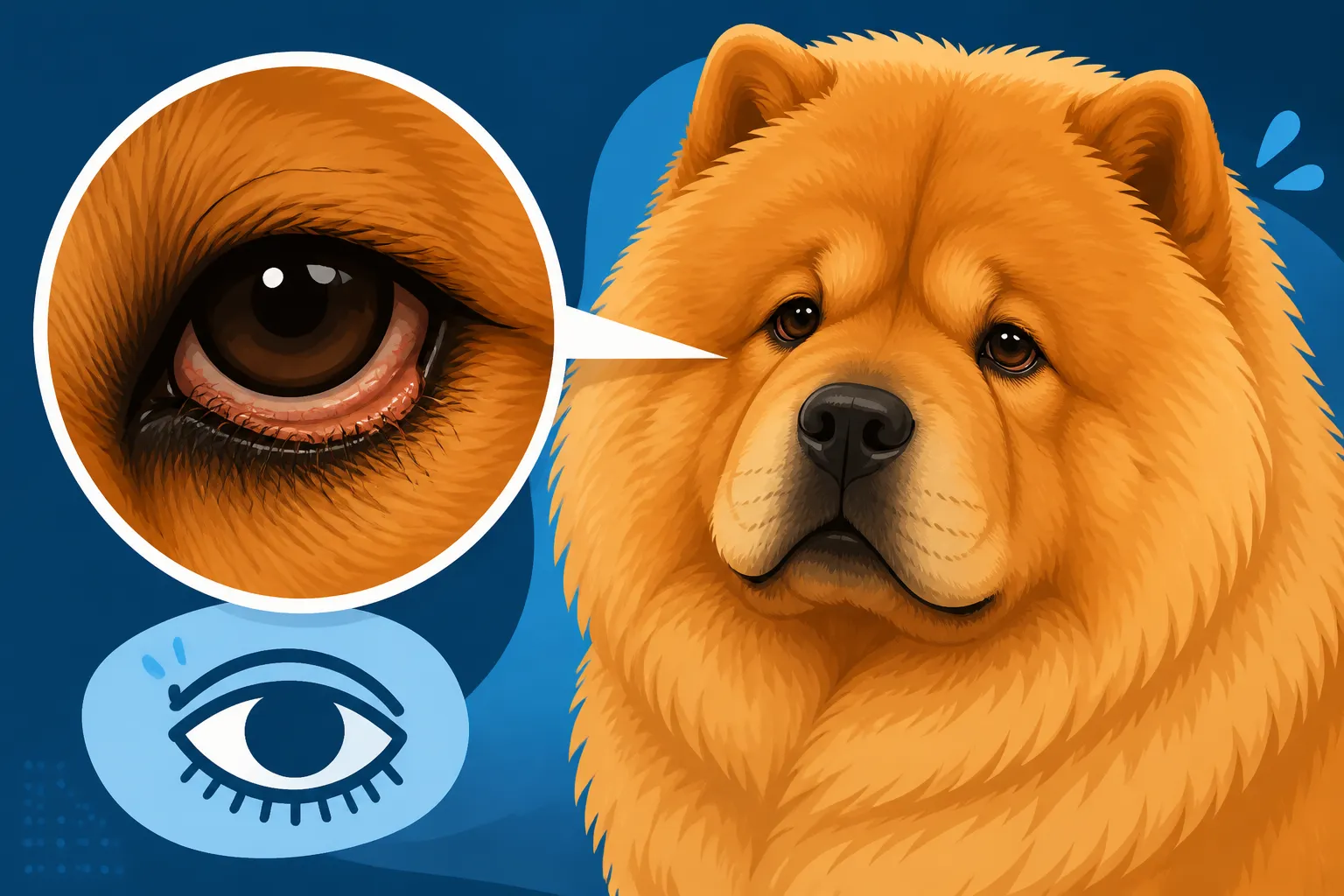
Normally, a dog's eyelashes, or cilia, grow from the eyelid margins, pointing outwards and away from the delicate surface of the eye itself. Distichiasis, however, describes a condition where extra eyelashes grow from the glands within the eyelid margin, known as meibomian glands. Instead of pointing outward, these abnormal hairs (called distichiae) often grow inward, directly contacting the cornea and conjunctiva with every blink. These rogue hairs can be soft and fine, causing mild irritation, or they can be stiff and coarse, acting like tiny needles constantly scratching the eye.
The irritation caused by distichiae can range from a subtle increase in tearing to painful squinting and persistent inflammation. Because these hairs originate from the meibomian glands, they can pop up anywhere along the upper or lower eyelid margin. It's a genetic condition, meaning it’s passed down through generations, and certain breeds have a known predisposition due to their unique facial structures and genetic makeup. While it can occur in any breed, the Chow Chow's specific anatomical features often make them a prime candidate for this uncomfortable affliction.
The Chow Chow's Unique Eye Anatomy
The Chow Chow’s distinctive appearance, with their characteristic "scowl" and deep-set eyes, is undeniably striking, but it also creates a challenging environment for their ocular health. Their eyes are often deeply recessed within their skull, and the surrounding skin and facial folds can create a much tighter space around the globe. This inherent conformation can mean that even normally growing eyelashes might sit closer to the eye's surface than in other breeds, let alone the errant hairs of distichiasis.
Furthermore, the Chow Chow is also notoriously prone to another painful eye condition called Entropion Is the Chow Chow's Signature Problem. This is where the eyelid itself rolls inward, causing the regular eyelashes and sometimes even the fur around the eye to rub against the cornea. While distichiasis is about extra eyelashes growing incorrectly, and entropion is about the eyelid's position, the two can unfortunately co-occur in Chow Chows, exacerbating the irritation and making the diagnosis and treatment more complex. The dense, thick double coat that is so iconic of the breed also plays a role, as the sheer volume of fur can sometimes mask subtle early signs of eye irritation, making it harder for owners to spot the problem until it becomes more severe. It's truly a testament to their stoicism that many Chows don't show obvious signs of pain until the condition has progressed.
Recognizing the Signs and Getting a Diagnosis
Catching distichiasis early is crucial for preventing long-term damage and ensuring your Chow Chow's comfort. Since our Chows are masters of masking pain, keen observation of both their physical symptoms and behavioral changes is absolutely key.
Visible Symptoms and Behavioral Cues
The most common symptom of distichiasis is excessive tearing, often manifesting as wetness or tear staining around the eyes. You might notice dark streaks running down their face, especially noticeable on lighter-colored Chows. Another tell-tale sign is squinting, or holding one or both eyes partially or fully closed, indicating light sensitivity or outright pain. Your Chow Chow might also rub at their face or eyes with their paws, or rub their face on furniture or the carpet, desperate for relief from the constant irritation. Redness of the conjunctiva (the pink tissue lining the eyelids) or inflammation around the eye is also common.
If these rogue hairs cause constant friction, they can lead to more serious complications, such as a What a Corneal Ulcer Does to a Chow Chow. A corneal ulcer is an open sore on the surface of the eye, which can be incredibly painful and, if left untreated, can lead to infection, scarring, and even rupture of the eyeball. You might notice your Chow Chow's eye looks cloudy or bluish in the affected area, or they might be reluctant to open their eye at all. Even subtle signs like a change in their typical demeanor, increased aloofness, or reluctance to play could be an indication that their eyes are bothering them. Remember, Chows often hide their pain exceptionally well, so pay close attention if you notice any changes, however minor, in your dog’s behavior or in the appearance of their eyes. Prompt attention to these early indicators, especially if you also notice Signs a Chow Chow Puppy's Eyes Are Sore, can make all the difference.
The Diagnostic Process
If you suspect your Chow Chow might be suffering from distichiasis, the first step is a visit to your regular veterinarian. They will perform a thorough ophthalmic examination, which typically involves using specialized tools to carefully inspect the eyelids and the surface of the eye. Sometimes, the distichiae are tiny and very difficult to see with the naked eye, hidden amongst the other lashes or the Chow Chow's abundant fur. Your vet may use a magnifying instrument or an ophthalmoscope to get a closer look at the eyelid margins.
To check for any damage to the cornea, such as ulcers or abrasions, your vet will likely perform a fluorescein stain test. This involves applying a special orange dye to the eye. If there's any corneal damage, the dye will stick to the exposed deeper layers of the cornea, glowing bright green under a blue light, indicating an ulcer or abrasion. If the condition is complex, or if your vet needs a more specialized approach, they might refer you to a board-certified veterinary ophthalmologist. These specialists have advanced equipment and expertise in diagnosing and treating intricate eye conditions. A visit to a What a Veterinary Ophthalmologist Charges for a Chow Chow can be a significant expense, but it’s often invaluable for accurate diagnosis and the most effective treatment plan, particularly for recurring or severe cases. Early and accurate diagnosis is key to preventing chronic pain and irreversible damage to your Chow Chow's precious eyesight.
| Symptom Category | Specific Signs to Watch For | Potential Severity |
|---|---|---|
| Ocular Discharge | Excessive tearing, clear or thick discharge, tear staining around eyes. | Mild to Moderate |
| Eye Appearance | Redness of conjunctiva, cloudiness of cornea, visible foreign matter. | Moderate to Severe |
| Behavioral Changes | Squinting, frequent blinking, rubbing face with paws or on surfaces. | Mild to Severe |
| Pain Indicators | Holding eye closed, reluctance to open eye, sensitivity to light, increased withdrawal. | Moderate to Severe |
| Long-Term Damage | Corneal ulcers, scarring, vision impairment. | Severe |
Managing and Treating Distichiasis
Once distichiasis has been diagnosed, your veterinarian or veterinary ophthalmologist will discuss the best course of action. Treatment options vary depending on the severity of the condition, the number and location of the distichiae, and the individual Chow Chow's temperament and overall health. It's important to understand that while some approaches offer temporary relief, others aim for a permanent solution.
Temporary and Non-Surgical Approaches
For very mild cases, or when a Chow Chow is too young for a permanent procedure, temporary measures might be considered. The most basic approach is using lubricating eye drops or artificial tears. These drops can help create a barrier between the rogue eyelashes and the cornea, reducing friction and soothing irritation. They need to be applied regularly throughout the day, which can be a significant commitment. While helpful for comfort, drops don't address the root cause of the problem.
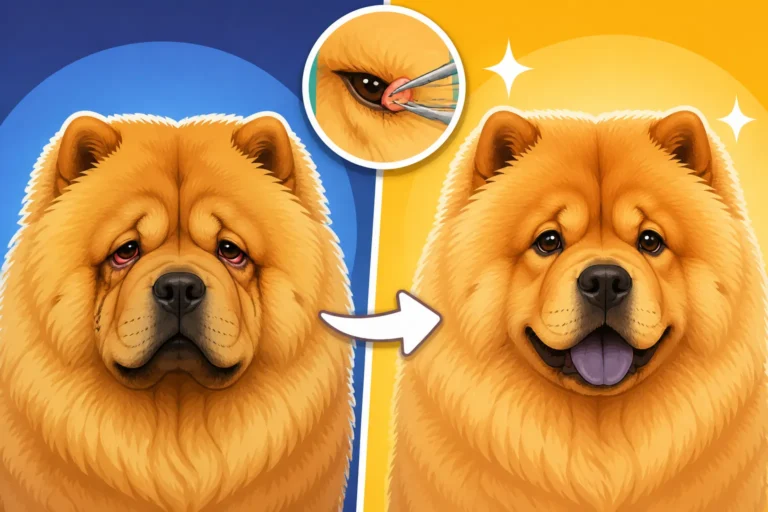
Another temporary method is manual epilation, or plucking the distichiae with specialized forceps. This provides immediate relief, but it’s just that – temporary. The hairs will grow back, typically within 3 to 6 weeks, and often return thicker and stiffer, potentially causing more irritation than before. Plucking often requires sedation, especially for a Chow Chow who might not tolerate having delicate procedures around their eyes. The need for repeated vet visits for sedated plucking can also add up over time, not to mention the stress on your dog. While effective for immediate relief, it's rarely considered a long-term solution due to the recurring nature of the problem and the potential for increased discomfort upon regrowth.
Definitive Surgical Solutions
For a permanent resolution to distichiasis, surgical intervention is generally recommended. There are several techniques available, all aiming to permanently destroy the hair follicles from which the distichiae grow. One common and highly effective method is cryoepilation. This procedure involves freezing the hair follicles using a specialized probe. The cold temperature destroys the follicle, preventing future hair growth. It's performed under general anesthesia, and while highly successful, sometimes multiple sessions are needed if not all follicles are initially targeted. The recovery typically involves some swelling and redness, but the long-term results are usually excellent.
Another option is electrocautery, which uses heat to destroy the offending follicles. Similar to cryoepilation, this is also done under anesthesia and aims for permanent removal. In some very specific cases, particularly if the distichiae are associated with a small, discrete section of the eyelid, a tiny piece of the eyelid margin containing the aberrant follicles might be surgically excised. All these procedures come with a cost, and it's wise to budget for this. For instance, the cost of The Entropion Surgery Every Chow Chow Owner Should Budget For can give you an idea of the expense involved for other eye surgeries. Many Chow Chow owners find that having pet insurance, such as through providers like Healthy Paws, can be incredibly helpful for managing these unexpected surgical expenses. A comprehensive policy from Healthy Paws can often cover a significant portion of the costs for cryoepilation or other surgical treatments, providing peace of mind during a stressful time. It’s also important to consider that Whether a Chow Chow Needs Sedation for a Checkup or procedure, due to their unique temperament, can often add to the overall cost, making insurance even more valuable.
Living with Distichiasis: Long-Term Care and Prevention
Successfully treating distichiasis is a huge relief, but it’s important to remember that ongoing care and vigilance are still necessary to ensure your Chow Chow remains comfortable and their eyes stay healthy. Long-term management involves regular monitoring and smart financial planning.
Ongoing Monitoring and Eye Health
Even after successful surgical intervention, it's vital to continue monitoring your Chow Chow's eyes closely. While surgical methods like cryoepilation have a high success rate, there's always a slight chance that a few follicles might have been missed or that new distichiae could emerge. Therefore, regular follow-up appointments with your veterinarian or ophthalmologist are crucial. These check-ups allow them to re-examine the eyes, ensure healing is progressing well, and catch any recurrence early. For breeds prone to eye issues, such as Chows, a Whether a Chow Chow Needs a Yearly Eye Exam is a wise investment in their long-term health, regardless of a prior distichiasis diagnosis.
Beyond formal veterinary visits, make it a habit to inspect your Chow Chow's eyes daily. Look for any signs of redness, tearing, squinting, or rubbing. Keep the fur around their eyes clean and dry to prevent tear staining and secondary skin irritation. Gently wipe away any discharge with a soft, damp cloth. Remember, these are dogs that often require a lot of dedication to their grooming routines, and eye care is an important part of that. The commitment to meticulous care will ensure that your Chow Chow enjoys the best possible quality of life, free from eye discomfort. For older Chows, in particular, eye issues can become more prevalent, so incorporating diligent eye checks into your Caring for a Chow Chow Past Eight routine is essential.
Financial Planning and Responsible Ownership
Dealing with distichiasis, especially if surgical treatment is required, can come with substantial costs. From initial veterinary visits and specialized ophthalmologist consultations to the surgical procedure itself, medications, and follow-up care, the expenses can add up quickly. This is where comprehensive pet insurance can truly be a lifesaver for Chow Chow owners. Policies from providers like Healthy Paws, for example, are designed to cover accidents and illnesses, which would include the diagnosis and treatment of conditions like distichiasis. Having a plan with Healthy Paws in place before your Chow Chow shows symptoms can significantly reduce your out-of-pocket expenses and allow you to make treatment decisions based on what’s best for your pet, rather than solely on cost.
When considering a Chow Chow puppy, it’s always recommended to choose a reputable breeder who prioritizes health testing. While distichiasis isn't always part of standard genetic screening panels in the same way hip or elbow dysplasia might be, a responsible breeder will have a history of healthy dogs and transparent health records. Discussing any incidence of eye conditions in the lineage with your breeder is a wise step. Remember that a What a Chow Chow Costs Over Its Lifetime includes not just the initial purchase price, but also ongoing veterinary care, which for Chows, can involve managing breed-specific health challenges. Being prepared for these potential health costs, either through savings or a robust insurance plan, is a hallmark of responsible Chow Chow ownership and helps ensure your companion receives the best care throughout their life.
Disclaimer
The information provided in this article is for general informational purposes only and is not a substitute for professional veterinary advice. Always consult with a qualified veterinarian or veterinary ophthalmologist for any health concerns or before making any decisions related to your pet's health and treatment.