Whether a Chow Chow’s Straight Rear Leg Causes Problems
It's completely normal to wonder about those unique traits that make a Chow Chow, well, a Chow Chow! One particular feature that often sparks questions and a little bit of worry among owners is their distinctive, almost straight rear leg structure. Many people fret that this unusual conformation might lead to a lifetime of discomfort, pain, or significant health issues for their furry companion. This comprehensive guide is here to unravel the complexities of the Chow Chow's characteristic straight rear legs, exploring the anatomy, potential problems, and practical ways you can manage and support your beloved dog for a healthy, comfortable life.
Understanding the Chow Chow's Unique Rear Leg Anatomy
If you've spent any time observing a Chow Chow move, you've likely noticed their peculiar gait. It’s not quite like the fluid stride of a German Shepherd or the energetic bounce of a Labrador. This distinctive movement and stance are directly tied to their unique rear leg anatomy, a trait that has been bred into them for centuries. It’s a hallmark of the breed, but it comes with its own set of considerations.
The Stilted Gait: A Breed Trait
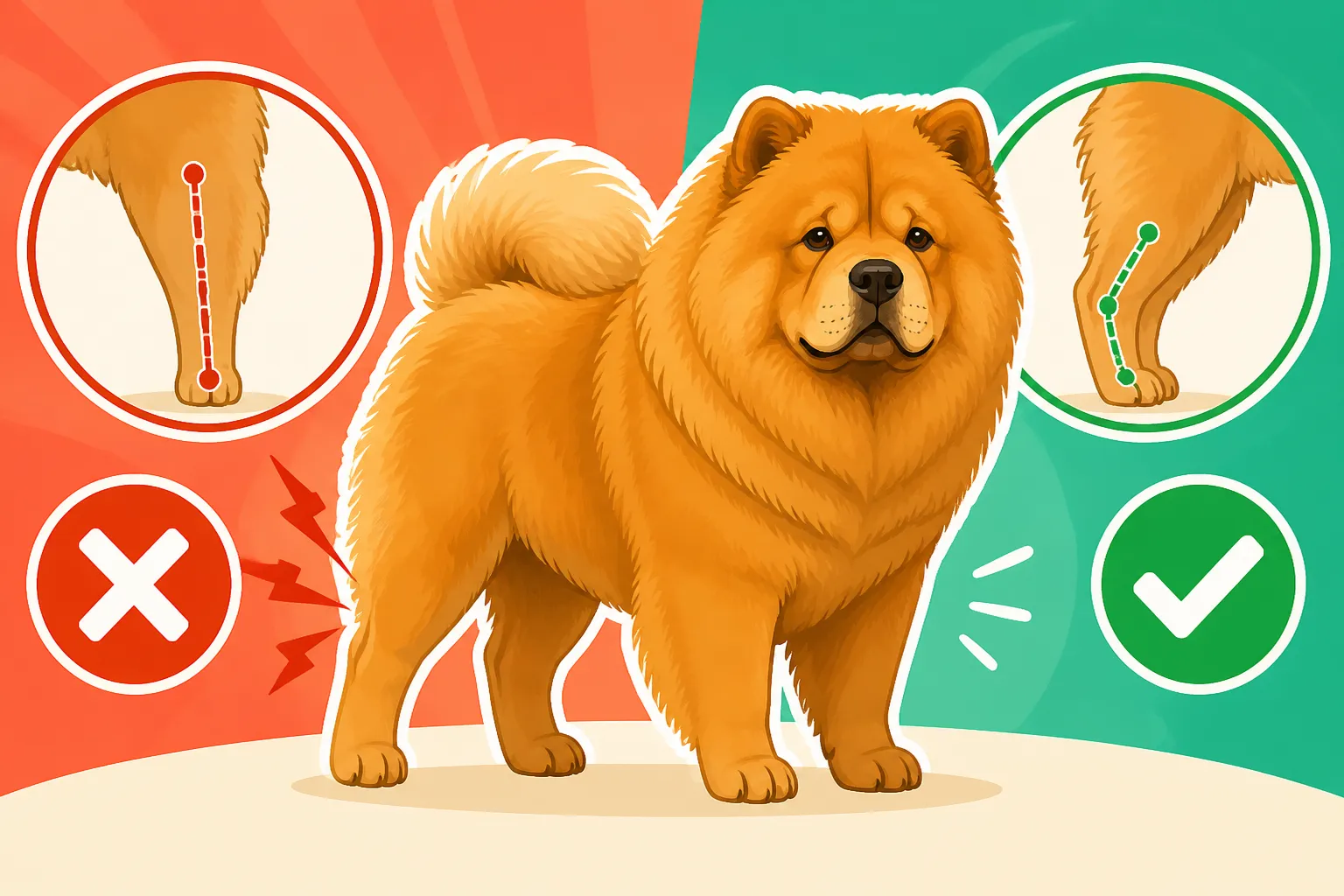
The term "stilted gait" is often used to describe how a Chow Chow moves, and it’s a perfect descriptor. Unlike most dog breeds that exhibit noticeable angulation in their rear hock and stifle (knee) joints, giving them a springy, powerful stride, Chow Chows have much straighter rear legs. This lack of angulation means their legs don't bend as much when they move, resulting in a somewhat stiff, almost mechanical walk. Imagine a toy soldier marching—that's a bit what it looks like.
This stilted gait isn't a sign of lameness or discomfort in itself; it's simply how a Chow Chow is built to move. It's considered a breed standard, a defining characteristic that contributes to their unique appearance. However, while it might look a little awkward to us, it’s important to understand that this structural difference affects how their bodies absorb impact and distribute weight, which can have downstream implications for their joint health over time. Their movement is designed more for endurance and steady work than for quick bursts of speed or agile maneuvers.
Genetic Factors Behind Straight Rear Legs
The straight rear leg, or "straight hock," in Chow Chows isn't an accidental variation; it's deeply rooted in their genetic makeup and breed history. Essentially, it means they have less bend in the joints of their hind limbs—specifically, the hock (which is like a dog's ankle) and the stifle (their knee). This reduced angulation creates a more upright posture in the rear. Picture a dog's leg as a natural spring, where the angles of the joints act as shock absorbers. In many breeds, these angles help cushion the impact of movement, protecting the joints and spine.
For a Chow Chow, that "spring" is less pronounced. Historically, this conformation was thought to be advantageous for certain tasks, perhaps for steady, tireless guarding or pulling in their native China, rather than the quick, agile movements required for herding or hunting. It's a testament to centuries of selective breeding that has emphasized this particular look and functional type. Understanding this genetic predisposition is crucial because it informs how we approach their exercise, care, and health monitoring, acknowledging that their physiology is simply different from more typically angulated breeds.
Potential Problems Associated with Straight Rear Legs
While the straight rear leg is a defining feature of the Chow Chow, it's not without its challenges. That unique conformation, while beautiful to behold, can sometimes predispose them to certain orthopedic issues or exacerbate existing ones. It's not a guarantee of problems, but it does mean owners need to be particularly vigilant and proactive in their care.
Increased Strain on Joints and Ligaments
The primary concern with a Chow Chow's straight rear legs is the increased mechanical stress it places on their joints and surrounding ligaments. When a dog with normal angulation moves, the bend in their hocks and stifles helps to absorb the shock of each step, distributing forces across the joint surfaces and musculature. Think of it like a car's suspension system – the more flex, the smoother the ride.
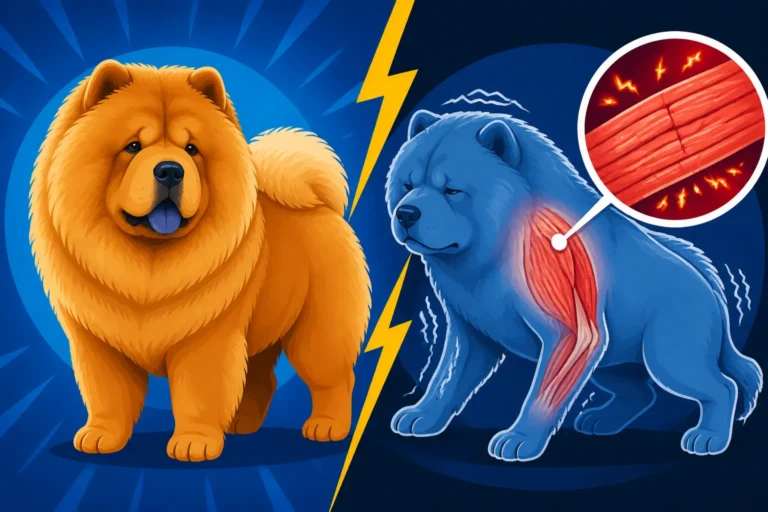
For a Chow Chow, with their "stiffer" suspension, that shock absorption is less efficient. This means that the impact forces from walking, running, or jumping are transmitted more directly through the bones and cartilage of the joints. Over years, this can lead to accelerated wear and tear on the joint cartilage, potentially paving the way for conditions like osteoarthritis, especially in the hips and knees. The ligaments, too, can be under greater stress. The anterior cruciate ligament (ACL) or cranial cruciate ligament (CCL) in particular, which stabilizes the knee, can experience unusual forces. While any dog can tear a cruciate ligament, the unique biomechanics of a Chow Chow's straight leg might contribute to a higher risk or a more challenging recovery. It's a common issue, and knowing the signs of a Cruciate Tears in a Chow Chow is vital for early intervention.
Impact on Mobility and Exercise Tolerance
The straight rear legs and resulting stilted gait profoundly influence a Chow Chow's natural mobility and their tolerance for certain types of exercise. They are not built for speed, agility, or high-impact activities. Asking a Chow Chow to engage in prolonged running, intense jumping, or complex agility courses is akin to asking a weightlifter to be a marathon runner—it goes against their natural biomechanics.
Because their legs don't flex as much, they can't push off with the same power or land with the same cushioning as a dog with more angulation. This can make activities like climbing stairs difficult, especially as they age, and can lead to quick fatigue during strenuous play. It's important to recognize that while they need exercise, the type and intensity must be carefully considered to prevent injury and discomfort. Pushing them beyond their physical limits can lead to pain, lameness, and a decreased quality of life. Understanding Why a Chow Chow's Straight Rear Leg Limits Running is key to designing an appropriate exercise regimen.
Exacerbating Other Orthopedic Conditions
While the straight rear leg itself isn't a disease, it can certainly complicate or worsen other common orthopedic issues that Chow Chows, like many larger breeds, can be prone to. Conditions such as Hip Dysplasia in a Chow Chow and Elbow Dysplasia Ranks the Chow Chow Near the Top are unfortunately prevalent in the breed. When a dog has hip or elbow dysplasia, their joints don't fit together perfectly, leading to instability and abnormal wear.
Now, imagine this instability compounded by the less efficient shock absorption and altered weight distribution caused by straight rear legs. The body has to compensate for both issues, often leading to uneven muscle development, additional strain on supporting structures, and potentially faster progression of arthritis in these already compromised joints. A dog with hip dysplasia and straight hocks might experience more severe symptoms earlier in life or struggle more with pain management. This interplay between genetic predisposition for straight legs and other inherited orthopedic conditions makes health screening and preventative care incredibly important for Chow Chow owners.
Managing and Supporting a Chow Chow with Straight Rear Legs
Owning a Chow Chow with their distinctive straight rear legs isn't about bracing for inevitable problems; it's about proactive care and informed management. By understanding their unique needs, you can provide an environment and lifestyle that supports their joint health and ensures a high quality of life for years to come.
Appropriate Exercise Routines
The cornerstone of managing a Chow Chow's joint health, especially with their straight rear legs, is an appropriate exercise regimen. Forget the idea of intense, high-impact activities like fetching for hours, rigorous hiking, or competitive agility. These types of movements put undue stress on their less flexible joints and can quickly lead to injury or exacerbation of underlying issues.
Instead, focus on low-impact, consistent activity. Daily leash walks are ideal—think a moderate pace, not a brisk jog, and be mindful of the surfaces you're walking on. Softer surfaces like grass or dirt trails are always preferable to hard concrete or asphalt, which offer no shock absorption. Short, frequent walks are better than one long, exhausting excursion. Swimming can also be an excellent option if your Chow Chow enjoys it and is comfortable in water, as it provides a full-body workout without any impact on the joints. Remember, the goal is to keep them fit and strong without overstressing their unique skeletal structure. For a deeper dive into their physical activity needs, read about How Much Exercise a Chow Chow Actually Needs.
Weight Management and Nutrition
Keeping your Chow Chow at a healthy, lean weight is perhaps one of the most impactful things you can do to support their joint health. Every extra pound translates to increased pressure on their joints, and for a dog with already compromised shock absorption from straight rear legs, this added strain can be detrimental. Imagine carrying a backpack filled with bricks all day – that's what excess weight feels like to their joints.
Work closely with your veterinarian to determine the ideal weight for your individual Chow Chow, considering their age, activity level, and body condition. Implement strict portion control and choose a high-quality dog food. Sometimes, specific formulations for large breeds or senior dogs might be recommended, as these often include ingredients like glucosamine, chondroitin, and omega-3 fatty acids. These supplements can support cartilage health and reduce inflammation, offering additional joint support. Many owners also consider adding a dedicated joint supplement to their dog's diet. These nutritional considerations are paramount to Keeping a Chow Chow at the Weight Its Elbows Can Carry and ensuring overall well-being.
Regular Veterinary Care and Early Intervention
Routine veterinary check-ups are non-negotiable for a Chow Chow, especially as they mature. Your vet can monitor their gait, assess joint health, and catch any subtle signs of pain or discomfort that you might miss, hidden beneath that dense coat. Don't wait until your dog is overtly limping or struggling; early intervention is key when it comes to orthopedic issues.
During these visits, be prepared to discuss any changes in their activity level, reluctance to jump, difficulty rising, or stiffness, particularly after rest – these could all be indicators of underlying joint pain. Your vet might recommend regular physical exams, or if concerns arise, X-rays or other diagnostic imaging to get a clearer picture of their joint health. If a condition like arthritis or a ligament issue is detected, prompt treatment can significantly improve their comfort and slow progression. Managing these long-term health needs can incur significant costs, so many owners find peace of mind with pet insurance plans, like those offered by Healthy Paws, which can help cover unexpected veterinary costs associated with joint issues or other age-related conditions. This kind of financial planning allows you to focus on getting your dog the best care without undue stress.
Long-Term Outlook and Quality of Life
The prospect of your Chow Chow developing joint problems due to their straight rear legs might seem daunting, but with attentive care and a proactive approach, many Chows lead full, comfortable lives well into their senior years. The key is consistent support and adapting to their evolving needs.
Adapting the Home Environment
Making small modifications to your home environment can significantly improve your Chow Chow's comfort and safety, especially as they get older or if they start to show signs of joint stiffness. Think about their daily movements and identify areas where they might struggle. Non-slip rugs on slick floors (hardwood, tile) can provide much-needed traction, preventing slips and falls that could injure already stressed joints.
Consider ramps or dog stairs to help them access elevated surfaces like your bed or the couch, or even to get into and out of the car. This reduces the need for jumping, which can be particularly jarring for their straight hocks. Raised food and water bowls can also make mealtime more comfortable by reducing the strain on their neck and front limbs, which often compensate for rear leg stiffness. These thoughtful adjustments can make a profound difference in their daily ease of movement and overall happiness, especially as they begin to How an Aging Chow Chow Stiffens.
The Role of Physical Therapy and Other Therapies
When a Chow Chow does develop joint issues or arthritis, a range of therapeutic options can help manage pain, improve mobility, and enhance their quality of life. Physical therapy, tailored by a certified canine rehabilitation specialist, can be incredibly beneficial. This might include hydrotherapy (underwater treadmill or swimming) to build muscle strength without impact, therapeutic exercises to improve range of motion, and massage to relieve muscle tension.
Other complementary therapies, such as acupuncture, cold laser therapy, or chiropractic adjustments, are also gaining recognition for their ability to alleviate pain and inflammation in dogs with orthopedic conditions. Discuss these options with your veterinarian to determine the best course of action for your individual Chow Chow. Remember, these treatments often require ongoing commitment and can be an investment. Treatments like physical therapy, while beneficial, can add up quickly, making a comprehensive pet insurance plan from providers like Healthy Paws a wise investment for long-term care, helping to ensure your furry friend receives all the support they need throughout their life. It's a way to plan for the journey and ensure you're prepared for any bumps along the way, especially as The Age a Chow Chow Gets Arthritis approaches.
Comparing Chow Chow Gait and Angulation with Other Breeds
To truly appreciate the distinct nature of the Chow Chow's movement and structure, it's helpful to compare it to a more typically angulated breed. This table highlights the key differences that impact their locomotion and potential joint health considerations.
| Feature | Chow Chow | Typical Angulated Breed (e.g., German Shepherd) |
|---|---|---|
| Rear Leg Angulation | Significantly straighter hock and stifle joints, minimal bend | Pronounced angulation in hock and stifle, forming a natural "spring" |
| Gait (Movement) | Stilted, choppy, almost "marching" quality; less reach and drive | Fluid, powerful, elastic stride; strong reach and drive |
| Primary Function | Historically for endurance, guarding, steady work; less emphasis on speed/agility | Often bred for agility, speed, herding, or high-impact activities |
| Shock Absorption | Less efficient, leading to direct impact on joints | Highly efficient, distributing forces and protecting joints |
| Risk of Joint Strain | Higher predisposition to wear-and-tear arthritis and ligament issues over time | Still susceptible to joint issues, but natural angulation provides more cushioning |
| Recommended Exercise | Low-impact, consistent activities like moderate leash walks, gentle swimming | Can often handle a wider range of activities, including running and hiking |
Conclusion
The Chow Chow's straight rear legs are undoubtedly a distinctive and characteristic feature of this ancient breed, contributing to their unique silhouette and stilted gait. While it's a part of their charm, it's also a structural nuance that requires informed and proactive care from their human companions. This conformation can indeed cause problems by placing increased strain on their joints and ligaments, potentially leading to or exacerbating conditions like arthritis, hip, or elbow dysplasia, and even cruciate ligament issues. The way How a Chow Chow's Gait Wears Its Joints is directly related to this unique structure.
However, understanding these potential challenges is the first step toward mitigating them. By providing appropriate, low-impact exercise, maintaining a lean body weight through careful nutrition, adapting your home environment, and ensuring regular veterinary check-ups, you can significantly support your Chow Chow's long-term mobility and comfort. Integrating supportive therapies like physical rehabilitation when needed can further enhance their quality of life, especially as they age. Ultimately, the goal is to celebrate your Chow Chow's individuality while being a vigilant and responsible advocate for their health. Whether it's preventative care or addressing issues as they arise, having a good relationship with your vet and considering options like pet insurance from Healthy Paws can truly help your Chow Chow live a comfortable and fulfilling life.
Disclaimer
This article is intended for informational purposes only and does not constitute veterinary advice. Always consult with a qualified veterinarian for any health concerns or before making any decisions about your pet's medical care or treatment plan.