The Age a Chow Chow Gets Arthritis
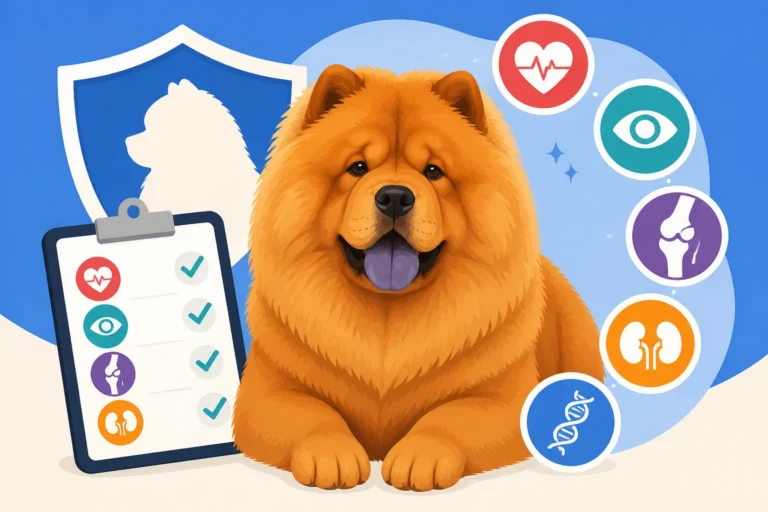
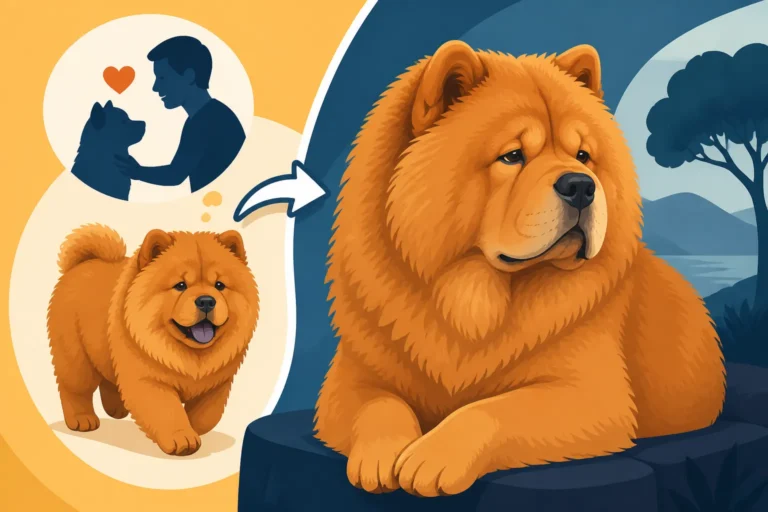
When you have a magnificent Chow Chow in your life, you dream of years of fluffy companionship. But as they age, many owners start to notice a stiffness, a reluctance to move, or just a general slowing down that makes your heart ache. This feeling often signals the onset of arthritis, a common condition that can greatly impact your Chow Chow's comfort. Understanding when arthritis typically appears in Chow Chows, what it looks like, and how to manage it can help you keep your beloved companion comfortable for as long as possible.
The Inevitable March of Time and Chow Chow Joints
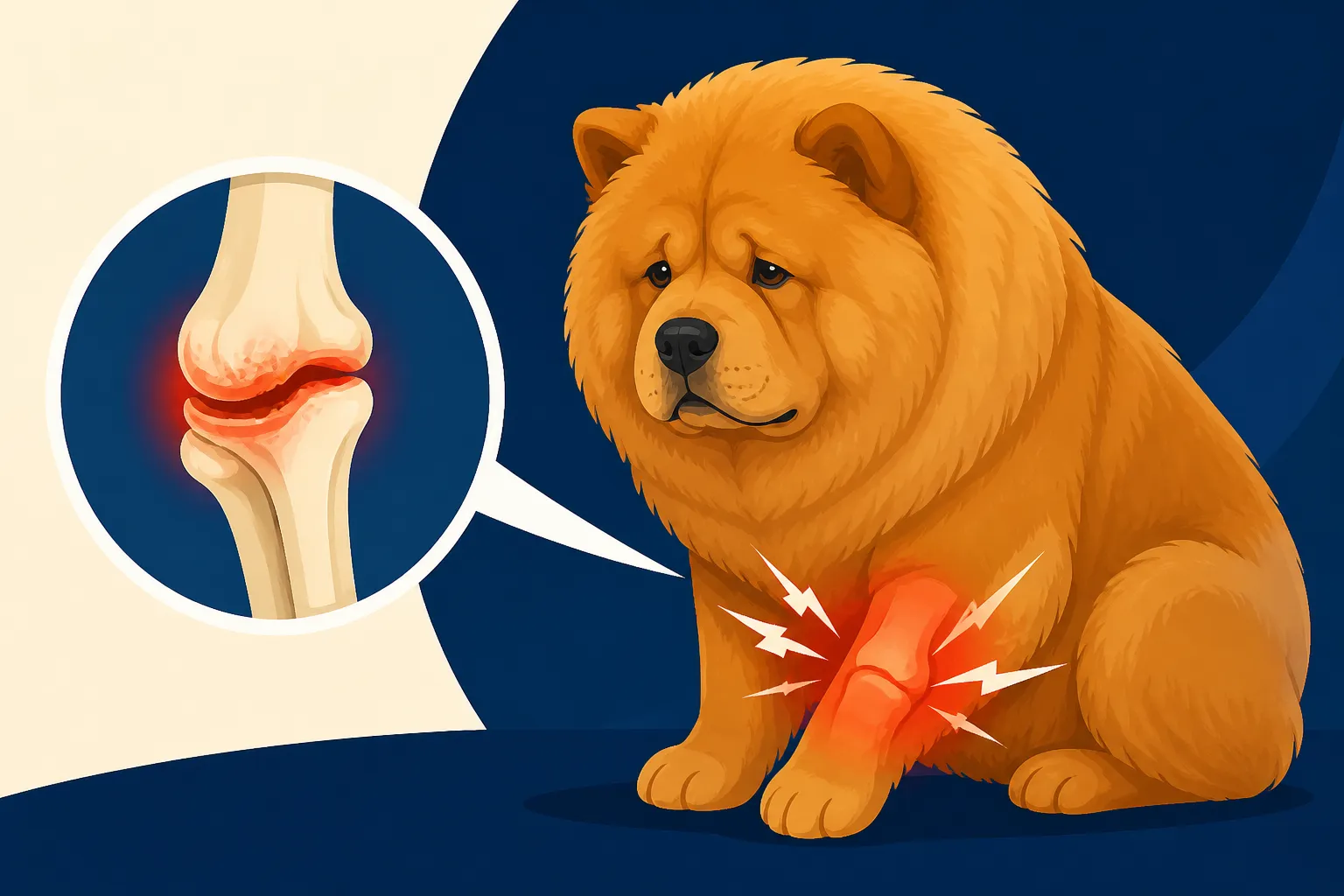
Arthritis, medically known as osteoarthritis, is a progressive and often painful condition that affects the joints of millions of dogs, and unfortunately, our beloved Chow Chows are no exception. At its core, arthritis is the gradual wearing away of the cartilage that cushions the ends of bones within a joint. Imagine the smooth, shock-absorbing surface in your dog's joints as a thick, protective gel. Over time, due to age, injury, or genetic predispositions, this gel thins, frays, and eventually disappears, leaving bone to rub against bone. This friction causes inflammation, pain, and a reduced range of motion, making everyday activities incredibly uncomfortable.
For Chow Chows, this natural aging process can sometimes be exacerbated by their unique anatomical structure and a genetic predisposition to certain joint conditions. They are known for their rather straight rear legs and distinctive stilted gait, a characteristic that, while part of their breed standard, means their joints absorb impact differently than dogs with more angulated hindquarters. This can lead to increased wear and tear over their lifetime. Additionally, Chow Chows are unfortunately prone to conditions like Hip Dysplasia in a Chow Chow and What Elbow Dysplasia Does to a Chow Chow, which are developmental abnormalities of the hip and elbow joints, respectively. If these conditions are present from a young age, they lay a foundation for early and more severe arthritis as the dog grows older, compounding the challenges their natural conformation already presents.
Watching your once-playful Chow Chow struggle to get up, hesitate before jumping, or just generally appear less enthusiastic about walks can be incredibly heartbreaking. It’s a stark reminder of their mortality and the passage of time. This isn't just about physical pain for them; it's about a diminishing quality of life, and as devoted owners, our biggest frustration is often feeling helpless to alleviate their discomfort. Recognizing these changes and understanding the underlying causes is the first crucial step toward effective management and ensuring your Chow Chow enjoys their senior years with dignity and as much comfort as possible.
When Arthritis Typically Appears in Chow Chows
For most dog breeds, the onset of arthritis tends to manifest more noticeably in their senior years, typically starting around 8 to 10 years of age. However, for a Chow Chow, you might begin to observe subtle signs of joint stiffness and discomfort a little earlier, often between 6 and 8 years old. This earlier onset isn't a universal rule for every Chow, but it's a possibility that owners should be prepared for, particularly if their dog has pre-existing joint issues or certain lifestyle factors.
Several key factors can influence when arthritis decides to make its unwelcome appearance:
Genetic Predispositions and Breed Conformation
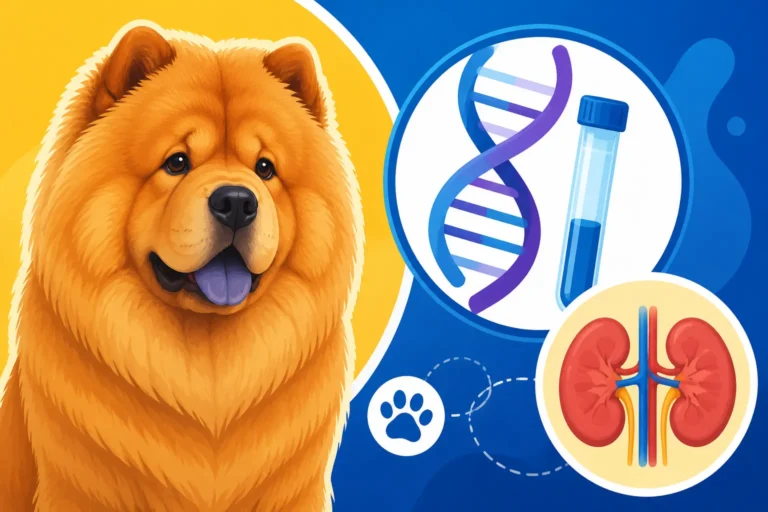
As mentioned, Chow Chows have a genetic propensity for conditions like hip and elbow dysplasia. These are not merely problems for puppies; they are foundational issues that almost guarantee the development of arthritis later in life, often accelerating its onset. A Chow Chow born with even mild dysplasia will experience abnormal joint wear from a much younger age than a dog with perfectly formed joints. This is why responsible breeders diligently perform health screenings, such as OFA certifications for hips and elbows, on their breeding stock. While these tests don't guarantee a puppy won't develop problems, they significantly reduce the risk. Furthermore, the Chow Chow’s unique straight rear leg structure, which contributes to their distinctive Why a Chow Chow Moves With a Stilted Gait, can also contribute to different biomechanical stresses on their joints compared to other breeds, potentially leading to earlier degenerative changes.
Body Weight and Lifestyle
One of the most significant modifiable risk factors for arthritis is excess body weight. Every extra pound your Chow Chow carries puts additional strain on their joints, accelerating the breakdown of cartilage. Given their dense double coat, it can be deceptively difficult for owners to assess a Chow Chow's true body condition. Many Chows are a little heavier than they should be because their fluff hides a multitude of sins! A Chow that is overweight from a young age is practically guaranteed to develop arthritis earlier and more severely. We'll delve more into this later, but managing your Chow's weight is paramount.
Additionally, the type and intensity of activity throughout their life can play a role. While appropriate, low-impact exercise is crucial for maintaining muscle strength and joint health, excessive high-impact activities (like long-distance running, intense agility without proper conditioning, or repetitive jumping on hard surfaces) especially during their growth phases, can put undue stress on developing joints. Conversely, a lack of regular, moderate exercise can lead to weak muscles that don't adequately support the joints, also increasing arthritis risk.
Past Injuries or Trauma
Any previous injury to a joint, no matter how minor it seemed at the time, can predispose that specific joint to earlier arthritis. A sprain, a fracture near a joint, or even a soft tissue injury can alter the joint's mechanics or cause subtle damage that progresses into arthritis years down the line. A Chow Chow that perhaps had an old knee injury from a puppy mishap or a minor lameness that resolved on its own might find that particular joint acting up sooner than others.
It’s crucial to remember that arthritis is a progressive disease, meaning it develops gradually over time. It doesn't typically appear suddenly overnight at a specific birthday. Instead, it’s a slow build-up of wear and tear, and the signs you eventually see are often the culmination of years of underlying changes. This is why being attuned to even subtle shifts in your Chow Chow's behavior and mobility is so important, especially as they approach The Age a Chow Chow Is Considered Senior.
Recognizing the Signs of Arthritis in Your Stoic Chow Chow
One of the biggest challenges in managing arthritis in a Chow Chow is their incredible stoicism. Chows are known for their independent and sometimes aloof nature, and this often extends to how they cope with pain. Unlike some breeds that might vocalize or overtly limp at the first sign of discomfort, Chow Chows are masters at masking their pain, making early detection a true test of an owner's observational skills. This ability to hide discomfort is why learning How a Chow Chow Hides Pain is so vital for their well-being. By the time they are overtly showing signs, the arthritis might be quite advanced.
Subtle Clues That Often Go Unnoticed
You might not see your Chow Chow limping heavily at first, but rather a collection of small, gradual changes. These are the crucial indicators you need to look out for:
- Hesitation and Slowness: Does your Chow take a moment longer before standing up from a nap? Do they hesitate at the bottom of the stairs, or perhaps refuse to jump into the car or onto the sofa – activities they once did with ease? This hesitation is often a sign of discomfort, not defiance.
- Stiffness After Rest: This is a classic hallmark of arthritis. You might notice your Chow Chow is stiff and moves gingerly after waking up from a long sleep or after a period of inactivity, but they "warm up" and move a bit more freely after a few minutes. If you've ever wondered Why a Chow Chow Limps After Rest, this is often the answer.
- Reduced Activity and Enthusiasm: Are they less keen on their usual walk? Do they want to cut the walk short? Are they playing less with toys or other dogs, or are their play sessions noticeably shorter? A decrease in overall activity level, even if subtle, can be a major indicator.
- Changes in Grooming Habits: Difficulty reaching certain areas to lick or scratch, or conversely, excessive licking or chewing at specific joints (like an elbow or hip), can point to discomfort.
- Personality Shifts: While Chows are generally reserved, chronic pain can make any dog irritable. An arthritic Chow might become more withdrawn, less tolerant of handling (especially if you touch a painful area), or even snap if startled or approached incorrectly, particularly from behind due to their somewhat limited peripheral vision.
- Muscle Atrophy: Over time, if a leg is painful, your Chow will use it less, leading to a loss of muscle mass. This can be hard to spot under their thick coat, but if you feel along their hind legs, you might notice one side feels less muscular than the other.
More Obvious Indicators That Demand Attention
As arthritis progresses, the signs become harder to ignore:
- Obvious Lameness or Limping: This is the most recognized sign. Your Chow Chow might hold a leg up, put less weight on it, or have a noticeable limp when walking.
- Difficulty with Basic Movements: Struggling to stand up from a lying position, inability to climb stairs, or having trouble getting into a comfortable position to lie down.
- Spinal Stiffness: Some Chows can develop arthritis in their spine, leading to a hunched posture, reluctance to turn their head, or difficulty looking over their shoulder.
- Swelling or Crepitus: In some cases, you might feel warmth, swelling, or even a grinding sensation (crepitus) when gently flexing an affected joint, though this often requires a veterinarian's touch to detect reliably.
- Vocalization: While rare for Chows to vocalize pain initially, an arthritic Chow in severe discomfort might whimper, groan, or yelp when moving or if a painful joint is touched.
If you observe any of these signs, even the subtle ones, it's time to schedule a visit with your veterinarian. Early diagnosis and intervention can make a world of difference in managing your Chow Chow's comfort and slowing the progression of the disease.
Comprehensive Management for an Arthritic Chow Chow
Once arthritis is diagnosed in your Chow Chow, it's important to understand that it's a chronic, progressive condition without a cure. However, with a multi-faceted management plan, you can significantly alleviate pain, improve mobility, and enhance your Chow Chow's overall quality of life. This usually involves a combination of veterinary treatments, lifestyle adjustments, and supportive care. This period of their life falls under Caring for a Chow Chow Past Eight, and requires extra dedication.
Veterinary Treatments and Pain Management
Your veterinarian is your primary partner in this journey. They will typically confirm arthritis through a physical examination, palpating joints for pain or swelling, and often recommending X-rays to visualize the extent of joint degeneration.
- Non-Steroidal Anti-Inflammatory Drugs (NSAIDs): These are often the cornerstone of medical management. Prescription NSAIDs like carprofen (Rimadyl), firocoxib (Previcox), deracoxib (Deramaxx), or galliprant are highly effective at reducing pain and inflammation. However, they require careful monitoring, usually with regular blood work to check liver and kidney function, as long-term use can sometimes have side effects. Your vet will determine the appropriate medication and dosage.
- Other Pain Medications: For more severe pain or when NSAIDs aren't enough, your vet might prescribe additional medications such as gabapentin (for neuropathic pain), amantadine (an NMDA receptor antagonist), or even tramadol in certain situations. These are often used in conjunction with NSAIDs to provide a more comprehensive pain relief strategy.
- Disease-Modifying Osteoarthritis Drugs (DMOADs): Injectable therapies like polysulfated glycosaminoglycans (e.g., Adequan Canine) can help stimulate cartilage repair and reduce inflammation. These are typically given as a series of injections.
- Joint Injections: In some cases, veterinarians might recommend injections directly into the affected joint, such as corticosteroids or hyaluronic acid, to reduce inflammation and improve lubrication. Platelet-rich plasma (PRP) or stem cell therapy are newer, more advanced options that may also be considered in specialized veterinary practices.
Lifestyle Adjustments and Supportive Care
Medical treatments are only part of the puzzle. Adjusting your Chow Chow's daily routine and environment can make an enormous difference in their comfort.
- Weight Management: This cannot be stressed enough. Achieving and maintaining an ideal body weight is arguably the single most impactful thing you can do for an arthritic Chow Chow. Even a few excess pounds significantly increase the load on already compromised joints. Work with your vet to determine your Chow's ideal weight and create a feeding plan. This is directly related to Keeping a Chow Chow at the Weight Its Elbows Can Carry.
- Controlled Exercise: While it might seem counterintuitive, gentle, regular exercise is vital. It helps maintain muscle strength, joint flexibility, and prevents further stiffness. Avoid high-impact activities like jumping, running after a ball, or long hikes on uneven terrain. Instead, focus on short, frequent leash walks on soft surfaces (grass or dirt trails), or consider swimming, which is excellent non-weight-bearing exercise.
- Supportive Environment: Make your home more accessible for your arthritic Chow.
- Orthopedic Beds: Invest in a high-quality orthopedic dog bed that provides firm, even support to joints. Memory foam options are excellent.
- Ramps and Stairs: Provide ramps for getting into and out of cars, or up onto furniture if your Chow still enjoys being on the couch. Avoid encouraging jumping, as the impact can be painful and damaging.
- Non-Slip Flooring: If you have hardwood or tile floors, consider placing rugs or runners to provide better traction and prevent painful slips and falls.
- Raised Food and Water Bowls: These can reduce strain on the neck and front leg joints while eating and drinking.
- Warmth: Consider a heated dog bed or warm compresses for particularly stiff joints, especially in colder weather. How an Aging Chow Chow Stiffens often becomes more pronounced in the cold.
- Joint Supplements: Many owners find success with supplements containing ingredients like glucosamine, chondroitin sulfate, MSM, and omega-3 fatty acids (fish oil). Brands like Cosequin, Dasuquin, and GlycoFlex are popular choices. While not pain relievers in themselves, they can support joint health and potentially slow cartilage degradation. Always discuss supplements with your vet, as quality and efficacy can vary widely.
- Physical Rehabilitation and Alternative Therapies:
- Canine Physical Therapy/Hydrotherapy: A certified canine rehabilitation therapist can develop a tailored exercise program, including therapeutic exercises, stretches, and even underwater treadmill sessions. Hydrotherapy is particularly beneficial as the buoyancy of water supports the dog's weight, allowing them to exercise muscles without stressing joints.
- Acupuncture: Some Chows respond well to acupuncture, which can help alleviate pain and inflammation by stimulating specific points on the body.
- Therapeutic Laser (Cold Laser): This non-invasive therapy uses specific wavelengths of light to reduce pain and inflammation and promote tissue healing.
Financial Considerations and Pet Insurance
Managing chronic arthritis can be an ongoing financial commitment. From regular vet visits and medications to supplements and potentially specialized therapies, What an Aging Chow Chow's Bills Look Like can certainly add up. Many owners find peace of mind and financial assistance through pet insurance. Providers like Healthy Paws offer comprehensive plans that can cover a significant portion of veterinary costs for accidents and illnesses, including chronic conditions like arthritis, provided the condition wasn't pre-existing before the policy was in effect. Enrolling your Chow Chow in a good pet insurance plan while they are still young and healthy can be a wise long-term investment, ensuring you can afford the best possible care if arthritis develops later.
Remember, the goal is to keep your Chow Chow comfortable and mobile for as long as possible. It’s an ongoing process of observation, adjustment, and working closely with your veterinary team. By combining these strategies, you can help your beloved companion enjoy their golden years with dignity and a much-improved quality of life.
Disclaimer
This article is intended for informational purposes only and does not constitute veterinary advice. Always consult with a qualified veterinarian for any health concerns or before making any decisions about your pet's medical care.