Why a Chow Chow Is Hard to Examine at the Vet
Bringing your Chow Chow to the vet can feel like preparing for a wrestling match, not a routine health check. Many owners experience the deep frustration of their usually calm, reserved companion transforming into a stiff, uncooperative, and sometimes even reactive lion dog the moment they step into the clinic. This guide delves deep into the multifaceted reasons why veterinary examinations often become such a challenging ordeal for Chow Chows, offering insights into their unique temperament and physical traits to help you understand and prepare for smoother visits.
The Chow Chow's Innate Temperament and Wariness of Strangers
One of the most significant hurdles to a smooth vet visit with a Chow Chow stems directly from their distinctive personality. Unlike many other breeds that eagerly greet every new face, Chow Chows are renowned for their aloof, independent, and often suspicious nature, especially around strangers. This isn't a flaw in their character; it's a fundamental part of what makes a Chow a Chow.
A One-Person Dog's Perspective on New Faces
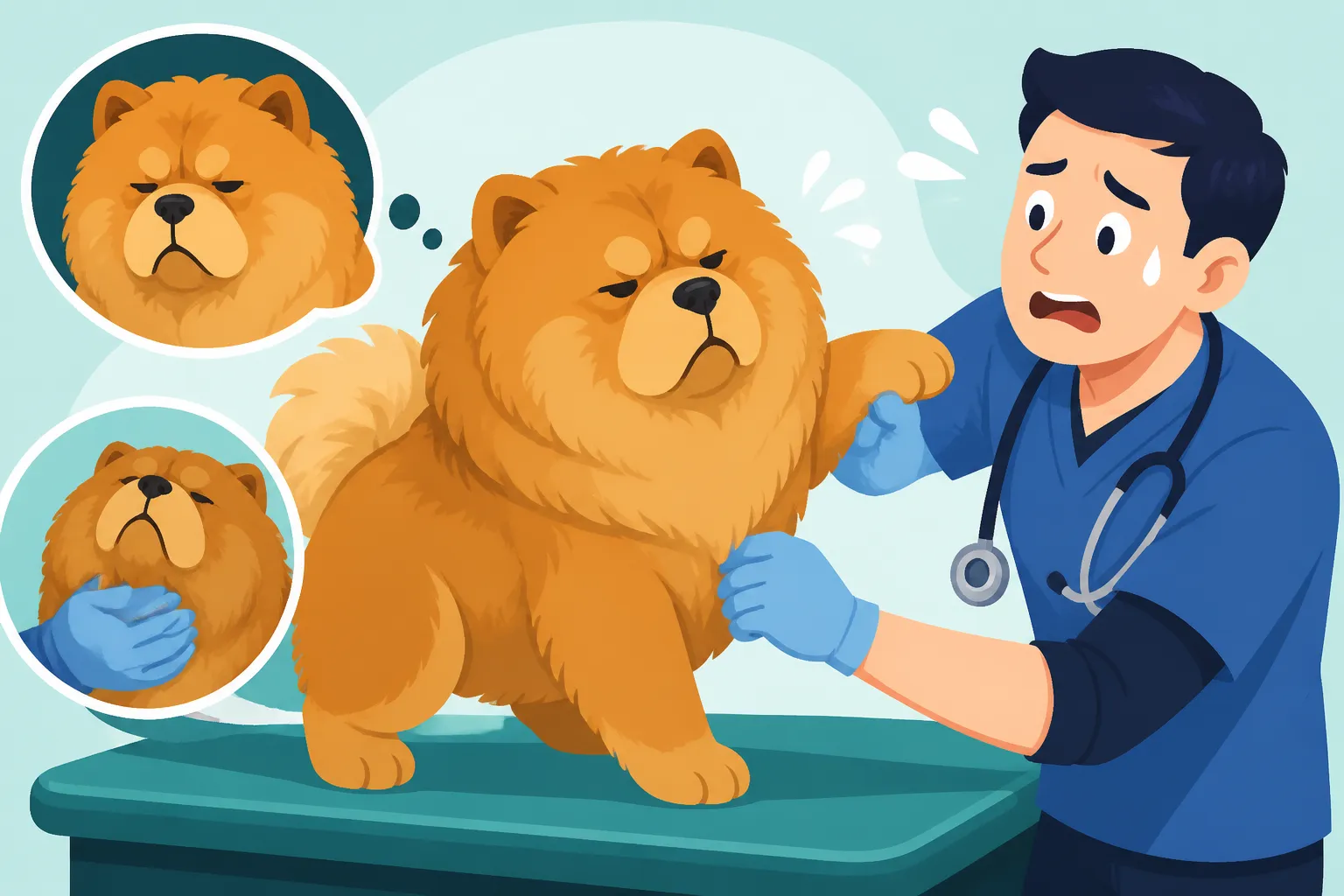
Chow Chows are often described as "one-person dogs." While they usually tolerate and often show quiet affection to their immediate family, their bond is typically strongest with a single individual. For everyone else, including the kind and well-meaning veterinary team, they tend to maintain a respectful, but firm, distance. When a stranger, particularly someone in a white coat, approaches with the intent to touch, poke, and prod, a Chow Chow's natural instincts kick in. They haven't had the chance to form a bond of trust with this person, and their primary response is often to stiffen, turn away, or even show a low growl as a warning to back off. It's not aggression born of malice, but a strong sense of personal space and a deep-seated wariness. This inherent trait makes the concept of a stranger performing a thorough examination incredibly difficult for them to accept.
Limited Socialization and its Lasting Impact
While a Chow Chow's aloofness is genetic, their early socialization plays a monumental role in how they cope with new experiences and people. If a Chow Chow puppy isn't extensively and positively exposed to a wide variety of sights, sounds, people, and gentle handling from a very young age, their natural wariness can solidify into deep-seated anxiety or even fear-based reactivity. A vet clinic is a high-stress environment with unfamiliar smells, sounds of other anxious animals, and people moving quickly. An undersocialized Chow Chow will find this environment overwhelming, making even a simple greeting impossible, let alone a physical exam. The Weeks That Matter Most for a Chow Chow Puppy are crucial for shaping their comfort level with the world, and any deficit here can manifest profoundly during vet visits. Understanding that their reaction might be rooted in a lack of positive early experiences, rather than outright aggression, is key to developing management strategies.
Physical Characteristics That Hinder Examination
Beyond their temperament, several unique physical traits of the Chow Chow breed can make a comprehensive veterinary examination exceptionally challenging, sometimes even obscuring vital health clues.
The Majestic, Dense Coat and its Secrets
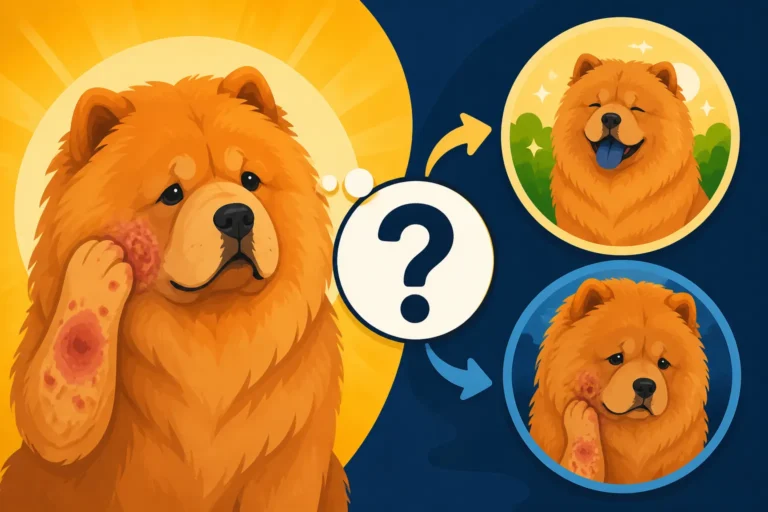
The Chow Chow's signature double coat, whether rough or smooth, is incredibly dense and thick. While beautiful, it can be a veritable fortress, hiding a multitude of issues from even the most diligent veterinarian. Skin conditions, lumps, bumps, parasites, and even significant weight changes can be incredibly difficult to detect without a thorough, hands-on examination, which many Chows resist. You might suspect something is wrong, but the vet struggles to locate it. This dense fur also traps heat, making them prone to overheating, which adds another layer of stress to an already anxious visit. Why a Chow Chow's Dense Coat Hides Skin Disease is a common frustration for owners and vets alike, as early detection of skin issues or tumors can be delayed.
Deep-Set Eyes and Limited Vision
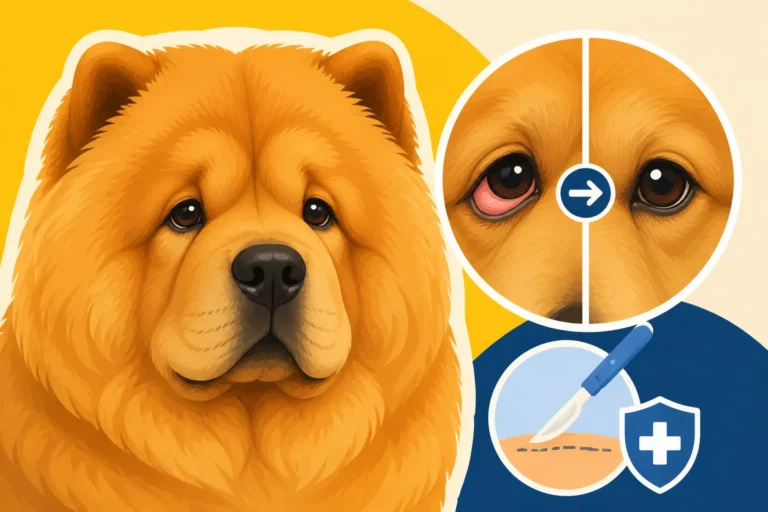
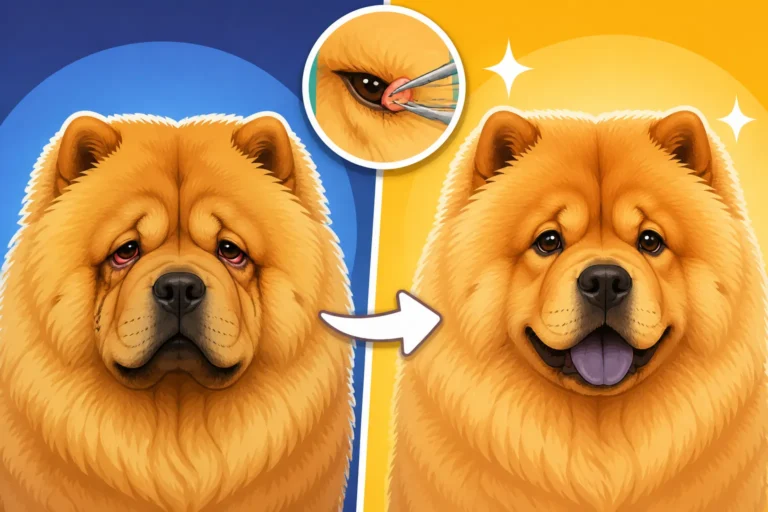
Another distinctive feature of the Chow Chow is their deep-set eyes, often framed by a "scowl" formed by the surrounding facial structure. While contributing to their unique expression, this deep setting, combined with their facial folds, significantly limits their peripheral vision. They often have a narrow field of view, meaning they cannot easily see what is approaching them from the sides or behind. This lack of peripheral awareness can cause them to startle easily, especially if a vet or technician approaches without clear, frontal warning. A sudden touch from an unseen hand can trigger a defensive reaction, not because the Chow is malicious, but because they are genuinely surprised and feel threatened. Examining these deep-set eyes for conditions like entropion (where the eyelid rolls inward) or glaucoma, both common in the breed, requires careful and often intrusive manipulation, which is naturally met with resistance. How a Chow Chow's Deep Set Eye Limits Its Vision directly impacts how they perceive a vet's approach.
The Stiff, Stilted Gait and Stoicism
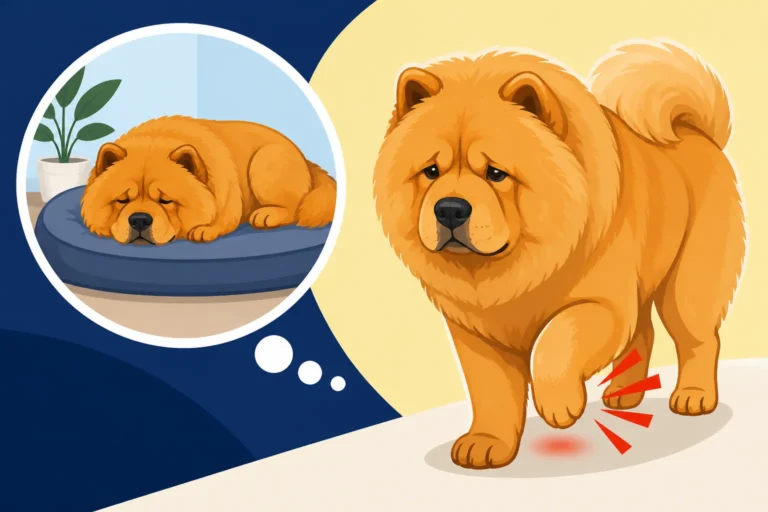
Chow Chows have a unique, somewhat stiff or "stilted" gait, a result of their characteristic straight rear hock joints. While normal for the breed, this gait can make it difficult for a veterinarian to discern subtle lameness or discomfort that might indicate underlying orthopedic issues like elbow or hip dysplasia. Many dogs will clearly favor a limb or show an obvious limp when in pain, but a Chow Chow's natural movement can mask these signs. Furthermore, Chows are notoriously stoic, masters at hiding pain. This trait, while perhaps admirable in some contexts, is incredibly detrimental in a veterinary setting. They may be suffering significantly, but outwardly show very few, if any, clear signs of distress. It takes an extremely observant eye and often hands-on palpation to detect a problem, which, again, runs into their resistance to handling. Understanding How a Chow Chow Hides Pain is vital for their care, and it often means vets have to work harder to coax out subtle cues.
The Challenge of Handling and Pain Assessment
The combination of their temperament and physical traits often culminates in significant challenges when it comes to the hands-on examination that is critical for proper diagnosis and treatment.
Resistance to Unfamiliar Touch
Most Chow Chows simply do not appreciate being touched by strangers, especially in sensitive areas like their feet, ears, mouth, or hindquarters. Even a gentle attempt to palpate an abdomen or check a joint can be met with stiff resistance, pulling away, or a defensive snap. This makes thorough assessments incredibly difficult. Imagine trying to check for a suspected ear infection or dental issue in a dog that clamps its mouth shut or violently shakes its head at any approach. The vet's ability to gather crucial diagnostic information is severely hampered, often necessitating sedation or alternative examination methods. Teaching a Chow Chow to allow handling of these sensitive areas from a young age is paramount, and Teaching a Chow Chow to Have Its Feet Handled or Teaching a Chow Chow to Be Brushed can significantly improve their vet visit experience.
Behavioral Cues and Stress Signals
Because Chow Chows are stoic and can be resistant, reading their body language accurately is essential for the veterinary team. However, their subtle cues can be easily missed or misinterpreted, especially by those unfamiliar with the breed. A stiff posture, averted gaze, flattened ears, or a slight turn of the head might be the only warning signs that a Chow Chow is deeply uncomfortable and nearing its limit. Unlike more expressive breeds, they may not offer clear growls or barks until they are at a breaking point. Signs a Chow Chow Has Had Enough Handling are crucial for vets to recognize to prevent escalation, but their subtlety can make them tricky to spot in a busy clinic environment. This often leads to situations where a quick exam turns into a lengthy struggle, increasing stress for everyone involved.
The Necessity of Sedation for Comprehensive Care
Given these challenges, it's not uncommon for Chow Chows to require sedation or light anesthesia for even routine procedures or thorough examinations. A full physical, dental cleaning, nail trim, or even X-rays are often impossible to perform safely and effectively without it. This adds considerable cost, risk, and time to their veterinary care. Owners might be surprised when Why a Vet Charges Extra to Handle a Chow Chow becomes apparent in the bill, but it often reflects the additional staff time, safety precautions, and sometimes, medication needed to simply get the exam done. While sedation is a valuable tool, it's not ideal for every visit and carries its own considerations, making proactive training and management even more important.
Strategies for a Smoother Veterinary Experience
Understanding the "why" behind your Chow Chow's vet visit struggles is the first step. The next is implementing strategies to make future experiences less stressful for both your dog and the veterinary team.
Proactive Training and Desensitization
Starting early with a Chow Chow puppy is key. Positive reinforcement training can teach them to tolerate and even cooperate with basic handling. Practice touching their ears, paws, mouth, and tail gently at home, pairing it with high-value treats. Simulate vet visits by having friends (who understand Chow Chow boundaries) gently examine them. Teaching a "stand" command can be incredibly useful for exams. Teaching a Chow Chow to Stand for an Exam can give the vet access without requiring forceful restraint. Regular exposure to different people and environments, even if just observing calmly, can build their confidence. Consider muzzle training as a positive skill; a comfortable, conditioned muzzle can reduce stress for all involved by ensuring safety without resorting to more restrictive methods.
Choosing the Right Veterinary Practice
Not all veterinary practices are equally equipped or experienced in handling Chow Chows. Seek out clinics that specifically promote "Fear Free" certification or demonstrate a clear understanding of handling difficult or anxious breeds. A practice that prioritizes low-stress handling, uses positive reinforcement, and has a dedicated plan for nervous patients will be invaluable. Don't be afraid to ask about their approach to breeds like Chow Chows. A clinic that offers quiet waiting areas, longer appointment times for fearful dogs, or even house calls for initial assessments might be a better fit. Look for a team that is patient, respectful of your dog's boundaries, and willing to work with you. Whether a Chow Chow Needs a Fear Free Practice is a question many owners consider, and for this breed, it's often a resounding yes.
Communication and Preparation Are Key
Before every vet visit, communicate openly and honestly with your veterinary team about your Chow Chow's temperament and any specific triggers. Let them know if your dog is particularly sensitive about certain areas, or if they have had negative experiences in the past. Call ahead to see if you can wait in your car until the exam room is ready to minimize waiting room stress. Bring high-value treats to distract and reward cooperation. For some Chows, having their primary person present and actively involved in the handling is crucial. Remember that pet insurance providers like Healthy Paws can help with unexpected vet bills, especially if specialized handling or diagnostics are required for your Chow Chow's unique needs. Being prepared, both behaviorally and financially, can significantly ease the burden of vet visits.
The Value of Consistent Annual Check-ups
Despite the challenges, consistent annual veterinary check-ups are non-negotiable for a Chow Chow's long-term health. Regular visits allow your vet to establish a baseline, catch potential health issues early, and build a gradual rapport with your dog. Even if a full exam requires sedation, knowing your Chow Chow's general health status is crucial. Many breed-specific conditions, such as Elbow Dysplasia Ranks the Chow Chow Near the Top or Glaucoma Can Blind a Chow Chow in Days, benefit from early detection and ongoing monitoring. Your Healthy Paws policy can be invaluable in managing the costs associated with these regular, and sometimes complex, health assessments. Skipping visits due to difficulty can lead to minor problems escalating into serious, costly, and painful conditions.
| Factor | Impact on Vet Exam | Mitigation Strategy |
|---|---|---|
| Aloof Temperament | Resistance to stranger contact, fear-based aggression. | Early, positive socialization; positive reinforcement for handling; "Fear Free" vet. |
| Dense Coat | Hides skin issues, parasites, weight changes, lumps. | Consistent home grooming; vet skilled in coat assessment; sedation for thorough exam. |
| Deep-Set Eyes | Limited peripheral vision, easily startled, difficult to examine. | Approach slowly, head-on; warn before touching; specialized eye exams (often with sedation). |
| Stoicism | Hides pain and discomfort, making diagnosis challenging. | Close observation for subtle cues; gentle, patient palpation; diagnostic imaging if needed. |
| Handling Sensitivity | Defensive reactions to touch, especially sensitive areas. | Desensitization to touch at home; muzzle training; distraction with high-value treats. |
| Stress/Anxiety | Exacerbates natural wariness, making cooperation impossible. | Pre-visit medications; quiet exam rooms; minimal wait times; consistent vet/tech. |
Remember, your Chow Chow isn't being "difficult" out of spite. Their behavior is a reflection of their genetic predisposition, their learned experiences, and their perception of a stressful situation. With patience, understanding, proactive training, and the right veterinary partnership, you can make vet visits a more manageable and less traumatic experience for everyone involved, ensuring your majestic Chow Chow receives the care they need throughout their life.
Disclaimer
This article is for informational purposes only and is not a substitute for professional veterinary advice. Always consult with a qualified veterinarian for any health concerns or before making any decisions about your pet's health or treatment plan.