Whether Insurance Covers a Chow Chow’s Entropion Repair
One of the most heart-wrenching moments for any Chow Chow parent is seeing their beloved companion in discomfort, especially when it involves their eyes. Many of us discover the unique challenges of Chow Chow ownership, including the breed's predisposition to conditions like entropion, often after we've already fallen head over heels for their furry scowls and independent spirits. Then comes the stark reality of vet bills, and a question quickly forms in our minds: will pet insurance actually cover this, or am I on my own? This guide is here to walk you through the complex world of pet insurance and entropion repair for your Chow Chow, offering clarity and practical advice.
The Frustrating Reality of Chow Chow Entropion
It’s a common scenario: you bring home your fluffy Chow Chow puppy, and within a few months, you notice something isn't quite right with their eyes. Maybe they’re squinting a lot, or there’s a persistent discharge. This often points to entropion, a condition where the eyelid rolls inward, causing eyelashes and fur to constantly rub against the delicate surface of the eye. It's not just irritating; it's genuinely painful and, if left untreated, can lead to serious complications.
What Entropion Actually Means for Your Chow Chow
Imagine having a tiny piece of grit in your eye all the time, constantly scratching and irritating the surface. That’s essentially what entropion feels like for your Chow Chow. Their lower eyelid, and sometimes even the upper lid, rolls inward, dragging their eyelashes and the surrounding fur directly onto their cornea. This constant friction isn't just uncomfortable; it's a direct pathway to inflammation, infection, and damage to the eye. For a deeper dive into this issue, you might want to read our article on What Entropion Does to a Chow Chow's Eye.
This relentless irritation can cause persistent tearing, redness, and a thick, often gooey discharge. Beyond the immediate discomfort, the physical damage can become severe. The rubbing can lead to corneal abrasions, which are superficial scratches on the eye's surface. These can then progress to corneal ulcers, which are open sores on the cornea that are incredibly painful and can become infected. Ultimately, without intervention, repeated corneal damage can lead to scarring, vision impairment, or even blindness. This is why early detection and intervention are so critical for our Chows.
Why Entropion Is So Common in Our Beloved Chows
It’s no secret that Chow Chows have a unique facial structure – that lovely, broad head, deep-set eyes, and those distinctive facial folds all contribute to their regal appearance. Unfortunately, these very traits make them genetically predisposed to entropion. The breed standard itself, with its emphasis on that "scowling" expression, inadvertently contributes to the issue. The way their skin and fur are structured around their eyes, particularly the heavy brow and facial folds, can cause the eyelid margins to turn inward. It's often a structural problem, not just a random occurrence.
This isn't just bad luck; it’s a widely recognized breed-specific health concern. Vets and breeders specializing in Chow Chows are all too familiar with it. When you consider Why a Chow Chow's Eyelid Rolls Inward, it's clear it's tied deeply to their genetics and conformation. This genetic component means that if one of your Chow Chow's parents had entropion, there's a higher chance your puppy might inherit the predisposition, even if responsible breeders try to minimize this risk through careful breeding practices. It's simply part of owning this magnificent breed.
Recognizing the Signs and the Urgency of Treatment
Catching entropion early is paramount to preventing long-term damage and excruciating pain for your Chow Chow. The signs can be subtle at first, often mistaken for allergies or a minor eye irritation. You might notice your Chow Chow squinting more than usual, especially in bright light, as if trying to relieve the discomfort. Their eyes might appear watery, with an increase in tear production, or you might see a mucous-like discharge that builds up in the corners of their eyes. If you want to know more about the early indicators, check out Signs a Chow Chow Has Entropion.
As the condition progresses, the irritation becomes more severe. The constant rubbing can lead to corneal ulcers, which are visible as cloudy or opaque spots on the surface of the eye. A Chow Chow with an ulcer will be in significant pain, often keeping the affected eye shut or rubbing at it. Any delay in treatment dramatically increases the risk of permanent vision damage or even the complete loss of the eye. This is not a condition to "wait and see" with; it requires prompt veterinary attention.
Unpacking the Costs of Entropion Repair
Once entropion is diagnosed, the conversation quickly turns to treatment, which almost invariably means surgery. And with surgery, comes the inevitable question of cost. It’s a common worry, and for good reason, because veterinary procedures, especially specialized ones like eye surgery, are rarely inexpensive. Budgeting for entropion repair is a reality every Chow Chow owner needs to face, and understanding what contributes to the total bill can help you prepare.
The Various Procedures and Their Associated Expenses
The type of entropion repair needed for your Chow Chow depends on several factors, including their age and the severity of the condition. For puppies exhibiting early signs, temporary eyelid tacking might be recommended. This involves placing sutures in the eyelid to evert it (turn it outward) temporarily, giving the puppy's facial structure time to grow and hopefully correct itself. While less invasive than full surgery, it still requires sedation, the procedure itself, and follow-up visits to remove sutures, all of which incur costs. To understand more about this, you can read about What Eyelid Tacking Does for a Chow Chow Puppy.
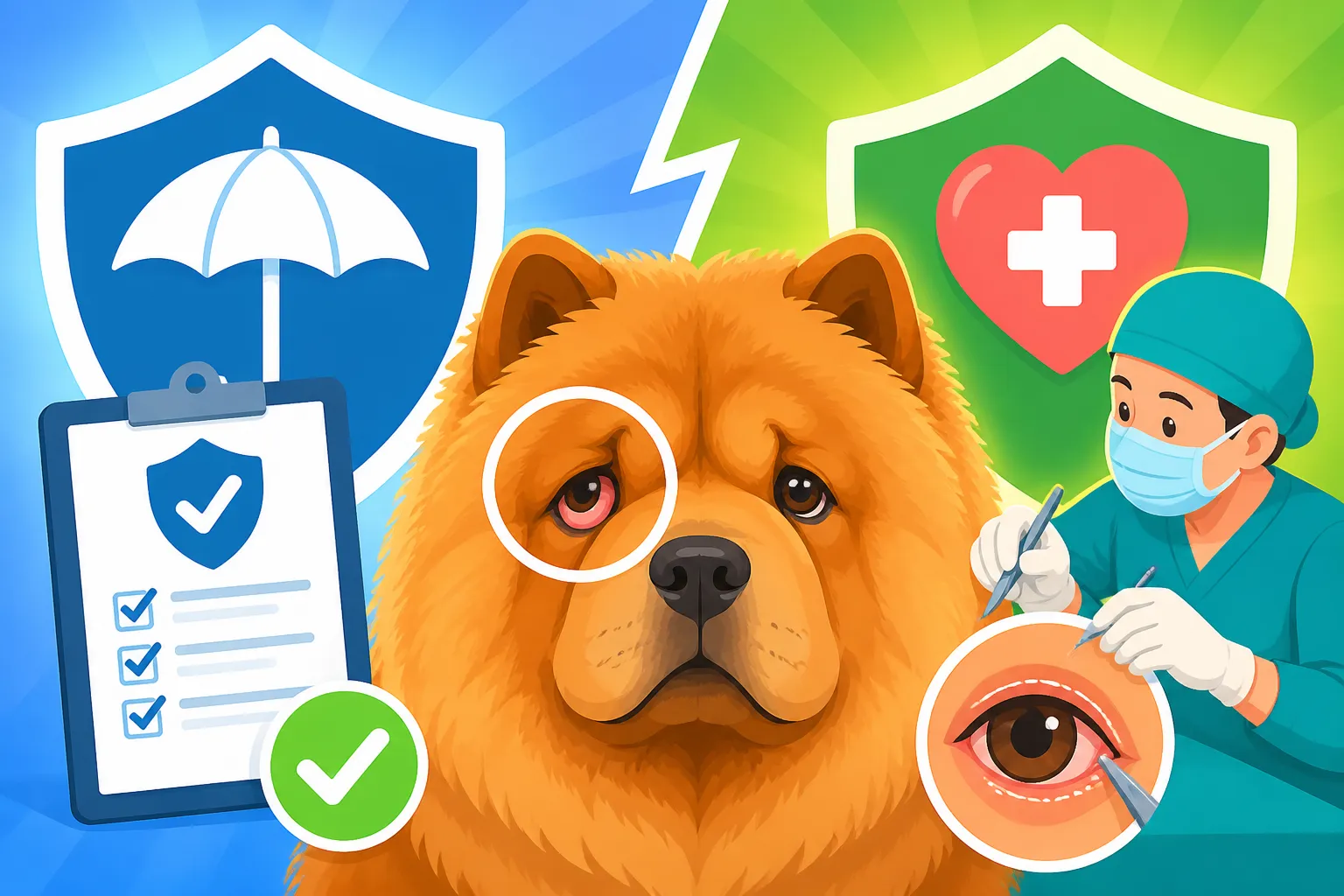
For adult Chow Chows, or puppies for whom tacking wasn't enough, permanent surgical correction is typically performed. This involves a veterinary ophthalmologist carefully removing a small, crescent-shaped piece of skin and muscle from the affected eyelid to permanently evert it. This is a delicate procedure requiring general anesthesia, pre-anesthetic bloodwork, the surgeon's fee, operating room time, monitoring, and post-operative pain medication and eye drops. You can learn more about the specifics in How Entropion Is Repaired in a Chow Chow. Each step contributes to the overall expense, making it a significant financial undertaking.
Factors Influencing the Final Bill
The total cost of your Chow Chow’s entropion surgery isn't a fixed number; it can vary quite a bit based on several factors. One of the biggest differentiators is geographical location. Veterinary costs, like human medical costs, tend to be higher in urban areas or regions with a higher cost of living compared to rural areas. The type of clinic also plays a role; a general practice veterinarian performing the surgery might charge less than a board-certified veterinary ophthalmologist, though the latter often offers greater expertise for delicate eye procedures.
The severity of the entropion and whether one or both eyes are affected will also influence the bill. Bilateral entropion (affecting both eyes) will naturally cost more than a unilateral case. Furthermore, if complications such as corneal ulcers are present, additional diagnostics and treatments will be necessary, adding to the overall expense. Addressing a severe corneal ulcer can significantly increase the treatment cost, as detailed in What a Chow Chow's Corneal Ulcer Costs to Treat. These variables mean it's crucial to get a detailed estimate from your vet after a thorough examination.
Potential for Recurring Costs and Complications
It's natural to hope that once the surgery is done, the problem is solved. While successful entropion surgery often provides permanent relief, it’s important to be realistic about potential recurring costs and complications. Sometimes, especially in severe cases or with complex facial structures, a single surgery might not be enough. Your Chow Chow might require a second, revision surgery to achieve optimal results. This is a difficult truth to face, but it does happen. To learn more about this possibility, consider reading Whether a Chow Chow Needs Entropion Surgery Twice.
Beyond the possibility of revision, there are always post-operative medications. These typically include pain relief, anti-inflammatory drugs, and various eye drops or ointments to prevent infection and aid healing. These medications can add up, especially if they are needed for an extended period. Even after full recovery, some Chow Chows might need ongoing monitoring by a vet to ensure the eyelids remain correctly positioned and to address any residual dryness or irritation. It’s a commitment that extends beyond the initial surgery day.
The Big Question: Does Pet Insurance Cover Entropion?
This is where the rubber meets the road for many concerned Chow Chow owners. You’ve invested in pet insurance to protect yourself from unexpected veterinary bills, and now you’re facing a significant one. Unfortunately, the answer to whether insurance covers entropion repair is almost always "it depends," largely hinging on one critical factor: when the condition was diagnosed relative to your policy's start date and waiting periods.
The Crucial "Pre-Existing Condition" Clause
The vast majority of pet insurance policies have a "pre-existing condition" clause, and this is the biggest hurdle for entropion coverage. Simply put, a pre-existing condition is any illness or injury your pet had before you enrolled them in an insurance policy or before the waiting period for that specific condition ended. For a condition like entropion, which is often detectable in puppyhood, if your Chow Chow was diagnosed or showed clear signs of the condition before your policy was active or fully enforceable, the insurance company will likely deny coverage for its treatment.
This isn't to be unfair; it's how insurance companies manage risk. If they covered every condition present at the time of enrollment, people would only get insurance after a problem arose, defeating the purpose of risk pooling. This clause is a stark reminder of why it's so important to enroll your Chow Chow in pet insurance as early as possible – ideally when they are a young puppy, before any signs of entropion or other breed-specific issues manifest. It's truly a race against time for many breed-predisposed conditions.
Congenital vs. Hereditary Conditions and Policy Differences
Adding another layer of complexity, pet insurance policies often differentiate between congenital and hereditary conditions, and how they define these terms can impact coverage for entropion. A "hereditary" condition is one that is passed down genetically from a parent, like entropion. A "congenital" condition is present at birth, even if not immediately obvious, and can be hereditary or due to an environmental factor during development. Entropion can fall into both categories, being present from birth and hereditary.
Some insurance plans might cover hereditary conditions, provided they are not considered pre-existing. Others might have limitations or exclusions for certain breed-specific hereditary conditions, even if diagnosed after enrollment. It is absolutely vital to read the fine print of any policy you are considering. Don't just assume; ask direct questions about how they categorize and cover hereditary conditions, especially those common in Chow Chows like entropion. This due diligence can save you a huge headache and significant financial strain down the line.
Waiting Periods and Early Puppy Care
Even if your Chow Chow isn't showing any signs of entropion when you enroll them in pet insurance, you still have to contend with waiting periods. Almost all pet insurance providers impose a waiting period – a set number of days (usually 14-30 days for illnesses, and shorter for accidents) from the policy's effective date before coverage for certain conditions begins. This means if your Chow Chow shows signs of entropion or is diagnosed during this waiting period, it will be considered a pre-existing condition and therefore excluded from coverage.
This is particularly tricky for Chow Chow puppies, as entropion can manifest quite early. Some puppies show signs as young as 8 to 12 weeks of age. If you wait until a problem is noticeable before enrolling in insurance, you've likely missed your window for coverage. This emphasizes the critical importance of getting pet insurance as soon as you bring your puppy home, sometimes even before you pick them up if the policy allows. You can learn more about when these signs typically appear in The Age Entropion Shows in a Chow Chow Puppy.
Navigating Insurance Options for Your Chow Chow's Eyes
The maze of pet insurance policies can be overwhelming, but with a breed like the Chow Chow, known for certain predispositions, it's a journey worth taking. Being prepared means not just knowing about entropion, but also understanding how to choose an insurance plan that offers the best possible safety net for your furry family member.
Researching Breed-Specific Policy Nuances
When you're looking for pet insurance for a Chow Chow, you can't just pick any plan off the shelf. Many breeds, including ours, come with known health challenges, and some insurance companies have specific ways of addressing these. It’s not uncommon for certain policies to have exclusions or modified terms for conditions known to affect a particular breed, especially if they are deemed "congenital" or "hereditary." This is where your detective work comes in.
You need to ask direct, pointed questions when speaking with insurance providers. Inquire specifically about their stance on entropion and other breed-specific conditions that Chow Chows are prone to, such as hip or elbow dysplasia. Do they cover hereditary conditions if they appear after the waiting period? Are there any specific breed exclusions? Knowing these nuances upfront can prevent devastating surprises later on. While no plan is perfect, a transparent insurer will be clear about what they cover and what they don't, allowing you to make an informed decision.
What to Look for in a Comprehensive Policy
For a breed like the Chow Chow, a comprehensive accident and illness plan is usually your best bet. Accident-only plans, while cheaper, won't cover entropion or other illnesses. When evaluating comprehensive plans, pay close attention to several key components:
- Deductibles: This is the amount you pay out-of-pocket before your insurance starts reimbursing you. Higher deductibles typically mean lower monthly premiums.
- Reimbursement Rate: This is the percentage of the covered veterinary bill that the insurance company will pay. Common rates are 70%, 80%, or 90%.
- Annual Limits: Some policies have a cap on how much they will pay out in a year. For a major surgery like entropion repair, you'll want a decent annual limit.
Providers like Healthy Paws are often praised for their comprehensive accident and illness plans, known for covering hereditary and congenital conditions as long as they aren't pre-existing. When comparing different plans, make sure to read the sample policies thoroughly, as the actual legal language can reveal important details. Look for clear statements on how they handle conditions common in Chow Chows.
The Importance of a Health Guarantee from Your Breeder
While pet insurance is a financial safety net for you, a responsible Chow Chow breeder also plays a crucial role in minimizing the risk of inherited conditions like entropion. A reputable breeder will provide a health guarantee, often covering genetic conditions for a certain period after you bring your puppy home. This guarantee typically outlines what the breeder will do if a serious genetic health issue, like entropion requiring surgery, arises within that timeframe.
It’s important to understand that a breeder's health guarantee isn't a substitute for pet insurance, but rather a complementary layer of protection. A good guarantee might offer a refund, a replacement puppy, or contribute to veterinary costs up to the purchase price of the puppy. For more details on this, explore Whether a Health Guarantee Covers Chow Chow Entropion. Always discuss the specifics of the health guarantee with your breeder before committing to a puppy. Their willingness to stand behind the health of their lines is a strong indicator of their integrity and commitment to the breed.
Maximizing Your Chances of Coverage and Managing Costs
Even with the best intentions, navigating pet health and finances can be tough. The goal is always to provide the best care for your Chow Chow without breaking the bank. By being proactive and informed, you can significantly improve your chances of insurance coverage and effectively manage the costs associated with conditions like entropion.
Insure Early, Insure Smart
I cannot stress this enough: the absolute best way to ensure your Chow Chow's entropion repair is covered by insurance is to enroll them as early as possible. This means getting a policy in place when they are a young puppy, ideally before any vet visits where potential signs of entropion could be noted in their medical records. Once a vet records signs or a diagnosis, that condition becomes pre-existing, and coverage is off the table.
Think of it this way: you wouldn't buy homeowner's insurance after your house has already burned down. Pet insurance works similarly. Research and purchase your policy the moment you know you're bringing a Chow Chow puppy home. Compare providers and their specific terms for waiting periods and hereditary conditions. Many online platforms, like Chewy's pet insurance marketplace, allow you to compare plans from various providers, making it easier to find one that suits your needs and budget while also offering transparent information about coverage specifics. This early enrollment strategy significantly increases the likelihood that entropion, if it develops, will be covered as a new, unexpected condition.
Understanding Your Policy's Fine Print
It’s tempting to skim through insurance documents, but with pet insurance, especially for a breed like the Chow Chow, the devil is truly in the details. You, as the policyholder, are responsible for understanding what your plan covers and, more importantly, what it explicitly doesn't cover. Don't assume anything. Once you've chosen a policy, take the time to read the full terms and conditions.
Pay close attention to sections on pre-existing conditions, hereditary and congenital conditions, waiting periods, and any breed-specific exclusions. If you have any doubts or questions, call the insurance provider directly and ask for clarification in writing if possible. Keep a record of these communications. This proactive approach ensures you're fully aware of your coverage limits and can anticipate any potential issues before you're in the stressful position of dealing with an emergency vet bill.
Budgeting for the Unforeseen
Even with a robust pet insurance policy, you will almost certainly have some out-of-pocket expenses. Deductibles, co-pays, and any procedures or medications not covered by your specific plan will still fall to you. This is why it’s incredibly important to establish a dedicated emergency fund for your Chow Chow’s health needs. This fund acts as a buffer for deductibles, unforeseen costs, or if, for some reason, an issue like entropion isn't covered by your insurance.
Consider the various costs associated with entropion that might not be fully reimbursed. For instance, the general cost of follow-up visits, specialized foods during recovery, or even just extra time off work to care for your Chow Chow. Preparing for The Entropion Surgery Every Chow Chow Owner Should Budget For requires a realistic assessment of these potential expenses. Financial preparedness is a critical component of responsible pet ownership, helping you provide the best possible care without undue stress. For a broader perspective on the financial commitment, you might find our article on What a Chow Chow Costs Over Its Lifetime insightful.
Here's a quick overview of how pet insurance might (or might not) handle entropion:
| Scenario | Typical Insurance Coverage | Explanation |
|---|---|---|
| Diagnosed BEFORE policy starts | No | Considered a pre-existing condition, universally excluded. |
| Diagnosed DURING waiting period | No | Still considered pre-existing; waiting periods are crucial. |
| Diagnosed AFTER waiting period (Puppy) | Yes (Often) | If no signs or diagnosis before policy/waiting period, it's typically covered as a new illness/hereditary issue. |
| Diagnosed AFTER waiting period (Adult) | Yes (Often) | Similar to puppies, if it manifests for the first time after all waiting periods are met. |
| Revision Surgery for Covered Entropion | Yes | If the initial surgery was covered, follow-up procedures for the same condition are usually also covered. |
| Preventative Measures | No | Routine exams, grooming to prevent matting that could exacerbate eye issues are usually not covered. |
| Related Corneal Ulcer (if entropion covered) | Yes | If the entropion causing the ulcer is covered, related treatments for complications are generally covered. |
| Experimental Treatments | No | Policies rarely cover treatments not considered standard veterinary care. |
Caring for a Chow Chow is a truly rewarding experience, but it comes with unique responsibilities, especially concerning their health. Entropion is a common concern for the breed, and understanding the financial implications, including how pet insurance factors in, is essential. By insuring your puppy early, reading your policy carefully, and maintaining an emergency fund, you can face potential health challenges with confidence, knowing you’re prepared to give your Chow Chow the care they deserve.
Disclaimer
This article is for general informational purposes only and does not constitute professional advice. Laws, prices and regulations vary by location and change over time. Consult a qualified professional for guidance on your specific situation.