Why a Puppy Mill Chow Chow Costs More Later
That tempting, rock-bottom price tag on a Chow Chow puppy can feel like you’ve hit the jackpot, especially when you compare it to the figures responsible breeders quote. It’s easy to think you’re getting a deal, saving a significant chunk of change right off the bat. But the truth, as many heartbroken owners discover, is that the initial "savings" from a puppy mill Chow Chow are almost always a down payment on a mountain of future expenses, stress, and sorrow. This guide will walk you through why those cheap puppy mill Chows inevitably cost more, far more, in the long run.
The Deceptive Lure of a "Bargain" Puppy
It's a common scenario: you see an advertisement, perhaps online or even at a storefront, for Chow Chow puppies at a price that seems too good to be true. Maybe it's a few hundred dollars, significantly less than the thousands reputable breeders charge. Your heart leaps, thinking you've found an affordable way to bring home your dream dog. However, that low price is usually a huge red flag, signaling a complete lack of investment in the puppy's health, temperament, and welfare.
The Initial Price Tag vs. True Value
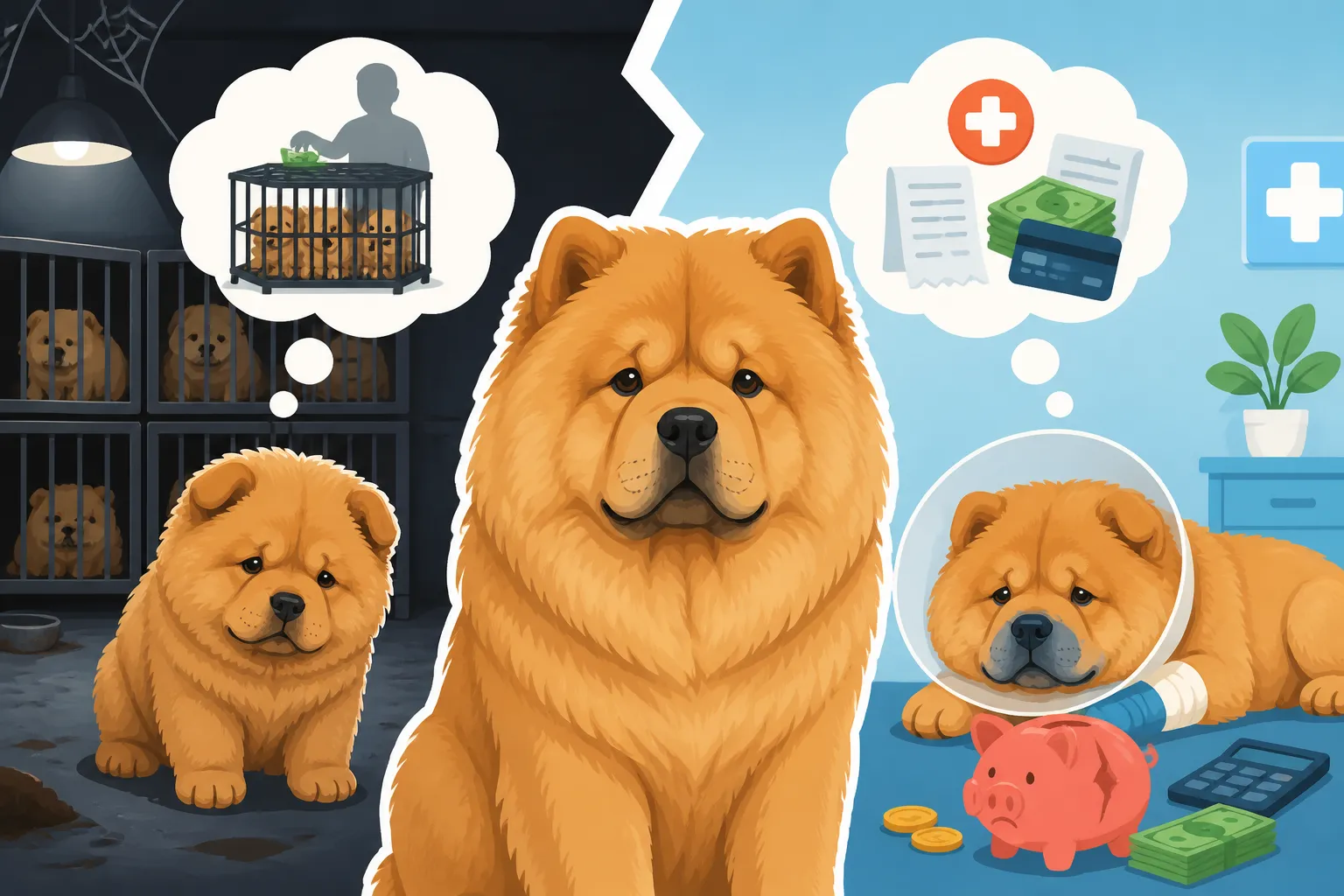
When you purchase a puppy from a puppy mill, that low price reflects a business model designed for maximum profit with minimal expense. These operations often cut every corner imaginable. They don't invest in proper nutrition for the breeding dogs or puppies, forgo crucial veterinary care, and neglect the critical early socialization that shapes a Chow Chow's temperament. The facility itself is often unsanitary, overcrowded, and utterly devoid of the warmth and human interaction a developing puppy needs.
A responsible breeder, on the other hand, spends a great deal of money and time ensuring their puppies are healthy, well-adjusted, and genetically sound. They invest in high-quality food, regular vet checks for the dam and sire, extensive health testing, and enriching environments for their puppies. This all adds up, which is why their prices are higher. The upfront cost is a reflection of the true value and care that has gone into that puppy, providing a solid foundation for a healthy life. A "bargain" price from a puppy mill essentially means you're buying all the problems the breeder neglected to address, and you'll be paying for them later, often at a much higher rate. What a Cheap Chow Chow Puppy Signals is almost always a future financial and emotional drain.
No Health Testing, Just Genetic Roulette
One of the most significant reasons puppy mill Chow Chows end up costing more is the complete absence of genetic health testing. Reputable breeders spend a considerable amount to screen their breeding dogs for inheritable conditions common in the breed. For Chow Chows, this typically includes checks for hip and elbow dysplasia, eye conditions like entropion and glaucoma, and thyroid issues. They want to ensure they're not passing on debilitating genetic diseases to their puppies. What a Chow Chow Breeder Should Have Tested is a long and expensive list, and puppy mills simply don't bother.
Puppy mills, however, breed indiscriminately. They don't test the parents, often don't even know their full lineage, and certainly don't care about eliminating genetic predispositions to serious health problems. This means that a puppy mill Chow Chow is a roll of the dice; you're essentially inheriting all the potential genetic flaws of its parents. These conditions, when they manifest, require expensive veterinary care, potentially multiple surgeries, and lifelong medication. What might save you a thousand dollars upfront can easily turn into tens of thousands in vet bills down the line. It's a cruel game of genetic roulette, and the puppy and its future owner are the ones who ultimately pay the steepest price.
The Avalanche of Health Problems
The lack of health testing and responsible breeding practices in puppy mills creates a ticking time bomb for many Chow Chow puppies. These adorable fluff balls often carry genetic predispositions to serious health conditions that will only become apparent as they grow, leading to immense financial and emotional strain for their unsuspecting owners.
Eyesight and the Entropion Trap
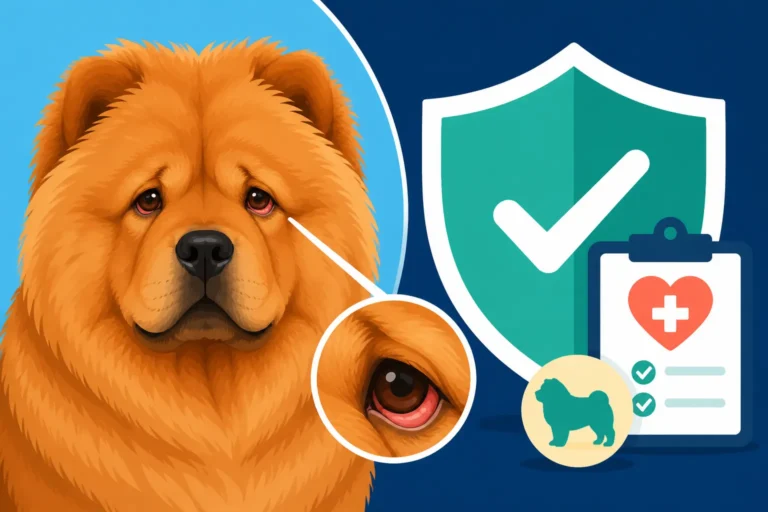
Chow Chows are notoriously prone to eye problems, especially entropion, a condition where the eyelid rolls inward, causing eyelashes and fur to rub painfully against the cornea. It's an excruciating condition that can lead to corneal ulcers, infections, and even blindness if left untreated. Entropion Is the Chow Chow's Signature Problem for the breed, and it's a condition that responsible breeders actively screen for and try to eliminate from their lines.
For a puppy mill Chow Chow, however, entropion is a distressingly common reality. Because the parents were not screened or removed from the breeding pool, their offspring are highly likely to inherit this painful condition. The initial diagnosis usually involves topical antibiotics and lubricating drops, but these are merely temporary solutions. Surgical correction is almost always required, often for both eyes, and sometimes even a second surgery is needed if the first isn't fully successful or the puppy grows. Each surgery can run into significant figures, and then there are the follow-up vet visits, medications, and potential complications. The Entropion Surgery Every Chow Chow Owner Should Budget For can quickly dwarf the initial "bargain" price of the puppy. Imagine the heartbreak of watching your beloved dog suffer, knowing that these costs were entirely preventable if the puppy had come from a responsible source.
Joint Issues and Lifelong Pain
Another major concern for Chow Chows, exacerbated by irresponsible breeding, is joint health. Hip and elbow dysplasia are unfortunately common in the breed. These are genetic conditions where the hip or elbow joints don't form correctly, leading to painful arthritis, lameness, and reduced mobility. Elbow Dysplasia Ranks the Chow Chow Near the Top for breeds affected by this painful condition. Responsible breeders use organizations like the Orthopedic Foundation for Animals (OFA) to certify the hips and elbows of their breeding stock, ensuring they are free from these debilitating issues.
Puppy mill Chow Chows bypass this crucial step. Their parents are often bred despite having severe hip or elbow dysplasia themselves, passing on these painful conditions to their puppies. Symptoms might not show up immediately, but by the time the puppy is growing or reaches adulthood, the pain and lameness can become severe. Treatment can range from lifelong pain medication and joint supplements to expensive surgical interventions like total hip replacements or elbow arthroscopy. These surgeries are not only complex but carry a hefty price tag, easily costing thousands of dollars per joint. Then there's the ongoing cost of medication, physical therapy, and special diets. What seemed like a cheap puppy can turn into a constant source of discomfort for the dog and a tremendous financial burden for the owner.
Other Hidden Ailments
Beyond the more common structural and eye issues, puppy mill Chow Chows are at a higher risk for a host of other genetic and environmentally induced health problems. Autoimmune diseases, for example, can manifest as severe skin conditions like pemphigus foliaceus or as thyroid problems. Autoimmune Disease in a Chow Chow can be difficult and expensive to diagnose and manage, often requiring specialized veterinary care and lifelong medication to suppress the immune system.
Renal dysplasia, a devastating kidney disease, is another concern. Familial Renal Dysplasia Kills Young Chow Chows, and while rare, it's a tragic example of a condition that can be perpetuated by careless breeding. These puppies may seem healthy for a short time, only to succumb to organ failure at a young age, leaving their owners with overwhelming grief and, often, significant vet bills from diagnostic tests and attempts at treatment. The stress of dealing with these unexpected and often chronic illnesses, knowing they could have been avoided with responsible breeding practices, is immense.
Behavioral Challenges and Training Costs
Beyond the physical health problems, puppy mill Chow Chows often arrive with significant behavioral challenges. The environment they come from is rarely conducive to developing a well-adjusted, confident dog, and the consequences can be profound and costly.
Socialization Failures Lead to Big Problems
Early socialization is absolutely critical for any puppy, but for a breed like the Chow Chow, known for its reserved and sometimes wary nature, it's non-negotiable. Why Early Socialization Decides What a Chow Chow Becomes is because their formative weeks, particularly from 3 to 16 weeks of age, are when they learn to accept new sights, sounds, people, and other animals as normal and non-threatening. Puppy mills, however, are typically devoid of positive human interaction, exposure to varied stimuli, and gentle handling. Puppies are often confined, with minimal contact beyond basic feeding, and are rarely exposed to the outside world.
This lack of early, positive socialization can lead to fear, anxiety, and reactivity. A Chow Chow puppy from a puppy mill may grow up to be extremely fearful of strangers, other dogs, loud noises, or new environments. They might exhibit fear-based aggression, snapping or growling when overwhelmed or cornered. Imagine trying to take your dog for a walk, or having friends over, only to be met with extreme anxiety or aggression from your Chow. This isn't just frustrating; it's a serious safety concern and a massive drain on quality of life for both dog and owner.
The Cost of Professional Intervention
When a Chow Chow develops significant behavioral issues due to poor early rearing, it almost always requires professional help. Standard obedience classes, while helpful for any dog, often aren't enough to counteract deep-seated fear or reactivity. Owners often find themselves seeking out certified professional dog trainers, behavior consultants, or even veterinary behaviorists. These specialists can be incredibly effective, but their services come at a premium.
A series of one-on-one training sessions can be quite expensive, and behavior modification plans often take months, if not years, to implement successfully. Specialized equipment, like specific harnesses or muzzles (which a Chow Chow should really be trained to accept early), might also be needed. The cost of these interventions quickly adds up, far surpassing any initial savings from buying a cheap puppy. The time commitment is also huge, demanding immense patience and consistency from the owner. You're not just paying money; you're investing countless hours trying to undo the damage caused by irresponsible breeding practices.
Ongoing Care: Grooming, Nutrition, and More
Even putting aside severe health issues and behavioral problems, the basic ongoing care for a Chow Chow from a puppy mill can unexpectedly inflate costs due to neglect and a poor start in life.
Neglected Coats and Skin Issues
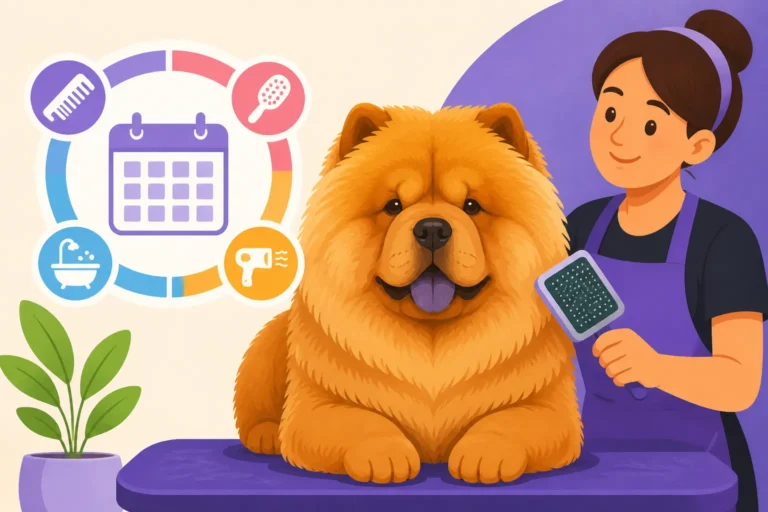
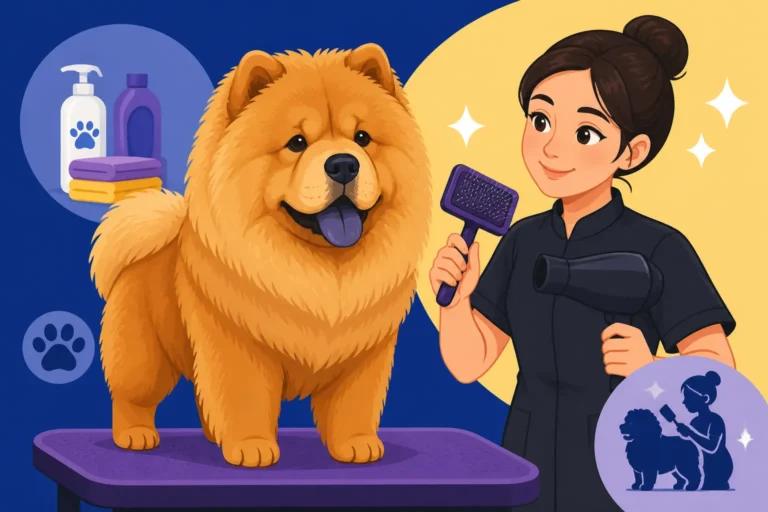
Chow Chows are magnificent dogs, largely due to their dense, double coats. Whether you have a rough-coated or smooth-coated Chow, both require regular, thorough grooming to prevent matting, skin irritation, and maintain skin health. Rough or Smooth: the Two Chow Chow Coats and What Each Needs are very different, but both demand consistent care. Puppy mills rarely provide any grooming beyond the bare minimum, if that. Puppies are often raised in unsanitary conditions, without proper brushing, leading to matting even at a young age.
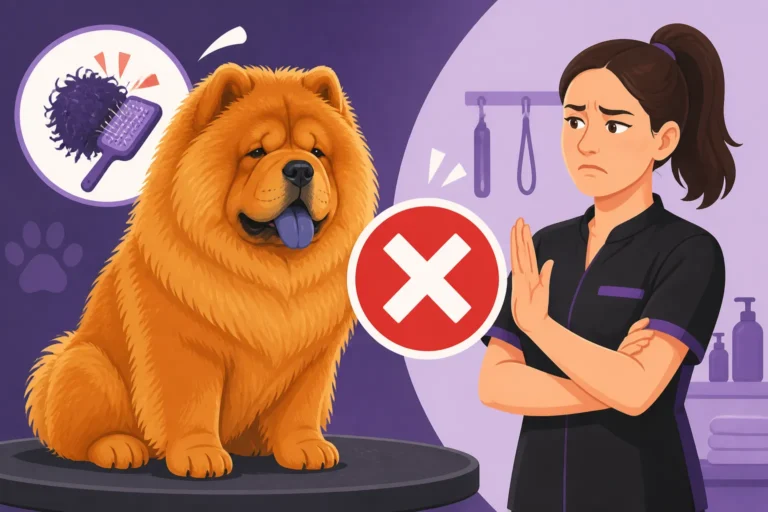
When a puppy mill Chow Chow comes home, its coat might be a disaster. Severe matting can cause pain, pull on the skin, and hide underlying skin infections. Removing mats often requires professional dematting, or in extreme cases, even shaving the dog, which should generally be avoided for a Chow Chow unless medically necessary due to its unique coat structure. Professional groomers charge significantly more for matted dogs, and these initial extensive grooming sessions can be costly. Furthermore, neglect can lead to chronic skin issues, allergies, or fungal infections that require ongoing veterinary treatment, specialized shampoos, and medications. This is another financial drain that could have been mitigated with proper care from the start.
Nutritional Needs for Recovery
Puppy mill puppies are often fed the cheapest, lowest-quality food available. Their diets are frequently deficient in essential nutrients, impacting their growth, immune system, and overall health. When you bring home a puppy mill Chow Chow, you might be dealing with a dog whose digestive system is compromised, or who is underweight, or simply hasn't developed optimally.
Transitioning such a puppy to a high-quality, balanced diet is crucial for its recovery and long-term health. This often means investing in premium kibble, fresh food options like Ollie, or even prescription diets if significant digestive issues have developed. While all dogs deserve good nutrition, a puppy mill survivor might have specific needs that require more expensive choices. For example, some may need sensitive stomach formulas, or supplements to support joint health, even before full-blown dysplasia is apparent. Shopping at places like Chewy for specialized diets and supplements becomes a regular, and often increased, expense compared to feeding a healthy, well-started puppy.
The Emotional Toll and Broken Promises
Beyond the staggering financial implications, owning a puppy mill Chow Chow often comes with a heavy emotional cost that no amount of money can truly compensate for.
The Heartbreak of a Sick Dog
Imagine the joy of bringing home a new puppy, full of dreams for a life of companionship and fun. Now imagine that dream slowly eroding as your puppy begins to show signs of chronic pain, vision loss, or crippling fear. The emotional toll of watching your beloved Chow Chow suffer from preventable conditions is immense. The sleepless nights worrying about their discomfort, the endless trips to the vet, the difficult decisions about expensive treatments with no guarantee of success – it's heartbreaking.
Many owners feel guilt, wondering if they did something wrong, when in reality, the problems were baked in from the start due to irresponsible breeding. The bond you form with your dog is deep, and witnessing their struggles can lead to stress, anxiety, and profound sadness for the owner. This emotional burden is a hidden cost, a tax on your heart that you never bargained for.
The Financial Strain and Tough Choices
The accumulating vet bills for surgeries, medications, and specialized treatments can quickly become overwhelming. For a puppy mill Chow Chow, these costs aren't isolated incidents but often recurring expenses throughout the dog's life. Many families find themselves in an impossible position, struggling to afford the best care for their dog. This can lead to difficult choices, where owners might have to forgo certain treatments, or even consider euthanasia, simply because they cannot sustain the financial demands. This is a cruel reality that no pet owner should have to face, but it's a common outcome for those who unknowingly purchase from puppy mills.
This is precisely why getting pet insurance early, perhaps from providers like Healthy Paws, is so critical, especially if you suspect your puppy came from less-than-ideal circumstances. However, even pet insurance often has waiting periods and won't cover pre-existing conditions, which many puppy mill dogs already have by the time they are diagnosed. The financial strain can impact personal savings, quality of life, and even create marital stress. The initial "bargain" often leads to a lifetime of financial worry and emotional distress, proving that the true cost of a puppy mill Chow Chow is almost incalculable.
Here's a quick comparison to illustrate the vast difference:
| Category | Puppy Mill Chow Chow (Initial "Bargain") | Responsible Breeder Chow Chow (Higher Upfront) |
|---|---|---|
| Initial Purchase | Lower upfront cost (e.g., $500-$1500) | Higher upfront cost (e.g., $2500-$5000+) |
| Health Testing | None, high risk of genetic conditions | Extensive genetic testing of parents |
| Vet Bills (Eyes) | High, likely multiple entropion surgeries and ongoing care | Low to moderate, entropion less likely |
| Vet Bills (Joints) | High, likely hip/elbow dysplasia treatment, possibly surgery | Low to moderate, hip/elbow dysplasia less likely |
| Behavioral Training | High, likely extensive professional training needed for fear/reactivity | Low to moderate, basic training often sufficient |
| Grooming | High initial grooming to fix neglect, potential ongoing skin issues | Moderate, regular maintenance prevents major issues |
| Nutrition | Higher, often needs premium/specialized food for recovery | Moderate, high-quality standard diet often sufficient |
| Overall Lifetime Cost | Significantly higher due to chronic health/behavior issues | Lower, due to fewer severe health/behavior issues |
| Emotional Impact | High stress, heartbreak, difficult decisions | Low stress, joyful companionship |
As you can see, the initial lure of a lower price from a puppy mill is a false economy. It promises savings but delivers a future filled with expenses, heartache, and challenges that far outweigh any perceived upfront benefit. Investing in a puppy from a responsible, ethical breeder is an investment in a healthy, well-adjusted companion and ultimately, a more joyful and less financially burdensome experience over your Chow Chow's entire lifespan. What a Chow Chow Costs Over Its Lifetime is far more than just the purchase price, and a bad start will amplify that cost exponentially.
Disclaimer
This article is for general informational purposes only and does not constitute professional advice. Laws, prices and regulations vary by location and change over time. Consult a qualified professional for guidance on your specific situation.