What a Chow Chow’s Eye Drops Cost a Month
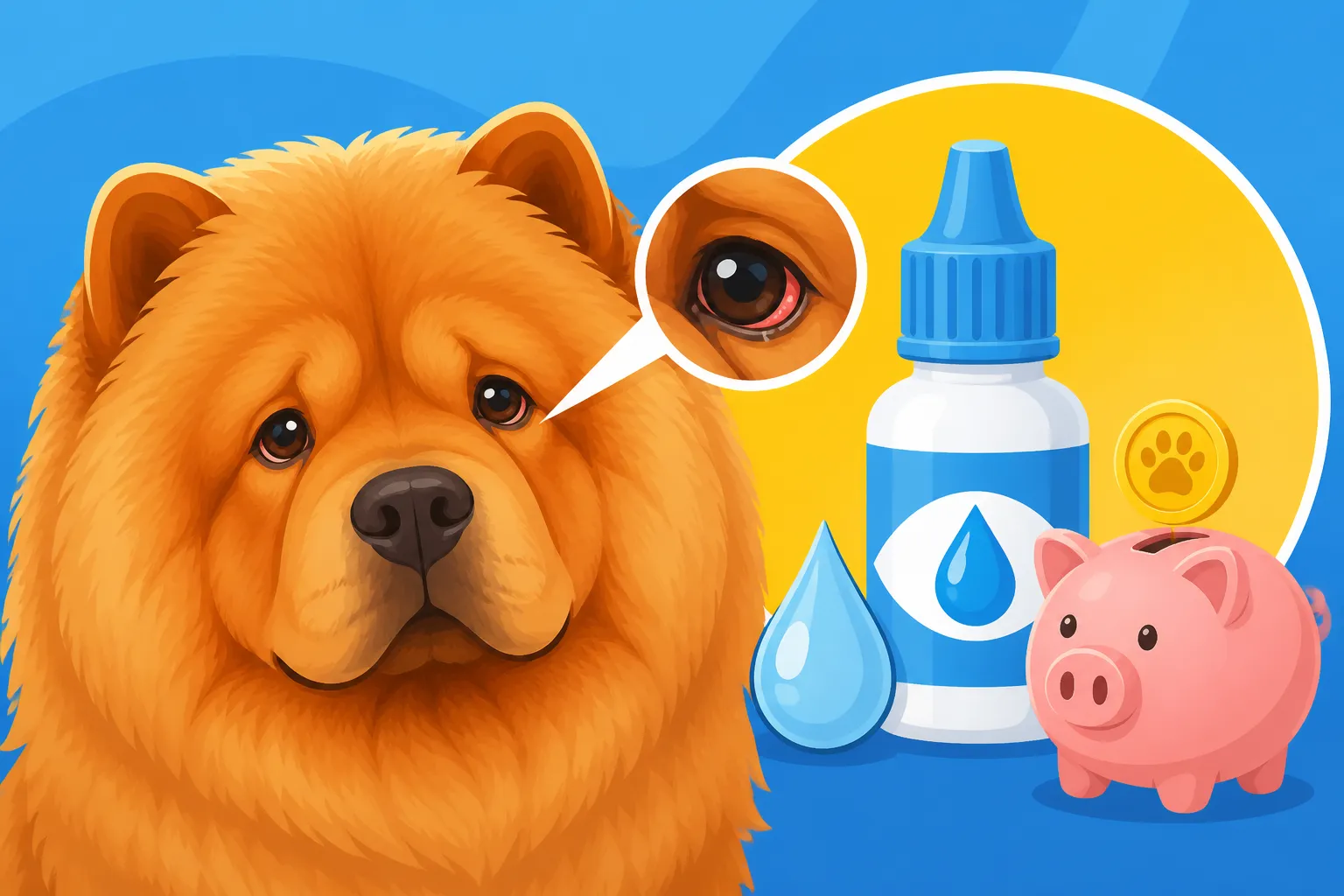
It can be incredibly disheartening when your beloved Chow Chow starts showing signs of eye discomfort, and the reality of ongoing medication sets in. Many owners worry not just about their dog's health, but also about the recurring costs of managing chronic conditions. This guide will help you understand the various factors influencing the monthly cost of Chow Chow eye drops and offer insights into managing these expenses effectively.
Why Eye Drops Are Often a Lifelong Reality for Chow Chows
Chow Chows, with their distinct deep-set eyes and charming facial folds, are unfortunately predisposed to a number of eye conditions that often require consistent, sometimes lifelong, treatment with eye drops. It’s not just an occasional issue; for many Chow Chow owners, eye care becomes a regular part of their daily routine, much like brushing their majestic coats.
Common Eye Conditions Requiring Drops
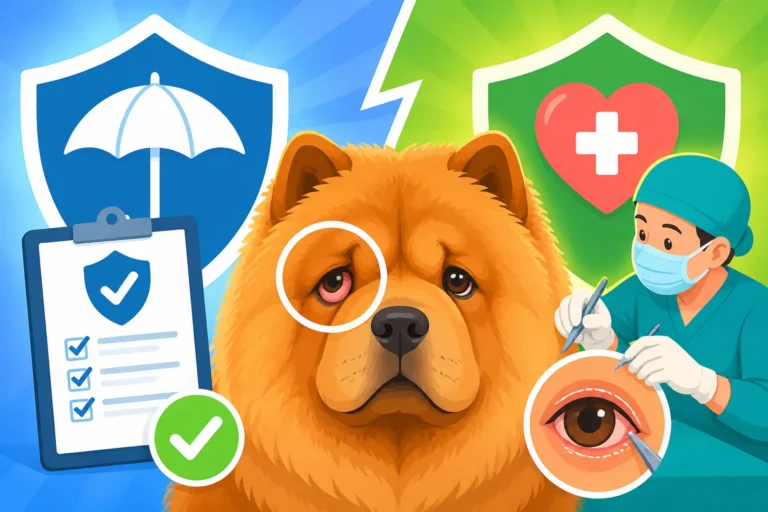
Several conditions specific to the breed, or common in all dogs, necessitate the use of eye drops. The most notorious is entropion, where the eyelid rolls inward, causing the eyelashes and fur to rub against the cornea. This constant irritation can lead to pain, ulcers, and infections, all of which often require medicated drops to manage inflammation, prevent infection, and promote healing. Entropion Is the Chow Chow's Signature Problem is a common concern for many owners. Beyond entropion, Chow Chows are also at risk for glaucoma, a severe condition where pressure builds up inside the eye, which can lead to rapid blindness if not managed aggressively with specialized drops.
Other less critical, but still impactful, conditions include dry eye (keratoconjunctivitis sicca or KCS), where the eye doesn't produce enough tears, leading to irritation and potential damage. This requires daily lubricating drops, sometimes combined with immunosuppressants, to stimulate tear production. Allergies can also manifest with red, itchy eyes, often requiring antihistamine or anti-inflammatory drops to alleviate symptoms. The breed's unique eye structure, including their deep-set eyes, can make them more susceptible to dust, pollen, and other irritants, increasing the likelihood of allergic conjunctivitis. Why a Chow Chow's Deep Set Eye Causes Trouble explores this further.
The Chronic Nature of Chow Chow Eye Issues
What often catches new Chow Chow owners off guard is the chronic nature of many of these eye problems. Entropion, even after corrective surgery, can sometimes recur or affect other parts of the eyelid, requiring follow-up treatment. Whether a Chow Chow Needs Entropion Surgery Twice is a question many owners grapple with. Glaucoma, once diagnosed, is almost always a lifelong battle to control intraocular pressure and preserve vision, demanding strict adherence to a medication schedule. Dry eye, too, is a condition that typically needs daily management indefinitely.
This means that the expense isn't a one-off fee for a prescription after an initial diagnosis; it's an ongoing, monthly commitment. It’s easy to feel overwhelmed by the thought of managing these conditions year after year, but with a clear understanding of the costs and options, it becomes much more manageable. The goal is always to maintain your Chow Chow’s comfort and vision, which often means consistent and dedicated eye drop application.
Breaking Down the Monthly Cost of Chow Chow Eye Drops
The cost of eye drops for your Chow Chow can vary significantly based on the type of medication, whether it's a generic or brand-name product, and where you purchase it. It's not a fixed price, and understanding these variables can help you budget and make informed choices.
Types of Eye Drops and Their Price Points
Eye drops fall into several categories, each with its own price range.
- Lubricating Drops: These are often over-the-counter or relatively inexpensive prescription options for conditions like mild dry eye or to provide general moisture. They might be basic artificial tears or contain ingredients to promote a healthier tear film. Monthly costs can be on the lower end, especially for generic brands.
- Antibiotic Drops: Prescribed for bacterial infections (often secondary to irritation from entropion or corneal abrasions), these vary in price depending on the specific antibiotic. A course might last 7-14 days, so monthly costs would depend on the frequency of infections.
- Anti-inflammatory Drops: Used to reduce inflammation from allergies, injuries, or post-surgical recovery. Steroidal and non-steroidal anti-inflammatory drops have different price points and are often prescribed for specific durations or as part of a long-term management plan for chronic inflammation.
- Glaucoma Medications: These are typically the most expensive. Glaucoma requires specific drugs to reduce intraocular pressure, and these are often brand-name, specialty medications. A Chow Chow with glaucoma might need multiple types of drops applied several times a day, making the monthly cost substantial. What Glaucoma Does to a Chow Chow's Eye is a serious condition requiring costly treatment.
- Immunosuppressants: For conditions like severe dry eye (KCS), drugs like cyclosporine or tacrolimus are used to stimulate tear production. These are prescription-only and can be quite costly due to their specialized nature and the chronic need for them.
The quantity provided in a single bottle also matters. Some drops come in tiny vials meant for a short course, while others come in larger bottles for ongoing use. While a larger bottle might seem more expensive upfront, it often offers better value per dose if your Chow Chow needs it long-term.
The Role of Prescriptions and Generics
Just like human medications, pet eye drops often have both brand-name and generic versions. Your veterinarian will always prescribe what they believe is best for your Chow Chow's specific condition. However, it's always worth discussing whether a generic equivalent is available and suitable. Generic medications typically contain the same active ingredients and are bioequivalent to their brand-name counterparts but come at a much lower price. This can make a significant difference in your monthly budget, especially for chronic conditions.
For prescription eye drops, you'll need a valid prescription from your vet. This means an initial consultation and diagnosis are necessary before you can even begin to think about costs. Many vets prefer to dispense the first round of medication directly to ensure proper usage and immediate treatment. However, for refills, you often have the option to fill the prescription through various avenues, which brings us to the next point about where to purchase.
Strategies for Managing Eye Drop Expenses
Living with a Chow Chow, you quickly realize that managing their health is a marathon, not a sprint. The good news is that there are proactive steps you can take to keep those recurring eye drop costs from becoming overwhelming.
Shopping Around for Medications
Once you have a prescription from your veterinarian, you have choices beyond just buying directly from their office.
- Online Pet Pharmacies: Websites like Chewy's pharmacy service often offer competitive pricing on prescription medications, including eye drops. They can be incredibly convenient, delivering refills right to your door. You'll simply provide your vet's information, and they'll handle the prescription verification. This can be a significant cost-saver for long-term medications.
- Human Pharmacies: Believe it or not, many common veterinary eye drops are also human medications or have human equivalents. Your local pharmacy, like CVS or Walgreens, might carry them and sometimes at a better price than a specialty pet pharmacy. Always check with your vet first to ensure it's the exact same formulation and strength.
- Vet Clinics: While often pricier, purchasing directly from your vet ensures authenticity and immediate access. For acute issues or when starting a new medication, this can be the safest and most convenient option. Your vet can also offer dosage advice and answer questions on the spot.
It's always a good idea to call around and compare prices for the specific medication and dosage your Chow Chow needs. Don't be shy about asking your vet for a written prescription so you can explore these options.
The Impact of Pet Insurance and Wellness Plans
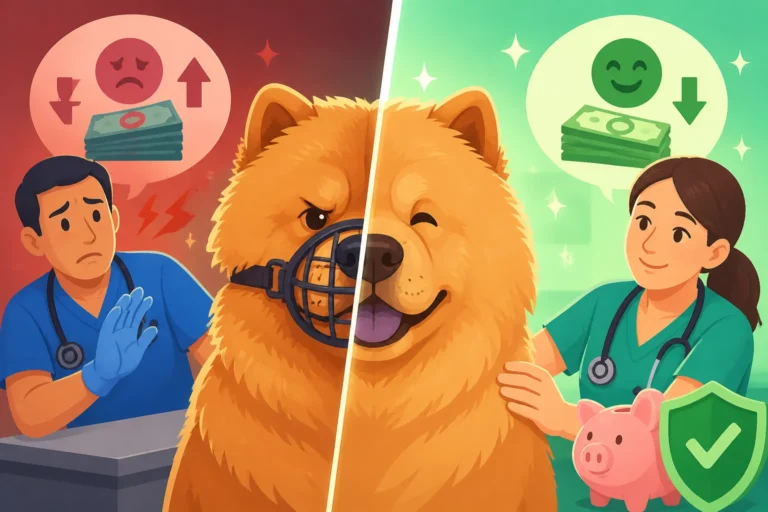
This is where pet insurance can truly shine for breeds prone to chronic conditions. Many comprehensive pet insurance policies, such as those offered by Healthy Paws, cover the costs of prescription medications, including eye drops, for covered conditions. If your Chow Chow develops a chronic eye issue like glaucoma or dry eye after your policy's waiting period, the ongoing cost of drops could be significantly offset. It's crucial to read policy details carefully, especially regarding pre-existing conditions and any specific exclusions related to breed-specific ailments. Whether Insurance Covers a Chow Chow's Entropion is a question worth researching before you commit.
Some pet insurance providers also offer wellness plans or add-ons that can cover routine veterinary care, which might include annual eye exams or basic preventative drops, though this is less common for chronic prescription medications. A wellness plan primarily focuses on preventative care, not treatment for illnesses, but a yearly eye exam is critical for early detection of problems like What Glaucoma Does to a Chow Chow's Eye. While a wellness plan won't directly cover chronic eye drop costs, it can help with the diagnostic costs that lead to those prescriptions.
Preventative Care and Early Intervention
While some conditions are genetic and unavoidable, diligent preventative care can sometimes reduce the severity or frequency of eye problems, or at least catch them early when treatment is less intensive.
- Regular Grooming: Keeping the fur around your Chow Chow's eyes trimmed and clean can reduce irritation that might lead to secondary infections or exacerbate entropion. Gentle cleaning of the facial folds also helps prevent moisture and debris from accumulating, which can irritate the eyes. How to Clean Around a Chow Chow's Eyes is an important routine.
- Routine Vet Visits: Annual or semi-annual check-ups with your vet are paramount. They can spot subtle signs of developing eye issues, measure tear production, and even check eye pressure. Early detection means earlier intervention, potentially with less expensive, less aggressive treatments. A yearly eye exam (What a Chow Chow's Eye Exams Cost a Year) is an investment in long-term health.
- Quality Nutrition: A balanced, high-quality diet contributes to overall health, which in turn supports a stronger immune system and better tissue health, including the eyes. While a premium food brand like Ollie won't cure entropion, feeding your Chow Chow well can help them be more resilient and recover better from treatments or surgeries. Healthy dogs generally fare better when facing chronic conditions.
- Prompt Attention to Symptoms: Never ignore squinting, excessive tearing, redness, or discharge from your Chow Chow's eyes. These are all Signs a Chow Chow Has Entropion or other serious issues. Waiting can lead to more severe damage, more complicated (and expensive) treatments, and potentially vision loss.
Here's a quick overview of potential monthly costs for various types of eye drops:
| Type of Eye Drop | Common Purpose | Typical Monthly Cost Range (Approx.) | Considerations |
|---|---|---|---|
| Lubricating Drops | Dry eye, general moisture, minor irritation | $10 – $30 | Often over-the-counter or lower-cost prescription; generics widely available. |
| Antibiotic Drops | Bacterial infections | $20 – $60+ (per course) | Cost depends on frequency of infections; typically short-term use. |
| Anti-inflammatory Drops | Allergies, inflammation, post-surgery | $30 – $70+ | Can be steroidal or non-steroidal; short-term or chronic use. |
| Glaucoma Medication | Reducing intraocular pressure | $50 – $150+ (per medication) | Often requires multiple types of drops, multiple times a day; can be very costly. |
| Immunosuppressants (KCS) | Stimulating tear production (e.g., Cyclosporine) | $40 – $100+ | Prescription-only; typically chronic, lifelong use for dry eye. |
Note: These ranges are illustrative and can fluctuate based on specific medication, dosage, brand vs. generic, and where you purchase them. Always confirm current prices with your vet or pharmacy.
Managing the costs of eye drops for a Chow Chow requires a combination of vigilance, careful budgeting, and making smart choices about where you source your pet's medications. By understanding the common conditions, exploring different purchasing options, and being proactive with preventative care, you can ensure your furry friend receives the best possible eye care without completely breaking the bank. What a Chow Chow's Lifetime Eye Bill Runs can be substantial, so planning is key.
Disclaimer
This article is for general informational purposes only and does not constitute professional advice. Laws, prices and regulations vary by location and change over time. Consult a qualified professional for guidance on your specific situation.