Whether a Groomer Adds a Handling Fee for a Chow Chow
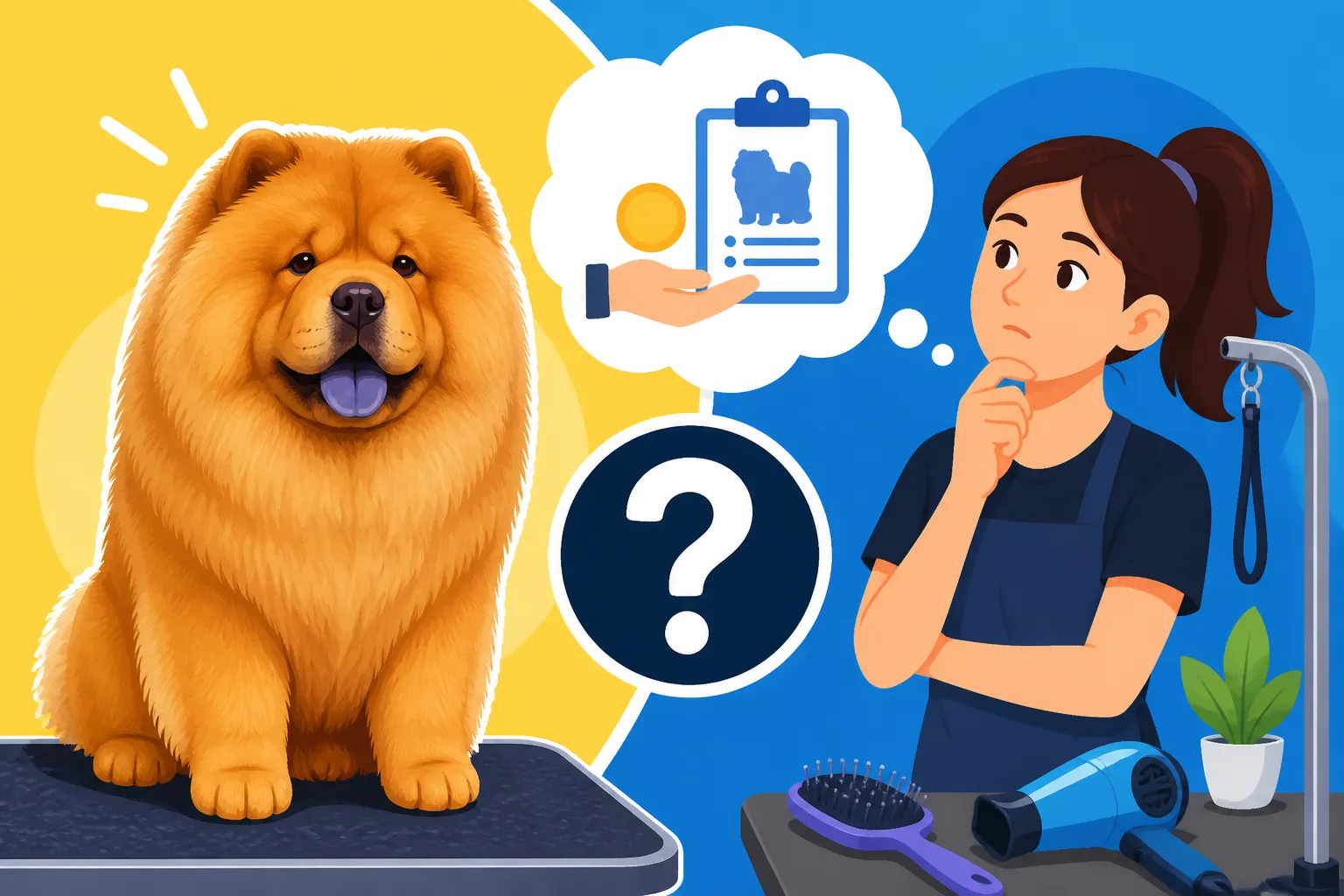
As a Chow Chow owner, you’ve probably experienced the familiar dread of the grooming appointment. It’s not just the sheer volume of fluff that needs managing, but often, a surprise line item on the bill: a "handling fee." It feels unfair, like you're being penalized for your dog's natural personality or their breed's unique traits, and it can certainly add an unexpected chunk to your budget. This guide is here to shed some light on why these handling fees exist, what they typically cover, and most importantly, how you can work with your Chow Chow and your groomer to make the process less stressful for everyone involved, potentially even avoiding those extra charges.
The Unique Challenges a Chow Chow Presents to a Groomer
Let's be real, our Chows are magnificent creatures, but they aren't always the easiest clients at the grooming salon. Their dense coats, inherent aloofness, and powerful guarding instincts can make them quite the challenge for even the most seasoned professional. It's not just a matter of brushing; it's a whole psychological and physical dance.
Their Double Coat Demands Specialized Care
First and foremost, the Chow Chow’s coat is a beast of its own. Whether you have a majestic rough coat or a sleek smooth coat, both boast an incredibly dense double layer that’s designed for extreme climates. This coat traps heat and can mat easily if not properly maintained. Groomers aren't just giving a quick wash and dry; they are often facing a monumental task of de-shedding and dematting.
Imagine a groomer trying to brush through a thick, felted mat behind your Chow's ears or in their "britches." It's painful for the dog, incredibly time-consuming for the groomer, and requires immense patience and skill. This isn't like grooming a poodle or a golden retriever. The sheer amount of dead undercoat during a "coat blow" can take hours to remove thoroughly, and if the dog isn't cooperating, that time doubles, or even triples. How Long Home Grooming a Chow Chow Takes Weekly can give you an idea of the effort required even at home.
The Chow Chow Temperament and Grooming
Beyond the coat, there's the famous Chow Chow temperament. While deeply devoted to their chosen person, Chows are often reserved, independent, and can be quite wary of strangers. A bustling grooming salon, with unfamiliar smells, sounds, and hands touching them, can be incredibly stressful for a Chow Chow. They aren't typically the type to happily bounce into a new situation and make friends with everyone. How Aloof a Chow Chow Really Is helps paint a picture of their personality.
This wariness, combined with their strong guarding instincts, means that a groomer must approach them with caution and respect. They can be resistant to handling, especially in sensitive areas like their paws, ears, or rear. If a Chow Chow feels threatened or uncomfortable, they might growl, snap, or try to bite. This isn't aggression for aggression's sake; it's often a defense mechanism from a dog that feels vulnerable and is communicating its boundaries, which can be hard to read given How to Read a Chow Chow's Face. This requires the groomer to move slowly, use specialized techniques, and sometimes even require two people to ensure safety for both the dog and themselves.
Understanding the "Handling Fee" and Why It Appears
So, you've seen that extra line item on your bill. What exactly is a "handling fee," and why does it pop up when you bring in your beloved Chow? It's not usually a ploy to squeeze more money out of you, but rather a necessary charge for the extra time, skill, and risk involved with certain dogs.
What Constitutes a Handling Fee
A handling fee, sometimes called a "temperament fee," "difficult dog fee," or "special handling charge," is essentially compensation for the additional effort a groomer expends to complete the grooming safely and effectively. It covers situations where:
- Extra Time is Needed: If your Chow Chow is particularly anxious, fearful, or resistant, the groomer might need to take frequent breaks, use slow, deliberate movements, or employ calming techniques. This extends the grooming session significantly. Where one dog might take two hours, a "difficult" Chow might take three or four, tying up salon resources.
- Additional Staff are Required: For larger or more reactive Chows, two groomers might be needed to safely hold, bathe, or brush the dog. This doubles the labor cost for that specific grooming session.
- Specialized Equipment or Techniques: Some Chows might require a muzzle (which should always be introduced positively and not just slapped on), or specific restraint methods that take more time and training to implement. Fear-free grooming techniques, while wonderful for the dog, can also be more time-consuming.
- Increased Risk: Let's face it, grooming a dog that is prone to snapping or biting is a risk. Groomers are handling sharp tools around live animals, and a bite can lead to injury, lost work time, and even medical bills. The handling fee partially compensates for this increased occupational hazard.
This fee isn't arbitrary; it reflects the real cost of providing safe, compassionate, and thorough grooming for a dog that requires more than standard care. It's often a conversation you should have with your groomer upfront, so there are no surprises.
Factors That Lead to a Handling Fee
Several factors can contribute to a groomer deciding to add a handling fee. It's a combination of your Chow Chow's individual personality, their grooming history, and the condition of their coat.
| Factor | Description | Impact on Grooming Fee |
|---|---|---|
| Temperament/Behavior | Fearful, anxious, or reactive behavior; resistance to touch; growling or snapping. | High likelihood of handling fee; increased time/staff needed. |
| Matting/Coat Condition | Extensive matting, pelting, or extremely dense, unbrushed undercoat. | Significant de-matting fee, often combined with handling fee. |
| Lack of Socialization | Unfamiliarity with strangers, loud noises, or being handled by non-family members. | Requires more patience and desensitization, increasing time. |
| Past Negative Experiences | Previous traumatic grooming sessions or vet visits that make the dog distrustful. | Groomer must work extra hard to rebuild trust, taking longer. |
| Size & Strength | Larger, stronger Chows are harder to safely manage if they resist, even if not overtly aggressive. | May require two people for safety. |
It’s not just about aggression; a Chow Chow that is simply extremely fearful or anxious, shivering uncontrollably, or trying to hide, will also warrant a handling fee because the groomer has to spend extra time making them comfortable and working around their stress levels.
Preparing Your Chow Chow for a Smoother Grooming Experience
While handling fees are a reality for many Chow Chow owners, there's a lot you can do to minimize the chances of incurring them and, more importantly, make grooming a more positive experience for your furry friend. It all comes down to consistent training and desensitization at home.
Early Socialization and Handling Practice
The foundation for a well-behaved Chow Chow at the groomer starts when they are a puppy. The Weeks That Matter Most for a Chow Chow Puppy are critical for socialization. Expose your puppy to a variety of sights, sounds, and people in a positive way. Enroll in a good puppy class, and make sure they have positive interactions with new people.
Equally important is handling practice at home. Your Chow Chow needs to be comfortable with you touching every part of their body, especially the sensitive areas a groomer will focus on:
- Paws and Nails: Get them used to having their feet held, toes separated, and nails touched. Use a Dremel or clippers for regular nail trims. Teaching a Chow Chow to Have Its Feet Handled is a great resource.
- Ears: Gently lift and inspect their ears.
- Face and Mouth: Touch their muzzle, lips, and around their eyes.
- Tail and Rear: Many Chows are particular about their rear being touched. Practice lifting their tail and touching the area gently.
- Brushing and Drying: Make brushing a positive experience from day one. Start with short sessions, use high-value treats, and gradually increase the duration. Introduce a hairdryer (on a low, cool setting) so they get used to the sound and sensation. Teaching a Chow Chow to Be Brushed is a must-read.
Remember, positive reinforcement is key. Reward good behavior generously with treats or praise. Products from Ollie, known for their fresh, palatable dog food, can be broken into small, high-value training treats that many Chows adore. If your Chow sees handling as a precursor to something wonderful, they’ll be much more cooperative.
Regular Home Grooming and Maintenance
The better condition your Chow Chow’s coat is in when they arrive at the salon, the less work the groomer has to do, and the less likely they are to encounter painful mats or tangles that could trigger a handling fee. Regular home grooming is not just about aesthetics; it's about comfort and health.
- Daily Brushing: For rough-coated Chows, daily brushing is ideal, especially during coat blows. Even smooth coats benefit from regular brushing to remove dead undercoat. Use the right tools, like an undercoat rake and a slicker brush, and make sure you are reaching all the way down to the skin. How to Line Brush a Chow Chow is essential reading for this breed.
- Check for Mats: Pay close attention to areas prone to matting: behind the ears, armpits, under the collar, and the "britches" (the fur on their hind legs). If you find a small mat, try to work it out gently with a comb and a detangling spray. Don’t let small mats become large, painful pelts.
- Wipe Face Folds: Regularly clean your Chow Chow's face folds to prevent moisture and irritation, which can make them sensitive about their face being touched. How Often a Chow Chow's Face Folds Need Cleaning delves into this.
Consider investing in quality grooming tools from retailers like Chewy. They often have a wide selection of brushes, combs, and high-velocity dryers that can make home grooming much more manageable. The more you do at home, the less stressful the professional grooming session will be for your Chow and the less time the groomer will need.
Communicating with Your Groomer
Open and honest communication with your groomer is paramount. Before your first appointment, schedule a meet-and-greet. Let the groomer interact with your Chow Chow in a low-pressure environment. Discuss your dog's temperament, any quirks, fears, or areas they are sensitive about.
- Be Honest: Don't sugarcoat your Chow's behavior. If they can be nippy about their paws, tell the groomer. This allows the groomer to be prepared and take necessary precautions, rather than being surprised.
- Ask About Techniques: Inquire if they practice "fear-free" grooming techniques or if they have experience with Chow Chows specifically. Some groomers are more comfortable with challenging breeds than others.
- Discuss Fees Upfront: Ask about their policy on handling fees or temperament charges. Understand under what circumstances they might apply, and what the approximate cost would be. This avoids surprises on the bill.
- Consider Sedation (Veterinarian-Prescribed): If your Chow Chow is extremely anxious or aggressive during grooming despite your best efforts, discuss options with your veterinarian. They might prescribe a mild sedative to be given before the grooming appointment. This is not a substitute for training but can significantly reduce stress for severely anxious dogs. While not covering the grooming fee itself, pet insurance providers like Healthy Paws may cover vet-prescribed medications or vet visits related to behavioral issues that might influence grooming.
Exploring Alternatives to Traditional Salon Grooming for Your Chow Chow
Sometimes, despite your best efforts, a traditional grooming salon environment just isn't the right fit for your Chow Chow. The bustling atmosphere, unfamiliar scents, and multiple people can be overwhelming. Thankfully, there are alternatives that might offer a more tailored and less stressful experience, potentially impacting those handling fees.
Mobile Groomers
One fantastic alternative for Chow Chows, especially those who are particularly wary of new places or strangers, is a mobile groomer. Imagine a fully equipped grooming salon pulling right up to your driveway! The benefits for a Chow Chow are significant:
- Reduced Stress: Your Chow remains in their familiar home environment until it's time for their appointment. They don't have to endure a car ride to a noisy salon or wait in a crate amongst other barking dogs. The entire experience is calmer and more contained.
- One-on-One Attention: Mobile groomers typically work with one dog at a time, providing undivided attention. This allows them to build a better rapport with your Chow Chow and work at their pace without distractions or the pressure of other appointments.
- Familiar Scents: Being groomed just outside their home means they are surrounded by familiar scents, which can be incredibly reassuring for an anxious dog.
While mobile grooming often comes with a higher base price due to the convenience and individualized service, the reduced stress for your Chow and the dedicated attention might mean fewer behavioral issues during the groom. This could, in turn, reduce or eliminate the need for those additional handling fees that a traditional salon might charge for a stressed or reactive dog. It's an investment in your dog's comfort and a smoother experience overall. Why a Mobile Groomer Suits a Chow Chow offers more insights into this option.
Home Grooming with Professional Guidance
For some Chow Chow owners, a hybrid approach works best: doing the bulk of the grooming at home yourself, perhaps with occasional professional touch-ups. This is particularly viable if your Chow is comfortable with you and you're willing to invest the time and tools.
- Cost Savings: Doing the regular brushing, bathing, and drying yourself can significantly cut down on professional grooming costs. You'll still need to budget for good quality tools, but these are a one-time or infrequent purchase. What Home Grooming Equipment Costs for a Chow Chow can help you plan this investment.
- Builds Trust: Grooming your Chow yourself deepens your bond and reinforces positive associations with handling. You can go at their pace, offer frequent breaks, and use all the high-value Ollie treats they desire.
- Professional Help for Tricky Parts: You might still opt for a professional groomer for specific tasks that are challenging or risky, such as sanitary trims, anal gland expression (if needed), or intricate nail trims if your Chow is uncooperative with clippers or a Dremel. You could also seek out a groomer willing to offer "mini-grooms" for specific areas or during major coat blows.
If you choose this route, consider seeking guidance from a professional groomer or even watching online tutorials specific to double-coated breeds. Learning proper line brushing techniques and how to safely use a high-velocity dryer are crucial. This way, you maintain your Chow's coat effectively, keeping them comfortable and avoiding painful mats, which are a primary cause of handling fees.
Veterinary-Assisted Grooming
In extreme cases, where a Chow Chow is severely fearful, aggressive, or has underlying health issues that make regular grooming impossible, veterinary-assisted grooming might be the safest and most humane option.
- Sedation or Anesthesia: A vet or veterinary technician can perform grooming tasks while your Chow Chow is under mild sedation or even light anesthesia. This ensures the dog is completely calm, pain-free, and safe for the groomer, eliminating any risk of biting or injury. Whether a Chow Chow Tolerates Anesthesia is an important consideration here.
- Medical Oversight: This option is particularly beneficial for Chows with skin conditions, severe matting, or painful orthopedic issues like Elbow Dysplasia Ranks the Chow Chow Near the Top, where prolonged standing or handling might cause discomfort. The vet can monitor their health throughout the process.
It's important to note that veterinary-assisted grooming will be considerably more expensive than a regular groom due to the cost of the veterinary services, anesthesia, and monitoring. However, for a Chow Chow whose anxiety or aggression makes any other grooming method unsafe or excessively traumatic, it can be a vital option. Always discuss this thoroughly with your veterinarian and factor in the potential costs, as while medical aspects might be covered by insurance like Healthy Paws, the grooming service itself typically won't be.
Ultimately, the goal is to make grooming a positive, stress-free experience for your Chow Chow. By understanding why handling fees exist, proactively preparing your dog, and exploring suitable alternatives, you can ensure your fluffy companion remains happy, healthy, and beautifully coiffed, without as many unexpected surcharges.
Disclaimer
This article is for general informational purposes only and does not constitute professional advice. Laws, prices and regulations vary by location and change over time. Consult a qualified professional for guidance on your specific situation.