Finding an Apartment That Accepts a Chow Chow
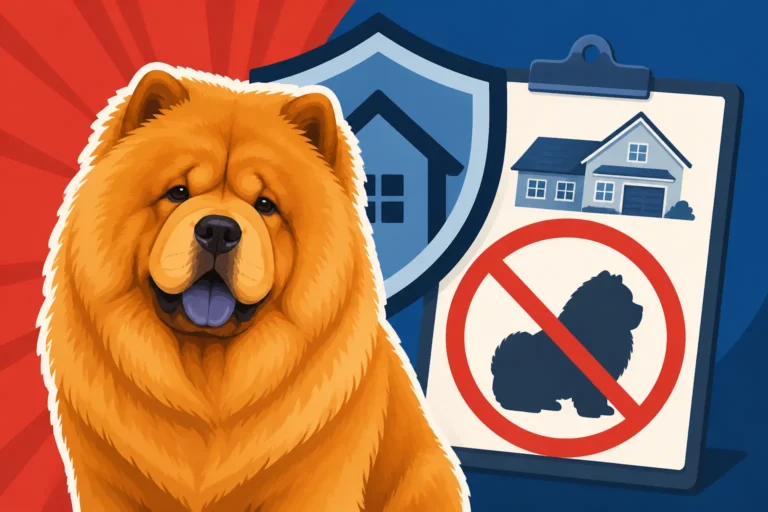
Finding a pet-friendly apartment can feel like an Olympic sport sometimes, and when you share your life with a Chow Chow, it often feels like you're running with an extra hurdle or two. Landlords, driven by insurance policies and sometimes outdated perceptions, can be hesitant to open their doors to certain breeds. This guide is here to equip you with the strategies and insights you need to confidently navigate the rental market and find that perfect home for you and your fluffy companion.
Understanding Why Chow Chows Face Breed Restrictions
It’s an unfortunate reality that many dog breeds, including our beloved Chow Chows, face an uphill battle when it comes to housing. These restrictions aren’t usually born from personal bias against your specific dog, but rather from a complex web of perceptions, insurance policies, and general landlord concerns. Understanding these underlying reasons is the first step in effectively addressing them.
Perceptions Versus Reality
Let's be honest, the Chow Chow has a reputation. They’re often seen as aloof, independent, and fiercely protective. While it’s true that The Chow Chow Bonds to One Person and Tolerates the Rest and they certainly have a strong guarding instinct, this often gets misinterpreted as inherent aggression. Many people, and therefore many landlords, form their opinions based on breed stereotypes rather than individual temperament. They might picture a constantly snarling, unapproachable dog, rather than the dignified, calm, and devoted companion you know and love. These misconceptions are deeply ingrained in popular culture and can be tough to overcome, but it’s not impossible with the right approach and clear communication.
Insurance Company Influence
The biggest silent saboteur in your apartment hunt is often the landlord’s insurance provider. Most property insurance policies for landlords come with clauses that restrict certain dog breeds, often labeled as "aggressive" or "high-risk." Chow Chows frequently appear on these lists, right alongside breeds like Pit Bulls, Rottweilers, and Dobermans. If a landlord accepts a restricted breed, their insurance premium can skyrocket, or their policy might even be cancelled, leaving them in a bind. This isn't about the individual dog or even the landlord's personal preference; it's a cold, hard business decision driven by actuarial tables. It’s why you might encounter a landlord who clearly loves dogs but still has to say no. Understanding Which Insurers List the Chow Chow as Restricted can give you an idea of the landscape landlords are navigating.
Landlord Concerns Beyond Aggression
Beyond the fear of aggression or insurance woes, landlords have practical concerns that apply to any large or heavily-coated breed.
- Shedding: Chow Chows are renowned for their magnificent double coats, which means shedding. And not just a little shedding—we're talking about significant amounts of fur, especially during The Twice a Year a Chow Chow Blows Its Coat. Landlords worry about fur clogging HVAC systems, embedding in carpets, and generally increasing the wear and tear on their property, leading to higher cleaning and maintenance costs between tenants.
- Noise: While Chow Chows are not typically excessive barkers, they certainly do What a Chow Chow Barks At when they feel it's necessary to alert their family. Any large dog has the potential for making noise that could disturb other tenants, and landlords want to avoid neighbor complaints.
- Size: Even though Chow Chows aren't giant breeds, they are substantial, muscular dogs. Landlords might worry about potential damage to floors, walls, or fixtures from a larger animal, especially in smaller living spaces. This isn't just about weight; it's about the general presence and energy a larger dog can exert, even a calm one.
Proactive Strategies to Find a Chow Chow-Friendly Apartment
Finding an apartment with a Chow Chow requires a bit more effort and a strategic approach, but it’s definitely achievable. You need to present yourself and your Chow Chow as the responsible, desirable tenants you are, directly addressing the common concerns landlords might have.
Targeting the Right Rental Types
The type of rental property can significantly impact your success rate.
- Independent landlords over large corporate complexes: This is often your best bet. Large apartment communities, especially those managed by corporations, tend to have rigid, non-negotiable breed restrictions dictated by their umbrella insurance policies. Individual landlords, on the other hand, often have more flexibility. They might be willing to meet your Chow Chow in person and make a decision based on your dog's actual behavior and your responsible ownership, rather than a generic breed list. They can sometimes negotiate directly with their own insurance or absorb a slightly higher premium if they feel comfortable with you and your pet.
- Private homes or duplexes for rent: These properties often come with more lenient pet policies compared to multi-unit buildings. The landlord might live off-site and be less concerned about tenant-to-tenant pet interactions or common area damage. Plus, a private yard (even a small one) can be a huge selling point, showing you're providing appropriate space for your dog.
- Properties without existing breed restrictions: When searching online or through local real estate agents, look for listings that simply state "pets considered" or "pet-friendly" without explicitly listing restricted breeds. If a landlord hasn't explicitly stated a breed ban, they might be open to discussion. Even a "no pets" policy can sometimes be negotiated, especially if you can present a compelling case for your well-behaved Chow Chow. Don't immediately dismiss these listings; they might be opportunities in disguise.
Preparing a Stellar "Pet Resume"
Think of your pet resume as your Chow Chow’s glowing letter of recommendation. It’s a powerful tool to make a fantastic first impression and alleviate a landlord's concerns.
- What to include:
- Vet records: Provide up-to-date vaccination records, proof of spay/neuter, and a letter from your vet stating your Chow Chow is healthy, well-cared for, and has a good temperament.
- Training certificates: If your Chow Chow has attended puppy classes, obedience training, or even earned a Canine Good Citizen title, include those certificates! Demonstrating that your dog is well-trained and manageable is invaluable. Show them your Chow Chow isn't just a pretty face, but a well-mannered citizen. Whether a Chow Chow Can Pass a Canine Good Citizen Test is a good indicator of their trainability.
- Photos/Videos: Include clear, appealing photos of your Chow Chow looking happy and well-groomed. A short video of your dog calmly interacting with people or other pets, or demonstrating basic commands, can also be very effective.
- Letters of recommendation: A letter from a previous landlord praising your Chow Chow's behavior and your responsibility as a pet owner is gold. If you don't have a previous landlord reference, a letter from a dog walker, trainer, or even a trusted neighbor who can vouch for your dog's good nature works too.
- Highlighting positive Chow Chow traits: Emphasize that Chow Chows are generally calm, relatively low-energy indoor dogs once their exercise needs are met. They're not typically "velcro" dogs, meaning they're often content to relax quietly indoors. Stress that they're not prone to incessant barking and are generally clean, as The Chow Chow Is One of the Easiest Breeds to Housetrain.
- Proof of financial responsibility: Show you're serious about being a responsible pet owner. Mention that you have pet insurance, perhaps through providers like Healthy Paws, which can cover unexpected vet bills and demonstrates you won't be abandoning your pet if a health crisis arises. While you won't share specific policy details, highlighting that you have comprehensive coverage is a huge plus. Also, be prepared to offer a higher pet deposit or a non-refundable pet fee to sweeten the deal.
Communication and Presentation
How you communicate and present your Chow Chow is crucial.
- Be upfront and honest: Never try to hide your Chow Chow or misrepresent their breed. This will only lead to distrust and potential eviction later. Be honest from the very first conversation about having a Chow Chow.
- Offer a "meet and greet": This is where your Chow Chow can truly shine. Offer to bring your dog to meet the landlord or property manager. Ensure your Chow Chow is well-groomed, calm, and on a leash. Demonstrate their good manners and your ability to control them. This allows the landlord to see past the stereotype and connect with your actual dog.
- Emphasize responsible ownership: Talk about your commitment to regular grooming, perhaps mentioning that you regularly brush your Chow Chow to manage shedding (even if How Often a Rough Coated Chow Chow Needs Brushing is a lot, showing you do it helps!) and keep them clean. Discuss their exercise routine and how you ensure their needs are met, illustrating that you understand How Much Exercise a Chow Chow Actually Needs even though they aren't marathon runners.
- Mitigate breed misconceptions: Be prepared to politely educate landlords about Chow Chows, focusing on their loyalty, quiet nature, and devotion to their family. Frame it as correcting misinformation, not arguing.
Navigating the Rental Application Process
Even with a stellar pet resume and charming Chow Chow, the application process can still throw curveballs. Knowing what to expect and how to ask the right questions can save you a lot of time and heartache.
Asking the Right Questions Early On
Your time is valuable, so don't waste it viewing properties that will never accept your Chow Chow.
- Initial screening: When you first inquire about a property, either online or over the phone, make pet policies your very first question, even before scheduling a viewing. "I'm very interested in this property, but I do have a Chow Chow. Do you have any breed restrictions or a weight limit that would prevent me from applying?"
- Clarify pet fees: If they are pet-friendly, immediately ask about the specifics: "What are your pet fees, deposits, and monthly pet rent?" This helps you budget and understand the full financial commitment. Being direct shows you're prepared and serious.
The Role of Pet Deposits and Rent
It's common for pet-friendly properties to require additional financial commitments, and you should be prepared for them.
- Pet fees and deposits: Most landlords will require a pet deposit (which might be refundable) and/or a non-refundable pet fee. These are designed to cover potential damage or additional cleaning costs associated with pets. Expect that Whether a Landlord Charges More for a Chow Chow is a real possibility, and often it’s justified by the added perceived risk and maintenance.
- Monthly pet rent: Many properties now charge a monthly "pet rent" in addition to your regular rent. This is typically a fixed amount per pet.
- Negotiation tactics: If a landlord is on the fence, offering a slightly higher pet deposit or a one-time non-refundable pet fee (if allowed by local laws) can sometimes make a difference. This demonstrates your commitment and willingness to take financial responsibility. Remember these costs are all part of What a Chow Chow Costs Per Month to factor into your budget.
Legal Protections and Exceptions (Service Animals)
It's important to understand the distinction between pets and legitimate service animals or emotional support animals (ESAs), as they have different legal protections under the Fair Housing Act. If your Chow Chow is a registered service animal or a properly documented emotional support animal, they are not considered pets, and breed restrictions generally do not apply. However, this is a specific legal designation that requires proper documentation from a licensed professional, and landlords can request verification. Misrepresenting a pet as a service or emotional support animal is illegal and can lead to serious consequences. This guide focuses on finding housing for a Chow Chow as a cherished family pet, which means navigating the standard pet policies.
Life in Your New Chow Chow-Friendly Home
Once you've landed that coveted Chow Chow-friendly apartment, the work isn't over. Maintaining a positive relationship with your landlord and neighbors is key to a harmonious living situation and paves the way for future pet owners.
Maintaining a Good Relationship with Your Landlord
Being a model tenant, especially with a restricted breed, helps reinforce the landlord's decision to accept you and your Chow Chow.
- Adhere strictly to pet policies: Read your lease agreement carefully and follow every rule regarding pets, no exceptions. This includes leash laws, waste disposal, and any designated pet areas.
- Keep your apartment clean: Chow Chows shed, there's no way around it. Invest in a good vacuum cleaner (or two!) and keep up with regular grooming and cleaning to prevent excessive fur accumulation. Products from Chewy can help with this, from deshedding tools to powerful vacuums designed for pet hair. Keeping your home tidy shows respect for the property.
- Ensure your Chow Chow is well-exercised and not disruptive: A tired Chow Chow is a happy, quiet Chow Chow. Make sure your dog gets enough mental and physical stimulation to prevent boredom-induced behaviors like excessive barking or destructive chewing. While What a Chow Chow Barks At isn't usually excessive, preventing nuisance barking is critical.
- Address concerns immediately: If your landlord or a neighbor expresses any concerns about your Chow Chow, address them promptly and courteously. Being proactive and responsive shows responsibility.
- Provide quality nutrition: Good nutrition contributes to overall health, including coat condition, which can help manage shedding. Brands like Ollie offer high-quality fresh food options that support a healthy coat and skin, which in turn can mean less excessive shedding and a generally healthier, happier dog.
Being a Considerate Neighbor
Living in close quarters with others means being mindful of your Chow Chow's impact on those around you.
- Leash your Chow Chow: Always keep your Chow Chow on a leash when in common areas, stairwells, or outside the apartment. This is not only a safety measure but also a courtesy to others who might be fearful of dogs or simply prefer space.
- Clean up after your dog, every single time: Carry waste bags and pick up after your Chow Chow immediately. Failing to do so is one of the quickest ways to sour neighbor relations and create problems for all pet owners in the building.
- Manage barking: While Chows aren't typically excessive barkers, some do bark at visitors or unfamiliar sounds. Work on training to minimize nuisance barking, especially if you live in an apartment where sound travels easily.
- Respect community rules: Understand and abide by any specific rules for pets, such as designated potty areas, hours for outdoor activity, or restrictions on where dogs are allowed.
- Manage introductions: Remember How a Chow Chow Greets Visitors and strangers, which can often be reserved. Always introduce your Chow Chow calmly and with proper supervision, especially to children or other pets, ensuring a positive experience for everyone.
Exploring Local Pet Amenities
Make the most of your new location by seeking out pet-friendly resources.
- Nearby parks and walking trails: Research local parks, dog parks (if your Chow Chow enjoys them, and many don't, given their aloof nature), or walking trails where you can safely exercise your Chow Chow. Having these amenities close by can significantly improve your quality of life together.
- Local pet services: Identify local veterinarians, pet supply stores, and groomers. Finding a groomer who is experienced and comfortable with Chow Chows can sometimes be a challenge, so researching Finding a Groomer Who Will Take a Chow Chow in advance is a smart move.
| Strategy | Description | Benefits for Chow Chow Owners |
|---|---|---|
| Target Private Landlords | Seek out individual owners rather than large corporate complexes. | More flexibility to evaluate your specific dog, not just the breed. |
| Create a Pet Resume | Compile vet records, training certs, photos, and references. | Presents your Chow Chow as a responsible, well-managed pet. |
| Offer Higher Deposit | Propose a larger pet deposit or non-refundable fee. | Addresses landlord's financial concerns about potential damage. |
| Proactive Communication | Be upfront about your Chow Chow; offer a meet-and-greet. | Builds trust and allows the landlord to see your dog's temperament. |
| Maintain Property & Behavior | Keep apartment clean, manage shedding, ensure dog is well-behaved. | Reinforces you as a responsible tenant, reducing landlord concerns. |
Disclaimer
This article is for general informational purposes only and does not constitute professional advice. Laws, prices and regulations vary by location and change over time. Consult a qualified professional for guidance on your specific situation.