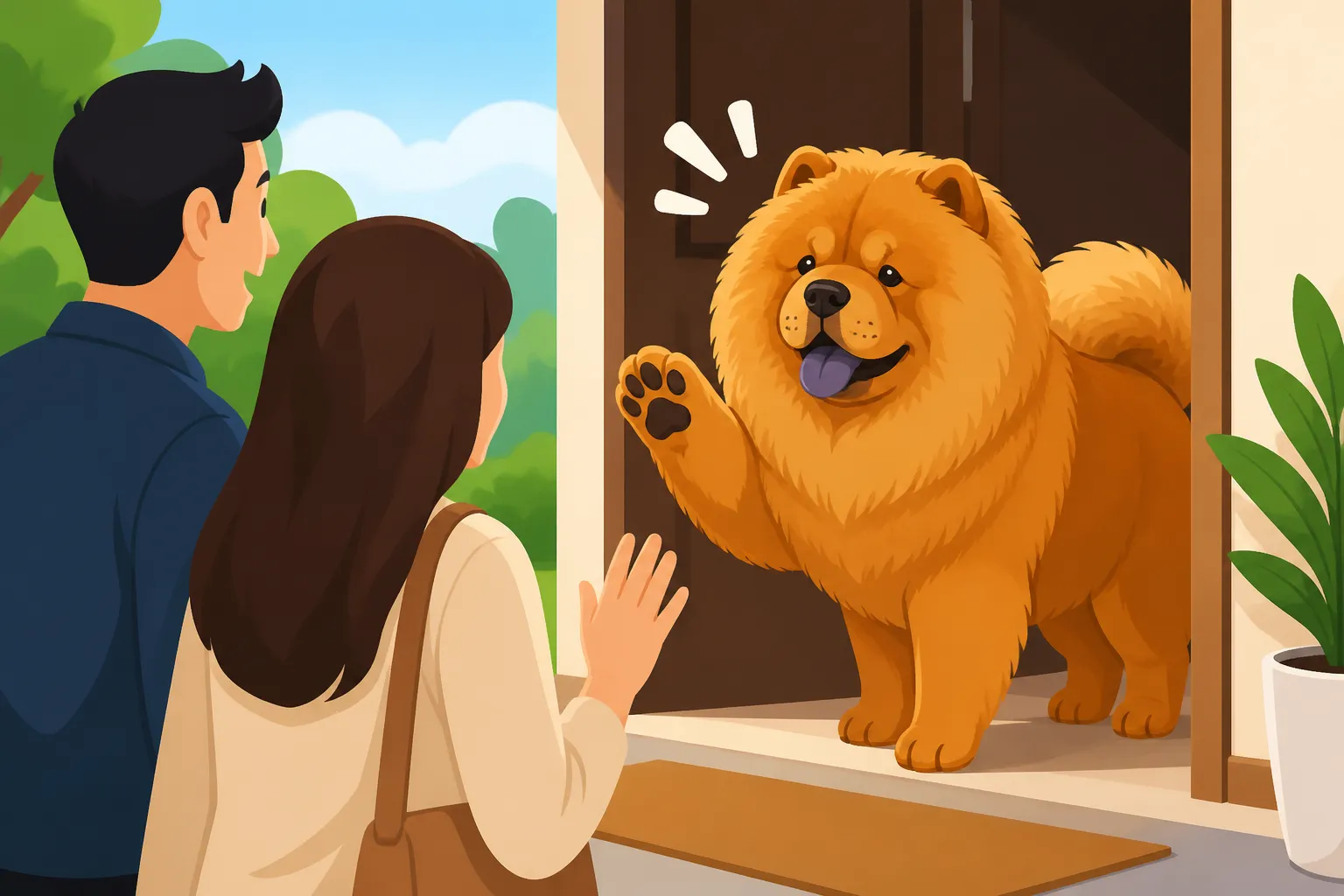
How a Chow Chow Greets Visitors
If you've ever had a guest arrive at your door, expecting a tail-wagging, slobbery welcome, only to be met by your Chow Chow's stoic gaze or, worse, a wary rumble, you know the unique challenges of their greeting style. It can be a little embarrassing, even frustrating, when your beloved companion doesn't conform to the typical "friendly dog" stereotype. This comprehensive guide will help you understand the nuances of how a Chow Chow greets visitors, unraveling the ancestral instincts and breed-specific traits that shape their behavior, and offering practical strategies to ensure both your dog and your guests feel comfortable and safe.
Understanding the Chow Chow's Unique Disposition Towards Strangers
The way a Chow Chow greets visitors isn't random; it's deeply rooted in their history and inherent personality traits. These aren't your typical Golden Retrievers or Labradors, eager to make friends with every passing stranger. Understanding this fundamental difference is the first step toward managing their interactions effectively.
Their Inherent Aloofness and Independence
Chow Chows are often described as cat-like in their demeanor, and nowhere is this more apparent than in their interactions with people outside their immediate family. They are renowned for their dignified aloofness, a trait that makes them appear indifferent, if not entirely uninterested, in strangers. This isn't usually born of fear or aggression, but rather a profound sense of self-possession and independence. They don't feel the need to fawn over new arrivals or seek constant external validation. While some dogs thrive on being the center of attention from anyone who will offer it, a Chow Chow is more likely to observe quietly from a distance, assessing the situation on their own terms. This can be jarring for visitors who expect a more effusive canine greeting, leading to misunderstandings about the Chow's true nature. Often, their reserved nature means they don't immediately welcome physical touch from unfamiliar hands; they prefer to initiate contact, if at all, when they feel comfortable and safe. How Aloof a Chow Chow Really Is further explores this fascinating aspect of their personality.
This natural independence also means they rarely feel compelled to perform for guests. If they've been trained to "sit" or "stay," they might oblige their person, but they won't typically offer a flurry of tricks for a stranger's praise. Their loyalty is deep but selectively given, usually reserved for one or two primary caregivers. The rest of the household, and certainly guests, are often tolerated rather than enthusiastically welcomed into their inner circle. This isn't a flaw in their character; it's simply who they are. Owners must respect this boundary and teach guests to do the same, preventing situations where a well-meaning but pushy stranger might overstep the Chow Chow's comfort zone, leading to an uncomfortable encounter for everyone.
Their Strong Territorial and Guarding Instincts
Centuries ago, Chow Chows were guardians of temples and homes in China, protecting their families and property with unwavering vigilance. These powerful instincts haven't disappeared with domestication; they are very much alive in the modern Chow Chow. When a new person enters their perceived territory, a Chow Chow's natural inclination is to be protective. This isn't necessarily aggressive in the typical sense, but rather a watchful, sometimes intimidating, posture that communicates "I am aware of you, and I am watching." How Territorial a Chow Chow Is delves deeper into these protective tendencies. They view their home, yard, and even their family members as possessions to be safeguarded.
This guarding behavior manifests in various ways during a visitor's arrival. It might start with a deep, resonant bark that announces the stranger's presence, followed by intense staring. They might position themselves between the visitor and a family member, or stand directly in the doorway, blocking entry until they've processed the situation. This isn't necessarily a challenge, but a declaration of their role as the household's protector. For a dog that bonds intensely with one person and tolerates the rest, as discussed in The Chow Chow Bonds to One Person and Tolerates the Rest, the arrival of a stranger can be seen as a direct threat to their person's safety or their established order. Understanding this primal drive allows owners to proactively manage these greetings, ensuring their Chow feels secure in their role without resorting to unwanted or unsafe behaviors.
Typical Chow Chow Greeting Behaviors with Guests
So, what does a typical Chow Chow greeting look like when someone knocks on your door? It's rarely the boisterous, tail-thumping display you might associate with other breeds. Instead, it's often a nuanced performance of observation, vocalization, and calculated distance.
Indifference or Watchful Waiting
Many Chow Chows will greet a stranger with a distinct air of indifference, sometimes bordering on disdain. Imagine your most reserved relative, politely acknowledging your presence but certainly not rushing in for a hug – that’s often the Chow Chow equivalent. They might glance up, perhaps offer a single, low "woof" to register your arrival, and then resume whatever they were doing. This isn't rudeness; it's their way of processing. They are taking everything in: the visitor's scent, their posture, their voice, and how their trusted human reacts. This silent observation is a critical part of their assessment, a deep dive into the unknown.
This watchful waiting can be unsettling for visitors who are used to more overt displays of canine friendliness. They might interpret the Chow's stillness and direct stare as hostility, when in reality, the dog is simply gathering information. A Chow Chow rarely rushes headlong into new situations or relationships. They are naturally cautious and rely on their keen senses and deep understanding of their environment to determine if a newcomer poses a threat or is simply another transient presence in their world. Owners must be prepared to explain this characteristic behavior to guests, reassuring them that the lack of an enthusiastic greeting isn't a personal affront, but rather a breed hallmark.
Vocalizations and Body Language Cues
While some Chow Chows remain silent and watchful, others are quite vocal in their initial greeting. This typically involves barking, which can range from a deep, authoritative "woof" to a more insistent series of barks. This vocalization is often a warning, a declaration of territory, and a way to alert their human that a stranger is present. It's their method of saying, "I see you, and I'm letting everyone know." How Much a Chow Chow Barks offers more insight into their vocal habits. The key is to understand the context of the bark; is it an aggressive, challenging bark, or a more informative, alerting one?
Their body language, while often subtle, also communicates a great deal. A Chow Chow might stand stiffly, with tail held high over its back (a natural carry for the breed), and its characteristic scowl deepened. The deep-set eyes, which already limit their peripheral vision, can give them a perpetually serious or even grumpy expression, which visitors can easily misinterpret. Unlike many breeds whose tails wag furiously to signal joy, a Chow Chow's tail might remain relatively still or offer only a slight, almost imperceptible quiver, even when they are comfortable. Their ears, if visible beneath their dense ruff, might be slightly flattened or twitching as they process sounds. Reading these subtle cues is paramount, as How to Read a Chow Chow's Face and Signs a Chow Chow Is Uncomfortable explain, because a Chow Chow is known for Why a Chow Chow Gives Little Warning before acting if their boundaries are pushed.
Why Chow Chow Greetings Can Be Challenging
The unique combination of a Chow Chow's physical attributes and deeply ingrained behavioral traits can make visitor greetings particularly challenging, often leading to misunderstandings and potentially uncomfortable situations if not managed correctly.
Their Limited Peripheral Vision and Startle Reflex
One of the most significant physical factors impacting a Chow Chow's greeting behavior is their deep-set eyes. While beautiful, this anatomical feature gives them limited peripheral vision. This means they cannot see things approaching from the sides or behind them as easily as many other breeds can. A well-meaning visitor who approaches a Chow Chow from the side without announcing their presence can easily startle the dog. As Why a Chow Chow Snaps at Someone It Did Not See elaborates, this isn't necessarily aggression, but a defensive reaction born of surprise and a perceived threat to their personal space.
Imagine suddenly being touched by someone you didn't see coming – your natural reaction might be to flinch, jump, or even lash out in self-defense. A Chow Chow experiences something similar. This visual limitation means that visitors need to be particularly mindful of how they approach the dog. Sudden movements, especially from angles the Chow cannot easily see, can trigger a defensive response. This makes careful introductions and clear communication with guests essential. It's not about the Chow Chow being "mean" or "aggressive"; it's about their physiological reality and the need for handlers to mitigate potential startle triggers.
Strong Guarding Instincts and Resource Protection
As we touched upon earlier, the Chow Chow's guarding instincts are powerful. When visitors enter their home, these instincts kick into high gear. They see their home as their space, and anyone new is an intruder until proven otherwise. This protective nature extends beyond just physical territory; it can also encompass their primary person, their food bowls, toys, or even a favorite resting spot. If a guest inadvertently approaches a resource the Chow Chow considers theirs, it can trigger a guarding response. This is often an innate, rather than learned, behavior, and it requires careful management.
This resource guarding can be particularly challenging with guests who might not understand the subtle signs a Chow Chow gives before reacting. A guest might innocently reach for a toy lying near the dog, or attempt to pet the Chow while it's resting in its bed. For a Chow Chow, this could be perceived as a challenge or an attempt to take their resource. Owners must be vigilant and proactive in managing these situations, perhaps by putting away high-value items before guests arrive or ensuring the Chow has a designated safe space where they won't be disturbed. Teaching guests to respect the Chow Chow's space and resources is vital for preventing conflict and ensuring peaceful interactions.
Preparing for Visitors: Proactive Steps for Chow Chow Owners
Successfully managing how a Chow Chow greets visitors starts long before the doorbell rings. Proactive preparation, focusing on early training and environmental management, is key to fostering comfortable and safe interactions for everyone involved.
The Importance of Early Socialization
There's simply no overstating the importance of early, positive socialization for a Chow Chow puppy. Their natural wariness of strangers means that without intentional and consistent exposure to a wide variety of people, places, sounds, and experiences during their critical developmental window, they are highly likely to develop fear-based reactivity or intensify their natural guarding instincts. When a Chow Chow's Socialization Window Closes highlights how crucial this early period is. This isn't about turning your Chow Chow into a social butterfly, but rather about teaching them that new experiences and new people are generally safe and not a threat.
Socialization involves carefully controlled exposures, ensuring each experience is positive and low-stress. This could mean short, supervised encounters with calm, dog-savvy strangers, where the puppy receives treats or praise for simply being present and calm. It also means exposing them to different types of people – men, women, children, people with hats, people with glasses, people using mobility aids – so they don't develop specific fears or biases. While a BAXTER & Bella online puppy school program can offer structured guidance and resources for proper socialization from the comfort of your home, supplementing this with real-world, positive interactions is invaluable. The goal is to build a foundation of confidence and neutrality towards the unfamiliar, making future visitor greetings far less stressful.
Training Specific Behaviors for Greetings
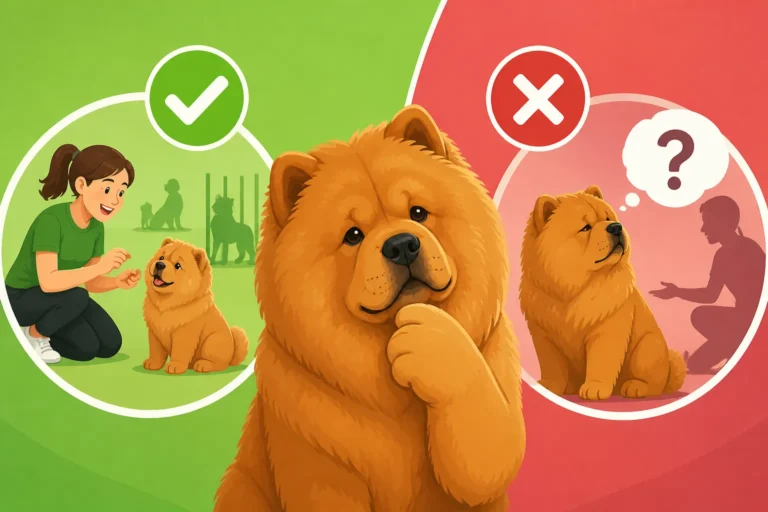
Beyond general socialization, specific training cues can be incredibly helpful for managing visitor interactions. Teaching a "place" command, for example, where your Chow Chow learns to go to a designated bed or mat and stay there until released, can be a game-changer. This provides a clear expectation for their behavior when guests arrive and gives them a safe, predictable spot away from the hustle and bustle of the doorway. Similarly, a solid "sit-stay" or "down-stay" can be used at the front door to prevent them from rushing at guests or jumping up.
Practice these commands diligently in various settings, gradually adding distractions, so your Chow Chow understands them even when excited or stressed. Use high-value treats and positive reinforcement to make these behaviors rewarding. For instance, when practicing "place," reward them generously for staying on their mat, especially as someone simulates knocking or opening the door. Consistency is vital. Every family member should use the same cues and expectations. Training resources, including durable training treats and clickers, are widely available on platforms like Amazon, making it easier to equip yourself for successful training sessions. A Chow Chow Trains by Agreement, Not Obedience reminds us that Chows respond best to methods that build cooperation and trust.
Creating a Designated "Safe Space"
Even with excellent training and socialization, some Chow Chows will simply prefer to be away from the excitement of visitors. Providing them with a designated "safe space" is an act of kindness and can significantly reduce their stress during guest visits. This space should be a quiet, comfortable area where they can retreat and feel secure, such as a crate, a separate room, or a corner with a cozy bed. Many owners find robust crates, readily available on platforms like Amazon, indispensable for providing a secure den for their Chow.
Ensure this space is introduced as a positive place, not a punishment. Feed them meals there, offer high-value chew toys, and never disturb them when they are in their safe zone. When visitors are expected, you can proactively direct your Chow Chow to their safe space with a favorite treat or a long-lasting chew. This gives them an "out" from potentially overwhelming social situations and allows them to decompress. It also prevents accidental negative interactions between your dog and guests, especially children or those unfamiliar with Chow Chow etiquette. For some Chows, Whether a Chow Chow Should Be Crated for Visitors is not just a good idea, but a necessity for everyone's peace of mind.
Managing the Greeting Itself: When Guests Arrive
The moment of truth arrives when the doorbell rings. How you manage the actual greeting can make all the difference in ensuring a smooth, safe, and stress-free experience for your Chow Chow and your guests.
Controlled Introductions and Leash Management
When a visitor arrives, avoid chaotic, free-for-all greetings. Instead, implement controlled introductions. Have your Chow Chow on a leash, even if they are well-behaved, during initial introductions. This gives you physical control and allows you to manage their proximity to the guest. Ideally, your Chow Chow should be calm and settled before the visitor even enters. You might have them on their "place" command or in a separate room initially. Once the guest is inside and settled, you can bring your Chow out on the leash.
Instruct your guest to ignore your Chow Chow at first. No direct eye contact, no reaching out for pets, no talking to the dog. This allows the Chow Chow to approach on their own terms, sniff, and assess the newcomer without feeling pressured or threatened. Keep the leash loose, allowing your Chow to move freely within a safe radius. If they show interest, allow them to sniff, but still encourage the guest to remain neutral. If the Chow remains calm and relaxed, you can gradually allow a calm pet from the guest, perhaps under the chin or on the chest, never over the head, and always watching for Signs a Chow Chow Is Uncomfortable. How to Introduce a Chow Chow to a Stranger provides further guidance on this delicate balance.
Educating Your Guests on Chow Chow Etiquette
One of the most powerful tools in managing Chow Chow greetings is educating your guests. Most people are accustomed to "friendly" dogs and will naturally try to pet or engage with any dog they encounter. For a Chow Chow, this can be overwhelming or even perceived as rude. Before your guests arrive, or immediately upon their entry, take a moment to explain your Chow Chow's specific needs.
Key points to communicate include:
- No direct eye contact initially: A direct stare can be interpreted as a challenge.
- Let the Chow Chow approach them: They need to initiate contact.
- Avoid reaching over their head: Many dogs dislike this, and it's particularly jarring for a Chow Chow with limited peripheral vision.
- Pet under the chin or on the chest, if at all: And only once the Chow has shown clear signs of comfort.
- Respect their space: If the Chow walks away, let them go. Do not follow or corner them.
- Do not feed them human food without permission: This helps prevent begging and reinforces your role as the primary provider.
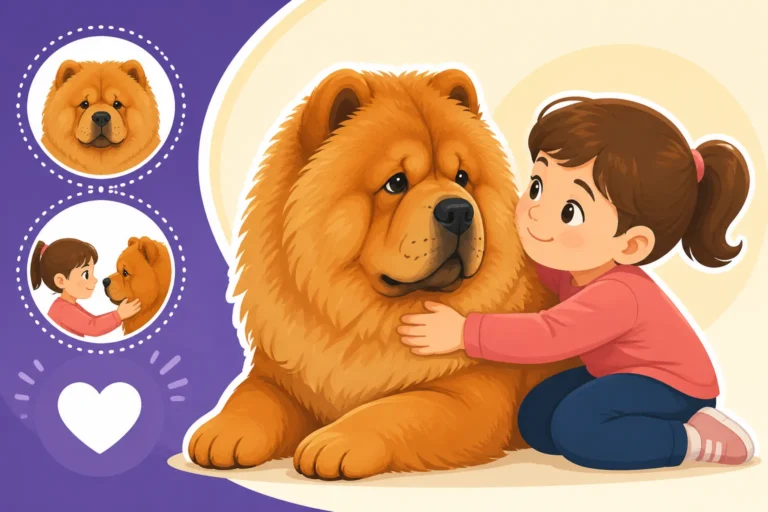
- Children should be supervised: Toddlers and young children, especially, need clear instructions on how to interact (or not interact) with the dog. How to Teach a Child to Approach a Chow Chow is a must-read for families with kids.
By clearly setting these expectations, you empower your guests to interact safely and respectfully with your Chow Chow, reducing the likelihood of stress or negative encounters.
Troubleshooting Common Greeting Issues
Even with the best preparation, you might encounter specific challenges during visitor greetings. Knowing how to address these common issues can help you maintain control and continue to build positive associations for your Chow Chow.
Addressing Excessive Barking or Lunging
If your Chow Chow barks incessantly or lunges at the door when visitors arrive, it's a clear sign they are feeling overwhelmed, protective, or frustrated. This behavior is often self-reinforcing: the barking makes the "intruder" (guest) stay away or retreat, thus rewarding the Chow Chow for their actions. The first step is to manage the environment to prevent the behavior from practicing itself. Before guests arrive, move your Chow to their designated safe space or a different room where they cannot see or directly interact with the door.
Once the guest is in and settled, you can slowly reintroduce your Chow, still on a leash. If they start to bark or lunge, immediately and calmly remove them from the situation. Lead them back to their quiet space and wait for them to calm down. Only reintroduce them once they are quiet. This teaches them that calm behavior earns them access to the social situation, while reactive behavior leads to removal. Avoid yelling or punishing them, as this often increases anxiety. Instead, focus on positive reinforcement for quiet, calm behavior. Consistent practice is essential, and sometimes, professional guidance from a certified dog trainer can be invaluable for more persistent issues.
Managing Fear-Based Reactions
While Chow Chows are known for their protective nature, some may exhibit fear-based reactions to strangers, especially if they weren't adequately socialized as puppies or have had negative past experiences. Signs of fear might include cowering, trying to hide, excessive lip licking, yawning, stiff body posture, or even growling if cornered. A fear-based growl is a warning, not an act of aggression, and should always be respected.
If your Chow Chow is showing fear, the most important thing is to remove them from the stressful situation. Never force them to interact with a person they are afraid of. This will only worsen their fear and could lead to a bite. Create more distance between your Chow and the guest. Use their safe space. Work on building positive associations with strangers from a distance. This might involve having a trusted, calm friend sit quietly in another room while your Chow observes from a distance, receiving high-value treats (like small pieces of cooked chicken or cheese). The key is to gradually reduce the distance only when your Chow Chow is completely comfortable and relaxed at the current distance. Progress should be slow and always dictated by your dog's comfort level. For an undersocialized adult Chow, patience and professional help are often needed to help them overcome their anxieties.
Dealing with Resource Guarding in Guest Situations
Resource guarding, where your Chow Chow becomes protective of certain items or even their person, can be particularly tricky when guests are present. If you notice your Chow Chow tensing up, freezing, growling, or staring intently at a guest who is too close to a toy, food bowl, or even you, it’s crucial to intervene immediately and calmly. The goal is to prevent escalation and redirect their focus.
One strategy is to preemptively remove any high-value items before guests arrive. Put away favorite toys and secure food bowls. If your Chow tends to guard your lap or attention, ensure they have a separate, comfortable bed to go to, and encourage guests to avoid direct interaction with them initially. If the guarding behavior still manifests, calmly stand up and move away from your Chow Chow, breaking the perceived resource of your attention. Encourage guests to do the same. This takes away the "thing" they are guarding. You can also work on "trade" exercises in a controlled environment when guests are not present, teaching your Chow that giving up a resource (like a toy) results in an even better reward. This can desensitize them to people approaching their possessions.
| Chow Chow Greeting Behavior | Possible Interpretation by Visitor | Owner's Understanding & Action |
|---|---|---|
| Stoic Stare/No Wag | Unfriendly, Hostile, Uninterested | Chow's Assessment: Cautious observation, gathering info. Owner Action: Explain breed's nature; advise guest to ignore initially. |
| Deep, Resonant Bark | Aggressive, Threatening | Chow's Alert: Announcing presence, territorial declaration. Owner Action: Thank for alert, manage; use "place" command or remove from doorway. |
| Stiff Body/Tail High | Alert, Defensive, Ready to Act | Chow's Posture: Elevated awareness, guarding. Owner Action: Increase distance, remind guests not to approach, ensure leash control. |
| Turns Head Away/Hides | Shy, Scared, Wants to be Alone | Chow's Discomfort: Overwhelmed, needs space. Owner Action: Provide quiet "safe space"; never force interaction, remove from situation. |
| Light Nuzzle/Sniff | Curious, Might Accept Petting | Chow's Inquiry: Checking scent, assessing safety. Owner Action: Allow sniffing; if calm, suggest a gentle, slow pet under chin (if appropriate). |
| Growl (low/subtle) | Aggressive, Warning | Chow's Boundary: "Too close," "stop that." Owner Action: Immediately respect; calmly increase distance, address trigger, remove if necessary. |
| Walks Away | Disinterested, Aloof | Chow's Choice: Needs space, isn't interested in interaction. Owner Action: Allow them to retreat; do not follow or pressure them. |
Disclaimer
This article is for general informational purposes only and does not constitute professional advice. Laws, prices and regulations vary by location and change over time. Consult a qualified professional for guidance on your specific situation.