What Adopting a Chow Chow Past Eight Costs
Bringing a new dog into your life is always an exciting prospect, but when that dog is a senior Chow Chow, it comes with a unique set of considerations – especially financial ones. Many wonderful people consider adopting an older dog, often thinking it might be a more affordable route, only to be surprised by the specific expenses that crop up. This guide aims to prepare you for the distinct costs involved when you open your home and heart to a Chow Chow who is already past their eighth birthday.
The Initial Adoption Fees and What They Cover
When you decide to adopt a senior Chow Chow, the first financial step you'll encounter is the adoption fee. These fees can vary widely depending on where you adopt from, and understanding what they usually include is crucial for setting your initial budget. While some might assume senior dogs are always cheaper, it's not always a straightforward calculation.
Rescue Organization vs. Private Rehoming
Opting to adopt from a dedicated Chow Chow rescue or a reputable all-breed rescue organization typically involves a set adoption fee. These fees, while seemingly substantial upfront, often cover a wealth of prior veterinary care that you would otherwise have to pay for out of pocket. A good rescue will have already ensured the senior Chow has had a comprehensive veterinary check-up, is up-to-date on vaccinations, has been spayed or neutered, and is microchipped. They often conduct extensive bloodwork, especially for older dogs, to get a baseline on their organ function. This upfront investment by the rescue means you're bringing home a dog whose basic health status is known, potentially saving you hundreds, if not thousands, in immediate vet bills for initial diagnostics.
On the other hand, private rehoming, perhaps through a personal connection or an online platform, might involve little to no adoption fee. This can sound appealing, but it's a classic "you get what you pay for" scenario. If the previous owners haven't kept up with vaccinations, annual exams, or dealt with any emerging health issues, those costs immediately transfer to you. You'll need to schedule a full vet visit, get necessary vaccinations, and cover any overdue dental care or diagnostics right away. What you save on the adoption fee, you might quickly spend, and then some, on bringing the dog up to a healthy standard. It's a leap of faith that many aren't prepared for financially.
Why Senior Chow Chows Might Have Lower Fees (Sometimes)
It's true that some rescue organizations offer reduced adoption fees for senior dogs. This isn't because the dog is "less valuable" or because they've received less care; it's a compassionate strategy to encourage adoptions for older dogs who, sadly, often get overlooked in favor of puppies or younger adults. Rescues understand that people might hesitate to adopt a dog with a potentially shorter remaining lifespan, or one that might incur more medical costs down the line. By lowering the fee, they hope to make senior adoption more accessible and give these wonderful Chows a chance at a loving home in their golden years.
However, don't always count on a significantly lower fee. Sometimes, the extensive veterinary work a rescue puts into a senior Chow—including specialized blood panels, advanced dental care, or even addressing early signs of arthritis—can mean their overall investment in that particular dog is quite high. In such cases, the adoption fee might be similar to a younger dog, simply reflecting the thoroughness of the care provided. It's important to ask the rescue exactly what the fee covers and what veterinary records they can provide. This transparency helps you understand the value you're getting and avoids surprises.
Immediate Post-Adoption Health Expenses
Even with the most diligent rescue efforts, bringing home a senior Chow Chow will inevitably involve immediate health expenses beyond the adoption fee. Your new veterinarian will want to establish a baseline, and there will likely be conditions that need attention sooner rather than later.
Comprehensive Vet Check-ups and Baseline Diagnostics
Once your senior Chow settles in, a comprehensive vet visit is paramount. While the rescue may have provided records, your own veterinarian will want to perform their initial assessment and perhaps run their own diagnostic tests to establish a baseline for your dog's health under your care. This usually involves a thorough physical exam, fecal tests, and often a full senior blood panel. This panel typically includes checking kidney and liver function, blood cell counts, and often a thyroid test. Chows, like many breeds, can be prone to hypothyroidism, so understanding their thyroid levels is important. You might be surprised at What a Chow Chow's Thyroid Panel Costs, but it's essential for detecting conditions early.
Furthermore, dental health is a major concern for older dogs. Many senior Chows arrive with significant dental disease, which can range from tartar buildup to painful infections and loose teeth. A thorough dental cleaning under anesthesia is often recommended, and extractions are common. This can be a significant expense, as demonstrated by What a Chow Chow's Sedated Dental Costs, but it's crucial for their overall health and comfort. Untreated dental disease can lead to systemic infections and impact organ health, so addressing it swiftly is a wise investment in their well-being.
Addressing Pre-Existing Conditions
It's a fact of life that senior dogs, including Chow Chows, often come with pre-existing conditions. While a good rescue will disclose these, you'll be responsible for the ongoing management of them. Eye issues are particularly common in Chows. You might notice Whether an Aging Chow Chow's Eyes Cloud, which could indicate cataracts or other age-related changes. Some Chows may also develop glaucoma, a serious condition requiring ongoing medication. Joint problems, especially arthritis, are almost a given in an older Chow Chow due to their unique structure and age. You'll likely observe How an Aging Chow Chow Stiffens after lying down or on colder days. This will necessitate discussions with your vet about pain management, joint supplements, or even specialized diets. The onset of The Age a Chow Chow Gets Arthritis varies, but for a dog past eight, it's a very real concern.
Beyond eyes and joints, older Chows can be susceptible to various other ailments. Skin issues, often hidden beneath their dense double coat, might require medicated baths, special diets, or ongoing treatment for allergies or infections. Subtle changes in behavior, appetite, or energy levels could signal issues like early-stage kidney disease or even a low thyroid. While the adoption fee covers some initial medical work, be prepared for ongoing diagnostic tests and treatments for these age-related conditions. This isn't just about prolonging life; it's about ensuring their remaining years are as comfortable and happy as possible.
Ongoing Monthly and Annual Senior Care Costs
Adopting a senior Chow Chow isn't a one-time financial hit; it's a commitment to ongoing care that often looks different, and can be more costly, than caring for a younger dog. From specialized food to more frequent vet visits, these expenses add up.
Specialized Nutrition and Supplements
As a Chow Chow ages, their nutritional needs often change dramatically. They might require diets lower in calories to prevent weight gain, especially if their activity levels decrease, or diets formulated with specific nutrients to support aging organs like kidneys or the heart. You may find yourself exploring prescription diets recommended by your vet to manage specific health conditions. These diets, while highly beneficial, tend to be more expensive than standard over-the-counter foods. For Chows with joint pain, which is common as How an Aging Chow Chow Stiffens becomes more pronounced, joint supplements are almost a certainty. Supplements like glucosamine, chondroitin, and omega-3 fatty acids can help support cartilage health and reduce inflammation. You might wonder Whether a Chow Chow Needs Joint Supplements, and the answer for a senior is almost always yes.
Services like Ollie offer customized meal plans, which can be an excellent option for senior Chows with specific dietary needs or sensitivities. Their fresh, human-grade ingredients can be highly palatable for older dogs who might have a reduced appetite or dental issues. While potentially a higher monthly cost, the tailored nutrition can significantly impact their quality of life and potentially reduce other health issues down the road. You'll also need to consider treats, which for a senior dog might need to be softer or lower in calories.
Regular Veterinary Care and Preventative Measures
Senior Chow Chows typically require more frequent veterinary attention than their younger counterparts. While a healthy adult might only need an annual check-up, an older Chow often benefits from semi-annual (twice yearly) wellness exams. This allows your vet to catch any emerging health issues early, when they are often more manageable and less costly to treat. How Often a Chow Chow Needs a Wellness Exam is a question that changes significantly once a dog hits their golden years. These visits will include routine vaccinations, flea, tick, and heartworm prevention, all of which remain crucial regardless of age.
Beyond routine exams, managing chronic conditions like arthritis, allergies, or an underactive thyroid can involve regular medication. For example, a Chow Chow diagnosed with What Autoimmune Thyroiditis Does to a Chow Chow will require daily thyroid medication for the rest of their life. The cost of these medications can be a significant monthly expense. Regular bloodwork, often done every six months, monitors organ function and ensures medication dosages are appropriate. It's a proactive approach that prioritizes comfort and longevity but definitely impacts the wallet.
Grooming for an Aging Chow Chow
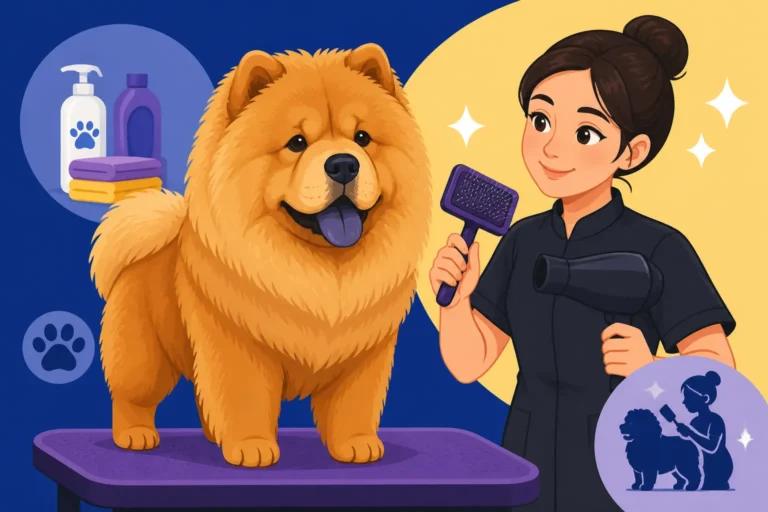
A Chow Chow's magnificent double coat is a hallmark of the breed, but as they age, grooming can become more challenging and potentially more expensive. Older Chows might develop drier, thinner, or more brittle coats, and What Changes in an Aging Chow Chow's Coat can make them more prone to matting. Mobility issues or arthritis mean they might struggle to stand for long grooming sessions, making thorough brushing more difficult at home. They may also be less tolerant of being handled, especially around sensitive areas.
This often necessitates more frequent professional grooming to prevent painful mats and keep their skin healthy. A patient, experienced groomer who understands the nuances of a senior Chow's temperament and physical limitations is invaluable, but their specialized care may come with a higher price tag. Some groomers might charge an additional handling fee for senior dogs or those that require extra time and gentleness. If home grooming, you might invest in a good grooming table and a high-velocity dryer to make the process more comfortable for your dog and easier on your back. Companies like Chewy offer a vast selection of grooming tools and supplies that can help you manage your senior Chow's coat effectively at home, potentially reducing the need for costly salon visits.
Planning for the Unexpected and End-of-Life Expenses
While it's not pleasant to think about, adopting a senior Chow Chow means you're closer to the end of their life journey. It's vital to plan for unexpected medical emergencies and, eventually, their peaceful passing.
Pet Insurance for Senior Chows
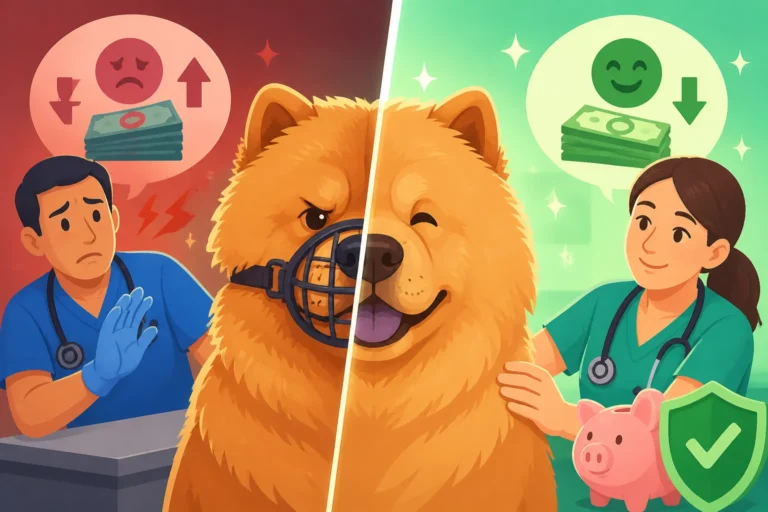
Pet insurance can be a lifesaver, but insuring a senior Chow Chow, especially one with pre-existing conditions, comes with its own set of hurdles and costs. Many pet insurance providers have age limits for new enrollments, or if they do accept older dogs, the premiums can be significantly higher than for a puppy or young adult. You'll definitely want to understand What Pet Insurance Costs on a Chow Chow at Eight. Crucially, almost all pet insurance policies exclude pre-existing conditions, meaning any health issue your Chow had before you enrolled them won't be covered. This includes common senior ailments like arthritis, thyroid conditions, or existing eye problems.
Despite these limitations, pet insurance can still be a valuable investment. It can provide coverage for new illnesses or accidental injuries that occur after enrollment, which can still be very costly. For instance, if your senior Chow develops a sudden illness or breaks a bone, the insurance could help cover a substantial portion of the veterinary bills. Brands like Healthy Paws are well-known, and it's worth exploring their policies to see what might be available for an older dog. Always read the fine print carefully, paying close attention to waiting periods, deductibles, reimbursement percentages, and what constitutes a pre-existing condition.
Unexpected Medical Emergencies
Even with the best preventative care, older dogs are more prone to sudden medical emergencies. A senior Chow Chow could unexpectedly develop a severe infection, suffer a traumatic injury, or experience a rapid decline from an underlying condition. These situations often require emergency vet visits, diagnostic tests, hospitalization, and potentially expensive surgeries. For example, while not as common as in some other breeds, any older dog is at risk for issues that require immediate intervention, and the cost can be staggering. Just as a reference for how quickly costs can escalate, consider What Heat Stroke Costs to Treat in a Chow Chow, which requires immediate, intensive care.
Having an emergency fund specifically for your senior Chow's health is highly recommended. Whether it's a dedicated savings account or a low-interest credit card for emergencies, knowing you have resources available can make all the difference in a crisis. This foresight allows you to make decisions based on what's best for your beloved companion, rather than being solely driven by financial constraints during an already stressful time.
End-of-Life Care and Dignified Farewell
While it's the hardest part of senior dog ownership, preparing for end-of-life care is an essential and compassionate act. Adopting a Chow Chow past eight means you'll likely face this decision sooner rather than later. These costs can include palliative care to manage pain and discomfort in their final days or weeks, such as specialized medications, mobility aids, or even in-home hospice services. When the time comes, the cost of humane euthanasia, whether at your veterinary clinic or, for added comfort, at home, must be considered. Aftercare services like cremation (private or communal) or burial also incur fees.
Understanding What a Chow Chow's Final Illness Costs can help you mentally and financially prepare for this inevitable stage. Many veterinary practices and pet bereavement services offer packages that include euthanasia and cremation, providing a dignified and respectful farewell to your cherished companion. While emotionally taxing, having a plan in place can offer some peace of mind during a period of profound grief, allowing you to focus on your Chow Chow's comfort and your final moments together.
Here's a quick overview of potential cost differences:
| Cost Category | Younger Chow Chow (Puppy/Young Adult) | Senior Chow Chow (Past Eight Years) |
|---|---|---|
| Adoption Fee | Moderate to High | Moderate, potentially lower |
| Initial Vet Visit | Routine check-up, vaccinations | Comprehensive senior panel, dental, addressing pre-existing conditions |
| Annual Exams | Yearly | Bi-annual (twice yearly) recommended |
| Preventative Meds | Standard | Standard, potentially more for chronic conditions |
| Specialized Diet | Occasional, for allergies/sensitivities | Common for joint, kidney, weight management |
| Supplements | Rare | Common for joint, cognitive health |
| Medications | Infrequent | Frequent, for chronic conditions like arthritis, thyroid |
| Grooming | Regular maintenance | More frequent professional grooming, specialized handling |
| Pet Insurance | Lower premiums, broader coverage | Higher premiums, exclusions for pre-existing conditions |
| Emergency Fund | Important | Critical, higher likelihood of use |
| End-of-Life Care | Distant future | Nearer future, more immediate consideration |
Adopting a senior Chow Chow is a truly rewarding experience, offering them a loving home in their twilight years. They bring a calm wisdom and deep affection that is unique. However, it's a journey that comes with specific financial responsibilities, especially concerning their health and ongoing care. By understanding these potential costs upfront, you can ensure you're fully prepared to provide your senior Chow with all the comfort, care, and love they deserve for the rest of their happy life. Remember to also consider Caring for an Old Chow Chow as a holistic approach to their well-being.
Disclaimer
This article is for general informational purposes only and does not constitute professional advice. Laws, prices and regulations vary by location and change over time. Consult a qualified professional for guidance on your specific situation.