Why Harsh Correction Backfires on a Chow Chow
Many Chow Chow owners find themselves in a frustrating cycle: you try to correct a behavior, your Chow Chow simply shuts down, stares blankly, or even doubles down on the unwanted action. It's disheartening when your training efforts seem to hit a brick wall, or worse, create a chasm between you and your furry companion. This guide is here to explain precisely why harsh correction methods are not only ineffective for the Chow Chow breed but can actively damage your relationship and exacerbate behavioral issues, offering a more empathetic and successful approach to training instead.
Understanding the Chow Chow Temperament and its Impact on Training
The Chow Chow isn't your typical Golden Retriever, eager to please and easily molded. This is a breed with a long, independent history, and their temperament reflects that. Understanding this foundational aspect of their personality is crucial before you even think about how to approach training. Trying to fit a square peg into a round hole with a Chow Chow will only lead to frustration for both of you.
Aloofness vs. Stubbornness: A Critical Distinction
Many people mistake a Chow Chow's characteristic aloofness for stubbornness, and it's a difference that can make or break your training success. A truly stubborn dog might defy commands out of sheer defiance, testing boundaries. A Chow Chow, however, often disengages not because they are trying to be difficult, but because they simply see no compelling reason to comply, or because the method of communication is jarring to their sensitive nature. They aren't inherently driven by a need to please their human in the same way some other breeds are. They're more about partnership and mutual respect than eager obedience. They decide if something is worth their effort. How Aloof a Chow Chow Really Is helps paint a clearer picture of this trait.
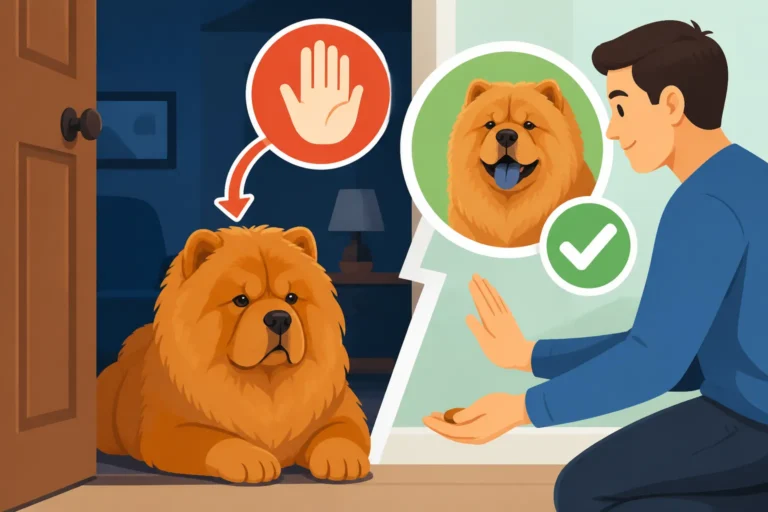
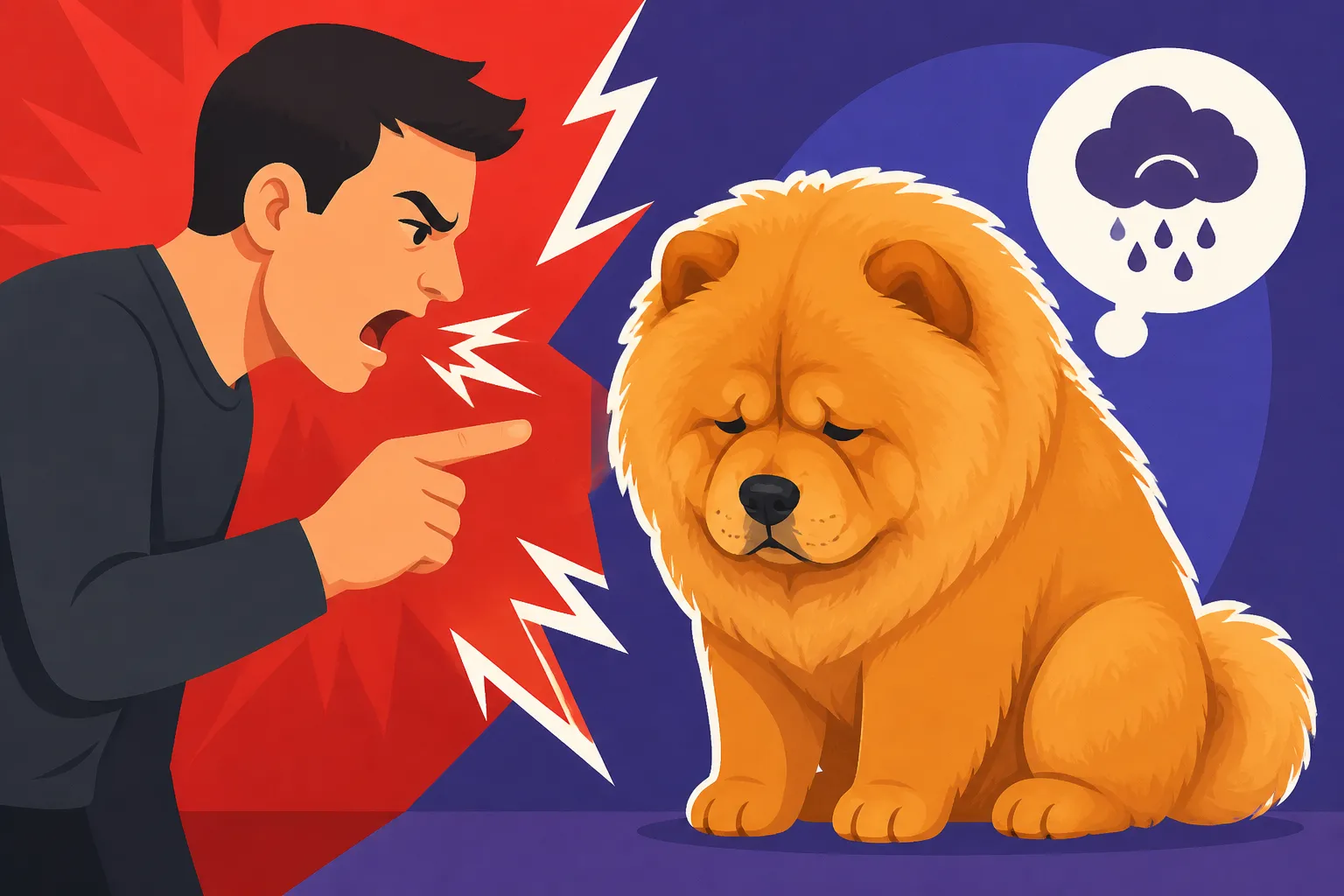
When you use harsh corrections, a Chow Chow doesn't typically interpret it as a lesson to be learned. Instead, they often perceive it as an unfair attack, a break in trust, or simply something to be avoided. This can manifest as them becoming even more withdrawn, less responsive, and less likely to engage in future training sessions. They're weighing the perceived value of compliance against the unpleasantness of the correction, and often, the correction loses.
Sensitivity to Environment and Handling
Despite their imposing appearance and often serious demeanor, Chow Chows are surprisingly sensitive dogs, especially when it comes to their environment and how they are physically handled. Loud noises, sudden movements, or a heavy-handed approach can be very off-putting to them. They thrive in calm, predictable environments where they feel secure and respected.
Think about a time you felt misunderstood or unfairly treated. Did you feel more inclined to cooperate, or did you want to retreat? Chow Chows are much the same. A raised voice, a sharp tug on the leash, or any form of physical punishment can create a negative association not just with the command, but with you. This can lead to them becoming fearful, distrustful, and even defensive. Instead of learning to sit, they learn that your hand near their collar might mean pain or discomfort. Why a Chow Chow Shuts Down Under Pressure explores this sensitivity further, explaining how quickly they can become unwilling participants.
The Deep-Rooted Independence of the Chow Chow
The Chow Chow's heritage is steeped in independence. They weren't bred to be effusive lapdogs or constantly seeking direction. For centuries, these dogs performed a variety of roles, from guarding to hunting, often requiring them to make decisions autonomously. This self-reliant nature is woven into their very being, and it profoundly shapes their approach to training and their relationship with humans.
A Breed That Thinks for Itself
Unlike breeds that live for their owner's approval, a Chow Chow is more likely to assess a situation and decide for themselves if a command or action is worthwhile. They process information, evaluate the request, and then choose whether to comply. This isn't defiance; it's simply how their intelligent, independent minds operate. They don't typically respond well to being bossed around or forced into submission.
This independent streak means that methods relying on sheer force or intimidation are destined to fail. A Chow Chow might comply in the moment to avoid unpleasantness, but they rarely internalize the lesson. They're not going to be eager to repeat an action if it means facing a negative consequence again. Instead, they'll learn to avoid the situation, or perhaps, avoid you in that situation. Building a partnership based on trust and clear, positive communication is far more effective than trying to impose your will. Why a Chow Chow Ignores a Cue It Knows delves into their unique decision-making process when it comes to commands.
The "Cat-Like" Mentality
It's a common adage among Chow Chow enthusiasts that they are "cat-like" in their demeanor, and this comparison is surprisingly apt when discussing training. Cats are known for their independence, their selective affection, and their tendency to do things on their own terms. Much like a cat, a Chow Chow will often decide when they want attention, when they want to play, and when they want to engage in a training session.
This doesn't mean they are untrainable; it simply means your approach needs to respect their unique personality. You can't command a cat's affection, and you can't demand a Chow Chow's unwavering obedience through force. They will cooperate when it makes sense to them, and when the reward for cooperation outweighs the effort or perceived unpleasantness. Their affection is hard-won and deeply felt, but it's given on their terms. This 'cat-like' quality is part of their charm, but it means you need to adjust your expectations and methods.
The Physical and Psychological Effects of Harsh Correction
When we talk about harsh correction, we're not just talking about physical punishment. It can also include yelling, constant scolding, using choke chains or prong collars incorrectly, or any method that relies on fear, pain, or intimidation to elicit a response. For a Chow Chow, the impact of these methods can be profound and long-lasting, affecting both their mental well-being and their physical comfort.
Fear, Anxiety, and Aggression: A Vicious Cycle
The most immediate and damaging effect of harsh correction is the instillation of fear and anxiety. A Chow Chow who is regularly corrected harshly will learn to associate training, and potentially their owner, with negative experiences. This isn't learning; it's suppression. They might stop a behavior out of fear, but they haven't learned why it's undesirable or what alternative behavior is expected.
Over time, chronic fear and anxiety can lead to a host of behavioral problems, including defensive aggression. A Chow Chow who feels threatened or cornered may resort to snapping or biting as a self-preservation mechanism. This is particularly dangerous given the breed's natural guarding instincts and powerful presence. What started as an attempt to "fix" a problem can inadvertently create a much more serious one. Why a Chow Chow Gives Little Warning highlights the importance of understanding their subtle cues before they escalate to overt aggression.
Shutting Down and Aversion to Learning
Another common response to harsh correction in Chow Chows is to simply "shut down." This means they become unresponsive, withdrawn, and may completely disengage from the training interaction. Their eyes might glaze over, they might turn their head away, or they might even lie down and refuse to move. This isn't defiance; it's a coping mechanism for an animal that feels overwhelmed and unsafe.
When a Chow Chow shuts down, they are no longer in a state to learn. Their stress response has taken over, making cognitive processing difficult. Repeated experiences like this will create a strong aversion to training, making it incredibly difficult to make any progress in the future. They'll learn to dread training sessions, rather than look forward to them as opportunities for interaction and rewards. This aversion can extend to other situations too; for example, if they've had bad experiences with grooming, they might resist all future attempts. Why a Chow Chow Fails at the Vet Without Practice shows how negative experiences can generalize.
Building Trust and Respect with a Chow Chow Through Positive Reinforcement
Since harsh methods are so counterproductive, the logical and most effective alternative is positive reinforcement. This approach focuses on rewarding desirable behaviors, making them more likely to occur again. For an independent and discerning breed like the Chow Chow, positive reinforcement is not just a training method; it's the foundation of a strong, respectful, and lasting bond.
The Foundation of a Strong Bond
A Chow Chow values trust and respect above almost all else. When you consistently reward them for good behavior, you're communicating that you are a source of good things – treats, praise, gentle attention, a favorite toy. This builds a positive association with you and the training process. They learn that engaging with you is pleasant and rewarding, fostering a deeper bond.
This bond is essential because a Chow Chow will respond best to someone they trust implicitly. They won't work "for" you in the traditional sense, but they will work "with" you if they feel respected and understood. This means being patient, consistent, and always fair. When you make training a positive experience, you strengthen the overall relationship, which in turn makes them more amenable to learning and cooperation in other aspects of life.
Understanding Motivators: What Your Chow Chow Truly Values
One of the biggest keys to successful positive reinforcement with a Chow Chow is understanding what truly motivates them. It's not always just food! While many Chow Chows are food-motivated, others might prefer a specific type of treat, a squeaky toy, a short game of tug, or even just a calm, gentle scratch behind the ears. What one Chow Chow finds incredibly rewarding, another might simply tolerate.
You need to become a detective of your dog's preferences. Experiment with different high-value treats (small pieces of cooked chicken, cheese, or specialized training treats from a place like Amazon), different toys, and various forms of praise. Watch their body language. Do their ears perk up? Do their eyes light up? Do they show genuine enthusiasm? That's your clue. Once you identify their top motivators, you can use them strategically to reinforce the behaviors you want to see more of. Keep training sessions short and sweet, especially initially, to maintain their interest. How Food Motivated a Chow Chow Is gives more insights into their culinary preferences in training.
Alternative, Effective Training Methods for Chow Chows
Given their unique temperament, traditional obedience methods often fall flat with Chow Chows. Instead, a nuanced approach focusing on positive reinforcement, clear communication, and respecting their independent nature yields far better results. These methods build confidence, reduce stress, and foster a cooperative spirit.
Lure-Reward Training and Shaping Behavior
Lure-reward training involves using a treat or toy to guide your Chow Chow into the desired position. For instance, to teach "sit," you might hold a treat near their nose and move it slowly over their head, causing them to naturally drop into a sit to follow the treat. The moment their rear touches the ground, mark the behavior with a verbal cue like "yes!" or a clicker, and then immediately give the reward. This clearly communicates what they did right.
Shaping behavior takes this a step further, rewarding successive approximations of the desired behavior. If you want your Chow Chow to lie down, you might first reward them for looking at the floor, then for lowering their head, then for lying partially down, and finally for a full down. This breaks complex behaviors into smaller, achievable steps, preventing frustration and building their confidence. This type of training is highly effective for a Chow Chow because it doesn't involve force and allows them to "figure it out" with positive guidance. Online programs like BAXTER & Bella often utilize these positive, non-force methods in their puppy training curriculum, which can be a huge asset for Chow Chow owners.
Desensitization and Counter-Conditioning
For Chow Chows who may have developed fear or anxiety towards certain stimuli (like the brush, strangers, or other dogs), desensitization and counter-conditioning are invaluable tools.
- Desensitization means gradually exposing your Chow Chow to the feared stimulus at a very low intensity, below the threshold that causes a negative reaction. For example, if your Chow Chow dislikes brushing, start by just showing them the brush, then touching it briefly to their paw, then their shoulder, all while keeping them relaxed.
- Counter-conditioning means changing their emotional response to that stimulus from negative to positive. Each time you expose them to the brush (at an intensity they can handle), immediately follow it with something highly rewarding, like a favorite treat. The goal is for them to associate the brush with deliciousness, not dread. Over time, the sight of the brush will predict something good, rather than something scary.
This process takes time and patience, but it's incredibly effective for sensitive dogs. It replaces fear with positive associations, leading to a truly changed emotional response. Remember, the goal isn't to make them tolerate the thing they fear, but to actively change how they feel about it. For example, Teaching a Chow Chow to Be Brushed highlights the importance of this gentle approach for grooming.
Consistency and Predictability
Chow Chows thrive on routine and predictability. Inconsistent training, where a behavior is sometimes punished and sometimes ignored, will only confuse and frustrate them. They need clear, consistent rules and expectations. Everyone in the household must be on the same page regarding commands, rewards, and boundaries.
Regular, short training sessions – 5 to 10 minutes, once or twice a day – are far more effective than long, infrequent ones. This keeps their attention, prevents boredom, and allows them to process information without becoming overwhelmed. Just like us, they learn better in bite-sized pieces.
Recognizing Your Chow Chow's Stress Signals
A crucial part of successful training, especially for a breed as subtly communicative as the Chow Chow, is learning to read their body language. They don't always give big, dramatic signals that they're uncomfortable. Often, their signs of stress are subtle, and if missed, can lead to escalating issues or a complete breakdown in communication.
Subtle Cues to Watch For
Chow Chows might not wag their tails enthusiastically or bounce with excitement in the same way some other dogs do, but they do communicate. You just need to know what to look for. Signs of stress or discomfort can include:
| Signal | Meaning | What to Do |
|---|---|---|
| Lip Licking | Often a stress signal, not just about food. | Pause, reassess the situation, reduce pressure. |
| Yawning | Can indicate stress or anxiety, especially when not tired. | Give space, change the activity, or end the session. |
| Head Turn | Turning their head or body away from you or the stimulus. | Back off, allow them to disengage, approach indirectly. |
| "Whale Eye" | Showing the whites of their eyes; indicates fear or discomfort. | Immediately stop what you're doing, give them space. |
| Tight Mouth | Lips pulled back tightly, not a relaxed smile. | They are uncomfortable; ensure no more pressure is applied. |
| Ears Back/Flat | Indicates fear or submission. | Slow down, use a soft voice, offer a treat to re-engage positively. |
| Low Tail Carriage | While their tail curls over their back, a lower, tighter curl can indicate stress. | Observe other signals; provide comfort or distraction if needed. |
Signs a Chow Chow Is Uncomfortable further explains these vital non-verbal cues. If you see any of these signals, it's a clear indication that your Chow Chow is feeling pressured or stressed. Continuing with a harsh approach at this point will only make things worse.
Knowing When to End a Session
Learning to recognize these signals also means knowing when to gracefully end a training session. It's always better to end on a positive note, even if it's just after a simple "sit" and a treat, rather than pushing your Chow Chow to a point of frustration or fear. Short, successful sessions build confidence and keep them eager for the next one.
If you notice your Chow Chow is losing interest, becoming distracted, or showing any signs of stress, stop. Take a break. Reassess your approach. Perhaps the environment is too stimulating, or the task is too difficult. Coming back to it later with a fresh perspective and a positive attitude will be far more productive than forcing the issue. Remember, training is a partnership, not a battle of wills.
The Long-Term Benefits of Positive Reinforcement
Embracing positive reinforcement isn't just about avoiding negative consequences; it's about investing in a long-term, fulfilling relationship with your Chow Chow. The benefits extend far beyond simply teaching a few commands.
A Confident, Well-Adjusted Companion
When a Chow Chow is trained with positive methods, they develop into a more confident and well-adjusted companion. They learn to trust their handler, understand expectations, and cope better with new situations because they've had positive experiences to draw upon. This confidence can significantly reduce behavioral problems often attributed to fear or anxiety, such as reactivity or guarding.
A confident Chow Chow is more likely to be calm in new environments, more accepting of visitors (with proper socialization, of course, which How to Introduce a Chow Chow to a Stranger covers), and generally more relaxed in their daily life. They learn that the world isn't a scary place where they'll be punished for making mistakes, but rather a place where good things happen when they engage positively.
Strengthening the Human-Animal Bond
Ultimately, positive reinforcement is about strengthening the unique bond you share with your Chow Chow. This breed is known for its intense loyalty to its chosen person, and positive training methods deepen that connection. When you are the source of good things, when you communicate fairly and kindly, and when you respect their independent spirit, you become an invaluable partner in their eyes.
This isn't about creating an overly subservient dog; it's about fostering a relationship based on mutual understanding, trust, and affection. Your Chow Chow may never be the kind of dog that performs tricks on command for every stranger, but they will be a deeply devoted companion who understands and respects you. This approach honors their history and their inherent dignity, allowing their true, magnificent personality to shine through.
Disclaimer
This article is for general informational purposes only and does not constitute professional advice. Laws, prices and regulations vary by location and change over time. Consult a qualified professional for guidance on your specific situation.