Whether a Chow Chow Can Be Rehabilitated Around Dogs
It's a common, and often heartbreaking, struggle for Chow Chow owners: your majestic, loyal companion, a true "one-person dog," simply doesn't seem to get along with other canines. You dream of pleasant walks in the park, but reality often means stressful encounters, pulling on the leash, and sometimes, outright reactivity. Many wonder if their Chow Chow can ever truly be "rehabilitated" to accept other dogs, or if they're destined for a life of solitary strolls. This guide is here to explore the realistic pathways and challenges of helping your Chow Chow navigate the dog-filled world with more comfort and less conflict.
Understanding the Chow Chow's Natural Dog-Dog Tendencies
Let's be real for a moment. Chows are not golden retrievers. They weren't bred to be the life of the dog park, joyfully greeting every furry face they encounter. Understanding their innate tendencies is the first crucial step in approaching any sort of "rehabilitation." It's not about making them something they're not, but about managing and shaping their natural instincts.
The Chow Chow's History and Instincts
Chow Chows hail from ancient China, where their roles were incredibly varied – guarding temples, pulling carts, hunting, and even providing food and fur. These were serious jobs, requiring a serious dog. They needed to be independent, watchful, and highly protective of their territory and their people. They weren't bred for widespread sociability, especially not with strange dogs. In their historical context, a Chow Chow that tolerated or even welcomed every passing dog might have been seen as a liability, not an asset. This independent streak and often reserved nature translates today into a dog that typically views other dogs, particularly those outside their immediate "pack," with a healthy dose of suspicion or indifference.
This isn't aggression for aggression's sake; it's often a deeply ingrained instinct for self-preservation and protection. They might not look for a fight, but they’re not going to back down if they feel challenged or crowded. Their body language can also be subtle, and they often give very little warning before acting, which can be startling for owners and other dogs alike. How a Chow Chow Gets Along With Other Dogs explains this dynamic in more detail. It's important to remember that this isn't a "flaw" in your dog; it's part of their breed heritage.
Signs of Discomfort or Reactivity in a Chow Chow
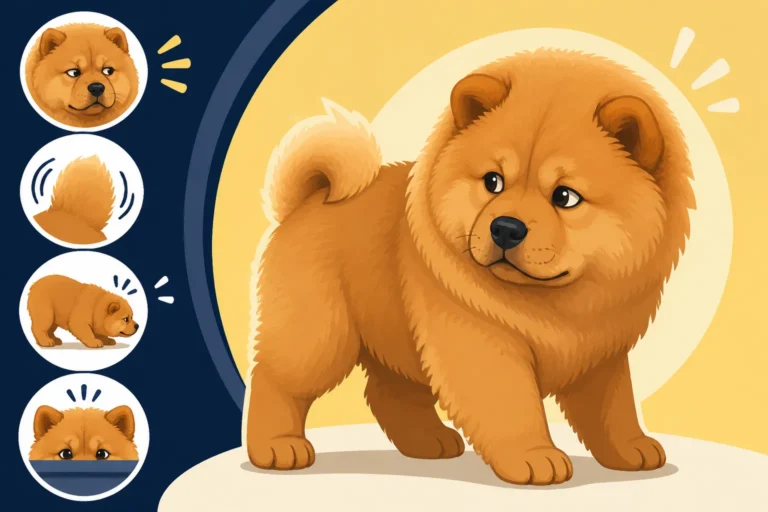
Before we dive into solutions, let's identify what dog-dog challenges might look like in a Chow Chow. It's not always lunging and barking. Sometimes, it's far more subtle and easily missed, especially with their dense fur and stoic expressions.
- Subtle Signals: A stiffening of the body, a hard stare, a slight lift of the lips, a low growl barely audible, a quick head turn away, or trying to hide behind your legs. Their curled tail can make it hard to read their emotions, but pay attention to the set of their ears, the tension in their jaw, and their overall posture. Signs a Chow Chow Is Uncomfortable offers more insight into their subtle cues.
- Avoidance: Some Chows will actively try to avoid other dogs, pulling away, veering off course, or trying to put a barrier between themselves and the other dog. This is actually a good sign – they're attempting to manage the situation themselves without escalating.
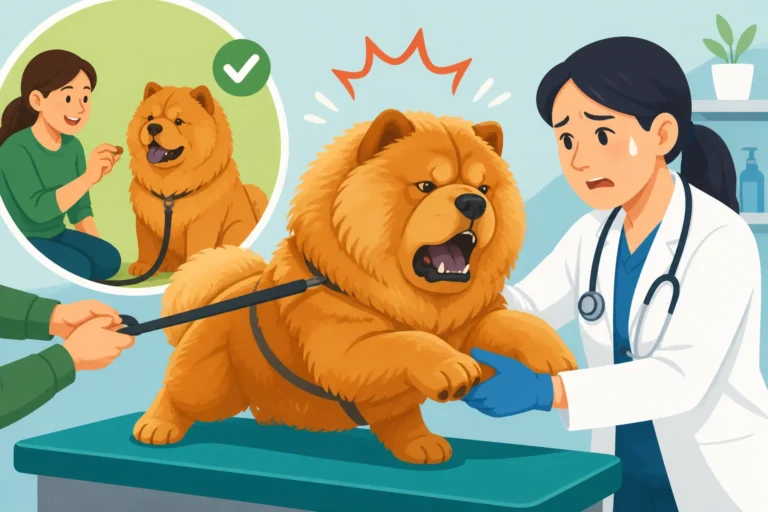
- Direct Reactivity: This is what most people picture: barking, lunging, snarling, hackles raised, pulling furiously on the leash. This is a clear signal that your Chow Chow is overwhelmed, frightened, or feeling aggressive. This behavior is incredibly stressful for both you and your dog, and it's what often prompts owners to seek help.
- Resource Guarding: Sometimes, the issue isn't just "other dogs" but specifically other dogs near a valued resource (you, food, toys, a favorite spot). A Chow Chow's protective instincts are strong, and they might guard their person or possessions fiercely. Whether a Chow Chow Guards Its Food and Whether a Chow Chow Guards Its Toys cover specific scenarios of resource guarding.
Recognizing these signs early is crucial. The sooner you can intervene and manage the situation, the less likely your Chow Chow is to escalate their discomfort into full-blown reactivity.
Realistic Expectations for Rehabilitation
It's vital to set realistic goals. "Rehabilitation" for a Chow Chow around other dogs doesn't necessarily mean they'll become the life of the dog park, romping freely with a dozen canine companions. For many Chows, success looks different.
What "Rehabilitation" Means for a Chow Chow
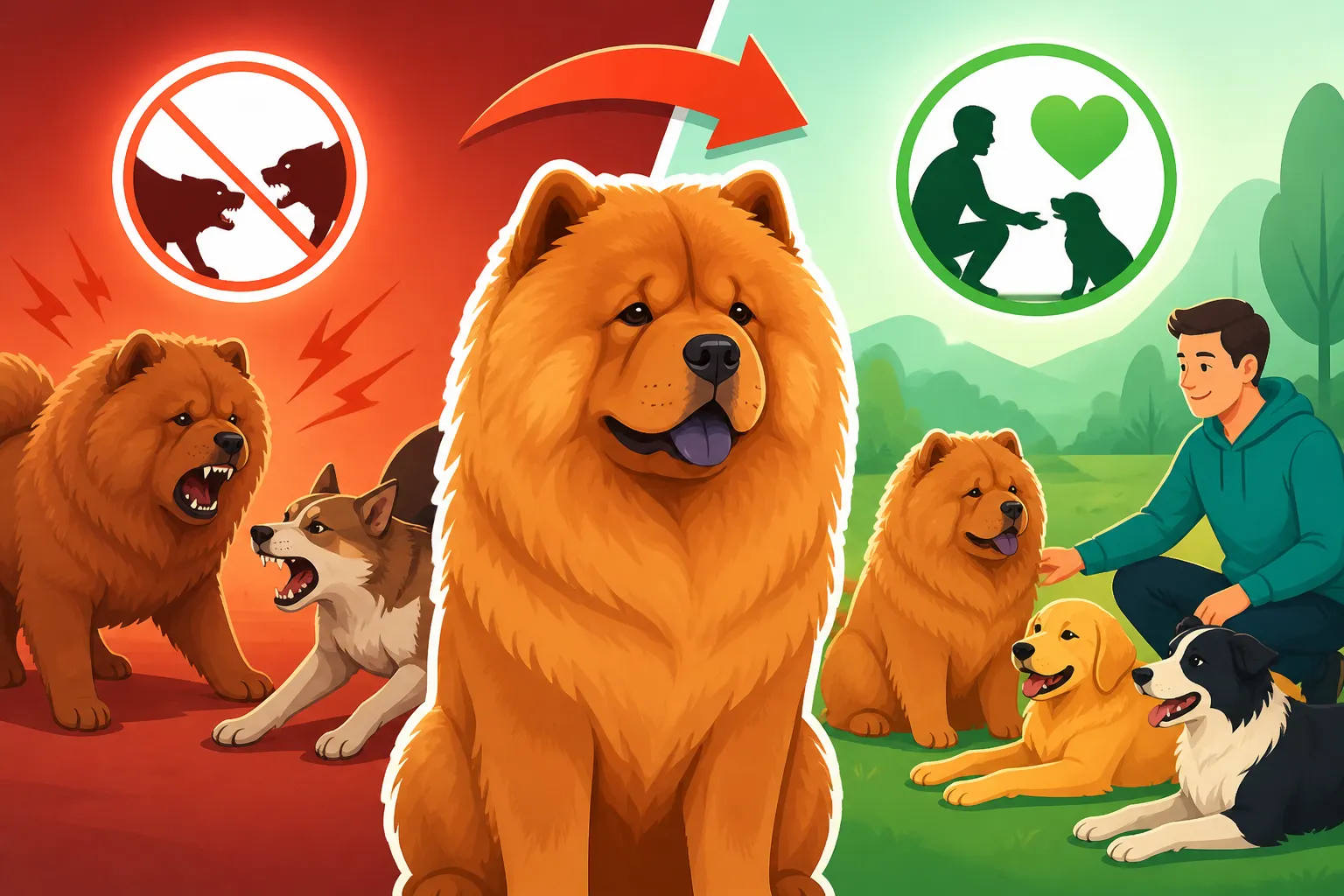
For a Chow Chow, "rehabilitation" often means a significant reduction in reactivity, an increased ability to cope with the presence of other dogs without escalation, and a greater sense of calm for both dog and owner during encounters. It's about building tolerance, not necessarily fostering deep friendships with every dog they meet.
Here’s what success might look like:
- Coexistence: Your Chow Chow can walk calmly on a leash past other dogs without barking or lunging, maintaining focus on you.
- Neutrality: They can be in the same room or yard as another calm, well-behaved dog (perhaps a dog belonging to a close friend or family member) without tension, even if they don't interact directly.
- Controlled Interactions: Short, supervised, positive interactions with a carefully selected, calm canine friend, where both dogs are comfortable and respectful.
It’s about reducing stress and improving quality of life, not fundamentally altering their inherent personality. A Chow Chow may always prefer human company to canine company, and that’s perfectly okay.
The Role of Early Socialization (or Lack Thereof)
The foundation of a dog's comfort with other dogs is often laid during crucial early developmental periods. For Chow Chows, this window is particularly important, and if missed, it can make rehabilitation a much longer, more challenging road.
The prime socialization window for puppies typically closes around 12-16 weeks of age. During this time, positive exposure to a wide variety of sights, sounds, people, and other appropriate dogs is critical. A Chow Chow puppy who was well-socialized, meeting many different types of calm, vaccinated dogs in positive environments, will generally have a better foundation for accepting other canines later in life. The Weeks That Matter Most for a Chow Chow Puppy delves into this critical period.
However, many Chow Chows come from backgrounds where this early socialization was insufficient or entirely absent. Perhaps they were kennel-raised, came from a less-than-reputable breeder, or were acquired later in life. In these cases, your Chow Chow might have an inherent mistrust or fear of other dogs simply due to a lack of positive early experiences. This doesn't mean rehabilitation is impossible, but it means you're not just modifying behavior; you're also often trying to overcome deeply ingrained fear or anxiety that stems from a lack of proper development. It requires immense patience and a gradual approach.
Strategies for Improving Dog-Dog Interactions
Working with a reactive Chow Chow requires consistency, patience, and a clear strategy. This isn't a quick fix, but a journey of small, steady improvements.
Professional Guidance and Training Methods
Attempting to rehabilitate a reactive Chow Chow on your own can be overwhelming and even dangerous. Professional guidance is often invaluable, if not essential.
- Certified Professional Dog Trainer (CPDT-KA) or Behaviorist (CDBC/DACVB): Look for trainers who use positive reinforcement, force-free methods, and have experience with guarding breeds or reactive dogs. Avoid any trainer who suggests punishment, dominance theory, or "alpha" techniques, as these can severely damage your Chow Chow's trust and escalate aggression. They can help you understand your dog's specific triggers, body language, and develop a tailored training plan. They might use techniques like:
- Desensitization: Gradually exposing your Chow Chow to other dogs at a distance where they remain calm, slowly reducing that distance over many sessions.
- Counter-conditioning: Changing your Chow Chow's emotional response to other dogs from negative (fear, aggression) to positive. This often involves pairing the sight of another dog with something highly rewarding, like high-value treats.
- Online Resources and Courses: While not a substitute for hands-on, in-person help, online platforms can provide valuable supplementary information and structured programs. For instance, BAXTER & Bella offers online puppy training programs that cover socialization, which can be adapted for older dogs needing re-socialization or counter-conditioning work. These resources can give you a framework and exercises to practice at home.
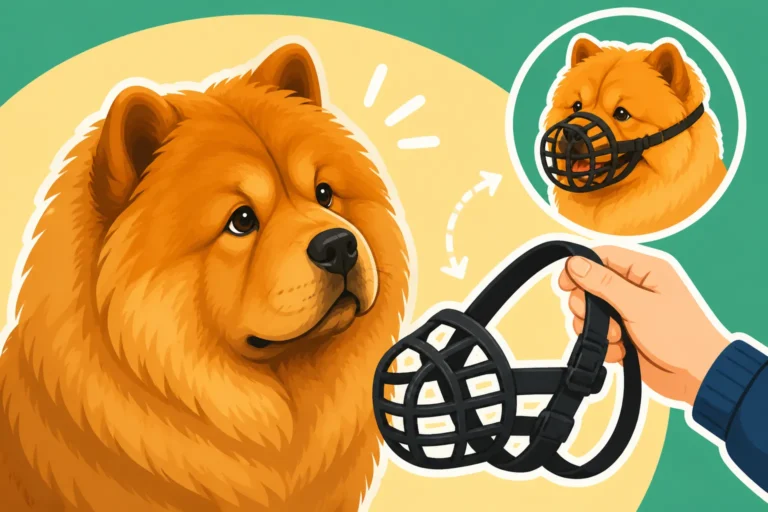
- Muzzle Training: This is a crucial safety tool, not a punishment. A well-fitted, comfortable basket muzzle allows your Chow Chow to pant, drink, and take treats, while preventing bites. It provides peace of mind during training sessions, vet visits, or when introducing your dog to new situations. Muzzle training should be introduced slowly and positively, making it a comfortable experience. You can find excellent quality basket muzzles on platforms like Amazon. Teaching a Chow Chow to Wear a Muzzle provides practical steps.
Management and Environmental Control
Before any training can begin effectively, you must manage your Chow Chow's environment to prevent negative incidents. Every reactive outburst reinforces the behavior and makes it harder to overcome.
- Avoid Triggers: If you know your Chow Chow reacts to other dogs on walks, change your walking routes and times to minimize encounters. Walk in quiet areas or during off-peak hours. Cross the street, turn around, or create distance whenever you spot another dog.
- Secure Fencing: If you have a yard, ensure it's securely fenced. A Chow Chow's protective instincts combined with a potential escape route could lead to dangerous situations with neighborhood dogs. What Fencing a Chow Chow Requires touches on secure boundaries.
- Leash Management: Always use a secure, comfortable harness and a strong leash. A long line can be a great tool for practicing recall and distance work in a safe, enclosed area, allowing your Chow Chow more freedom without being off-leash entirely. Again, Amazon is a good place to find these.
- Controlled Introductions: If you plan to introduce your Chow Chow to a new dog, do so in a neutral territory, with both dogs on leash, and ideally with the help of a professional trainer. Keep initial encounters brief and positive.
Here's a table summarizing reactivity levels and potential management/training interventions:
| Reactivity Level | Description | Management Strategies | Training Focus |
|---|---|---|---|
| Mild | Stiffens, stares, pulls slightly, no vocalization | Increase distance from other dogs, anticipate triggers | Counter-conditioning at distance, focus on owner |
| Moderate | Growls, barks, lunges, can be redirected with effort | Avoid known triggers, use muzzle for safety, short leash walks only | Desensitization, strong "look at me" cue, professional help |
| Severe | Uncontrollable lunging/barking, cannot be redirected | Strict avoidance of other dogs, solitary walks, muzzle mandatory | Behaviorist consultation, medication consideration, safety first |
| Resource Guarding | Aggression when other dogs approach valued items/people | Remove all potential guarded items, separate dogs during meals/play | "Trade" games, teach "leave it," professional guidance |
Building Positive Associations
The core of rehabilitation is changing your Chow Chow's emotional response to other dogs. Instead of seeing another dog and feeling fear, anxiety, or aggression, you want them to associate other dogs with good things.
- High-Value Rewards: Find what your Chow Chow absolutely loves. Is it a special treat like cooked chicken or cheese? A favorite squeaky toy? Use only these rewards when another dog is present. The moment your Chow Chow sees another dog (at a comfortable distance), immediately give them the high-value reward. The other dog becomes a predictor of good things!
- Look At That (LAT) Game: This is a fantastic exercise. When your Chow Chow spots another dog, before they react, say "yes!" (or use a clicker) and immediately give a treat. The goal is for them to see a dog, look at it, and then voluntarily look back at you for their reward. This teaches them that seeing another dog means turning to you for something good.
- Parallel Walking: This involves walking with another calm, well-behaved dog at a distance where both dogs are relaxed. Gradually, over many sessions, the distance can be reduced. This isn't about interaction, but about comfortable coexistence in the same space.
- Controlled Exposure to Calm Dogs: Once your Chow Chow is showing significant improvement with desensitization and counter-conditioning, you might cautiously introduce them to one very calm, tolerant, and balanced dog. This must be done under strict supervision, perhaps with leashes on, and with plenty of space for both dogs. End the session before any signs of stress appear, always leaving on a positive note.
Remember, every positive, non-reactive experience is a step forward. Every negative, reactive experience is a step backward. Focus on quality over quantity.
When to Accept Limitations
Despite all your efforts, some Chow Chows may always have a preference for being the only dog, or at least highly selective about their canine companions. And that's okay. Your ultimate goal should be your dog's happiness and safety, and yours.
Prioritizing Safety and Well-being
If, despite consistent training and professional help, your Chow Chow remains highly reactive or aggressive towards other dogs, it's crucial to prioritize safety. This means:
- Muzzle Up: If there's any chance of an unplanned encounter or a lapse in judgment, a muzzle is your best friend.
- Avoidance is Key: There is no shame in avoiding dog parks, crowded walking trails, or dog-friendly events if they cause your Chow Chow undue stress or put others at risk. Your dog doesn't need to interact with every dog. Their emotional well-being often benefits from a predictable, safe routine that minimizes triggers.
- Advocacy: Be your Chow Chow's advocate. Don't let well-meaning but misguided people or off-leash dogs rush up to yours. Politely but firmly state that your dog needs space.
Your Chow Chow's health and happiness are paramount. If trying to force interactions causes constant stress, it's detrimental to both of you. How a Chow Chow Copes Alone can offer some perspective on their independent nature.
Creating a Peaceful Single-Dog Household
For many Chow Chows, living as an "only child" or with carefully selected canine companions is the most peaceful and fulfilling life. If your Chow Chow truly thrives without the constant presence or pressure of other dogs, embracing that reality is a loving choice.
- Focus on Human Connection: Redirect your energy from trying to force dog-dog interactions to strengthening your bond with your Chow Chow. Chows are famous for bonding deeply with their chosen person. Engage in activities they enjoy, whether it's quiet companionship, short walks, or puzzle toys. How a Chow Chow Shows Affection reveals their unique ways of connecting.
- Mental and Physical Enrichment: Ensure your Chow Chow gets plenty of mental stimulation and appropriate physical exercise, even if it's solitary. Scent games, chew toys from Amazon, obedience training with you, and quiet walks in nature can be incredibly enriching. How Much Exercise a Chow Chow Actually Needs outlines their activity requirements.
- Acceptance: Accept your Chow Chow for who they are. They are a unique, ancient breed with distinct traits. While we can work to modify behaviors and improve comfort, we can't completely rewrite their genetic blueprint. A Chow Chow that is calm, comfortable, and safe in their own home and on carefully managed walks is a well-rehabilitated Chow, even if they remain politely aloof from other dogs.
Rehabilitating a Chow Chow around other dogs is a marathon, not a sprint. It requires dedication, understanding, and often, professional help. But with patience and realistic expectations, you can significantly improve your Chow Chow's quality of life and create a more peaceful existence for both of you.
Disclaimer
This article is for general informational purposes only and does not constitute professional advice. Laws, prices and regulations vary by location and change over time. Consult a qualified professional for guidance on your specific situation.