How Well a Chow Chow Copes Alone
It’s a common dilemma for all dog owners: you love your furry companion fiercely, but life happens. Work calls, errands pile up, and sometimes you just need to step out. For Chow Chow owners, this question often comes with a unique layer of anxiety because of their independent and often reserved nature. How well does a breed known for its aloofness truly handle solitude? The answer isn't always straightforward, and it largely depends on individual temperament, early experiences, and the strategies you employ. This guide will delve deep into the Chow Chow's specific traits that influence their ability to cope when left alone and offer realistic solutions to help them thrive in your absence.
The Chow Chow's Independent Nature and Alone Time
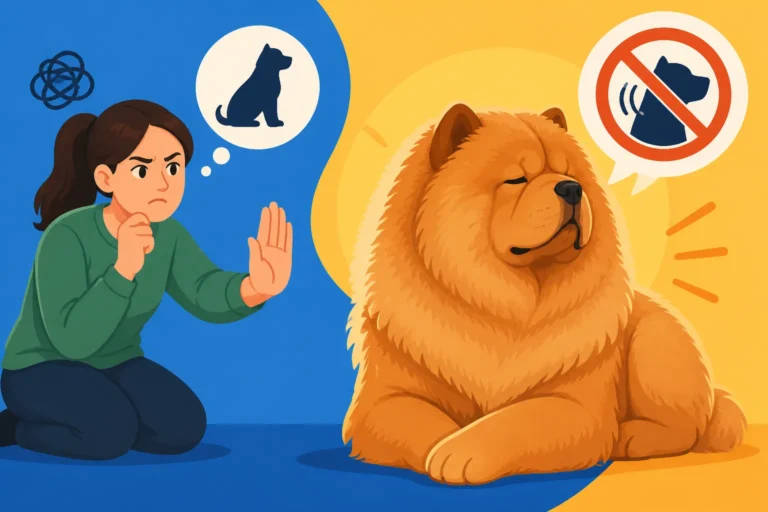
The Chow Chow is often described as "cat-like" for a reason. They are famously independent, reserved, and often seem to exist in their own stately world. While this independence might lead some to believe they are naturally adept at being left alone, it's a bit more nuanced than that. Their aloofness isn't a guaranteed immunity to loneliness or anxiety; it simply means their distress might manifest differently than a more overtly clingy breed.
Understanding the Chow Chow Temperament
Chow Chows typically form a profound, almost singular bond with one primary person, and while they tolerate others in the household, their deep affection is often reserved. This intense, focused bond can sometimes make separation more challenging for them than it appears on the surface. They aren't usually the type to follow you from room to room or demand constant attention, but that doesn't mean they don't notice, or care, when you leave the house. Their stoic demeanor can often mask internal stress, making it crucial for owners to learn the subtle cues of discomfort in this breed. How Aloof a Chow Chow Really Is explains more about their unique personality.
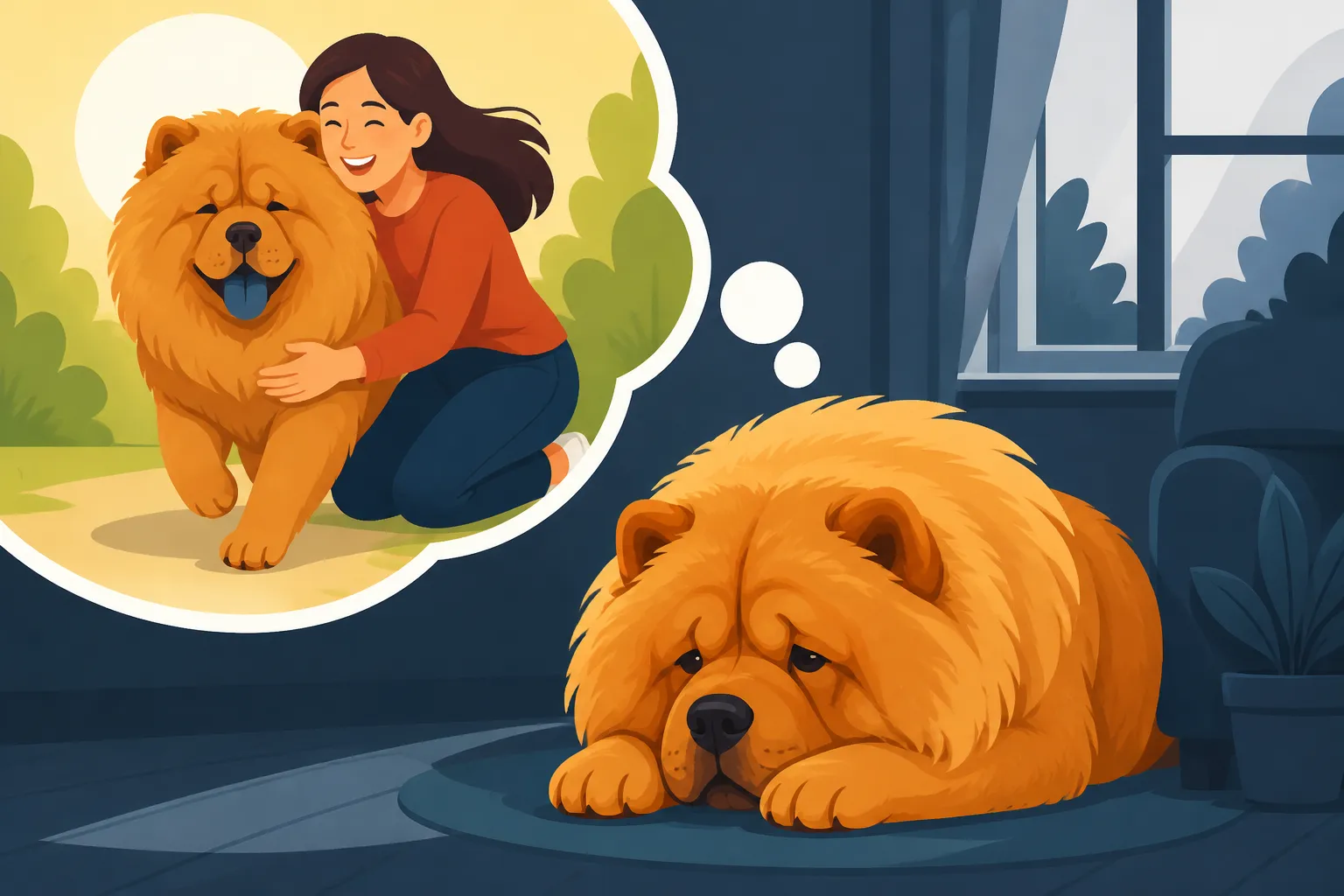
For instance, a Chow Chow might not pace frantically or whine incessantly like some other breeds when you're preparing to leave. Instead, they might simply go to their bed and watch you with a steady gaze, or even pretend to ignore you. This can be misleading; it's not necessarily indifference. It could be a calm acceptance, or it could be a quiet resignation, an internal stress response that doesn't involve overt displays. Learning to distinguish between these states requires keen observation and a deep understanding of your individual dog.
The Myth of "Cat-Like" Independence
While the "cat-like" descriptor holds true for many aspects of their personality, equating it directly to a complete lack of need for companionship is a mistake. Cats often entertain themselves quite well and are less prone to separation anxiety, but a Chow Chow, despite its independent streak, is still a canine that evolved as part of a pack. Their pack might be very small – sometimes just one human – but the bond is incredibly strong. When that singular bond is broken, even temporarily, it can cause underlying stress.
A Chow Chow's independence might allow them to tolerate more solitude than a golden retriever, for example, but it doesn't mean they don't suffer from boredom or mild anxiety. Their self-sufficiency isn't a superpower against emotional discomfort. It just means their protests might be quieter, or manifest in ways that are easily misinterpreted by an unsuspecting owner. They might not tear up your couch, but they might chew on a forbidden object, or simply become withdrawn and less enthusiastic when you return.
Factors Influencing a Chow Chow's Ability to Cope Alone
Just like people, every Chow Chow is an individual. There are several key factors that will play a significant role in how well your specific Chow Chow adapts to being left alone, from their formative months to their daily routine.
Early Socialization and Exposure to Solitude
The importance of early socialization for a Chow Chow cannot be overstated, and this includes positive exposure to being alone for short periods. Puppies who are gradually introduced to solitude, starting with just a few minutes in their crate or a puppy-safe area, learn that being alone is not scary and that you always come back. A puppy that is constantly with its human from day one might develop an intense dependency that becomes problematic later. Why Early Socialization Decides What a Chow Chow Becomes delves deeper into this critical period.
Think of it this way: if a Chow Chow puppy has never spent five minutes out of your sight, suddenly being left for an hour or more can be a huge shock. Conversely, a puppy whose breeder or early owner made a conscious effort to incorporate short, positive periods of alone time into their routine will likely have a much easier transition into being comfortable when the house is empty. This isn't about neglecting them; it's about building resilience and confidence in their ability to cope without constant human presence.
Routine, Exercise, and Mental Stimulation
A predictable routine helps a Chow Chow feel secure. Knowing when walks, meals, and playtime occur can reduce anxiety surrounding your departure, as they understand the rhythm of their day. Equally vital is sufficient physical exercise and mental stimulation before you leave them alone. A tired Chow Chow is a good Chow Chow – and a bored Chow Chow is often a mischievous one. While they aren't marathon runners, a good, brisk walk or some engaging playtime before you head out can make a world of difference. How Much Exercise a Chow Chow Actually Needs explores their specific activity requirements.
Imagine trying to relax after a full day of stimulating activity versus being cooped up with pent-up energy. The same applies to your Chow. A challenging puzzle toy, for example, can keep their minds engaged while you're away, preventing boredom from spiraling into destructive habits. Consider stuffing a Kong or a similar treat-dispensing toy with some wet food and freezing it. This creates a long-lasting project that distracts them from your absence and provides a positive association with alone time. Amazon offers a wide variety of these types of enrichment toys.
Duration of Alone Time and Individual Temperament
The sheer amount of time a Chow Chow is left alone is a critical factor. While some might tolerate a typical workday, others might struggle with anything beyond a few hours. Generally, Chow Chows are not ideal candidates for spending extremely long periods (8+ hours) completely alone without a mid-day break or human interaction. Their reserved nature doesn't mean they don't crave companionship, even if it's just a quiet presence.
Moreover, individual temperament plays a huge role. Some Chows are naturally more robust and less prone to separation anxiety, having been well-socialized and desensitized to departures. Others, perhaps due to genetics, past experiences (especially in rescue situations), or insufficient early training, may develop true separation anxiety. It's essential to understand your specific dog's personality and adjust your expectations and strategies accordingly. A rescue Chow Chow, for example, might have a history of abandonment that makes them particularly sensitive to being left. How Many Hours a Chow Chow Can Be Left discusses appropriate durations.
Signs a Chow Chow Isn't Coping Well Alone
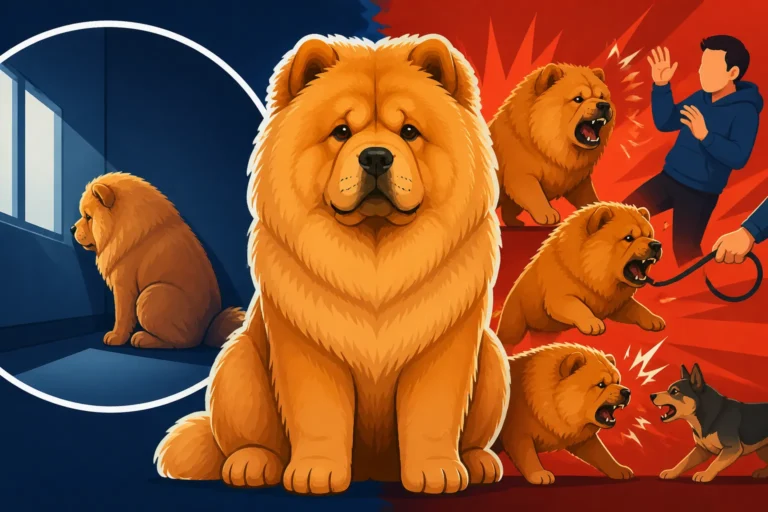
Because Chow Chows can be quite stoic, their signs of distress when left alone might be subtle or manifest in unexpected ways. It's crucial for owners to be observant and understand that a quiet protest is still a protest.
Destructive Behavior
While not all Chow Chows will resort to chewing up your furniture, destructive behavior is a classic sign of anxiety or boredom when left alone. This isn't usually about malice; it's often an outlet for stress or pent-up energy. They might target items that smell strongly of you, like your shoes or a blanket from your bed, as a way to self-soothe. They might also chew doorframes or window sills if their anxiety is focused on trying to get out or reach you.
It’s important to distinguish between normal puppy chewing (which should be directed at appropriate chew toys) and anxiety-driven destruction. If your Chow Chow only chews inappropriate items when you are gone, and never when you are present and supervising, it's a strong indicator that their alone time is problematic. This destruction might not be widespread but could be very specific, like repeatedly tearing up the same spot on the rug near the door you use to leave.
Excessive Vocalization
Some Chow Chows will vocalize when left alone, though this might not be the prolonged, piercing howl of a husky. It could be more subtle: soft whimpers, low moans, or repetitive barks that only happen when you're out. If you have neighbors, they might be the first to alert you to this behavior. Setting up a camera (many affordable options are available on Amazon) is an excellent way to monitor your Chow's behavior and listen for sounds while you're away.
This vocalization is often a plea for attention or a manifestation of anxiety. It's their way of saying, "Where did you go? Come back!" If the vocalization is paired with other signs of distress, it clearly indicates they're struggling. Some Chows might also engage in displacement behaviors, like compulsive licking or self-grooming, which can escalate into skin issues if not addressed.
Inappropriate Elimination
House soiling is one of the most frustrating and often misunderstood signs of separation distress. If your Chow Chow is perfectly housetrained when you are home but consistently has accidents (urination or defecation) when left alone, it's very unlikely to be a potty training issue. Instead, it's almost certainly a symptom of anxiety. The dog is too stressed to hold it, or the act of elimination itself is a physical manifestation of their emotional state. How Fast a Chow Chow Housetrains shows that they are generally quick to learn appropriate potty habits.
It's vital not to punish your Chow for these accidents, as this will only increase their anxiety and make the problem worse. They are not doing it out of spite; they are genuinely distressed. Punishment will simply teach them to be afraid of you when you return, compounding their fear of being left alone. Instead, focus on alleviating the underlying anxiety that causes the accidents.
Other Subtle Behavioral Changes
Beyond the more obvious signs, a Chow Chow might display subtle behavioral changes. They might become withdrawn and lethargic when left alone, simply lying by the door for hours. Or, conversely, they might become hyper-vigilant, constantly pacing or watching the windows. Upon your return, they might greet you with an exaggerated, almost frantic excitement, or they might be unusually subdued and slow to acknowledge you.
Another sign can be a loss of appetite or refusal to engage with toys or treats that they normally love. If you leave a puzzle toy or a special chew for them, and it remains untouched until you come home, it suggests they were too anxious to engage with it. Some Chows might also develop compulsive behaviors, like excessive licking of their paws or flanks, or even tail chasing, as a way to cope with stress.
Here’s a quick overview of how their coping mechanisms might differ:
| Behavior When Left Alone | Likely Interpretation (Chow Chow) |
|---|---|
| Destructive Chewing | Anxiety, boredom, or stress relief |
| Quiet Whining/Moaning | Mild anxiety, seeking attention |
| Repetitive Barking | Frustration, warning, loneliness |
| Inappropriate Urination | High anxiety, inability to cope |
| Pacing/Staring at Door | Restlessness, anticipating return |
| Ignores Enrichment Toys | Too anxious to engage or eat |
| Exaggerated Greeting | Relief, intense bond |
| Withdrawn/Lethargic | Resignation, depression |
Strategies for Helping Your Chow Chow Cope Alone
If your Chow Chow struggles with being left alone, there are many proactive steps you can take to help them feel more secure and comfortable in your absence. Consistency and patience are key.
Crate Training and Safe Spaces
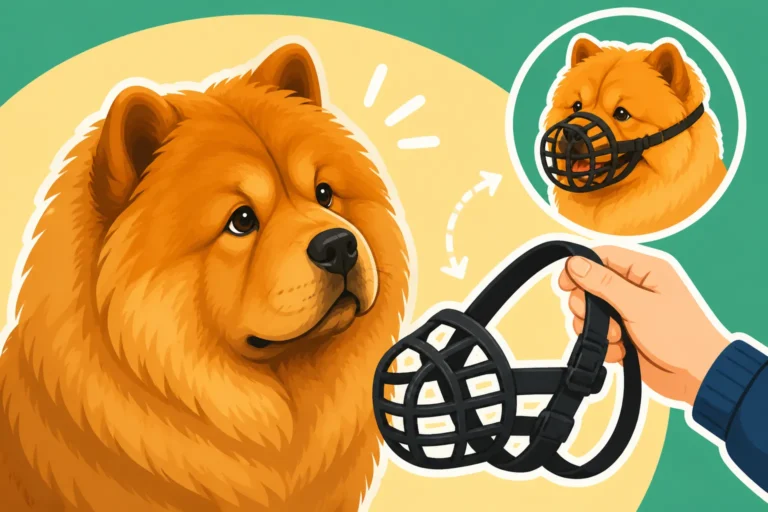
A well-introduced crate or a dedicated, safe dog-proofed room can become a sanctuary for your Chow Chow. The crate should be a positive place, associated with comfort, treats, and quiet time, never punishment. This provides them with a den-like space where they feel secure and can relax. Many Chows naturally appreciate a cozy, enclosed space, echoing their ancestral dens. Make sure the crate is large enough for them to stand, turn around, and lie down comfortably.
Introduce the crate gradually, feeding meals inside, offering high-value chews, and never forcing them in. Leave the door open initially, allowing them to explore at their leisure. Once they are comfortable going in and out, start closing the door for very short periods, gradually increasing the time. When leaving them, ensure they have access to water and appropriate chew toys. Some Chows also benefit from a familiar blanket or a piece of your unwashed clothing in their crate, as your scent can be comforting.
Desensitization and Counter-Conditioning
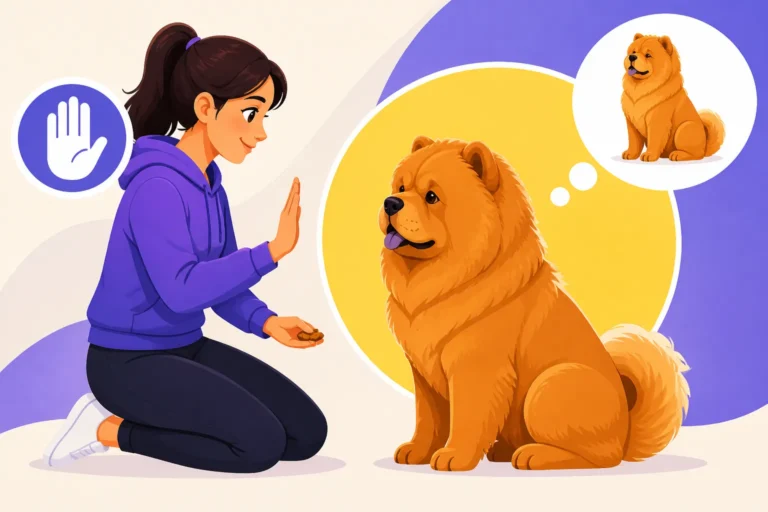
This is the cornerstone of addressing separation issues. Desensitization means gradually exposing your Chow Chow to the triggers of your departure without actually leaving. Counter-conditioning means changing their emotional response to those triggers from anxiety to something positive.
Start by identifying your departure cues: picking up keys, grabbing your bag, putting on shoes, even turning off the TV. Practice these actions randomly throughout the day without leaving. Do them, then sit back down. Repeat until your Chow Chow barely reacts.
Next, combine these cues with a high-value treat or a long-lasting chew toy (like a frozen Kong). Offer the treat, then go to the door, open it, and immediately close it. Increase the duration you're outside the door by seconds, then minutes. The goal is for them to associate your departure cues with something amazing happening for them, rather than impending loneliness. BAXTER & Bella, an online puppy school, offers excellent resources and structured programs for desensitization and counter-conditioning techniques that can be incredibly helpful for Chow Chow owners.
Environmental Enrichment and Exercise
A bored Chow Chow is a recipe for trouble. Ensure your Chow Chow gets adequate physical exercise and mental stimulation before you leave. A solid 30-60 minute walk, especially with some interesting sniffing opportunities, can tire them out both physically and mentally. After the walk, engage their brains with puzzle toys, snuffle mats, or a brief training session. What a Bored Chow Chow Does elaborates on the pitfalls of insufficient stimulation.
When you leave, always provide appropriate enrichment. This could be a food-dispensing toy, a safe chew bone, or even soft music or a pet-specific TV channel to provide background noise and prevent them from focusing on every sound outside. Rotating toys can keep things interesting; don't leave out the same three toys every day. Think about what your Chow Chow enjoys and capitalize on that to make their alone time more pleasant.
Professional Guidance and Support
If your Chow Chow's anxiety is severe, or if your efforts aren't yielding results, don't hesitate to seek professional help. A certified professional dog trainer or a veterinary behaviorist can assess your specific situation and develop a tailored plan. They can differentiate between boredom, mild separation anxiety, and clinical separation anxiety, which might require medication in conjunction with behavior modification. Whether a Chow Chow Needs a Professional Trainer Early is a worthwhile consideration for setting good habits from the start.
Sometimes, what appears to be separation anxiety could have underlying medical causes, so a vet check-up is always a good first step. If behavior modification alone isn't enough, medication might be used as a short-term aid to help your Chow Chow learn new coping mechanisms more effectively. This is not a "magic pill" but a tool to reduce anxiety enough for the training to be successful.
Creating a Smooth Transition for Your Chow Chow
Making sure your Chow Chow transitions smoothly into being left alone involves conscious effort and thoughtful preparation. It's about building their confidence, not just tolerating your absence.
The Power of Routine and Predictability
Chow Chows, like many dogs, thrive on routine. A predictable schedule for walks, meals, and playtime can significantly reduce anxiety when you leave. If your Chow knows that after their morning walk and breakfast, they usually settle down for a nap while you're gone, it builds a sense of security. Erratic schedules can make your departures more jarring and unpredictable for them, increasing stress.
Consider implementing a specific "pre-departure routine" that is calm and low-key. Avoid making a big fuss when you leave or return. A dramatic goodbye can heighten their anxiety, and an overly excited reunion can reinforce the idea that your absence was a major, stressful event. Instead, aim for calm, understated hellos and goodbyes. Give them their special departure treat or toy a few minutes before you actually walk out the door, so they associate it with the positive item, not the stress of you leaving.
Monitoring and Adjusting Your Approach
As mentioned earlier, setting up a camera to observe your Chow Chow's behavior when you're gone is invaluable. It provides objective data that you simply can't get otherwise. You might think they're sleeping peacefully, only to find they're pacing, barking, or attempting to escape. This allows you to pinpoint the exact moment distress begins and helps you gauge the effectiveness of your interventions. Many pet cameras also allow for two-way audio, so you can sometimes offer a calming word, though this should be used cautiously so as not to reinforce attention-seeking behaviors.
Based on what you observe, you can adjust your strategy. If they start whining immediately, you know you need to shorten the duration of your absences or intensify your desensitization training. If they chew on a specific item, you know to remove that item or provide a more appealing alternative. Regularly evaluating their progress and being willing to adapt your approach is crucial for long-term success.
The Long-Term Goal: A Confident, Calm Chow Chow
The ultimate goal isn't just for your Chow Chow to "tolerate" being left alone, but for them to be genuinely calm and confident in your absence. This means they are able to settle down, perhaps nap, or engage with an enrichment toy without feeling anxious or distressed. It's about teaching them that being alone is a normal, non-threatening part of their day and that you will always return.
Achieving this takes time, patience, and a consistent commitment to positive reinforcement. There will be setbacks, but by understanding your Chow Chow's unique temperament, providing appropriate training and enrichment, and seeking professional help when needed, you can help your loyal companion develop the confidence to cope beautifully when you're not around. Their independent nature can be a foundation for resilience, but it's up to us, their devoted humans, to guide them there.
Disclaimer
This article is for general informational purposes only and does not constitute professional advice. Laws, prices and regulations vary by location and change over time. Consult a qualified professional for guidance on your specific situation.