Signs a Chow Chow Puppy Is Already Wary
Bringing home a Chow Chow puppy is an exciting time, but sometimes, instead of the playful curiosity you might expect, you encounter a little fluffball who seems hesitant, withdrawn, or outright fearful. It's truly heartbreaking to see your new family member shrinking from interaction or spooking at everyday sounds. This guide is here to help you understand the subtle and overt signs that your Chow Chow puppy might already be wary, and what steps you can take to gently build their confidence and ensure they grow into a well-adjusted companion.
Understanding the Chow Chow's Natural Temperament
Chow Chows are a unique breed, and their temperament is often misunderstood. It's crucial to distinguish between a naturally reserved Chow and one that is genuinely wary or fearful. Misinterpreting their behavior can lead to frustration for both you and your puppy, so let's dig into what makes them tick.
The Breed's Reserved Nature
Unlike many breeds that greet everyone with wagging tails and sloppy kisses, Chow Chows are inherently more reserved. They often carry an air of quiet dignity, observing their surroundings with a calm, discerning eye. This isn't rudeness; it's simply their nature. They tend to bond deeply with one or two primary people and often tolerate, rather than enthusiastically greet, others. This reserve can easily be mistaken for shyness or wariness, especially by those unfamiliar with the breed. They're not typically "velcro dogs" and might not follow you from room to room or demand constant attention. It’s part of How Aloof a Chow Chow Really Is. They prefer to be near you, perhaps in the same room, but not necessarily in your lap. This independent streak is a hallmark of the breed, developed over centuries.
This reserved demeanor means they won't typically throw themselves at new people or situations. They prefer to take things in stride, assess, and then decide how to react. A Chow Chow puppy might stand back and watch a new visitor for a few minutes before approaching cautiously, if at all. This isn't necessarily a red flag; it's just a Chow being a Chow. The concern arises when this natural reserve deepens into overt fear, panic, or aggression.
Identifying True Wariness vs. Reservedness
So, how do you tell the difference between a typical Chow Chow's calm observation and actual fear? The key lies in the intensity and duration of their reaction, as well as accompanying body language. A reserved Chow might simply ignore a new person or object, perhaps giving it a brief sniff before moving on. They might seem uninterested or even a bit bored. Their body language will generally be relaxed – a neutral tail, soft eyes, and an overall calm posture. They are making a choice to not engage.
A truly wary or fearful Chow Chow puppy, however, will display specific signs of anxiety or fear. This isn't a choice; it's a reaction to perceived threat. Their body language will be tense, their ears might be flattened, and their tail tucked. They might try to hide, cower, or even exhibit a subtle growl or snap if they feel cornered. This is a crucial distinction: one is a confident disinterest, the other is genuine distress. Understanding this difference is the first step in helping your puppy. How a Chow Chow Shows Affection can also give you clues to their baseline comfort level.
Early Signs of a Wary Chow Chow Puppy
Spotting the signs of wariness early is crucial for a Chow Chow puppy. Their socialization window is short and impactful, and proactive intervention can make a world of difference. Don't wait until it becomes a deeply ingrained problem.
Physical Cues of Fear or Discomfort
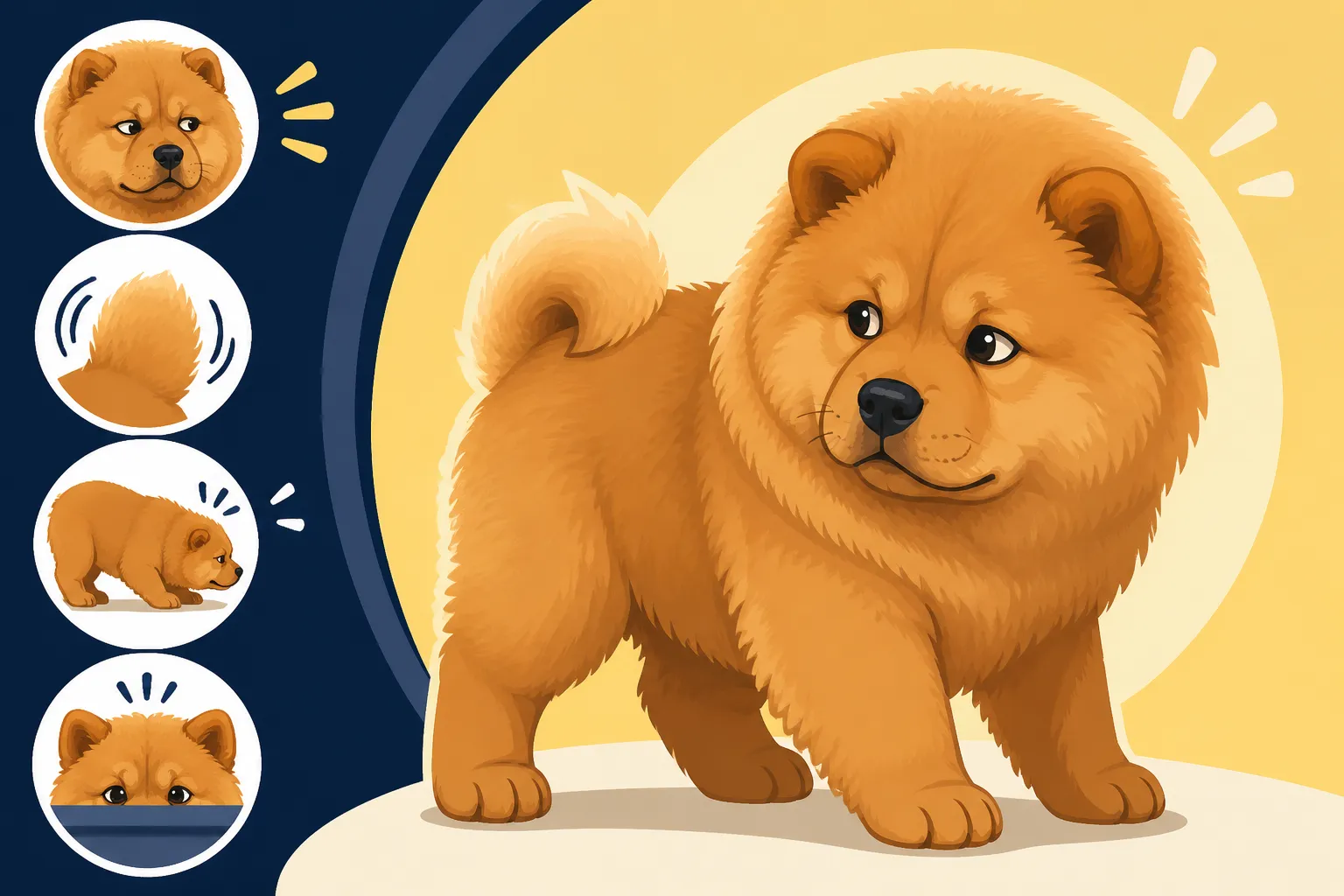
A Chow Chow puppy that is feeling wary or uncomfortable will often communicate this through subtle (and sometimes not-so-subtle) physical cues. Their body language speaks volumes if you know how to read it. Look at their eyes: are they wide, showing the whites, or darting nervously? Are they avoiding eye contact, or "whale eyeing," where you can see the white of their eye from the side as they try to keep an object in their peripheral vision? Their ears might be flattened tightly against their head, or constantly swiveling back and forth, indicating hyper-vigilance.
Pay close attention to their mouth and muzzle. A wary puppy might lick its lips repeatedly, yawn excessively (when not tired), or have a tightly closed mouth. Their tongue, normally a striking blue-black, might be tucked away. Tension in the jaw or a slight tremor can also be indicators. Their stance might be low to the ground, possibly with a tucked tail held tight against their belly or between their legs. The fur along their spine might stand on end (piloerection), even if they're not overtly growling or barking. Sometimes, you'll see them pulling their head back, trying to make themselves smaller. Learning How to Read a Chow Chow's Face is key here, as their deep-set eyes and abundant ruff can sometimes obscure more common canine expressions.
Behavioral Indicators of Shyness
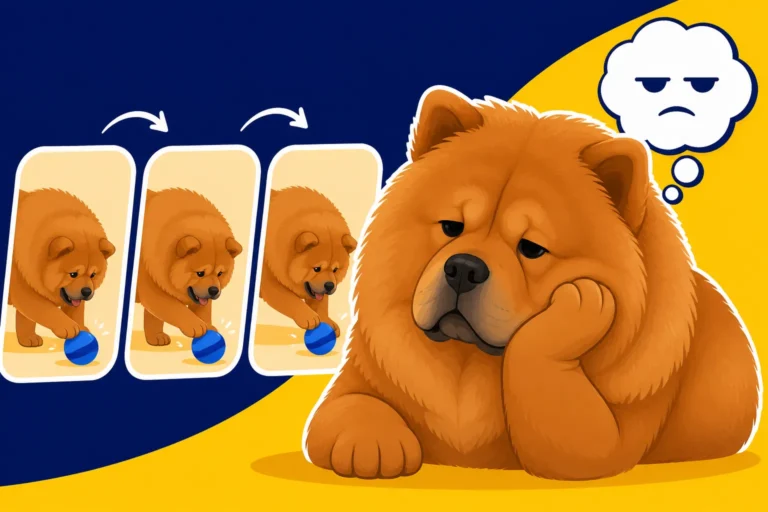
Beyond physical signs, wary Chow Chow puppies will exhibit specific behaviors. One of the most common is avoidance. If a new person enters the room, a wary puppy might immediately retreat behind furniture, try to hide under a table, or even run to another room. They might refuse to approach new objects, people, or other animals. When gently coaxed, they may flatten themselves to the ground or try to crawl away. They might refuse treats or toys when feeling anxious, even if they normally love them. This loss of appetite in stressful situations is a strong indicator of discomfort.
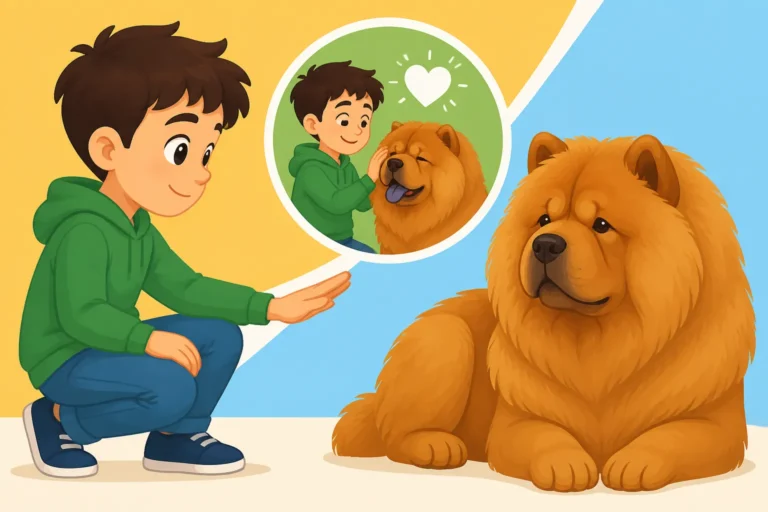
Another common sign is excessive submissive urination, particularly when approached by strangers or when startled. They might also shy away from being petted or handled, perhaps flinching or pulling back. While Chows aren't typically overly cuddly, a healthy puppy should still enjoy gentle human interaction, especially from its primary caregiver. If your puppy consistently resists gentle touch, even from you, it's a sign they're not feeling secure. Why a Chow Chow Backs Away From a Hand is a crucial topic to understand in this context.
Reactions to Novelty and Strangers
A wary Chow Chow puppy often struggles with anything new. This could be a new sound, a new smell, or a new person. While all puppies need to get used to novelty, a wary puppy's reaction will be extreme or prolonged. A sudden noise might send them scrambling for cover, and they might remain hidden for a long time afterward. Meeting a new person might involve extensive barking, growling, or a complete shutdown where they freeze in place, unwilling to move.
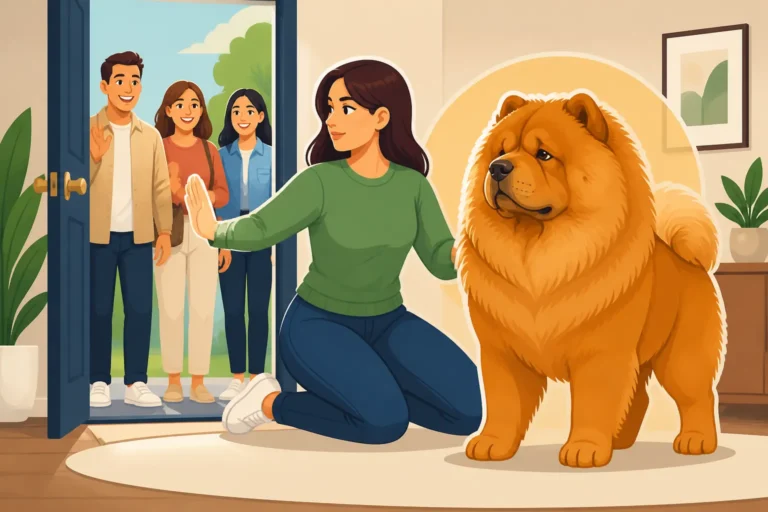
When meeting strangers, a wary Chow Chow puppy may actively try to put distance between themselves and the person. They might lower their head, avoid eye contact, and stiffen their body. If the person tries to interact, the puppy might cower, snap, or even nip as a defensive mechanism. This is their way of saying, "Please, leave me alone." It's vital for visitors to know How to Introduce a Chow Chow to a Stranger to avoid exacerbating the puppy's fear. Always advocate for your puppy and protect them from overwhelming interactions.
| Sign Category | Normal Reserved Chow Puppy | Wary/Fearful Chow Chow Puppy |
|---|---|---|
| Body Posture | Relaxed, upright, calm; may observe from a distance. | Low to the ground, hunched, trying to make itself small. |
| Tail Position | Neutral, often held high and curled over back (breed trait). | Tucked tightly between legs or held low against belly. |
| Eyes | Soft, attentive, observing; may make brief eye contact. | Wide, darting, "whale eye" (showing whites), avoiding contact. |
| Ears | Relaxed, small, rounded, perhaps slightly forward. | Flattened against head, constantly swiveling back and forth. |
| Mouth/Muzzle | Closed or slightly open; relaxed. | Licking lips, excessive yawning, tight mouth, tremors. |
| Vocalization | Quiet, occasional bark if alerting to something. | Whining, growling, barking, or complete silence (frozen). |
| Interaction | May ignore strangers; eventually approaches cautiously on own terms. | Hides, retreats, actively avoids, lunges defensively, snips. |
| Response to Novelty | Curious, investigates new objects/sounds cautiously. | Startles easily, panics, prolonged hiding, refuses to engage. |
The Impact of Early Experiences on Wariness
A Chow Chow puppy's early life experiences are paramount in shaping their adult personality. Neglect, trauma, or simply a lack of appropriate exposure during critical developmental periods can cement a wary disposition.
The Critical Socialization Window
For all puppies, there's a critical socialization window, typically from 3 to 16 weeks of age. During this time, puppies are most receptive to new experiences, sights, sounds, people, and other animals. For a Chow Chow, this window is even more vital due to their naturally reserved and sometimes suspicious nature. If a Chow Chow puppy misses out on varied, positive experiences during these formative weeks, they are far more likely to develop fear-based behaviors and become wary adults. Everything they encounter in a positive, controlled way helps build their confidence.
Think of it as laying the foundation for a house. If the foundation is weak or incomplete, the entire structure will be unstable. Similarly, if a Chow Chow puppy doesn't get sufficient, appropriate socialization, their emotional foundation will be shaky. They might grow up to be fearful of everyday situations, leading to stress for both the dog and the owner. This is why The Weeks That Matter Most for a Chow Chow Puppy are so crucial; every positive interaction during this period is an investment in their future confidence.
Breeder Influence and Early Environment
The environment a Chow Chow puppy experiences with its breeder plays a massive role in whether it arrives at your home already wary. A responsible breeder understands the importance of early socialization and starts the process long before the puppies go to their new homes. This means exposing puppies to various household noises, different textures, gentle handling by multiple people, and positive interactions with their mother and littermates. Puppies raised in quiet, isolated environments, or worse, in puppy mills with minimal human contact, are significantly more prone to being fearful and wary.
A puppy that comes from a chaotic or neglectful environment, or one where they were rarely handled, will likely already be behind the curve. They might have learned that humans are unpredictable or even scary. This early programming can be incredibly difficult to undo, requiring immense patience and dedicated effort. Always ask potential breeders about their socialization practices and try to observe the puppies' environment when you visit. The goal is to bring home a puppy that is curious, not cowering.
Preventing Further Withdrawal
If you've identified that your Chow Chow puppy is already wary, immediate and careful intervention is essential to prevent them from withdrawing further. The worst thing you can do is force interactions or overwhelm them. This will only reinforce their fear. Instead, focus on creating a safe, predictable, and positive environment. Avoid loud noises, sudden movements, or allowing strangers to rush up to them. Every interaction should be calm, gentle, and on the puppy's terms.
Start by being your puppy's advocate. If someone wants to pet your puppy, politely decline if your puppy is showing signs of stress. Create a "safe zone" in your home, perhaps a crate or a specific bed, where your puppy can retreat and not be disturbed. This sanctuary helps them feel secure. Consistent, gentle handling and positive reinforcement for calm behavior are critical. Small, controlled exposures to new things, always paired with high-value treats and praise, can slowly begin to chip away at their fear. Remember, patience is not just a virtue here; it's a necessity.
Actionable Steps to Build Confidence in a Wary Chow Chow Puppy
Building confidence in a wary Chow Chow puppy is a marathon, not a sprint. It requires consistency, patience, and a deep understanding of their needs. But with the right approach, you can help your puppy blossom into a more secure and happy companion.
Gentle, Positive Socialization Strategies
The key to socializing a wary Chow Chow puppy is gentle and positive. Forget the idea of throwing them into a dog park or a busy street. This will overwhelm them and could worsen their fear. Instead, focus on controlled, short, and positive exposures. Start in quiet environments with one calm, trusted person or dog. Pair every new experience with high-value treats and praise. For example, if your puppy is nervous about new sounds, play a recording of the sound at a very low volume while they are eating their favorite meal. Gradually increase the volume over days or weeks, always ensuring they remain comfortable.
For meeting new people, follow a similar strategy. Ask a calm friend to sit quietly in the same room, ignoring your puppy. Let your puppy approach them on their own terms. If they show curiosity, your friend can gently toss a treat near them, without making eye contact or trying to pet them. Gradually, your friend can try offering a treat from an outstretched hand. This process can take many sessions. Remember, the goal is to create positive associations. How Much Socialization a Chow Chow Puppy Needs is significant, but it must be done thoughtfully and without force.
Creating a Safe and Predictable Environment
A wary puppy thrives on predictability and security. Establish a consistent daily routine for feeding, potty breaks, playtime, and training. This structure helps them understand what to expect, reducing anxiety. Provide a comfortable, secure "den" or crate where they can retreat when feeling overwhelmed. This should be a place where they are never disturbed, even by children. Equipping this space with a comfy bed and perhaps a long-lasting chew toy can make it even more appealing.
Minimize sudden changes in their environment. If you need to move furniture or introduce new items, do so gradually and allow your puppy to explore them on their own time. Loud noises, chaotic households, or inconsistent handling will only heighten their anxiety. Focus on creating a calm, quiet, and stable home life. Think of your home as their sanctuary, where they feel completely safe and in control of their interactions.
Using Enrichment to Boost Confidence
Enrichment activities can play a significant role in building a wary puppy's confidence. Puzzle toys that dispense treats, for instance, can engage their minds and provide a sense of accomplishment without direct human interaction if they're not ready for it. Items like the Nina Ottosson puzzle toys available on Amazon can be excellent for this purpose. Start with easy puzzles and gradually increase the difficulty as your puppy gains confidence. This provides mental stimulation and a positive outlet for their energy.
Controlled exploration of novel (but safe) objects in a familiar environment can also help. Place a new, interesting toy or a safe new scent (like a piece of new fabric) in their space and let them investigate it at their own pace. Don't force them to interact. Reward any calm curiosity with praise and treats. Even simple activities like scent games, where you hide treats around a room for them to find, can build problem-solving skills and self-assurance.
Professional Guidance and Resources
If your Chow Chow puppy's wariness is severe, persistent, or escalates to fear-based aggression, seeking professional help is paramount. A certified professional dog trainer or a veterinary behaviorist can assess your puppy's specific situation and develop a tailored behavior modification plan. They can also help you identify subtle triggers you might be missing and teach you effective techniques for counter-conditioning and desensitization.
Resources like the BAXTER & Bella online puppy school or private training sessions can provide structured guidance and support. They often offer step-by-step curricula that cover essential socialization and confidence-building exercises, tailored to various temperaments. Don't feel ashamed or defeated if you need to call in the pros; it's a sign of a responsible owner committed to their puppy's well-being. Early intervention from a qualified professional can prevent problems from becoming entrenched and ensure a better quality of life for your Chow Chow.
Summary of Wary vs. Normal Reserved Behavior in Chow Chow Puppies
It's important to remember that not all quietness is wariness. Here's a quick comparison to help you discern:
| Characteristic | Normal Reserved Chow Chow Puppy | Wary/Fearful Chow Chow Puppy | What to Look For |
|---|---|---|---|
| Approach to New | Observes, may slowly investigate on own terms. | Avoids, hides, retreats, freezes, or reacts defensively. | Duration and intensity of avoidance/reaction. |
| Human Interaction | Tolerates, seeks out familiar person's presence. | Actively avoids, flinches from touch, may snap. | Willingness to accept gentle petting from known people. |
| Body Language | Calm, self-possessed, ears relaxed, tail curled. | Tense, low posture, tucked tail, flattened ears. | Muscle tension, eye whites, lip licking, yawning. |
| Sound Response | May startle, but recovers quickly. | Panics, prolonged fear, shaking, hiding. | Recovery time and level of distress. |
| Environment | Comfortable in familiar surroundings, adapts slowly. | Anxious, constantly scanning, seeking escape routes. | General demeanor and comfort in various settings. |
| Eating Habits | Eats regularly. | Refuses food in stressful situations. | Appetite consistency, especially when stressed. |
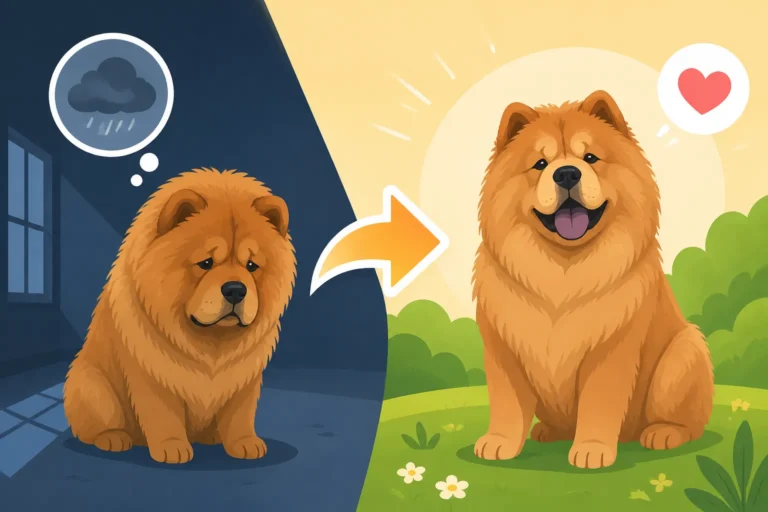
Identifying signs that a Chow Chow puppy is already wary means you can take action quickly. With patience, understanding, and consistent positive reinforcement, you can help your cautious little companion build the confidence they need to navigate the world.
Disclaimer
This article is for general informational purposes only and does not constitute professional advice. Laws, prices and regulations vary by location and change over time. Consult a qualified professional for guidance on your specific situation.