Whether a Chow Chow Should Be Left With a Sitter
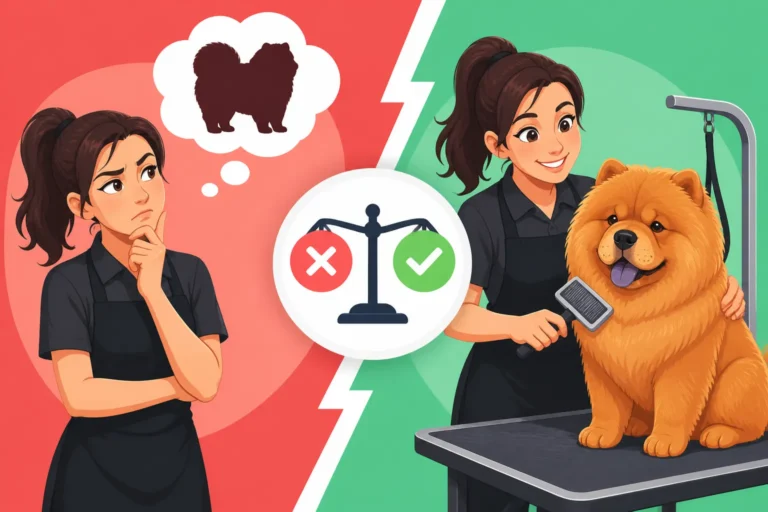
Ah, the age-old dilemma for us Chow Chow parents! You’re dreaming of a much-needed vacation, a business trip, or even just a weekend getaway, and then the stark reality hits: what on earth do you do with your magnificent, yet often fiercely independent, Chow Chow? It's not like you can just drop them off at any old place, hand them over to a stranger, and expect them to be thrilled. Chows are special, and finding the right care when you're away can feel like navigating a minefield of potential stress, both for you and your beloved furry cloud. This guide aims to explore the nuances of leaving your Chow Chow with a sitter, helping you understand their unique needs, weigh your options, and prepare thoroughly for your time apart.
Understanding Your Chow Chow's Unique Personality and Needs
Let's be real, Chow Chows aren't your typical "everyone's a friend" kind of dog. Their ancient lineage has instilled in them a very particular set of traits that make finding a suitable sitter a completely different ballgame than it might be for, say, a Labrador. You know your Chow, you've lived with their glorious quirks, and that means recognizing that their personality is the primary factor in this decision.
The Chow Chow's "One Person" Bond
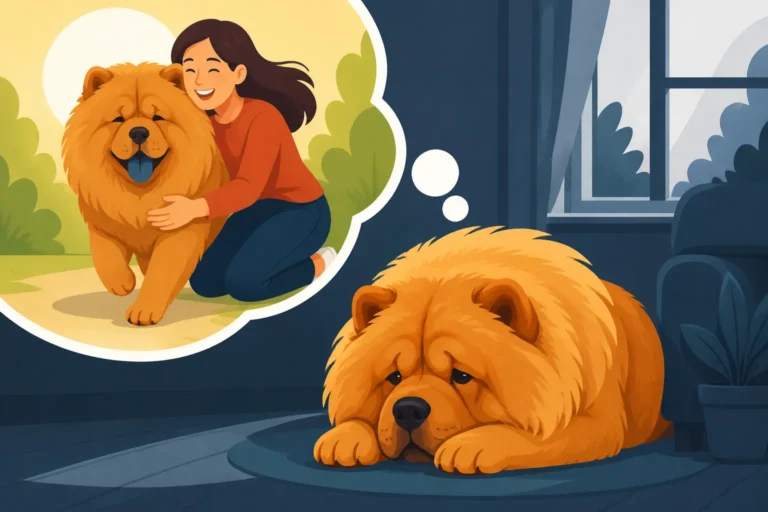
One of the most defining characteristics of a Chow Chow is their profound, often singular, bond with their primary person. While they may tolerate or even have affection for other family members, there's usually one human who truly "gets" them, and for whom they reserve their deepest loyalty and trust. This isn't to say they don't love the rest of the household; it's just a different kind of connection. When that one person leaves, it can be a significant emotional event for them. A new face, no matter how kind, simply won't fill that void immediately. This deep attachment is why we often say The Chow Chow Bonds to One Person and Tolerates the Rest. For a sitter, this means they're starting from a significant disadvantage, as they haven't earned that deep trust yet. Expecting your Chow to instantly warm up to someone new is unrealistic and can set both the dog and the sitter up for frustration.
Wariness of Strangers and New Environments
Beyond their primary bond, Chow Chows are naturally reserved and often quite suspicious of strangers. This isn't aggression; it's simply their ancient guardian instinct at play. They evaluate new people and situations with a cautious, sometimes aloof, demeanor. A sudden influx of new faces or a completely unfamiliar environment can be deeply unsettling. Imagine being thrown into a party where you know no one, and everyone is trying to hug you – that's often how a Chow Chow feels about a new sitter or a busy boarding facility. They prefer their familiar surroundings, their predictable routines, and the presence of people they've vetted and approved over time. Knowing How a Chow Chow Greets Visitors (or, more accurately, doesn't greet them with effusive tail wags) is key when considering any external care.
The Impact of Early Socialization
The degree to which your Chow Chow accepts new people and situations is heavily influenced by their early socialization. A Chow Chow puppy who was lovingly exposed to a wide variety of sights, sounds, people, and appropriate dog interactions during their crucial development period might be more adaptable. However, even the best-socialized Chow retains that inherent reserve. If your Chow missed out on this crucial period, or if their experiences were negative, their wariness will likely be amplified. An What an Undersocialized Chow Chow Becomes is a Chow Chow that is often fearful, reactive, and profoundly uncomfortable with anything outside their established comfort zone. For such a Chow, a new sitter or location can be incredibly traumatic, potentially leading to stress-related behaviors or even defensive aggression. Understanding their history is paramount.
Types of Sitter Arrangements: Pros and Cons for a Chow Chow
Given your Chow Chow's unique personality, not all sitting arrangements are created equal. It's vital to choose an option that prioritizes their comfort, routine, and sense of security. Let's break down the most common choices and how they stack up for a Chow.
In-Home Pet Sitter
For many Chow Chow owners, an in-home pet sitter is often the most palatable option. The biggest advantage here is that your Chow Chow gets to stay in their own home, surrounded by their familiar smells, sights, and sounds. This minimizes the stress of environmental change, which can be huge for a breed that thrives on routine and predictability. An in-home sitter also allows your Chow's routine to remain as consistent as possible – the same meal times, walk schedules, and potty breaks.
However, even with an in-home sitter, the "stranger danger" aspect can be a challenge. It's crucial that this person is someone your Chow has met multiple times before you leave, ideally in your presence. Think of it like a gradual introduction: short visits, then longer stays, maybe even an overnight trial run while you're still home. The goal is for your Chow to associate the sitter with positive experiences and for the sitter to learn your Chow's specific cues and boundaries. Resources like BAXTER & Bella offer excellent online training programs that can help you work on positive associations with new people and handling, which is invaluable for successful sitter interactions. A good sitter for a Chow needs to respect their space and not push for affection. They need to understand that tolerance is often the highest form of acceptance a Chow Chow will offer a non-primary person.
Boarding Kennels or Daycare Facilities
This is generally the least recommended option for a Chow Chow, and honestly, it should probably be your last resort. The very nature of a boarding kennel or daycare goes against almost every preference a Chow Chow has. It's a new environment, often noisy and chaotic, filled with unfamiliar people and many other dogs. For a breed that often struggles with How a Chow Chow Gets Along With Other Dogs, especially in close quarters with multiple unfamiliar canines, this can be incredibly stressful.
The lack of personal space, the constant change of staff, and the sheer overstimulation can lead to extreme anxiety, loss of appetite, stress-related illness, or even behavioral regression. Chows are not typically dogs who revel in group play with strangers; they often prefer their own company or that of their chosen few. If you absolutely must board, research facilities exhaustively. Look for places that offer private runs, minimal interaction with other dogs unless specifically requested and supervised, and a staff that has experience with independent, watchful breeds like Chow Chows. Many Chows do much better with private, one-on-one care rather than a busy, high-energy environment. Even then, you need to consider Whether a Chow Chow Should Be Crated for Visitors if that's an option, to give them a safe space away from the hustle and bustle.
| Sitter Type | Pros for a Chow Chow | Cons for a Chow Chow | Ideal Candidate |
|---|---|---|---|
| In-Home Sitter | Familiar environment, routine preserved, less stress | Still a stranger in their territory, trust building takes time | Patient, experienced with Chows, willing to do multiple intro visits |
| Boarding Kennel | Professional supervision, secure facility | New environment, noisy, many strangers/dogs, high stress | Facility with private runs, experienced staff, quiet options |
| Friend/Family | Pre-existing trust, familiar scent/voice, home comfort | May not have Chow-specific experience, can strain relationships | Someone already known and trusted by your Chow, reliable |
Friend or Family Sitter (Already Known to Your Chow)
This is often the gold standard, if you have someone in your life who fits the bill. If your Chow Chow has a trusted relationship with a friend or family member, someone who has spent significant time in your home and with your dog, this can be the ideal solution. This person understands your Chow's quirks, knows their routine, and most importantly, your Chow already knows and accepts them. This minimizes stress for everyone involved.
The key here is pre-existing trust. It's not just about them being a "nice person"; it's about your Chow having a established positive history with them. This removes a significant barrier in their natural wariness. This type of sitter can maintain the continuity of care that is so crucial for a Chow Chow's well-being when their primary person is away. They know Why a Chow Chow Picks One Person and will likely understand that while they might not be that person, they are a trusted secondary figure.
Preparing Your Chow Chow for a Sitter's Stay
Regardless of the type of sitter you choose, thorough preparation is non-negotiable. Skipping steps here is a recipe for anxiety for your Chow and potential difficulties for your sitter.
Gradual Introductions and Practice Runs
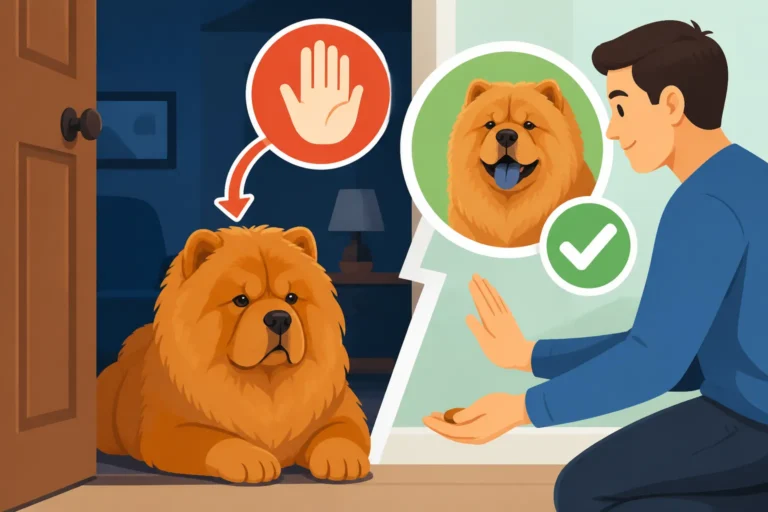
You can't just spring a new person on your Chow Chow and expect success. Gradual introductions are vital. Start with short, supervised visits where the sitter comes over while you are home. They should mostly ignore your Chow at first, letting the dog approach them on their own terms. Positive reinforcement with high-value treats (if your Chow is food motivated) during these visits can help build positive associations. Do a few short walks together. Then, progress to leaving them alone for short periods, an hour or two, gradually increasing the time. An overnight trial run while you are still nearby can be incredibly insightful, letting you iron out any kinks before your actual departure. Think of it as slowly widening your Chow's circle of trust. It's about easing them into the idea that this new person is not a threat, but a temporary extension of their safe routine. For very wary Chows, it's essential to understand How to Introduce a Chow Chow to a Stranger respectfully and patiently.
Maintaining Routine and Comfort Items
Chow Chows are creatures of habit. Any disruption to their routine can cause stress. Provide your sitter with a detailed schedule for feeding, walks, potty breaks, and any medication. Emphasize consistency.
Equally important are comfort items. Leave out their favorite bed, blankets, and toys. Their scent provides immense comfort. Consider investing in a calming pheromone diffuser or a new, durable chew toy from Amazon that can keep them occupied and offer an outlet for stress. Familiarity helps immensely when their main person is absent. Even if your Chow is usually quite independent, having their personal items around can make a world of difference. It helps them cope when their ability to be alone (How Well a Chow Chow Copes Alone) is tested.
Clear Instructions and Emergency Contacts
Never assume anything. Provide your sitter with a comprehensive written guide that includes:
- Feeding instructions: What they eat, how much, and when. Any supplements?
- Medication schedule: Doses, times, and how to administer.
- Walk routine: How long, what route, any leash reactivity to other dogs or people.
- Potty schedule: Where they go, how often.
- Veterinarian contact information: Your primary vet, and an emergency vet clinic.
- Your contact information: Phone, email, and emergency contacts if you're unreachable.
- Chow-specific quirks: Do they have a blind spot due to Why a Chow Chow's Deep Set Eyes Limit What It Sees? Do they dislike their rear being touched? Do they have a favorite quiet spot?
- Warning signs: What behavior signals stress, illness, or discomfort?
- "No-go" zones: Are there any rooms or areas off-limits to the sitter or the dog?
Discuss all of this in detail with your sitter, ensuring they feel confident and prepared. The clearer you are, the better the experience for everyone. This includes knowing things like How Often a Chow Chow Needs a Wellness Exam so the sitter is aware of their general health status.
When Leaving Your Chow Chow with a Sitter Might Not Be Best
Sometimes, despite your best efforts, leaving your Chow Chow with a sitter simply isn't a viable option, or at least not a comfortable one for your dog. It's crucial to be honest with yourself about your Chow's capabilities and tolerance levels.
Recognizing Stress Signals
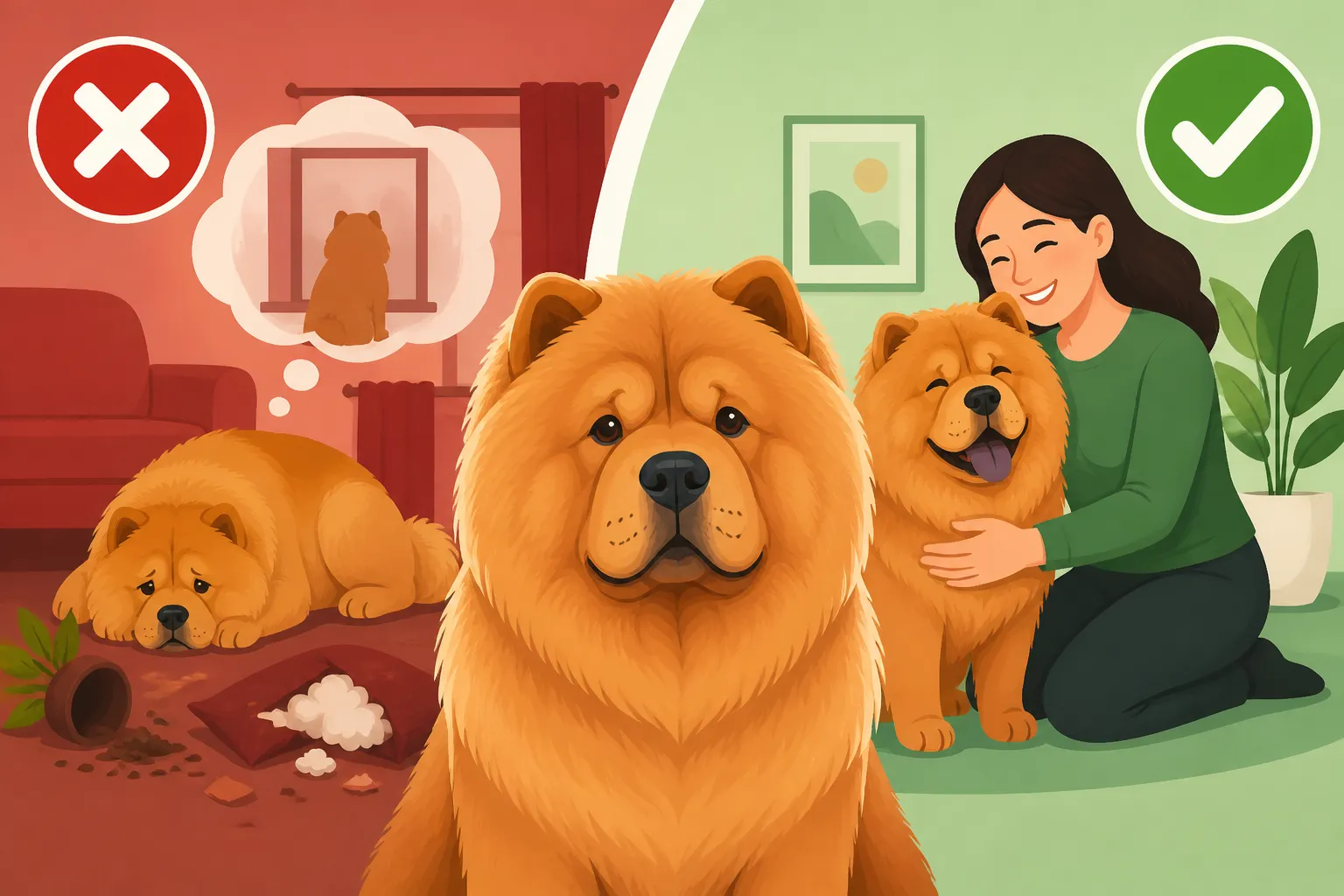
Your Chow Chow might not express distress in obvious ways, like frantic barking or destructive chewing (though some might!). Their stoic nature means you have to be attuned to subtle cues. Signs of stress can include:
- Loss of appetite: Refusing meals or treats, even high-value ones.
- Changes in potty habits: Accidents in the house, even if fully housetrained.
- Excessive panting or drooling: Especially without exertion or heat.
- Hiding or withdrawing: Spending unusual amounts of time in secluded spots.
- Lethargy or restlessness: A noticeable change in energy levels.
- Self-licking or chewing: Focusing on paws or flanks.
- Avoidance: Actively moving away from the sitter.
- Increased growling or snapping: If they're usually tolerant, this is a clear sign they're over threshold. Remember, How Long a Chow Chow Remembers a Bad Session can be a long time.
If your Chow Chow consistently exhibits these signs during trial runs or short absences, it's a strong indication that this type of care arrangement is causing them significant distress. It's vital to prioritize their well-being over your travel plans.
Long-Term Solutions for a Highly Anxious Chow
For a Chow Chow who genuinely struggles with separation anxiety or intense fear of strangers, a sitter might not be the answer. In such cases, you need to consider more significant adjustments:
- Take them with you: If your travel destination is dog-friendly and your Chow is comfortable traveling, this might be the least stressful option. However, this isn't always feasible, especially for international travel or places where their needs (like climate control) can't be met.
- Shorten trips: Sometimes, the only solution is to limit the duration of your absences. A Chow might tolerate a weekend, but a two-week vacation could be too much.
- Professional behaviorist: If the anxiety is severe, consulting with a certified veterinary behaviorist or a force-free trainer experienced with Chows is paramount. They can help you develop strategies to manage their anxiety, potentially with medication or specific training protocols, to make future absences more manageable. BAXTER & Bella has resources that touch on foundational training and confidence building which might be a good starting point for owners looking to build their Chow's comfort levels around new experiences or people in a structured way.
- Re-evaluate your lifestyle: A hard truth, but sometimes the Chow Chow isn't the right breed for a lifestyle that involves frequent or extended travel without them. It might require sacrifices on your part to meet their unique emotional needs.
Ultimately, the decision of whether to leave your Chow Chow with a sitter comes down to knowing your individual dog, choosing the right support, and thorough preparation. Their happiness and comfort should always be the priority.
Disclaimer
This article is for general informational purposes only and does not constitute professional advice. Laws, prices and regulations vary by location and change over time. Consult a qualified professional for guidance on your specific situation.