Why a Chow Chow Fails at the Vet Without Practice
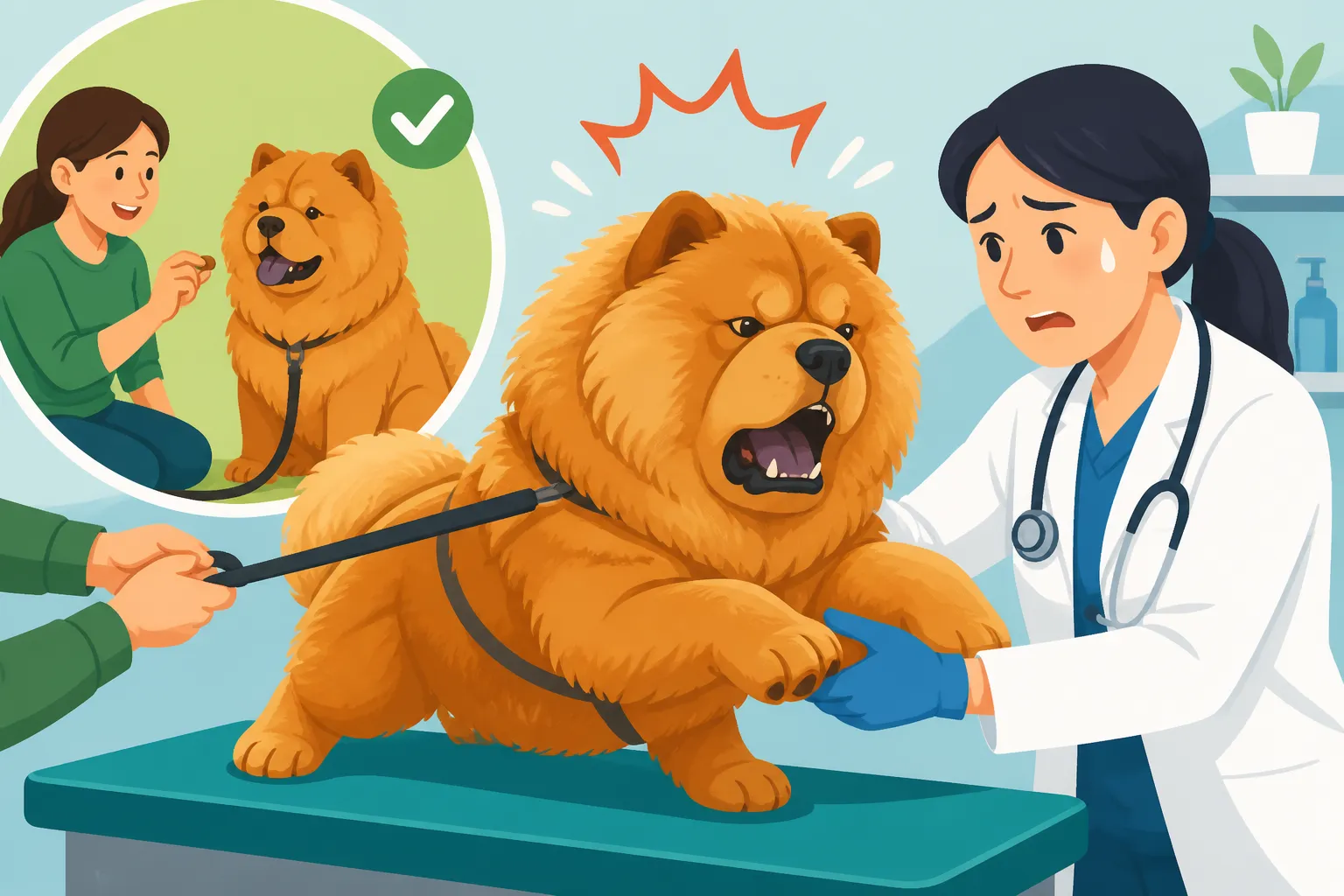
It's a common, heartbreaking scenario: you arrive at the vet with your beloved Chow Chow, and what should be a routine check-up quickly devolves into a stressful, anxiety-ridden ordeal for everyone involved. Your Chow Chow might growl, snap, or completely shut down, making examination next to impossible without restraint or even sedation. This guide is here to shed light on why this happens and how a lack of early, consistent practice at home contributes to these challenging vet visits, helping you navigate these situations with more understanding and practical strategies.
The Chow Chow's Unique Temperament and Vet Visits
Chow Chows are magnificent dogs, known for their lion-like manes, dignified bearing, and profound loyalty. But these very qualities, when misunderstood or not properly managed, can make routine veterinary care a monumental challenge. They aren't like some other breeds that enthusiastically greet every stranger with tail wags and kisses. A Chow Chow’s innate nature means they view the world, and strangers, very differently.
Aloofness and Wariness of Strangers
The Chow Chow is renowned for its aloof and independent nature. This isn't rudeness; it's simply how they are wired. They are not dogs that crave effusive attention from every passing person. While deeply devoted to their chosen few, they are generally reserved and suspicious of strangers. Imagine being suddenly handled by someone you don't know, in a strange place, with unfamiliar smells and sounds – it’s a recipe for alarm for any Chow Chow. They aren't going to roll over for a belly rub from a vet technician they've never met before, especially if that person is reaching for sensitive areas like their paws or mouth. Their patience for prolonged, invasive handling by non-family members is often minimal, even when well-socialized. How Aloof a Chow Chow Really Is speaks volumes about this inherent trait.
The One-Person Bond and Trust Issues
Many Chow Chows form an incredibly strong bond with one primary person, sometimes tolerating others in the household but reserving their deepest affection and trust for their chosen human. This intense bond, while beautiful, can make vet visits particularly difficult. If their primary person isn't the one holding them, speaking softly to them, or providing comfort, their stress levels can skyrocket. They rely on their person for security and reassurance, and if that person is not present or is perceived as not protecting them, they can feel exposed and threatened. This isn't a sign of aggression; it's often a manifestation of deep insecurity when faced with unfamiliar situations and people, especially when their "rock" isn't actively guiding them through it.
Resistance to Coercion and Force
Chow Chows are highly intelligent, but they are also known for their stubborn streak. They respond best to fair, consistent, and positive reinforcement training, rather than harsh corrections or force. When a Chow Chow feels cornered, frightened, or physically compelled to do something it doesn't want to do, its natural inclination is to resist. This resistance can manifest as freezing, growling, snapping, or trying to escape. They are not a breed that will readily submit to force. Trying to manhandle a frightened Chow Chow on a vet examination table is not only dangerous for the staff and the dog but also deeply damaging to any trust you're trying to build. They remember unpleasant experiences vividly, which can make future visits even more challenging. Why Harsh Correction Backfires on a Chow Chow perfectly illustrates this point.
Physical Characteristics That Complicate Vet Exams
Beyond their temperament, several physical traits inherent to the Chow Chow breed can inadvertently make veterinary examinations more challenging, and in some cases, increase the risk of an adverse reaction if the dog isn't properly prepared.
Deep-Set Eyes and Limited Peripheral Vision
One of the Chow Chow's defining features is its deep-set eyes, often partially obscured by its distinctive facial wrinkles. While giving them that characteristic "scowl," this anatomical feature also limits their peripheral vision. They often need to turn their entire head to see things to their side or behind them. This can lead to them being easily startled if approached from an angle they haven't perceived. Imagine a vet or technician reaching around to administer an injection or take a temperature, and your Chow Chow, unable to see the approaching hand clearly, reacts defensively. This isn't malice; it's a startle response. Understanding Why a Chow Chow's Deep Set Eyes Limit What It Sees is crucial for anyone interacting with the breed, especially in a clinical setting.
Dense Coat Hiding Ailments and Handling Challenges
The Chow Chow's dense, double coat is undeniably beautiful, but it can also be a significant impediment during veterinary exams. It's incredibly thick, especially in rough-coated Chows, making it difficult for a vet to properly palpate lymph nodes, feel for lumps, or assess skin conditions. Many skin issues, from hot spots to autoimmune conditions, can hide beneath layers of fur, making early detection a challenge for owners and examination tricky for vets. Why a Chow Chow's Dense Coat Hides Skin Disease is a real problem.
Furthermore, this luxurious coat can make it harder for the vet to feel the dog's body condition accurately, potentially masking weight gain or loss. Grooming is also a huge part of their care, and if a Chow Chow hasn't been routinely accustomed to thorough brushing, bathing, and drying to the skin, even simple handling of their coat for examination can be a source of discomfort and fear, leading to resistance.
The Straight Rear Leg and Handling Sensitivity
Another distinctive physical characteristic of the Chow Chow is its relatively straight rear leg, which contributes to its unique, somewhat stilted gait. While this is a breed standard, it can also mean that certain manipulations or positioning during a vet exam might be uncomfortable or awkward for them. Forcing a Chow Chow into a position that puts strain on their joints or makes them feel unbalanced can quickly escalate anxiety. Imagine trying to check for hip (Hip Dysplasia in a Chow Chow) or elbow dysplasia (What Elbow Dysplasia Does to a Chow Chow) and having to manipulate the legs of a dog that is already uncomfortable or sensitive in that area. Their unwillingness to cooperate might be less about aggression and more about physical discomfort or the unsettling sensation of being held in an unnatural pose.
The Lack of Early Practice: A Missed Opportunity
Many of the challenges faced at the vet could be significantly mitigated, if not entirely avoided, with consistent, positive early practice. The foundation for a confident, calm Chow Chow at the vet is laid long before their first appointment.
The Critical Socialization Window
The period from roughly 3 to 16 weeks of age is a critical socialization window for puppies. During this time, puppies are most receptive to new experiences, people, and environments. What they encounter and learn during this period profoundly shapes their adult personality and their ability to cope with novel situations. If a Chow Chow puppy isn't exposed to a variety of people (including those who look like vets or vet techs), sounds, and gentle handling during this crucial time, they are far more likely to develop fear, suspicion, and defensive behaviors later in life. The Weeks That Matter Most for a Chow Chow Puppy cannot be overstated. Puppy classes, supervised visits to different locations, and meeting a wide range of friendly, respectful people are invaluable.
Importance of Positive Reinforcement Training
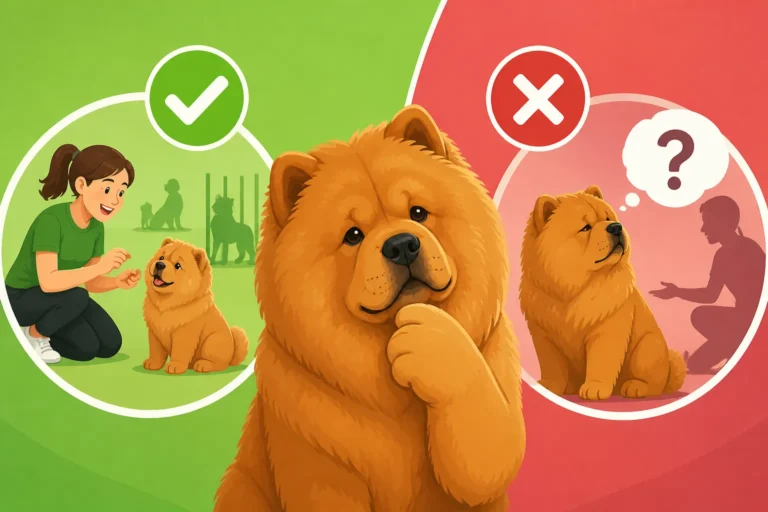
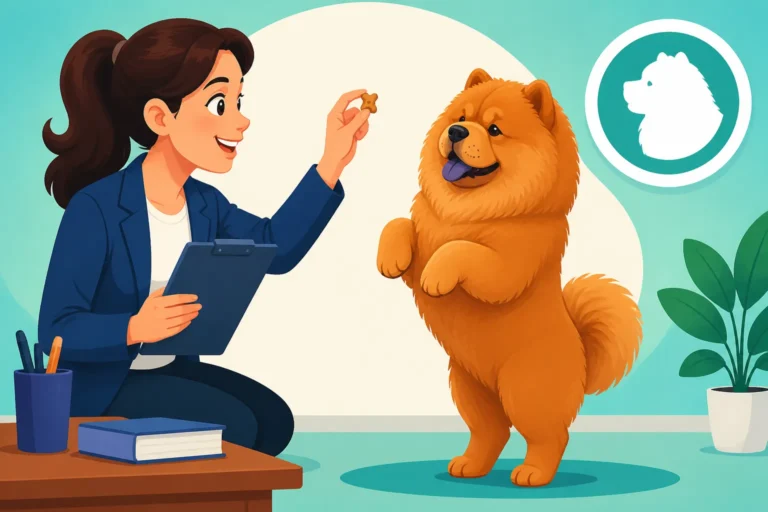
Chow Chows respond beautifully to positive reinforcement. This means rewarding desired behaviors with high-value treats, praise, or toys. When preparing a Chow Chow for vet visits, every interaction should be positive. You want them to associate handling, new people, and the vet's office with good things. This means using their absolute favorite treats – tiny pieces of cooked chicken, cheese, or hot dogs – to create powerful positive associations. Which Treat a Chow Chow Will Work Hardest For is a question every Chow owner should answer! If every time a stranger (or a "pretend vet") gently touches their paw, they get a delicious treat, they learn to not only tolerate but even look forward to that interaction. Without this positive conditioning, the vet becomes a place of fear and unwanted procedures, leading to resistance.
Consistent Desensitization to Handling
This is arguably the most crucial step. Your Chow Chow needs to be comfortable with all forms of handling, long before a vet needs to do it. This includes:
- Paws: Picking up each paw, spreading the toes, gently pressing on nail beds. This is vital for nail trims and paw examinations.
- Ears: Lifting flaps, looking inside, gently touching the ear canal. Essential for ear cleanings and infection checks.
- Mouth: Gently lifting lips to inspect teeth and gums. This helps with dental checks.
- Tail & Rear: Lifting the tail, touching around the hindquarters. Crucial for temperature checks and anal gland expressions.
- Body Palpation: Running hands all over their body, feeling their ribs, back, and stomach, as a vet would.
These practices should be short, frequent, and always end on a positive note, with a reward. Start when they are puppies. Imagine a vet needing to take a temperature, and your Chow Chow has never had its tail lifted. This becomes a battle, not a quick procedure. Teaching a Chow Chow to Have Its Feet Handled and How to Start Brushing a Chow Chow Puppy are excellent places to begin this journey. Consistency is key, even after they're adults. Think of it as ongoing "vet prep" at home.
Strategies for a Smoother Vet Experience
Even if you're starting with an adult Chow Chow who already has a less-than-stellar history at the vet, there are absolutely steps you can take to make future visits less traumatic for everyone. It requires patience, consistency, and often, a team approach with your veterinary practice.
Finding the Right Veterinary Practice
This is paramount. Not all vet clinics are created equal, especially when it comes to handling more reserved or anxious breeds like the Chow Chow. Look for a practice that:
- Is Fear Free Certified: Fear Free clinics prioritize reducing fear, anxiety, and stress for pets. They use techniques like separate waiting areas, calming pheromones, non-slip surfaces, and highly trained staff who understand canine body language.
- Has Experience with Chow Chows: Ask about their experience with Chows or other similarly reserved breeds. A vet who understands the breed's temperament and physical quirks will approach your dog differently.
- Offers "Happy Visits": These are short, non-medical visits where your dog just goes to the clinic, gets treats, friendly greetings, and leaves. No pokes, no prods – just positive association.
- Is Open to Sedation or Anxiolytics: For severely anxious Chows, pre-visit medication might be necessary to take the edge off and allow for a more thorough, less stressful exam. Don't view this as a failure, but as a compassionate tool. Whether a Chow Chow Needs a Fear Free Practice is a very real consideration.
Pre-Visit Preparation at Home
The work starts long before you even leave your driveway.
- Muzzle Training: This is not a punishment; it's a safety tool. A well-fitting, comfortable basket muzzle, like those found on Amazon, can prevent bites and allow staff to work more safely, often leading to a calmer dog as the pressure to defend itself is removed. Introduce it slowly and positively at home, pairing it with high-value treats. Your Chow Chow should view it as a normal, positive piece of equipment. Teaching a Chow Chow to Wear a Muzzle is a skill every Chow Chow should ideally learn.
- Practice "Vet Games": At home, set up a mock vet station. Practice putting your Chow Chow on a table (if safe), examining their paws, ears, and mouth, and giving fake injections (using your finger or a pen cap). Reward heavily.
- Crate Training & Car Rides: If your Chow Chow is crate trained, ensure their crate is a safe, comfortable den. Practice car rides that don't always end at the vet. A calm car ride is the first step to a calm vet visit.
- Exercise Beforehand: A slightly tired Chow Chow might be less reactive. A gentle walk before the appointment can help burn off a little nervous energy, but be mindful of their proneness to overheating. When a Chow Chow Should Be Walked in Summer is something to keep in mind.
During the Appointment
Once you're at the clinic, your role as your Chow Chow's advocate is crucial.
- Communicate Clearly: Inform the vet and staff about your Chow Chow's personality and any specific triggers or fears. "He doesn't like his tail touched," or "She startles if approached from behind," are vital pieces of information.
- Advocate for Space: Ask if you can wait in your car or a quiet area until an exam room is ready to minimize exposure to other animals and commotion.
- Bring High-Value Treats: Don't rely solely on the vet's treats. Bring your Chow Chow's absolute favorite, irresistible goodies to create positive associations throughout the visit.
- Be the Handler: If your Chow Chow is bonded to you, you might be the best person to hold or position them for the exam, guided by the vet. This provides immense comfort and reassurance.
- Short and Sweet: If possible, break longer appointments into shorter ones. A comprehensive exam might be too much all at once for a highly anxious Chow. Focus on one or two critical tasks per visit.
- Don't Force It: If your Chow Chow is showing severe signs of stress or aggression, sometimes it's better to postpone or re-strategize than to push them to a breaking point. A sedated exam might be the kindest and safest option. Consider what a Chow Chow's sedated exam might cost, and budget for it if necessary.
Ongoing Training and Practice
Making vet visits manageable is an ongoing journey. It's not a one-and-done solution; it's a lifestyle of consistent, positive reinforcement. Many online resources, like those offered by BAXTER & Bella, provide comprehensive puppy and dog training programs that emphasize positive methods, which are ideal for building confidence in a breed like the Chow Chow for various scenarios, including vet visits.
Remember, every time you practice handling your Chow Chow at home, you're investing in their future comfort and well-being. This table summarizes key handling practices you should regularly do with your Chow Chow:
| Body Part | Why It's Important | How to Practice | Rewards to Use |
|---|---|---|---|
| Paws/Nails | Nail trims, examining for injury/ingrown nails. | Gently touch, lift, spread toes, tap nails, use clippers/Dremel near paw without cutting. | High-value treats, praise, short play. |
| Ears | Checking for infections, cleaning. | Lift ear flap, look inside, gently touch outer ear canal. | Small, tasty treats, a quick ear rub (if they like it). |
| Mouth/Teeth | Dental exams, checking for injuries. | Gently lift lips to expose teeth, briefly open mouth. | Extra special treats (e.g., peanut butter on a spoon). |
| Tail/Rear | Temperature checks, anal gland exams. | Gently lift tail, touch around the base and hindquarters. | Continuous stream of small treats, calm praise. |
| Body (Palpation) | Feeling for lumps, injuries, assessing weight. | Run hands all over body, gently squeeze ribs, feel stomach and back. | Affectionate petting (if tolerated), favorite chew toy. |
| Eyes/Face | Examining for irritation, wiping folds. | Gently touch around eyes, wipe face folds with a damp cloth. | Soft praise, gentle head scratches. |
By being proactive, patient, and consistent, you can transform vet visits from a source of dread into a manageable, albeit still carefully orchestrated, necessity for your Chow Chow's long, healthy life. Understanding their unique needs and preparing them thoughtfully makes all the difference.
Disclaimer
This article is for general informational purposes only and does not constitute professional advice. Laws, prices and regulations vary by location and change over time. Consult a qualified professional for guidance on your specific situation.