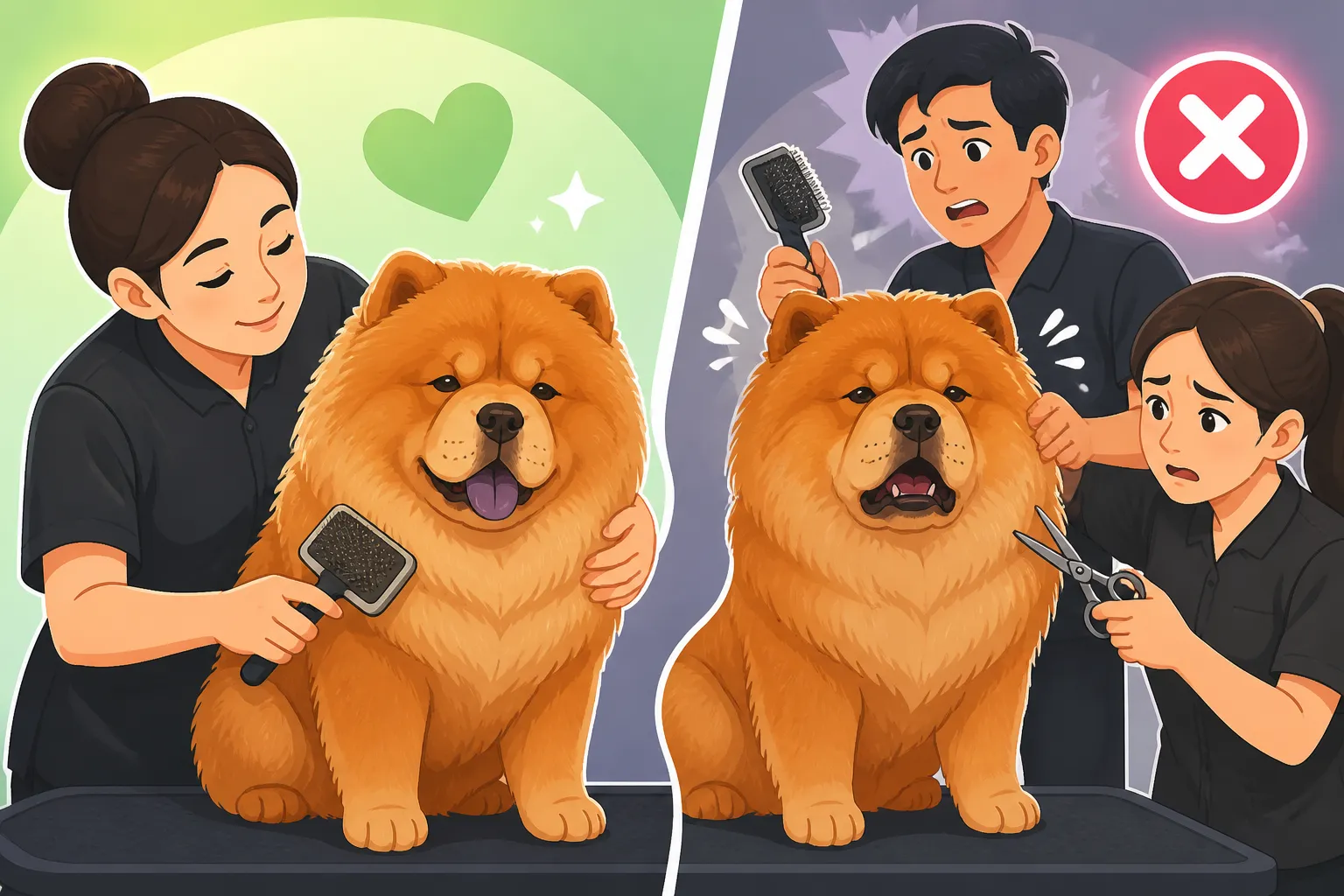
Why a Chow Chow Does Better With One Groomer
As a Chow Chow owner, you've likely experienced the unique challenges that come with grooming these magnificent, fluffy dogs. Their dense double coats are a labor of love, and their often reserved, discerning personalities can make routine trips to the groomer a source of anxiety for everyone involved. It's a common frustration to feel like your Chow isn't truly comfortable, or that each visit is starting from scratch. This guide will delve into why a consistent relationship with a single groomer isn't just a convenience, but a crucial element for your Chow Chow's comfort, well-being, and a less stressful grooming experience overall.
Understanding the Chow Chow's Temperament and Its Impact on Grooming
Chow Chows are not your typical "happy-go-lucky" Golden Retrievers. They possess a distinct temperament that requires a different approach, especially when it comes to hands-on activities like grooming. Their ancient breed roots mean they're often described as cat-like in their independence and aloofness. Understanding these fundamental traits is key to appreciating why consistency in grooming is so vital.
The Chow Chow's Innate Wariness and Suspicion
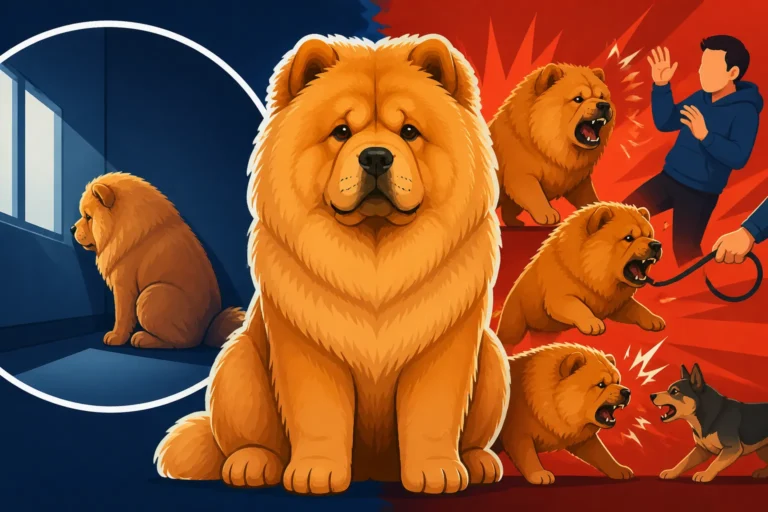
Chow Chows are known for their reserved nature. They aren't generally dogs who eagerly greet strangers with wagging tails and sloppy kisses. Instead, they often approach new people and situations with a healthy dose of suspicion. This wariness isn't aggression, but a deep-seated caution that means trust must be earned, not automatically given. Imagine being handled by a different stranger every few weeks, each with their own techniques, scents, and energy. For a Chow Chow, this can be incredibly unsettling. They thrive on predictability and routine. A constant rotation of groomers means constantly resetting that trust thermometer, which can lead to increased stress, resistance, and even fear-based reactions during grooming sessions. They need to feel secure, and security for a Chow comes from knowing what to expect and who to expect it from. This innate wariness is a big part of Why a Chow Chow Does Not Follow You Room to Room with the same enthusiasm as some other breeds, preferring instead to observe from a comfortable distance.
How a Chow Chow Bonds and the Importance of Trust
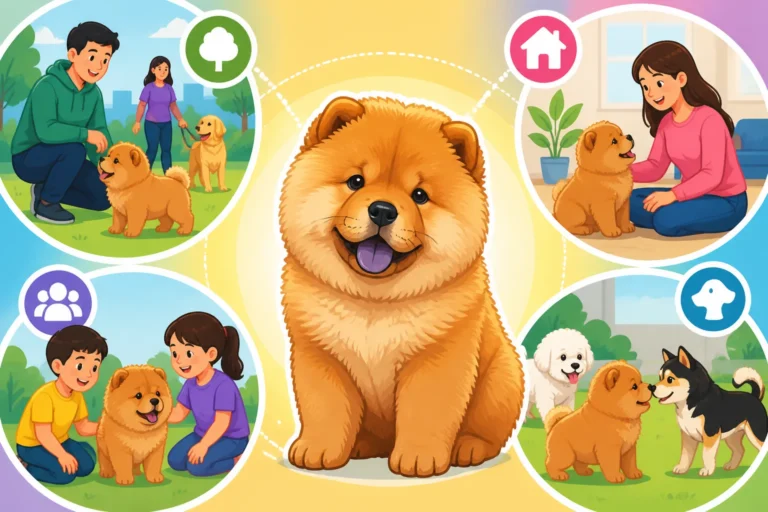
While Chow Chows might be aloof with strangers, they form incredibly strong, deep bonds with their chosen few – usually their primary caretaker. This bond is built on mutual respect and trust. Once a Chow Chow gives its trust, it's a profound commitment. This is why The Chow Chow Bonds to One Person and Tolerates the Rest is such a defining characteristic. This extends directly to their grooming experience. When a Chow Chow builds a rapport with a single groomer, that groomer becomes part of their trusted circle. They learn to anticipate the groomer's touch, voice, and routine. This familiarity is not just comforting; it's essential for a smooth and safe grooming process. Without that established trust, every grooming session can feel like an invasion of personal space by an unknown entity, turning what should be a routine necessity into a battle of wills or a terrifying ordeal.
Limited Vision and Sensitivity to Surprises
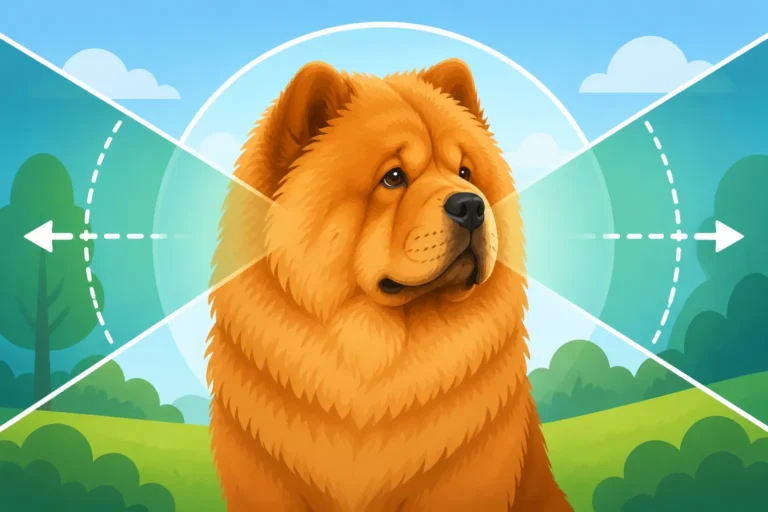
Another critical factor often overlooked in Chow Chow grooming is their physical conformation, particularly their deep-set eyes and the characteristic "scowl" created by their facial wrinkles. This gives them somewhat limited peripheral vision. They can't easily see what's coming at them from the sides or behind without turning their entire head. This physical trait, coupled with their watchful nature, makes them highly sensitive to sudden movements or unexpected touches, especially when they can't see the source. This is precisely Why a Chow Chow Snaps at Someone It Did Not See. A consistent groomer learns to approach a Chow Chow carefully, always speaking to them, and using gentle, deliberate movements that stay within the dog's line of sight. They understand that startling a Chow Chow can lead to a defensive reaction. Different groomers, unaware of this nuanced need, might inadvertently cause fear or discomfort, making future sessions even harder. Understanding Why a Chow Chow's Deep Set Eyes Limit What It Sees is paramount for any handler.
The Practical Advantages of a Consistent Grooming Relationship
Beyond the psychological comfort for your Chow Chow, there are very tangible, practical benefits to sticking with one groomer. It's about efficiency, safety, and ultimately, a better-looking, healthier dog.
Building a Foundation of Trust and Predictability
Think about it from your Chow's perspective. Every time they walk into the grooming salon, if it's the same friendly face, the same smells, the same routine, it becomes predictable. Predictability reduces anxiety. A consistent groomer isn't just a pair of hands; they're a familiar presence who knows your dog's quirks – maybe they hate having their feet touched, or they're particularly sensitive around their tail. This specialized knowledge allows the groomer to adapt their approach, making the experience less stressful. They can use positive reinforcement, perhaps with specific treats your Chow loves, or by speaking in a calming tone that your dog has learned to associate with safety. This bond helps to prevent resistance, making the entire process quicker and safer for both the dog and the groomer. This is an extension of what Teaching a Chow Chow to Wear a Muzzle or any other cooperative care skill aims to achieve – making potentially uncomfortable experiences manageable through trust and routine.
Familiarity with Specific Needs and Coat Challenges
Chow Chows have unique coats – whether rough or smooth, they are dense, double-layered, and prone to matting if not maintained properly. Each Chow's coat can have its own particular challenges: some might mat more behind the ears, others in their "britches," or beneath their collar. A consistent groomer quickly learns the intricacies of your Chow's coat. They know where the trouble spots are likely to form, how thick the undercoat is during a "coat blow," and the best techniques to use without causing discomfort. They remember what worked last time and what didn't.
Consider a groomer who sees a hundred different breeds a week. They might not remember the exact nuances of your Chow's double coat and could spend extra time trying to figure it out, prolonging the session or inadvertently causing irritation. A dedicated groomer, however, will already have a strategy tailored to your dog. They know how to properly line brush, how to tackle a developing mat gently, and how long it takes to thoroughly dry that dense fur down to the skin. This expertise saves time, reduces stress, and ensures a more effective and aesthetically pleasing groom. How Often a Rough Coated Chow Chow Needs Brushing is something a good groomer will innately understand and advise on for home care.
Reduced Stress and Better Behavior Over Time
When a Chow Chow is comfortable and trusts its groomer, the stress levels for everyone plummet. A stressed dog is more prone to struggle, leading to potential nicks or cuts from clippers, or simply an unpleasant experience. With a consistent groomer, your Chow learns that these sessions are not a threat. They might even look forward to the attention, or at least tolerate it calmly.
Over multiple visits, a good groomer can actually improve your Chow's behavior during grooming. They can teach them to stand still, to allow their paws to be handled, or to tolerate the noise of the dryer. This isn't just about grooming; it's about continued positive socialization. A dog that is calm for grooming is generally a more confident and well-adjusted dog. This ongoing positive conditioning is vastly more effective than subjecting your Chow to a new person and new environment every time, which can reinforce anxiety and make subsequent visits harder. Imagine the difference between taking your child to a familiar, kind dentist versus a new, unknown one every six months – the comfort level is worlds apart.
Here's a quick overview of the benefits:
| Feature | Consistent Groomer | Rotating Groomers |
|---|---|---|
| Trust Building | Strong, established bond leads to cooperation. | Trust must be re-established each time, often leading to stress. |
| Familiarity | Knows your Chow's specific coat needs, quirks, and sensitivities. | Generic approach, may miss subtle needs or trouble spots. |
| Stress Level | Significantly reduced for the dog (and owner). | Often high, leading to resistance, fear, or frustration. |
| Grooming Quality | Consistent, high-quality results; knows what works. | Variable quality depending on individual groomer's experience. |
| Safety | Lower risk of accidents due to predictability and rapport. | Higher risk due to dog's anxiety or groomer's unfamiliarity. |
| Behavioral Impact | Positive reinforcement, improved behavior over time. | Can reinforce negative associations with grooming. |
| Communication | Open, ongoing dialogue about dog's progress and needs. | Fragmented; you have to explain everything anew each time. |
What to Look for in a Dedicated Chow Chow Groomer
Finding the right groomer for your Chow Chow is a crucial decision, almost as important as choosing their veterinarian. You're not just looking for someone who can cut hair; you need a professional who understands the unique challenges and rewards of working with this breed.
Experience with Double-Coated, Aloof Breeds
The first and foremost criterion should be experience. Ask potential groomers if they have a history of working with Chow Chows or similar double-coated breeds known for their independent or reserved temperaments, like Akitas or Shiba Inus. Grooming a Chow Chow is fundamentally different from grooming a Poodle or a Golden Retriever. Their coats require specific tools and techniques, such as thorough line brushing and high-velocity drying to prevent skin issues and mats. Why Some Groomers Refuse a Chow Chow often comes down to this lack of specific breed experience or an unwillingness to adapt their standard practices.
A groomer experienced with these breeds will understand the patience required, the need for a calm environment, and how to manage that dense undercoat efficiently and safely. They won't resort to shaving your Chow Chow (unless medically necessary) and will emphasize the importance of maintaining the double coat for insulation and skin health.
Patience and Positive Reinforcement Techniques
Patience is a virtue, and with a Chow Chow, it's a necessity. Avoid any groomer who talks about "dominance" or "forcing" a dog into submission. This approach will only backfire with a Chow, eroding trust and potentially making them defensive or shut down. Instead, look for a groomer who uses positive reinforcement – praise, gentle handling, and high-value treats (if allowed and safe). They should prioritize your Chow's comfort and emotional well-being over simply getting the job done quickly.
Ask about their approach to handling a nervous dog. Do they take breaks? Do they use a "fear-free" approach? A good groomer will understand that some Chows might need extra time, or a gradual introduction to certain aspects of grooming. They should be willing to build up to a full groom over several shorter, positive sessions if needed. Online training platforms, like BAXTER & Bella, often emphasize these positive reinforcement methods, which are invaluable for teaching your Chow Chow to accept handling for grooming, even at home.
A Groomer Who Understands Chow Chow Body Language
Chow Chows are not always overtly expressive dogs. They don't typically offer exaggerated warning signs like some other breeds. Their "scowl" is a breed characteristic, not necessarily an indicator of mood, but their subtle cues—a stiffening body, a slight turn of the head, a whale eye—can signal discomfort or stress. How to Read a Chow Chow's Face and overall body language is a skill that takes time to learn.
A truly excellent Chow Chow groomer will be attuned to these subtle signals. They'll know when your Chow is reaching their limit and needs a break, or when they're simply tolerating an action. They won't push the dog past its comfort zone, which prevents escalating fear or defensive behaviors. This intuitive understanding ensures a safer and more positive experience, fostering that long-term trust you're aiming to build.
Steps to Foster a Strong Groomer-Chow Chow Relationship
Once you've found that perfect groomer, your role isn't over! You're a crucial partner in helping your Chow Chow develop and maintain a positive relationship with their grooming professional.
Early and Frequent Exposure to Grooming
The earlier you start introducing your Chow Chow puppy to grooming, the better. Even before their full vaccination series is complete, you can begin desensitizing them to touch, the sound of clippers (even if it's just a vibrating toothbrush at first), and the sensation of being brushed. This early positive exposure is part of How Much Socialization a Chow Chow Puppy Needs for all aspects of life. Take your puppy to visit the groomer just for a happy "meet and greet" – no actual grooming, just a quick treat and a friendly stroke.
Once they're old enough for full grooms, schedule regular appointments. Don't wait until your Chow is matted or their coat is completely out of control, as this will make the experience much more difficult and unpleasant. Frequent, shorter sessions are often better for a Chow Chow than infrequent, marathon sessions, especially when they are young and still developing their tolerance. This regular exposure helps normalize the grooming process and strengthens the bond with their consistent groomer.
Consistent Home Grooming Reinforcement
Your work at home directly supports the groomer's efforts. Consistent home grooming helps your Chow Chow become accustomed to being handled and brushed. It also prevents severe matting, which can make professional grooming painful and stressful. Invest in quality grooming tools – a good slicker brush, an undercoat rake, and a high-velocity dryer are indispensable for a Chow Chow. Many excellent options are available on platforms like Amazon. Regular brushing at home, even for just 15-20 minutes a few times a week, makes a world of difference.
Practice handling your Chow's paws, ears, and tail gently, rewarding them for their cooperation. This consistent reinforcement tells your Chow that being touched in these areas is a normal and positive experience. Teaching a Chow Chow to Have Its Feet Handled is particularly important, as many dogs are sensitive about their paws. The more comfortable they are with your handling, the more relaxed they'll be with their professional groomer.
Open Communication with Your Chosen Groomer
Maintain an open, honest dialogue with your groomer. Communicate any changes in your Chow Chow's health, temperament, or coat condition. If you notice a new lump, a skin irritation, or if your Chow has been particularly grumpy lately, share this information. Your groomer can then adjust their approach accordingly, ensuring your dog's safety and comfort.
Ask your groomer for feedback after each session. Did your Chow do well? Were there any areas of concern? Did they notice any skin issues? This two-way communication builds a stronger partnership, allowing both you and the groomer to work together to provide the best possible care for your beloved Chow Chow. It ensures that any challenges can be addressed proactively, making future grooming sessions even more successful.
Disclaimer
This article is for general informational purposes only and does not constitute professional advice. Laws, prices and regulations vary by location and change over time. Consult a qualified professional for guidance on your specific situation.