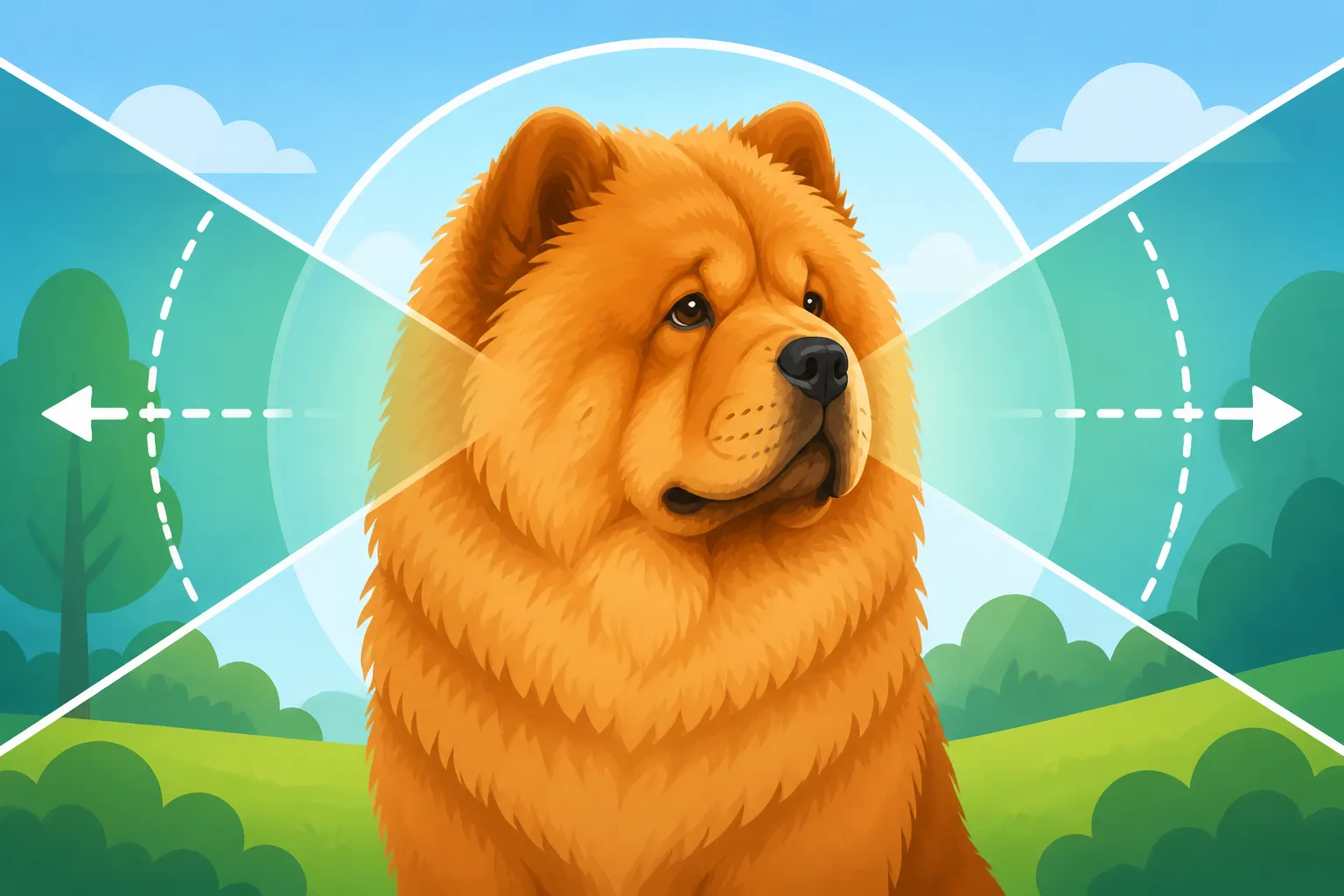
How Far a Chow Chow Can See to the Side
It’s a common scenario: you’re walking your majestic Chow Chow, and a person or another dog approaches from the side, seemingly out of nowhere. Suddenly, your usually calm companion gives a sharp bark, perhaps a growl, or even lunges slightly, startling everyone involved. You might wonder why they react this way, or if they’re just being difficult. The truth is, it often comes down to how far a Chow Chow can actually see to the side, a topic this guide will explore in depth to help you better understand and manage your unique canine friend.
Understanding Canine Vision vs. Human Vision
Before we dive into the specifics of Chow Chow vision, it's helpful to understand how a dog's eyesight generally differs from our own. While we often think of dogs as having superior senses, their vision isn't quite the same as ours, and in some ways, it's actually more limited.
The Basics of Dog Vision
Most dogs have a wider field of view than humans, often around 240 degrees compared to our 180 degrees. This wider panoramic view is an evolutionary trait, allowing them to detect movement across a broader horizon, which was incredibly useful for hunting and spotting predators. However, this comes at a trade-off. Their eyes are typically set more to the sides of their head, reducing the overlap between what each eye sees simultaneously. This overlap is called binocular vision, and it's crucial for depth perception. Humans have a large degree of binocular vision, which helps us judge distances accurately. Dogs, with less overlap, have poorer depth perception, especially at varying distances. They also see fewer colors than humans, primarily distinguishing between blues and yellows, and struggle with reds and greens.
So, while a typical dog can see a broader sweep of the world, their world might appear less vibrant, and they might not judge distances with the same precision we do. Their strength lies in detecting motion, even in dim light, and sensing things happening around them over a wider arc.
The Chow Chow's Unique Visual Landscape
Now, let's talk about the Chow Chow. When you look at a Chow Chow, you immediately notice a few things: their sturdy build, the thick coat, that majestic ruff, and those wonderfully deep-set eyes that give them their characteristic "scowl." It's these very features, while part of their breed standard and unique charm, that significantly alter their typical canine visual landscape, particularly impacting Why a Chow Chow's Deep Set Eye Causes Trouble. While a generic dog might have a 240-degree field of vision, the Chow Chow's anatomy inherently reduces this, especially when it comes to their peripheral view. Their eyes aren't just deep-set; they're almost recessed within their skull and surrounded by a formidable combination of bone structure, facial folds, and dense fur. This physical setup acts like blinkers on a horse, effectively cutting down on their side vision and creating larger blind spots than many other breeds.
The Physical Barriers to Peripheral Vision in Chow Chows
It’s not just a matter of eye placement; the entire head structure of a Chow Chow contributes to their limited field of vision. This isn't a defect, but a characteristic of the breed that owners need to be acutely aware of for their dog's safety and well-being.
Deep-Set Eyes and Restricted View
The deep-set nature of a Chow Chow's eyes means they are quite literally tucked further back into their skull. Imagine putting on a pair of sunglasses that are too small for your face and sit too far back – your view is immediately constricted, especially at the edges. For a Chow Chow, this is their everyday reality. The bony ridges of their eye sockets, while protective, physically block the light and visual information from reaching the retina at extreme angles. This isn't just about side vision; it can also affect their ability to see things directly above them or right below their muzzle. A ball rolled too close to their feet might disappear from view, requiring them to shift their entire head to locate it.
This anatomical quirk means that even a person standing just slightly to the side and behind them might not be visible unless the Chow Chow actively turns its head. It’s a bit like driving a car with large A-pillars or wearing a helmet with a narrow visor – you learn to compensate by moving your head more, but the initial field of view is undeniably smaller. This limited visual input can be particularly challenging in dynamic environments, where things move quickly and unpredictably.
Facial Structure, Wrinkles, and the Mighty Ruff
Beyond the deep-set eyes, a Chow Chow’s overall facial structure and luxurious coat play a significant role in further restricting their peripheral vision. The prominent forehead, the characteristic wrinkles that give them their serious expression, and especially their dense, lion-like ruff all act as natural physical barriers. Think of it like a permanent, very plush collar that extends around their face and neck. How a Chow Chow's Face Folds Push the Lid In describes how even the skin around their eyes can contribute to visual obstruction, especially if not kept clean and dry.
The heavy fur around their head and neck, which is so iconic for the breed, can literally brush against the edges of their eyes, further obscuring their view. This is particularly true for rough-coated Chows with their thick, stand-off coat. While these features are aesthetically prized and historically provided warmth and protection, they come with a practical consequence: they funnel the Chow Chow's vision into a narrower tunnel. They aren't trying to be aloof or ignore you; sometimes, they simply cannot see you without making a deliberate effort to turn their head and direct their gaze. This is why you'll often see a Chow Chow turn its entire body to look at something, rather than just shifting its eyes. They are compensating for their natural limitations.
Behavioral Consequences of Limited Side Vision
Understanding these physical limitations is crucial because they directly impact a Chow Chow's behavior and how they interact with the world around them. What might seem like stubbornness or aggression to an uninformed observer is often a natural reaction to being caught off guard.
Startling and Defensive Reactions
Perhaps the most common and concerning behavioral consequence of limited peripheral vision is the tendency for a Chow Chow to startle easily, which can lead to defensive reactions. Imagine walking down a street, utterly focused on what's in front of you, and suddenly, without warning, someone taps your shoulder or appears right beside you. Your immediate, instinctive reaction would likely be a jump, a gasp, or a sudden turn, perhaps even a defensive flinch. Now, imagine that happening to a dog that is naturally reserved and protective.
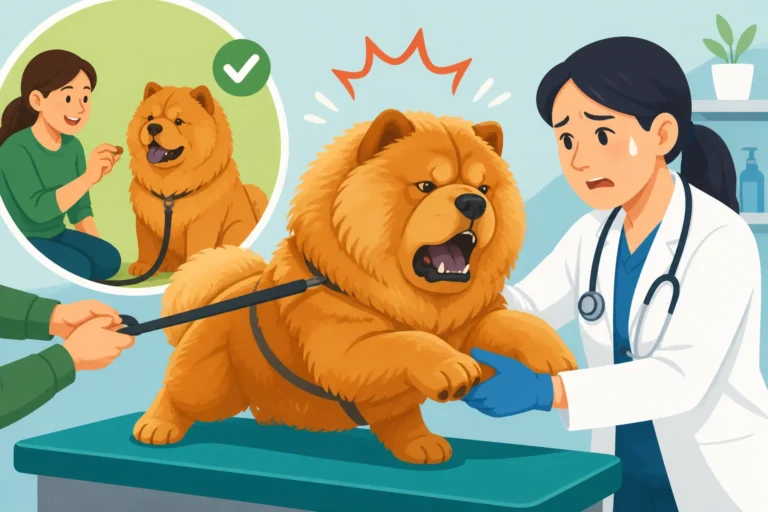
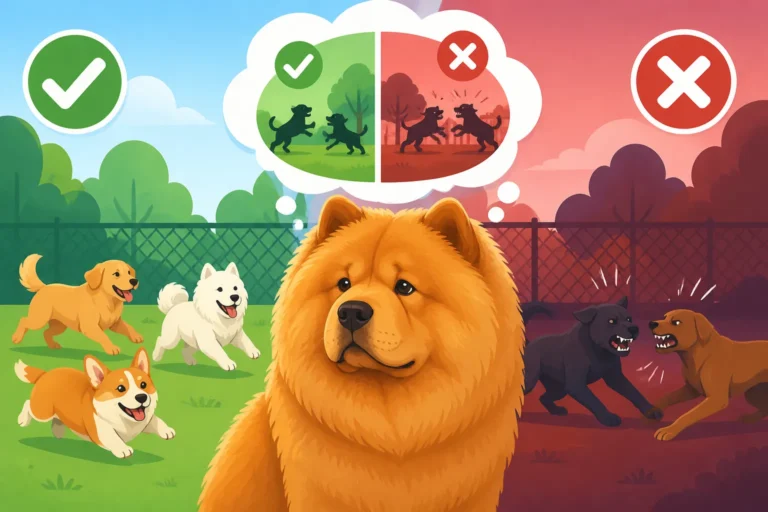
For a Chow Chow, a child approaching quietly from the side, another dog appearing from behind a bush, or even a sudden movement by someone just outside their forward tunnel of vision can trigger this startling response. Because they didn't see the approach, they perceive it as an unexpected, potentially threatening intrusion into their personal space. This is a primary reason Why a Chow Chow Snaps at Someone It Did Not See. Their default reaction isn't necessarily aggression, but rather a startled defense mechanism. This can manifest as a sharp bark, a quick growl, or a sudden lunge. It's their way of saying, "Hey! You surprised me, and I'm not comfortable with that!" Owners often get frustrated, but it's vital to remember that the dog isn't trying to be difficult; it's reacting to an inherent sensory limitation. These incidents can be prevented with careful management and proactive training.
The "Chow Scowl" and Communication Challenges
The Chow Chow's distinctive facial features – those deep-set eyes, broad skull, and often slightly downturned mouth – combine to give them what's famously known as the "Chow scowl." While endearing to enthusiasts, this expression, coupled with their limited peripheral vision, can create significant communication challenges, both for the dog and for those interacting with it.
Because their eyes are so recessed and often shaded by their heavy brow, it can be incredibly difficult to read a Chow Chow's eye movements or subtle changes in expression. Many dogs communicate discomfort or warning through direct eye contact, averting gaze, or subtle shifts in their eye shape. For a Chow Chow, these signals might be obscured, making them appear perpetually stoic or even grumpy. This means that a person, particularly a child, might misinterpret a Chow Chow's body language, missing subtle cues that indicate the dog is uncomfortable or feeling threatened. How to Read a Chow Chow's Face is a skill every Chow owner must develop, but it's undeniably harder than with breeds whose expressions are more open.
Compounding this is the fact that their limited side vision means they often don't see an approach until it's quite close. When they do finally perceive something, their reaction can seem sudden and out of proportion to the perceived stimulus, simply because they had no prior warning. This can lead to the perception that Why a Chow Chow Gives Little Warning before reacting, when in reality, the warnings might have been missed or simply didn't exist due to their visual limitations. This is why teaching children and strangers how to safely interact with a Chow Chow is paramount.
| Visual Characteristic | Human Vision (Approx.) | Typical Dog Vision (Approx.) | Chow Chow Vision (Approx.) |
|---|---|---|---|
| Field of View | 180 degrees | 240 degrees | ~180-200 degrees (reduced) |
| Binocular Vision | High (good depth) | Moderate (fair depth) | Lower (variable depth) |
| Peripheral Vision | Good | Very Good | Limited (significant blind spots) |
| Color Vision | Full Spectrum | Blue-Yellow | Blue-Yellow |
| Acuity/Sharpness | Excellent | Moderate | Moderate |
Strategies for Managing and Training a Chow Chow with Visual Limitations
Living with a Chow Chow means understanding and adapting to their unique visual perspective. Proactive management and consistent training are key to ensuring their safety, the safety of others, and a harmonious life for everyone.
Safe Approaches and Awareness
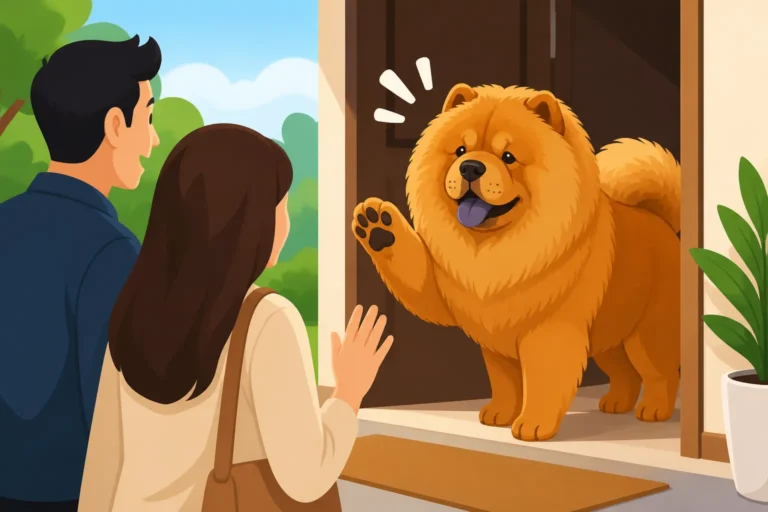
The most important step is to always approach a Chow Chow from the front, clearly within their direct field of vision. Speak their name softly first to get their attention, allowing them to turn their head and register your presence before you get too close. This simple act of verbal warning and visible approach significantly reduces the chance of startling them. It's a foundational piece of advice that every member of your household and any frequent visitor needs to understand and practice. How to Approach a Chow Chow Safely is not just a suggestion; it's a critical safety protocol.
When out in public, be extra vigilant. Scan your surroundings for potential surprises like other dogs, children running up, or people on bikes. Keeping your Chow Chow's head up and engaged with you can help them feel more secure. If you anticipate a sudden encounter, gently guide their head to look in that direction, giving them a visual heads-up. This mindful approach to their limited vision shows respect for their nature and helps build trust, reinforcing that you are their protector and will alert them to potential surprises.
Environmental Management
Creating a safe environment at home and managing interactions in public spaces is paramount. At home, consider how your furniture is arranged. Avoid creating narrow corridors or blind corners where someone could suddenly appear without being seen. If your Chow Chow has a preferred resting spot, ensure it allows them a clear view of approaching family members. This small adjustment can reduce unnecessary startles throughout the day.
When you're out and about, a sturdy leash and a reliable harness (many excellent options are available on Amazon) are indispensable. A well-fitting harness can give you better control and prevent pressure on their neck if they do lunge unexpectedly. Avoid retractable leashes, as they offer less control and can lead to dangerous situations if your Chow Chow suddenly reacts to something unseen. In busy areas, try to walk in less crowded spaces or at off-peak hours to minimize unexpected encounters. If you're going to an unfamiliar place, consider a short familiarization visit first, allowing your Chow Chow to calmly take in the sights and sounds without the pressure of constant surprises. Furthermore, for those warm climates, having accessories like cooling mats or vests (also easily found on Amazon) can make them more comfortable, reducing stress that might exacerbate their reactivity.
Training for Situational Awareness
While you can't change your Chow Chow's anatomy, you can absolutely train them to better cope with their visual limitations. The goal is not to eliminate their startle response entirely, but to teach them to defer to you when they are unsure or surprised. Positive reinforcement training is key here, as harsh corrections will only exacerbate their anxiety and damage your bond. Why a Chow Chow Ignores a Cue It Knows often comes down to their independent nature and aversion to pressure, so keeping training positive and engaging is crucial.
Start by teaching a strong "watch me" or "look" cue. This cue, when given, should prompt your Chow Chow to turn its head and make eye contact with you. Reward them heavily for this. Then, gradually introduce distractions, using the "watch me" cue to re-engage their attention. If you see something approaching from their blind spot, say "look" or "car" or "person," and reward them for orienting towards the stimulus before they are startled. This teaches them that you are their early warning system and that good things happen when they pay attention to your alerts.
Teaching a reliable recall, even if your Chow Chow is a "one-person dog" who typically sticks close, is also vital. Teaching a Chow Chow a Reliable Recall can literally be a lifesaver, allowing you to call them back to you if something unexpected appears in their environment.
Consider seeking guidance from a professional trainer who understands primitive breeds and their unique needs. Online resources, like the programs offered by BAXTER & Bella, can provide structured approaches to positive reinforcement training that you can implement at home, helping your Chow Chow build confidence and better navigate the world despite their visual quirks. Whether a Chow Chow Needs a Professional Trainer Early is often yes, not because they are inherently aggressive, but because their specific traits require knowledgeable guidance from a young age to ensure they become well-adjusted adults.
Disclaimer
This article is for general informational purposes only and does not constitute professional advice. Laws, prices and regulations vary by location and change over time. Consult a qualified professional for guidance on your specific situation.